What is Tabata training?
Eight rounds of 20 seconds of very hard effort and 10 seconds of rest, 4 minutes in all, named after Izumi Tabata, who studied it in 1996. In the original, the efforts were on a lab bike at about 170% of VO2 max, hard enough to be exhausted by the 7th or 8th round.
What did the original Tabata study find?
In 7 people training for 6 weeks, VO2 max rose by 7 mL/kg/min and anaerobic capacity by 28%, while a separate group cycling for an hour a day at moderate effort raised VO2 max by 5, with no change in anaerobic capacity. It was a small study of a protocol from Japan's national speed-skating team, and Tabata later described the method as developed for athletes.
Is a gym Tabata class the same as the original?
Usually not. Classes use bodyweight moves and several 4-minute blocks, and most people can't reach the original intensity: at that level, active men managed about 4 rounds, not 8. Only 5 of 30 studies citing Tabata said they used his protocol.
Is Tabata the same as HIIT?
It's one very short, very intense kind of high-intensity interval training (HIIT). Most HIIT uses longer efforts, often 1 to 4 minutes, at a hard but sustainable effort.
Does Tabata work?
For fitness, yes, in small trials: 8 weeks of bike Tabata raised VO2 max as much as 20 minutes of steady cycling in untrained young adults, and bodyweight 20/10 training raised fitness by about 8 to 11% in 4 weeks. But in one trial, vigorous continuous running did better.
Is Tabata good for weight loss?
Not on its own: Tabata himself calls the energy cost of the 4-minute session negligible, and 12 weeks of bodyweight Tabata didn't reduce body fat in people with overweight. A 20-minute class of four blocks used an estimated 240 to 360 kcal in 16 trained volunteers, but that figure came from heart rate, which runs high in circuits. What you eat matters most.
Can Tabata build muscle?
It builds muscular endurance when you use bodyweight moves, and one 12-week trial found thicker leg muscles. For strength and muscle, strength training does far more.
Tabata or the Norwegian 4x4 for VO2 max?
Both raise it, but pooled trials favour longer intervals and more total hard work for VO2 max. We found no trial comparing the two directly; for VO2 max, the 4x4 is the better-studied choice.
How often should I do Tabata?
Once or twice a week, up to 3, with easier days between. Tabata says twice a week appears enough for the aerobic gains, and in a trial of 1-minute intervals, twice a week raised fitness about as much as three times.
Is Tabata safe for beginners or people over 50?
Build up first: Tabata's own research group warns that the exhausting version may not be safe for people unused to hard exercise. Get used to regular moderate activity, start with one block at about 7 out of 10, and check with your GP if you have heart, metabolic or kidney disease or symptoms. A trial in adults around 72 used gentler intervals: 60 seconds hard with 2 minutes' rest.
What exercises are best for Tabata?
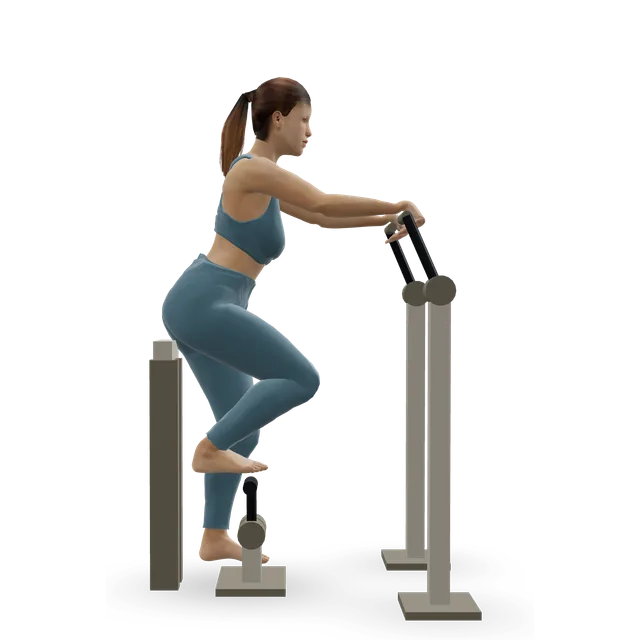
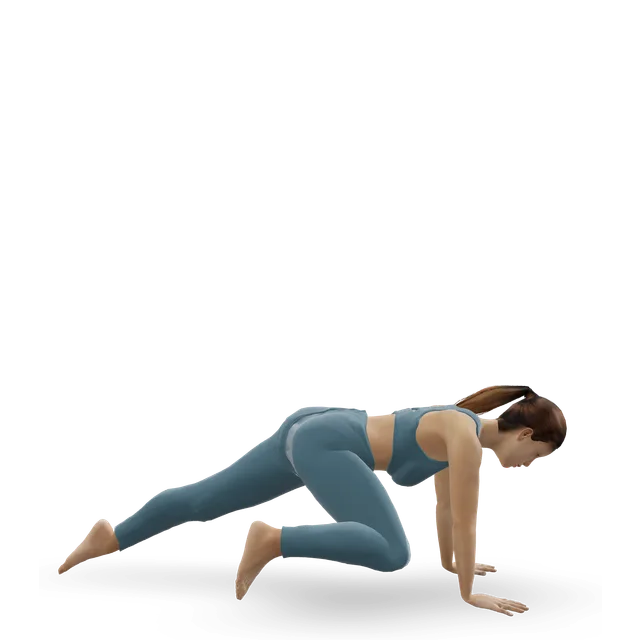
A bike, rower or air bike is closest to the original. At home, choose big-muscle moves you can do safely when tired, such as jumping jacks, squats, mountain climbers, lunges and burpees; step jacks and a fast march are the no-jump options.
What's the difference between Tabata, EMOM and AMRAP?
Tabata fixes both work and rest: 20 seconds on, 10 off. An EMOM fixes the reps and gives you the rest of each minute, and an AMRAP fixes the time and lets you choose when to rest. Our EMOM and AMRAP guide covers both.