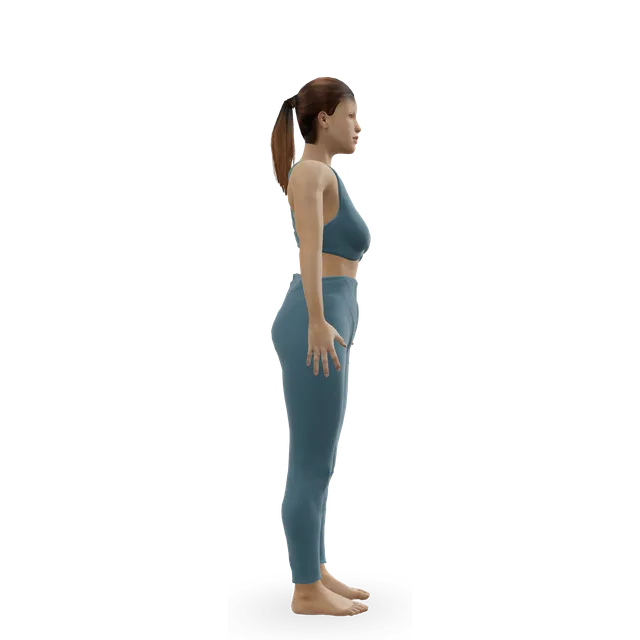
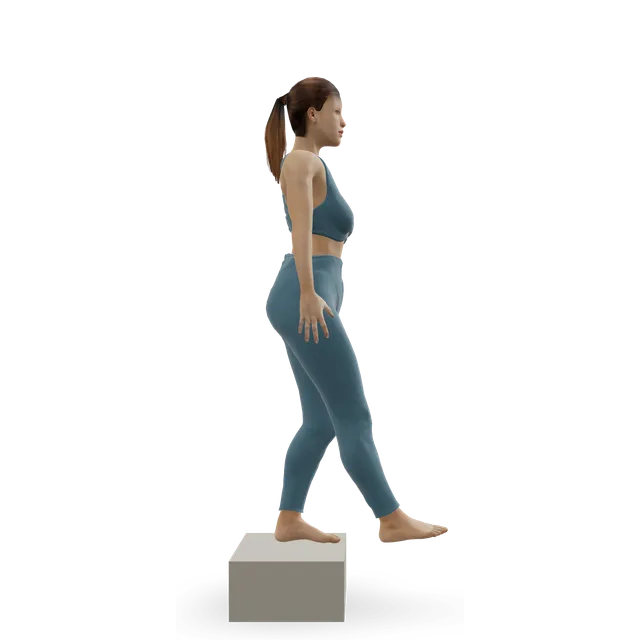
Ankles and knees
Across 46 studies, the ankle accounted for 13% to 84% of netball injuries and the knee 8% to 50%. In professional Australian netball, knee joint injuries cost the most time in season, 44.9 days each.
Sport
Netball is a game of jumping, landing and stopping dead: the footwork rule allows one step after catching, so players land, mostly on one leg, and brake hard many times a match. That's why its commonest injuries are ankle sprains and knee injuries, including tears of the anterior cruciate ligament (ACL), which were the commonest reason netballers were admitted to hospital in an Australian study. Most ACL tears in elite netball happen when a player lands from a jump.
This guide covers what netball asks of your body, the common injuries, Netball Australia's free KNEE warm-up step by step (sensibly built, though not yet tested on injury rates), what works after an ankle sprain, ACL prevention borrowed from other sports, strength, jump and landing training, children and teenagers, pregnancy and walking netball, and when to check with a doctor first. It includes the warm-up and a strength and landing workout, with a 3D demo of every move.
Across 46 studies, the ankle accounted for 13% to 84% of netball injuries and the knee 8% to 50%. In professional Australian netball, knee joint injuries cost the most time in season, 44.9 days each.
In videos of 21 elite netball ACL injuries, 17 happened on landing from a jump, and ACL rupture was the commonest diagnosis among netballers admitted to hospital in Australia.
Netball Australia's free four-part warm-up is meant for at least twice a week, all season. No study has tested it on injury rates, and in community clubs only 12% to 18% of its activities were done as intended.
In young female athletes in other sports, warm-ups with strength and landing work cut ACL injuries from about 1 in 54 players to 1 in 111. There's no evidence yet from netball itself.
Up to half of netballers who sprain an ankle sprain it again. Across sports, braces cut repeat sprains by about two-thirds, and balance training cut sprains in people who'd sprained before.
England Netball leaves it to the player, with individual medical advice and regular check-ups; the UK's National Health Service (NHS) advises against sports with a risk of falling or bumping your tummy.
In Australia's national league, centres covered about 5.5 km a match and goal shooters about 2.1 km, and the most restricted positions changed direction most per metre covered. In youth representative players, time above 85% of maximum heart rate ranged from 7% to 63% by position, highest in centres and goal attacks. The Compendium of Physical Activities gives netball 7.0 metabolic equivalents (METs), an estimated value rather than a measured one.
The footwork rule allows one step after catching, so players land and stop sharply, mostly on one leg. In 18 state and under-21 players, landing forces ranged from 3.5 to 5.7 times bodyweight; landings that ran on had the lowest forces, and taking an extra step didn't lower them.
The sites the studies point to:
Controlled one-leg landings with the knee over the foot, stopping in one step, quick changes of direction, jump height, ankle balance, hip and thigh strength, and repeat sprints for midcourt players.
Each study counted injuries its own way, so the figures in different lines aren't comparable. Most studies come from Australia and New Zealand.
The numbers, by group:
The commonest netball injury in most studies: 20.9% of medical-attention injuries in professionals, and the commonest injury at the 2019 World Cup. About four in five netballers sprain an ankle at some point, up to half sprain it again, and nine in ten report the ankle feeling unstable. In a community club, a previous injury went with about 7 times the odds of a leg injury, an association. Our sprained ankle and chronic ankle instability guides cover treatment and rehab.
ACL rupture was the commonest diagnosis among 4,596 Australian netball hospital admissions (16.5%, at an average age of 27). In videos of 21 elite injuries, 17 happened on landing from a jump, often while slowing down after a high pass on a wide two-footed landing with the knee nearly straight; in another series of 16, many followed a bump in the air or a twist and lean of the trunk on landing. Across sports, women injure an ACL about 1.7 times as often as men per game or training session. Our ACL injury guide covers what to do.
Knee injuries made up 8% to 50% of netball injuries across studies, and knee joint injuries cost professionals 44.9 days each in season. Our MCL sprain, meniscus tear and knee pain guides cover them.
Achilles injuries were 15.9% of Australian netball hospital admissions, at an average age of 35, and fractures 29.5%, mostly of the forearm, wrist and hand. Children under 16 hurt their arms, wrists and hands more often than adults. Our Achilles rupture, broken finger and broken wrist guides cover these.
Netball isn't contact-free: at the 2019 World Cup, contact injuries outnumbered non-contact ones about 3 to 1, and collisions caused 28% of injuries in a community club. Three concussions were among the most disabling injuries at a junior national championship. See the warning signs below.
No netball programme has been tested on injury rates. The trial evidence for ankles and ACLs comes from other sports, and each note says so.
A free warm-up from Netball Australia, with junior, recreational (14 and over) and elite levels and a video for every exercise:
Netball New Zealand's warm-ups haven't been tested on injuries either. In 81 secondary-school players randomised by team, 7 weeks of the Dynamic Warm-up improved a plank hold by 20.5 seconds and vertical jump by 6.7 cm against controls, though standing long jump fell by 9.9 cm. In 77 school players, it and a shorter version, done 3 times a week for 12 weeks, both improved landing technique, in a study that wasn't randomised.
In 18 studies of 27,231 young female athletes in other sports, warm-ups with strength and landing exercises cut ACL injuries from about 1 in 54 players to 1 in 111, more in school-age players and more with more landing and strength work in each session; they averaged 24 minutes, 2 to 3 times a week. Exercise and Sport Science Australia (ESSA) estimates about 60% fewer ACL injuries in female football, basketball and handball players aged 14 to 18, but says there's no evidence yet for netball. The ACL section below has more.
None of these has been tested in netball. Across 6 trials in athletes, braces cut repeat ankle injuries by about two-thirds (moderate-quality evidence) and first ones by about half (low quality). In 1,460 basketball players, lace-up braces cut ankle injuries whether or not players had sprained before. A brace worn for a year beat an 8-week home training programme for preventing repeats (15% against 27%), and an unsupervised home balance programme cut repeats from 33% to 22%. Across trials, balance training cut sprains by about a third, clearly in people who'd sprained before.
Netballers rarely rehabilitate a sprain properly and usually go back almost at once. Of 1,592 non-elite players, 60% sought care after their last sprain (53% in the UK) and 23% were cleared before returning (10% in the UK). Ankle tape improved ankle position sense in pre-elite netballers through a session, a change in a risk factor rather than in injuries. A brace for sport and the balance programme in our sprained ankle guide, 3 times a week for 8 weeks, are the tested route.
In New Zealand, ankle and knee claims spiked during trials and tournaments and rose most in 10 to 14-year-olds. Netball New Zealand advises its emerging players to play at most one other sport, and not during the netball season. Across sports, highly specialised young athletes had more overuse injuries, and so did those training more hours a week than their age in years.
There's no evidence that netball shoes, high-cut or not, prevent ankle sprains, and few players wore high-cut shoes when it was studied. Braces have the trial evidence.
Across 25 trials, stretching programmes didn't prevent sports injuries, while strength training cut them to about a third. Our warm-up guide explains what to do instead.
Source 41
In a lab study, an extra step after landing didn't lower landing forces, so it doesn't support a rule change; landings that ran on had the lowest forces.
Source 18
In 32 studies of 818 basketball players, jump training improved jump height, short sprints, change of direction and balance, and programme length and frequency didn't predict the gains. In 14 volleyball trials, it raised vertical jump, with no clear difference between 2 or fewer and more sessions a week, or between programmes under and over 2,000 jumps in total.
Netball's own studies are small: the NetballSmart warm-up raised vertical jump by 6.7 cm, and 3 weeks of jump training improved jumps and agility in Jamaica's national team, without a comparison group.
In 23 netballers aged 11 to 13, 6 weeks of coached strength and jump training, three 1-hour sessions a week, lowered landing forces and knee rotation compared with a control group. Across sports, strength training cut injuries to about a third, and the ACL programmes that work include leg strength and landing exercises in every session. Netball New Zealand's resource for emerging high-performance players builds strength in phases, adds power work with maximal jumps, and gives testing benchmarks such as a 45 cm vertical jump.
Centres run the most, and how hard young players worked varied hugely by position. In players aged about 11, one 8-minute netball interval session a week for 5 weeks improved a shuttle-run fitness test more than the KNEE warm-up did. Our HIIT guide covers intervals.
Netball New Zealand's weekly structure for emerging players: in pre-season, 2 to 3 strength sessions, 1 power session, 1 to 2 fitness sessions, 1 speed and agility session, 1 to 2 netball sessions and 1 to 2 rest days; in season, 2 strength sessions, 1 to 2 games and a rest day.
Our suggestion for club players: the KNEE warm-up every session, a strength and landing session twice a week for 6 to 8 weeks of pre-season and once or twice a week in season, no heavy legs or hard jumping the day before a match, and an easier week after a tournament weekend.
In 21 elite injuries on video, 17 came on landing from a jump, often while slowing down after a high pass, on a wide two-footed landing with the injured knee nearly straight and the player leaning back. In another series of 16, the landing was knocked off balance by a bump in the air, or the player twisted and leaned the trunk as she landed. In a review and expert consensus, poor landing technique was the top risk factor to fix.
Across 8 meta-analyses, warm-up programmes halved ACL injuries and cut non-contact ACL injuries in female athletes by about two-thirds. The best had strength exercises and jump-and-hold landings in every session, about 24 minutes 2 to 3 times a week, and younger athletes gained most. ESSA says effective programmes combine jump, strength, balance, mobility and agility exercises for 10 to 30 minutes, 2 to 3 times a week, often in place of the usual warm-up.
ESSA says there's no evidence yet for ACL programmes in netball, Australian football or rugby. Netball's own trials measured landing, not injuries: coached strength and jump training improved how girls aged 11 to 13 landed. Our reading: the evidence across sports is strong enough to do the work, but the size of its effect in netball isn't known, and the strength and landing parts of the KNEE warm-up are the ones most often skipped.
On a high pass, land with your feet about shoulder-width apart, knees bent and balanced, keep the ball secure above hip height, and turn your whole body towards your next pass rather than just your head: the authors of the video study suggested these. Coach with cues about the result, like the KNEE manual's "imagine sitting back in a chair" rather than "bend your knees", as ESSA also advises.
In 267 Australian netballers followed for at least 7 years after a reconstruction, 10% tore the ACL in the other knee and 4% ruptured the graft, and players who had surgery as teenagers had about 4.5 times the risk of a graft rupture and 2.5 times the risk of a tear on the other side. 62% went back to netball. Keep a prevention warm-up going for both legs, and follow the return-to-sport checks in our ACL injury guide.
Source 48
No screening test has been shown to predict who will tear an ACL, so train everyone's landings rather than testing them.
Source 8
Under-16s hurt their arms, wrists and hands, including fractures, more often than adults, who hurt ankles and knees most. In New Zealand, the knee injury claim rate in 10 to 14-year-olds rose 2.5-fold and the ankle rate doubled over a decade. In a community club, players older than about 13 and a half had 3 times the odds of a leg injury of younger ones.
Netball New Zealand advises its emerging high-performance players to play at most one other sport, and not during the netball season, with rest days every week. Across sports, highly specialised young athletes had more overuse injuries, as did those training more hours a week than their age in years. The NHS asks children and young people for an average of at least 60 minutes of activity a day, across a variety of activities.
Coached strength and jump training improved landing in girls aged 11 to 13, and our children's guide explains that supervised strength training is safe for children. Netball Australia has a junior version of the KNEE warm-up; the version on this page is for players aged 14 and over. Use bodyweight or light loads with a coach watching (our suggestion).
England Netball follows World Netball's guidelines: whether to play while pregnant is the player's decision, but it strongly recommends getting individual medical advice before playing and having regular check-ups, because netball involves contact and a risk of injury to mother and baby. World Netball says playing during pregnancy is at the player's own risk.
The NHS advises against sports where there's a risk of falling or bumping your tummy, and our pregnancy guide advises avoiding contact sports and activities where you could fall. Talk to your midwife or GP; shooting practice and non-contact drills may suit (our suggestion).
Landing and running load the pelvic floor, so work through our postpartum guide and return-to-running workout before match play (our suggestion).
In an evaluation in England's Women's Institutes, walking netball reached 3,148 members, many of them inactive, and 87.7% of groups kept going beyond the first 20 sessions; players' physical function, wellbeing and activity improved. It counts towards the NHS's 150 minutes a week of moderate activity.
Netball Australia's KNEE programme for players aged 14 and over, in our words, with its doses. Netball Australia sets the four parts and at least twice a week; its manual differs on how many exercises to do in each part, so this selection and its 15 to 20 minutes are our choice. Not yet tested on injury rates in netball; built from the parts of programmes that cut ACL injuries in other sports. Introduce one part a week until all four are in.
Loading the 3D figure…
The movement on the figure: Single-leg hop and stick
The warm-up's landings and strength exercises, and the strength and landing workout's main lifts. Each has a 3D demo.
 3D demoSingle-leg hop and stickIntermediate · No equipment
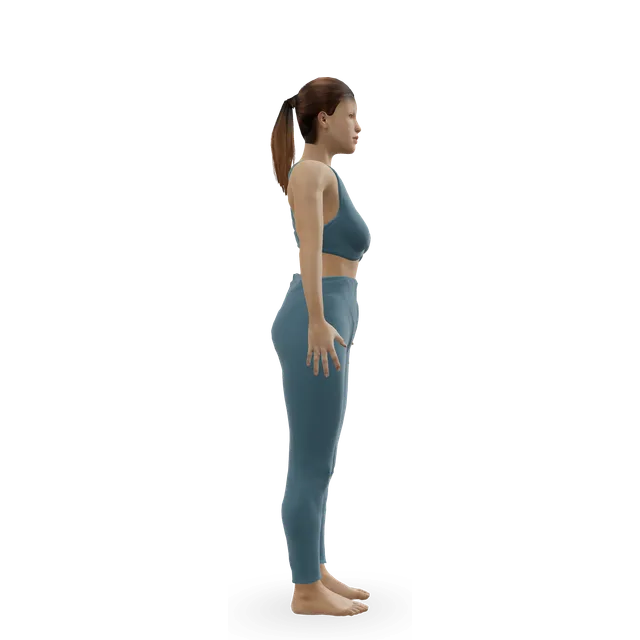 3D demoRocket jump (jump and reach)Intermediate · No equipment
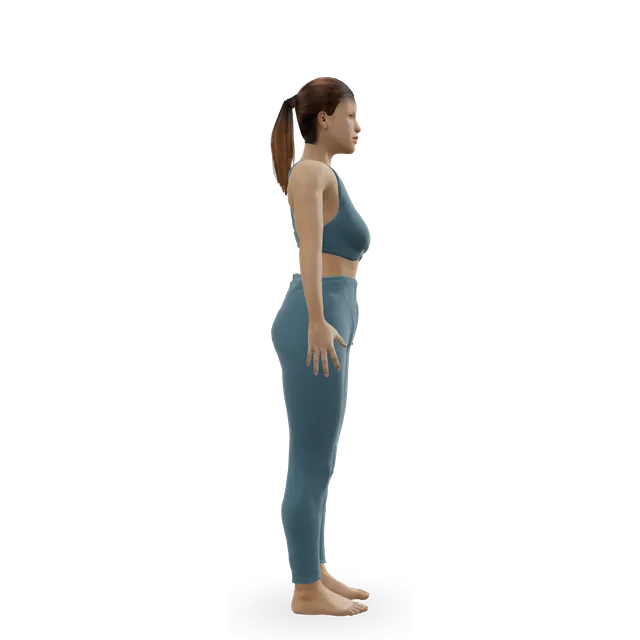 3D demoTuck jumpIntermediate · No equipment
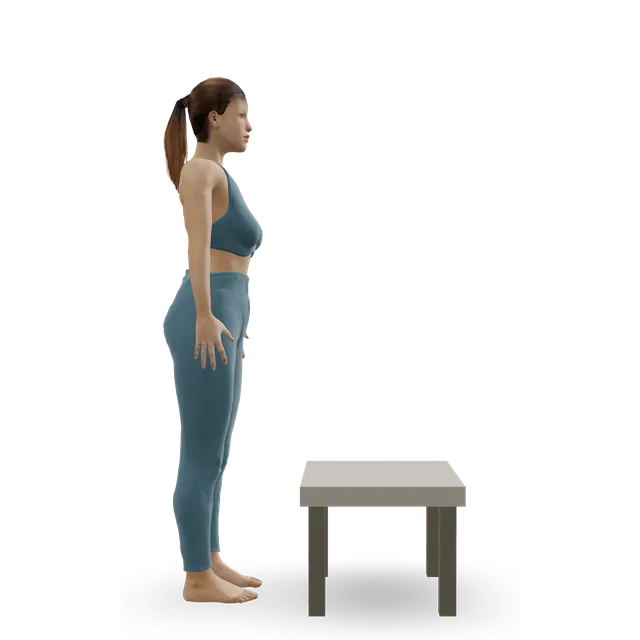
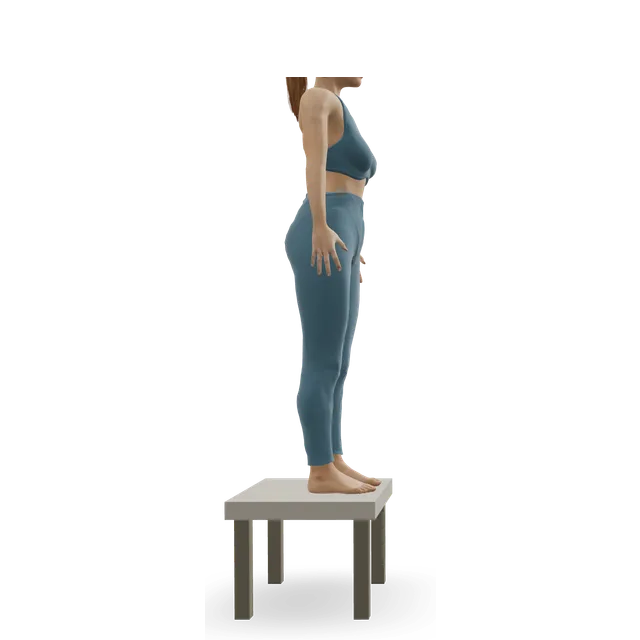 3D demoBox drop landingIntermediate · A step
 3D demoSnapdown to athletic landingBeginner · No equipment
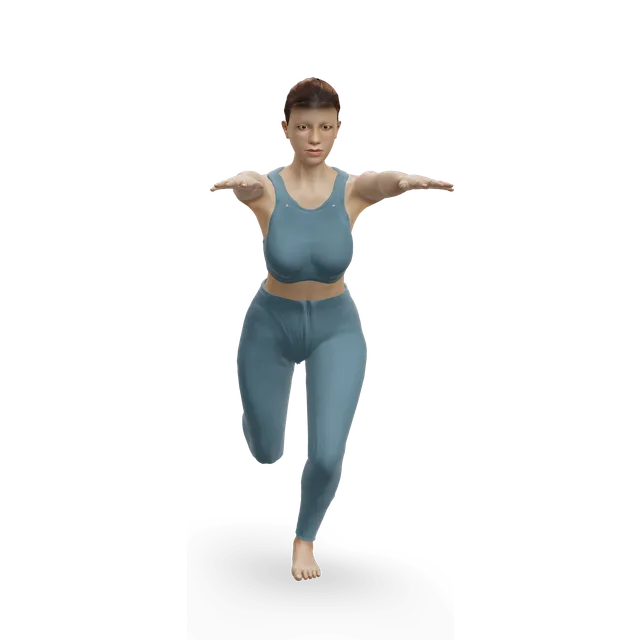 3D demoLateral bound (skater jump)Beginner · No equipment
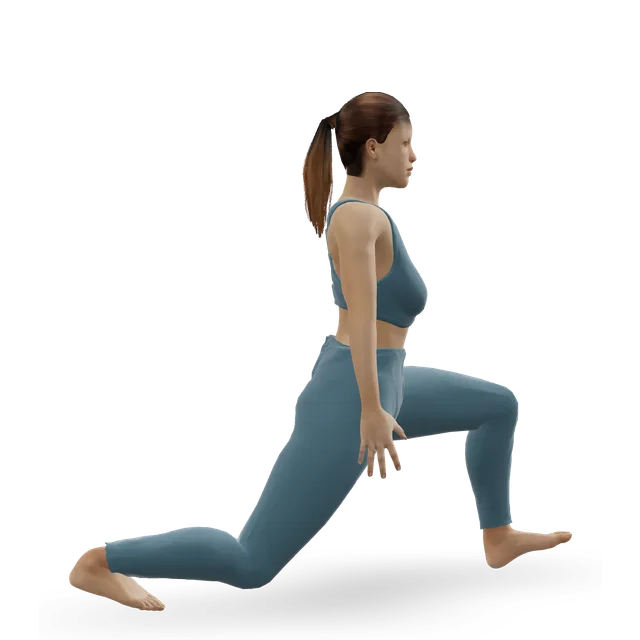 3D demoReverse lungeIntermediate · No equipment
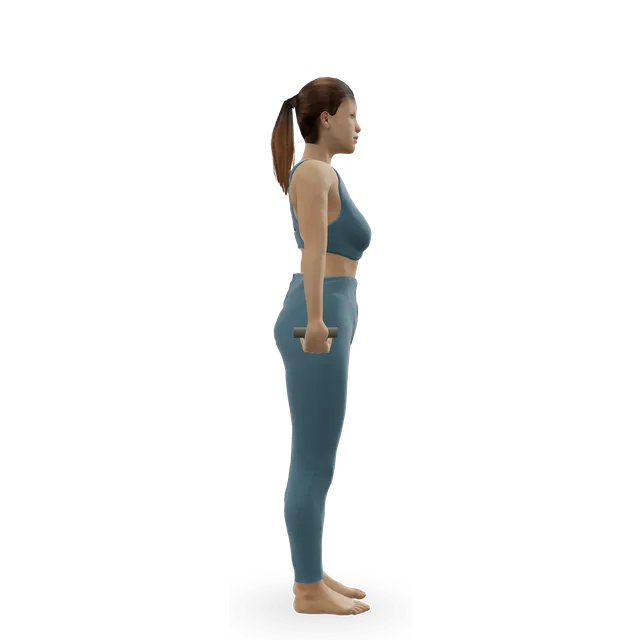
 3D demoSingle-leg Romanian deadliftAdvanced · A dumbbell
 3D demoDumbbell goblet squatIntermediate · A dumbbell
 3D demoRear-foot-elevated split squat (Bulgarian split squat)Intermediate · A bench or box
 3D demoNordic curlAdvanced · An anchor point
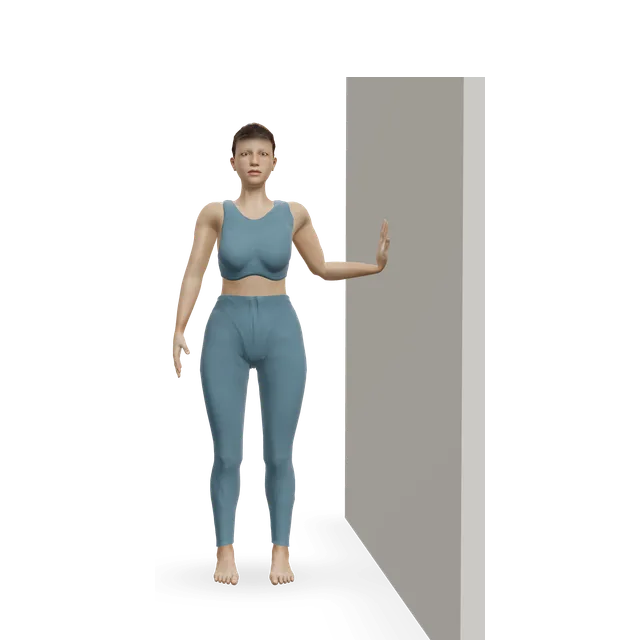
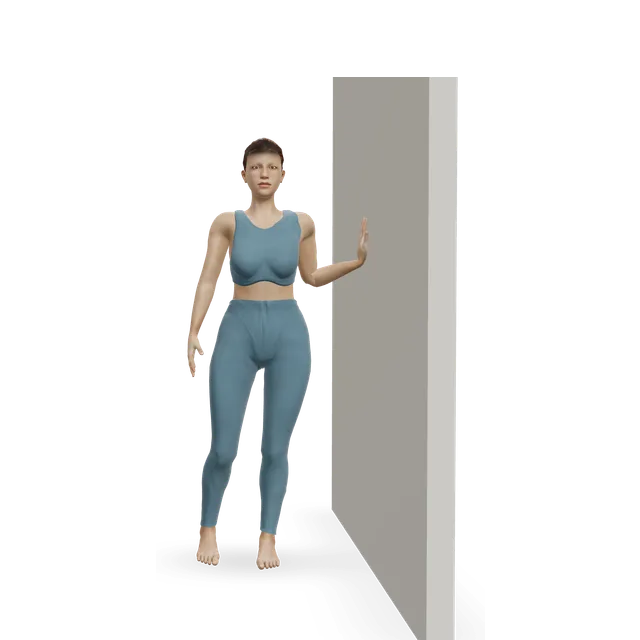
 3D demoSingle-leg calf raise from a stepIntermediate · A step + A wall
 3D demoCopenhagen plankAdvanced · A bench or box
 3D demoSide plankIntermediate · No equipment
The first two are new: Netball Australia's KNEE warm-up and a strength and landing session. The Knee Control and FIFA 11+ warm-ups were tested in football; the others add jump training, ankle strength, balance, hamstring protection, fitness, and a return to running after giving birth.
Netball Australia's KNEE warm-up for players aged 14 and over: footwork drills, lunges, squats, arabesques, bridges, planks, landings, tuck jumps and Y-drills.
20 minBeginner20 movesCardio machine, A wallA 35-minute netball session: drop landings, hop-and-sticks, lateral bounds and jumps, then goblet squats, split squats, single-leg hinges, Nordics and hip work.
35 minIntermediate15 movesA wall, A stepA 20-minute warm-up that trains your knees to track over your toes: side-hip strength, squats and lunges with alignment practice, balance and quiet landings.
20 minBeginner10 movesA wall, A bandFIFA's 11+ injury prevention warm-up as its manual sets it out: running drills, strength, balance and jumping at three levels, then faster running.
20 minBeginner20 movesCardio machine, A wallA 45-minute basketball gym session: landings, box jumps, skater bounds and hop-and-sticks, then squats, hinges, split squats, Nordics, calf raises and planks.
45 minIntermediate13 movesA bench or box, A dumbbellAn advanced jump training session: pogo hops, box jumps, split squat jumps, broad jumps and depth jumps.
30 minAdvanced8 movesA bench or box, A stepA 15-minute barefoot routine for stronger toes, arches, calves and ankles, finishing with balance. You need only a towel, a wall and a resistance band.
15 minBeginner11 movesA wall, Other / check instructionsBalance practice in 10 minutes: tandem stance, single-leg stands, marches, heel walks, tree pose and floor transfers.
10 minBeginner7 movesA wall, A bench or boxThe Nordic hamstring and Copenhagen adduction programmes from the football trials: a 10-week build, three adductor levels, then once a week in season.
15 minIntermediate6 movesA wall, An anchor pointA gym lower body workout for legs and glutes: trap bar deadlifts, hip thrusts, reverse lunges, leg curls, hip abduction, calf raises and core.
50 minIntermediate13 movesOther / check instructions, A barbellA 20-minute no-equipment HIIT workout: jumping jacks, jump squats, mountain climbers, burpees, skips and bear crawls.
20 minIntermediate10 movesNo equipmentThe UK return-to-running checks after birth as a 25-minute session: balance, single-leg squats, hops and bounds, then strength tests aiming for 20.
25 minIntermediate14 movesCardio machine, A wallTwo strength sessions a week fit pre-season; drop to one or two in season. The pregnancy and postpartum plans suit players taking a break from matches.
A weekly workout plan for women: three strength days, cardio and pelvic floor training, with the evidence on periods, pregnancy and menopause.
3 training days45 minBeginner2 days a weekTwo full-body strength sessions a week: the minimum that meets health guidelines, with every set, rep and rest, and an 8-week progression.
2 training days45 minBeginner3 days a weekA beginner gym plan: three full-body sessions a week, alternating workouts A and B, with sets, reps, rest and an 8-week progression.
3 training days45 minBeginner5 days a weekA pregnancy workout plan for each trimester: walks or swims, two strength sessions a week off your back, daily pelvic floor work and when to stop.
5 training days30 minBeginner5 days a weekA postpartum workout plan from the first days after birth to running and lifting again, week by week, with a caesarean track and readiness checks.
5 training days25 minBeginnerThe PAR-Q+ (Physical Activity Readiness Questionnaire for Everyone) asks about a heart condition or high blood pressure, chest pain, dizziness or losing consciousness, other long-term conditions and their medicines, a bone or joint problem that activity could make worse, and being told to exercise only under supervision. If you answer yes to any, check with your GP or a qualified exercise professional first. If you're over 45 and not used to hard exercise, ask a qualified exercise professional before the hardest sessions, and delay if you're ill.
Source 53
A previous injury went with about 7 times the odds of a leg injury in a community club, and up to half of netballers sprain again. Wear a brace for sport, do the balance programme in our sprained ankle guide, and get checked before you return to matches.
Tears in the other knee were more common than graft ruptures in netballers after surgery, especially in teenagers. Follow the return-to-sport checks in our ACL injury guide, and keep the KNEE warm-up going.
Source 48
Get individual medical advice before playing, as England Netball strongly recommends, and read the pregnancy section above.
Landing and running load the pelvic floor: work through our postpartum guide and return-to-running workout before match play.
Pain and swelling just below the kneecap in a growing teenager can be Osgood-Schlatter disease, pain at the lower tip of the kneecap Sinding-Larsen-Johansson syndrome, and heel pain in a growing child Sever's disease: see our guides.
The NHS advises seeing a GP if you've fainted, and the PAR-Q+ asks you to check first if you get chest pain or dizziness: do that before you play. If you're new to hard exercise, walking netball is a gentler start (our suggestion).
Get advice from NHS 111 now if your knee is very painful, you can't move it or put any weight on it, it's badly swollen or has changed shape, or it locks, gives way or clicks painfully. A pop, quick swelling and a knee that gives way point to an ACL injury: our ACL injury guide says what to do.
Source 55
Call 999 or go to A&E (accident and emergency) if you heard a crack when you were injured, the injured part has changed shape or points at an odd angle, it's numb or tingling, or the skin has turned blue or grey or is cold to touch. Get help from NHS 111 or an urgent treatment centre if it's very painful, very swollen or bruised, or you can't put weight on it or walk more than a few steps.
Source 56
Contact NHS 111 if you heard a snap or popping noise, can't walk on tiptoe or up stairs, or have swelling and bruising in your calf and ankle. Our Achilles rupture guide says to get it checked the same day.
Source 57
Go to A&E if a finger points at an odd angle, looks blue or feels numb, or is cut with bone showing. Get help from NHS 111 if it's painful, swollen and bruised, or stiff and difficult to move. A fingertip that won't straighten needs same-day advice, as our mallet finger guide explains.
Source 58
Go to A&E or call 999 if an injured wrist or arm is numb, tingling or has pins and needles, a bone is sticking out of the skin, or it has changed colour or shape or is at an odd angle. Get help from NHS 111 if it's very painful, you can't use it, or the swelling or bruising is large or getting worse.
Source 59
The NHS says to call 999 if someone has hit their head and:
Source 60
Stop playing: if in doubt, sit them out. Under the UK's grassroots concussion guidelines, there's no training or matches for at least 24 hours, an assessment within 24 hours by a healthcare professional or NHS 111 (the UK National Health Service's urgent advice line), and no return to competition before day 21. Contact NHS 111 straight away if they're being sick, feel dizzy or take medicine that thins the blood. Our concussion guide covers the stages.
Call 999 if someone faints while exercising, or faints and can't be woken within a minute, or has chest pain, a pounding, fluttering or irregular heartbeat, or a fit. Call 999 for sudden chest pain that doesn't go away, pain that spreads to your arms, neck, jaw, stomach or back, or chest pain with sweating, feeling sick, light-headedness or breathlessness.
At the 2019 World Cup, contact injuries outnumbered non-contact ones about 3 to 1, collisions caused 28% of injuries in a community club, and ACL rupture was the commonest diagnosis among Australian netball hospital admissions.
Most elite tears happened on jump landings, in patterns that repeat, and warm-ups with strength and landing work cut ACL injuries in young female athletes in other sports. Netball itself hasn't been tested yet.
A common pattern in elite ACL videos was a wide two-footed landing with the knee nearly straight, while slowing down after a high pass. Land with your feet about shoulder-width apart, knees bent and balanced; in the lab, landings that ran on had the lowest forces.
There's no evidence that netball shoes reduce sprains. After a sprain, braces and balance training have the trial evidence, from other sports.
Braces cut repeat ankle injuries in trials, and tape improved ankle position sense in pre-elite netballers. No study we read showed braces or tape weakening the ankle.
It's well designed and free, but no study has measured its effect on injuries, and most of it goes undone in community clubs. Do it anyway, strength and landing parts included: it's built from what works in other sports.
Most netballers go back almost at once without rehabilitation, and a previous injury was the strongest risk factor for the next leg injury in a community club.
Jump and strength training improve jumping, sprinting and change of direction in court-sport players, and coached strength and jump training improved how girls aged 11 to 13 landed.
Landing practice, leg strength work such as squats, lunges, single-leg hinges, Nordic hamstring lowers and calf raises, jump training and change-of-direction drills. In young female athletes in other sports, programmes with landing and strength work cut ACL injuries by about half, and jump training improves jumping and sprinting in court-sport players.
Use Netball Australia's KNEE programme: footwork drills, then strength, balance and landing, and agility exercises, at least twice a week and ideally before every session. Our version takes about 15 to 20 minutes. It hasn't been tested on injury rates yet, but it's built from the parts of warm-ups that work in other sports.
A free warm-up from Netball Australia, with junior, recreational and elite levels, that teaches safe take-off, landing, slowing down and changing direction, with a video for every exercise. It's meant to be done at least twice a week and kept up all season, with correct technique.
Do a warm-up with strength and landing exercises at least twice a week, add a strength session, and practise landing with your feet about shoulder-width apart and knees bent. Programmes like this cut ACL injuries in girls and women in other sports. In elite netball videos, most ACL tears happened when landing from a jump.
After a sprain, yes: braces cut repeat ankle injuries in trials in other sports. For players who've never sprained, the evidence is weaker, though a basketball trial found lace-up braces cut first sprains too.
Rehabilitate before matches: the balance programme in our sprained ankle guide, 3 times a week for 8 weeks, and a brace for sport. Most netballers skip this and go back within days, and a previous injury is the strongest risk factor for the next one.
Combine jump training with leg strength work, about twice a week. In volleyball trials, programmes with fewer than 2,000 jumps in total worked as well as bigger ones, and a 7-week netball warm-up raised vertical jump by 6.7 cm.
England Netball follows World Netball: it's your decision, but get individual medical advice before and during pregnancy and have regular check-ups. The NHS advises against sports with a risk of falling or bumping your tummy, and our pregnancy guide suggests alternatives.
Yes. In an evaluation in England's Women's Institutes, walking netball improved physical function, wellbeing and activity, and most groups kept going. It counts towards the NHS's 150 minutes a week of moderate activity.
Go to A&E if it points at an odd angle, looks blue or feels numb, and contact NHS 111 if it's painful, swollen, bruised or stiff. A fingertip that won't straighten needs same-day advice. Our broken finger and mallet finger guides cover recovery.
Exercise education for people who play sport, not a personal prescription or a diagnosis, and clinical review of these pages is pending. Check with a GP or physiotherapist before hard training if you have a heart condition, chest pain, dizziness or an injury that isn't settling, and stop for sharp or increasing pain. Health disclaimer.