Jumper's knee (patellar tendinopathy): a loading plan
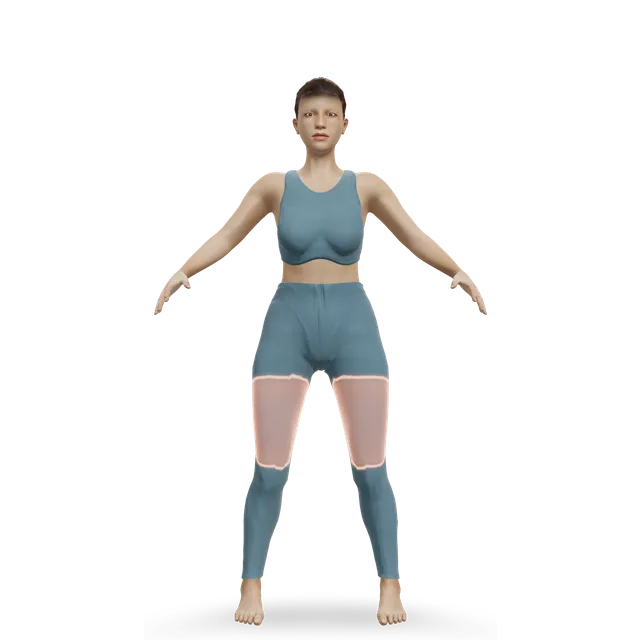
Pain at a point just below the kneecap, at the top of the patellar tendon, that rises with load on the thigh muscles. It is worst when jumping, landing and changing direction. You may see it called patellar tendonitis; this guide uses the current name, patellar tendinopathy. It is not runner's knee, which hurts around or behind the kneecap.
What works is loading the tendon progressively. Recovery can be slow and sometimes frustrating: the trials ran 12 to 24 weeks.
Exercise is for pain that has been checked or is clearly mild and settling.
Get urgent medical help if
A hot, red or swollen knee with sudden severe pain, a very high temperature, or feeling hot, cold or shivery. This can be a joint infection.
You cannot move the knee or put any weight on it, or it is very painful, badly swollen or has changed shape.
You hurt your knee and cannot take 4 steps, or you are 55 or over and hurt it in a fall: get it checked the same day for a broken bone.
Throbbing pain and swelling in one calf or thigh with red or darkened skin or swollen veins, or sudden worse pain and swelling around a lump at the back of the knee (a possible clot or a burst Baker's cyst).
A sudden pop at the front of the knee, after which you cannot straighten the knee or lift the straight leg.
See a doctor or physiotherapist if
Knee pain that has not improved within a few weeks of looking after it at home. Many areas offer NHS physiotherapy without a GP referral.
Numbness, tingling or weakness that travels down the leg from the back. That points to a nerve (sciatica) rather than the knee.
Understand it
What it isStrong evidence
Pain sits at the lower tip of the kneecap and rises with load on the thigh muscles, especially in activities that store and release energy in the tendon. Diagnosis is clinical; scans can show tendon changes in people whose pain comes from somewhere else.
An expert review says treatment should progressively build the tendon's tolerance to load, and warns that it can be slow.
A staged loading programme did best in the largest trialEmerging evidence
In 76 patients, a staged programme (holds, then slow strength, then springy jumping, then sport, keeping pain at 3 out of 10 or less) beat painful eccentric training at 24 weeks: the tendon score improved by 28 points against 18. The exercises were also less painful.
Return to sport at the previous level was 43% against 27%, which was not a clear difference, and only about 40 to 49% stuck to the programme.
Isometric holds: quick relief for some, not reliably betterMixed evidence
In 6 volleyball players, one session of thigh holds cut pain on a decline squat from 7 to almost 0 out of 10 for at least 45 minutes. In 20 athletes in season, holds gave more immediate relief than lifting.
Larger and preregistered work has not matched that: in 29 athletes both kinds of programme reduced pain equally, and in a 21-person crossover trial pain fell by only 0.9 out of 10 after either. Reviews disagree. Holds are easy to do in season and help some people; they are an option, not a must.
Slow, heavy strength work holds its gainsEmerging evidence
In 39 men, a steroid injection, eccentric decline squats and heavy slow resistance all helped by 12 weeks, but only the exercise gains held at 6 months; the heavy slow group was most satisfied.
In 44 adults, heavy and moderate loads at the same total volume gave equal improvements that lasted a year. Doing the programme may matter more than the exact load.
Eccentric decline squats: an option, not the defaultMixed evidence
Decline-board squats helped in one trial, had no effect when elite volleyball players did them during their competitive season, and lost to staged loading in the largest trial. A network meta-analysis still called eccentric loading the first-line treatment, on low-certainty evidence.
Keep tendon pain at 3 out of 10 or lessEmerging evidence
The largest patellar tendon trial kept exercise pain at 3 out of 10 or less, a lower ceiling than for joint pain. Keep the rest of your activity within the same limit, and expect the tendon to settle back to its usual level by the next morning.
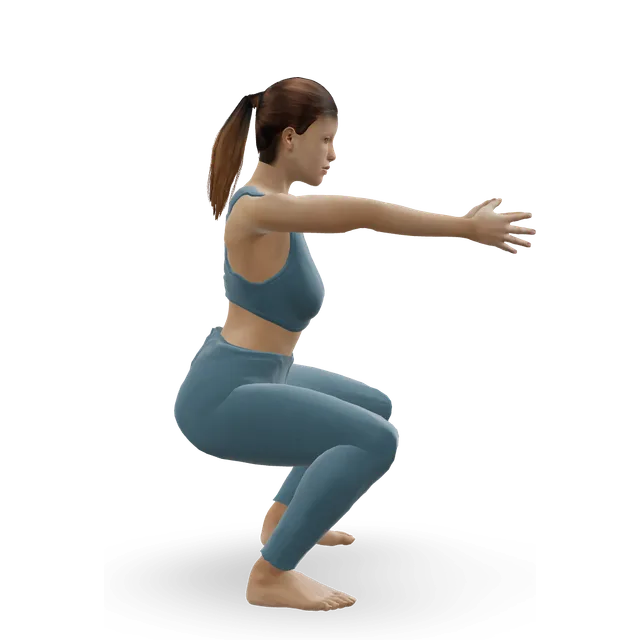
The progress test from that trial: do one single-leg squat and rate the tendon pain. Move to the next stage when it is 3 or less and you have done at least a week at the current stage.
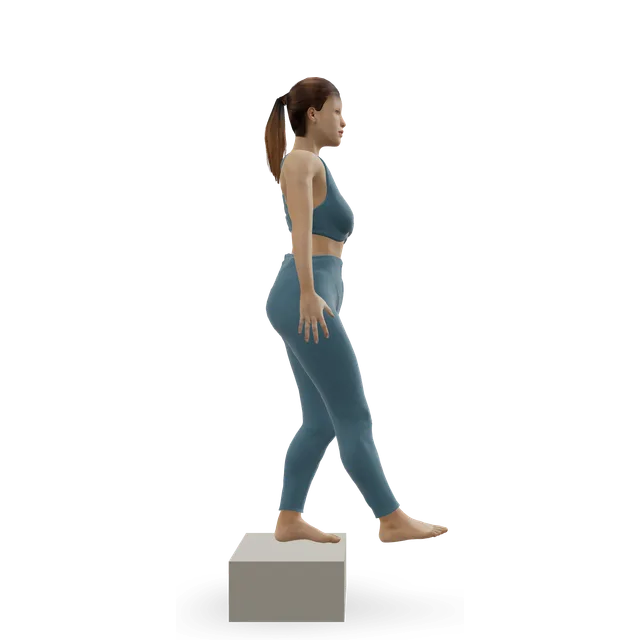
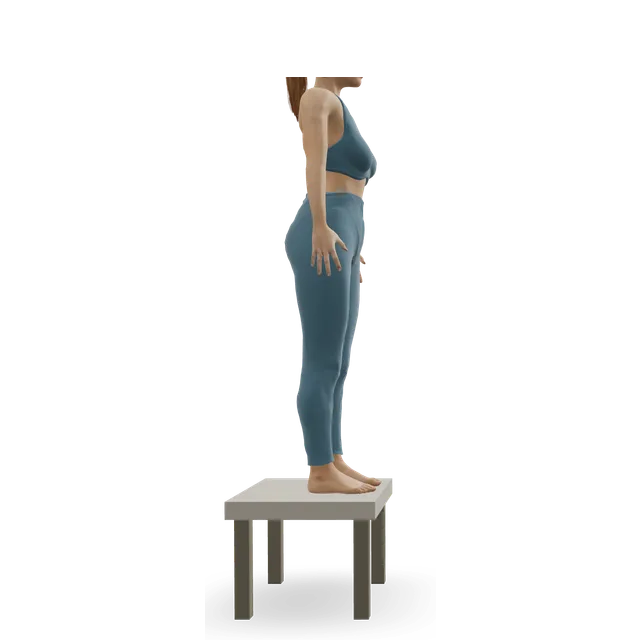
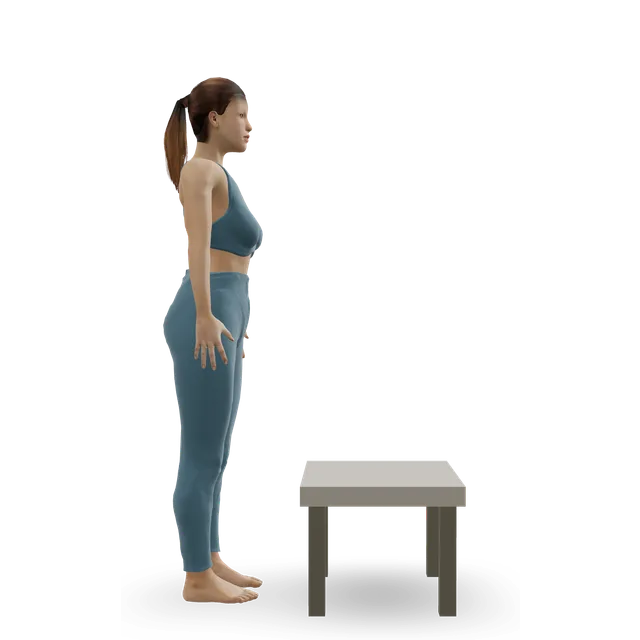
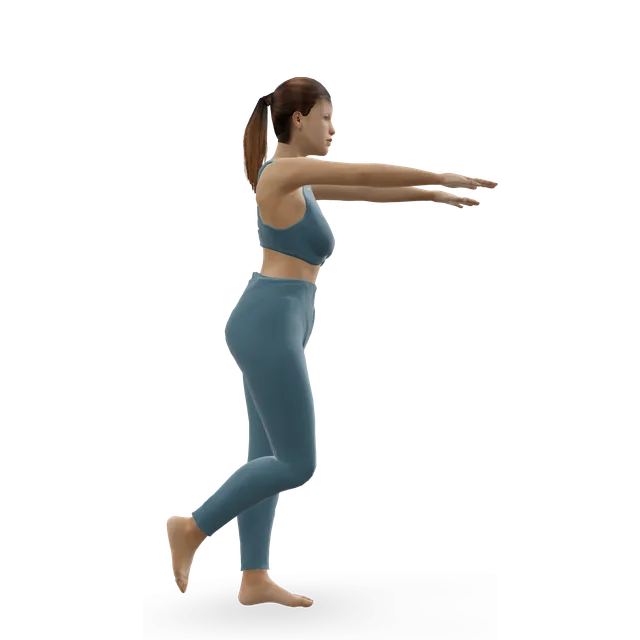
Start at the first stage. Each move opens a full guide with a 3D demo.
Stage 1
Isometric holds, daily
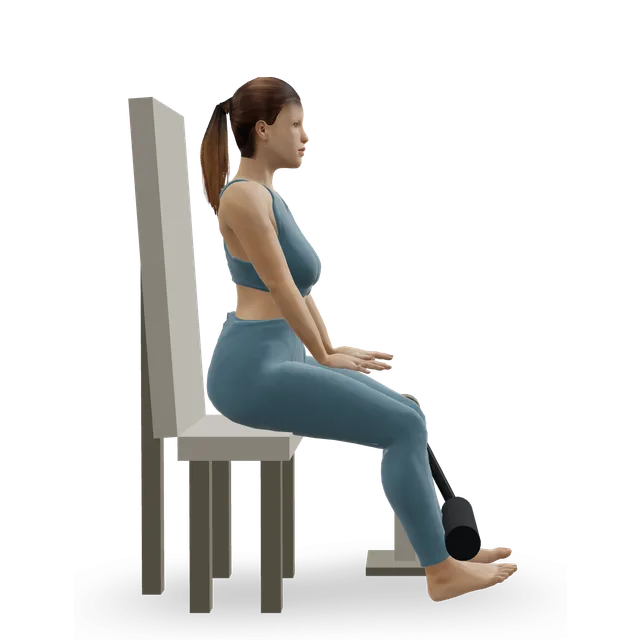
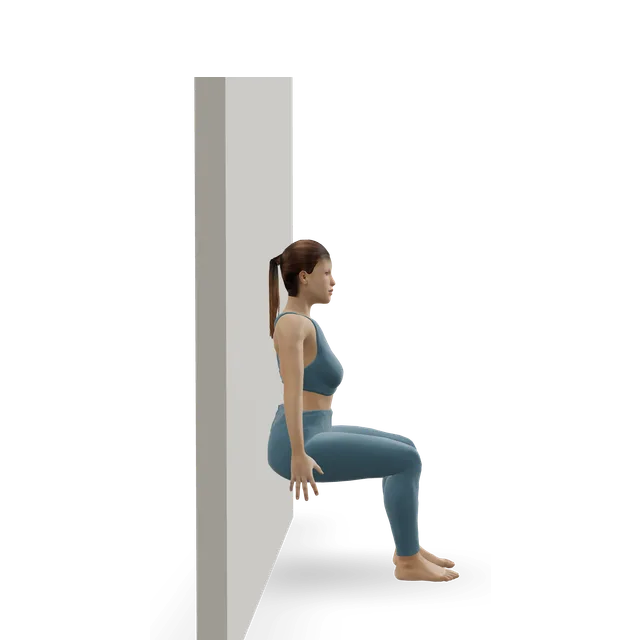
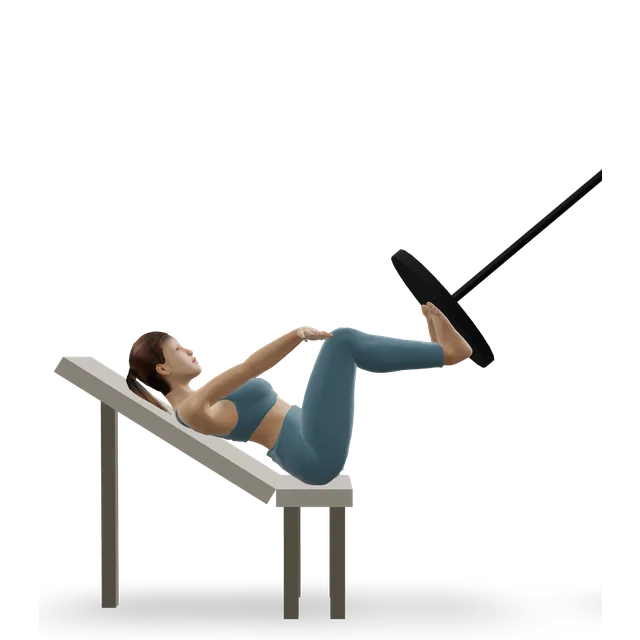
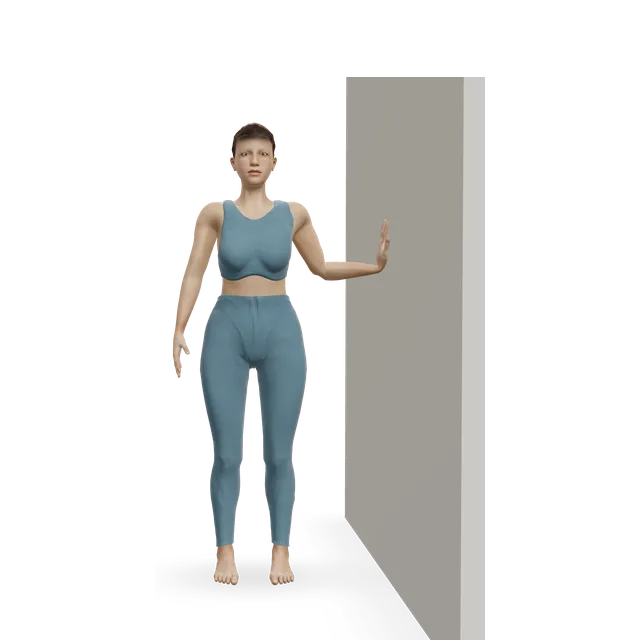
The trial used single-leg leg press or leg extension holds: 5 holds of 45 s at about 70% of maximum effort, the knee bent about 60°. Choose one of the first three moves; the Spanish squat and wall sit are untested home substitutes.
Move on when: The single-leg squat test is 3 out of 10 or less after at least a week at this stage.
Follow along: a timer, a cue and the next move, one step at a time.
Stage 4
Sport: drills, then competition
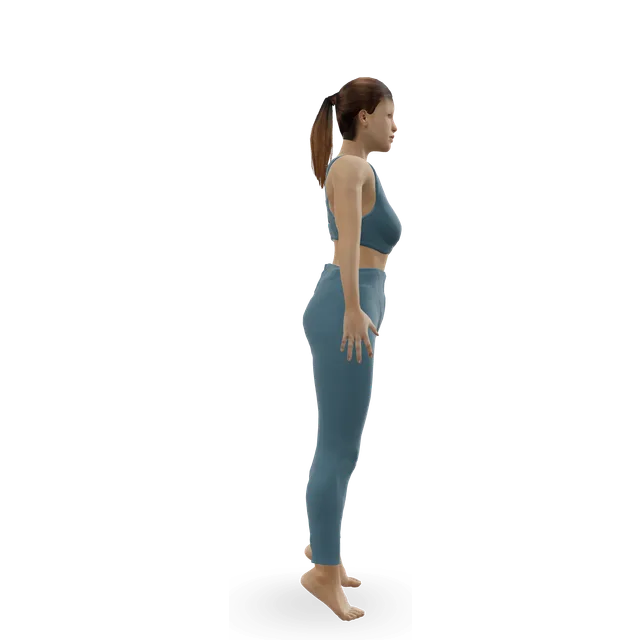
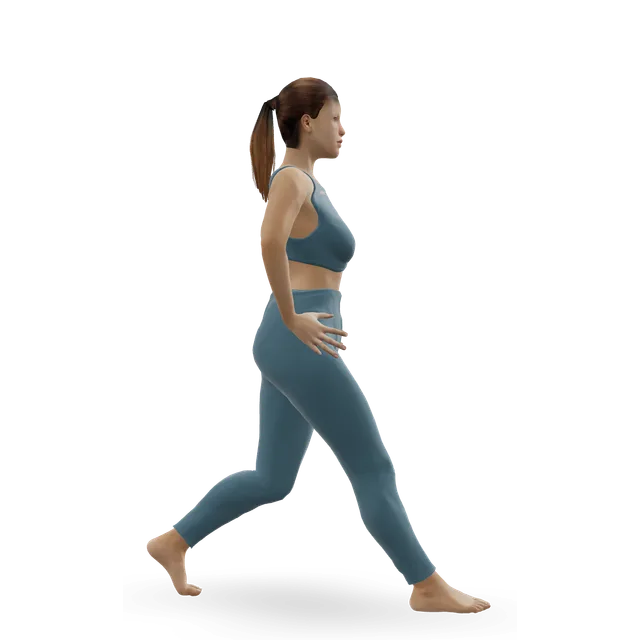
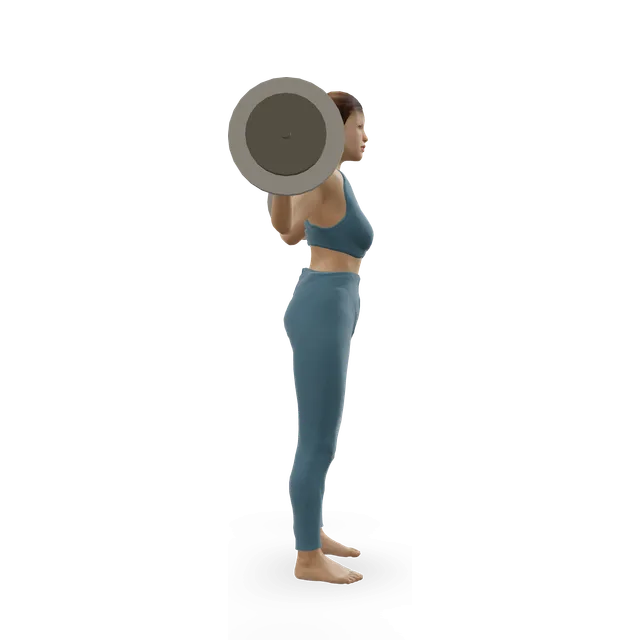
Sport drills every 2 to 3 days, holds on the days between, and strength work kept up twice a week. The fastest possible return in the trial's programme was 4 weeks; many people need months.
Move on when: Return to competition when your sport drills stay within 3 out of 10, and keep the strength work going twice a week.
Follow along: a timer, a cue and the next move, one step at a time.
What to change for now
Load first
For about 4 weeks, cut down the activities that cause considerable tendon pain, jumping volume especially. Keep the rest of your activity within 3 out of 10.
Holds are easy to fit around training, and both in-season trials found pain fell with them. Avoid heavy eccentric decline squat volume during a competitive season: it had no effect in elite volleyball players.
A little is fine. Keep tendon pain at 3 out of 10 or less during exercise, and check it has settled by the next morning. Older protocols pushed into more pain; the largest trial did better without it.
Is it patellar tendonitis or tendinopathy?
Both names describe the same problem. Tendinopathy is the term used in current research and in this guide.
Do decline squats help jumper's knee?
They are an option. Eccentric decline squats helped in one trial but did nothing in season for elite volleyball players and lost to a staged loading programme in the largest trial. Keep them within 3 out of 10 and avoid heavy volume in season.
Do steroid injections help?
In one trial an injection helped at first, but the gains faded by 6 months, while those from exercise held.
Can I keep playing with jumper's knee?
Often, with less jumping. Isometric holds are easy to do in season and may ease pain for a while. If pain during play goes above 3 out of 10 or is worse the next morning, cut back further.
How long does jumper's knee take to heal?
The trials ran 12 to 24 weeks. The quickest return in the largest trial's programme was 4 weeks, but many people need months. Keep the strength work going twice a week after you are back.
Exercise education, not a diagnosis or treatment plan. It is written from the guidelines and studies listed above; review by a clinician is pending. If your pain follows an injury, is severe, is getting worse, or comes with any warning sign listed on this page, get it assessed. Health disclaimer.