Cardio & conditioning
Plyometric workout
Power training for people with a strength base. Rest fully between sets; tired jumping teaches sloppy landings.
Warm-up
- Beginner · Calves, Shins · 3D demoEasier: Slow calf raiseHarder: Pogo hops
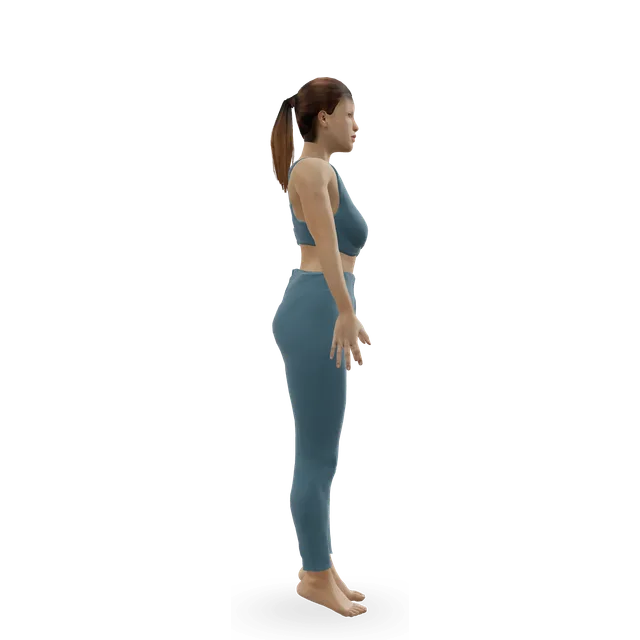
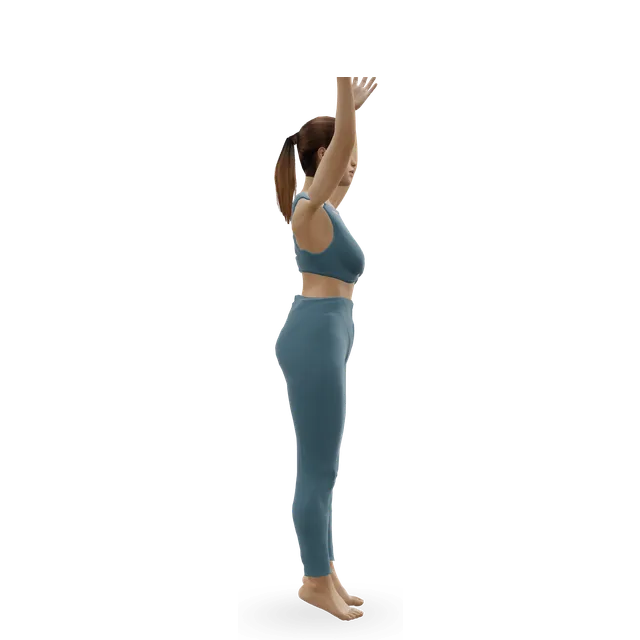
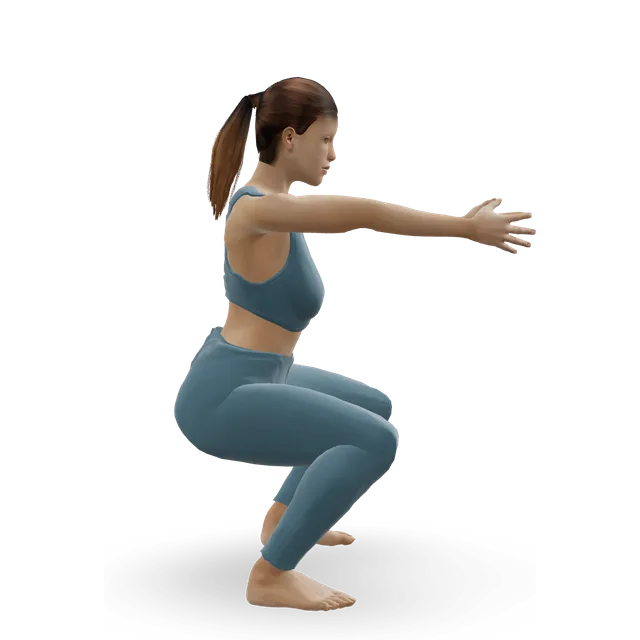
- Beginner · Quads, Glutes, Hamstrings · 3D demoEasier: Bodyweight squatHarder: Box drop landing
- Bodyweight squat10 repsBeginner · Quads, Glutes, Hamstrings · 3D demoEasier: Sit squat (partial squat)Harder: Dumbbell goblet squat
Main sets
Rest 90 s–2 min
- Pogo hops3 × 10Intermediate · Calves, Quads, Shins · 3D demoEasier: Ankle bounces (mini pogo)Harder: Single-leg pogo hops
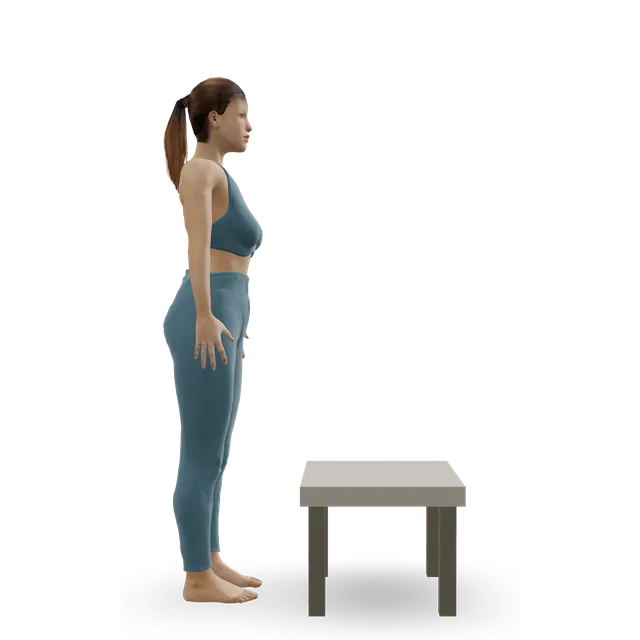
- Box jump4 × 3Intermediate · Quads, Glutes, Calves · 3D demoStep down, do not jump downEasier: Jump squatHarder: Depth jump
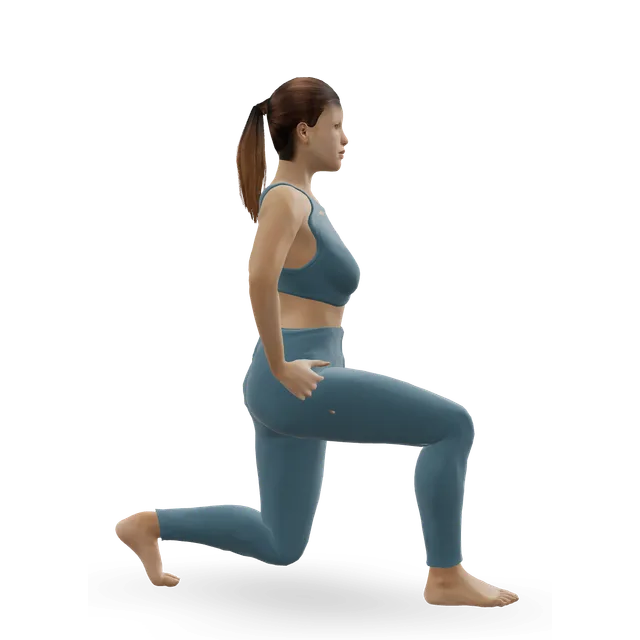
- Split squat jump3 × 4 each sideAdvanced · Quads, Glutes, Hamstrings · 3D demoEasier: Reverse lungeHarder: Shrimp squat
- Intermediate · Glutes, Quads, Hamstrings · 3D demoEasier: Snapdown to athletic landingHarder: Single-leg hop and stick
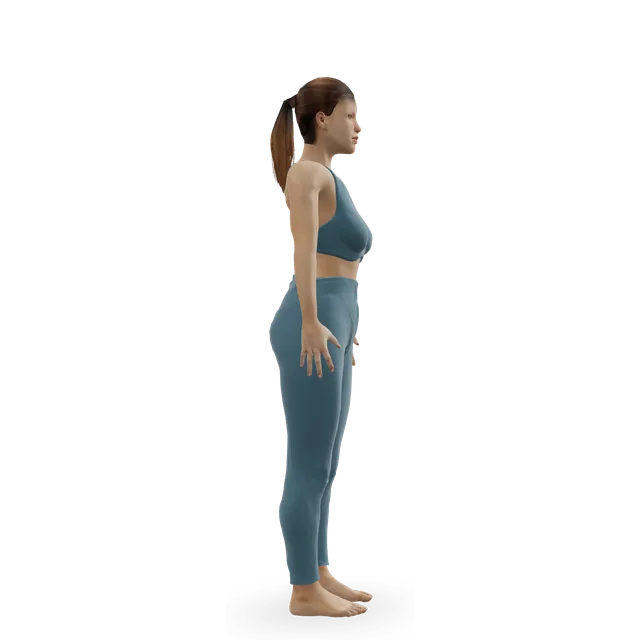
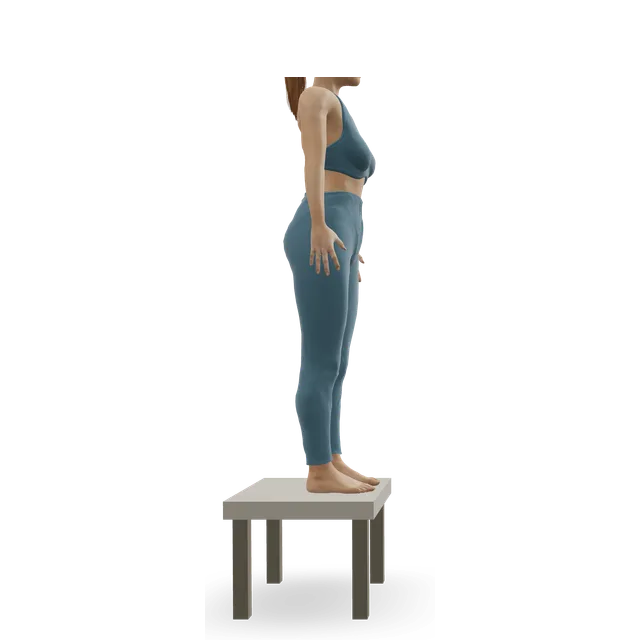
- Depth jump3 × 3Advanced · Quads, Glutes, Calves · 3D demoLow box only, and only once landings are quietEasier: Box drop landingHarder: Depth jump to a second box
Tips
- Land softly with knees tracking over the toes.
- Leave at least two days between plyometric sessions.
- If you leak when you land, build up pelvic floor exercises and lower-impact work first.
The doses are suggested starting points, not a prescription. Choose a range you can control and stop for sharp or increasing pain, numbness or tingling. Get individual advice after an injury or surgery, or if you are pregnant or managing a health condition.
Guides that recommend it
- Fascial fitness guide
- Knock knees guide
- Jump higher guide
- How to power clean guide
- Box jumps guide
- Jump squats guide
- Tuck jumps guide
- Depth jumps guide
- Broad jumps guide
- Jumping lunges guide
- Explosive power guide
- Agility guide
- Vertical jump test guide
- Tennis and padel guide
- Football guide
- Skiing and snowboarding guide
- Basketball guide
- Volleyball guide
- Boxing guide
- Rugby guide
- Martial arts guide
- Cricket guide
- Netball guide
- Baseball and softball guide
- American football guide
- Ice hockey guide
- Field hockey guide
- Dance guide
- Gymnastics guide
- Surfing guide
- Olympic weightlifting guide
- Badminton guide
- Snowboarding guide
- Cheerleading guide
- Lacrosse guide
- Gaelic games guide
- Figure skating guide
- Trampolining guide
- Obstacle course racing guide
- Wrestling guide
- Sprinting and hurdles guide
- Jumping events guide
- Handball guide
- Australian rules football guide
- Diving guide
- Windsurfing and kitesurfing guide
- Parkour and freerunning guide
Find more moves like these
More cardio & conditioning
HIIT workout at home
A 20-minute no-equipment HIIT workout: jumping jacks, jump squats, mountain climbers, burpees, skips and bear crawls.
20 minIntermediate10 movesNo equipment
Easy cardio workout
A steady 30 to 45 minute cardio session at talk-but-not-sing pace: walk, cycle, row or cross-train, counting toward weekly activity guidelines.
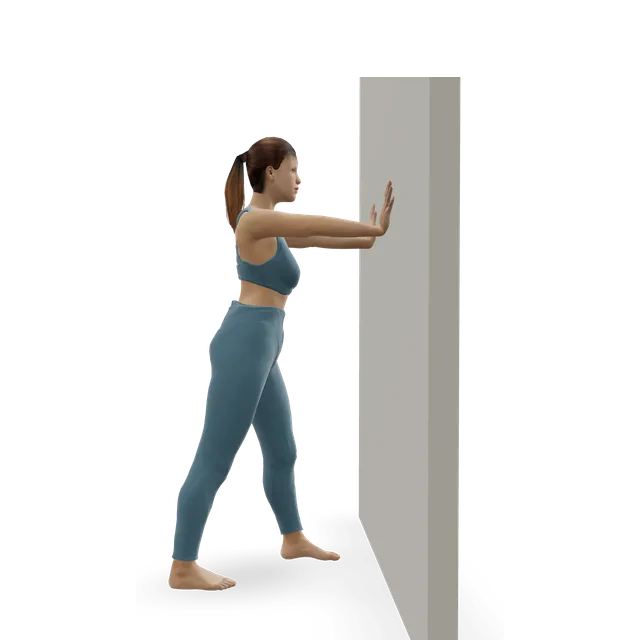
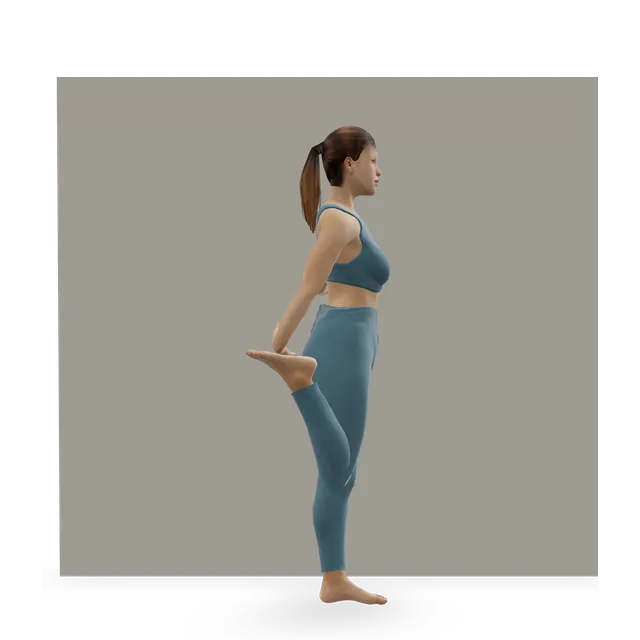
40 minBeginner3 movesCardio machine, wall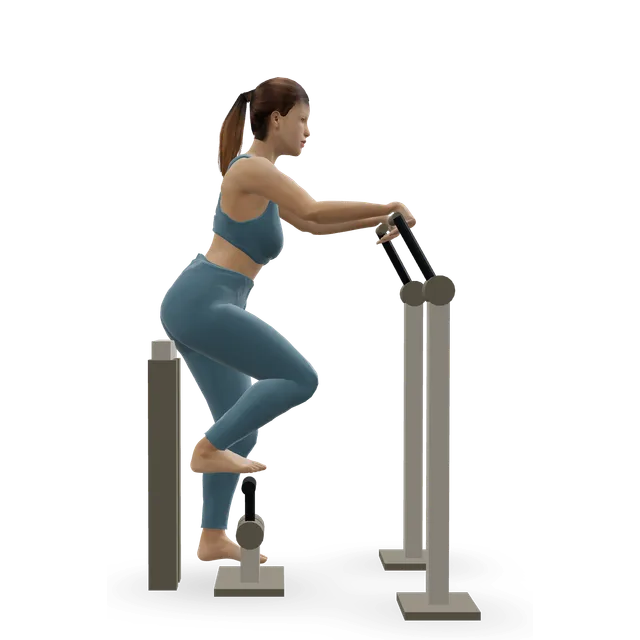
Cardio intervals workout
A 25-minute interval session on a bike or rower: one-minute hard efforts with two minutes easy, building from 4 to 8 rounds.
25 minIntermediate1 movesCardio machineQuestions people ask
How long does the plyometric workout take?
About 30 minutes, including any warm-up and cool-down listed. Shorten it by doing fewer rounds; lengthen it by adding one.
What equipment do I need?
You need: A bench or box, A step. Each move links to its guide, where you can find an alternative if you are missing something.
Is it suitable for me?
It is written at advanced level. 8 of its 8 moves have an easier option listed beside them; use them freely.
How do I make it easier or harder?
Use the easier or harder option listed under each move, change the number of rounds, or adjust the rest. Progress one change at a time.