What does the psoas do?
With the iliacus, it lifts your thigh, and it helps hold your lower back upright when you sit tall. It runs from the sides of your lower spine, deep at the back of your belly, to the top of your thigh bone.
What does a tight psoas feel like?
Usually a stiff or pulling feeling at the front of the hip, especially after long sitting. Inactive people who sit a lot do have a little less hip extension, about 6 degrees in one study. Pain when you lift your knee, sprint or kick is a different problem, which our hip flexor pain guide covers.
How do I release my psoas?
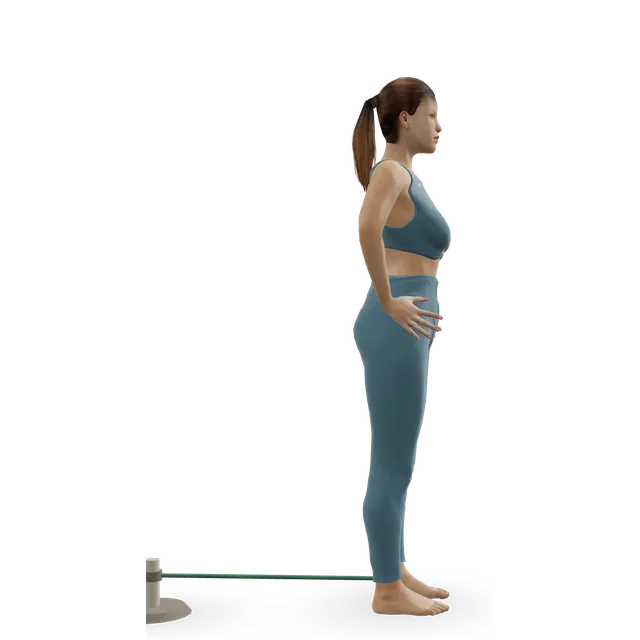
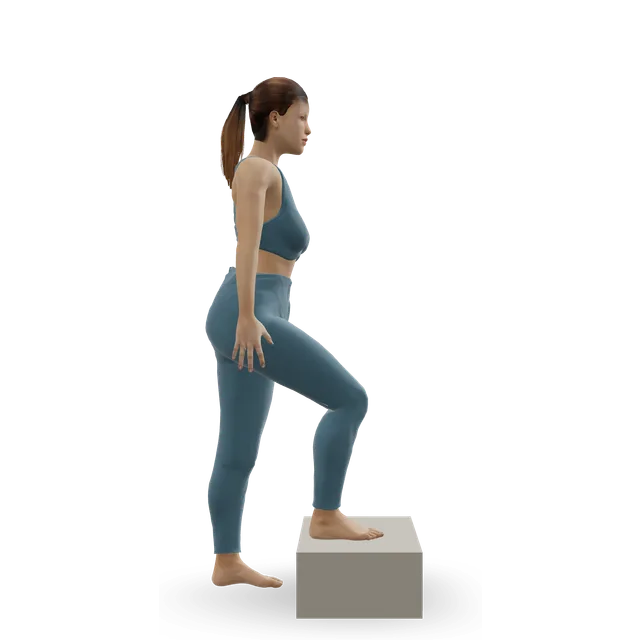
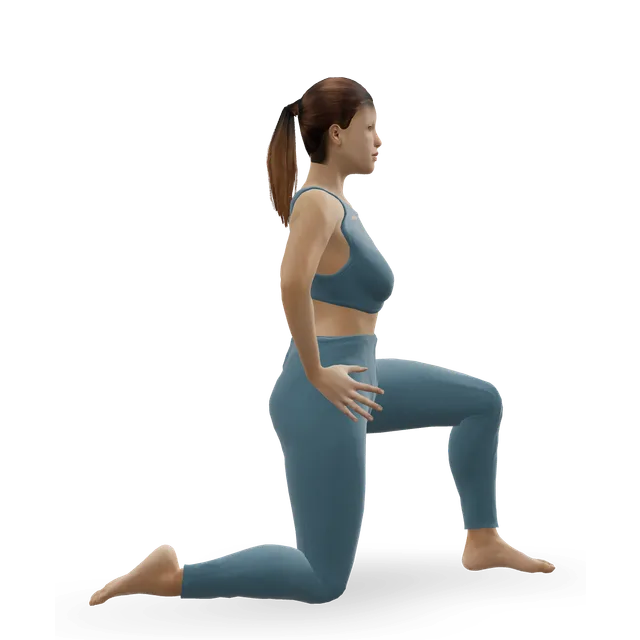
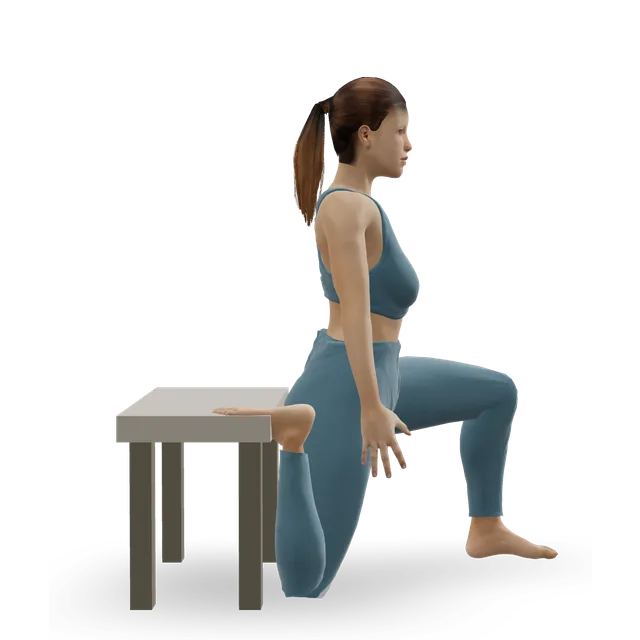
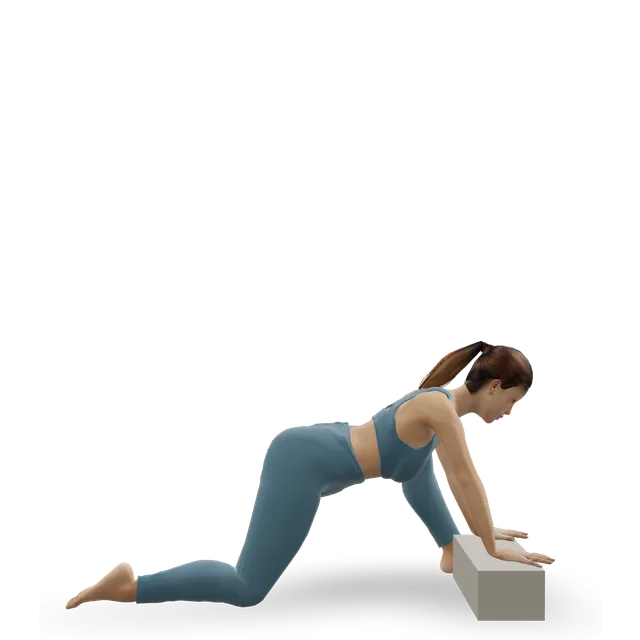
You don't need to dig for it. A half-kneeling stretch with the pelvis tucked under reduced the hip flexors' resistance to stretch in a trial, and band training made them 17% stronger in 6 weeks. Deep release by a therapist has only two small trials.
Do psoas release tools work, and are they safe?
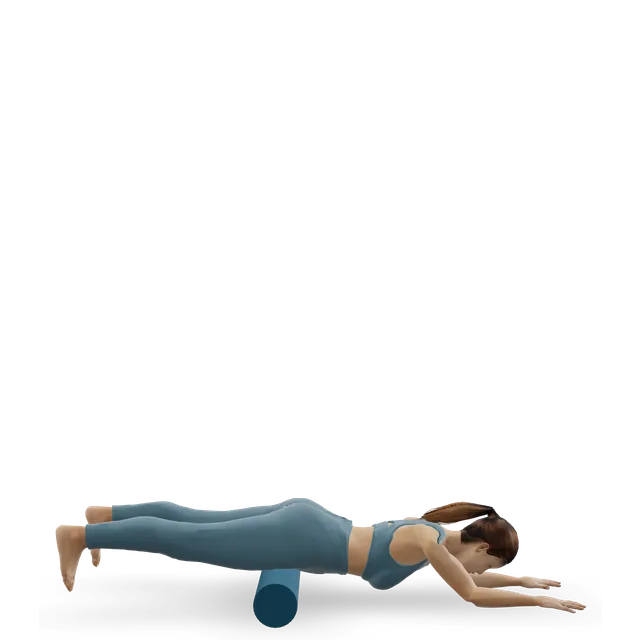
No trial has tested them. Pressing hard into the belly reaches the area around the kidney and the nerves that run through the psoas, and case reports describe harm from deep pressure. Don't use one if you're pregnant, take blood thinners, or have a hernia, an aneurysm or unexplained tummy pain.
Do tight hip flexors cause lower back pain?
Not on the evidence. In 600 adults, psoas length wasn't linked with back pain but weaker hip flexors were, and in another study back pain didn't predict hip flexor range once body weight was counted. In one small trial, footballers with back pain and stiff hips improved with 8 weeks of hip flexor stretching.
Does a tight psoas cause anterior pelvic tilt?
Hip extension range didn't predict pelvic tilt in healthy adults, and a stretch session changed tilt by about 1 degree without changing the curve of the lower back. The psoas also has little leverage on that curve. Our anterior pelvic tilt guide has the detail.
Does the psoas store trauma or emotions?
No study shows that. Therapies built on releasing stored trauma have weak evidence, and a US guideline found too little evidence to recommend them for post-traumatic stress disorder. Feelings can surface when you stretch or relax, and that deserves care, not a belief that your hips hold memories.
Why is the psoas called the muscle of the soul?
It's a nickname from some yoga and bodywork writing. What the psoas has been measured doing is lifting the leg and steadying the spine, and its link to the diaphragm is a shared attachment where the two meet, not a hidden emotional role.
How long does it take to loosen tight hip flexors?
One stretch session raised hip extension by about 2.6 degrees straight afterwards in a small study. Lasting gains came after about 6 weeks of regular stretching or strength training.
Is walking good for a tight psoas?
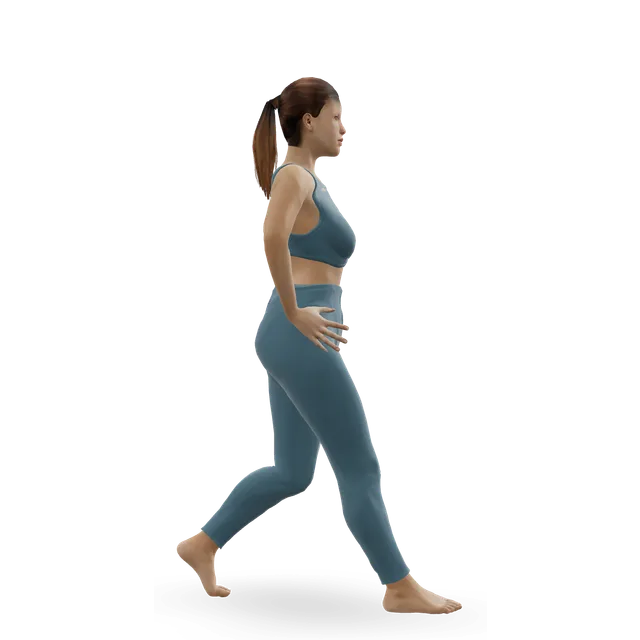
Walking works the hip flexors and stretches the front of the hip with every step, though no trial has tested it for tightness. Long sitting and inactivity go with less hip extension, so moving more is a sensible start.
Can I do psoas release when I'm pregnant?
Don't have deep pressure on your bump: firm massage of the pregnant belly could cause serious problems. Gentle hip flexor stretches can usually continue, but after the first trimester keep time lying flat on your back short. Our pregnancy guide has more.
Does a tight psoas cause constipation?
We found no study showing that. Abdominal massage does help constipation, which is a different thing from releasing the psoas.