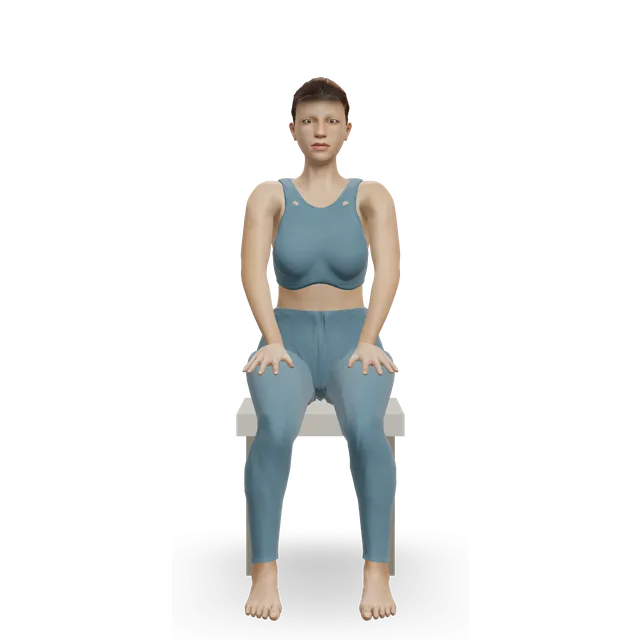
Also called breathing muscle, respiratory diaphragm
The diaphragm is a thin, dome-shaped sheet of muscle under the lungs and heart that separates the chest from the abdomen.
It is the main muscle of breathing: as it contracts it flattens and pulls air in, and as it relaxes it rises. It also tightens just before you move, helping brace the trunk, and moves in step with the pelvic floor.
The tip of the breastbone, the inside of the lower six ribs all the way round, and the front of the upper lumbar spine.Xiphoid process (sternal part), inner surfaces of the lower six costal cartilages (costal part), upper lumbar vertebrae via the crura and arcuate ligaments (lumbar part)
Attaches to (insertion)
Its own flat tendon at the top of the dome.Central tendon
What it does
Breathes in: it contracts and flattens, drawing air into the lungs; your belly rises gently.Inspiration (the primary muscle of respiration)
Raises abdominal pressure to empty the bladder and bowel, give birth, or hold a breath and push.Raises intra-abdominal pressure
Tightens a moment before you move an arm, helping stiffen the trunk.Anticipatory postural contraction
Nerve supply
Phrenic nerves (C3 to C5; one source gives C3 to C6).
The diaphragm fires about 20 milliseconds before a quick arm movement, with the transversus abdominis, and stays active during repeated limb movement while still breathing. On dynamic MRI it moves together with the pelvic floor: both descend as you breathe in and rise as you breathe out or cough.
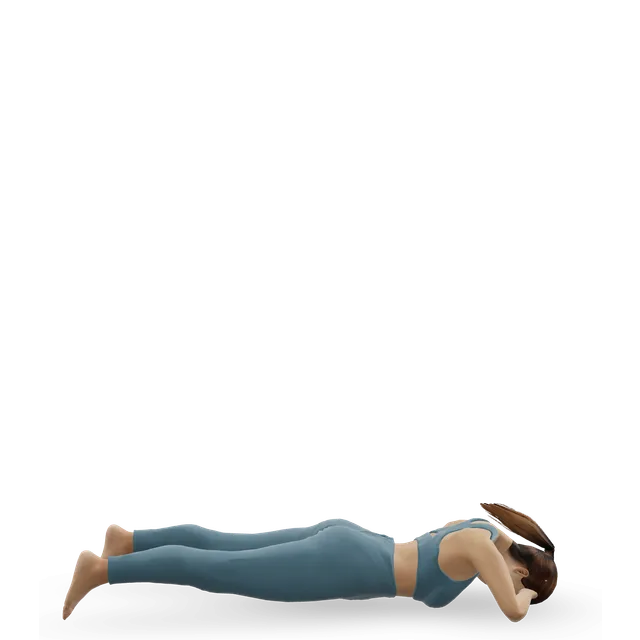
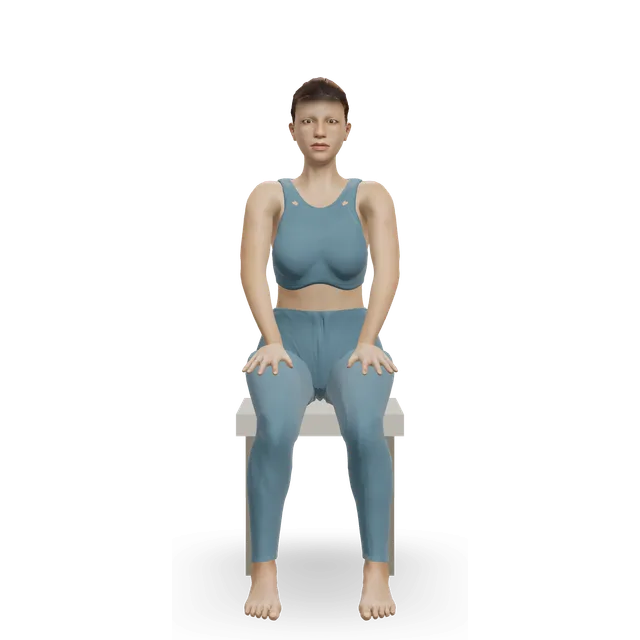
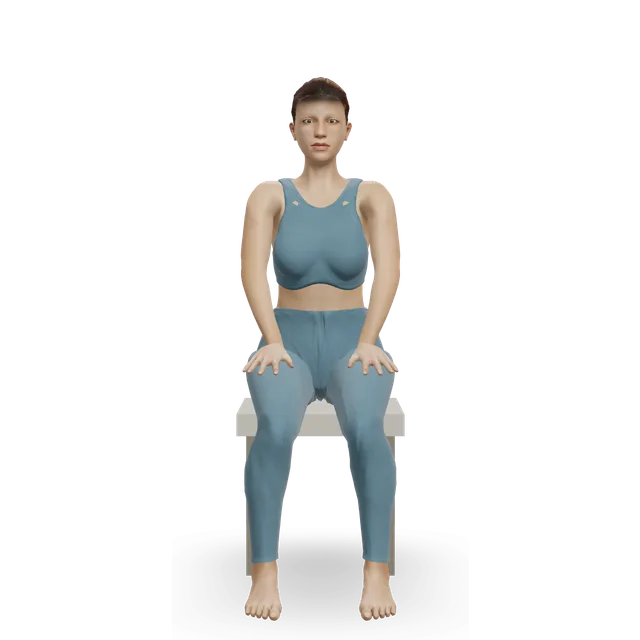
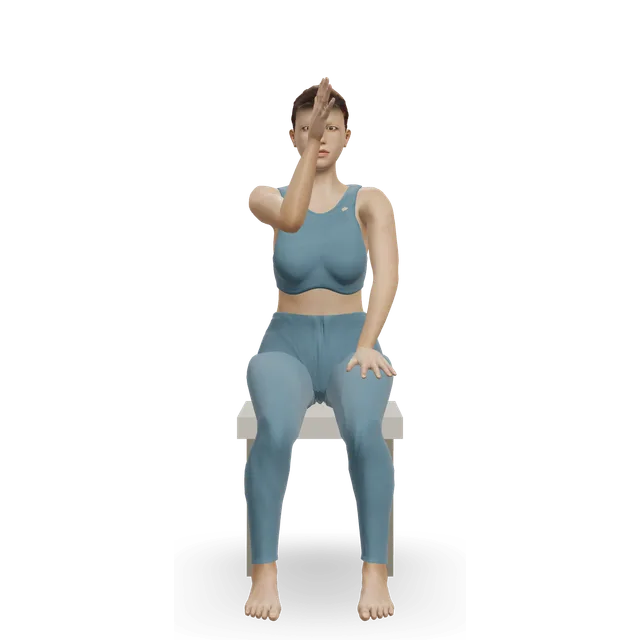
Belly (diaphragmatic) breathing is the standard home practice: a hand on the chest and one below the ribs, breathe in through the nose so the lower hand rises, 5 to 10 minutes a few times a day at first. In a small trial, breathing against a resistance device for 8 weeks thickened the diaphragm.
Irritation of the diaphragm causes hiccups. Part of the stomach can push up through its opening for the oesophagus (a hiatus hernia). Damage to the phrenic nerve can weaken it, which on one side often causes no symptoms but can make lying flat breathless.
Breathing exercises are a proven fix for back painEmerging evidence
Only three studies were found by a critically appraised review; all reported some improvement, so breathing programmes are reasonable to try, but the evidence is thin.
It is the main breathing muscle: it contracts and flattens to pull air in, then relaxes and rises. It also helps raise abdominal pressure and brace the trunk.
How do you strengthen your diaphragm?
Practise belly breathing, letting the abdomen rise as you breathe in through the nose. Breathing against a resistance device thickened the diaphragm in a small trial.
Is the diaphragm part of the core?
It works with the core: it fires just before you move a limb and, with the deep abdominal muscles, raises the pressure that stiffens the trunk.
Anatomy and movement education, not a diagnosis or treatment plan. If you have pain that follows an injury, is severe or getting worse, or comes with numbness, weakness or swelling, get it assessed. Health disclaimer.