Muscle guide · Core and trunk

Rectus abdominis

Also called abs, six-pack muscle, stomach muscles

The rectus abdominis is the pair of long, flat muscles running down the front of the belly, one either side of a midline seam of connective tissue (the linea alba). Bands of tendon cross each one, and those divisions are the bumps of a 'six-pack'.

It curls the trunk forward, as in a sit-up or getting out of bed, and with the other abdominal muscles it squeezes the belly to cough, strain and brace.

6 exercises3 stretches9 with 3D demos18 sourcesUpdated 17 October 2026

Where the rectus abdominis is and what it does

Shaded: the abs area. It marks the region, not the exact outline of the rectus abdominis.
Starts at (origin)
The front of the pelvis, at the pubic bone.Pubic symphysis and pubic crest
Attaches to (insertion)
The cartilage of the lower front ribs and the bottom of the breastbone.5th to 7th costal cartilages and xiphoid process
What it does
  • Curls the trunk forward: a crunch, sitting up from lying.Flexion of the vertebral column
  • Squeezes the belly to cough, strain or breathe out hard.Compression of the abdominal contents; raises intra-abdominal pressure
  • Helps steady the pelvis when you walk.Pelvic stabilisation in gait
Nerve supply
Thoracoabdominal nerves from T7 to T12.

Sources 1, 2, 3

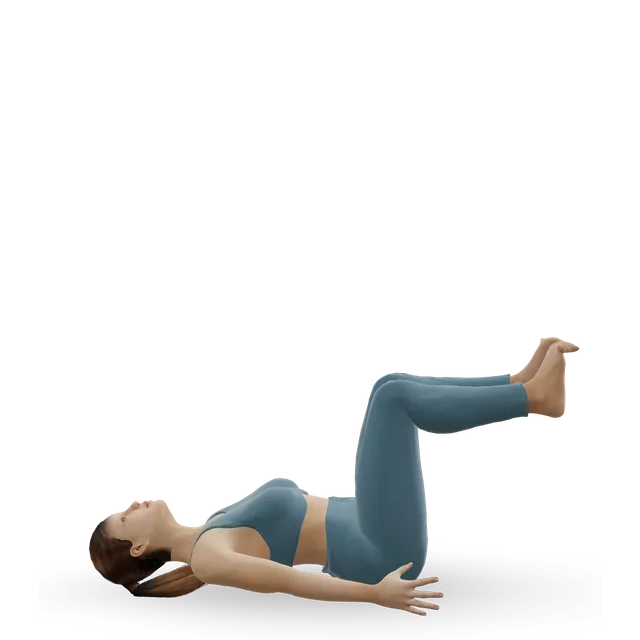
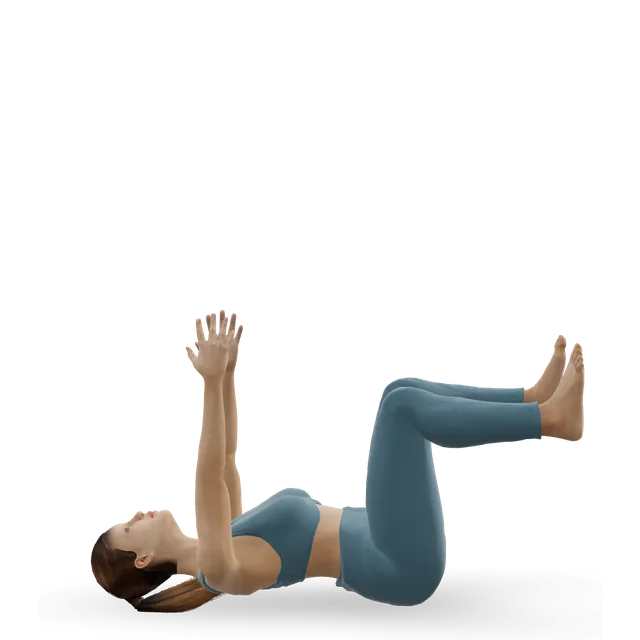
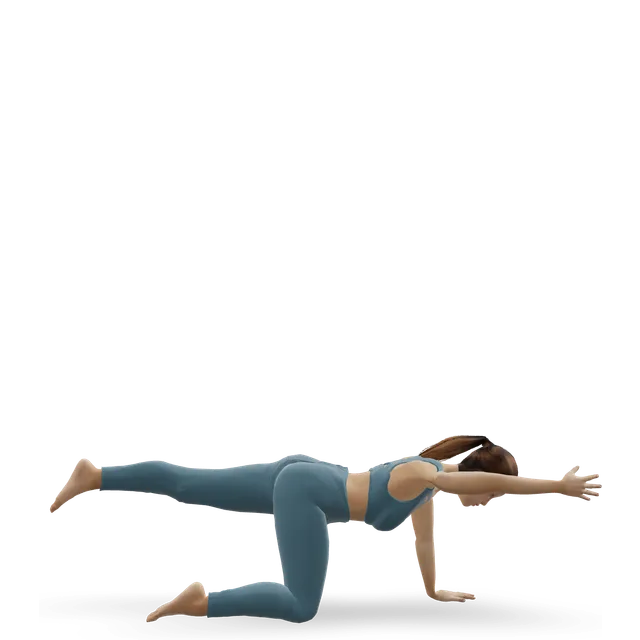
Exercises for the rectus abdominis

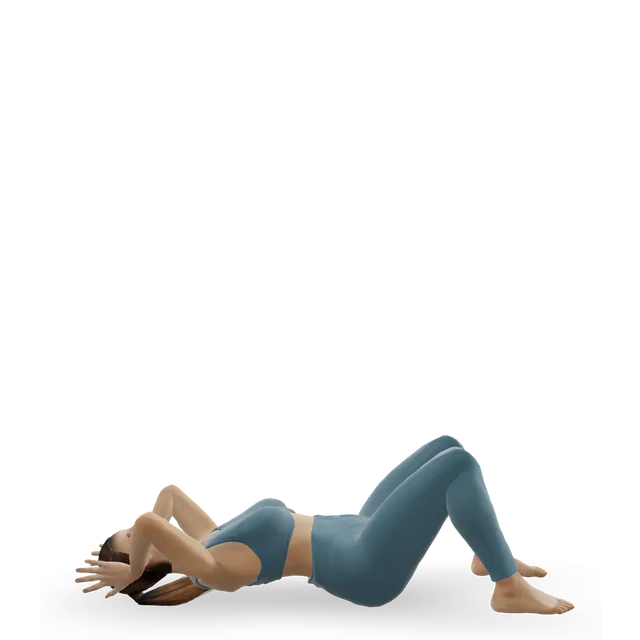
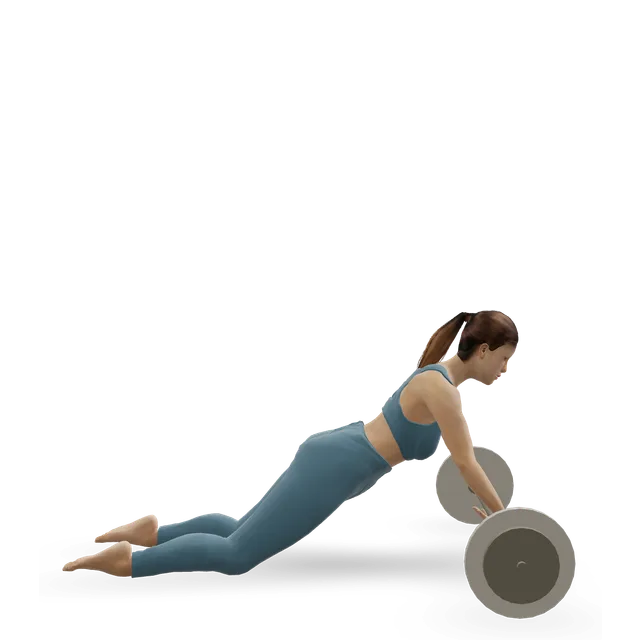
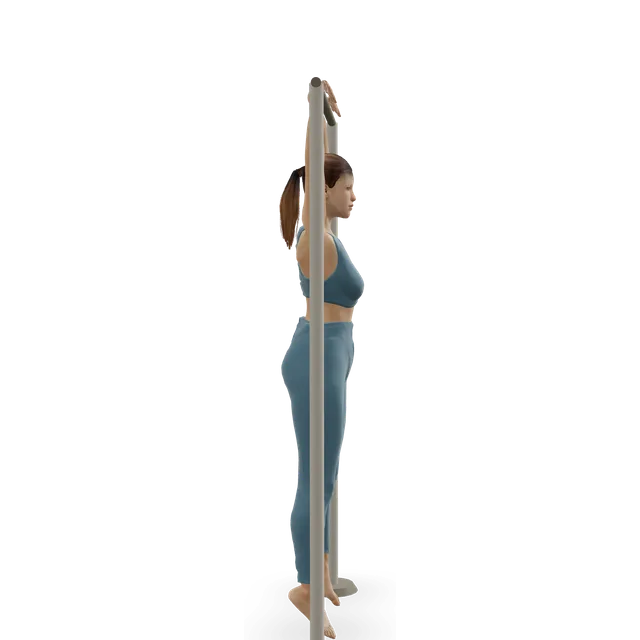
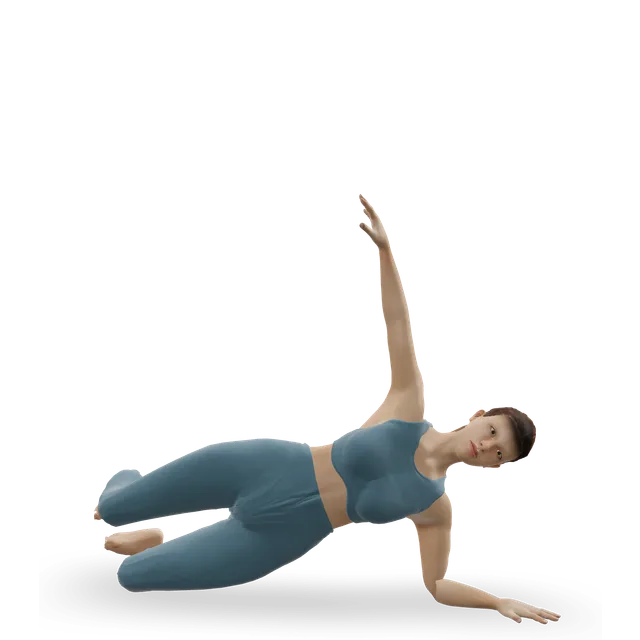
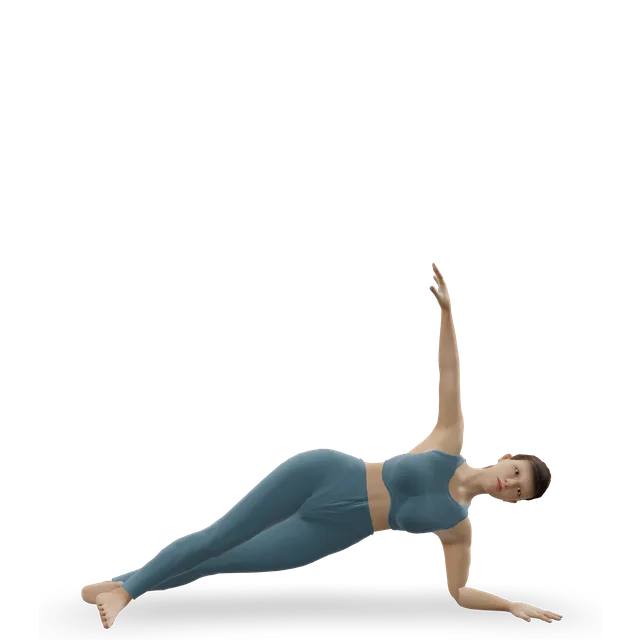
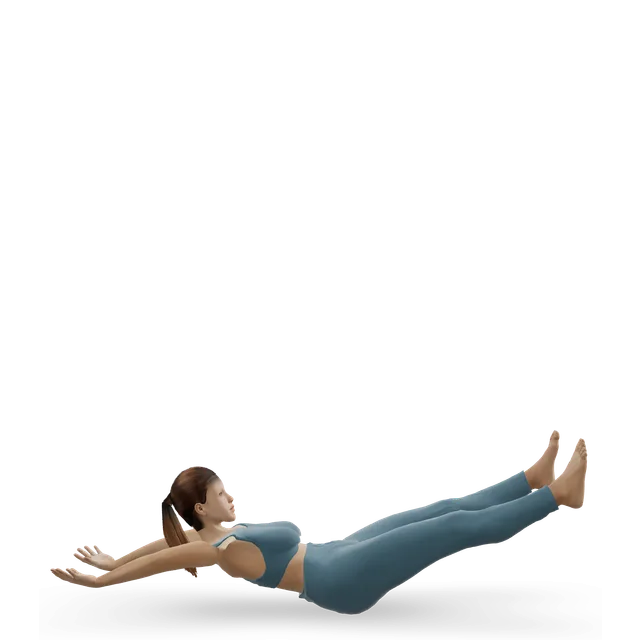
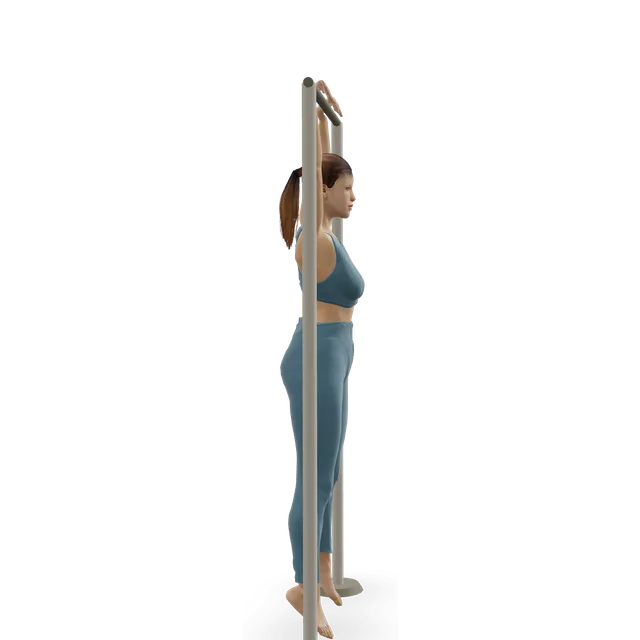
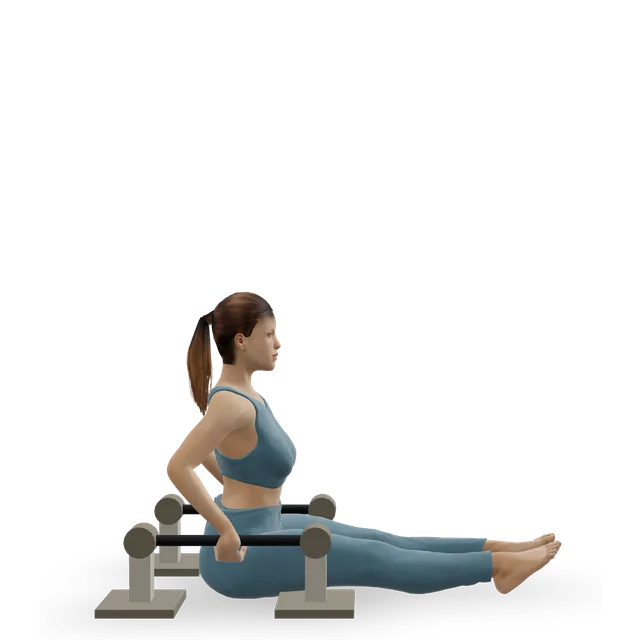
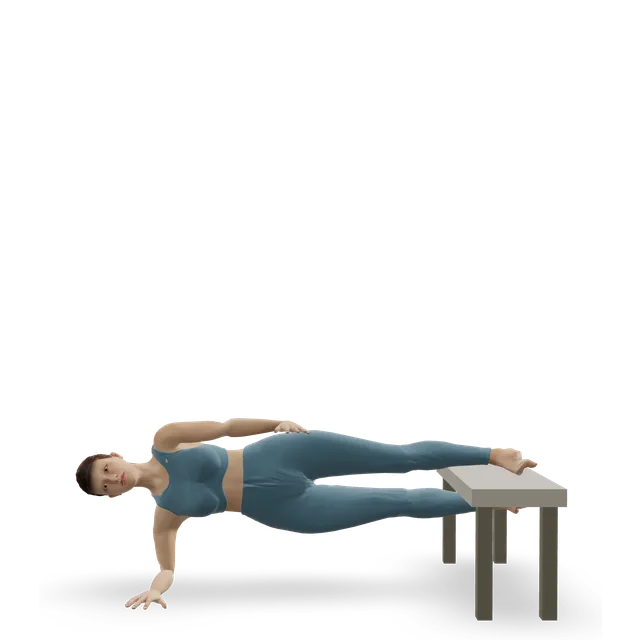
The curl-up produced the most rectus activity among stabilisation exercises; roll-outs and hanging knee raises were among the highest of their sets. Hanging and reverse-crunch moves also work the hip flexors hard, which some people with back pain find aggravating.

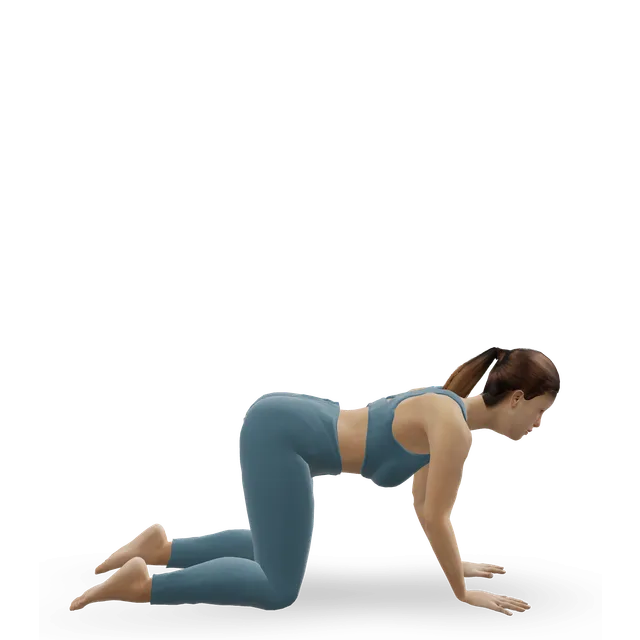
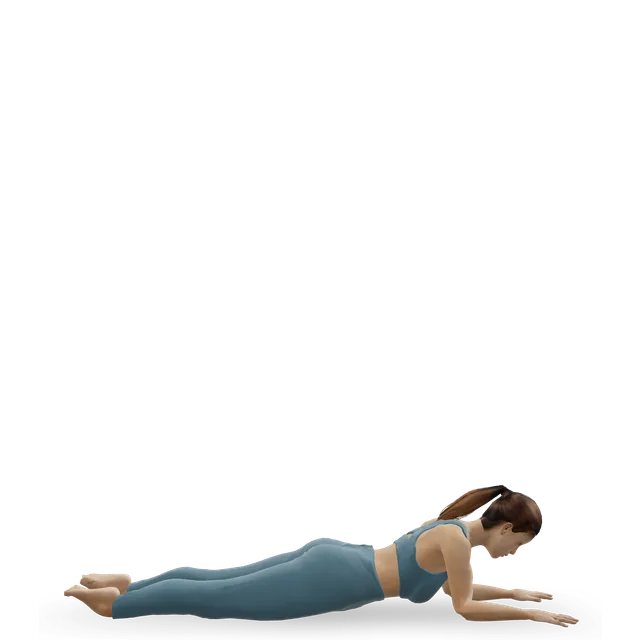
Stretches for the rectus abdominis

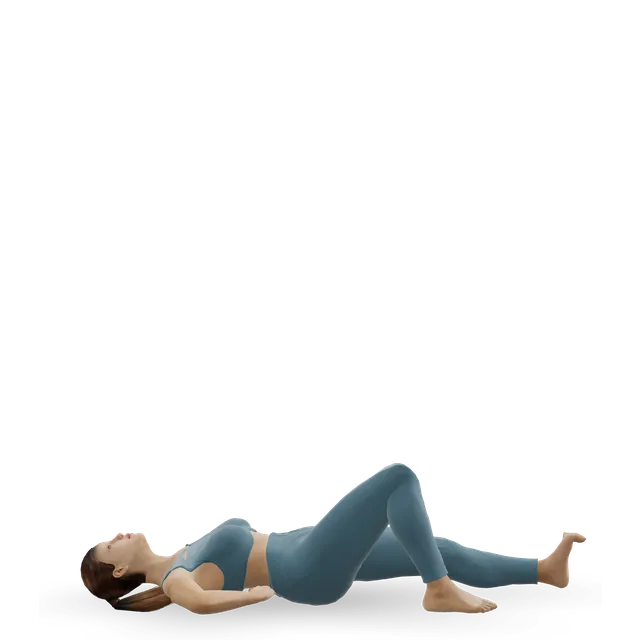
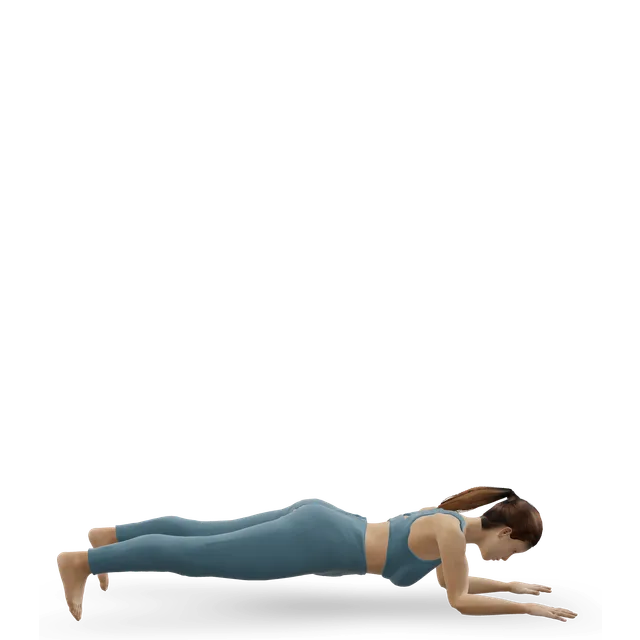
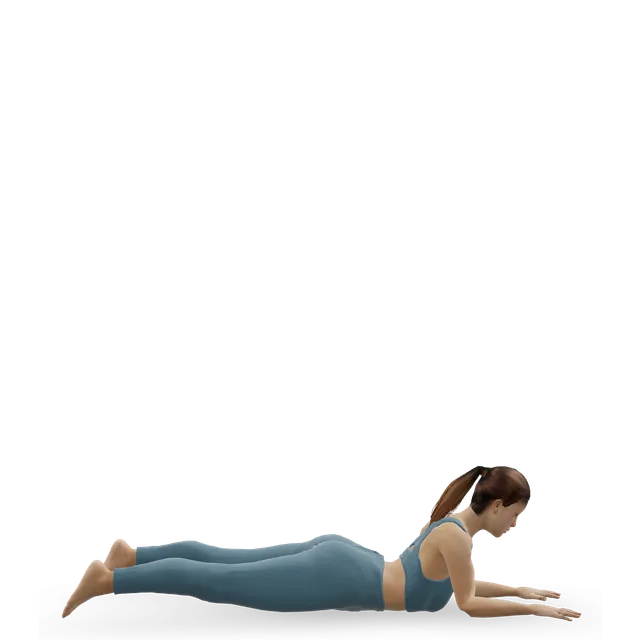
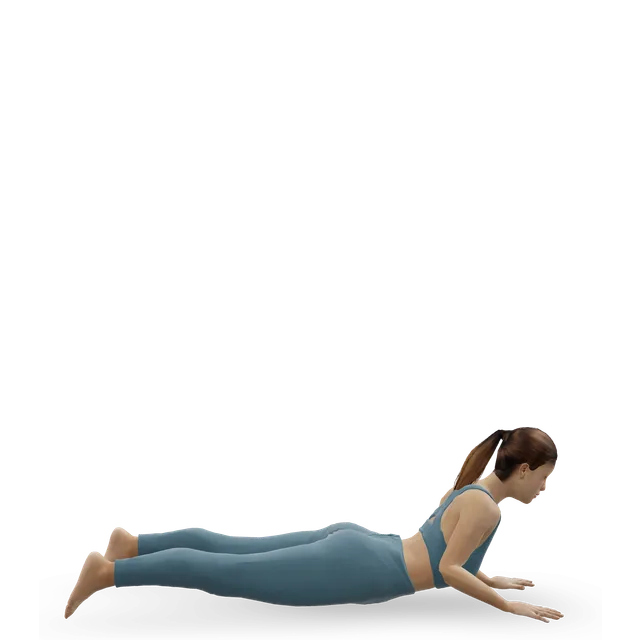
These are standard low-back stretches from NHS physiotherapy leaflets. They bend the spine the opposite way to this muscle's action; no study has named them as stretches for it.

Problems linked to the rectus abdominis

Diastasis recti (ab separation)Mixed evidence

A widening of the gap between the two sides of the muscle, with a ridge or 'doming' down the middle when you strain. In one cohort of first-time mothers it affected 60% at 6 weeks after birth and a third at 12 months.

Whether it causes back pain or leaking is disputed: a review of 12 studies found no clear link. Exercise narrowed the gap only slightly (about 4 mm) in a meta-analysis, though it may help in other ways. A ridge that worries you is worth showing to a pelvic health physiotherapist.

Sources 5, 6, 7, 8, 9

Hernias

Hernias are the main problem of the front abdominal wall; the muscles normally help hold the abdominal contents in.

Source 2

Myths worth dropping

Each grade rates the evidence for the correction.

You can train upper and lower abs separatelyEmerging evidence

In EMG studies the upper and lower parts of the muscle worked together in every exercise tested, including reverse curls. Some exercises may lean slightly toward one end; the effect is small and disputed.

Sources 10, 11

Crunches burn belly fatMixed evidence

Six weeks of daily ab exercises, with diet held steady, did not change belly fat, waist size or skinfolds in a randomised trial, though endurance improved. A couple of small trials disagree. Visible abs depend mostly on how much fat covers them.

Sources 12, 13, 4

Routines that train it

Questions people ask

What does the rectus abdominis do?

It curls the trunk forward, as in a crunch or sitting up, and with the other ab muscles squeezes the belly to cough, strain and brace.

Are upper and lower abs different muscles?

No. They are one muscle, and EMG studies found both ends working together in every exercise tested.

What is the best exercise for the rectus abdominis?

The curl-up produced the most activity among stabilisation exercises, and ab-wheel roll-outs and hanging knee raises were among the highest of the exercises tested.

Will ab exercises flatten my stomach?

Not on their own: six weeks of daily ab training did not reduce belly fat in a randomised trial. Visible abs depend mostly on overall body fat.

Muscles it works with

Sources

  1. StatPearls · Anatomy, Abdomen and Pelvis: Abdominal Wall (2023)
  2. StatPearls · Anatomy, Abdomen and Pelvis: Anterolateral Abdominal Wall Muscles (2023)
  3. StatPearls · Anatomy, Abdomen and Pelvis: Anterolateral Abdominal Wall Nerves (2023)
  4. Cleveland Clinic · Abdominal muscles
  5. StatPearls · Diastasis Recti Rehabilitation (2023)
  6. Cleveland Clinic · Diastasis recti
  7. Sperstad 2016 · Diastasis recti from pregnancy to 12 months postpartum (cohort, Br J Sports Med, abstract)
  8. Benjamin 2019 · Diastasis recti, lumbopelvic pain and incontinence (systematic review, Physiotherapy, abstract)
  9. Benjamin 2023 · Conservative care and the inter-recti distance (meta-analysis, Physiotherapy, abstract)
  10. Lehman & McGill 2001 · Upper and lower rectus abdominis activity in abdominal exercises (Phys Ther, abstract)
  11. Clark 2003 · Upper and lower rectus abdominis activity in six exercises (J Strength Cond Res, abstract)
  12. Vispute 2011 · Six weeks of abdominal exercise and abdominal fat (RCT, J Strength Cond Res, abstract)
  13. Brobakken 2023 · Abdominal exercise added to running and trunk fat (RCT, Physiol Rep, abstract)
  14. Okubo 2010 · Deep and superficial trunk muscle activity in stabilisation exercises (JOSPT, abstract)
  15. Escamilla 2010 · Abdominal muscle activity in ball and roll-out exercises (JOSPT, abstract)
  16. Escamilla 2006 · Abdominal and hip-flexor activity in ab devices and exercises (Phys Ther, abstract)
  17. García-Vaquero 2012 · Trunk muscle activity in bridges, planks and bird dogs (J Electromyogr Kinesiol, abstract)
  18. Sussex Community NHS Foundation Trust · Mechanical low back pain: rehabilitation exercises

Anatomy and movement education, not a diagnosis or treatment plan. If you have pain that follows an injury, is severe or getting worse, or comes with numbness, weakness or swelling, get it assessed. Health disclaimer.