Rolling: more range for a whileStrong evidence
Rolling with a foam roller or a ball reliably adds range of motion for a short while, about as much as stretching does. The best explanations are in the nervous system, not in released tissue.
Fascia work, graded
You cannot squash or stretch dense fascia into a new shape. A roller cannot press hard enough, and a stretch barely lengthens it. What rolling and stretching do change is how an area feels and how far it moves, for minutes up to about half an hour. Tissue itself changes with regular loading over weeks and months.
Below, the moves are sorted by body area and by type, with a dose from the research where there is one, and every claim carries a grade. If you want something to follow today, start with the routines. For what fascia is, read the fascia chapter first.
Rolling with a foam roller or a ball reliably adds range of motion for a short while, about as much as stretching does. The best explanations are in the nervous system, not in released tissue.
Slow stretches that reach along the body, such as a forward fold or a side bend, add range mainly by raising your tolerance of stretch. Over 3 to 8 weeks of stretching, muscle and tendon stiffness and structure changed only trivially.
Source 3
Dissection supports three of the proposed chains of muscle and fascia, including the back-of-body line a forward fold loads. The side and spiral lines are only partly supported, and the superficial front line not at all. Force does pass between neighbouring muscles in cadaver and animal studies, but how much that matters in living people is disputed.
Tendons store and return elastic energy in bouncy movement: in a countermovement, the calf muscle fibres barely change length while the tendon does the springing. That gentle bouncing remodels fascia has not been shown. Tendons adapted when the strain went above everyday levels, and in a 12-week trial heavy weight training stiffened tendons while jump training did not.
Collagen-rich tissue adapts to load. Across 27 training studies, tendons became stiffer and larger, and the size of the load mattered more than the type of muscle action. Training raises collagen turnover and inactivity lowers it. Tendons are the best-studied tissue here; we found no direct measurement of how human fascia renews.
A meta-analysis found full-range strength training improved range of motion about as much as stretching did. The strength moves on this page count toward flexibility too.
Source 14
A meta-analysis of 26 high-quality trials found foam rolling gave a large short-term gain in range of motion compared with doing nothing, and no more than stretching. Rolling before exercise improved flexibility by about 4% across 21 studies.
Ankle range was back to baseline by 30 minutes in one trial. Knee range lasted at least 30 minutes in another. After rolling the outer thigh, the gain was gone by 10 minutes.
A 3D model of human tissue found that very large forces, outside the normal physiological range, are needed to compress or shear the fascia lata or the plantar fascia by even 1%. Two leading rolling researchers call the name 'self-myofascial release' misleading. In a trial, two minutes of thigh rolling increased knee bend and changed where the stretch was first felt, but passive stiffness did not change.
After thigh rolling, one trial measured less sliding in the deep fascia layer. Another found more sliding in the thoracolumbar fascia of the back after foam roller exercises. A sports medicine consensus calls the mechanisms unclear.
Rolling after exercise reduced perceived muscle soreness by a small amount. In a review, 7 of 8 soreness trials showed a short-term reduction, and about 90 seconds per muscle looked like the minimum useful dose.
In a meta-analysis of rolling programmes, those longer than 4 weeks increased range and those of 4 weeks or less did not. The hamstrings gained a moderate amount, the quads a little and the calves nothing. The authors put the gains down to stretch tolerance rather than tissue change.
A 2024 meta-analysis of 38 studies found rolling and stretching were no better than other warm-up activities for short-term flexibility. Roll before exercise if you like it; you do not need to.
Source 25
Rolling before exercise made trivial to small differences to sprinting, strength and jumping. A 2026 evidence synthesis found no short- or long-term performance benefit.
Rolling a tennis ball under both feet once improved a sit-and-reach test, and three 30-second calf and hamstring stretches slightly increased neck range. But 7 weeks of rolling and stretching the soles changed neither shoulder nor ankle range. To change a joint's range for good, train the muscles that cross it.
The 2026 evidence synthesis found rolling did not reduce long-term muscle and joint pain compared with standard or sham treatment over 8 weeks.
Source 27
For someone without warning signs. They come from rolling trials and reviews, not from one tested plan, so treat them as starting points.
Rolling the front of the thigh at pain levels of about 4, 6 or 8 out of 10 raised range by the same amount and did not affect jumping or strength. Use a pressure you can breathe through.
Source 32
The 2026 evidence synthesis reports that rigid rollers improved flexibility more than soft ones, from only a few studies.
Source 27
Plantar fascia and calf stretching have the strongest evidence on this page: the top grade in the 2023 heel pain guideline. Rolling the sole is for comfort. The plantar fascia page has the detail.
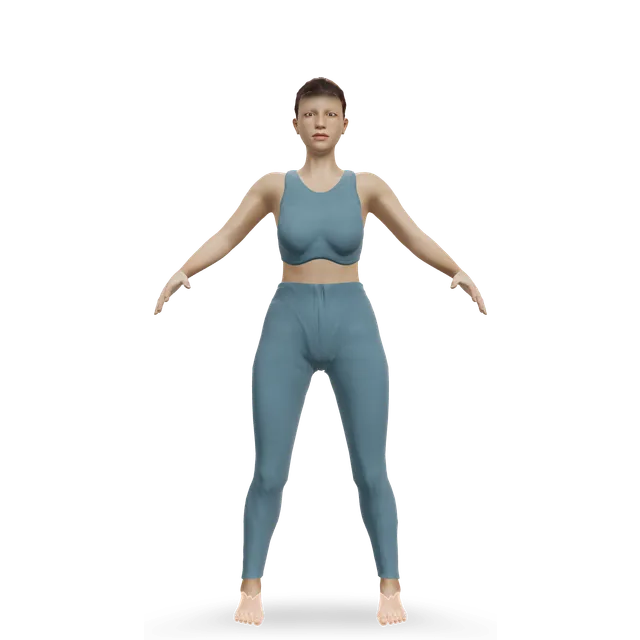 Plantar fascia stretch (seated)Beginner · A bench or box
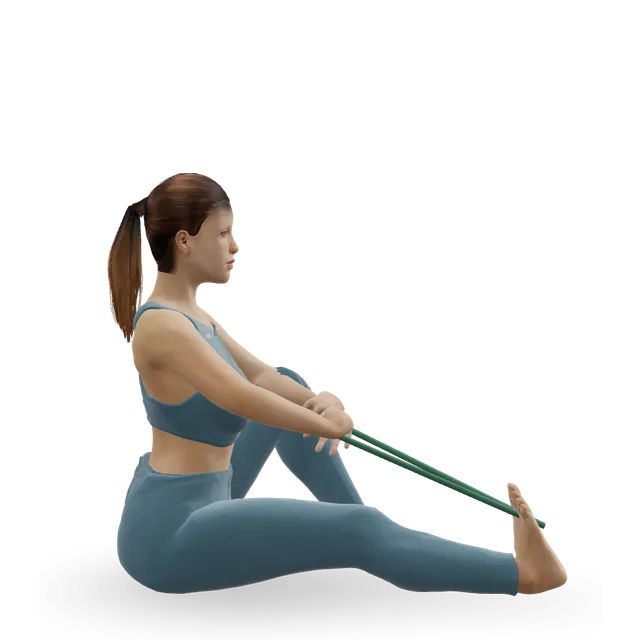 3D demoSeated calf stretch with a towelBeginner · Other / check instructions
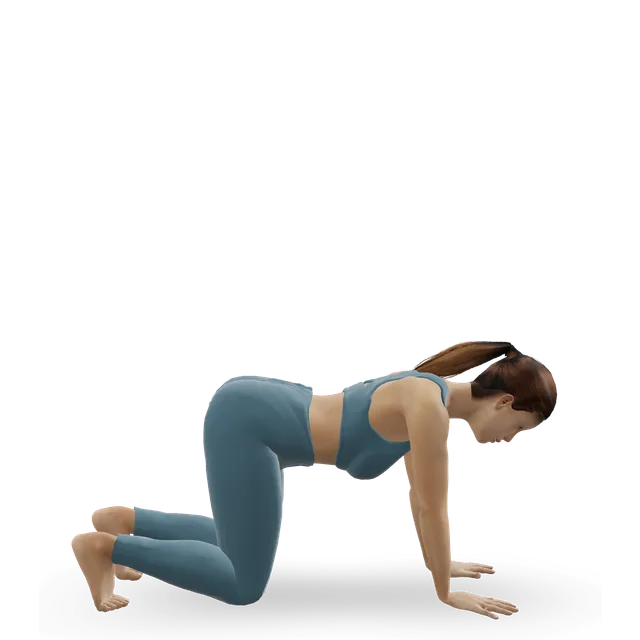 3D demoToes tucked kneelingIntermediate · No equipment
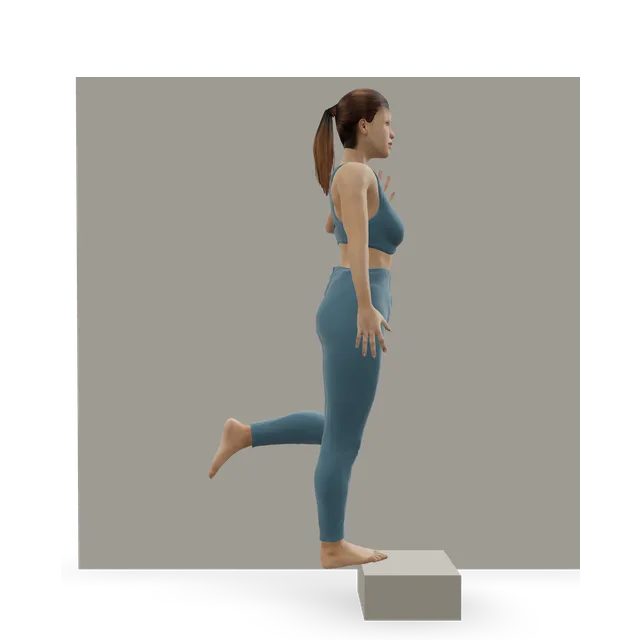 3D demoHeel raise with a towel under the toesIntermediate · A step + Other / check instructions
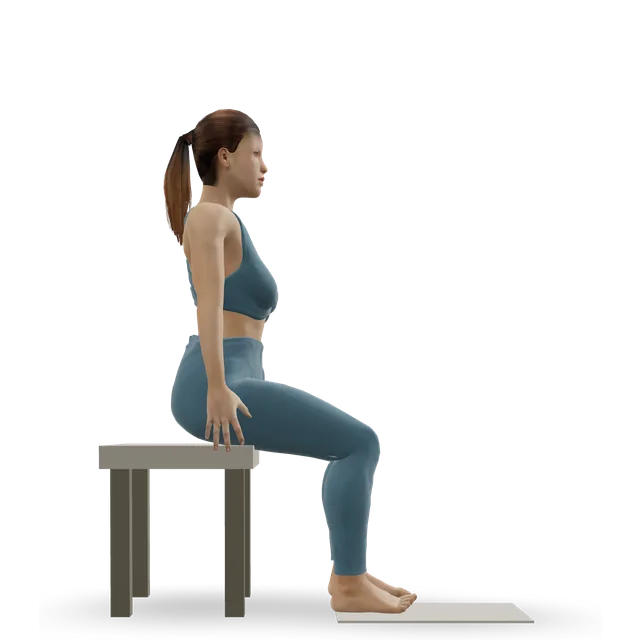 3D demoTowel toe curlBeginner · Other / check instructions + A bench or boxShort foot + toe splayBeginner · No equipment
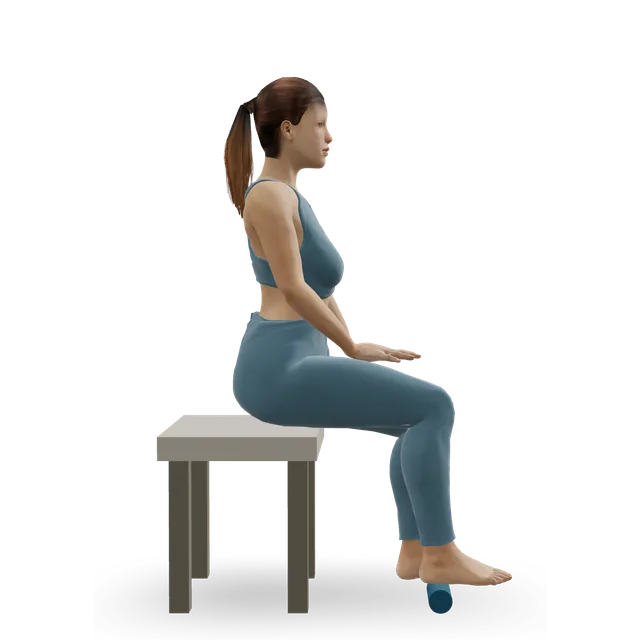 3D demoFoot-SMRIntermediate · Other / check instructions
Rolling programmes gave the calves no lasting gain in range, so stretch and strengthen them for that and roll them for comfort. Never roll a calf that is swollen, red or darkened, or throbbing: get it checked urgently.
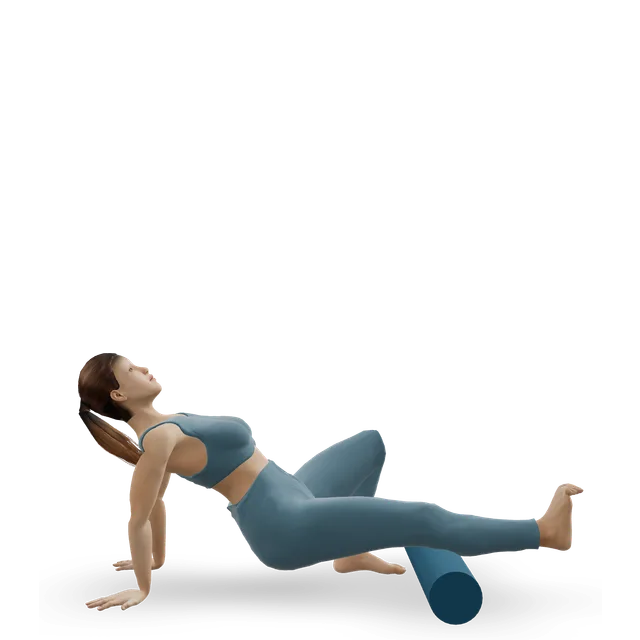 3D demoCalves-SMRIntermediate · A foam roller
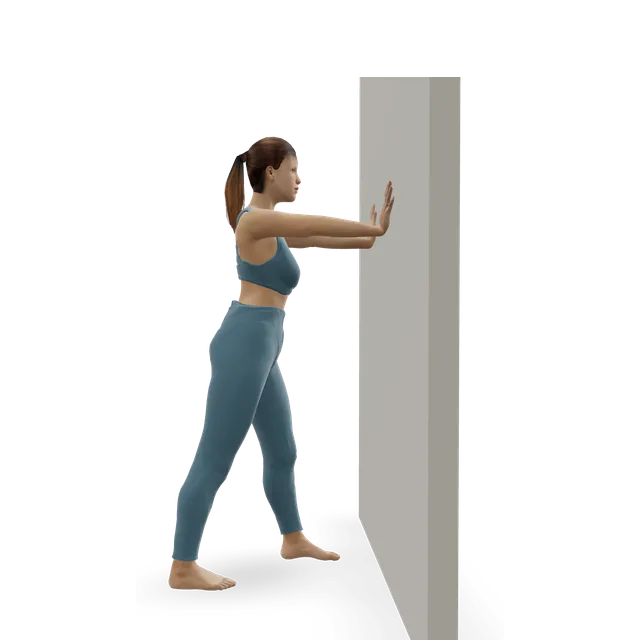 3D demoWall calf stretch (gastrocnemius)Beginner · A wall
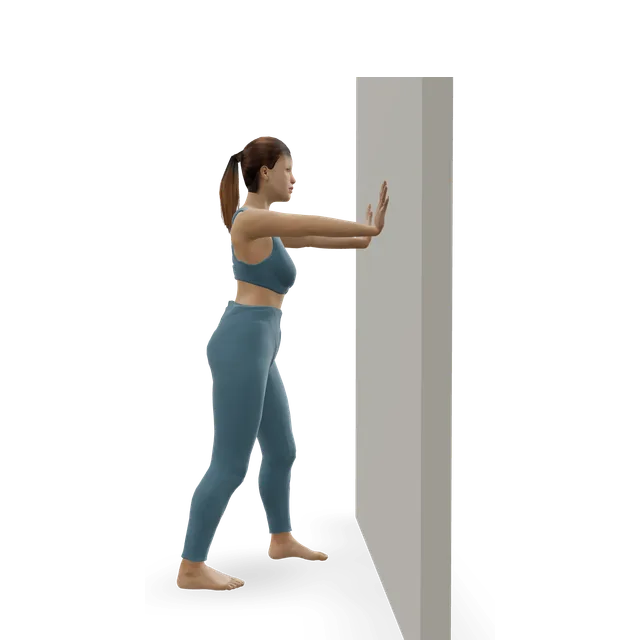 3D demoSoleus wall stretchBeginner · A wall
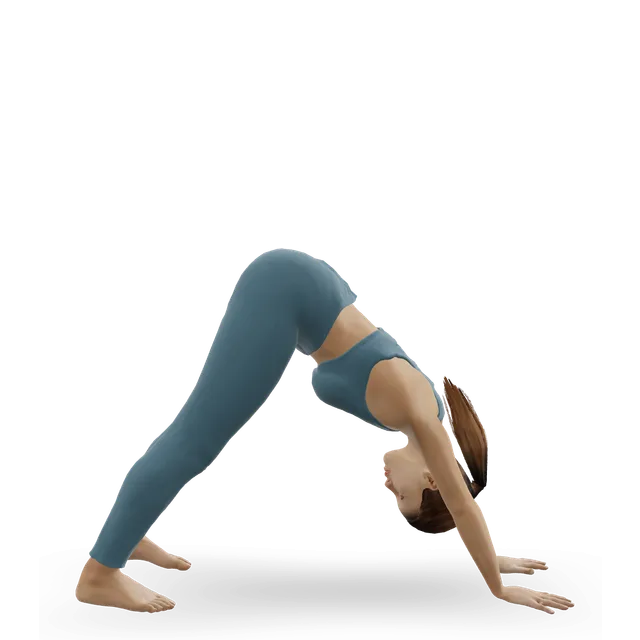 3D demoDownward-facing dog (Adho Mukha Svanasana)Beginner · No equipment
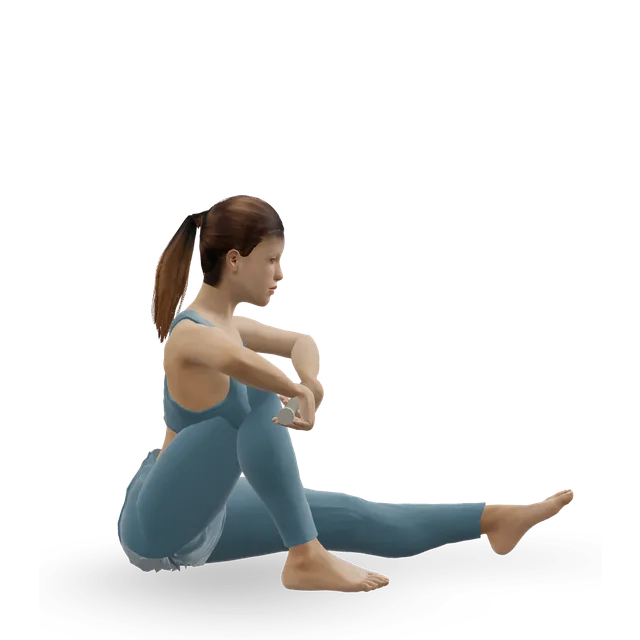 3D demoAnterior Tibialis-SMRIntermediate · Other / check instructions
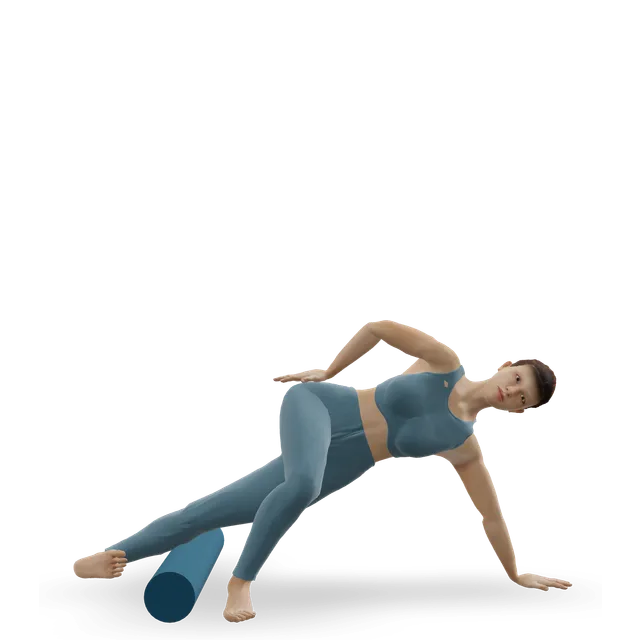 3D demoPeroneals-SMRIntermediate · A foam roller
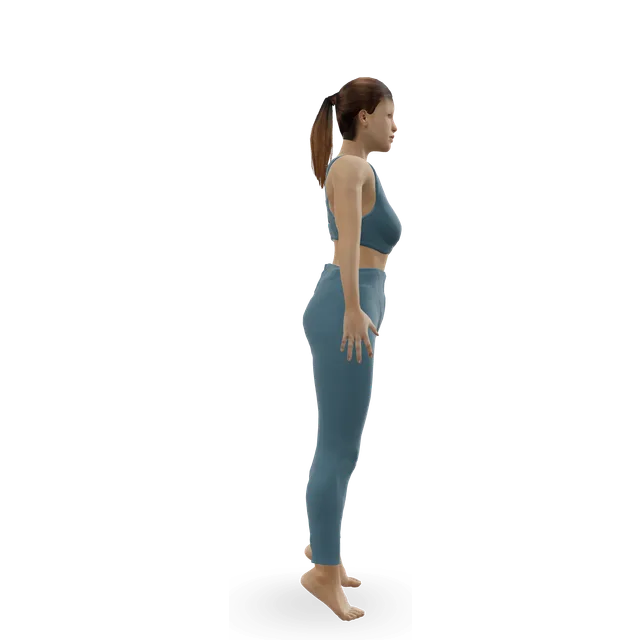 3D demoSlow calf raiseBeginner · A wall
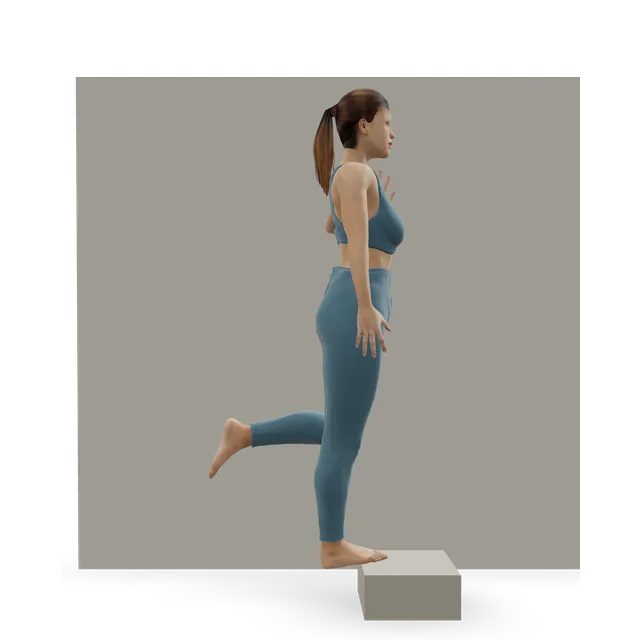 3D demoSingle-leg calf raise from a stepIntermediate · A step + A wall
In rolling programmes longer than 4 weeks, the hamstrings gained a moderate amount of range and the quads a small amount. The hip hinge fold loads the back-of-body chain, one of the three that dissection supports.
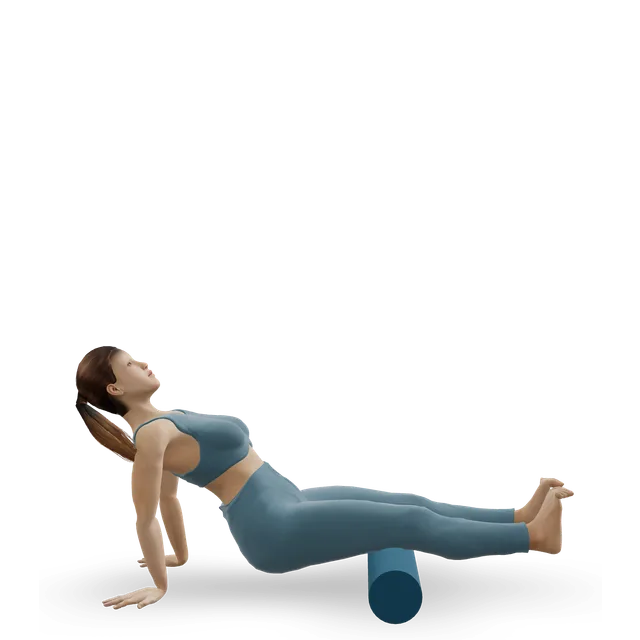 3D demoHamstring-SMRBeginner · A foam roller
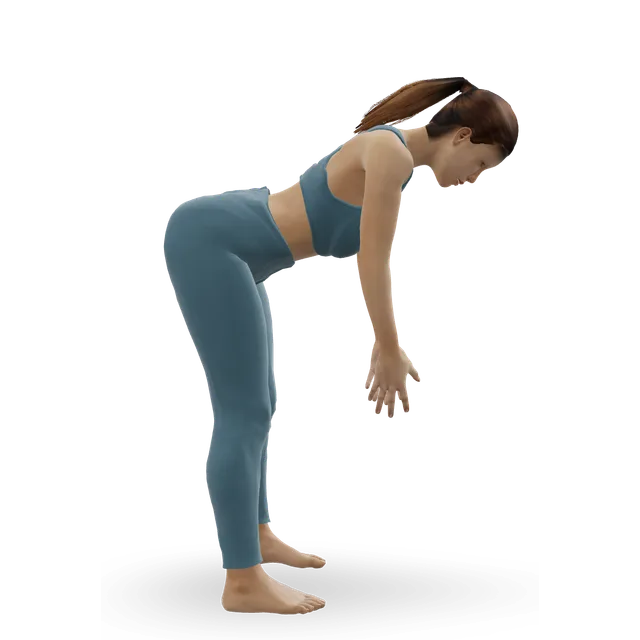 3D demoHip hinge foldBeginner · No equipment
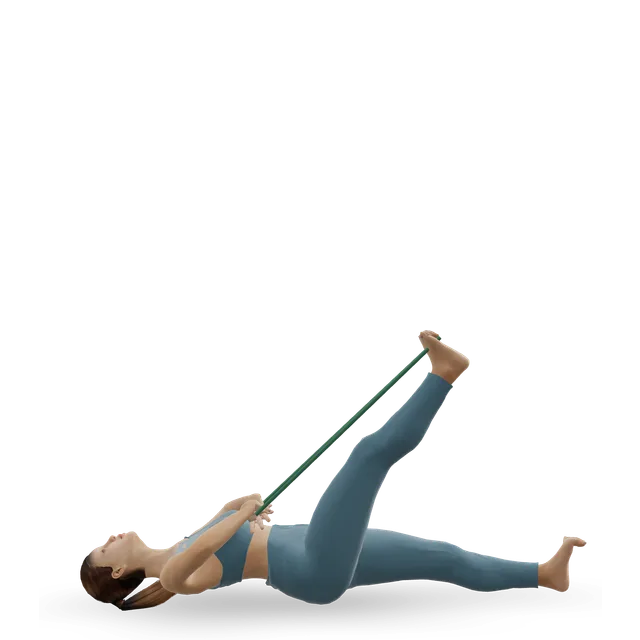 3D demoSupine hamstring stretch with a strapBeginner · No equipment
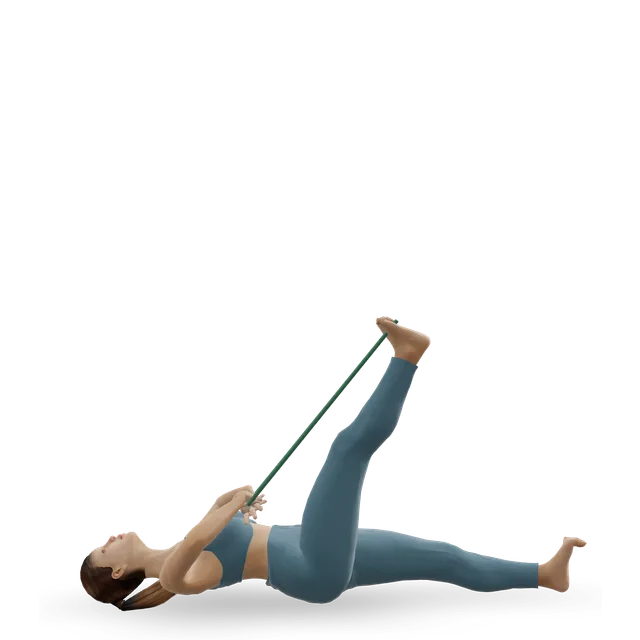 3D demoContract-relax hamstring stretch (PNF)Intermediate · No equipment
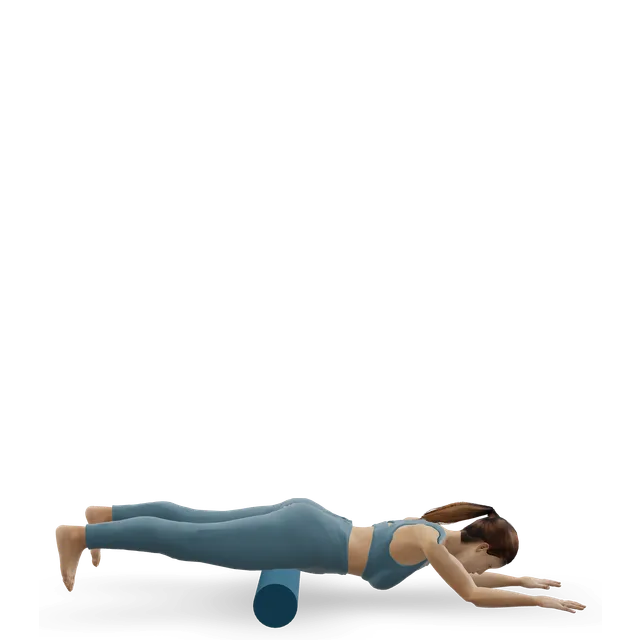 3D demoQuadriceps-SMRIntermediate · A foam roller
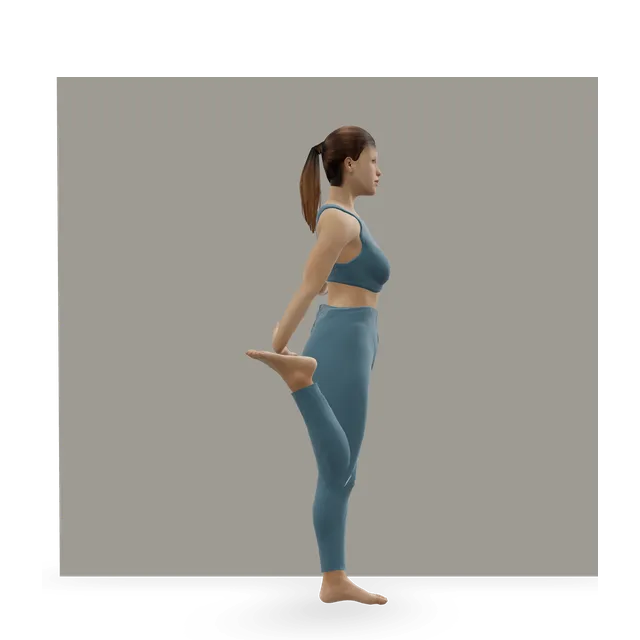 3D demoStanding Quad StretchBeginner · A wall
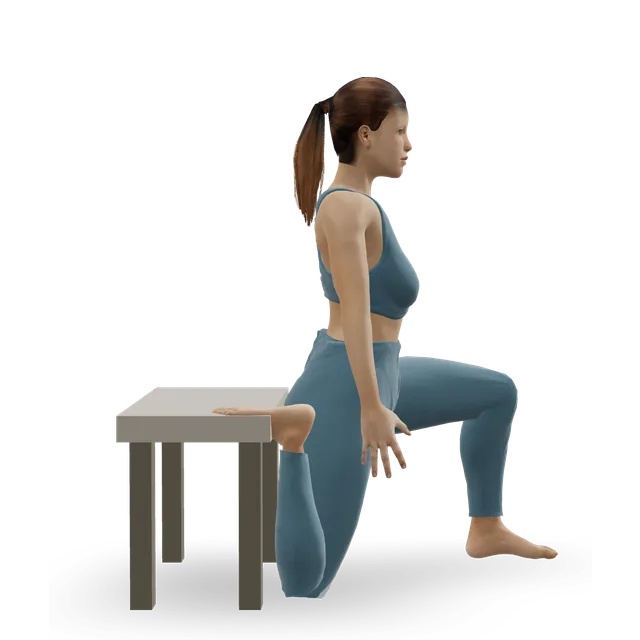 3D demoCouch stretchIntermediate · A wall
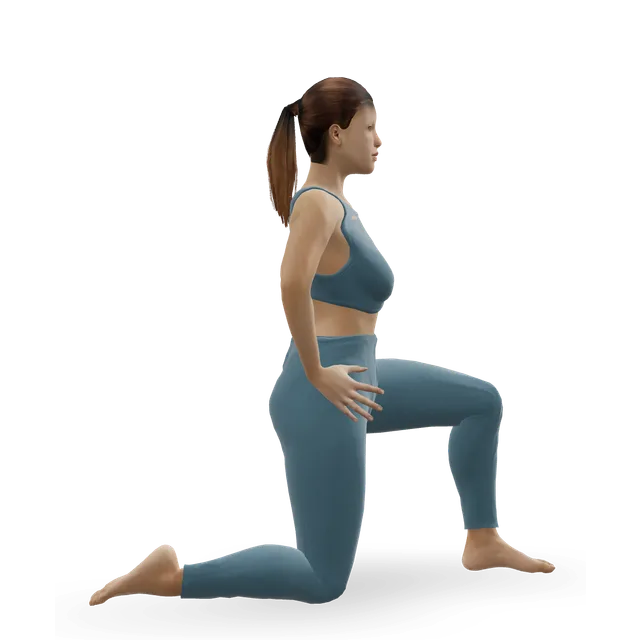 3D demoHalf-kneeling hip flexor stretchBeginner · No equipment
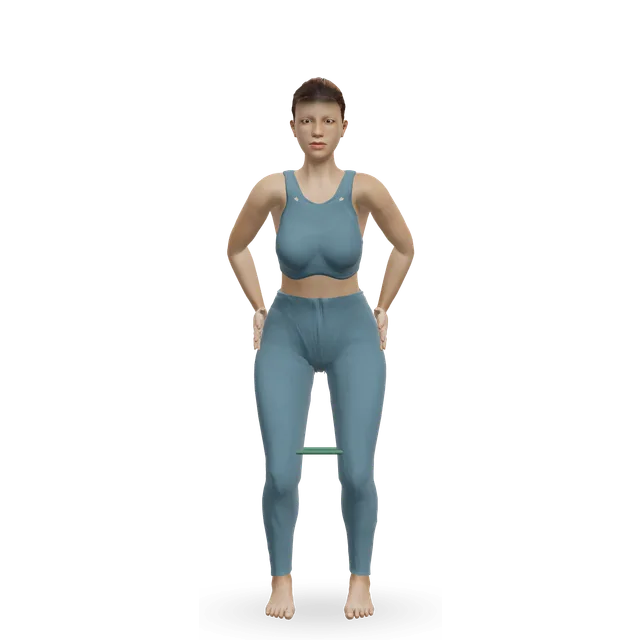
Roll the outer thigh gently, if at all: the extra range was gone within 10 minutes in one trial and the band's stiffness did not change. The stretches reach the muscles that pull on the band more than the band itself. If the bony point on the outside of your hip is sore, skip the roll and both stretches, which press the gluteal tendons against the bone. Hip strength is the better-supported route.
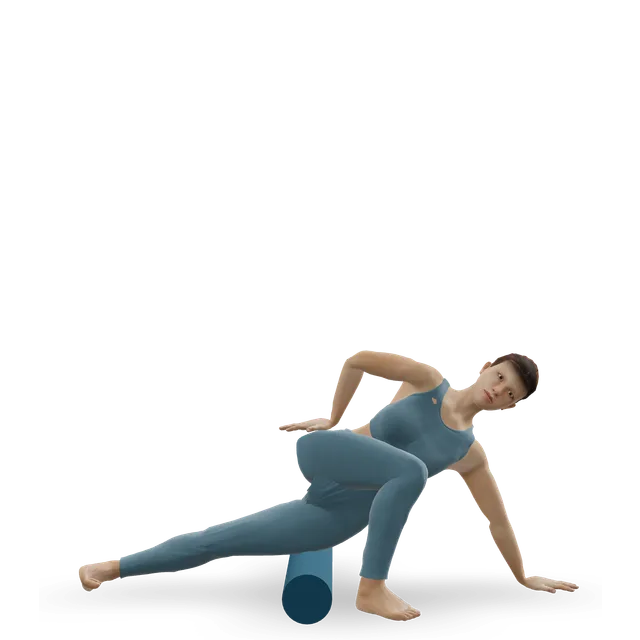
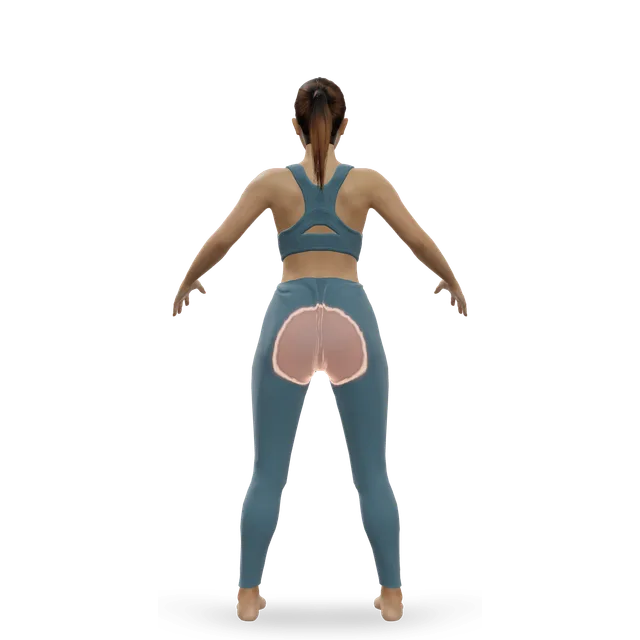
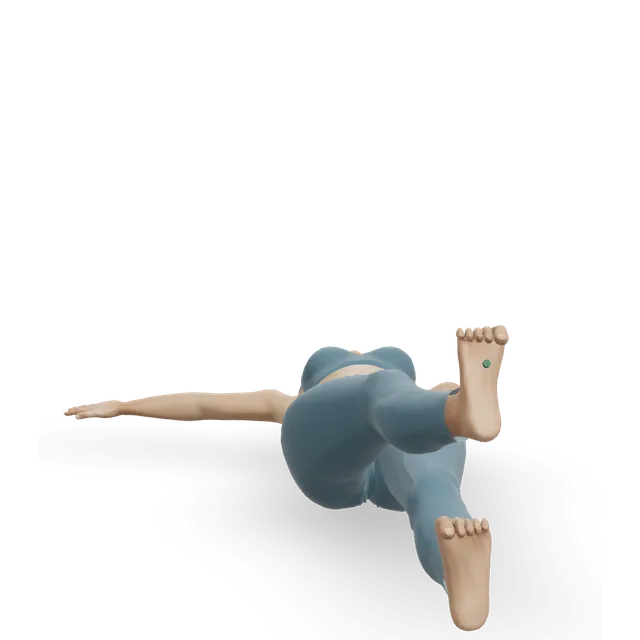
The piriformis roll is the usual glute roll, and the adductor roll covers the inner thighs. Figure-four and pigeon stretches can aggravate a sore outer hip; leave them out if they do.
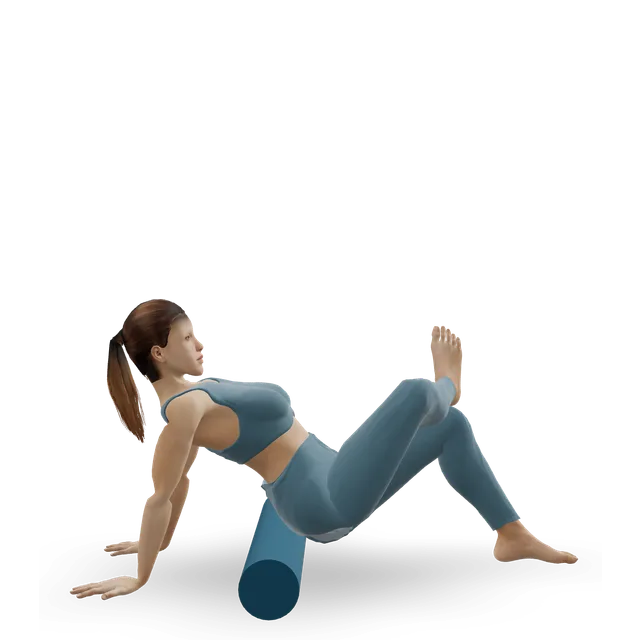 3D demoPiriformis-SMRIntermediate · A foam roller
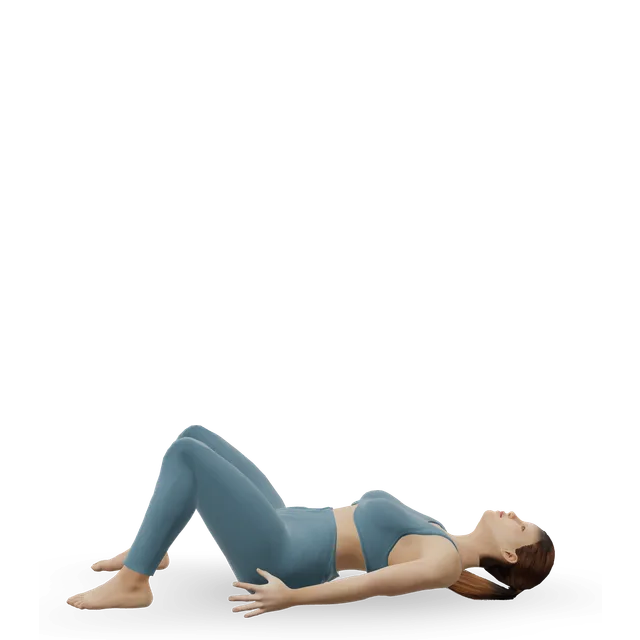 3D demoReclined figure four (eye of the needle, Sucirandhrasana)Beginner · No equipment
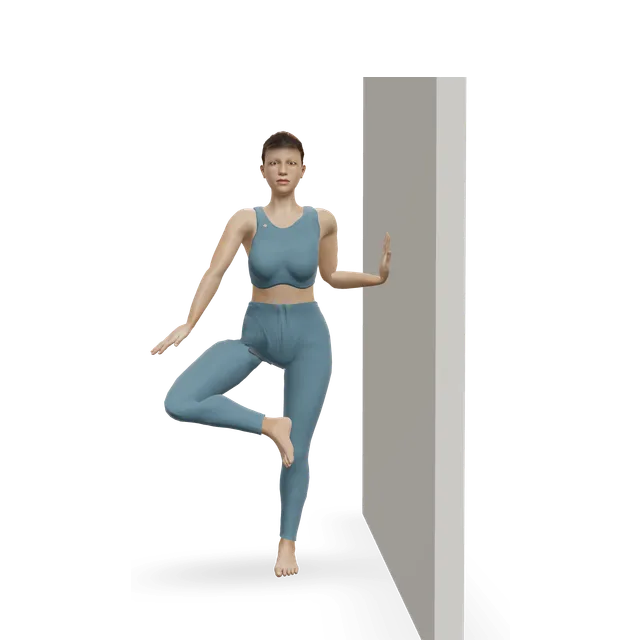 3D demoStanding figure four (chair pigeon, Eka Pada Utkatasana)Intermediate · A wall
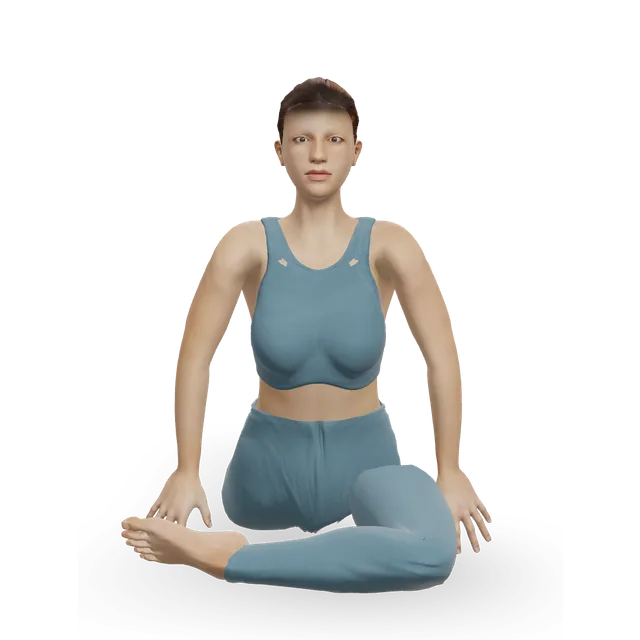 3D demoPigeon preparation (Eka Pada Rajakapotasana prep)Intermediate · No equipment
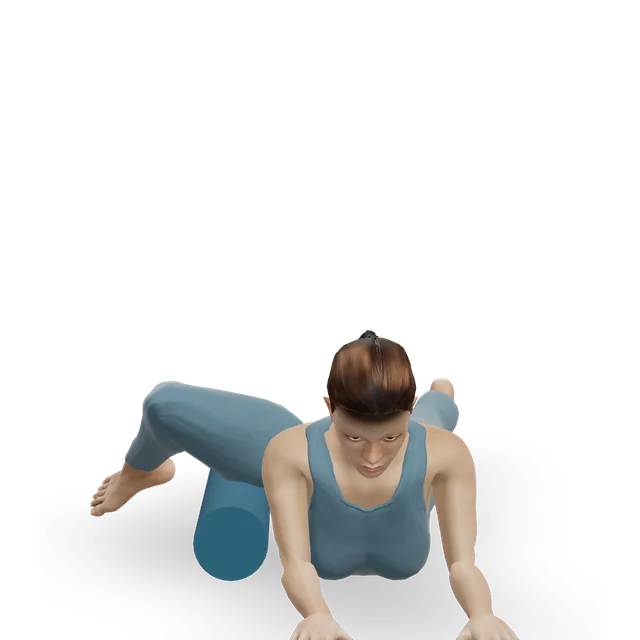 3D demoAdductorIntermediate · A foam roller
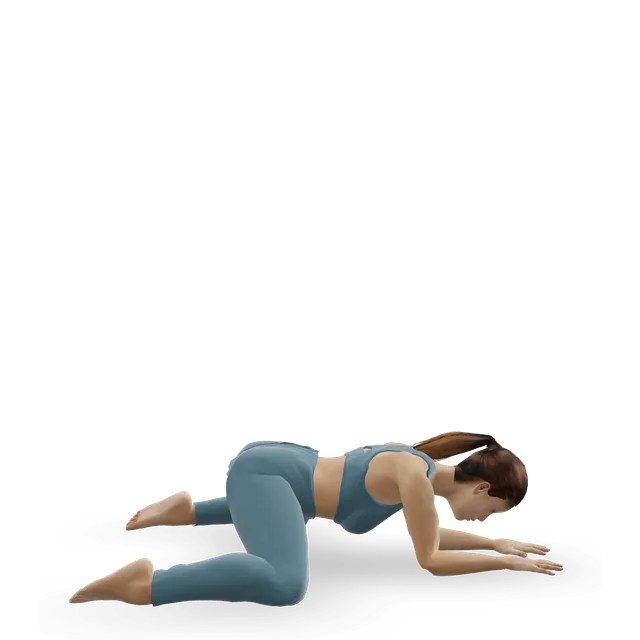 3D demoFrog rockIntermediate · No equipment
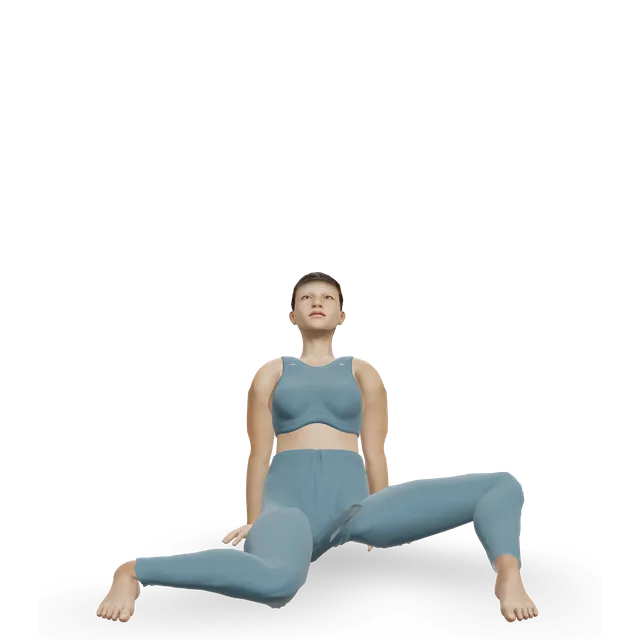 3D demo90/90 switchIntermediate · No equipment
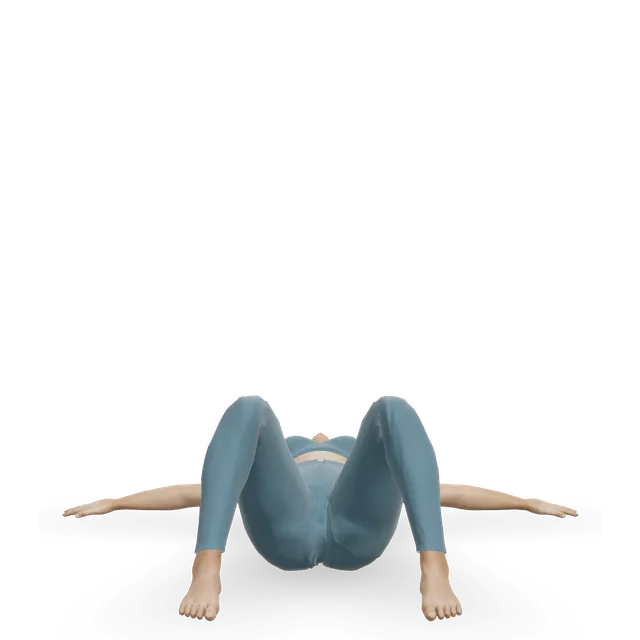 3D demoHip Windshield WipersBeginner · No equipment
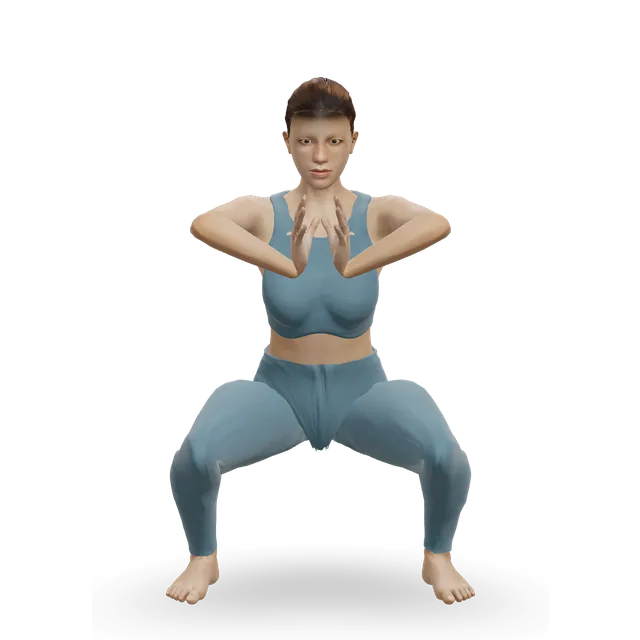 3D demoDeep squat holdIntermediate · No equipment
 3D demoGlute bridgeBeginner · No equipment
For an aching back, guidelines put exercise first and hands-on treatment only alongside it. If you roll the lower back, keep it gentle and on the muscles beside the spine, never on the spine itself.
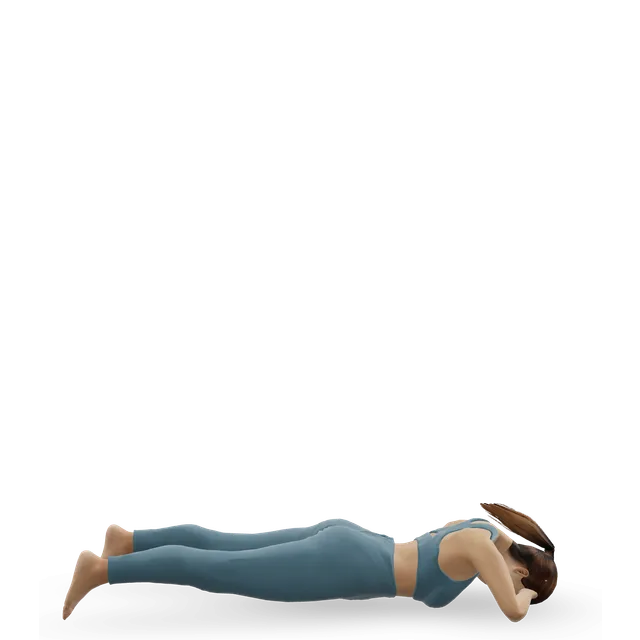 3D demoCrocodile Breathing (prone diaphragmatic breathing)Beginner · No equipment
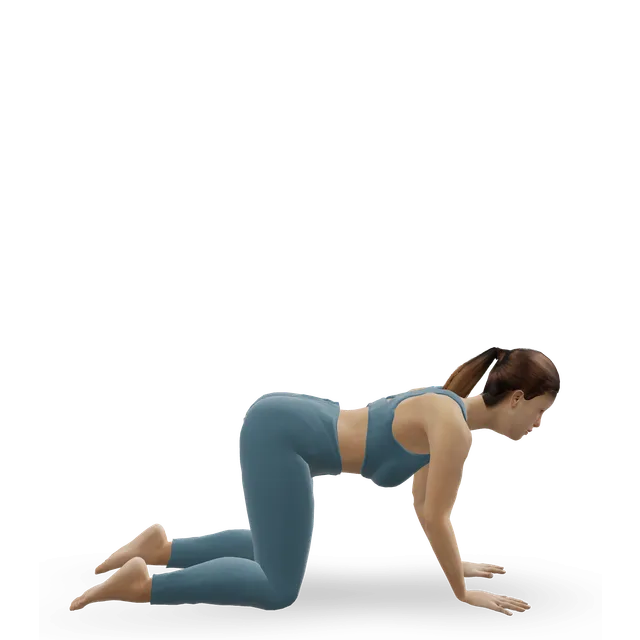 3D demoCat-cowBeginner · No equipment
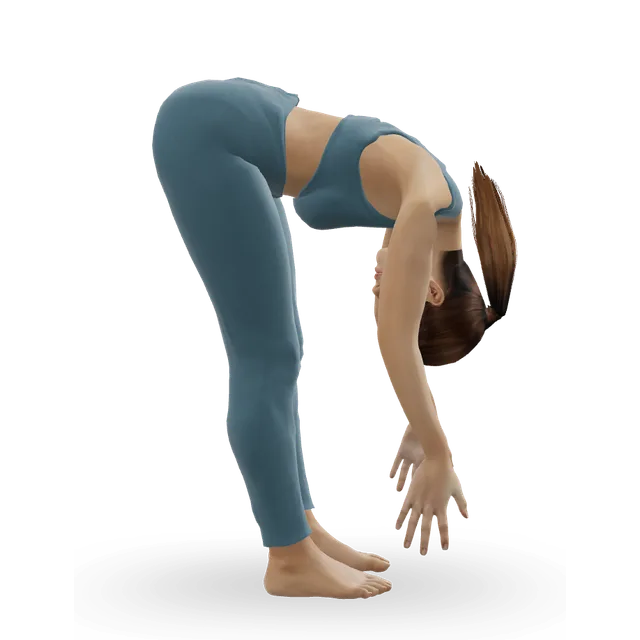 3D demoSegmental Roll DownIntermediate · No equipment
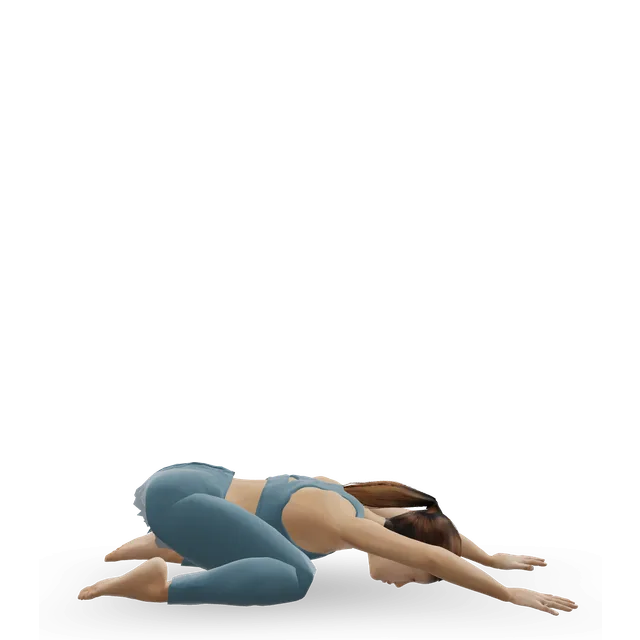 3D demoChild's Pose (Balasana)Beginner · No equipment
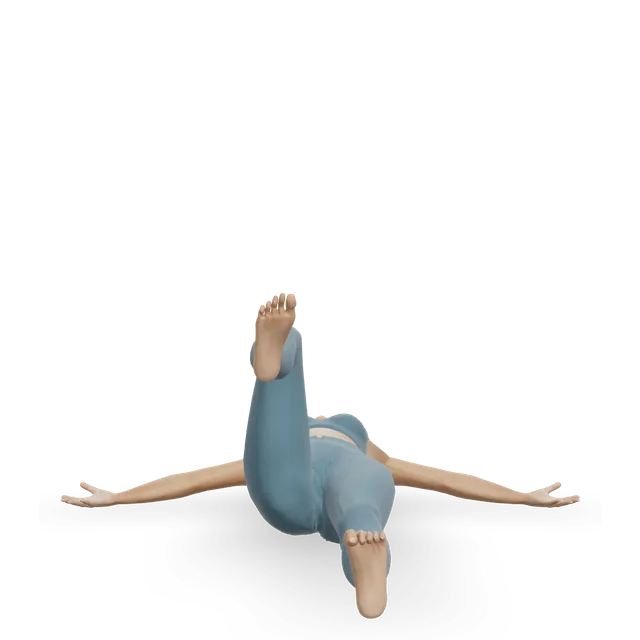 3D demoSupine spinal twist (Supta Matsyendrasana)Beginner · No equipment
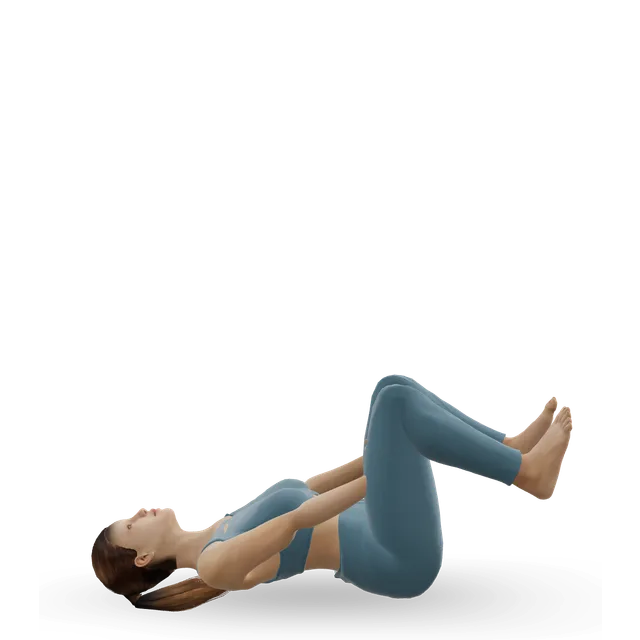 3D demoHug Knees To ChestBeginner · Other / check instructions
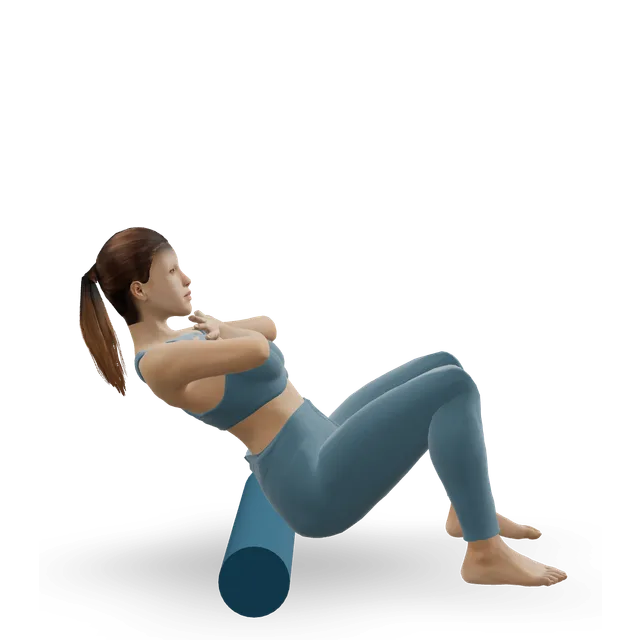 3D demoLower Back-SMRBeginner · A foam roller
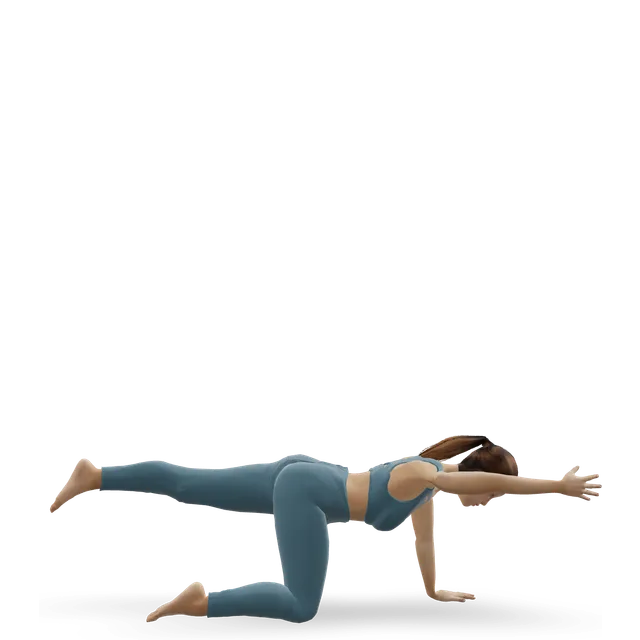 3D demoBird dogBeginner · No equipment
The rhomboid roll is the usual upper back roll. Ask a clinician before rolling the upper back or ribs if you have osteoporosis. Keep the chest ball on muscle below the collarbone, never in the armpit.
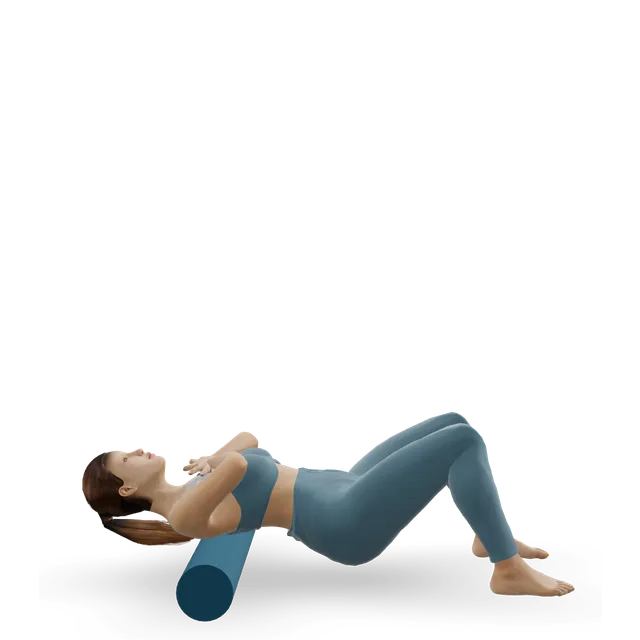 3D demoRhomboids-SMRIntermediate · A foam roller
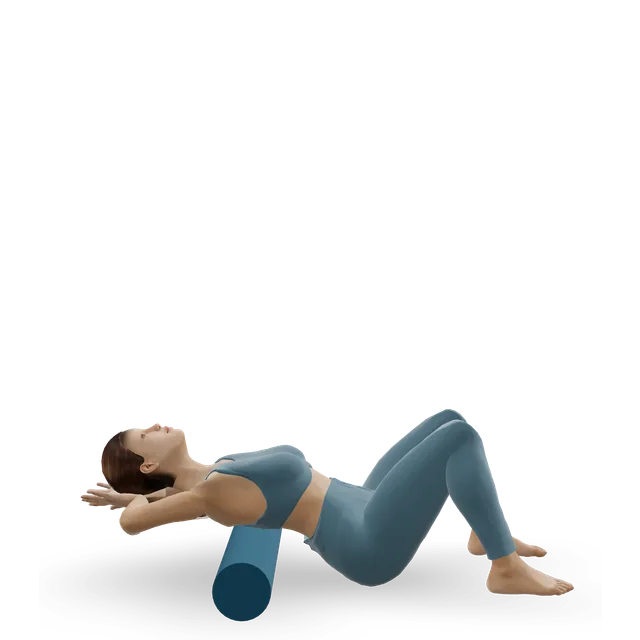 3D demoFoam Roller Thoracic ExtensionBeginner · A foam roller
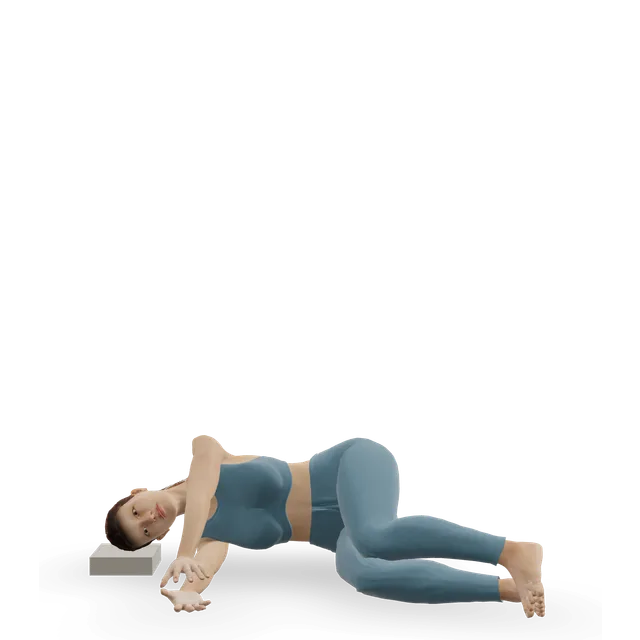 3D demoSide-lying Open Book RotationBeginner · No equipment
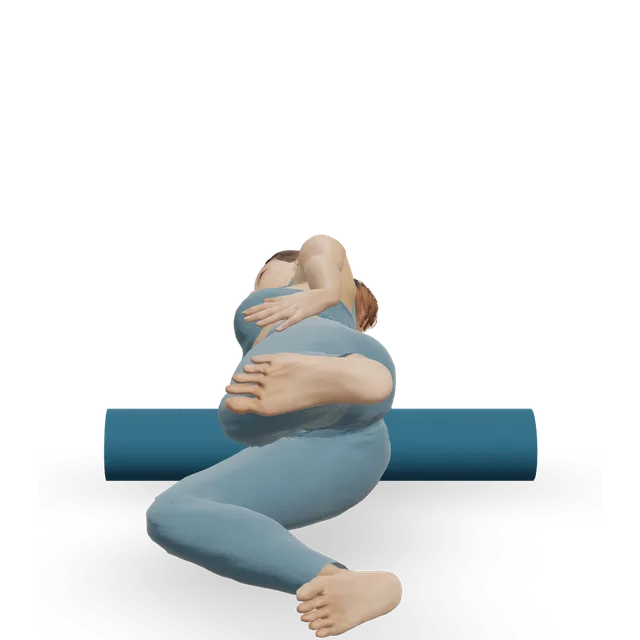 3D demoLatissimus Dorsi-SMRBeginner · A foam roller
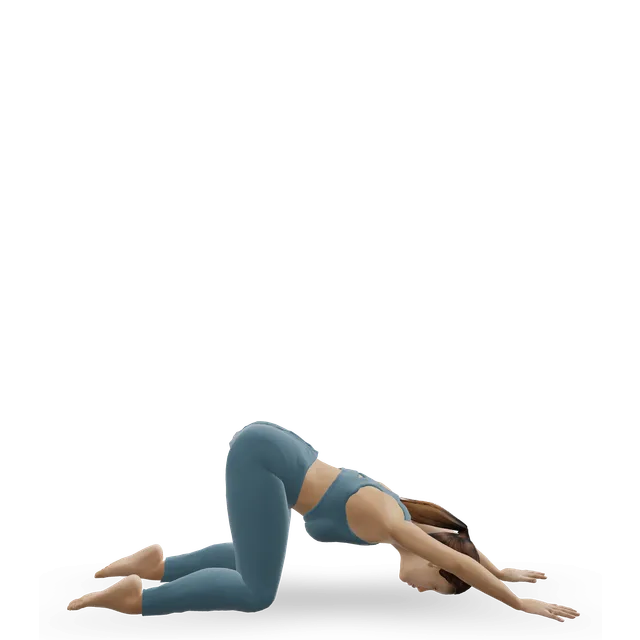 3D demoExtended puppy pose (Uttana Shishosana)Beginner · No equipment
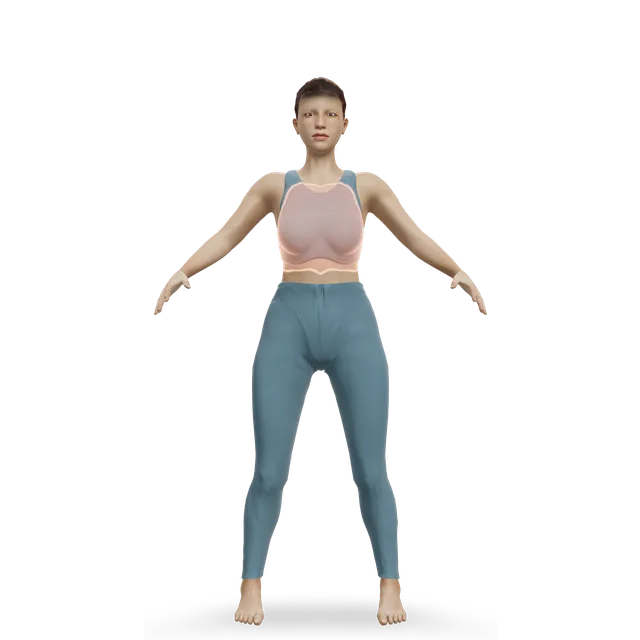 Chest ball release (against a wall)Beginner · A massage ball + A wall
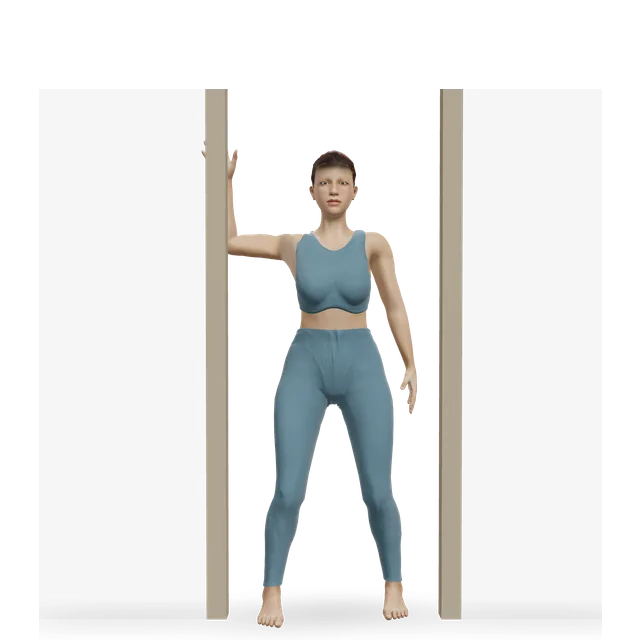 3D demoDoorway chest openerBeginner · A wall
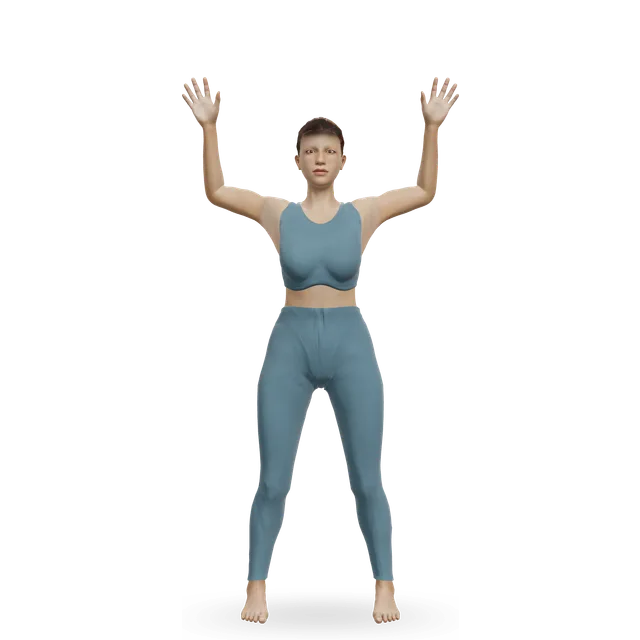 3D demoWall angelBeginner · A wall
For the neck, stretch and move rather than roll; there is no neck roll here on purpose. Stop with dizziness, tingling or a headache. For the forearms, roll gently and keep off the bony wrist and the inner elbow.
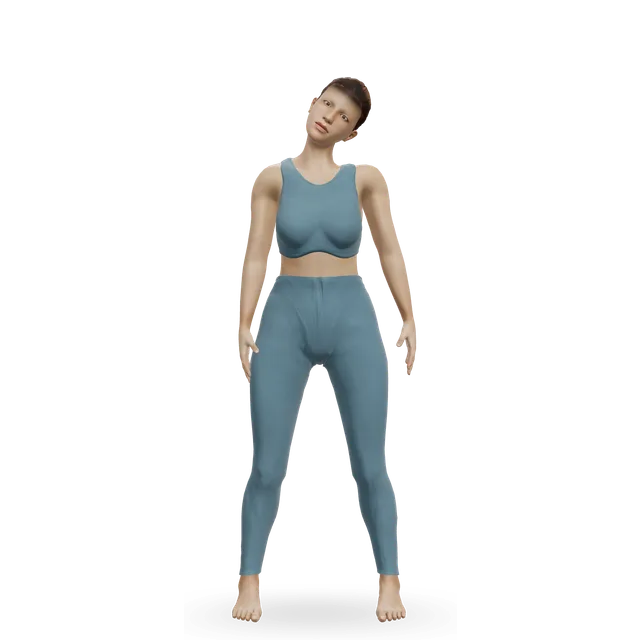 3D demoUpper trap releaseBeginner · No equipment
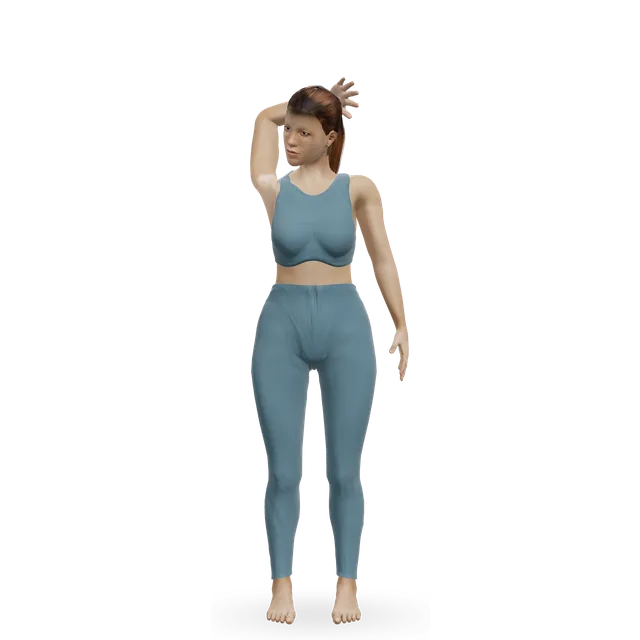 3D demoLevator Scapulae StretchBeginner · No equipment
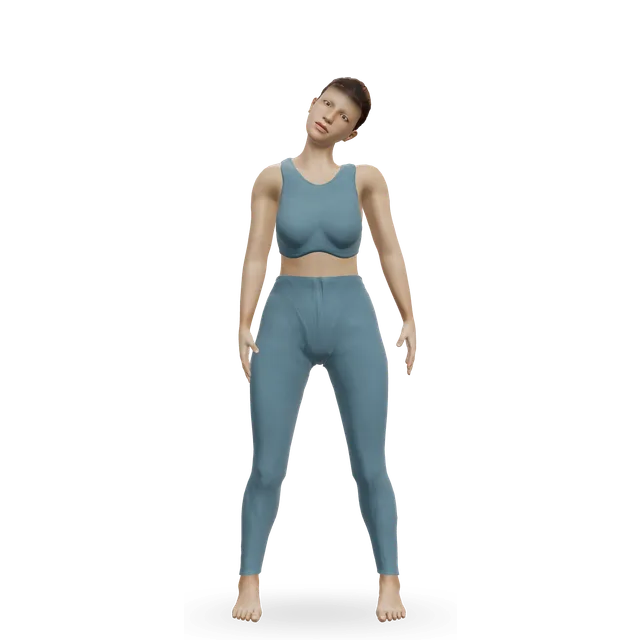 3D demoSide Neck StretchBeginner · Other / check instructions
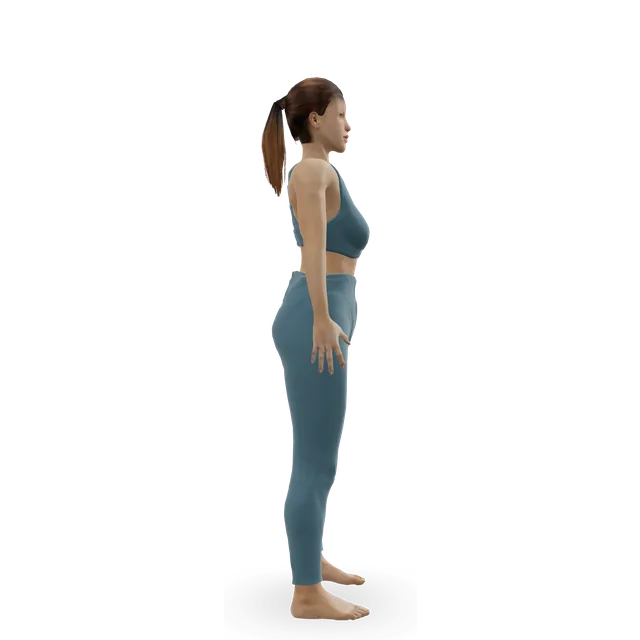 3D demoChin tuckBeginner · No equipment
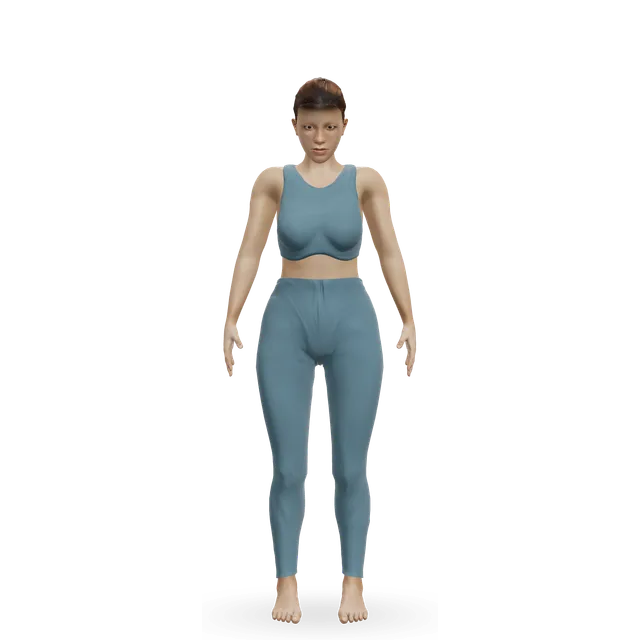 3D demoNeck CARsBeginner · No equipment
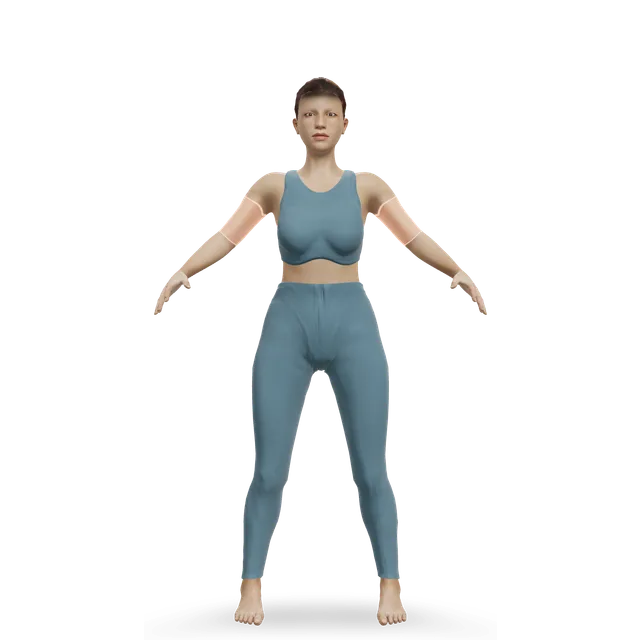 Forearm ball rollBeginner · A massage ball
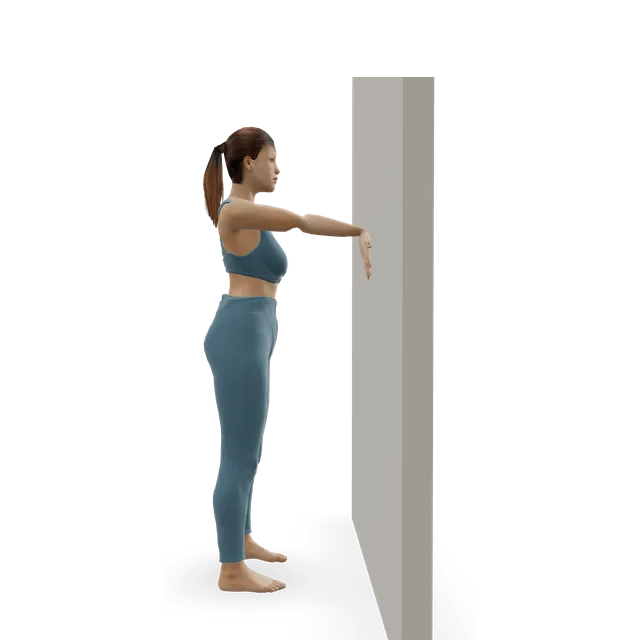 3D demoWrist Flexor StretchBeginner · A wall
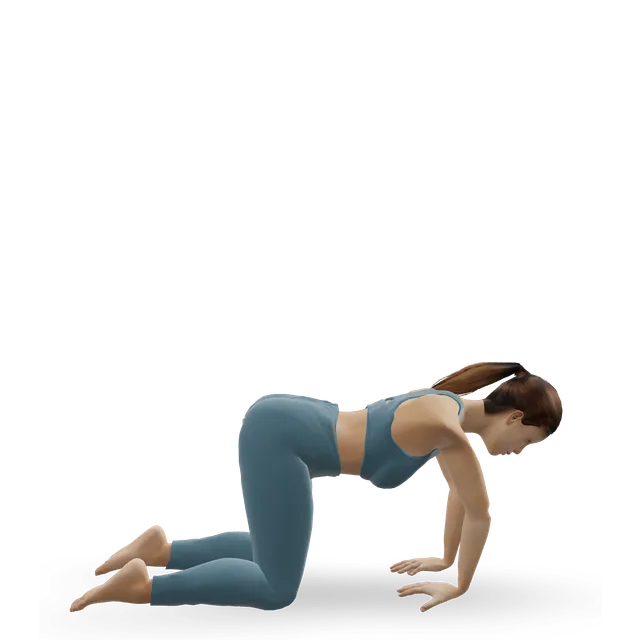 3D demoKneeling Forearm StretchBeginner · Other / check instructions
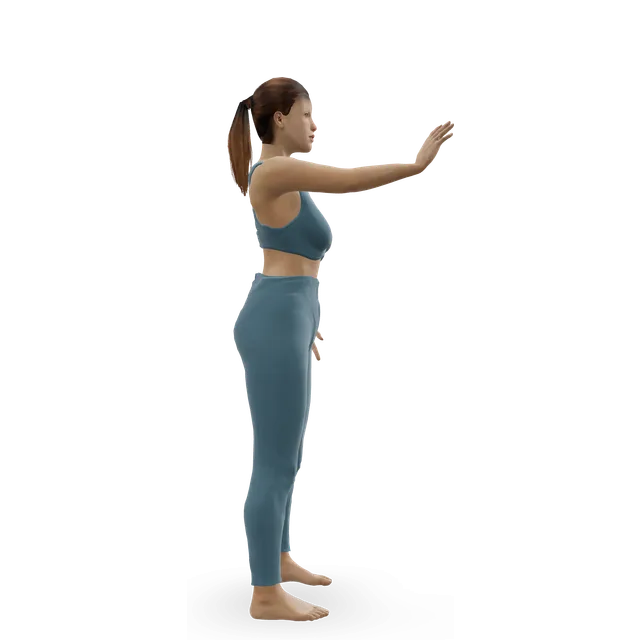 3D demoWrist & forearm flowBeginner · No equipment
Move slowly and change the angle a little each rep. Back-of-body folds load a chain dissection supports; side bends reach lines that are only partly mapped, which makes them good movement rather than proven fascia work.
3D demoHip hinge foldBeginner · No equipment3D demoDownward-facing dog (Adho Mukha Svanasana)Beginner · No equipment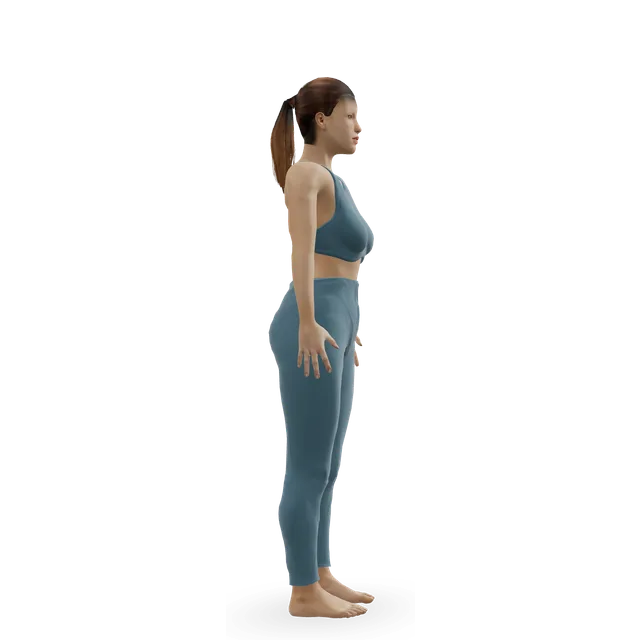 3D demoInchworm walkoutIntermediate · No equipment
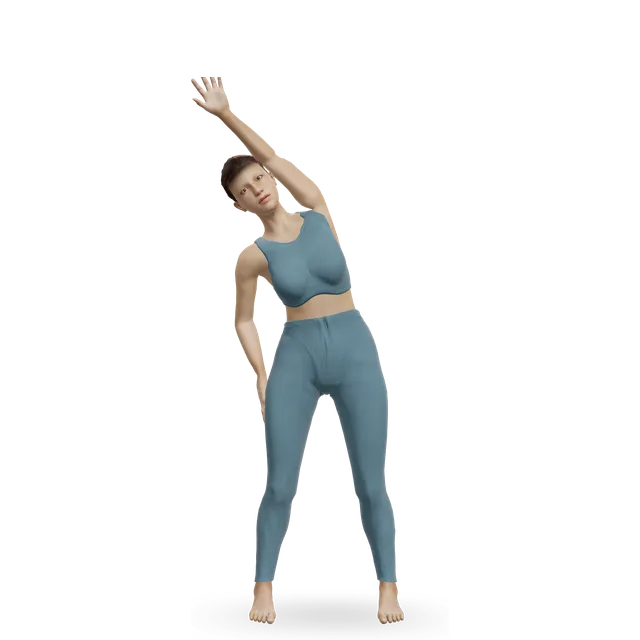 3D demoOverhead side bendBeginner · No equipment
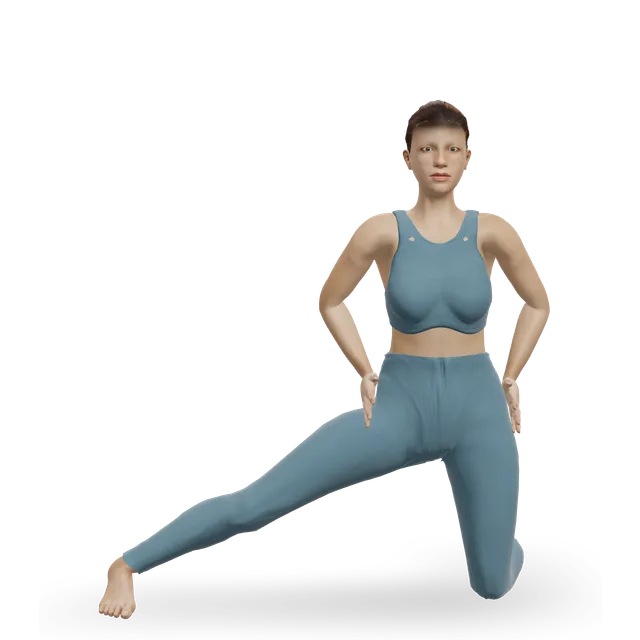 3D demoGate Pose (Parighasana)Beginner · No equipment
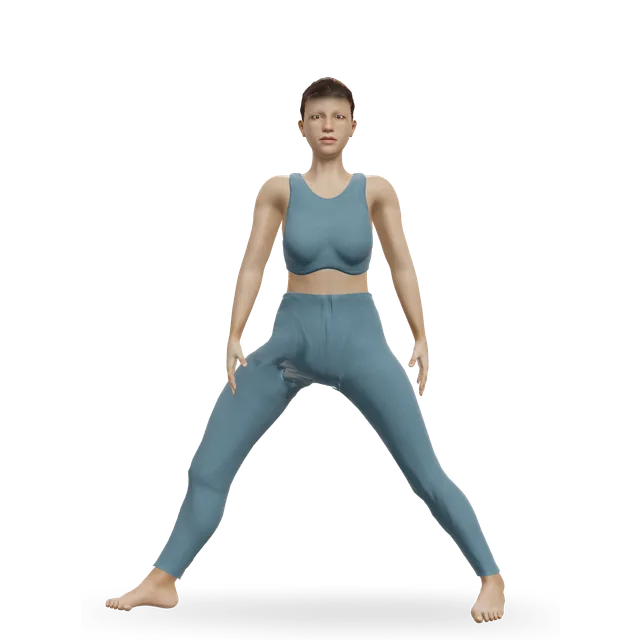 3D demoTriangle pose (Utthita Trikonasana)Intermediate · A step
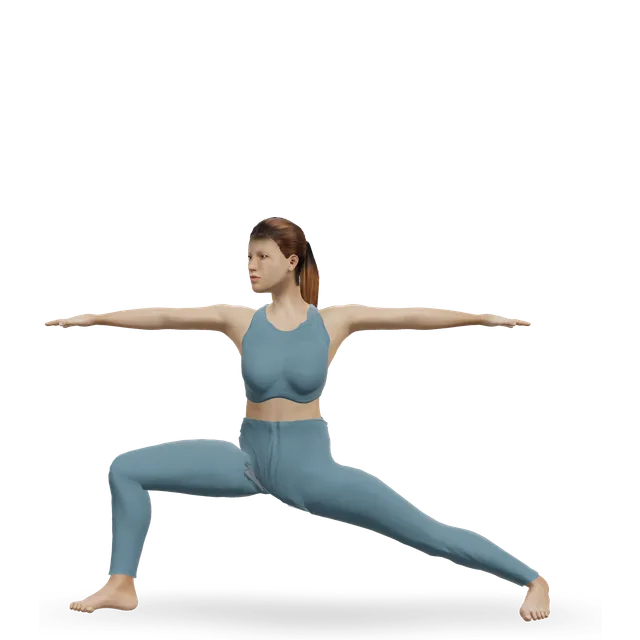 3D demoExtended side angle (Utthita Parsvakonasana)Intermediate · No equipment
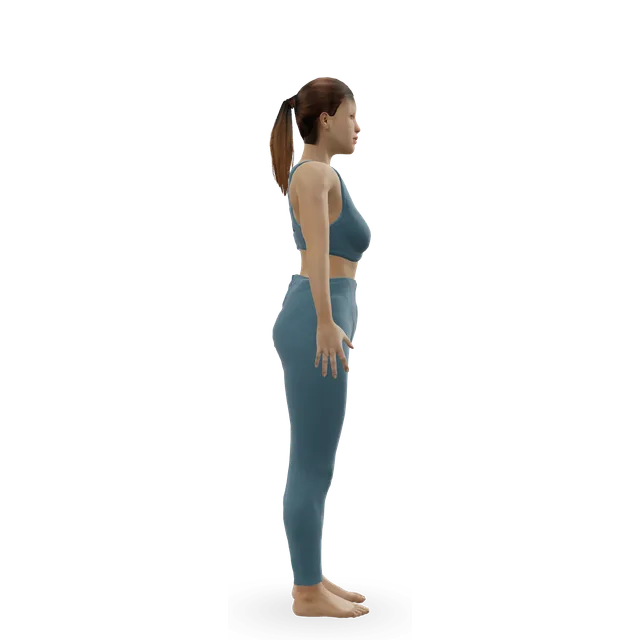 3D demoSun salutation A (Surya Namaskar A)Intermediate · No equipment
Progress in order: calf springs, ankle bounces, skipping, then pogo hops. The kettlebell swing is the loaded version of the flying sword. Quiet landings are the technique, and 2 to 3 days between springy sessions is a sensible gap.
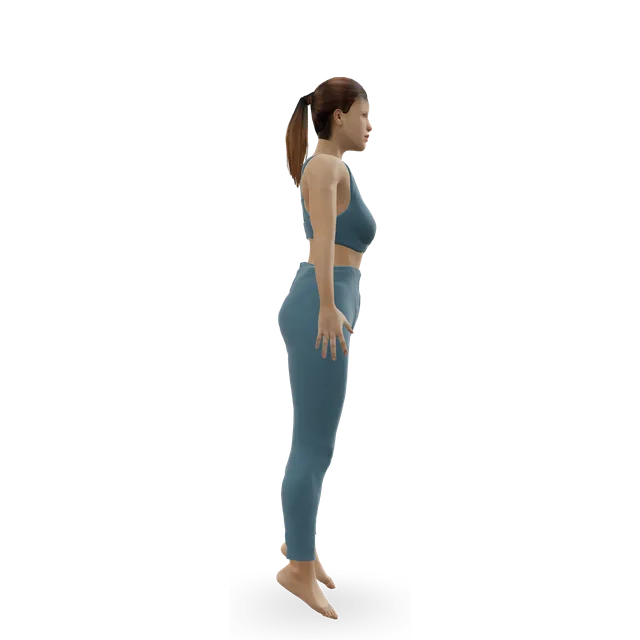 3D demoCalf springsBeginner · No equipment
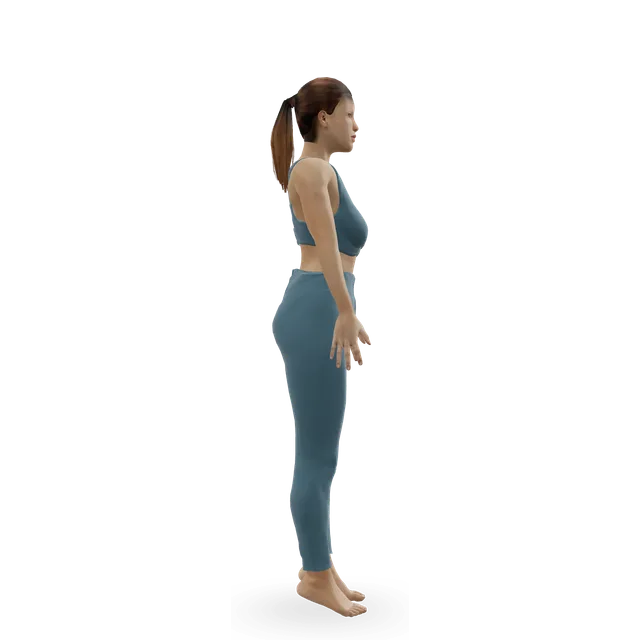 3D demoAnkle bounces (mini pogo)Beginner · No equipment
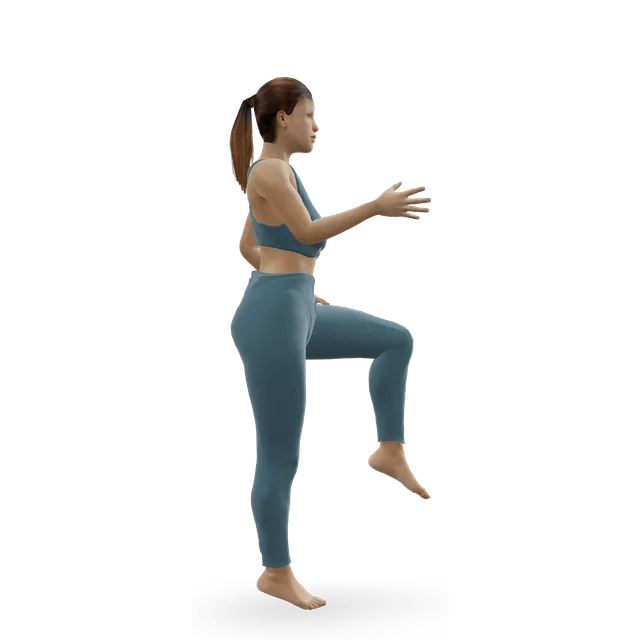 3D demoSkippingBeginner · No equipment
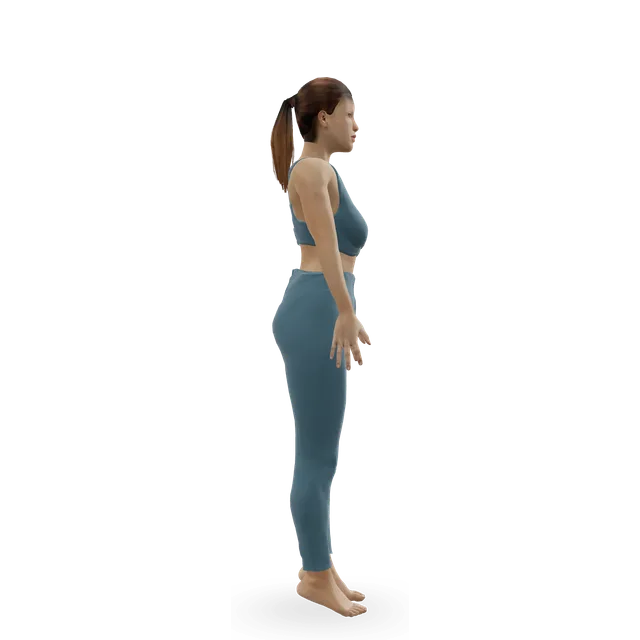 3D demoPogo hopsIntermediate · No equipment
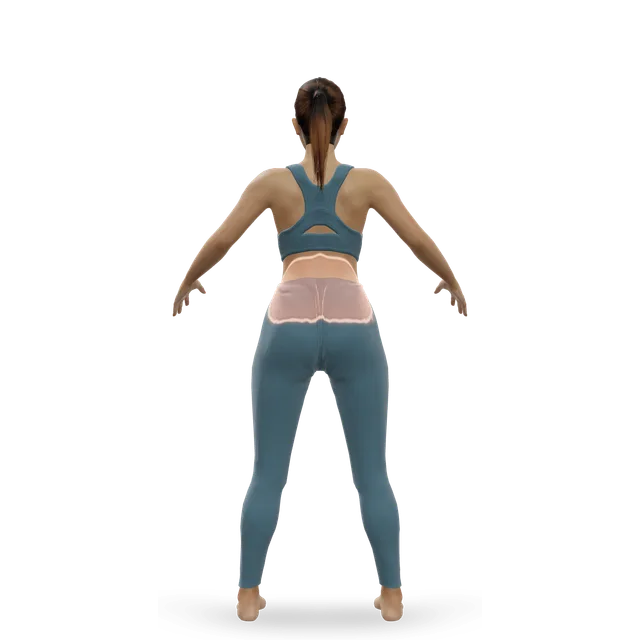 Flying sword (elastic forward swing)Intermediate · No equipment
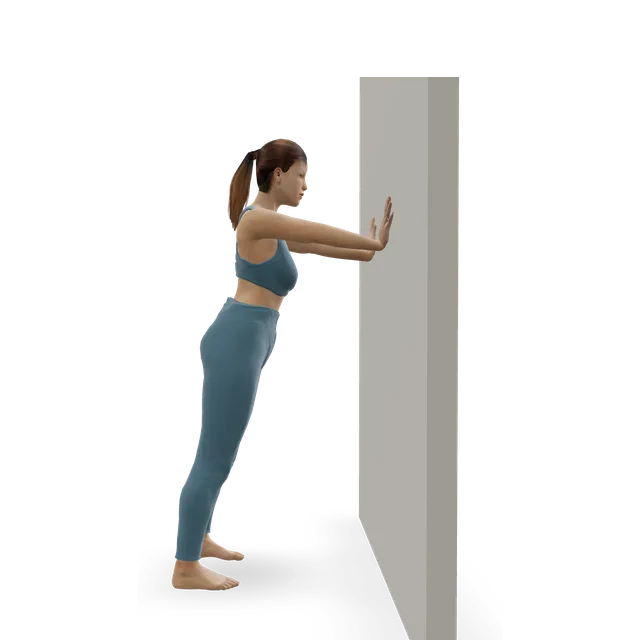 3D demoElastic wall bounceBeginner · A wall
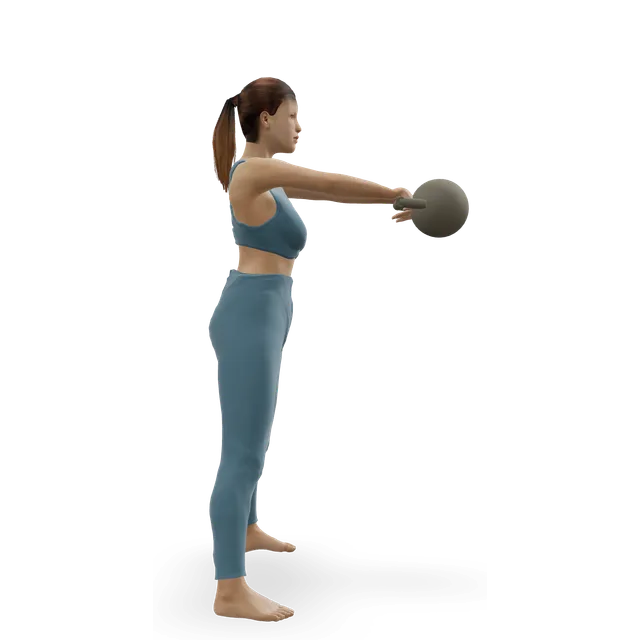 3D demoKettlebell swingIntermediate · A kettlebell
Fascia training ideas favour moving in many directions rather than one plane. That is plausible rather than proven; these are good mobility drills either way.
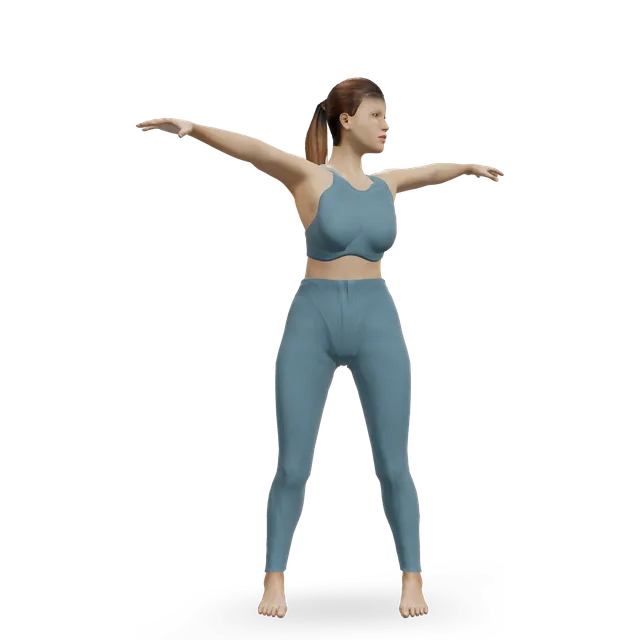 3D demoThoracic rotationBeginner · No equipment
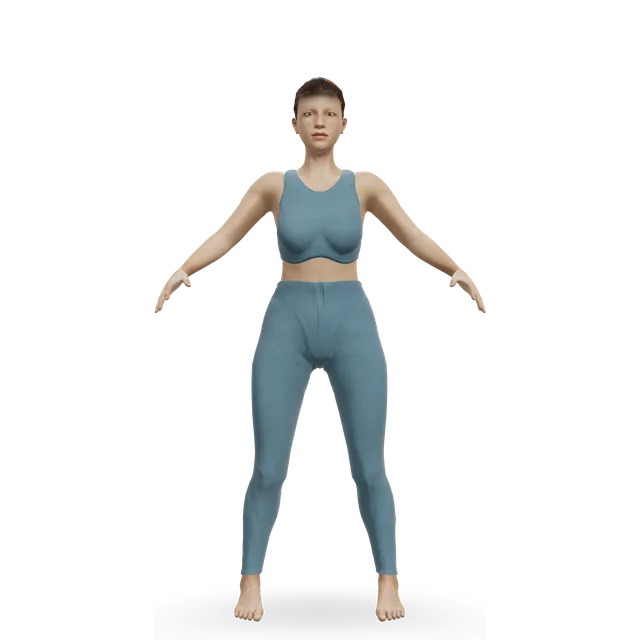 3D demoStanding spiral reachBeginner · No equipment
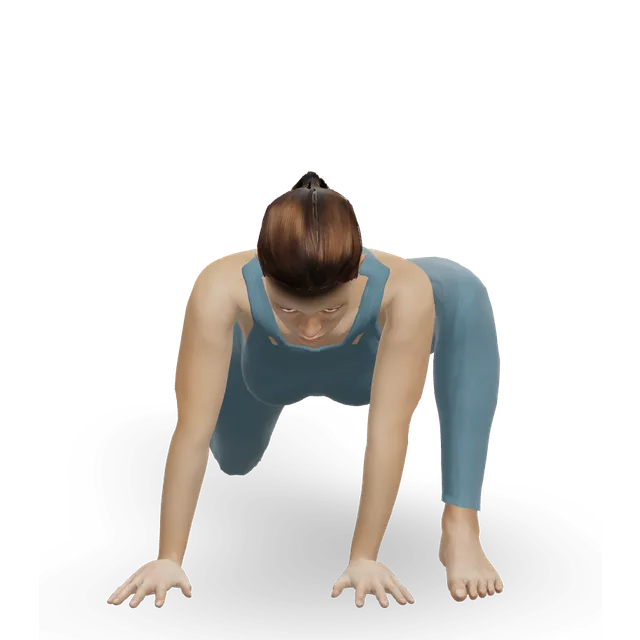 3D demoWorld's Greatest StretchIntermediate · No equipment
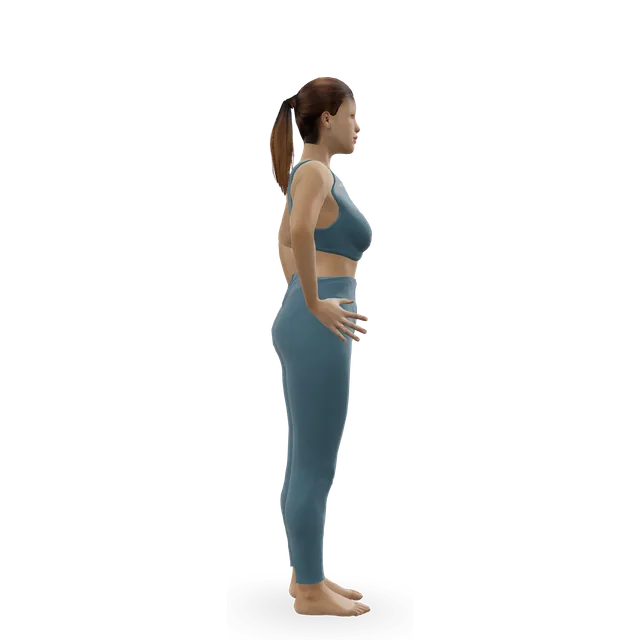 3D demoReverse lunge with rotationIntermediate · No equipment
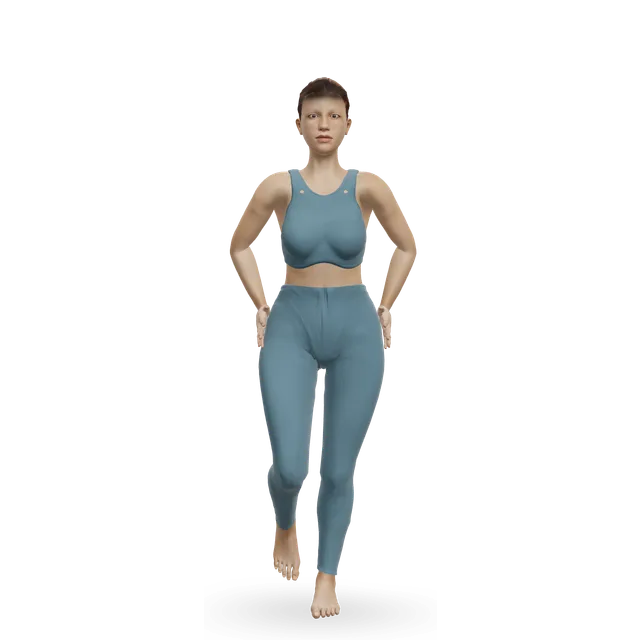 3D demoSingle Leg Reach MatrixIntermediate · No equipment
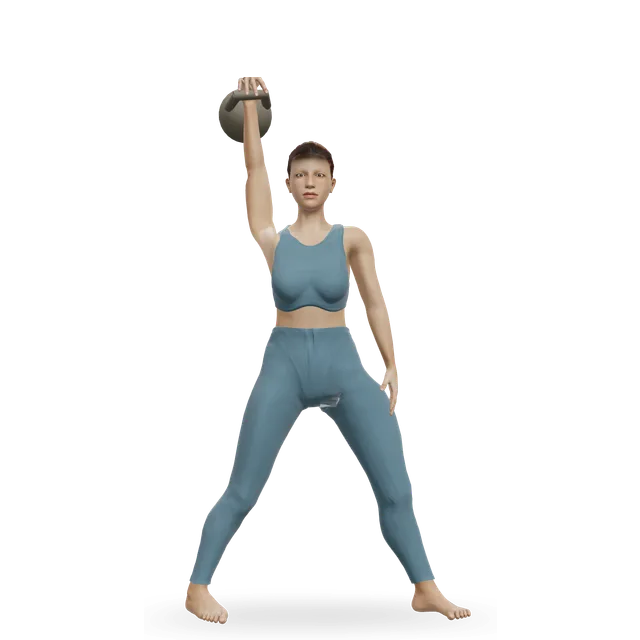 3D demoKettlebell WindmillIntermediate · A kettlebell
Most of these work seated or holding a counter: side bends and rotations sitting tall, the foot roll in a chair, calf stretches and slow calf raises at a wall.
Rolling times follow the research above; the other doses are suggested starting points.
A 10-minute foam roller routine for calves, thighs, glutes and upper back: about a minute per area, moderate pressure, slow rolls.
10 minBeginner6 movesA foam rollerA 12-minute, no-equipment routine of slow long-line stretches, side bends and rotations, moving in many directions.
12 minBeginner10 movesNo equipmentRoll then stretch each part of the leg, feet to hips, and finish with springy calf bounces. About 20 minutes.
20 minBeginner14 movesOther / check instructions, A foam rollerGentle rolling for the upper back and lats, rotation and segmental spine work, then two easy strength moves. Exercise is what back-pain guidelines recommend.
15 minBeginner11 movesA foam rollerSpringy bounces, elastic swings and slow many-angled reaches, based on the fascial fitness training principles. Fifteen minutes, once or twice a week.
15 minIntermediate12 movesA wallPlantar fascia and calf stretches, a gentle foot roll and the towel heel raise: the exercises the 2023 heel pain guideline supports.
8 minBeginner7 movesA bench or box, Other / check instructionsTightness is a feeling, not a measurement. In the trials on this page, the extra range from rolling, and from weeks of stretching, came mostly from your nervous system tolerating more stretch rather than from longer or looser tissue. That is why the feeling can change within minutes.
Tissue does change, slowly, with regular loading. The fascia chapter's pages on the glide layer and on densification explain the leading ideas about stiffness that builds with stillness.
No study has reported harm from foam rolling, and there is no evidence on who should avoid it. These cautions come from expert practice, not trials. In a survey of professionals, headaches and tissue inflammation were the side effects they reported most often; that is opinion, not trial evidence.
These need assessment, not rolling or stretching.
Not in the way the word suggests. Rollers, balls and hands cannot apply the forces needed to deform dense fascia. What you can change is how an area feels and moves: a minute or two of rolling or stretching gives more range for minutes up to about half an hour, and regular loading over weeks changes tissue.
Barely. Typical IT band stretches lengthened the band by less than 0.5% in cadavers, and weeks of stretching change muscle and tendon stiffness only trivially. You can still gain range; it comes mostly from your nervous system tolerating more stretch.
About 30 to 120 seconds per area before activity, in slow passes of 2 to 4 seconds. For soreness, about 90 seconds or more per muscle. That applies to the calves, hamstrings, quads, glutes and upper back alike.
No. Rolling the thigh at pain levels of about 4, 6 or 8 out of 10 gave the same gain in range. Use a pressure you can breathe through.
As often as it feels useful; every day is fine. The lasting range gains in trials came from 2 to 3 sessions a week for more than 4 weeks.
Either. Before, it gives a little short-term range without hurting performance, though it is no better than any other warm-up. After, about 90 seconds per muscle modestly eases soreness.
You can, gently, but expect little. Rolling the outer thigh changed range for less than 10 minutes and did not change the band's stiffness. No study we found shows harm or benefit from rolling the lower back; if you do, stay on the muscles beside the spine. Skip outer-thigh rolling if the outside of your hip is sore.
Usually pressure, warmth and an easing of tightness, with more range for a while. A force-modelling study concluded that these sensations cannot be due to deforming the firm tissues; they more likely reflect how your nervous system reads the area.
Movement education, not medical advice. Stop for sharp or increasing pain, numbness or tingling, and get individual advice if you are pregnant, after an injury or surgery, or managing a health condition. Health disclaimer.