The thoracolumbar fascia: the sheet that ties your back together
The thoracolumbar fascia is the layered sheet of connective tissue across your lower back. It wraps the muscles beside the spine and connects to the lats above, the glutes below and the deep abdominal muscles at the sides.
Its layers glide less in people with chronic low back pain, though no one yet knows whether that is a cause or a result. What helps a sore back is better established: keep moving and build up exercise. This page explains the anatomy, the glide research and the red flags.
It separates the muscles beside the spine from the back wall of the abdomen. Its outer layer is mostly the flat tendons (aponeuroses) of the latissimus dorsi and the serratus posterior inferior. A deeper sheath wraps the back muscles and may act as a hydraulic amplifier. At its outer edge it meets the aponeurosis of the deepest abdominal muscle, the transversus abdominis.
Why lats, glutes and deep abs all pull on the low backStrong evidence
That anatomy is why the lats, the glutes and the deep abdominals all tension the low back. The back functional line, from the latissimus dorsi through this fascia to the opposite gluteus maximus, is one of the three fascial chains dissection has verified.
It glides about 20% less in chronic low back painStrong evidence
On ultrasound, shear strain in this fascia during trunk bending was 56.4% in 71 people with chronic low back pain against 70.2% in 50 people without, about 20% lower. Whether reduced glide causes the pain or follows it is not settled.
Injury plus stillness reduces glide, in animalsEmerging evidence
In pigs, a small fascia injury plus 8 weeks of restricted movement cut shear strain by 52%. Removing the restriction, with or without 10 minutes of daily stretching for a month, did not restore it.
Rolling briefly increases its slidingEmerging evidence
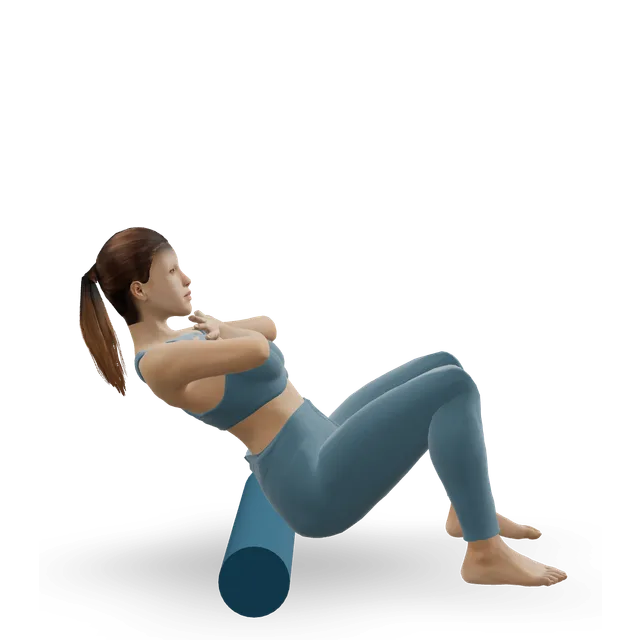
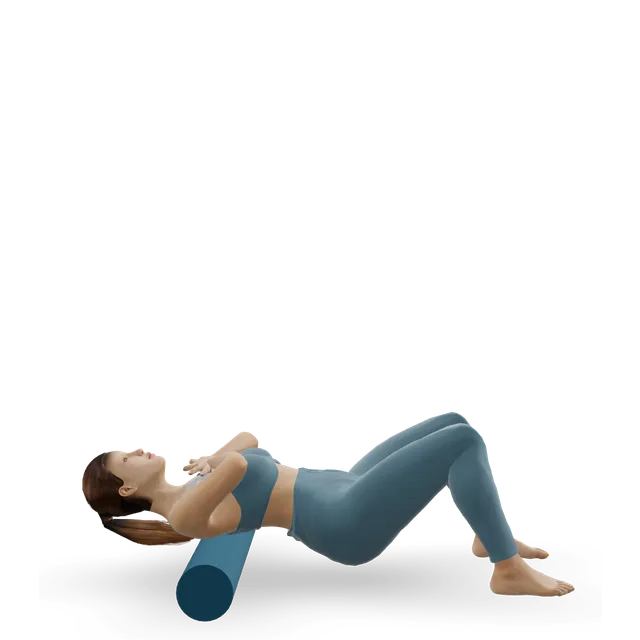
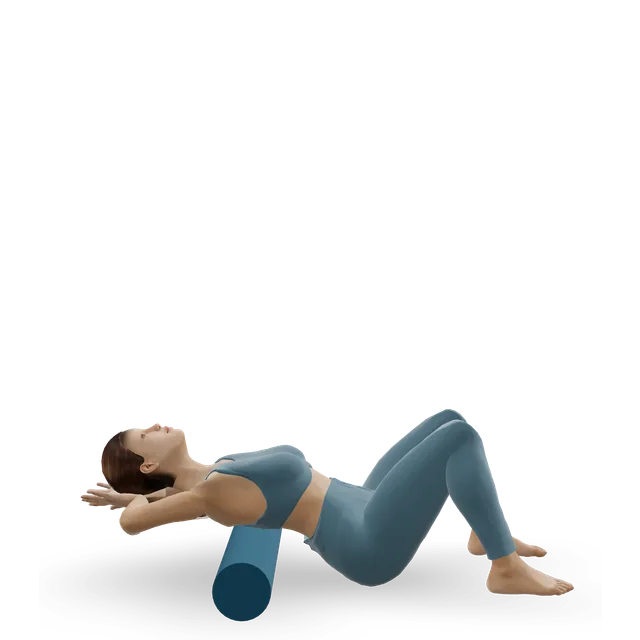
In healthy young athletes, foam roller exercises increased thoracolumbar fascia mobility on ultrasound straight away, without changing how far they could bend forward. There are no data on lasting change or on pain.
Exercise first, hands-on treatment only alongside itStrong evidence
NICE recommends considering group exercise (strength, aerobic, mind-body or a mix) for low back pain, and manual therapy such as massage only as part of a package that includes exercise. The NHS advises staying active and trying back exercises and stretches; walking, swimming, yoga and Pilates may help.
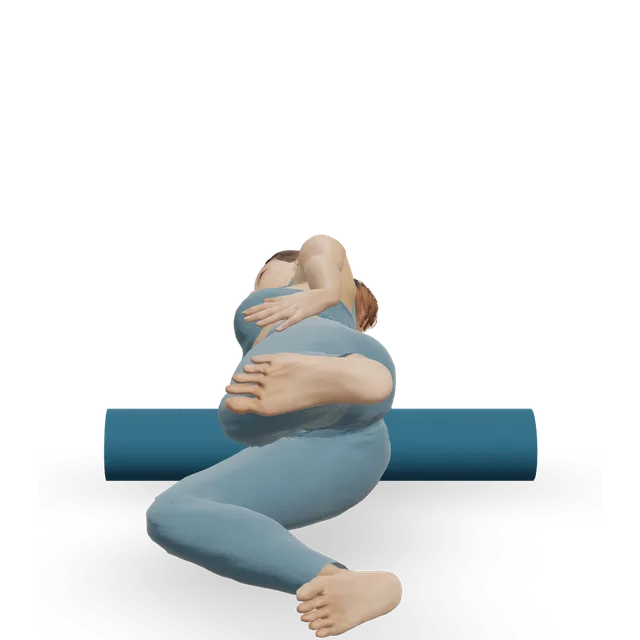
Rolling the lower back: gentle, beside the spine, or not at all
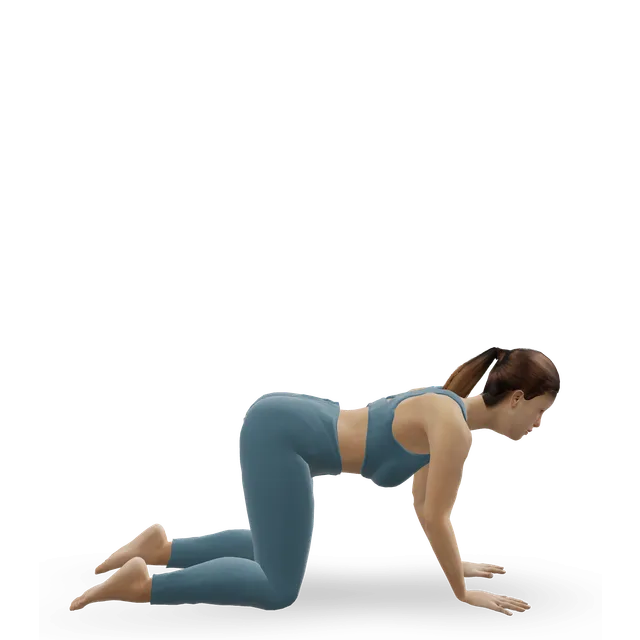
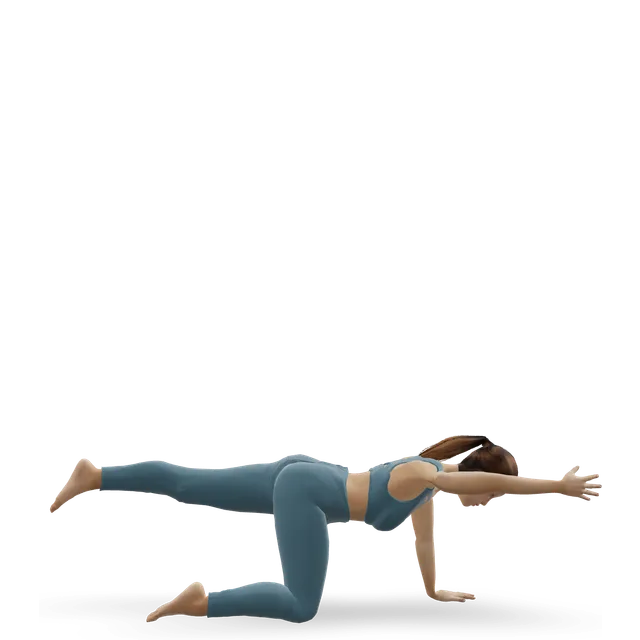
No study we found shows harm or benefit from rolling directly over the lower spine. If you roll, keep the weight on the muscles beside the spine. Movement such as cat-cow, rotation and bird dog is the better-supported choice.
Red flags
Call 999 or go to A&E if you have back pain with
These can be signs of a serious problem that needs treatment straight away.
pain, tingling, weakness or numbness in both legs;
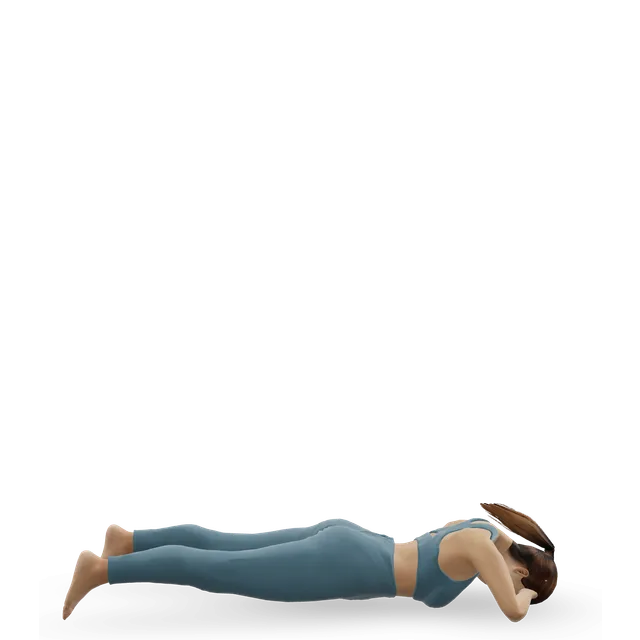
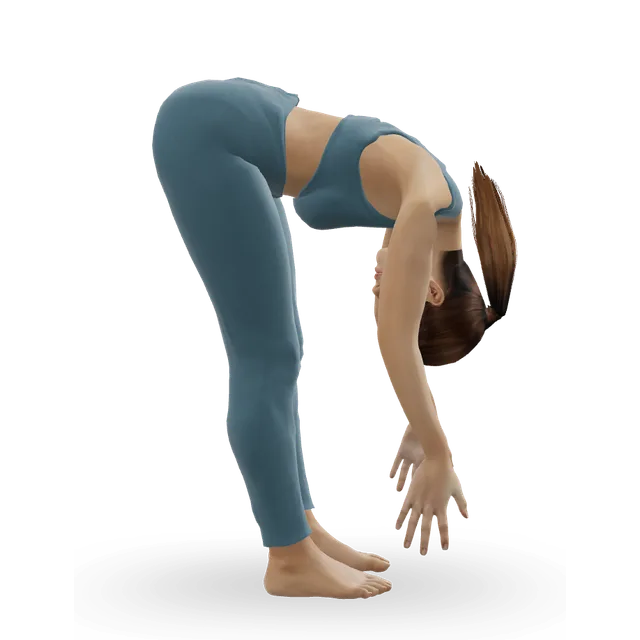
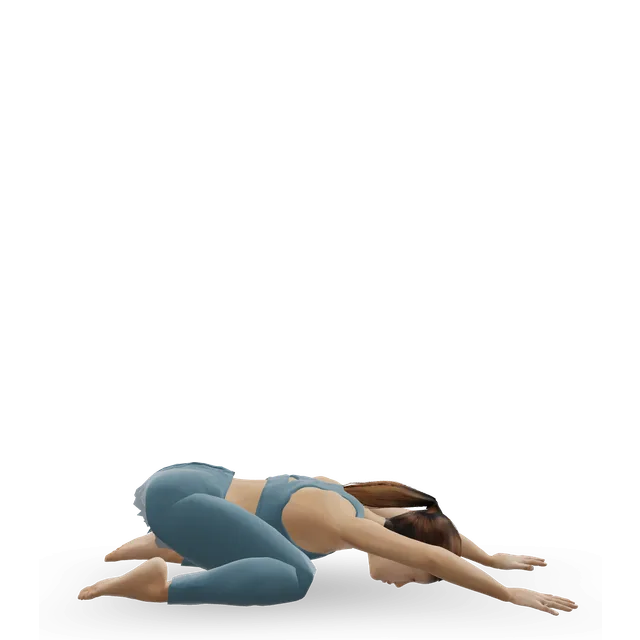
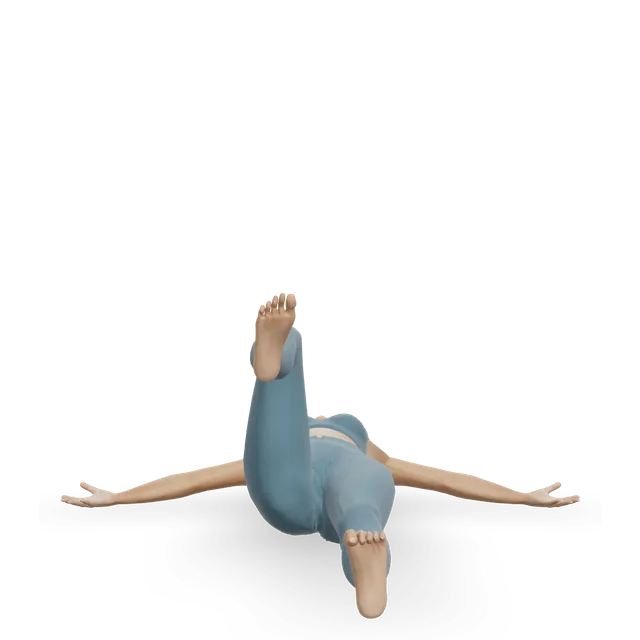
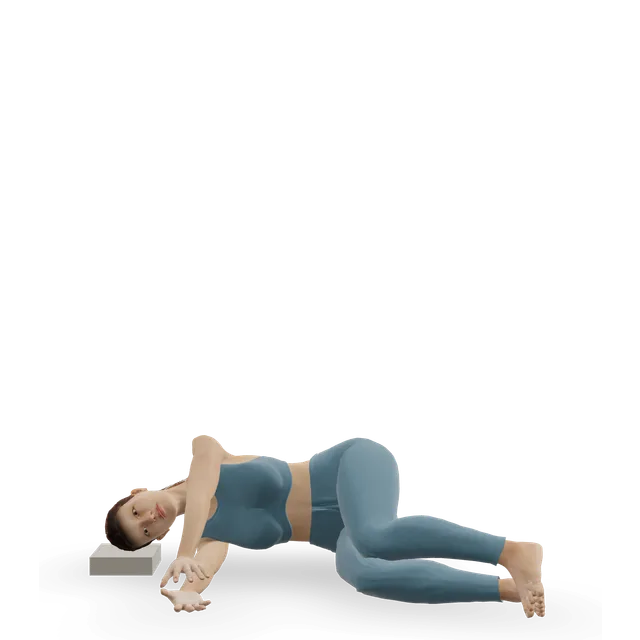
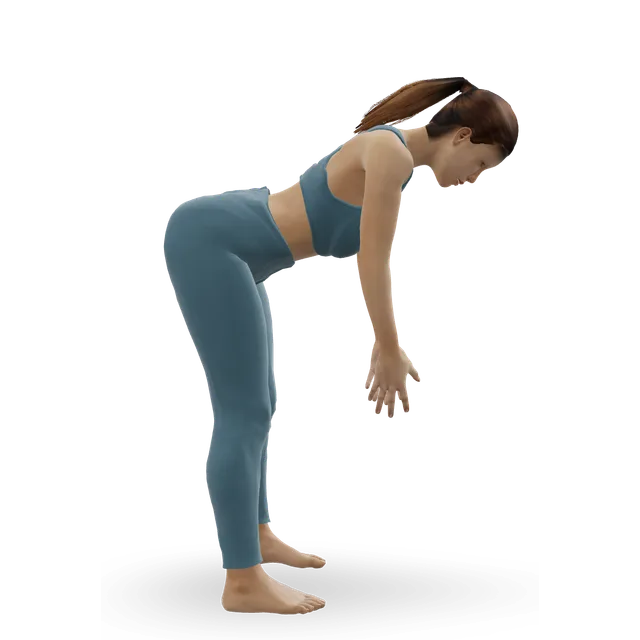
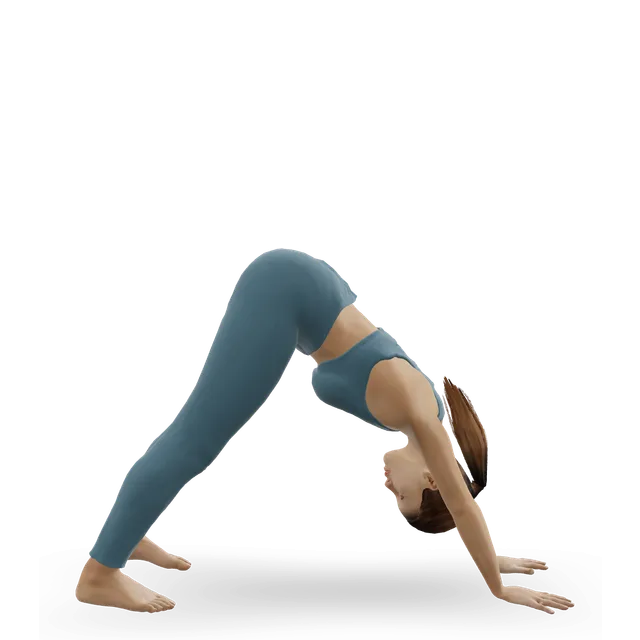
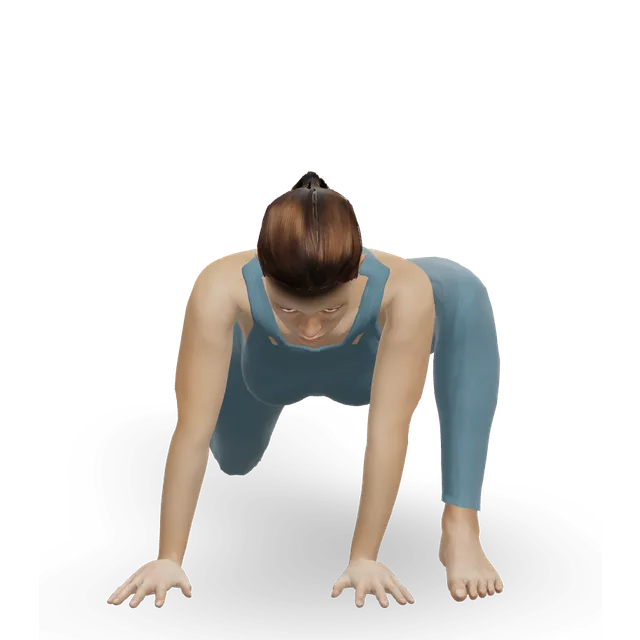
Breathing and gentle movement first, then strength. The lower back roll is optional: keep the weight on the muscles beside the spine, never on the spine itself.
No test or sensation picks out pain from this fascia from other low back pain. Its layers glide less in people with chronic low back pain, but whether that causes the pain is not known. Treat it like any low back pain: keep moving, build up exercise and know the red flags.
Can you strain the thoracolumbar fascia?
The research we found does not separate a fascia strain from other back strains in people. In pigs, a small injury to this fascia plus restricted movement reduced its glide, one more reason to keep a sore back moving.
Is it safe to foam roll the lower back?
No study we found shows harm or benefit from rolling directly over the lower spine. If you do it, keep it gentle and on the muscles beside the spine. Movement such as cat-cow, rotation and bird dog is the better-supported choice.
Can you stretch the thoracolumbar fascia?
You can move and load it, and foam roller exercises briefly increase how its layers slide. In animals, a month of daily stretching did not restore glide lost after injury and immobility. For people with back pain, exercise is what guidelines recommend.
Movement education, not medical advice. Stop for sharp or increasing pain, numbness or tingling, and get individual advice if you are pregnant, after an injury or surgery, or managing a health condition. Health disclaimer.