Exercises for knee pain: what helps, and a plan to follow
For the two most common long-term knee problems, arthritis and pain around the kneecap, exercise is the first treatment the guidelines recommend. Strengthening the thigh and hip muscles is the core of it; resting the knee completely rarely is.
This page teaches; it does not diagnose. Start with the warning signs, find where your knee hurts, read how much pain is fine while you train, then follow the plan from stage 1.
Exercise is for pain that has been checked or is clearly mild and settling.
Get urgent medical help if
Leg pain or swelling with breathlessness or chest pain: call 999 or go to A&E, and do not drive yourself. It can be a blood clot that has reached the lungs.
Back or leg symptoms with numbness around the genitals or bottom, new trouble controlling your bladder or bowels, or severe or worsening weakness or numbness in both legs.
A hot, red or swollen knee with sudden severe pain, a very high temperature, or feeling hot, cold or shivery. This can be a joint infection.
You cannot move the knee or put any weight on it, or it is very painful, badly swollen or has changed shape.
You hurt your knee and cannot take 4 steps, or you are 55 or over and hurt it in a fall: get it checked the same day for a broken bone.
Throbbing pain and swelling in one calf or thigh with red or darkened skin or swollen veins, or sudden worse pain and swelling around a lump at the back of the knee (a possible clot or a burst Baker's cyst).
The knee locks, gives way or clicks painfully. Painless clicking is normal.
See a doctor or physiotherapist if
Knee pain that has not improved within a few weeks of looking after it at home. Many areas offer NHS physiotherapy without a GP referral.
Numbness, tingling or weakness that travels down the leg from the back. That points to a nerve (sciatica) rather than the knee.
Where does it hurt?
Location narrows the likely causes; it does not diagnose.
Pain and swelling just below the kneecap in a teenager is often Osgood-Schlatter disease. It is not covered here; ask a GP or physiotherapist.
Front of the knee, warm and swollen
A warm, red, swollen knee that hurts more when you kneel or bend it is often bursitis. A hot knee with sudden severe pain is urgent: see the warning signs above.
A lump at the back of the knee
Often a Baker's cyst. If the calf becomes painful, red or swollen too, get it checked the same day for a clot.
Understand it
After a fall or twist: do you need an X-ray?Strong evidence
Clinicians decide on an X-ray after a knee injury with the Ottawa knee rule. It looks for five findings: age 55 or over, tenderness at the bony point on the outer knee (the head of the fibula), tenderness only at the kneecap, being unable to bend the knee to 90°, and being unable to take 4 steps both straight after the injury and when examined.
If none apply, a broken bone is very unlikely: the rule picked up every fracture when it was validated, and 98.5% across later studies.
After a twist with a pop: ligament (ACL) injuriesStrong evidence
If your knee gave way with a pop and swelled within hours, see a clinician. This guide gives no ACL rehabilitation protocol.
In young active adults with a fresh ACL tear, structured rehab with surgery only if needed gave the same results at 2 and 5 years as rehab plus early reconstruction. By 5 years, 51% of the rehab-first group had gone on to a reconstruction. Rehab is central to every option, with or without surgery, and a review recommends that return to sport depends on meeting criteria rather than on the calendar.
Weak thighs go with knee problems; weak hips are less clearEmerging evidence
Weak thigh muscles (quadriceps) raised the odds of developing knee arthritis with symptoms in five cohorts of 5,707 people, and predicted later kneecap pain in military recruits. These are links, not proof that strengthening prevents either problem.
Hip weakness did not predict later kneecap pain in a meta-analysis of 18 prospective studies, yet hip exercise does reduce kneecap pain. So hip work helps, even though "weak hips cause knee pain" is not proven.
Painless clicking is normal. NICE diagnoses knee osteoarthritis from symptoms and does not recommend routine imaging. Meniscus tears are common on MRI in knees that do not hurt: among people aged 50 to 90 with a tear, 61% had no knee pain, aching or stiffness in the previous month.
Exercise is the first treatment for the commonest knee painStrong evidence
NICE, OARSI and the American College of Rheumatology all make exercise a core treatment for knee osteoarthritis. Two international consensus statements and the JOSPT guideline say the same for pain around the kneecap.
For kneecap pain, work the hips and the kneesStrong evidence
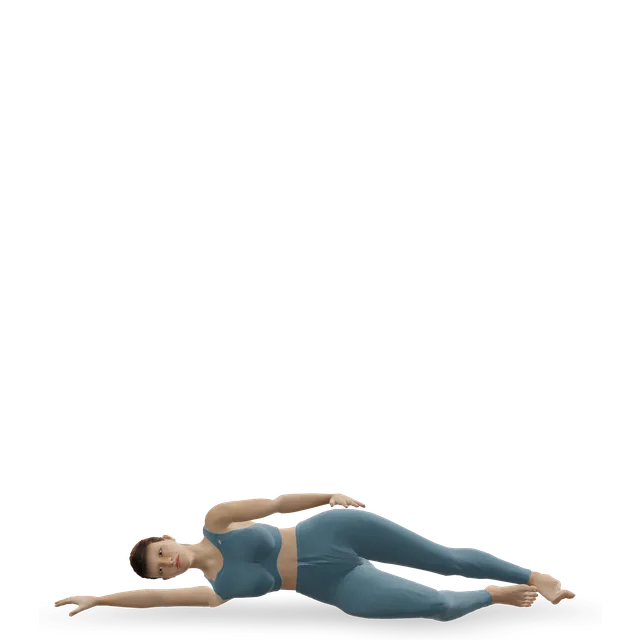
Combining hip and knee strengthening beats knee strengthening alone. The hip work targets the side and back of the hip; the knee work can be squats or seated knee extensions.
For arthritis, the benefit is real but modestMixed evidence
The 2024 Cochrane review (139 trials, 12,468 people) found exercise improved pain and function in knee osteoarthritis. The authors judged the average gain of uncertain clinical importance, because it did not clearly reach the change most people would notice, and most trials could not blind participants.
It found no differences between types of exercise. An earlier analysis found programmes focused on the quadriceps, and supervised ones three times a week, did more. The practical upshot: the best programme is the one you will keep doing.
Walking does not wear the knee outEmerging evidence
In 1,212 people with knee osteoarthritis, those who walked for exercise were less likely to develop new frequent knee pain. In trials, exercise that loads the knee did not appear to harm cartilage, though the evidence was low quality.
Losing weight helps arthritis if you carry extraStrong evidence
NICE says any weight loss is likely to help, and losing 10% of your body weight is likely to help more than 5%. In an 18-month trial, diet plus exercise (11.4% weight loss) gave less pain and better function than either alone.
Stretching is optional, not the treatmentMixed evidence
The JOSPT guideline lists lower-limb stretching only as an optional add-on to exercise for kneecap pain. Tight thigh and calf muscles have been linked with front-of-knee pain, but no verified trial shows stretching alone fixes it. Stretch if it feels good; spend most of your time on the strength stages.
0 to 2 is safe, up to 5 is acceptableEmerging evidence
Rate your knee pain from 0 to 10 during and after exercise. In the pain-monitoring model used in knee trials, 0 to 2 counts as safe, up to 5 as acceptable and above 5 as too much. Aim for 0 to 3. Up to 5 is fine for joint pain (arthritis, kneecap pain) if it passes the next check. For a painful tendon (jumper's knee), keep it to 3, the limit the largest patellar tendon trial used.
By the next morning your knee should be back to its usual level. If it is not, drop back one step next time (fewer sets, a shallower range, a lower step), not to nothing. Over the weeks pain should hold steady or ease; that last check is our suggestion rather than a tested rule.
Some knee programmes say you should feel no pain at all. The trials allowed some, and a meta-analysis found exercising into some pain did no worse than pain-free exercise. NICE says joint pain may rise when you start exercising with arthritis, and that regular exercise still helps in the long run.
Sharp, catching or giving-way pain, or new swelling, is a reason to stop and get it checked.
Start at the first stage. Each move opens a full guide with a 3D demo.
Stage 1
Settle: keep the knee moving and the thigh working
About weeks 0 to 2, while the pain calms. The strength moves 3 days a week; walking or cycling can be daily. These doses are editorial starting points; the plan as a whole has not been tested.
Move on when: Daily activities stay within the pain rule, pain settles by the next morning, and you can lift the straight leg without the knee bending.
Follow along: a timer, a cue and the next move, one step at a time.
Stage 2
Build: load the knee standing up
About weeks 2 to 6, three days a week, in ranges that feel OK.
Move on when: Add load or move to the harder option listed under each exercise, one change at a time, while the knee stays within the pain rule.
Follow along: a timer, a cue and the next move, one step at a time.
What to change for now
Exercises to avoid? Change the dose, not the plan
No exercise is banned. For the first weeks, cut back whatever flares your knee just enough to stay within the pain rule: often deep loaded squats, jumping, running hills and downhill, lots of stairs and long sits with your knees bent. Keep moving; total rest is usually not needed.
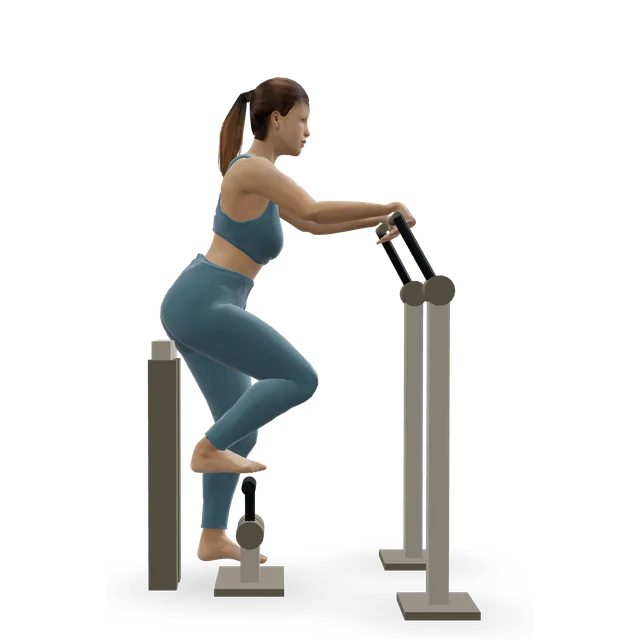
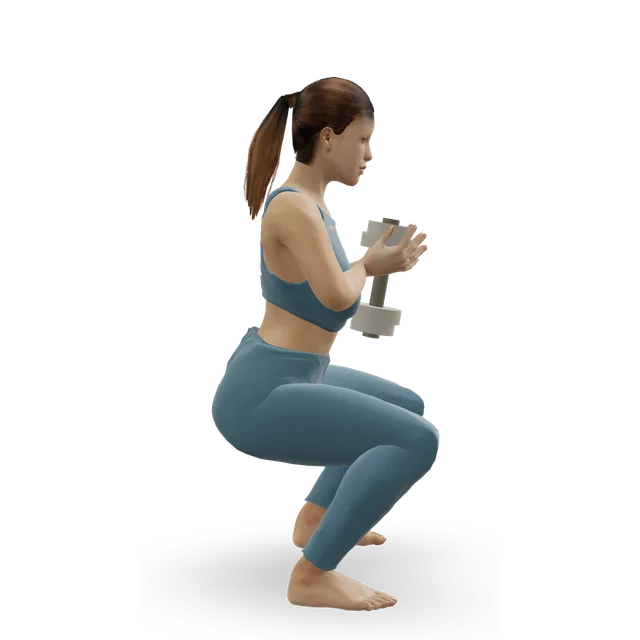
In a lab study of 10 healthy people, stress behind the kneecap was lowest in squats between about 45° of bend and straight, and in seated knee extensions between 90° and 45°. Use those ranges first and go deeper as the pain allows.
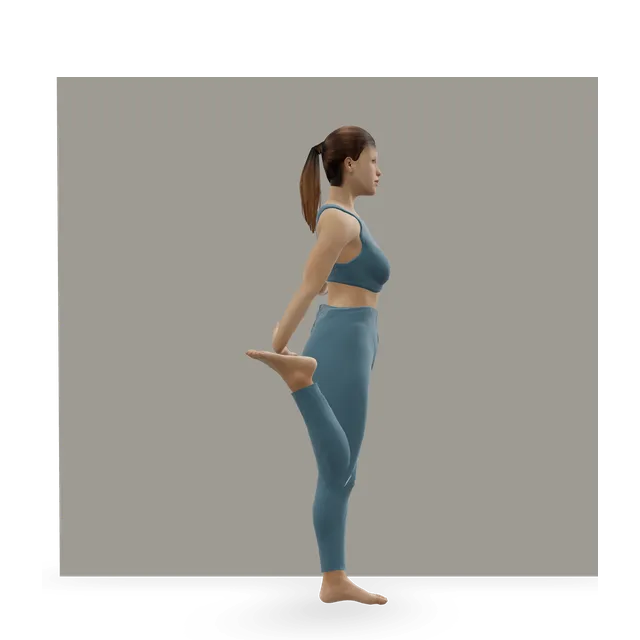
A stiff front of thigh; kneecap pain if it feels good
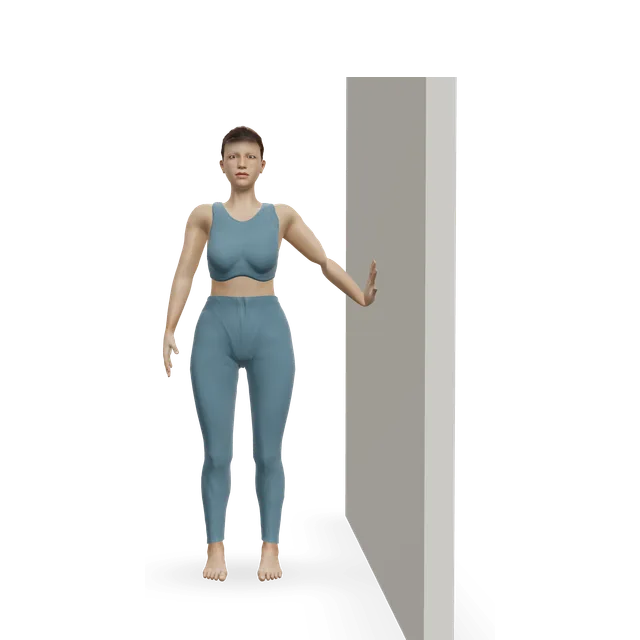
Hold a support; skip it if bending the knee fully hurts
Tight quadriceps were one of four risk factors for front-of-knee pain in a 2-year study. A 3-week stretching programme eased kneecap pain, but had no untreated comparison group.
For arthritis, yes. In a study of 1,212 people with knee osteoarthritis, those who walked for exercise were less likely to develop new frequent knee pain, and walking is the most-studied aerobic exercise in arthritis trials. After a fresh injury, rest it first and get it checked if you cannot put weight on it.
Should I avoid squats with knee pain?
No. Squats are a standard knee-strengthening exercise in the guideline for kneecap pain. If the front of your knee hurts, keep the bend to about 45° at first, where a lab study found the least stress behind the kneecap, and go deeper as it settles.
Are stairs bad for my knees?
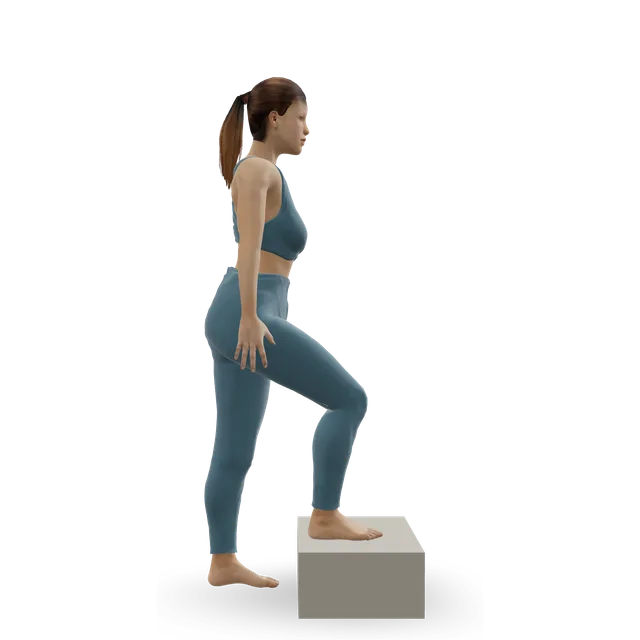
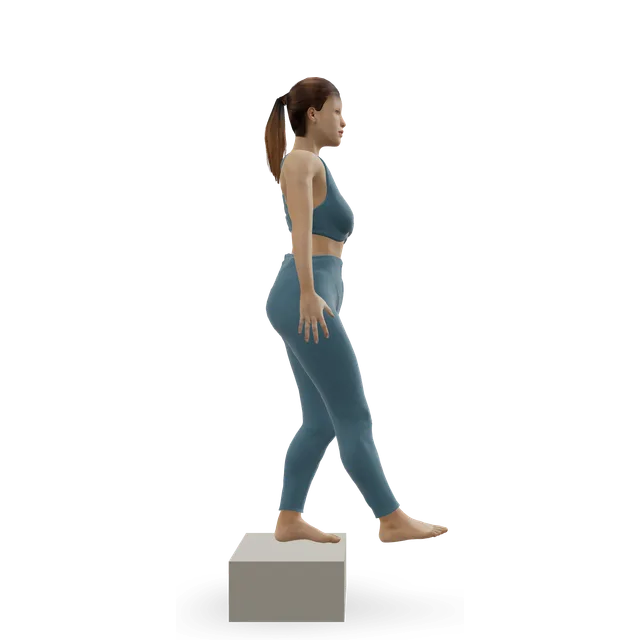
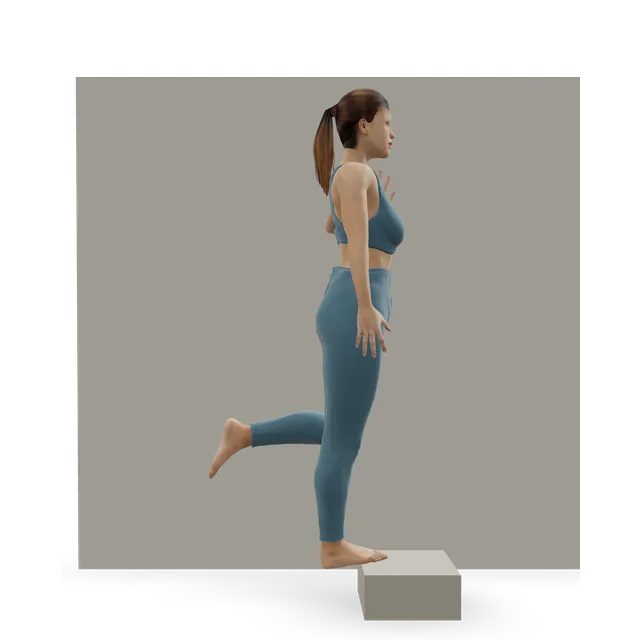
Stairs are a common trigger for kneecap pain, but treat them as a load to manage rather than avoid: knee programmes in the trials include stair and step work. Use the pain rule and the handrail; step-ups in the plan train the same movement.
Which knee exercises should I avoid?
None is banned. Reduce whatever flares your knee, often deep loaded squats, jumping and downhill running, just enough to stay within the pain rule, then build back up.
Should I rest a painful knee completely?
Usually not. Cut back what flares it and keep moving within the pain rule. The exception is a fresh injury you cannot put weight on: get that checked.
Ice or heat?
For a new injury, the NHS suggests an ice pack wrapped in a towel for up to 20 minutes every 2 to 3 hours.
Do knee braces help?
It depends on the cause. For kneecap pain, the JOSPT guideline advises against braces, sleeves and straps. For arthritis, the American College of Rheumatology strongly recommends a knee brace for selected people, while NICE advises against offering one routinely unless the joint is unstable and exercise alone is not enough. The guidelines disagree.
Do I need a scan for knee pain?
Usually not for arthritis: NICE diagnoses it from symptoms. Scans also find things that are not causing pain; meniscus tears are common in knees that do not hurt. After an injury, the Ottawa knee rule above decides whether an X-ray is needed.
Does clicking in the knee matter?
Painless clicking is normal. Clicking with pain, locking or the knee giving way should be checked.
Are these knee exercises suitable for seniors?
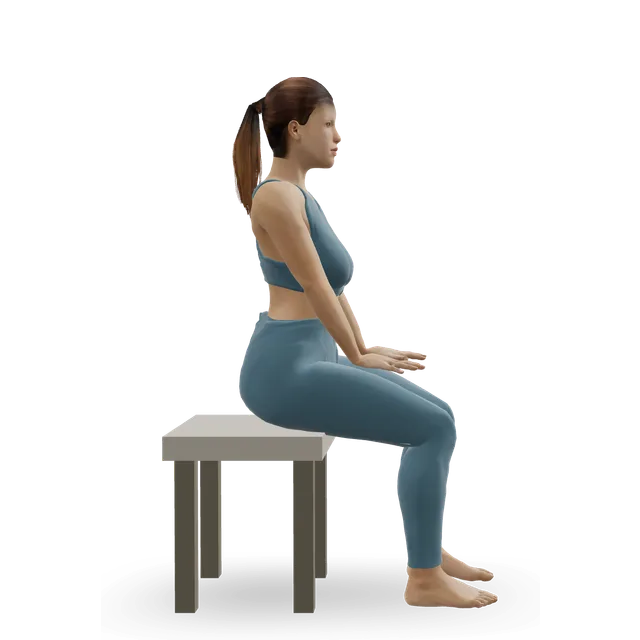
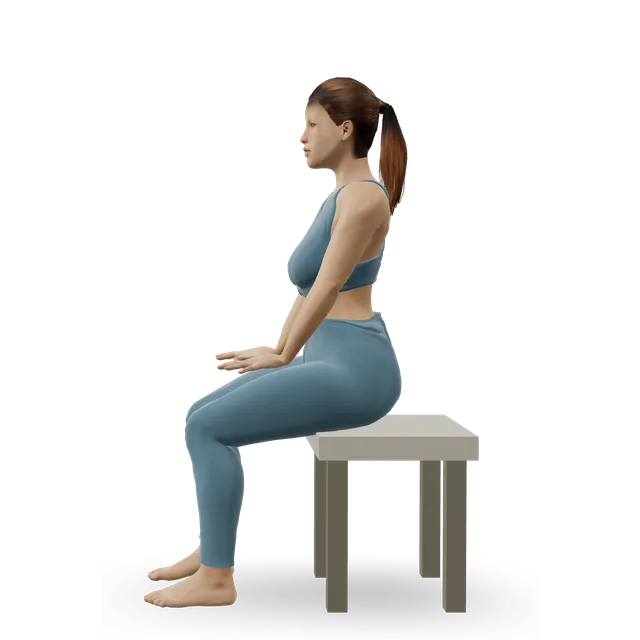
Yes. The plan starts gently, with quad sets, straight-leg raises and chair stands from a high seat with hands allowed, and NICE recommends tailored exercise for everyone with osteoarthritis. Supervised sessions can help if you are unsure where to start.
Can I do knee exercises with a resistance band?
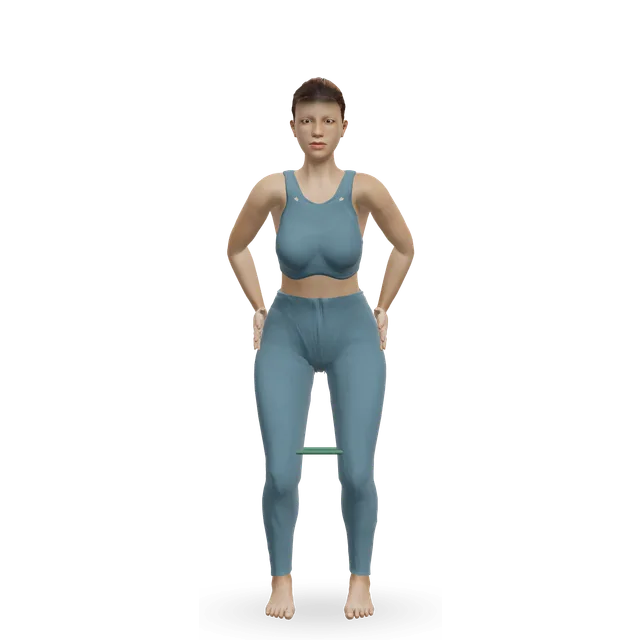
Yes. A band adds load to the side steps, the seated knee extension and standing hip work in this plan. It is simply a way to make an exercise harder as you get stronger.
How long until knee exercises help?
Most programmes in the trials ran 6 to 12 weeks. Tendon programmes ran 12 to 24 weeks. Steady progress over weeks matters more than any single day.
Exercise education, not a diagnosis or treatment plan. It is written from the guidelines and studies listed above; review by a clinician is pending. If your pain follows an injury, is severe, is getting worse, or comes with any warning sign listed on this page, get it assessed. Health disclaimer.