Stretching & mobility
Post-run stretches
Ten minutes while your heart rate comes down. Cover the calves twice, straight-knee and bent-knee, because running loads both.
Routine
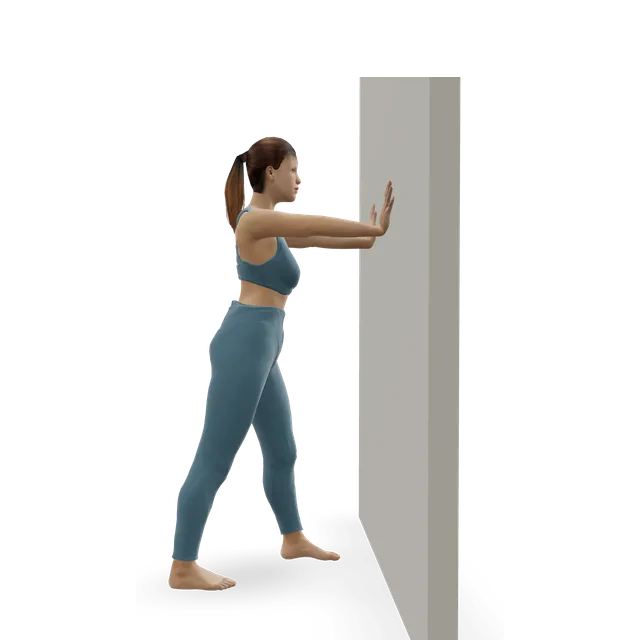
- Wall calf stretch (gastrocnemius)30 s each sideBeginner · Calves · 3D demoEasier: Seated calf stretch with a towelHarder: Heel-on-step calf and hamstring stretch
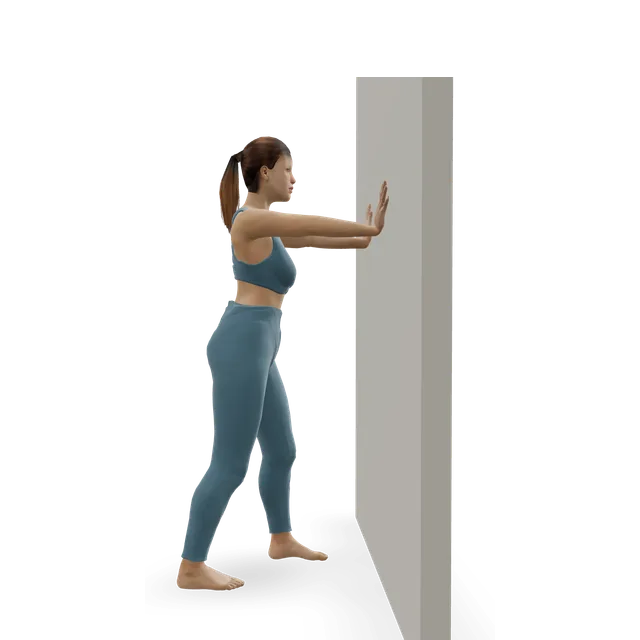
- Soleus wall stretch30 s each sideBeginner · Calves · 3D demoEasier: Seated calf stretch with a towelHarder: Toes-tucked kneeling (toe squat)
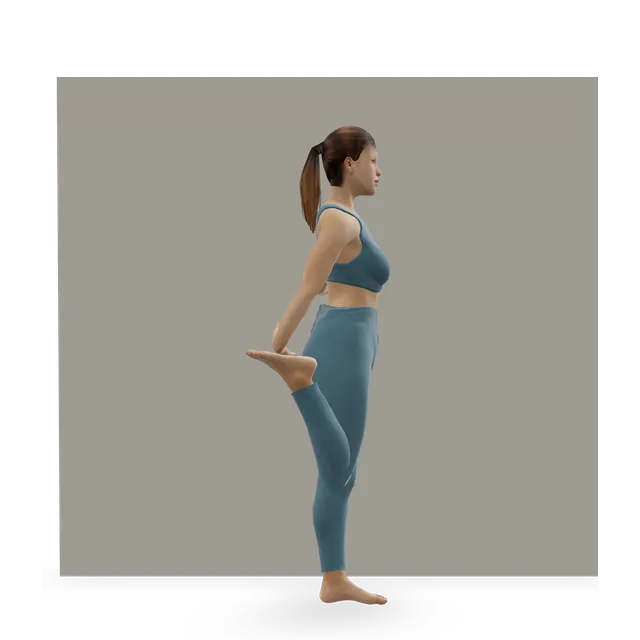
- Standing quad stretch30 s each sideBeginner · Quads, Hip flexors · 3D demoEasier: Side-lying quad stretch with a strapHarder: Couch stretch
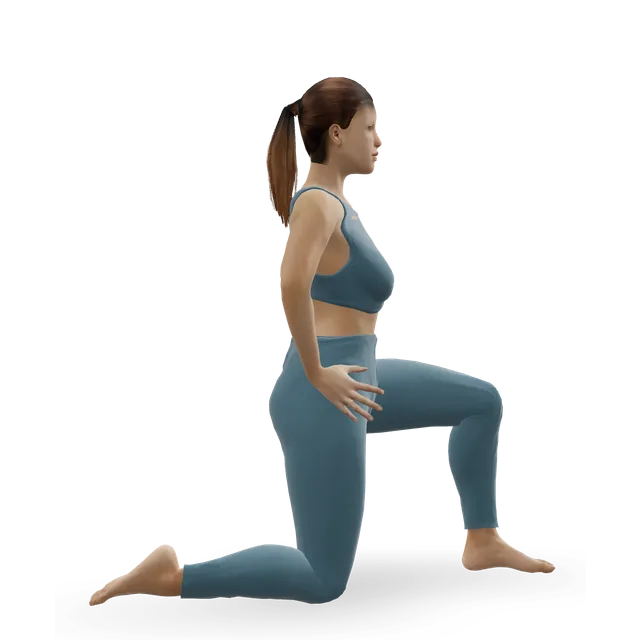
- Half-kneeling hip flexor stretch45 s each sideBeginner · Quads, Glutes · 3D demoEasier: Standing hip flexor stretch (split stance)Harder: Couch stretch
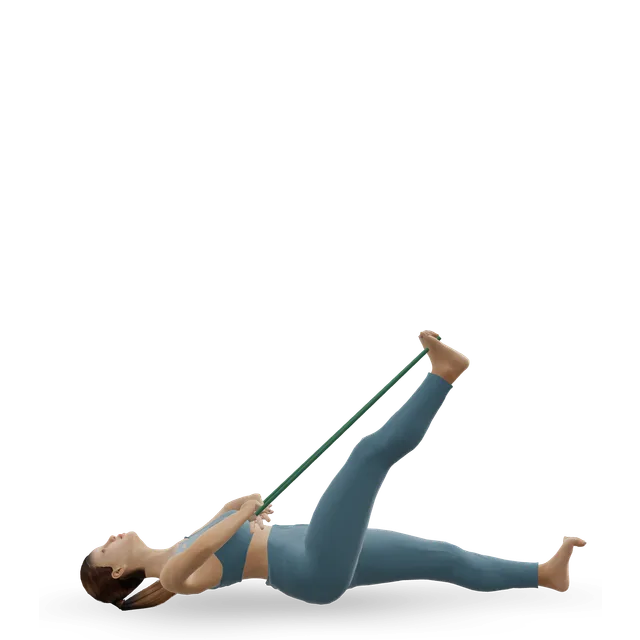
- Supine hamstring stretch with a strap45 s each sideBeginner · Hamstrings, Calves · 3D demoEasier: Leg-up hamstring stretchHarder: Contract-relax hamstring stretch (PNF)
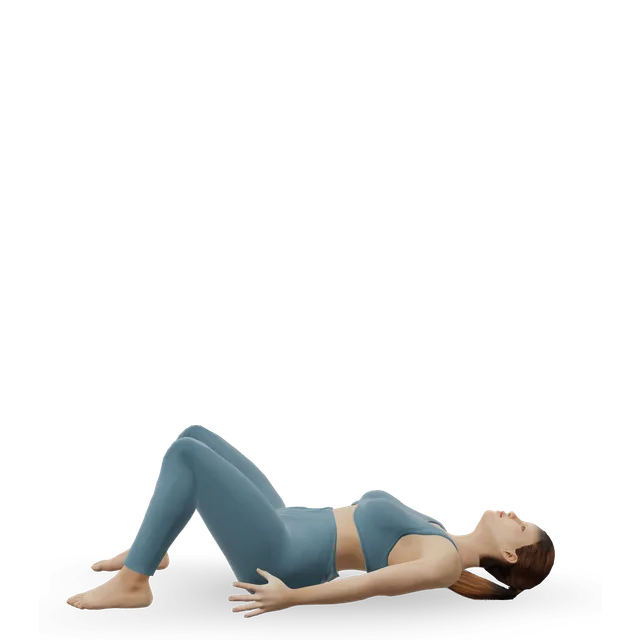
- Beginner · Glutes · 3D demoEasier: Single knee-to-chest stretchHarder: Pigeon preparation (Eka Pada Rajakapotasana prep)
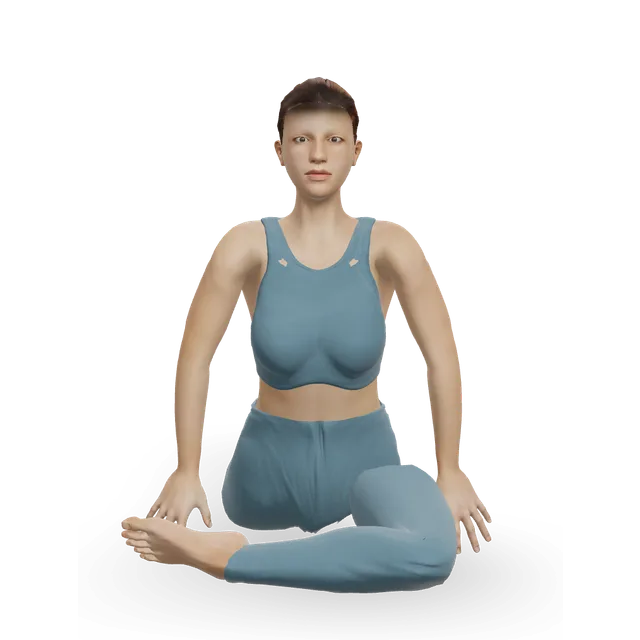
- Pigeon preparation (Eka Pada Rajakapotasana prep)45 s each sideIntermediate · Glutes, Hip flexors · 3D demoEasier: Easy pose (Sukhasana)Harder: Standing splits (Urdhva Prasarita Eka Padasana)
Tips
- Walk for a few minutes first.
- Stretching after a run feels good; it is not proven to prevent soreness, so keep it gentle.
- For a longer, yoga-based cool-down, try the yoga for runners routine.
- With pain on the outside of the hip or deep in the buttock at the sitting bone, leave out the strap hamstring stretch, the figure four and the pigeon for now, as our hip pain guides advise: those positions press on the sore tendons.
The doses are suggested starting points, not a prescription. Choose a range you can control and stop for sharp or increasing pain, numbness or tingling. Get individual advice after an injury or surgery, or if you are pregnant or managing a health condition.
Part of these weekly plans
Follow the whole week: which session on which day, and how to progress.
Guides that recommend it
- Pilates for runners guide
- Yoga for runners guide
- Yoga for hikers guide
- Yoga for skiers guide
- Yoga for the calves guide
- Yoga for the quads guide
- Ankle and foot guide
- Massage guns guide
- Psoas release guide
- How to foam roll guide
- Sports massage guide
- Calves guide
- Thighs guide
- Shins guide
- Runners guide
- Exercises for restless legs
- Zone 2 cardio guide
- Warming up guide
- Cooling down guide
- Start running guide
- Ankle mobility guide
- Running longer guide
- Recovering faster guide
- Running uphill guide
- Running pace guide
- Running guide
- Hiking and hillwalking guide
- Triathlon guide
Find more moves like these
More stretching & mobility
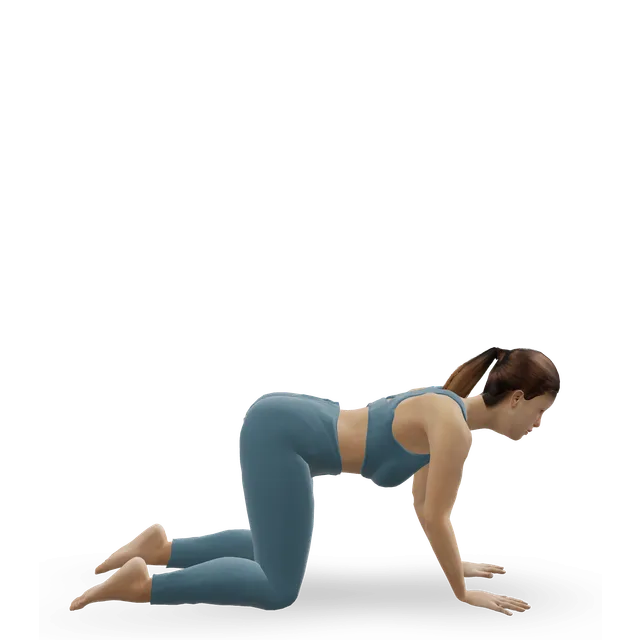
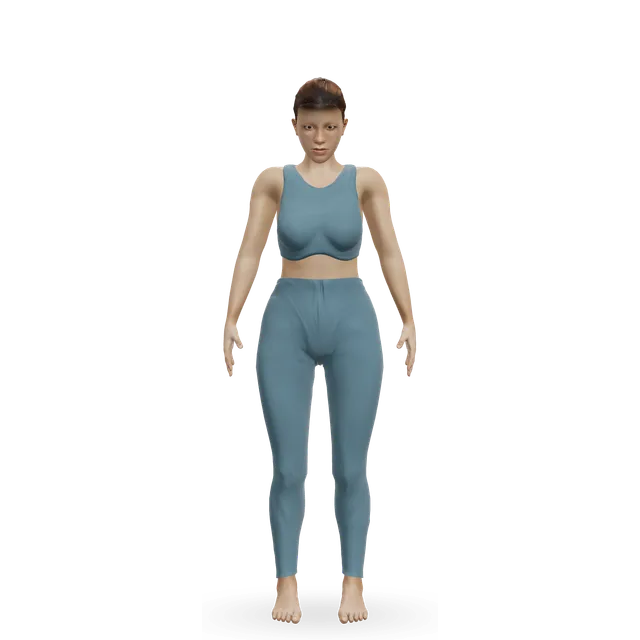
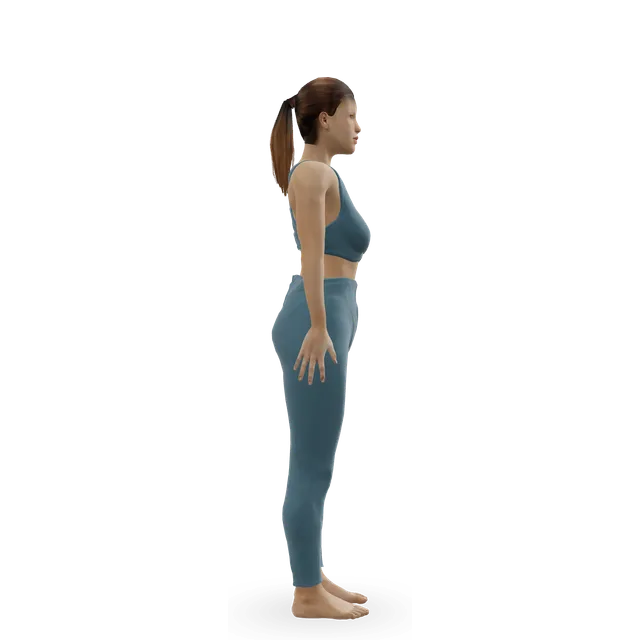
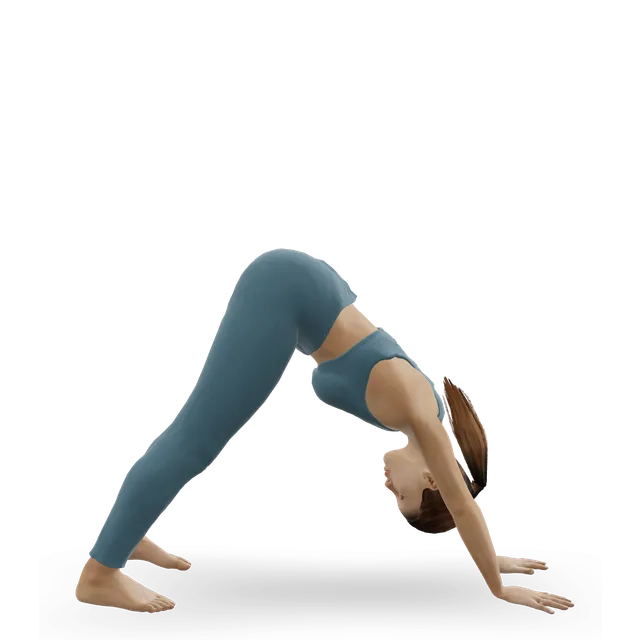
10-minute morning stretch
A gentle, no-equipment stretch routine to wake up the spine, hips and shoulders in ten minutes.
10 minBeginner10 movesNo equipment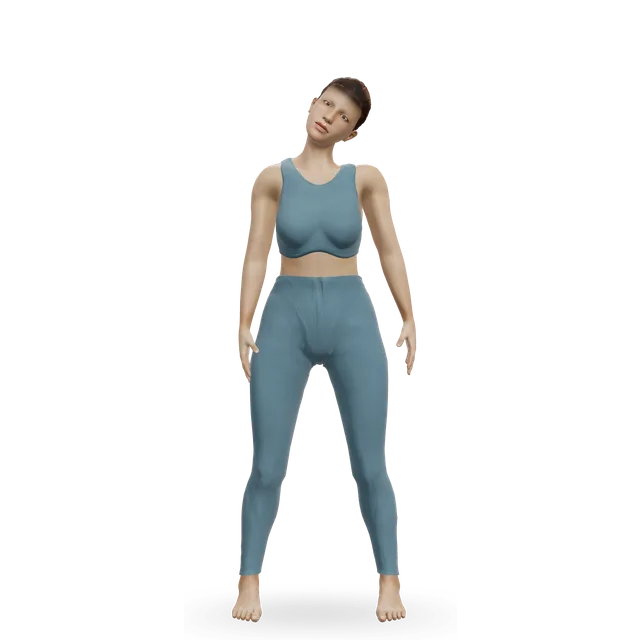
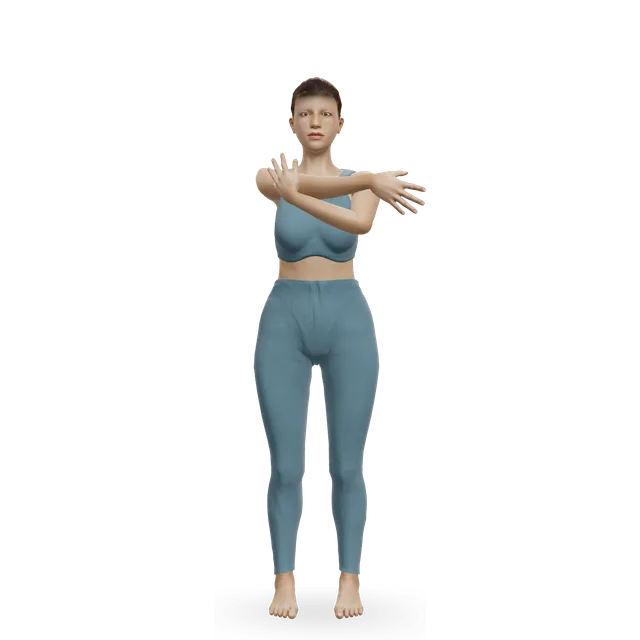
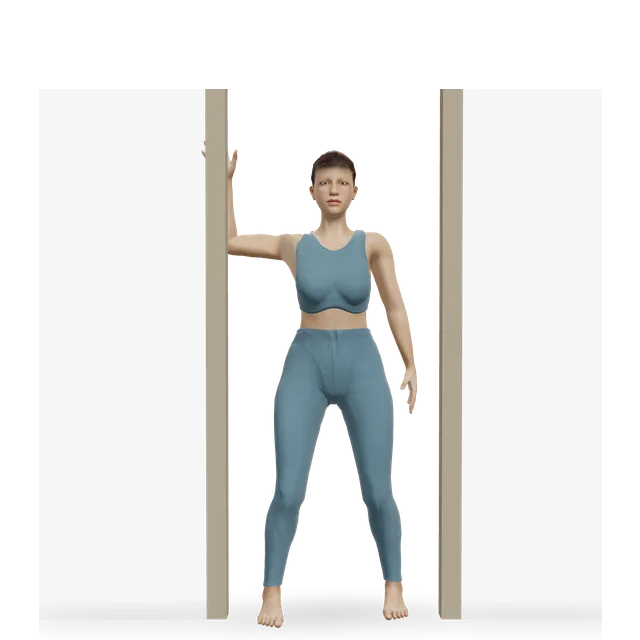
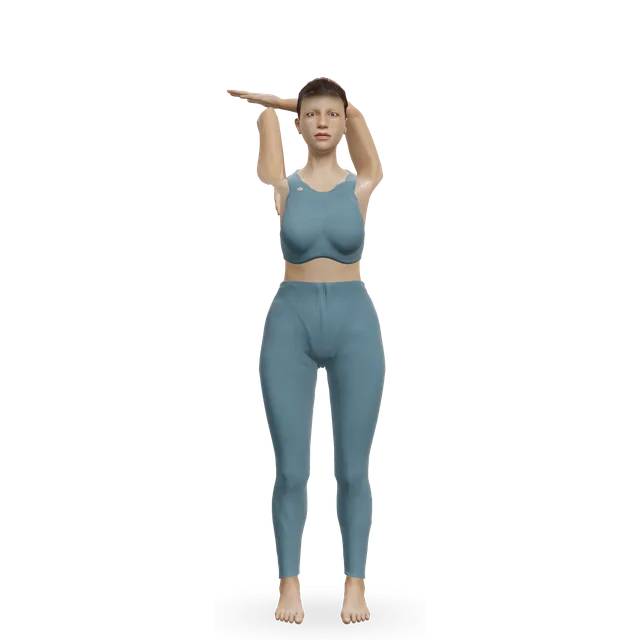
Full-body stretch routine
A 15-minute head-to-toe stretch for the neck, shoulders, back, hips, hamstrings and calves.
15 minBeginner11 movesWall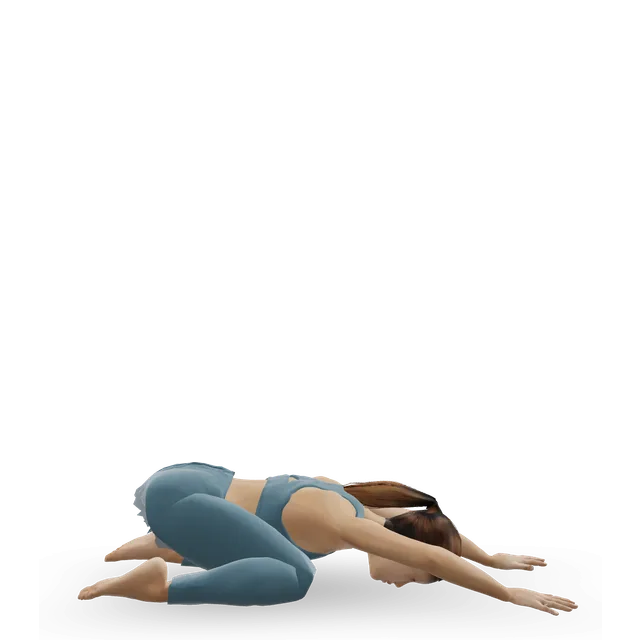
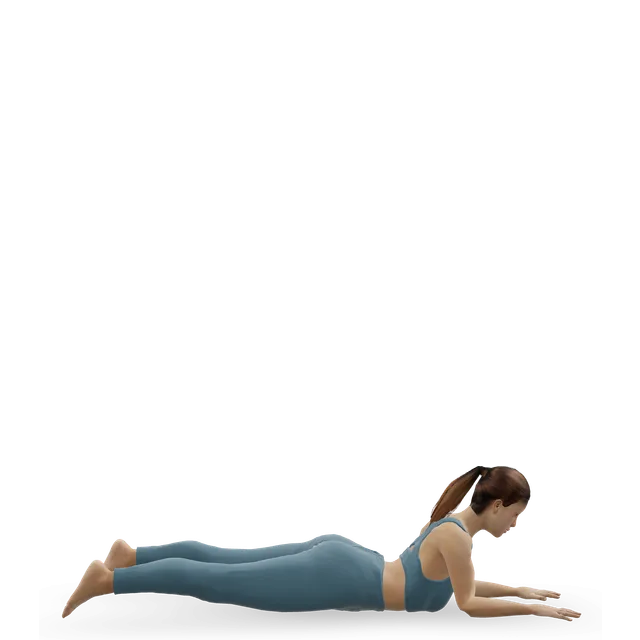
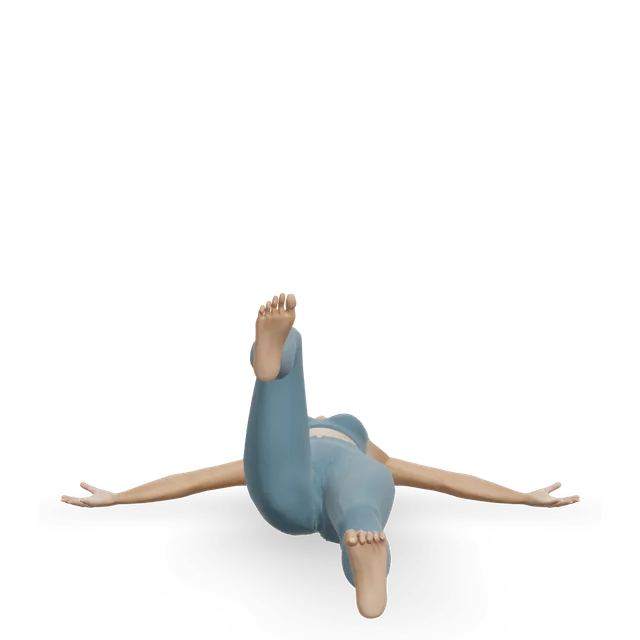
Lower back stretch routine
Seven gentle stretches and mobility moves for a stiff lower back, done lying and kneeling.
12 minBeginner7 movesWallQuestions people ask
How long does the post-run stretches take?
About 10 minutes, including any warm-up and cool-down listed. Shorten it by doing fewer rounds; lengthen it by adding one.
What equipment do I need?
You need: A wall. Each move links to its guide, where you can find an alternative if you are missing something.
Is it suitable for beginners?
It is written for beginners. 7 of its 7 moves have an easier option listed beside them if you need one.
How do I make it easier or harder?
Use the easier or harder option listed under each move, change the number of rounds, or adjust the rest. Progress one change at a time.