How deep does a pool need to be to dive into?
For competition boards, World Aquatics' minimum depths at the front of the board are 3.40 m for a 1 m springboard, 3.70 m for a 3 m springboard and 4.50 m for a 10 m platform, with 5.00 m preferred, and never under 1.8 m anywhere in the pool. For a shallow dive from the side of a public pool, UK pool guidance cites at least 1.5 m of water with 7.6 m clear ahead. Many home pools are too shallow or too short to dive into safely.
How deep is an Olympic diving pool?
World Aquatics prefers 5.00 m under every board and platform, and new diving pools at its events should be 5 m deep where possible. The minimum under the 10 m platform is 4.50 m. Club pools vary, so ask at yours.
Why is diving into shallow water so dangerous?
A head-first dive into water that's too shallow, or onto a slope or rock you can't see, drives your head into the bottom with your body's weight behind it and can break your neck. Of 160 people treated for this in northern Germany, two-thirds were completely paralysed on admission and 17% walked again. Most were young men, often at a home pool, a dock or a river, and often after drinking or on a first visit.
What should I do if someone hits their head diving into shallow water?
Assume a neck injury: don't move them unless they're in danger, call 999 or 112, and keep their head, neck and spine in line. In the water, get their face out and keep them breathing first. If they're unresponsive and not breathing, start CPR.
What are the most common diving injuries?
Lower back, shoulder and wrist injuries are the commonest in competitive divers, and most happen in training, at entry and take-off. In young recreational divers, hitting the board causes many head and face injuries and cuts, especially in backward dives and flips.
Why do divers get back pain?
Divers arch and twist their backs thousands of times a year, and young elite divers' back pain went with spine changes on scans that got worse over 5 years. Divers with back pain entered the water more arched, and stiffer shoulders went with back pain in male juniors. Back pain that lasts more than 2 weeks, or hurts more when you arch back, should be checked for a stress fracture.
What dryland training do divers do?
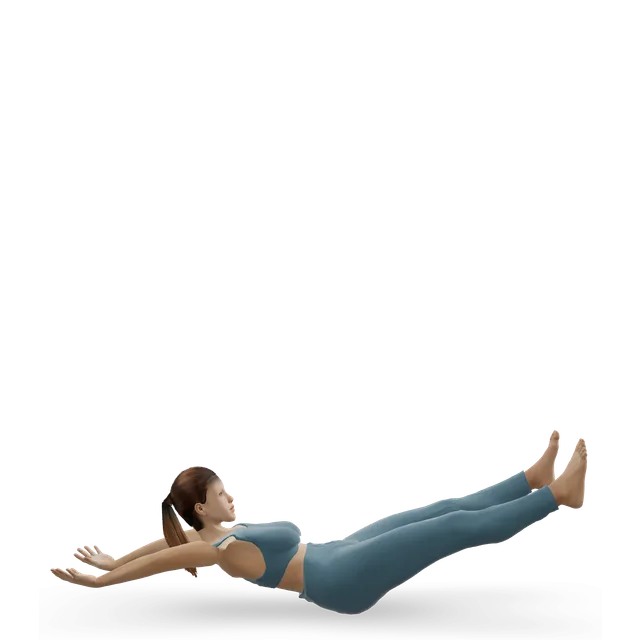
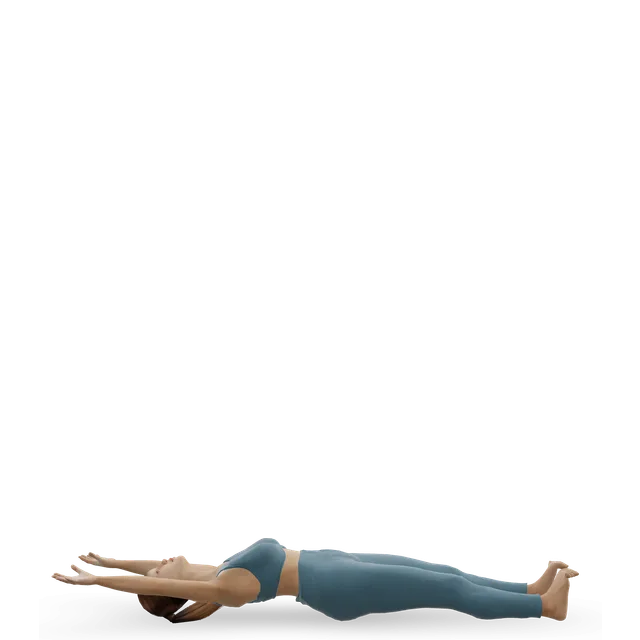
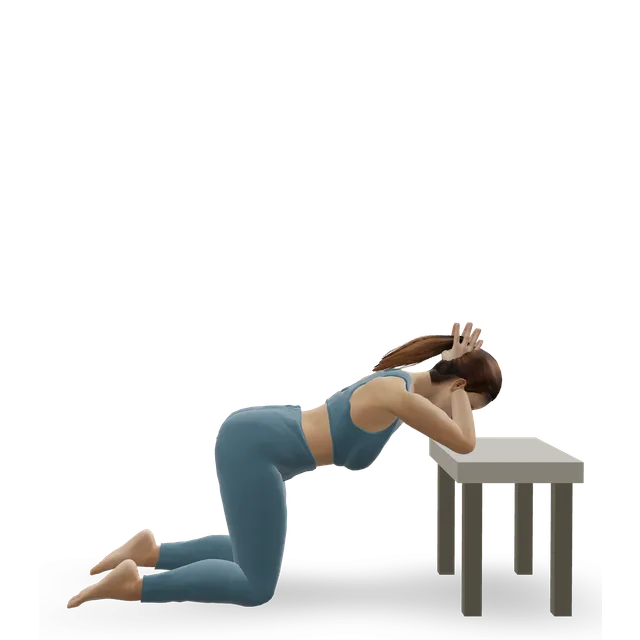
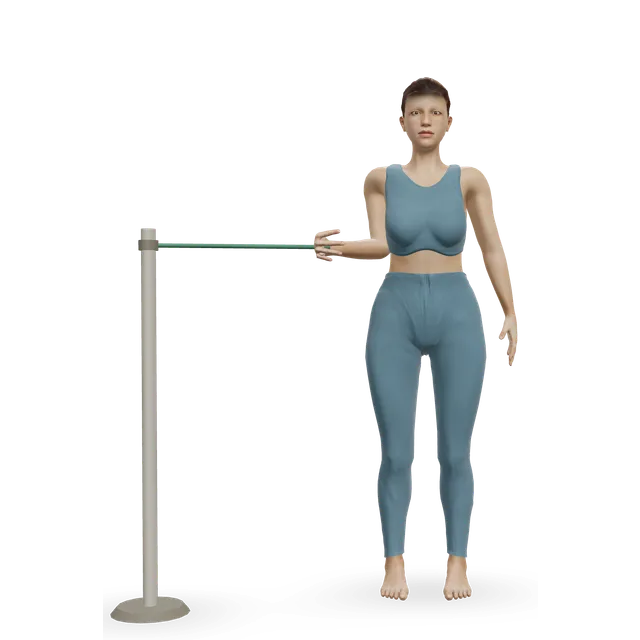
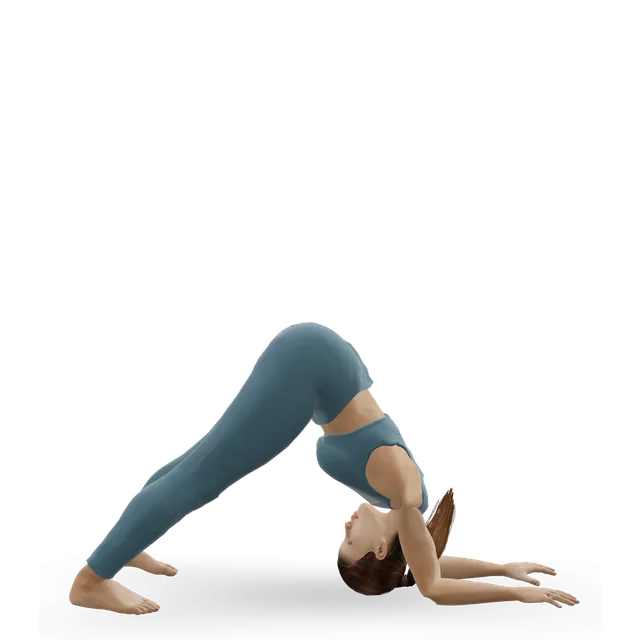
At age-group level in England, about half of training is on dry land: trampolines with spotting rigs, dry boards, somersault boxes and conditioning. Take-offs on dry land differ from the real board, so dry land adds to board work rather than replacing it. Our dryland workout covers jumps, landings, legs, wrists, shoulders and the entry shapes.
How old do you have to be to dive at the Olympics?
At least 14 by 31 December of the year of the Games, a world championship or a World Cup, under World Aquatics' rules. Junior championships have age groups of 14 to 15 and 16 to 18, and senior high divers must be 18.
Is cliff diving or high diving dangerous?
Cliff and splash divers reported 7.9 injuries per 1,000 hours, 79% on entry and more in practice than in competition. Competitive high divers go in feet first from 20 m or 27 m, must be 18 and approved as safe to compete, and have safety divers and rescue teams. Jumping into the sea from cliffs or piers has caused at least 20 deaths in the UK in two decades.
Can I dive with a perforated eardrum or after a concussion?
No: the NHS says not to swim or get your ear wet until a perforated eardrum heals. After a concussion, sit out at once and return gradually with medical guidance, with no competition before day 21 under the UK guidelines.