Racket sports go with a longer life
In 80,306 British adults, people who played racket sports had a 47% lower risk of dying during the study. It's an association: social contact and better health may explain part of it.
Sport
Tennis, padel, squash and badminton are stop-start sports: short sprints, sharp changes of direction, lunges and overhead shots, with the forearm gripping throughout. People who play racket sports live longer on average, though that's an association, and in the trials so far, mostly in young players, power and agility training improved serve speed and speed around the court.
The commonest problems are tennis elbow, especially in padel, the shoulder, ankle sprains, calf tears and, in padel and squash, eye injuries. The one trial of a tennis injury prevention programme, an app, didn't work, so this guide borrows the shoulder programme that cut injuries in handball players and says so plainly. It covers what your body needs, a 12-minute warm-up, a 25-minute injury prevention routine, footwork and power training, eye protection, and when to check with a doctor first.
In 80,306 British adults, people who played racket sports had a 47% lower risk of dying during the study. It's an association: social contact and better health may explain part of it.
The elbow, usually tennis elbow, was the most reported injury site in every padel study that named joints. Padel players report about 3 injuries per 1,000 hours of play.
In 579 adult club players, the only trial of a tennis prevention programme found no difference: 37% against 38% had an injury problem at any one time.
Source 5
A shoulder routine of about 10 to 15 minutes cut shoulder problems in handball players, even when it was done only once or twice a week. Nobody has tested it in tennis or padel.
In 23 trials, mostly in young competitive players, plyometric, core and strength training twice a week raised serve speed, sprint speed and agility.
Source 8
Most racket-sport eye injuries happen without eyewear, and eyewear made to a recognised standard protects. Padel became the leading cause of sport eye injuries in one Swedish county.
Short sprints, stops and changes of direction, with recoveries between points. The UK's National Health Service (NHS) counts doubles tennis as moderate activity, and our calories calculator uses 6.8 metabolic equivalents (METs) for tennis, 7.3 for squash and 5.5 for social badminton. Sprint speed, change-of-direction speed and leg power are the qualities trials have trained most.
The split step and side shuffle, lunging and recovering, groundstrokes with a trunk turn, and the serve and smash, which are overhead throwing actions. Padel adds many overhead and wall shots with a solid racket that has no strings; the authors of a padel review suggest this may explain its elbow problems.
Source 3
The sites the studies point to:
Repeated accelerations and stops, single-leg landing control, rotational power, shoulder control through overhead strokes, and forearm endurance.
Each study counted injuries its own way, so the figures in different lines aren't comparable.
Tennis injuries mostly affect the legs, then the arms, then the trunk. The numbers:
The commonest padel injury site in all 5 studies that named joints: tennis elbow (lateral epicondylitis) was 20.5% of diagnoses in the largest Spanish survey, and the elbow 18% of injuries in Portugal. In 532 tennis players, it became more common with age and with more hours played a day, and in older players with larger grips (1979). In one padel survey, players coached by an instructor warmed up more and had fewer elbow injuries, an association. Our tennis elbow guide covers treatment.
Shoulder and elbow tendon problems were the main upper-body injuries in women's padel, and rotator cuff problems 7.4% of Spanish padel diagnoses. Professional tennis players with past shoulder pain had less inward rotation in both shoulders, not a bigger difference between sides. Long play, fatigue, technique and shoulder-blade control are suspected risk factors, from low to moderate quality studies. See our shoulder pain and shoulder impingement guides.
7.8% of Spanish padel diagnoses, 17% of injuries in Portuguese players, and among the commonest in professional women. As our ankle sprain guide explains, a previous sprain raises the risk of another, and a balance programme cuts repeats.
Knee injuries were 13% in Portugal; jumper's knee (patellar tendinitis) was 5.6%, plantar fasciitis 8.4% and partial calf tears 6.8% of Spanish padel diagnoses. In a study of senior padel players, tennis leg was among the commonest injuries, reported by 22%, and the International Tennis Federation (ITF) describes it as typical between 35 and 50. See our knee pain, jumper's knee, calf pain and plantar fasciitis guides.
Padel caused 20% of sport eye injuries in one Swedish county from 2017 to 2021, the most of any sport by 2021, almost all from the ball. In a survey of 583 Italian padel players, 10% had had an eye injury and a tenth of those needed surgery; the risk rose with more matches a week. Squash and badminton cause serious eye injuries too.
In US emergency departments from 2000 to 2023, falls caused 36.5% of racket and paddle sport injuries. For players over 64, a medical event was the cause of a quarter of visits, and they were about 6 times as likely to be admitted to hospital as younger players.
Source 22
579 adult recreational players in the Netherlands were randomised to TennisReady or their usual routine. TennisReady was an unsupervised smartphone app: an on-court and an off-court warm-up of about 10 minutes each, twice a week for 12 weeks, getting harder each week, with cardiovascular routines, 52 balance, strength and range exercises, tennis circuits and warm-up games.
Injury problems at any one time: 37% against 38%; substantial ones, 11% against 12%. Only 8% kept to it well, and even they did no significantly better. The authors concluded that an unsupervised app like this shouldn't be rolled out.
The Oslo Sports Trauma Research Center (OSTRC) programme was tested in 45 elite Norwegian handball teams (660 players) over a 7-month season. It has five exercises, each with easier and harder versions, to increase the shoulder's inward rotation, strengthen its outward rotation and train shoulder-blade control, plus whole-body and upper-back mobility work: about 10 minutes, 3 times a week as part of the warm-up before throwing. The exact exercises are in an appendix we couldn't open; our shoulder mobility and stability routine is built on its four parts.
Shoulder problems at any one time: 17% against 23%, 28% lower odds (odds ratio 0.72; 95% confidence interval 0.52 to 0.98). Substantial problems fell from 8% to 5%, but that difference wasn't significant (odds ratio 0.78; 0.53 to 1.16). Teams did it 1.6 times a week on average, about half of what was asked, and 7% never did it.
Source 6
Tested in 18 Swedish secondary schools specialising in handball, in players aged 15 to 19, over a year. Players chose one exercise from each of five groups, at a level that was challenging with good technique, and moved up a level when it got easy. Each set lasted 30 seconds, moving 1 to 2 seconds each way: 3 times a week with 3 sets of each from June to August, and 2 sets of each in the normal warm-up during the season, about 10 to 15 minutes.
Shoulder injuries were cut by more than half (hazard rate ratio 0.44; 95% confidence interval 0.29 to 0.68): treating 9 players prevented one injury. Players did it 1.3 times a week on average, and schools ran it 1.8 times a week in season.
Source 7
In 237 youth baseball players aged 9 to 11, a warm-up of stretching, mobility and balance exercises for 12 months cut shoulder and elbow injuries from 3.1 to 1.7 per 1,000 practices and games. In 44 college swimmers, 6 weeks of band strengthening with stretches didn't change shoulder strength or movement (injuries weren't measured). Before the handball trials, a review found little evidence for any shoulder prevention measure in overhead sports. The serve and smash are throwing actions, but none of these has been tested in tennis or padel (our reasoning).
The Lawn Tennis Association (LTA) Tennis Wales injury prevention routine lists 12 exercises for 3 to 7 days a week, mostly 2 sets of 6 to 10: single-leg balance and hops, bridges, side-lying leg raises and clamshells, band shoulder rotations and pull-aparts, upper-back rotations, dead bugs and a side plank with a band row. It hasn't been tested in a trial; our injury prevention routine borrows its band rotation, hop, balance and clamshell doses.
Source 27
After a sprain, our ankle sprain guide's home balance programme (3 sessions a week for 8 weeks) cut repeat sprains from 33% to 22% in a trial of 522 athletes, and a brace for sport through the next season is advised. Preventing a first sprain with balance training is unproven.
In the 1979 survey, players said technique and racket changes helped stop it coming back, and rated braces the least successful; lab studies of grips and strings haven't been tested in players. Build your playing time gradually and keep your forearms strong (our suggestion), and if it starts, follow our tennis elbow guide.
Across squash, racketball, tennis and badminton, a median of 93% of eye injuries happened without eyewear. Prescription glasses, contact lenses and industrial glasses could make injuries worse, lensless eye guards failed in squash, and only eyewear meeting a recognised sports standard was linked with no eye injuries. Only 10% of Italian padel players strongly supported wearing goggles.
None of these has good evidence behind it:
In 23 trials of 743 players, neuromuscular training (plyometrics, core, strength and agility work) improved serve speed and leg power by moderate amounts and agility, sprint speed and strength by smaller to moderate amounts against usual training, but not serve accuracy. Players over 18 gained more serve speed and power, twice a week did as well as three times for sprinting, and more than 12 weeks added nothing for agility or sprinting. Plyometrics helped serve speed, sprinting and power most, core training agility, and strength training strength.
In 12 studies of players aged 12 to 25, plyometrics for 3 to 9 weeks raised serve speed, sprint speed, leg power and agility. The certainty of all this is low, and nearly every trial was in young competitive players, not adult club players.
In 31 boys aged 16, 8 weeks of sprint and change-of-direction training improved speed, agility and jumping with or without a racket, and more without one. The LTA suggests on-court shuttles and an X drill before play.
Strength training gave the biggest strength gains in the tennis trials. Our editorial plan: whole-body strength twice a week, which also meets the NHS advice of strength work on 2 days, with single-leg work for court movement and shoulder and forearm work for your hitting arm.
Racket sports are stop-start. High-intensity interval training (HIIT) once or twice a week and easier zone 2 work cover it; our HIIT and zone 2 guides explain both.
Professionals with past shoulder pain had less inward rotation in both shoulders. Our shoulder guides start with the cross-body stretch and keep the sleeper stretch for a clear loss on one side.
Source 14
Our editorial plan, built on the trials:
Most people with tennis elbow don't play tennis, and about 9 in 10 are much better within a year, as our tennis elbow guide explains. In players, it's a load problem in the tendons on the outside of the elbow.
The authors of the padel review suggest the many overhead shots, the solid, stringless racket, and the near absence of two-handed backhands may load the elbow tendons. It's their explanation, not a tested one.
Source 3
Our elbow guides keep discomfort to about 3 to 4 out of 10, settling within an hour and no worse the next morning, and stop for tingling. Cut back the shots that hurt, often serves, smashes or backhands, rather than stopping everything (our suggestion).
A strap can ease pain while you wear it, with no proven long-term benefit, as our tennis elbow guide says. Changing racket, strings or grip size is untested in players; in one 1979 survey, players felt technique and racket changes helped more than braces.
The movement demands and most of the advice on this page carry over: the warm-up, the shoulder and forearm work, and the footwork training. Badminton went with 6.2 extra years of life in the Copenhagen study, again an association.
Source 2
Squash balls and shuttlecocks cause serious eye injuries. Eyewear made to a recognised sports standard is the only protection that worked; lensless guards failed in squash.
Source 9
Pickleball caused 13% of racket and paddle sport visits to US emergency departments, and its injuries led to hospital admission about 2.6 times as often as those in other racket sports, with older players and pickleball driving a rise in admissions. Falls were the commonest cause, so the landing and balance work on this page matters.
Source 22
Built on the site's warm-up guide and the structure of the tennis warm-ups that have been studied (editorial). No warm-up has been shown to prevent injuries in racket sports.
Loading the 3D figure…
The movement on the figure: World's Greatest Stretch
Shoulder Control's five groups at their first level, band rotations, slow forearm lowering, and the landing, hopping and footwork moves from this page's workouts.
 3D demoScaption raiseBeginner · A dumbbell
 3D demoScapular push-up (push-up plus)Beginner · No equipment
 3D demoThoracic rotationBeginner · No equipment
 3D demoSingle-leg Romanian deadliftAdvanced · A dumbbell
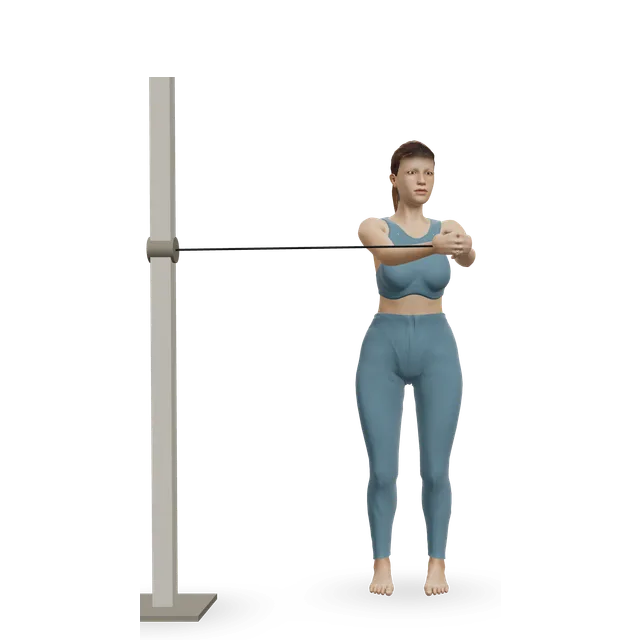 3D demoCable press and rotationIntermediate · A cable machine
 3D demoStanding band external rotationBeginner · A band + An anchor point
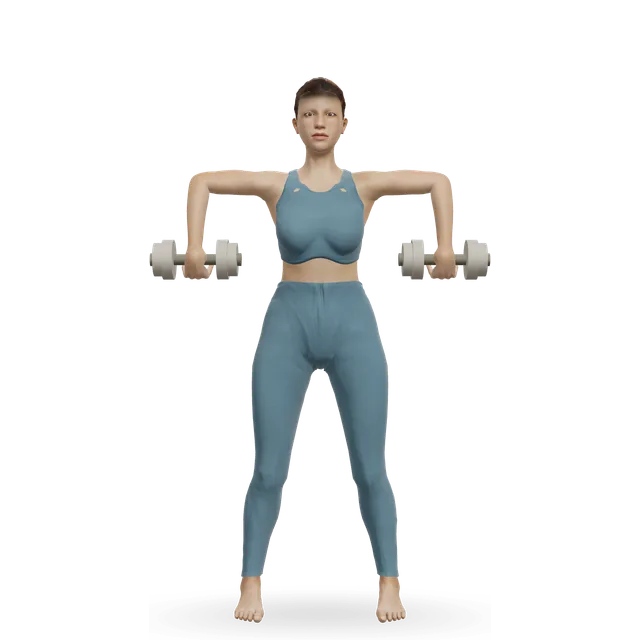 3D demoCuban rotationIntermediate · A dumbbell + A band
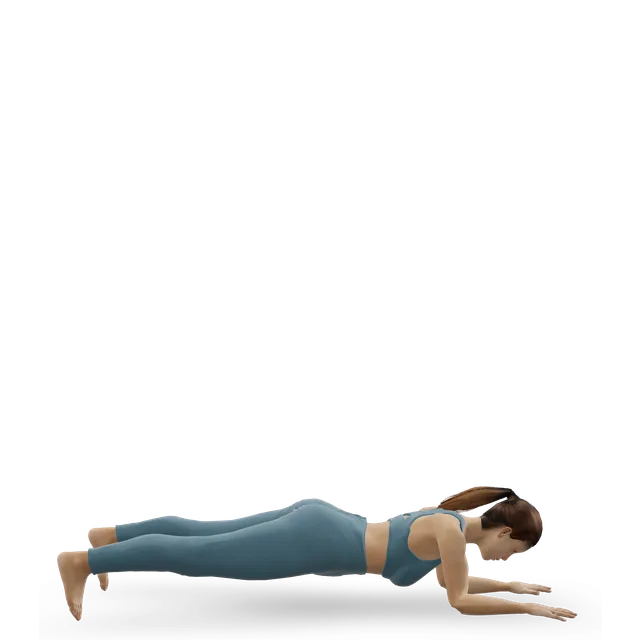 3D demoPlank walk-upAdvanced · No equipment
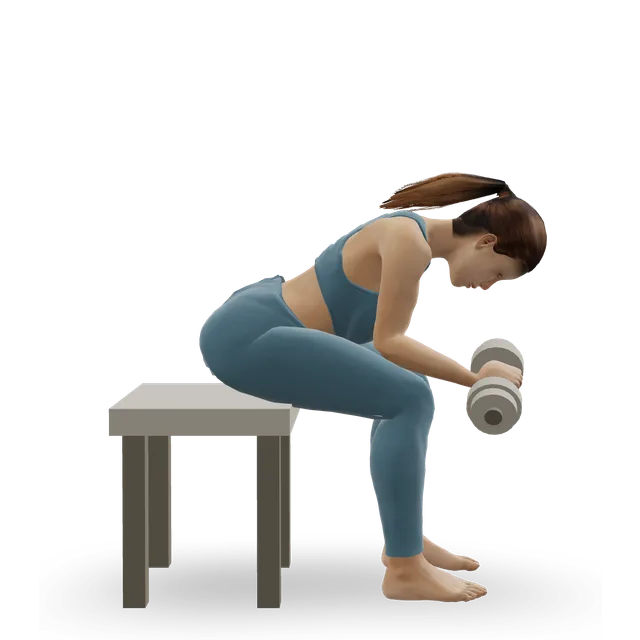 3D demoWrist-extensor eccentricsBeginner · A dumbbell
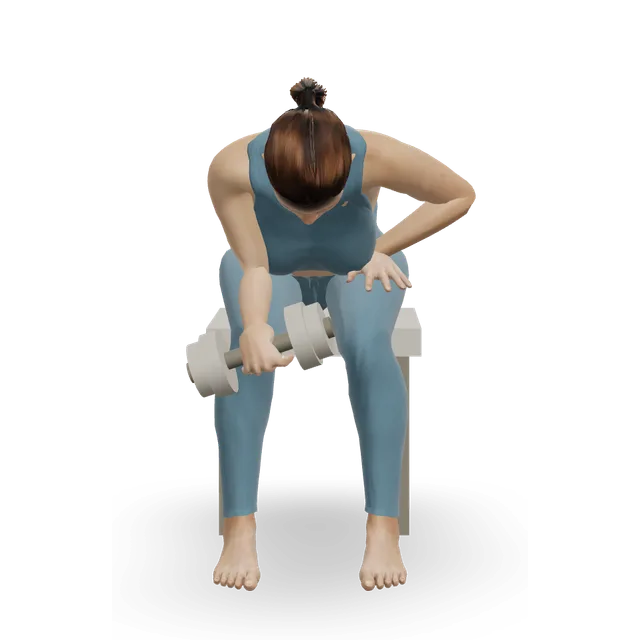 3D demoDumbbell forearm rotationBeginner · A dumbbell + A bench or box
 3D demoSingle-leg hop and stickIntermediate · No equipment
 3D demoSingle-leg calf raise from a stepIntermediate · A step + A wall
 3D demoSide-stepping (sideways walking)Beginner · A wall
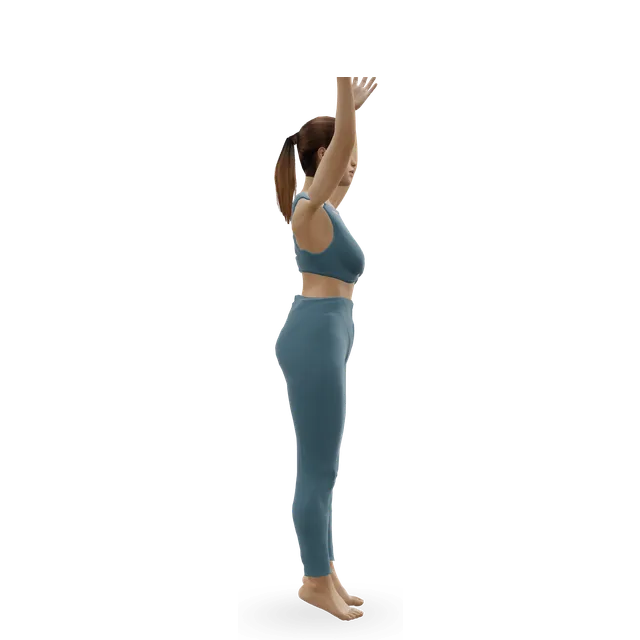 3D demoSnapdown to athletic landingBeginner · No equipment
Use the warm-up before you play and the injury prevention routine 2 or 3 times a week. The others add shoulder control, landing skill, plyometrics, ankle strength and conditioning.
A 12-minute warm-up for tennis, padel, squash or badminton: skipping, leg swings, trunk turns, band shoulder work, forearm circles, shuttles and landings.
12 minBeginner10 movesA wall, A bandA 25-minute routine for racket players: the five-part Shoulder Control programme from handball trials, band rotations, forearm lowering, hops and balance.
25 minBeginner12 movesA dumbbell, A cable machineA 25-minute band routine for healthy shoulders: move the shoulder and upper back through their range, then strengthen the rotator cuff and shoulder blades.
25 minBeginner12 movesA wall, A bandA 20-minute warm-up that trains your knees to track over your toes: side-hip strength, squats and lunges with alignment practice, balance and quiet landings.
20 minBeginner10 movesA wall, A bandAn advanced jump training session: pogo hops, box jumps, split squat jumps, broad jumps and depth jumps.
30 minAdvanced8 movesA bench or box, A stepA 15-minute barefoot routine for stronger toes, arches, calves and ankles, finishing with balance. You need only a towel, a wall and a resistance band.
15 minBeginner11 movesA wall, Other / check instructionsWrist mobility and forearm strength for desk work, climbing, push-ups and handstands.
10 minBeginner7 movesA wall, A dumbbellA lower body workout at home: split squats, slider hamstring curls, single-leg bridges, step-ups, band walks and calf raises, with dumbbell options.
30 minIntermediate12 movesA wall, A stepA 20-minute no-equipment HIIT workout: jumping jacks, jump squats, mountain climbers, burpees, skips and bear crawls.
20 minIntermediate10 movesNo equipmentThe Norwegian 4x4, a well-studied interval session for raising VO2 max: four 4-minute hard efforts with 3 easy minutes between, on a bike, rower or treadmill.
40 minIntermediate3 movesCardio machine, A wallFit the injury prevention routine into a plan's warm-ups or lighter days, and keep heavy leg sessions away from match days.
Two full-body strength sessions a week: the minimum that meets health guidelines, with every set, rep and rest, and an 8-week progression.
2 training days45 minBeginner3 days a weekA beginner gym plan: three full-body sessions a week, alternating workouts A and B, with sets, reps, rest and an 8-week progression.
3 training days45 minBeginner3 days a weekA weekly workout plan for women: three strength days, cardio and pelvic floor training, with the evidence on periods, pregnancy and menopause.
3 training days45 minBeginner4 days a weekA 4-day gym workout routine for men: upper and lower days, each muscle trained twice a week, with sets, reps, progression and the evidence.
4 training days50 minIntermediate3 days a weekA 3-day strength plan for men over 40 with power and bone work, two cardio days and mobility, built on research on ageing muscle.
3 training days45 minBeginnerThe PAR-Q+ (Physical Activity Readiness Questionnaire for Everyone) asks about a heart condition or high blood pressure, chest pain, dizziness or fainting, other long-term conditions and their medicines, a bone or joint problem that activity could make worse, and being told to exercise only under supervision. If you answer yes to any, check with your GP or a qualified exercise professional first. If you're over 45 and not used to hard exercise, ask a qualified exercise professional before the power and agility work, and delay if you're ill.
Source 31
A medical event was the cause of a quarter of emergency visits by racket players over 64. Check with your GP first, and consider doubles before singles: the NHS counts doubles tennis as moderate activity.
Keep a balance routine going 3 times a week for 8 weeks once you're back on court, and wear a brace for the season, as our ankle sprain guide sets out.
Follow our tennis elbow guide's stages, keeping discomfort to about 3 to 4 out of 10. Our shoulder guides allow up to about 5 out of 10 during exercise if it settles by your next session.
Wear eyewear made to a recognised sports standard, not everyday glasses.
The NHS advises against sports with a risk of falling or of being hit on the bump. Talk to your midwife or GP about whether to keep playing and how; gentler doubles or hitting practice may suit (our suggestion). Our pregnancy guide has more.
The NHS says to call 999 if:
Source 33
Go to A&E or call 999 if something hit your eye at high speed, your sight has changed, you have severe pain in the eye, a headache or sensitivity to light, you feel or are sick, you can't move your eye or keep it open, or blood or pus is coming from it. Ask for an urgent GP appointment or contact NHS 111 if it isn't getting better after 24 hours.
Source 34
Tennis leg feels like a sudden, sharp or burning pain in the calf, sometimes with a sound, and most players can't carry on. Stop playing, keep weight off it, and use ice, a compression bandage and raising the leg, as the ITF advises; see a doctor if it's severe or you're unsure. A snap at the back of the ankle with difficulty walking needs the checks in our calf pain and Achilles guides.
Source 16
Call 999 or go to A&E if you heard a crack, the joint has changed shape or points at an odd angle, it's numb or tingling, or the skin has turned blue or grey or is cold. Get help from NHS 111 or an urgent treatment centre if you can't put any weight on it or walk more than a few steps, or it's very painful or swelling a lot.
Source 35
Call 999 if someone hit their head and was knocked out and hasn't woken, can't stay awake, has a fit, has problems with their vision or hearing, has clear fluid from their ears or nose, has new numbness or weakness, has problems walking, speaking or understanding, or their behaviour has changed.
With suspected concussion, stop playing: 'If in doubt, sit them out'. The UK grassroots guidance says no sport for at least 24 hours, contact NHS 111 within 24 hours, and no return to competition before 21 days.
Heat exhaustion should improve within 30 minutes of resting somewhere cool, cooling down and drinking. Call 999 if it doesn't, or for a very high temperature, hot skin that isn't sweating, fast breathing, confusion, a fit or loss of consciousness.
Source 38
Most people with tennis elbow don't play tennis, as our tennis elbow guide says. In players, it rose with age and hours played.
Source 20
Straps ease pain while you wear them, with no proven long-term benefit, and players in a 1979 survey rated braces the least successful way to stop it coming back.
Source 20
Untested in players; the evidence is lab measurements and one 1979 survey.
That's an association in one Copenhagen study, where the most sociable sports did best and cause wasn't shown. British data also show lower death rates in racket players.
Padel injury rates per hour are in the same range as tennis, and the elbow is the most reported site.
Everyday glasses, contact lenses and lensless guards can fail or make injuries worse. Eyewear made to a recognised sports standard protects.
Source 9
The only trial, in 579 players, found no effect.
Source 5
Leg power and agility drills, whole-body strength, and shoulder and forearm work. In 23 trials of mostly young players, training like this raised serve speed, sprint speed and agility, and twice a week was enough. Add the shoulder routine 2 or 3 times a week.
About 10 minutes: skipping and side-steps, leg swings and trunk turns, light band shoulder rotations, forearm circles and short shuttles, then mini-tennis before full shots. No warm-up has been proven to prevent racket-sport injuries, but warming up helps you play better.
The elbow, usually tennis elbow, is the most reported, then the knee, shoulder and lower back; calf tears, ankle sprains and plantar fasciitis also feature. Studies, mostly self-report surveys in Spain and Portugal, find about 3 injuries per 1,000 hours of play.
No prevention programme has been tested. Build your playing time gradually, since the risk rose with hours played a day and with age in one study, and keep your forearms strong. If it starts, our tennis elbow guide uses loading exercise and keeps discomfort to about 3 to 4 out of 10.
They can ease pain while you wear them, but no long-term benefit has been shown. Players in a 1979 survey rated braces the least successful way to stop tennis elbow coming back.
Band rotations and Y-raises, the push-up plus, upper-back rotations, a one-arm reach and hinge on one leg, and trunk rotation against a band. A programme like this more than halved shoulder injuries in teenage handball players and cut shoulder problems by over a quarter in elite handball. It hasn't been tested in tennis or padel.
It's sensible. Padel became the leading cause of sport eye injuries in one Swedish county, and across racket sports most eye injuries happened without eyewear, while eyewear made to a recognised sports standard prevented them. Ordinary glasses can make an injury worse.
People who play them live longer on average: in 80,306 British adults, racket sports went with a 47% lower risk of death during the study. That's an association, and social contact and better health may explain part of it.
Yes: like tennis, it's stop-start activity with sprints, lunges and changes of direction. The NHS counts doubles tennis as moderate activity. Our calories calculator uses 6.8 metabolic equivalents (METs) for tennis and doesn't list padel separately.
A tear in the inner calf muscle, felt as a sudden sharp or burning pain, sometimes with a sound, typically in players aged 35 to 50. Stop playing, use first aid, and get it checked if it's severe. Our calf pain guide covers recovery.
Exercise education for people who play sport, not a personal prescription or a diagnosis, and clinical review of these pages is pending. Check with a GP or physiotherapist before hard training if you have a heart condition, chest pain, dizziness or an injury that isn't settling, and stop for sharp or increasing pain. Health disclaimer.




























