Wait and see, physiotherapy or an injection: what the trials foundStrong evidence
In the Bisset trial (198 people), 8 sessions of physiotherapy (elbow manipulation with movement plus exercise), a steroid injection and wait-and-see were compared. At 6 weeks, success (much better or recovered) was 78% after the injection, 65% after physiotherapy and 27% with wait-and-see. At a year it was 94% after physiotherapy, 90% with wait-and-see and 68% after the injection: 72% of the injection group relapsed after their early improvement, against 8% after physiotherapy.
The Smidt trial (185 people) found the same pattern: the injection was best at 6 weeks (92% success) and worst at a year (69%, against 91% after physiotherapy and 83% with wait-and-see).
In the Coombes trial (165 people, with a placebo injection), 83% had recovered or were much better at a year after a steroid injection, against 96% after the placebo, and 54% vs 12% had the pain come back. A course of physiotherapy made no difference at a year (91% vs 88%), though at 4 weeks placebo plus physiotherapy beat placebo alone (39% vs 10%). A review of 41 trials found the same: a large short-term effect, reversed by the medium and long term.
A UK care pathway's verdict: physiotherapy should be offered (a strong recommendation), and steroid injections should not be used (strong against).
Sources 23, 24, 25, 26, 14
How much exercise addsEmerging evidence
A 2024 Cochrane review (23 trials, 1,612 people) found that, compared with minimal or no treatment, manual therapy, exercise or both reduced pain by about 0.5 points out of 10 and disability by about 5 points out of 100, at 4 weeks to 3 months. The authors say the benefits may not be clinically worthwhile and are not sustained (low certainty). Side effects were mild and short-lived.
A review of 30 trials found exercise beat a steroid injection on every outcome and at every time point except short-term pain, with clinically important gains in pain-free grip. Against wait-and-see the differences were small. In plain terms: exercise is the best-supported thing you can do yourself, and it beats an injection over the long run, but most tennis elbow gets better anyway.
Sources 27, 28
Which exercise: holds, lifting or loweringStrong evidence
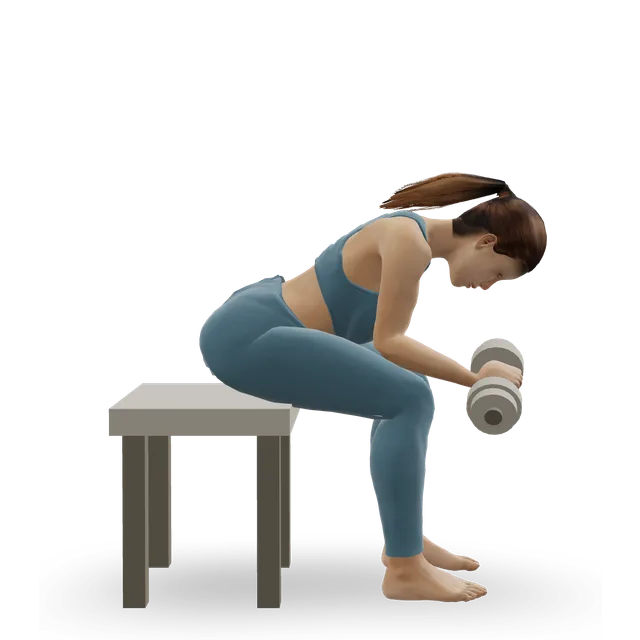
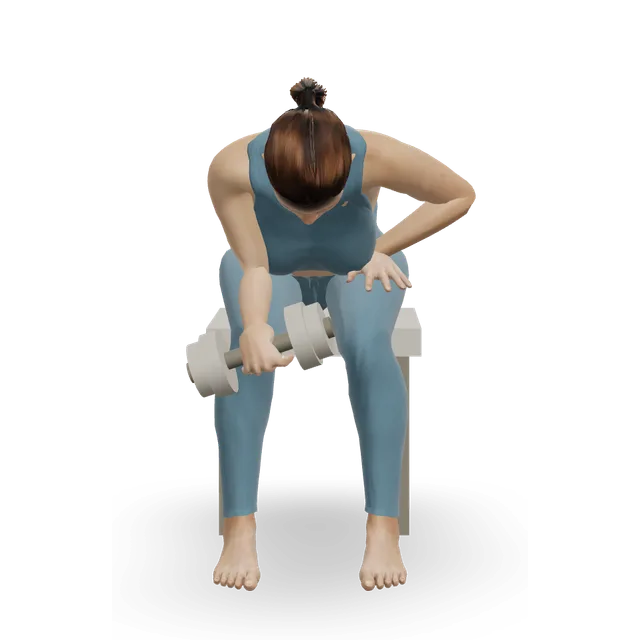
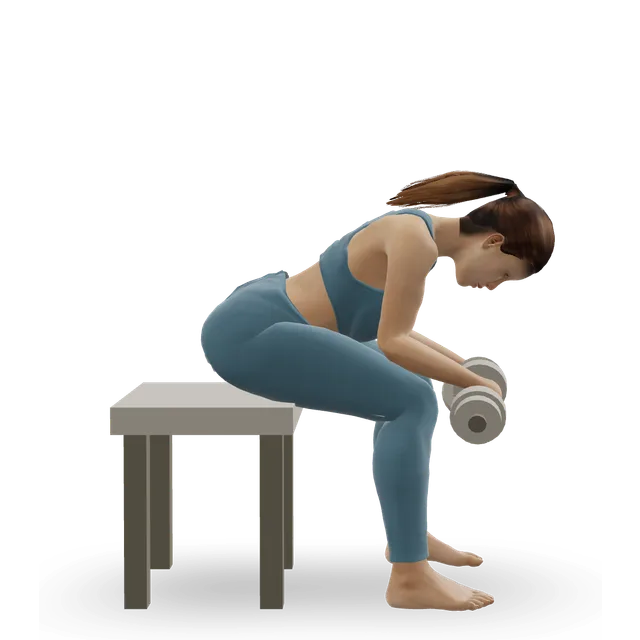
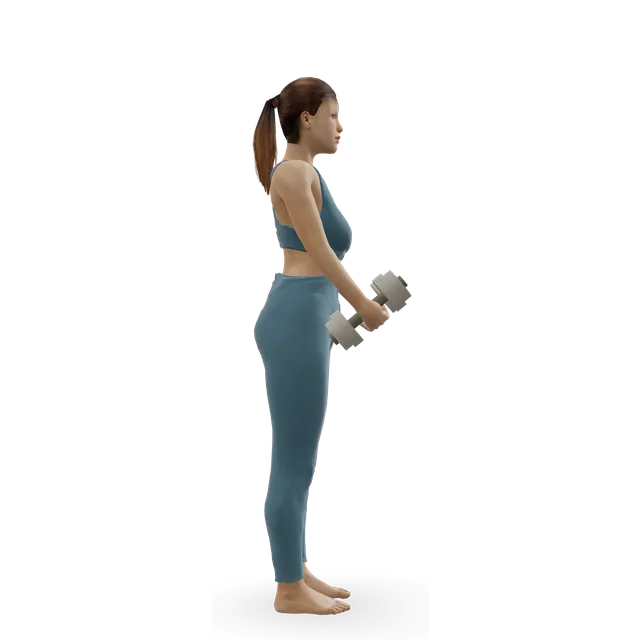
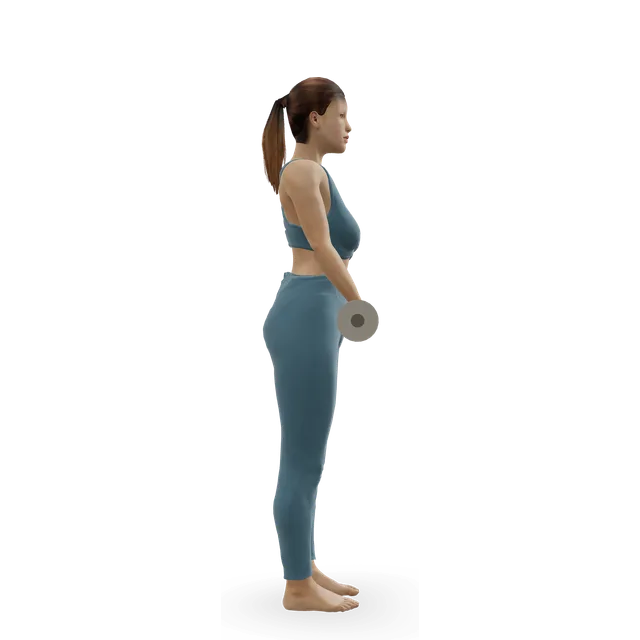
The JOSPT guideline recommends resisted exercise for the muscles that lift the wrist, of any of three kinds: still holds (isometric), lifting (concentric) or slow lowering (eccentric) (grade B). Its suggested dose is 3 sets of 15 for 6 to 12 weeks, moving from holds to lifting to lowering as tolerated, without making symptoms worse. No study described how the load was set, and no harms were reported. Across tendon problems, still holds were no better than lifting and lowering.
Sources 15, 37
Slow lowering may ease pain a little moreEmerging evidence
In a trial of 120 people doing daily home exercise for 3 months with gradually increasing load, slow lowering (eccentric) reduced pain faster than lifting (concentric), with about a 10% higher responder rate (10 people treated for one extra to respond) and more strength gain, but no difference in function or quality of life.
Pooling 6 trials (429 people), adding eccentric exercise improved pain and strength; against other strengthening, pain was slightly better with no difference in strength or function. Another review of 8 trials found large short-term effects but inconclusive long-term ones. A small trial of 34 people found lowering plus lifting plus still holds did best of three combinations at 4 and 8 weeks.
Sources 29, 30, 31, 38
The Tyler twist (a flexible bar)Emerging evidence
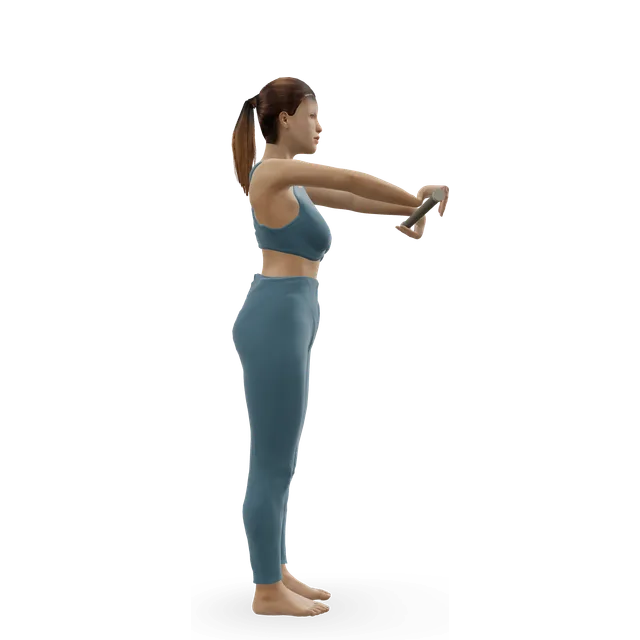
In a trial of 21 people with long-standing tennis elbow, adding a slow-lowering twist of a flexible rubber bar to standard physiotherapy for about 7 weeks gave larger improvements than physiotherapy alone: disability improved by 76% vs 13%, pain by 81% vs 22%, and tenderness and strength more too. The trial was small and scored 5 out of 10 for quality (the allocation wasn't concealed and follow-up was incomplete).
In a 30-person trial in India, the twist reduced pain more than a hands-on soft-tissue technique (active release); grip improved in both groups. Two small trials are encouraging, not proof. If you have a bar, it is a convenient way to do slow lowering; a light dumbbell does the same job.
Sources 32, 33, 34
Still holds (isometrics): a first step, not the whole answerEmerging evidence
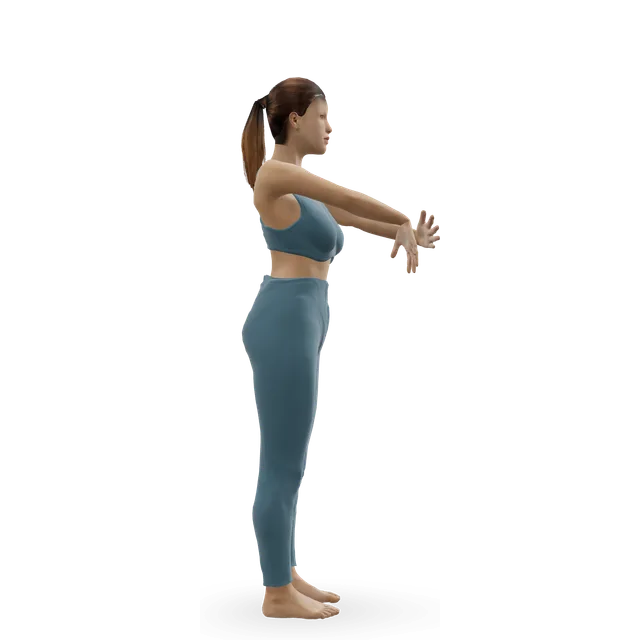
In 40 people, one physiotherapy session followed by 8 weeks of unsupervised daily wrist-lifting holds improved disability and worst pain compared with wait-and-see, but not overall improvement (29% vs 26%) or pain-free grip; the authors doubt it works as the only treatment. The guideline and consensus papers report that the trial used a container of water with a handle, at loads starting at 20% and rising to 35% of maximum strength.
Holds pushed above a person's pain threshold raised pain for at least 30 minutes; holds below it didn't. So holds are a sensible first step when lifting and lowering hurt too much, kept within the pain rule.
Sources 35, 15, 42, 36
Heavy slow resistance: not for everyoneMixed evidence
In 60 people doing 12 weeks of heavy, slow home training with elastic bands, disability improved by about 20 points out of 100 whether it was combined with a steroid injection, tendon needling or placebo needling; the steroid group did worse at a year. But in a Norwegian feasibility trial, only 6 of 19 people (32%) kept the heavy programme up, mainly because it aggravated their pain, and the authors judged it not suitable as delivered. It is not the gold standard.
Sources 39, 40
Stretching helps as part of a programmeMixed evidence
In 94 people, stretching alone, stretching plus lifting and stretching plus lowering all improved similarly at 6 weeks. The JOSPT guideline says stretching alone has no long-term advantage over stretching plus strengthening. A UK consensus protocol keeps forearm stretches, 3 holds of 30 seconds before and after loading, partly because people reported immediate relief, and an NHS Scotland booklet does them after the strengthening.
Sources 41, 15, 42, 19
Shoulder and shoulder-blade exercises add little for mostMixed evidence
The JOSPT guideline suggests adding shoulder and shoulder-blade strengthening only when weakness is found there (grade C): one trial showed no added value and another a small effect. The UK consensus protocol includes some shoulder work. The rows and band rotations in this plan cover it.
Sources 15, 42
Straps: relief while you wear themMixed evidence
Forearm straps and wrist splints give an immediate drop in pain and a better grip; long-term benefit is unproven (JOSPT: conflicting evidence). In one placebo-controlled trial of 31 people, a counterforce brace eased pain at rest from 2 to 12 weeks and function at 26 weeks. A UK care pathway allows a strap as an option.
Sources 15, 45, 14
PRP, shockwave and surgeryStrong evidence
Cochrane reviews found little or no benefit over a placebo from platelet-rich plasma (PRP) or blood injections (pain 0.16 points better out of 10 at 3 months) and from shockwave therapy (9 trials, 1,006 people). A UK care pathway recommends strongly against shockwave, and NICE allows shockwave and blood injections only with special arrangements because the benefit is uncertain.
There is no evidence that surgery beats a placebo operation. The NHS mentions surgery after 6 to 12 months, but recovery chances keep rising with time, so it is rarely needed.
Sources 46, 47, 14, 48, 49, 50, 51, 1
Other treatments a physiotherapist may offerMixed evidence
Manual therapy such as mobilisation with movement: JOSPT grade B for short-term pain relief and grip, though the Cochrane review found only one small, low-certainty trial against a placebo. Dry needling: JOSPT grade B, but a UK care pathway found no evidence of benefit over placebo. Rigid taping: grade B for immediate relief; kinesiology tape and laser: grade C, weak. Ultrasound and cross-friction massage: conflicting evidence (grade D), though the NHS page still lists ultrasound.
Sources 15, 27, 14, 1