3D demo
Dumbbell reverse curl
Strength · Forearms, Biceps
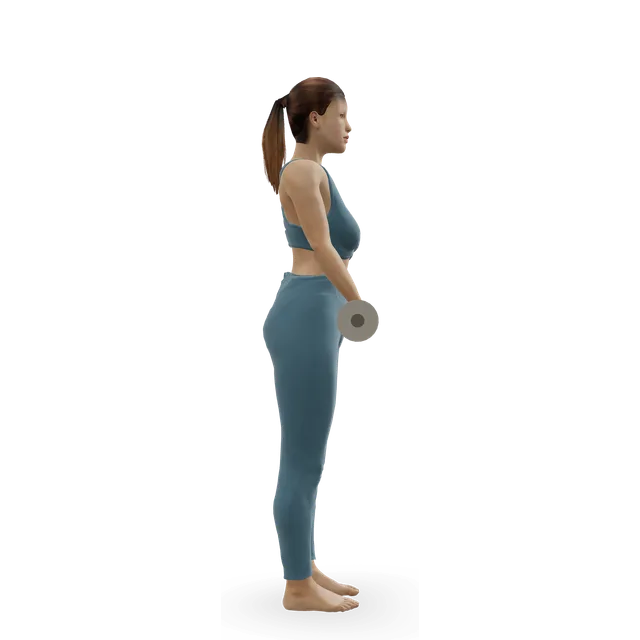
Loading the 3D figure…
The figure repeats the movement from its starting position. Drag to turn it; the arrows open the demos either side.
The dumbbell curl with an overhand grip, the knuckles forward: the reverse curl with dumbbells, the forearms doing more of the work.
Biceps curl family
Dumbbell reverse curl
Source-researched guide.
Form cues
- Use light dumbbells.
- Keep the wrists straight.
Practice and cautions
No universal dose is assigned. Choose a manageable amount for your current capacity, leave room for controlled repetitions, and allow recovery. A clinician’s individual plan takes priority.
Palm-down lifting loads the tendons at the outer elbow most; with tennis elbow, bring it back last. This is movement education, not an assessment or treatment prescription. Stop for sharp or increasing pain, dizziness, numbness or tingling; seek individual guidance for symptoms, injury or restrictions.
Sources and review status
Sources support the educational description; they do not establish that this exercise is suitable for you.
- ACE · Reverse biceps curl, palms down (intermediate) ↗
- Kohn 2018 · Elbow flexion strength by forearm position (palms down about half as strong as palms in; Physiol Rep) ↗
- Free Exercise DB · community text ↗
Unlicense · Free Exercise DB contributors; derived from wrkout/exercises.json. Text import; no photographs or media. · Revision f00c92c7dcf1216a928a52c3706c7ce8e2f71ed5
No variation is labeled clinically validated.
What it works
Muscles
Anatomy: Brachioradialis, Wrist and finger flexors, Wrist and finger extensors, Pronator teres, Biceps brachii, Brachialis.
Equipment
A dumbbell
Level
Intermediate. See the easier and harder options above.
Workouts that use it
Pain guides that use it
Part of a staged plan, with when to get help first.
- Tennis elbow: exercises that help, and honest answers on straps and injections
- Elbow pain when lifting: tennis and golfer's elbow, a torn biceps tendon, how to lift and what helps
- Elbow pain in women: tennis and golfer's elbow, work and babies, nerves, arthritis and the menopause
- Elbow pain in men: tennis and golfer's elbow, lifting and trade work, a torn biceps, nerves and gout
- Elbow pain when doing bicep curls: the front, inside and outside of the elbow, grip and what helps
- Wrist pain when doing bicep curls: the thumb side, the little-finger side, grip, bars and what helps
Guides that use it
Similar moves
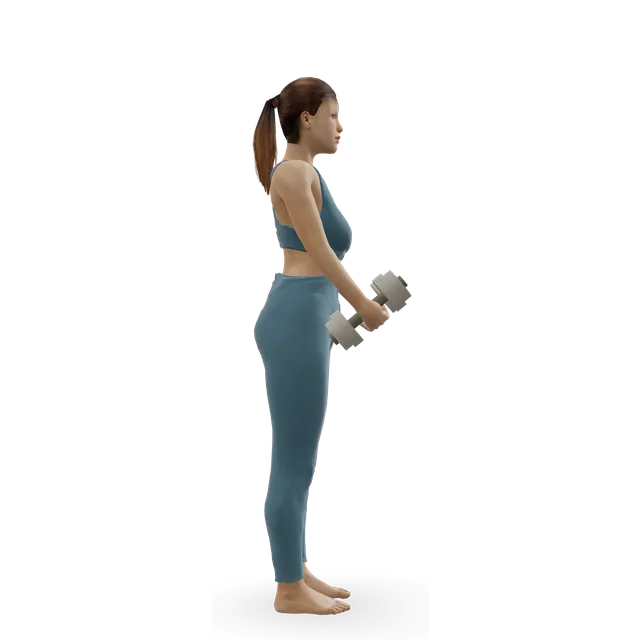 3D demoHammer curlBeginner · A dumbbell
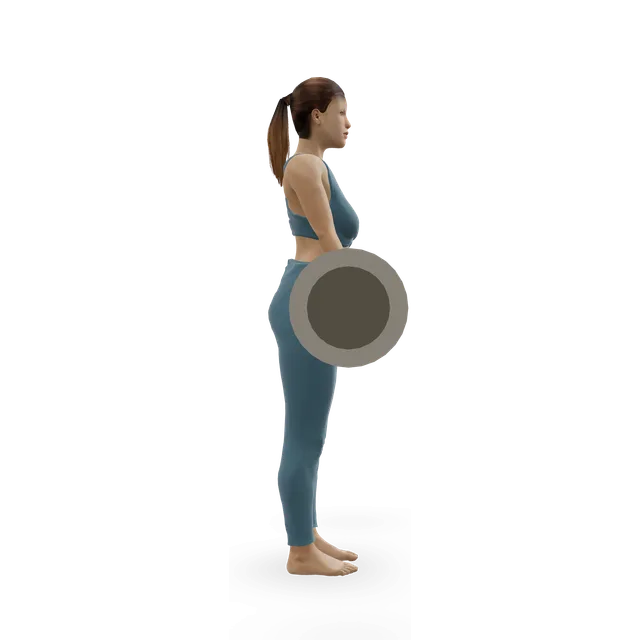 3D demoReverse barbell curlIntermediate · A barbell
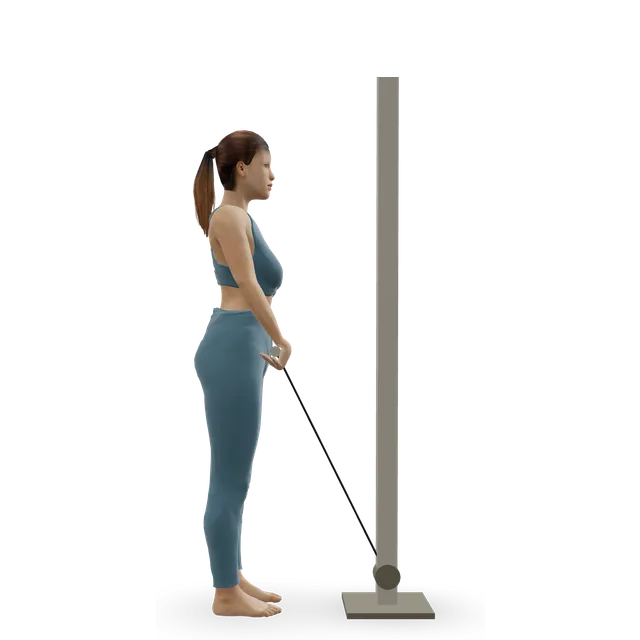 3D demoReverse cable curlIntermediate · A cable machine
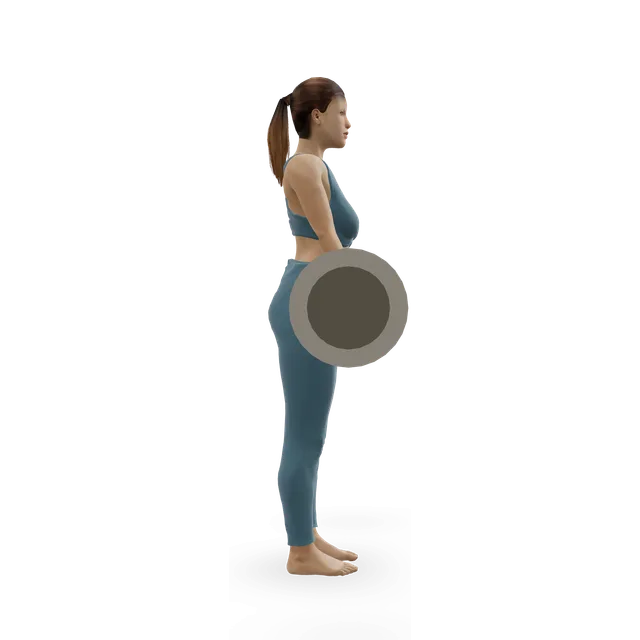 3D demoReverse plate curlBeginner · Weight plates
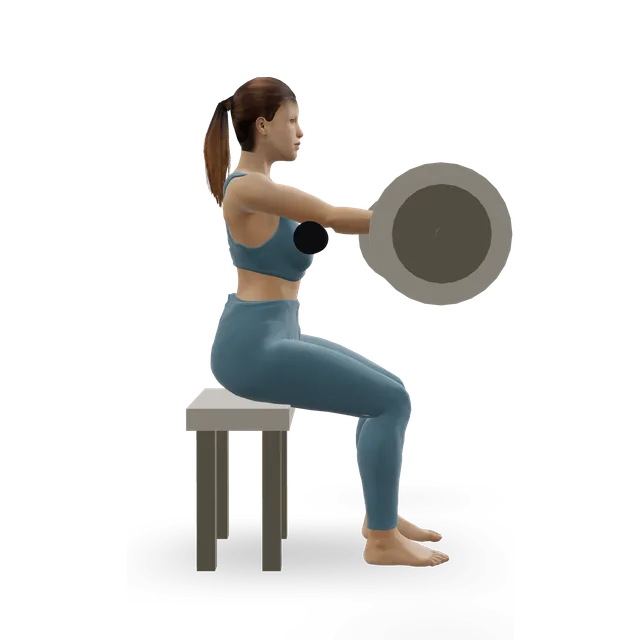 3D demoReverse preacher curlIntermediate · A barbell + A bench or box
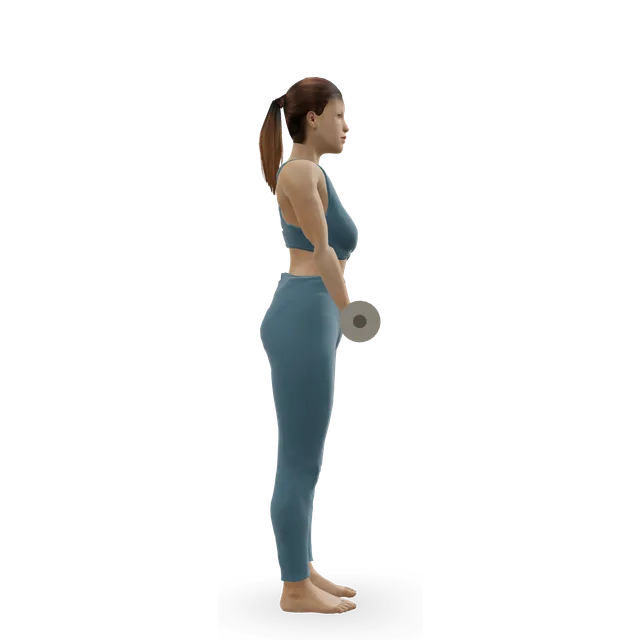 3D demoZottman curlIntermediate · A dumbbell
Browse more
Questions people ask
What muscles does the Dumbbell reverse curl work?
Mainly the forearms and biceps.
What equipment do I need for the Dumbbell reverse curl?
A dumbbell.
Is the Dumbbell reverse curl good for beginners?
It is graded intermediate. If it is too hard right now, start with the Seated dumbbell curl.
What is an easier alternative to the Dumbbell reverse curl?
Try the Seated dumbbell curl or the Biceps curl machine. Both are written steps in the same progression.
How do I make the Dumbbell reverse curl harder?
Progress to the Chin-up or the Gironda sternum chin-up. Follow that guide’s technique and any stated timing.