What a curl asks of the elbow, and what no study has countedEmerging evidence
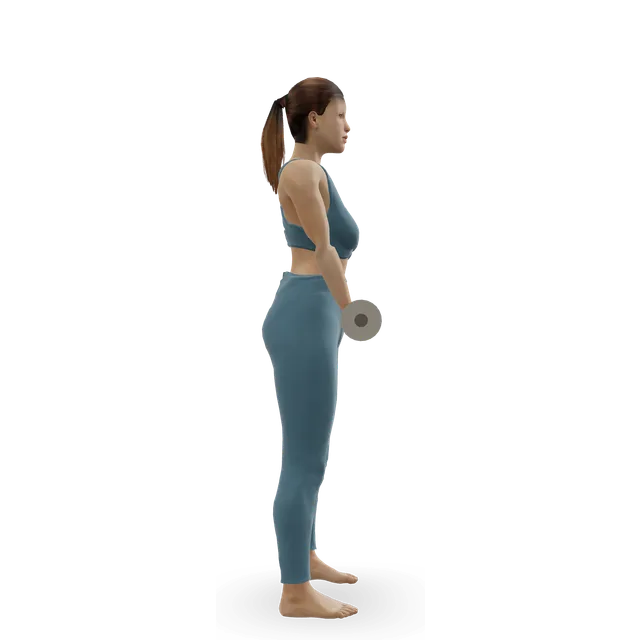
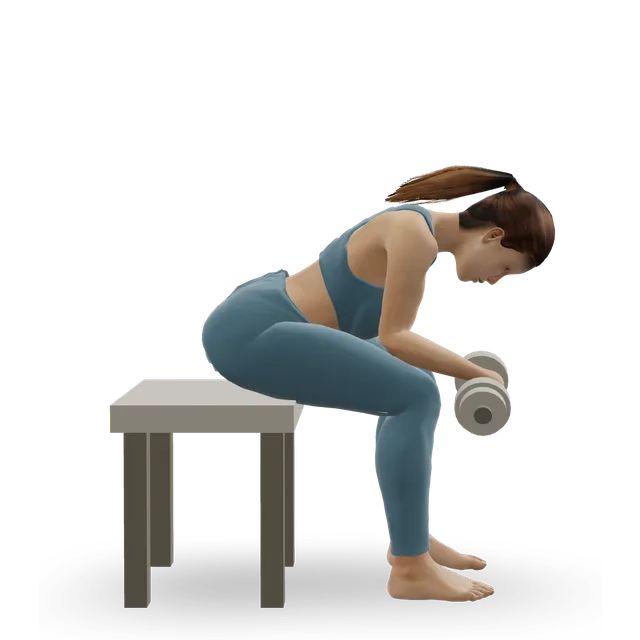
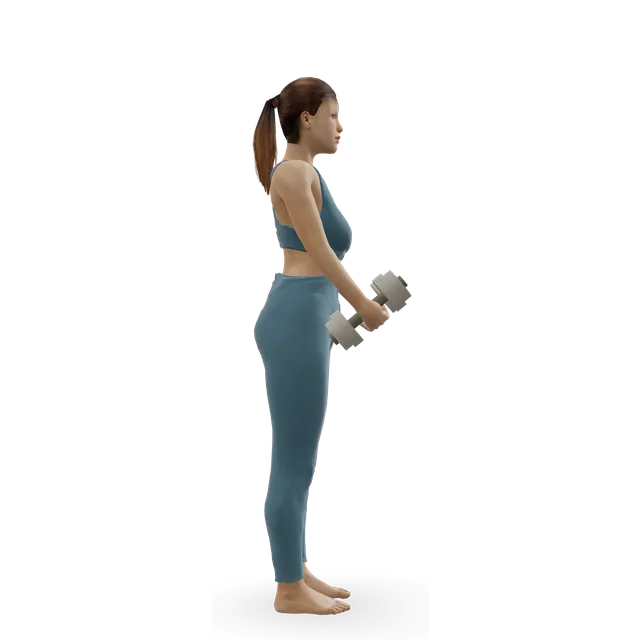
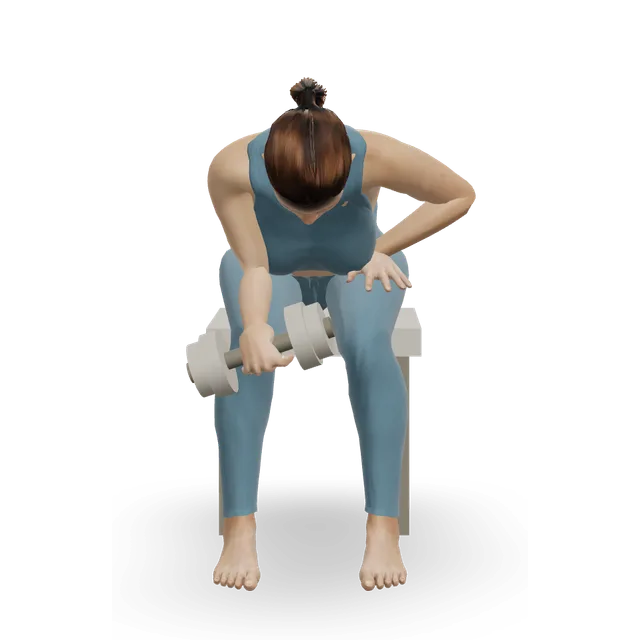
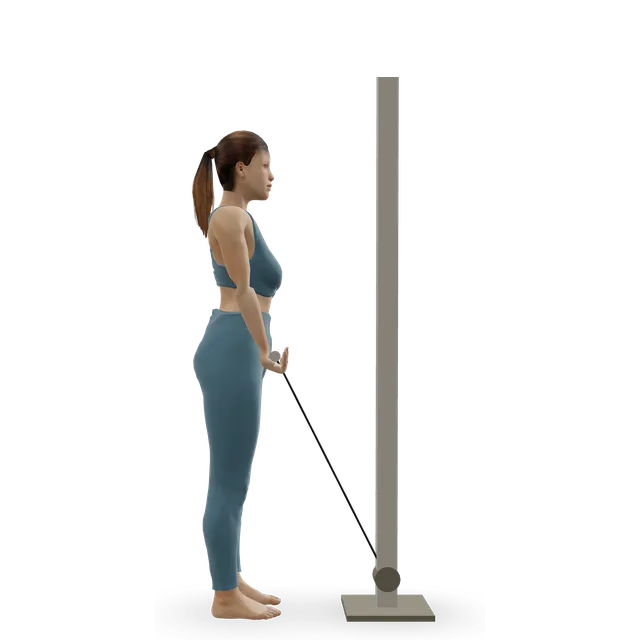
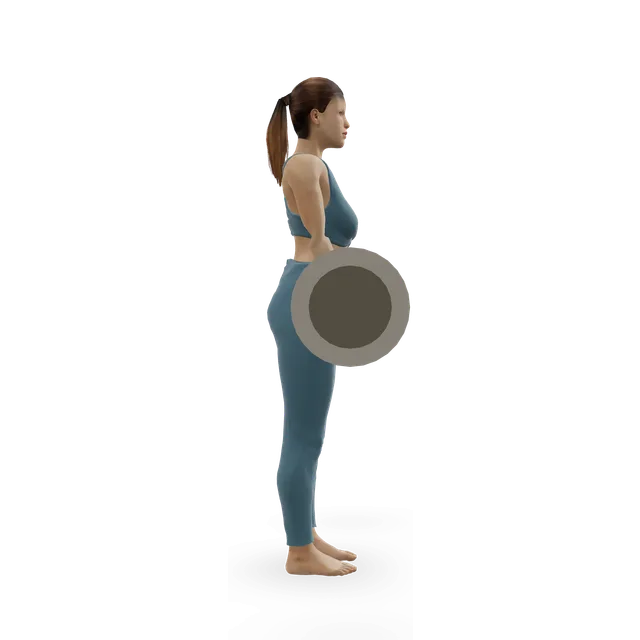
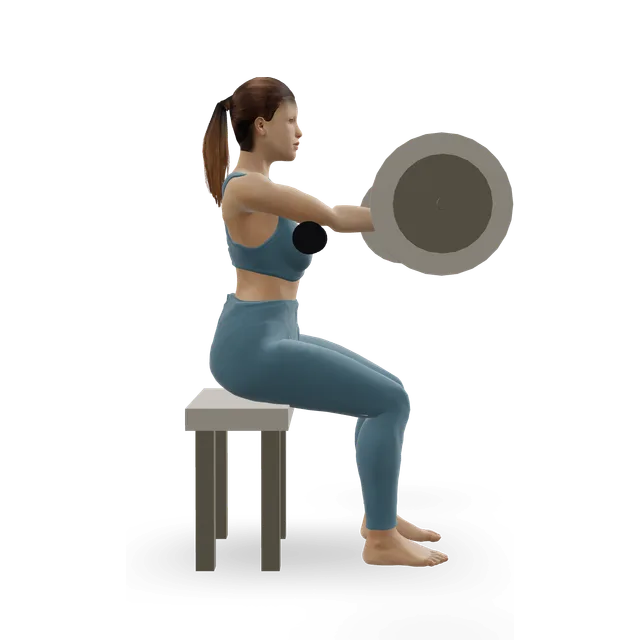
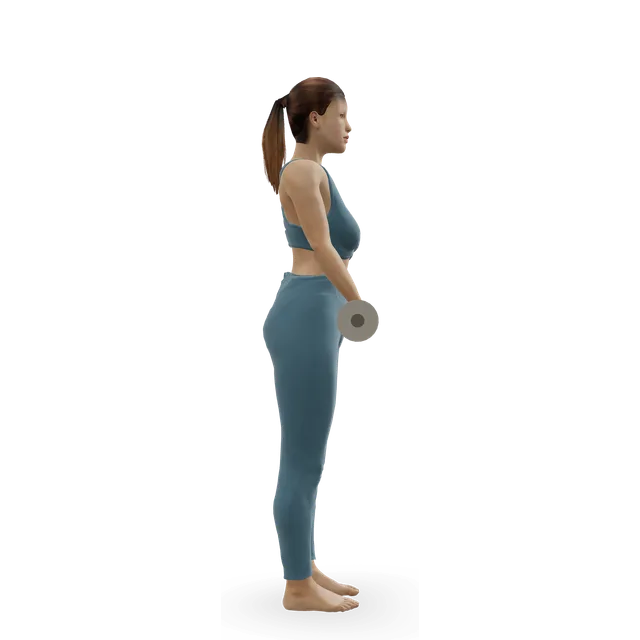
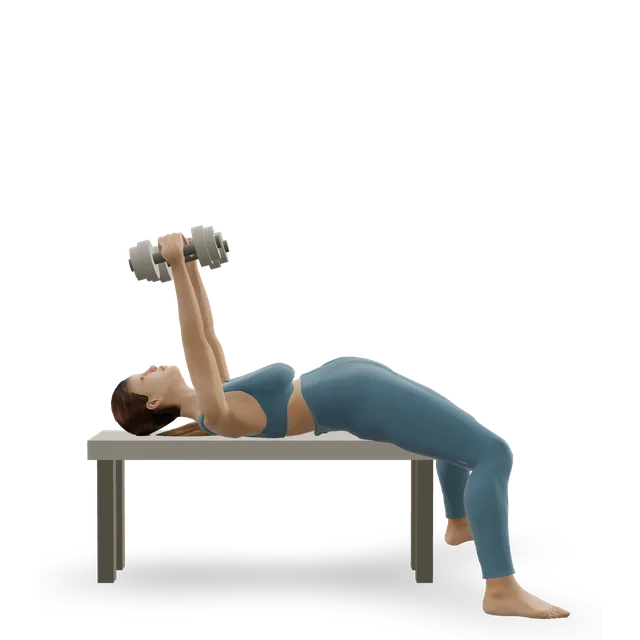
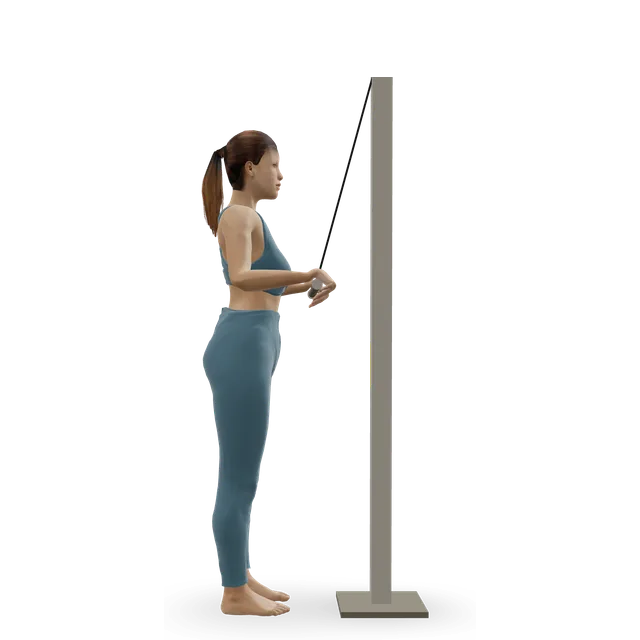
A curl bends the elbow against a weight and lowers it back to straight. Three muscles bend the elbow: the biceps, which also turns the palm up and attaches just below the crease; the brachialis underneath it; and the brachioradialis along the thumb side of the forearm. The muscles that grip the bar start on the bony bumps on the inside and outside of the elbow.
No study counts elbow pain caused by curls, so the map on this page is built from condition studies, lab studies of curl grips, soreness research and health-service pages. Pain usually comes when the load, or a jump in it (heavier sets, more curling days, a new variation, heavy lowering, a straight bar, many sets to failure), gets ahead of what the tendons are used to. NHS referral guidance says pain from the biceps tendon at the elbow is "usually due to a change in load", and NHS inform says tennis and golfer's elbow are often "due to overloading" the tendon.
Curls themselves aren't the problem. NHS inform's elbow and tennis elbow programmes use elbow bending and wrist curls, and an NHS hand therapy leaflet for stiff elbows uses weighted curls "10 to 20 times, 2 to 3 times per day".
Sources 1, 2, 3, 4, 5, 6, 7
Where it hurts: the front, the inside, the outside and the nervesEmerging evidence
The front: NHS referral guidance says biceps tendon pain at the elbow is felt "typically deep in the antecubital fossa" (the crease) "on resisted supination" (turning the palm up against resistance), is often painful when you start an activity and sometimes stiff in the morning. Sources disagree on how common it is: that guidance calls it "relatively common", a review "very rare", and a 2026 review says its incidence is unknown. Occasionally the brachialis is the source: one case report describes its tendon tearing in a competitive lifter during a 40.8 kg curl, and it healed without surgery.
The outside: tennis elbow causes pain around the outside of the elbow, worse lifting or bending the arm, gripping and moving the wrist, and is commonest between 35 and 54. In a lab study of 40 healthy arms, the muscle at the heart of tennis elbow worked harder with the forearm turned palm down, which fits reverse curls and palm-down grips aggravating it. The inside: golfer's elbow causes pain around the inside bony part of the elbow and into the forearm, from repeated gripping; it is up to 6 times less common than tennis elbow.
The nerves: the ulnar nerve gives "numbness or tingling of the little and ring fingers", often "provoked by leaning on the elbow or holding the elbow in a bent position", and worse sleeping with the elbow bent. Radial tunnel syndrome, an uncommon and debated nerve problem, gives pain in the forearm muscle 3 to 5 cm below the outer bump, which turning the palm up against resistance can bring on. A nerve in the neck can cause elbow pain "even when you don't feel pain in your neck", NHS inform says. Pain at the back of the elbow when the arm snaps straight is mostly a throwing problem, though 4 of 36 athletes in one surgical series were weightlifters.
Sources 1, 8, 9, 10, 11, 4, 12, 3, 13, 14, 15, 2
Soreness after new or heavy curls is common and normalStrong evidence
Hard lowering of the elbow benders is the standard way researchers bring on muscle soreness, so it is well studied. Soreness "typically appears 12 to 24 h after" new lowering work, "peaks at between 24 and 72 h" and disappears "within 5 to 7 days", and how sore you feel tracks muscle damage poorly. The same session leaves you less sore the next time.
Range matters in the lab: in 10 men, lowering into a fully straightened elbow damaged the biceps as well as the brachialis, and in 12 men a 120-degree range cost more strength (35%), more straightening (11.5 degrees) and more soreness than a 60-degree range. These were maximal efforts in healthy young men, harder than a usual gym set.
Sources 16, 17, 18
A torn biceps tendon: uncommon, but time-sensitiveStrong evidence
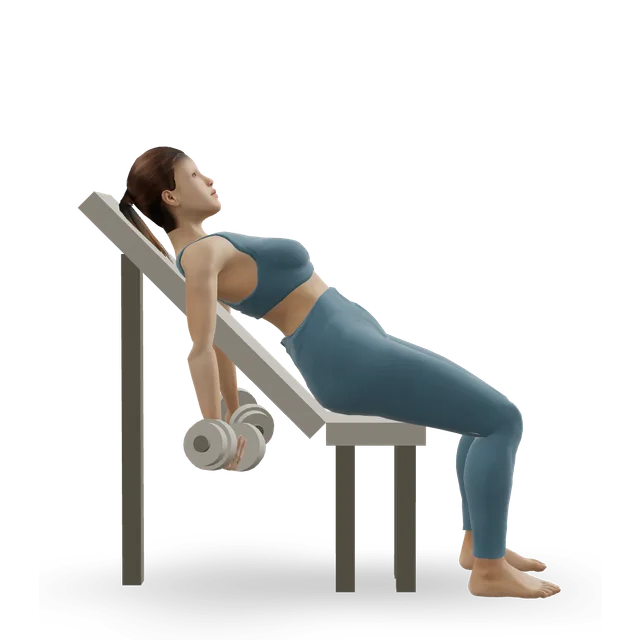
Complete tears of the biceps tendon at the elbow affected 1.2 people per 100,000 a year in one health plan (14 people, mean age 47, every one describing a load forcing a bent elbow straight, with smokers at 7.5 times the risk) and 2.55 per 100,000 in a US insurance database (mean age 46, 95% men). The American Academy of Orthopaedic Surgeons (AAOS) says 3 to 5 people per 100,000 a year, "and rarely in women". Surgery for it has become more common in Finland and Sweden. One case report describes both tendons tearing in a preacher curl, but no study shows any curl is riskier than another.
The signs are often a pop, severe pain that "may subside after a week or two", swelling and bruising at the front of the elbow, weak elbow bending and palm-up turning, a bulge in the upper arm and a gap at the front. The hook test (hooking a finger under the tendon) was abnormal in all 33 complete tears in one surgeon's series, but found only 78% of tears overall and 30% of partial tears in another series of 202, so a normal test doesn't rule a tear out.
Timing matters: the AAOS says repair is "ideally performed during the first 2 to 3 weeks after injury", and NHS referral guidance sends a suspected tear to the orthopaedic team the same day. An NHS trust leaflet says "the sooner the operation can be carried out following the injury the better".
Sources 19, 20, 21, 22, 23, 24, 25, 26, 27
What a scan shows, and when it mattersStrong evidence
Most curl-related elbow pain is recognised from where it hurts and what brings it on; neither NHS inform's nor the NHS's elbow pages suggest a scan for ordinary elbow pain. A suspected tear is different. The AAOS says X-rays don't show the tendon but rule out other causes, ultrasound can show a pulled-back tendon, and an MRI (magnetic resonance imaging) scan shows partial and complete tears better; when a complete tear is obvious on examination, no scan may be needed.
Scans have limits: MRI found all 24 complete tears but only 59.1% of 22 partial tears in one surgical series, and studies disagree on whether ultrasound or MRI is more accurate, which depends partly on the operator. After a fall or knock, an X-ray decides about a fracture: in one large study, nearly half of people who couldn't fully straighten the elbow after an injury had a fracture.
Sources 2, 38, 19, 30, 31, 32, 9, 33, 34
How it usually goesEmerging evidence
Soreness fades within 5 to 7 days. Pain from the biceps tendon at the crease: "Most patients improve with non-operative management", "within weeks to months", but it "may persist for several years", NHS referral guidance says; in 78 people with partial tears, about half did well without surgery at 6 months whether they had an injection, physiotherapy or waited, and in another series more than half of those who tried non-surgical care had surgery in the end. Tennis elbow "usually goes away with rest but can sometimes last over a year", the NHS says, and NHS inform says new elbow pain "should begin to settle within 6 weeks" in many cases.
After a repaired tear, NHS trust leaflets expect people to get back to about 90% of their strength, gym work around 12 weeks, and full recovery can take up to 18 months. No one can promise a date.
Sources 1, 35, 36, 11, 2, 16, 37, 27
Rare but serious: the heart, a hot joint and muscle breakdownEmerging evidence
The NHS sends arm pain that comes on suddenly with pressure, heaviness or squeezing across the chest to 999, and asks for NHS 111 if your arm "hurts when you exercise but the pain goes away when you rest", which can be angina. A hot, swollen joint, especially with a high temperature, can be an infection and needs same-day care.
Muscle breakdown (rhabdomyolysis) is rare but matters after big, unaccustomed sessions. Lowering a weight in a curl is the kind of contraction that causes the most muscle damage, and a review calls unaccustomed exercise "the primary determinant"; dark pee is "a cardinal sign". After 50 maximal lowering curls, 51 of 203 healthy volunteers passed the blood-test level used to diagnose it, with no kidney harm, and one laboratory saw serious reactions in 3% of volunteers in a year. In 136 people treated in Norwegian emergency departments, 78% had been strength training and 76% had arm involvement, but only 37% had dark pee; three women admitted after one upper-body session had no brown pee at all. That 76% comes from one cohort, and no case report found names curls as the trigger. So muscles far sorer, more swollen or weaker than the session explains need a same-day check even without dark pee.
Sources 38, 39, 40, 41, 42, 43, 44, 45, 46