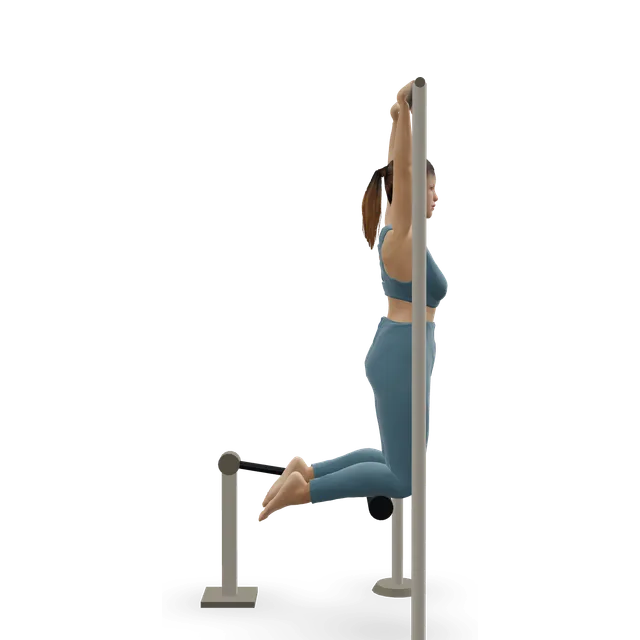
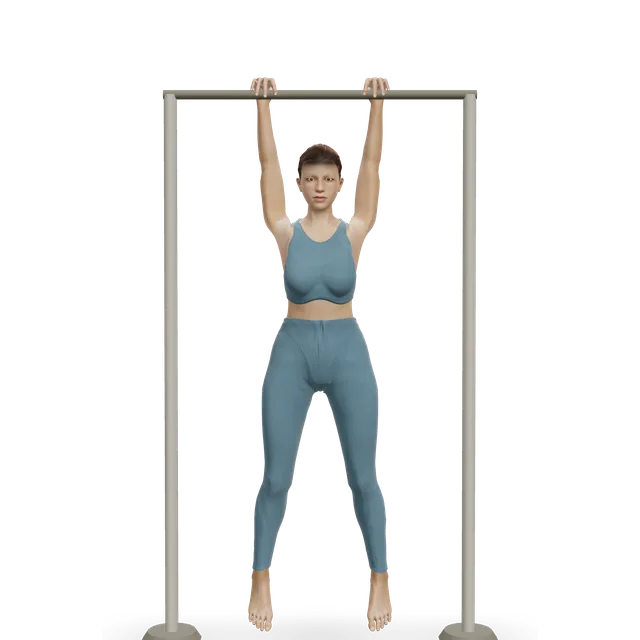
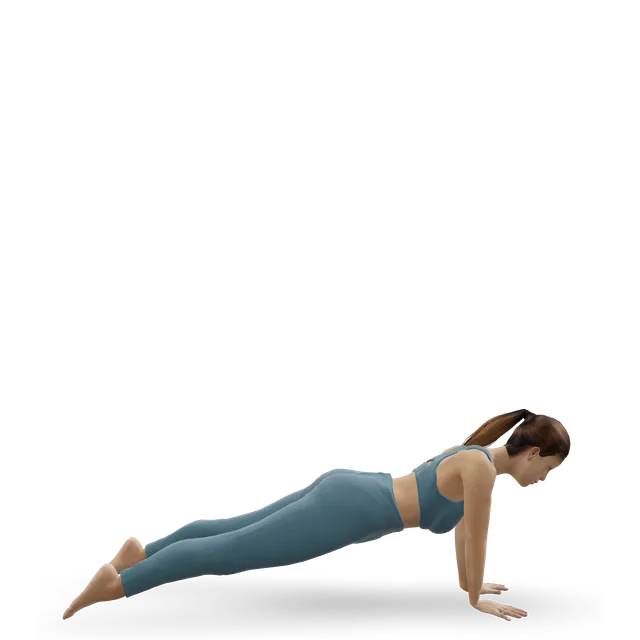
A row under a bar
Hang under a fixed bar at about waist height with straight arms and your heels on the floor, keep your body straight, and pull the middle of your chest to the bar. Lower slowly until your arms are nearly straight.
Training guide
An inverted row, also called an Australian pull-up or bodyweight row, is a row with your body under a bar: you hang at arm's length with your heels on the floor and your body straight, then pull your chest to the bar. It works your back, the backs of your shoulders and your biceps.
You can make it easier or harder just by changing the bar height, which makes it a step towards the pull-up and a hard row in its own right. The more level your body, the more of your weight you pull, but only one small study has measured how much, so the steps by angle on this page are coaching practice.
This guide shows you how to do it under a bar, on rings or on straps, how to set up safely at home, and the steps from band rows to feet-raised and tuck rows. It covers what it works, how many to do, and how it compares with pull-ups and other rows, with a 3D demo of each step.
Hang under a fixed bar at about waist height with straight arms and your heels on the floor, keep your body straight, and pull the middle of your chest to the bar. Lower slowly until your arms are nearly straight.
In 13 men and 13 women, the lats, biceps, lower trapezius and back of the shoulder worked above 61% of their maximum, with either grip.
Source 3
In one study of 12 trained athletes on suspension straps, with the body nearly level, the arms took about 70 to 76% of body weight. No study has measured other angles; raising the bar or bending your knees makes it easier, and lowering the bar or raising your feet makes it harder (coaching practice).
Of three rows tested in 7 men, the inverted row loaded the lower spine least, so it suits a back that tires in the bent-over row.
Source 5
3 sets of 6 to 12, stopping 2 or 3 reps short of failure, with about 90 seconds' rest, as our pull-up guide and first pull-up workout use. When you can do 20 or more, make it harder: Catalyst Athletics suggests sets of 5 to 20.
Source 2
The one pull-up training trial used inverted rows with assisted pull-ups, chin-ups and slow lowering, and pull-ups rose in every group. Our first pull-up workout tries a chin-up once you can do 10 inverted rows at a low bar.
Source 6
Inverted row, Australian pull-up and bodyweight row are names for the same pull: you hang under a bar with your heels down and row your chest up to it. Ring rows and suspension trainer rows are the same pull on rings or straps.
Your lats, the middle and lower trapezius and rhomboids between your shoulder blades, the back of your shoulders and your biceps. Your trunk, glutes and the back muscles beside your spine hold your body in a straight line.
The studies use EMG (electromyography: electrodes measuring how hard a muscle works over a few reps). It isn't a validated predictor of growth, so treat these numbers as clues, not verdicts.
Source 8
In 13 men and 13 women on a portable bar, the biceps, lats, lower trapezius and back of the shoulder worked above 61% of maximum whether the palms faced down or up and whether one foot or two stayed on the floor. The upper and middle trapezius worked at 41 to 60%. Lat activity differed a little by grip with both feet down.
Source 3
In 26 adults, the six-pack and outer obliques worked at 34 to 40% of maximum and the back muscles beside the spine at 54 to 66%. The authors note that physiotherapists use the row early in rehabilitation for shoulder impingement.
Source 7
In 7 men comparing a standing bent-over row, an inverted row and a one-arm cable row, the inverted row drew the most lat, upper-back and hip-extensor activity with the lowest load on the lower spine. The bent-over row loaded the lower spine most.
Source 5
In 12 trained male track athletes rowing on suspension straps that hung straight down, with the body straight and nearly level, the arms took 69.5 to 75.7% of body weight, equal to about 66 to 73% of their lying barbell row maximum, with similar muscle activity to that row. Feet in the straps took slightly more. It's one small study, and no study has measured other body angles.
Source 4
Coaching bodies make the row harder by lowering the bar or raising the feet and easier by raising the bar, and Catalyst Athletics aims for a body that's horizontal at the top of the row. The size of each step hasn't been measured.
Across 18 studies, suspension versions drew more muscle activity than stable ones for most exercises, but not for the inverted row. In 25 adults, suspension raised the activity of at least one muscle in each exercise tested, and in 14 men straps changed muscle activity less in pulls than in pushes.
In 30 inactive men, 8 weeks of a pull-up routine twice a week, with assisted pull-ups, inverted rows with the feet on the ground, chin-ups and slow lowering, 3 sets each, raised pull-ups in every group: from 4.3 to 7.0 with interval training, 2.7 to 6.5 with core work and 4.0 to 12.9 with forearm work. The rows can't be separated from the rest.
Source 6
From the coaching guidance of the National Academy of Sports Medicine (NASM) and Catalyst Athletics, and our move page, which says to test the bar before you hang from it.
Loading the 3D figure…
The movement on the figure: Inverted row
The flatter your body, the more of your weight your arms pull: about 70 to 76% with the body nearly level in one study of trained athletes. Standing more upright takes some of that away, but nobody has measured how much at each angle.
Raise the bar, bend your knees with your feet flat, or use rings or straps and walk your feet back so you stand more upright.
Source 2
Lower the bar, straighten your legs, raise your feet on a box or bench, pause for a second or two at the top, or lower more slowly. The inverted tuck row is the advanced step.
When every set reaches the top of the range, make one thing harder, then drop back to the bottom of the range: add reps, then slow the lowering, then move to the harder option, as our plans advise for body weight moves.
Move on when every set reaches 12 with a pause at the top and your body straight (our editorial rule). Band rows, 3 sets of 10 to 15, 60 to 90 seconds' rest (its move page's dose); upright ring rows, 1 to 2 sets of 8 to 12, walking your feet forward to make them harder (our pull-up challenge workout); the suspension trainer row, 2 to 3 sets of 8 to 12 (its move page's dose); the inverted row with bent knees, then a straight body, 3 sets of 6 to 12, lowering the bar as it gets easy (our calisthenics and first pull-up workouts); ring rows at the same sets (editorial) and the strap row, 2 to 3 sets of 8 to 12 (its move page's dose); the inverted tuck row, 2 to 3 sets of 3 to 8, 1 or 2 reps in reserve (its move page's dose), only once you have several strict pull-ups. No demo shows the feet-raised row: lift your feet onto a box at the same sets.
 3D demoBand rowBeginner · A band + An anchor point
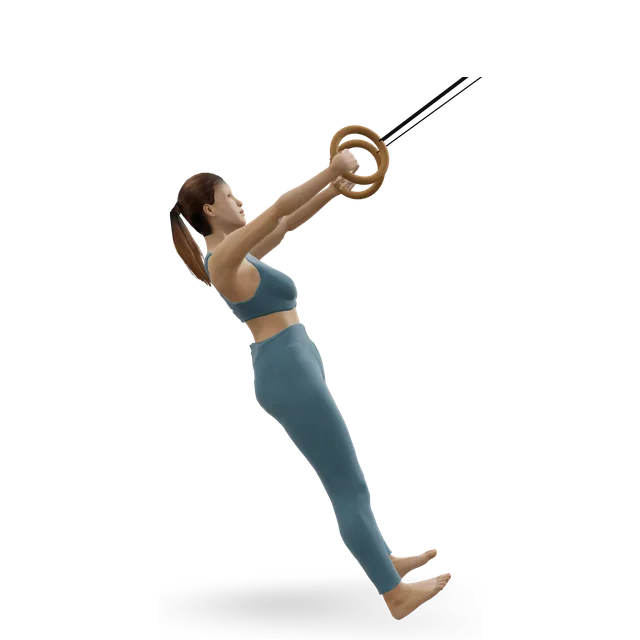 3D demoIncline ring rowBeginner · Gymnastic rings
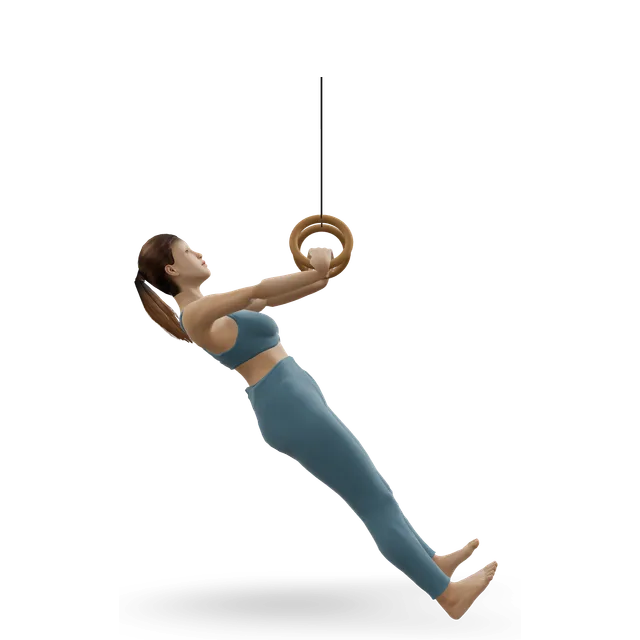 3D demoSuspension trainer rowBeginner · Other / check instructions
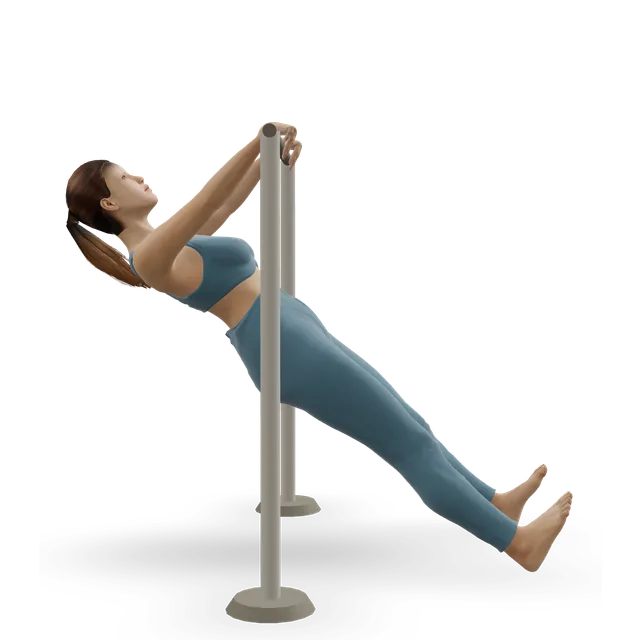 3D demoInverted rowIntermediate · Pull-up bar
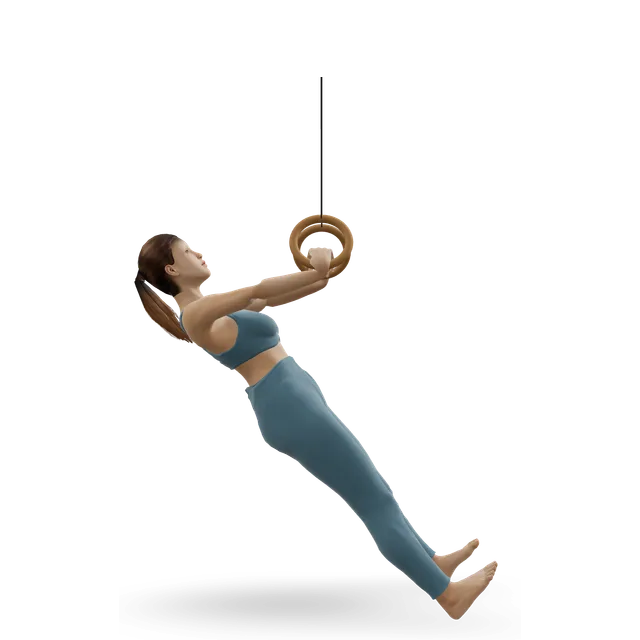 3D demoRing rowBeginner · Gymnastic rings
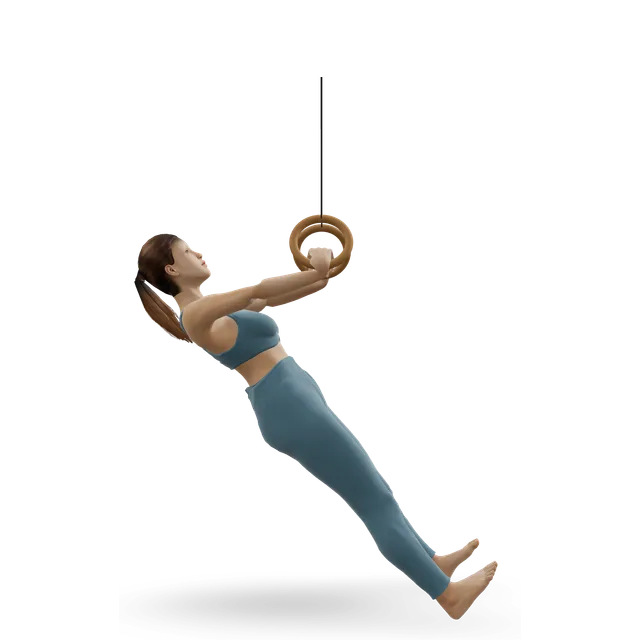 3D demoInverted row on suspension strapsBeginner · Other / check instructions
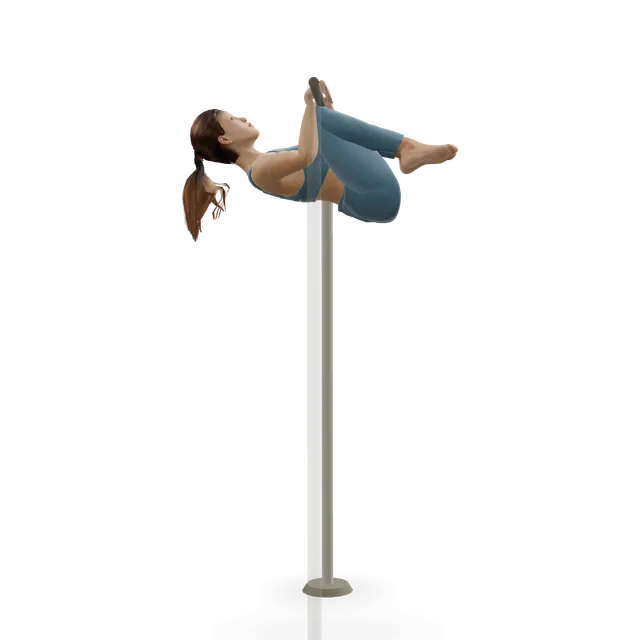 3D demoInverted tuck rowAdvanced · Pull-up bar
3 sets of 6 to 12, as our first pull-up, more pull-ups and calisthenics workouts use; our bent-over row guide gives 3 to 4 sets of 6 to 12 as its editorial starting point. Catalyst Athletics suggests sets of 5 to 20; past 20, move up a step.
Source 2
Stop 2 or 3 reps short of failure: 2 or 3 RIR (reps in reserve: how many more reps you could have done). Leave 3 or 4 in your first two weeks. Going to failure added a trivial amount of growth at most across 15 studies, and people underestimate the reps they have left by about 1.
About 90 seconds, as our pull-up guide and more pull-ups workout use. A review found a small growth benefit from resting more than about 60 seconds.
Source 14
Two or three times a week as part of your pulling. Each set counts as a back set and about half a biceps set. Our pull-up guide starts at 6 to 12 hard pulling sets a week if a pull-up is your goal, building towards 12 to 18; about 10 or more hard sets a week builds a muscle, and how often you train it made little difference when weekly sets matched.
Our first pull-up workout tries a chin-up once you can lower yourself for about 5 seconds and do 10 inverted rows at a low bar.
Squeeze your glutes and keep your hips up in line with your body, as our move page cues; bend your knees if you can't.
Lead with the middle of your chest, not your chin.
Source 1
Bring your chest to the bar and lower until your arms are nearly straight.
Source 1
Keep your shoulders down away from your ears as you pull (coaching practice).
Set it so you can reach the bottom of your rep range; if you can do 20 or more, lower it, as our calisthenics workout advises.
A bar that can roll, a table that can tip or a strap anchor that can slip. See the home set-ups below.
A bar fixed solidly at about waist height, rings or a suspension trainer on a secure anchor, or a sturdy table that can't tip. Our move page says to test the bar, rings or table edge with your feet still on the floor before you hang your weight from it; an unsecured or rolling bar is the main way this one goes wrong.
Only a heavy, sturdy table that can't tip towards you, as our arm challenge workout says. Lie under the edge, grip it with your hands about shoulder-width apart, and row with your knees bent at first.
Check that the anchor and straps will hold your full weight before you lean back, as our move pages say. Walk your feet back to make it easier and forward to make it harder.
Band rows train the same pull: anchor the band at chest height in a closed door, on the hinge side, and check it before every set, as our workouts advise.
Rows pull towards your chest and pull-ups from overhead, and both work the lats, biceps and the muscles between your shoulder blades. Do both if you can.
Source 3
You can make a row easier or harder for any level just by moving the bar, which is why our pull-up guide puts rows on its ladder and the one pull-up training trial used them.
Source 6
Chin-ups and pull-ups produced the highest spine loads of the pulls tested in one study, and the inverted row the lowest lower-spine load of three rows in another.
The inverted row drew more lat and upper-back activity with less lower-spine load in 7 men. Our bent-over row guide covers the barbell row.
Source 5
In trained athletes, a near-level suspended inverted row equalled about two-thirds of their lying barbell row maximum, with similar muscle activity.
Source 4
They train the same pulling muscles and are easier to load in small steps; our dumbbell row and seated cable row guides cover them.
Rows usually suit sore shoulders better than overhead pulls, and physiotherapists use them early in rehabilitation for shoulder impingement. Keep pain during exercise to about 5 out of 10 or less, settling by your next session, the rule our shoulder guides use, and see a GP if shoulder pain gets worse or doesn't improve after 2 weeks.
Discomfort up to about 3 to 4 out of 10 that settles within an hour and is no worse the next morning is acceptable, as our chin-up guide says. With front-of-elbow pain, try a palms-in grip on rings or straps, and see our elbow pain from pull-ups guide if it lasts.
The NHS says strength training at a gym is fine if you already do it. As your bump grows, a more upright ring row or a band row is easier to set up (our reading); stop if you feel uncomfortable or unwell.
Source 20
Breathe out as you pull and keep the effort moderate, as our breathing guide says. With controlled blood pressure, the American Heart Association considers low- to moderate-intensity strength training with proper breathing safe.
Source 21
After heart surgery through the breastbone, follow your surgeon's advice before pulling with your arms, as our back workout at home advises.
Scapular pull-ups, 8 reps to warm up (our back workout); bar hangs, 2 holds of 15 to 30 seconds (our pull-up challenge workout); face pulls, 3 sets of 15 (our back workout); band pull-aparts, 15 reps to warm up (our back workout at home); slow negative pull-ups, 3 sets of 3, lowering for 3 to 5 seconds (our back workout at home); chin-ups, 1 or 2 attempts once you can do 10 inverted rows at a low bar (our first pull-up workout); seated cable rows and lat pulldowns, 3 sets of 8 to 12 (our upper body gym workout); chest-supported dumbbell rows, 3 sets of 8 to 12 (our dumbbell upper body workout B).
 3D demoScapular pull-upIntermediate · Pull-up bar
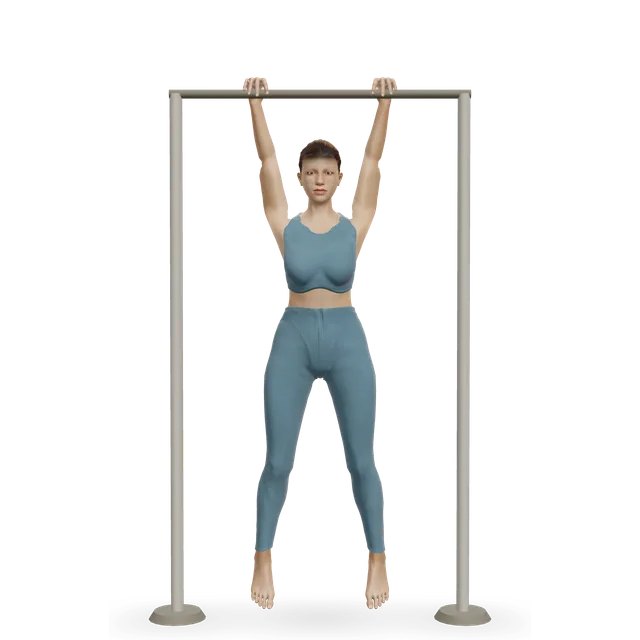 3D demoBar hangIntermediate · Pull-up bar + A step
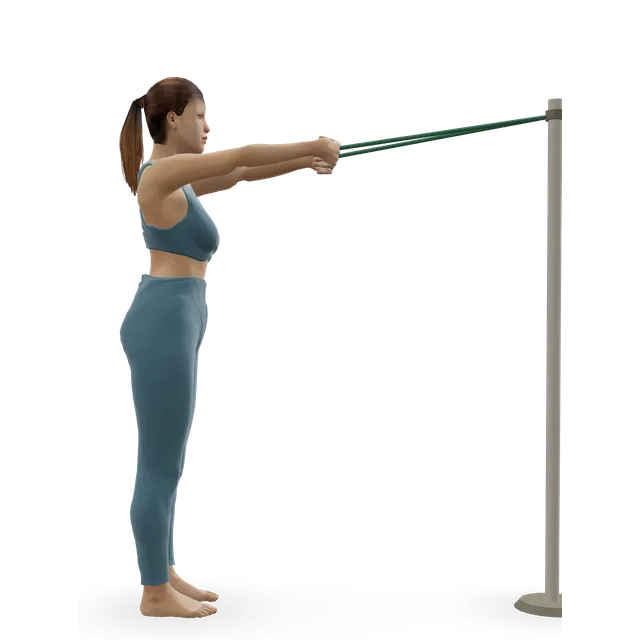 3D demoFace pullIntermediate · A band
 3D demoBand pull-apartIntermediate · A band
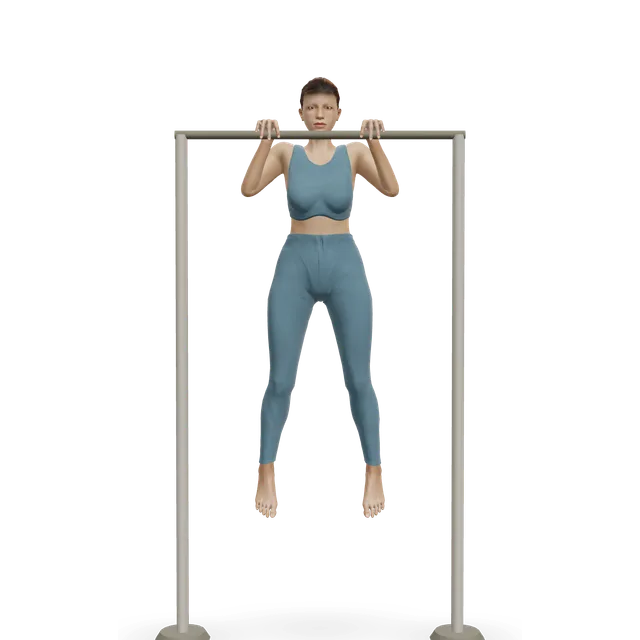 3D demoNegative pull-upIntermediate · Pull-up bar + A step
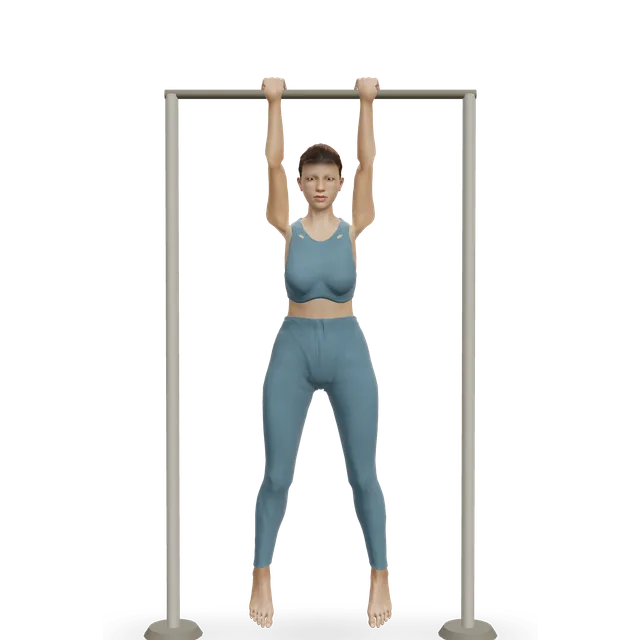 3D demoChin-upAdvanced · Pull-up bar
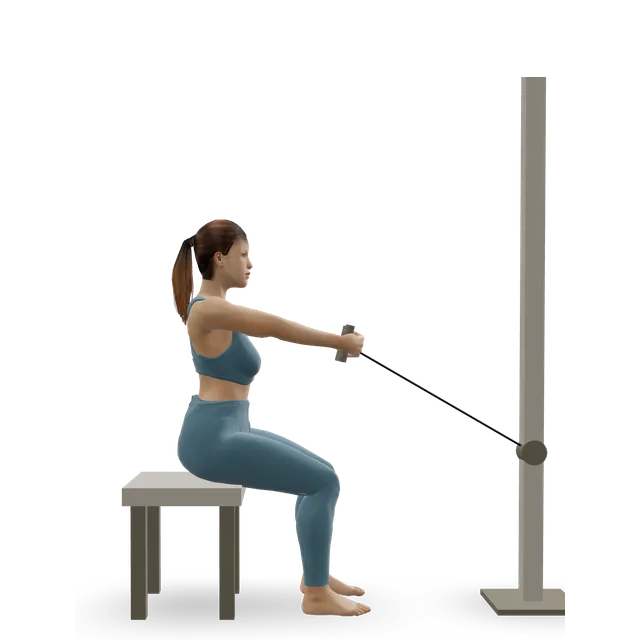 3D demoSeated cable rowBeginner · A cable machine
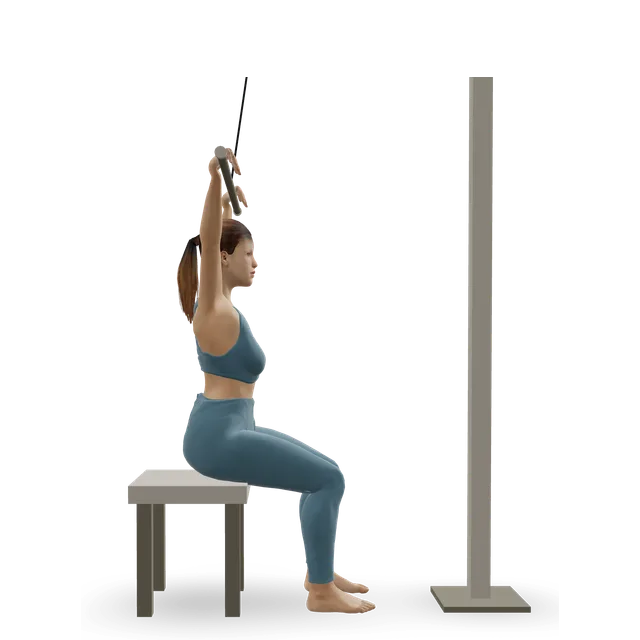 3D demoLat pulldownBeginner · A cable machine
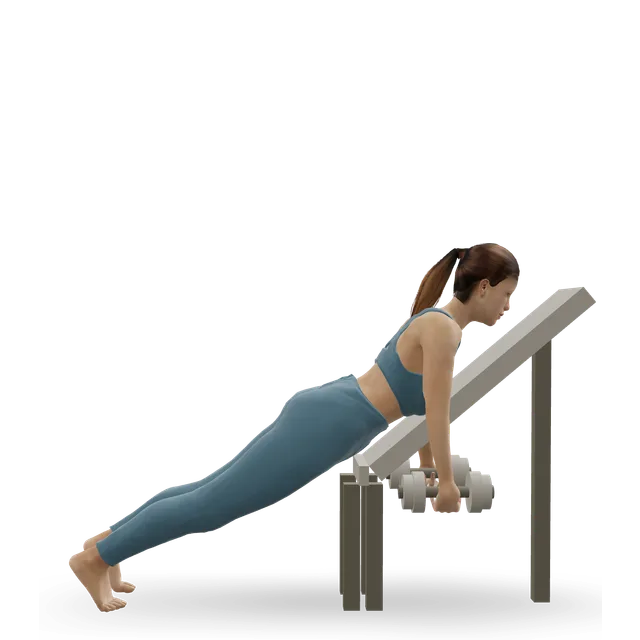 3D demoChest-supported dumbbell rowBeginner · A dumbbell + A bench or box
The first pull-up workout pairs inverted rows with assisted pull-ups and slow lowering; pull-up progression and the pull-up challenge workout ladder up from them; the more pull-ups workout keeps them for strong pullers; the full-body calisthenics workout puts them on its pull ladder; the arm workout without weights uses them at home.
Train for your first pull-up: hangs, shoulder-blade pulls, rows, band- or machine-assisted pull-ups, slow negatives and grip work in one session.
30 minBeginner8 movesPull-up bar, A stepWork up to your first pull-up: dead hangs, scapular pulls, rows, negatives and assisted pull-ups.
25 minBeginner7 movesPull-up bar, A stepFor anyone who can do 1 to 10 pull-ups: quick pull-up sets well short of failure, chin-ups, slow negatives, inverted rows and grip work.
40 minIntermediate9 movesPull-up bar, A stepA full-body calisthenics workout with a ladder for every move: rows to pull-ups, push-ups, split squats to skater squats, dips, hamstring curls and knee raises.
45 minBeginner11 movesPull-up barA level-by-level pull-up session for the 30-day pull-up challenge: hangs, rows, assisted pull-ups, negatives or quick sets, then grip work.
25 minBeginner14 movesA band, Pull-up barA 30-minute bodyweight arm workout: chin-ups and rows for the biceps, close-grip push-ups and dips for the triceps, and a bar hang for your grip.
30 minIntermediate8 movesPull-up bar, A bench or boxEach of these plans uses a workout with inverted rows.
A 12-week calisthenics plan for beginners: three bodyweight sessions a week with push-up, pull-up, squat and dip ladders, and a bar if you have one.
3 training days40 minBeginner3 days a weekA free 30-day pull-up challenge with four levels, from building a hang to more reps: three short sessions a week, rest days and a test on day 1 and day 30.
3 training days25 minBeginner3 days a weekA free 30-day arm challenge with or without weights: three 20-minute sessions a week, rest days, a ladder for every move and honest words on arm fat.
3 training days20 minBeginnerIf you get chest pain or pressure, feel faint or dizzy, are unusually breathless, or your heart races or beats irregularly during exercise, as our plans advise. The American Heart Association says these need immediate medical evaluation.
Source 21
For chest pain that feels tight, heavy or squeezing, or spreads to your arms, neck, jaw or back; arm pain that comes on suddenly with pressure, heaviness or squeezing across your chest; a headache that starts suddenly and is extremely painful, especially while lifting or straining; someone who faints while exercising; palpitations that don't go away, or come with chest pain, breathlessness or feeling faint; severe difficulty breathing; or angina pain that doesn't stop after rest and your medicine. Don't drive yourself to A&E.
If you haven't exercised for some time or have a medical condition, speak to your GP first, as the NHS advises. Get advice before heavy lifting if your blood pressure is uncontrolled, or you have heart disease or chest pain when you're active, a pacemaker or defibrillator, diabetic eye disease, glaucoma, a hernia, recent eye or tummy surgery, or you're pregnant, as our breathing guide lists.
See a GP after any faint, and for dizziness that won't go away or keeps coming back.
A sudden pop at the front of the elbow during a heavy pull, with bruising, a gap at the front of the elbow or a bulge in the upper arm, can be a torn biceps tendon: don't wait for it to settle, because it's best repaired within the first 2 to 3 weeks. Also after an arm injury with a snapping noise or a change in shape. In the US, go to urgent care or the emergency department.
If your arm hurts when you exercise but the pain goes away when you rest. See a GP if elbow or arm pain doesn't go away after a few weeks.
Source 24
For sudden or very bad shoulder pain; if you can't move your arm; if the shoulder has changed shape or is badly swollen; for pins and needles that don't go away or no feeling in the arm; if the arm is hot or cold to touch; for pain after an injury or in both shoulders; or if you feel feverish or unwell.
Source 19
Loss of feeling or numbness around the genitals or bottom, new trouble peeing or controlling your bladder or bowels, changes in genital sensation during sex or problems with erections or orgasm, or pain, tingling, weakness or numbness in both legs. These are signs of cauda equina syndrome, which needs treating in hospital urgently. Don't drive yourself.
A sudden sharp pain in your back, side or armpit during a row may be a strained muscle. Get help from NHS 111 or an urgent treatment centre if it's very painful or getting worse, there's a lot of swelling or bruising, it's very stiff, or it isn't getting better with self-care.
Source 36
With the body near level, trained athletes pulled about 70 to 76% of their body weight, about two-thirds of their barbell row maximum, and the main pulling muscles worked above 61% of maximum. Raised feet, pauses and the tuck row make them harder still.
They work most of the same muscles, and they were part of the routine in the one trial that raised pull-ups in 8 weeks, though their share can't be separated.
Suspension raised muscle activity in most exercises but not the inverted row, and straps changed pulling less than pushing. Use them for comfort and variety; lower your body to make it harder.
Draw them together as you pull, but in one study a coached hard squeeze raised the load on the spine. A firm, controlled pull is enough (our reading).
Source 11
An overview of 137 reviews found the type of equipment didn't consistently change strength or muscle gains, and the American Heart Association says body weight training can be as effective as machines or free weights. The home trials are small: push-ups matched the bench press in three, and bands matched weights across 8 trials. A row under a bar is real strength training.
Your lats, the muscles between your shoulder blades, the back of your shoulders and your biceps, with your trunk and glutes holding the line. In 26 adults, the lats, biceps, lower trapezius and back of the shoulder worked above 61% of their maximum.
Yes: Australian pull-up, bodyweight row and inverted row are names for the same exercise, hanging under a bar with your heels on the floor. Ring rows and suspension (TRX) rows are the same pull on rings or straps.
Easier: raise the bar, bend your knees or stand more upright on rings. Harder: lower the bar, straighten your legs, raise your feet on a box, pause at the top or lower slowly.
Use something that can't move: a sturdy table that can't tip, rings or a suspension trainer on a secure anchor, or a bar fixed solidly at about waist height. Test it with your feet on the floor before you hang your weight from it. With nothing safe to row from, band rows train the same pull.
Neither is better: rows pull towards your chest and pull-ups pull from overhead, and they work many of the same muscles. Rows let you set the load for any level, which is why our pull-up guide uses them as a step, and pull-ups loaded the spine most of the pulls in one study. Do both if you can.
They help as part of a plan: the one trial of a pull-up routine used inverted rows with assisted pull-ups, chin-ups and slow lowering, and pull-ups rose in every group. Our first pull-up workout tries a chin-up once you can do 10 inverted rows at a low bar.
3 sets of 6 to 12, stopping 2 or 3 reps short, with about 90 seconds' rest, 2 or 3 times a week. When you can do 20 or more, make the row harder.
In the one study that compared them, yes: of three rows in 7 men, the inverted row loaded the lower spine least and the bent-over row most. That makes it a good row for days when your lower back tires.
Both work the main pulling muscles hard: in 26 adults, the lats worked a little differently by grip, but the four main muscles stayed above 61% of maximum either way. Use the grip that suits your elbows and wrists; rings let your hands turn.
It depends on how level your body is. With the body nearly level and the straps hanging straight down, trained athletes pulled about 70 to 76% of their body weight in one study. Standing more upright takes some of that away, but no study has measured how much at each angle.
Yes: set the handles so you hang on straight arms with your heels on the floor, and check the anchor holds your full weight first. Rings and straps didn't make the row work the muscles harder in studies, but they let your hands turn, which many people find kinder to their wrists and elbows.
No: with the body near level, they took about two-thirds of trained athletes' barbell row maximum, and raised feet, pauses and slow lowering make them harder still. Our front lever workout uses the inverted tuck row as a step for advanced lifters.
Exercise education, not a personal prescription, and clinical review of these guides is pending. Check with a GP before starting hard training if you have a heart condition, chest pain, dizziness or breathlessness when active, and stop for sharp or increasing pain. Health disclaimer.