Sport

Squash fitness: a warm-up, ghosting and strength workouts, eye protection, and checking your heart first

Squash keeps your heart rate near its maximum for most of a match, with sprints, deep lunges and twists in a closed court and a hard, fast ball. Most injuries are to the ankles, calves, knees and back, and the ball and racket cause rare but serious eye injuries. Rarely, people with heart disease have died on court, and in one series most of them had warning symptoms first.

No squash injury prevention programme has been tested, so this guide says plainly what it borrows. It covers what squash asks of your body, the common injuries, your heart, the eyewear rules of World Squash, England Squash and Scottish Squash and why open eye guards don't work, heat, Squash 57, a 10-minute warm-up, a ghosting workout and a strength routine, with each move shown in 3D.

The short version

One of the hardest racket sports

Elite players averaged 92% of their maximum heart rate, and club players stay near 160 beats a minute for the whole match. The Compendium of Physical Activities gives general squash 7.3 metabolic equivalents (METs), vigorous activity.

Sources 1, 2, 3

Check your heart first

In a series of 60 sudden deaths linked with squash, most were from heart disease, and 45 of the people who died had reported warning symptoms beforehand, most often chest pain. If you have heart disease or symptoms, see your GP before you play.

Sources 4, 5

Lensed eyewear, never open guards

In a lab test, the ball reached the eye in all 17 hits on open eye guards. World Squash recommends eyewear for every player, and England Squash requires it for under-19s in competition and for all ages in doubles.

Sources 6, 7, 8

Mostly leg injuries

Leg injuries were 48% to 76% of the total across studies, with the ankle and heel the commonest site in English professionals.

Sources 9, 10

Nothing tested for prevention

No squash injury prevention programme has been tested. The warm-up, calf and leg strength work and gradual build-up on this page are borrowed, and we say where from.

Source 9

Heat in a closed court

Elite players' core temperatures reached 39.0 to 40.1 °C in mild conditions. Drink, cool down between games, and know the warning signs.

Source 11

What squash asks of your body

Hard, sustained effortEmerging evidence

In 7 elite players, including the world number 1, heart rate averaged 92% of maximum and oxygen uptake 86% of maximum, rallies averaged 18.6 seconds, and the ball was in play about 70% of the time. In club players, the ball is in play for 10 seconds or less about 80% of the time, with rests of about 8 seconds, and heart rate stays near 160 beats a minute for the whole match at every standard.

Sources 1, 2

How hard it isStrong evidence

The Compendium gives general squash 7.3 METs. The UK National Health Service (NHS) counts activity as vigorous when you can't say more than a few words without pausing for breath, and asks adults for 150 minutes of moderate or 75 minutes of vigorous activity a week.

Sources 3, 12

The main movementsEmerging evidence

From the T to the four corners and back: deep lunges, twists and reaches, short sprints and hard stops, with swings close to your opponent in a closed court. Ball speeds of up to 230 km/h are cited in a 2026 review.

Source 9

Where the load fallsEmerging evidence

The sites the studies point to:

  • The ankle and heel, 20.8% of English professionals' injuries; the thigh 12.7%, the knee 10.8%, and the hip and groin 9.5%.
  • The lower back: 52% of 495 competitive players had had a back injury.
  • The calf and Achilles, pushing off and lunging.
  • The racket arm's elbow and shoulder.
  • The eyes and head, from the ball, rackets, walls and your opponent.

Sources 10, 13, 9, 14

The heart on courtEmerging evidence

In 21 fit young men, heart rate stayed around 80% of predicted maximum for whole games, and 7 had irregular heartbeats (ventricular arrhythmias) during play, which a maximal treadmill test didn't reproduce. In 5 volunteers, blood pressure measured in an artery rose only modestly on average, but single beats reached 200 mmHg. In 10 older male players, adrenaline and lactate surged, and potassium dropped and irregular heartbeats appeared in the minutes after play.

Sources 15, 16, 17

What to train (our reading)

Aerobic fitness to recover between rallies, repeated sprints with changes of direction, deep lunges and a strong push back, calf and Achilles strength, trunk control for twisting and reaching, and racket-arm endurance.

Common injuries

Studies counted injuries in different ways, per 1,000 hours of play, per 1,000 days of play, per player, or as survey and hospital counts, so figures in different lines aren't comparable. Almost every squash study looked back in time.

How often squash players get hurtEmerging evidence

The numbers, by group:

  • A 2026 review of 12 studies: from 0.45 to 18.3 injuries per 1,000 hours in the studies that counted hours, and 2.01 per 1,000 days of play pooled from 8 studies, but the studies differed so much that the authors said a definitive rate couldn't be given.
  • A youth multisport academy: squash had the highest injury rate of its sports, about 8.5 per 1,000 hours.
  • A Finnish population study: squash was among the higher-risk activities, with judo, floorball and other contact and team sports, at 6.6 to 18.3 injuries per 1,000 hours across that group.
  • 67 English professionals, 2004 to 2015: 8.83 injuries per player over the 11 years.
  • 155 New York club players: 44.5% had been injured, and players over 40 and newcomers were at higher risk.
  • US emergency departments: paddleball, squash and racquetball together were 15.6% of racket and paddle sport visits.

Sources 9, 18, 19, 10, 20, 21

Ankles and heelsEmerging evidence

The commonest site in English professionals (20.8% of injuries), and the ankle and lower leg were the commonest in New York club players. A previous injury raised the risk, as reported in the 2026 review. Our ankle sprain and chronic ankle instability guides cover these.

Sources 10, 20, 9

Achilles and calfEmerging evidence

Squash caused 8% of the winter Achilles ruptures in a Stockholm series, and a review for GPs lists Achilles ruptures among squash injuries. Calf strains were reported in female players, as the 2026 review describes. Our Achilles rupture, Achilles tendinopathy and calf pain guides cover these.

Sources 14, 22, 9

Thigh, hip, groin and kneeEmerging evidence

The thigh was 12.7% of professionals' injuries, the knee 10.8%, and the hip and groin 9.5%, and in one club study knee injuries came with long recoveries, as the 2026 review reports. Our hamstring strain, groin strain, hip pain and knee pain guides cover these.

Sources 10, 9

Lower backEmerging evidence

52% of 495 competitive players in New Zealand had had a back injury, more often men, higher-grade players and those who played most, and a third of them said squash started it. Our back pain guides cover it.

Source 13

Elbow and shoulderEmerging evidence

The shoulder was half of elite players' arm injuries in one study, and the elbow 21% of injuries in another, as the 2026 review reports; poor racket control is suspected, not shown. Our tennis elbow and shoulder pain guides cover these.

Sources 9, 22

Eye injuriesEmerging evidence

In Australian pennant players, 17.5 eye injuries per 100,000 playing hours, and 26% of them had had one; rackets caused 61%. In an English eye hospital's records, the ball was the main cause, and severe eye injuries were rare but more frequent than in other sports. Retinal detachments from squash balls do worse than ordinary ones. More in the eyes section below.

Sources 23, 24, 25

Head knocksEmerging evidence

Collisions with walls, rackets and opponents cause cuts, broken teeth and head injuries: 4.5% of 600 players had had a dental injury, as the review reports. We found no concussion rates for squash. Our concussion guide covers the graduated return.

Source 9

What prevents injuries

No squash injury prevention programme has been tested. What follows comes from the eyewear evidence, the governing bodies' rules, associations in surveys and advice borrowed from other sports, each graded on its own evidence.

No prevention trial yetMixed evidence

A 2026 review of injuries and illnesses in squash found no trial of a way to prevent them, and almost every study looked back at injuries rather than following players forwards.

Source 9

Eyewear made to the squash standardStrong evidence

Lensed eyewear made to the standard protects; open guards failed. The rules and the evidence are in the eyes section below.

Sources 6, 26, 7

Warm upMixed evidence

No squash warm-up has been tested. In South African teenagers, players without a suitable warm-up reported more injuries (43% against 27%), a cross-sectional association reported in the 2026 review, and a 1997 review advised a warm-up before every session. The warm-up on this page is built on our warm-up guide.

Sources 9, 27

Calves, Achilles and a gradual build-up (our reading)

No trial in squash. Because squash is among the sports behind Achilles ruptures, strengthen your calves twice a week, build court time gradually, and get Achilles pain checked rather than playing through it, as our Achilles tendinopathy guide advises. After an ankle sprain, our ankle sprain guide's balance programme and a brace for sport apply.

Sources 14, 22

Back painMixed evidence

Back injuries went with higher grades and more frequent play. No study has tested prevention in squash; trunk strength and building play gradually are our suggestion, and our back pain guides cover treatment.

Source 13

HeatEmerging evidence

Elite tournament players reached core temperatures of 39.0 to 40.1 °C at mild temperatures, and the authors call muscle cramp an early warning sign of more serious heat illness. A 1997 review warns that hot, humid courts add to the strain. Drink, cool down between games, and stop for the NHS heat warning signs.

Sources 11, 27, 28

What isn't shownMixed evidence

Measures without good evidence, or with evidence against them:

  • Open (lensless) eye guards: they failed in surveillance and lab tests, and the international standard excludes them.
  • Prescription glasses or contact lenses as protection: glasses can shatter and make injuries worse.
  • A normal exercise stress test as clearance: irregular heartbeats on court weren't reproduced on a treadmill, and peak heart rates in sport ran higher than in stress tests.
  • Stretching to prevent injuries: no evidence in squash, and none in other sports, as our warm-up guide explains.

Sources 26, 6, 29, 15, 30

Training for performance

What goes with rankingEmerging evidence

In 31 players in England Squash's performance programme, men's rank went with repeated-sprint ability and change-of-direction speed. In 31 world-ranked players, a squash fitness test tracked aerobic fitness, change of direction and repeated sprints, and higher-ranked players changed direction faster. These are associations.

Sources 31, 32

No squash training trialsEmerging evidence

No training trial has been run in squash players. Across racket sports, jump training improved change of direction, and interval training improved fitness in low-quality studies. Analysts of elite men's squash recommend ghosting patterns that copy match play.

Sources 33, 34, 35

Ghosting (our suggestion)

Moving round the court as if playing a rally, without a ball. Our ghosting workout uses intervals matched to rally and rest times: 15 to 20 seconds of movement with 10 to 20 seconds of rest, in rounds, starting easy.

Sources 1, 2

TaperingEmerging evidence

No squash study. In other sports, a taper of about 2 weeks that cut training volume by 41% to 60% while keeping intensity worked best. Our reading: keep court sessions sharp and halve gym and conditioning work in the last week or two before a key event.

Sources 36, 37

Bone: an associationEmerging evidence

In 19 female national-level players, the playing arm's upper arm bone carried 15.6% to 17.8% more bone mineral than the other arm, with bigger differences in those who started before or around puberty. In a 5-year follow-up of tennis and squash players, most of the gain stayed after they cut back.

Sources 38, 39

Living longer: an associationEmerging evidence

"Tennis or squash" went with a 15% lower risk of death in two US cohorts, and racket sports with a 47% lower risk in British adults. Healthier people may be the ones who play.

Sources 40, 41

Fitting it around squash (our suggestion)

Built on the rules and the NHS guidelines:

  • Before you play: the 10-minute warm-up on this page, then the 4-minute knock-up the rules allow, changing sides after 2 minutes.
  • Conditioning: 1 or 2 ghosting sessions a week, on days without hard matches.
  • Strength: 2 sessions a week, as the NHS advises for adults.
  • Over 40, or back after a break: build court time first, and read the heart section.

Sources 7, 12

Squash and your heart

Most who died had warning signsEmerging evidence

In a 1986 series of 60 sudden deaths linked with squash (59 men, average age 46), heart disease of the coronary arteries was the certified cause in 51. 45 had reported warning symptoms beforehand, most often chest pain, and 22 had a known heart or circulation condition, most often high blood pressure. The series can't tell you the risk of squash: there's no count of how many people played, and how the cases were found isn't known.

Sources 4, 42

Hard effort and the heartStrong evidence

Heavy exertion multiplied the risk of a heart attack in the following hour by 5.9 on average: by 107 in people who usually exercised less than once a week, and by 2.4 in those who exercised 5 or more times a week. In 21,481 male doctors, vigorous exertion raised the short-term risk of sudden death, but the absolute risk was tiny, about 1 in 1.51 million bouts of exercise, and lower in men who exercised regularly. The American Heart Association says the risk is highest when unfit people exercise vigorously.

Sources 43, 44, 45

On court, not on a treadmillEmerging evidence

In 21 fit young men, irregular heartbeats during and just after squash didn't show up on a maximal treadmill test. In 50 people, including 20 squash players, peak heart rates during their sport were higher than in a standard exercise stress test, in squash and running alike. Our reading: a normal stress test doesn't rule out trouble on court.

Sources 15, 30

What to doStrong evidence

Answer the PAR-Q+ (Physical Activity Readiness Questionnaire for Everyone) first, and with heart disease, ask your cardiac team before playing, as our heart disease guide advises. Take chest pain or unusual tiredness before, during or after squash seriously, never play through chest pain, palpitations or feeling faint, and don't smoke after playing. If you're unfit, build fitness before hard matches: an old adage says be fit to play squash, don't play squash to get fit. In competition, the rules give no recovery time for breathlessness or cramp: you continue or concede, so stopping is your call.

Sources 5, 2, 22, 7

Eye protection: the rules and the evidence

World SquashStrong evidence

In its 2025 singles rules, World Squash, the World Squash Federation (WSF), "recommends that all squash players should wear protective eyewear, manufactured to an appropriate National Standard, properly over the eyes at all times during play including the warm-up, whether social, league or tournament", and eyewear "is mandatory for all doubles and junior events sanctioned by the WSF". Its eyewear page adds that under-19s must wear it in its team and junior championships, and names ISO 18527-2:2021, BS EN 18527-2:2021 and ASTM F3164-19 as the standards.

Sources 7, 46

England SquashStrong evidence

"Eye protection must be worn by all junior players (under 19) during any competition, including when competing in adult age groups. It is also mandatory for players of all ages when playing in doubles competitions." England Squash strongly recommends it for everyone in training and practice, asks glasses wearers to wear squash eyewear over their glasses or prescription squash eyewear, and says to look for BS EN 18527-2:2021.

Source 8

Scottish SquashStrong evidence

Its policy requires approved eyewear for under-19s in its sanctioned events and competitions, coaching courses and other organised activity it endorses, including any warm-up before a match. Its list of accepted standards is older than World Squash's, so check with your club or coach (our suggestion).

Source 47

What the standard coversStrong evidence

The international standard, ISO 18527-2:2021, covers eye protectors for squash, racquetball and Squash 57. It doesn't cover protectors without lenses, and it has no specific tests for protectors worn over prescription glasses. Our reading: prescription squash eyewear made to the standard is the tested option, though England Squash also accepts squash eyewear over glasses.

Source 29

Why open guards failEmerging evidence

In a lab test of 13 eye protectors, the ball reached the eye in all 17 hits on open guards, against 1 in 54 hits on lensed protectors. In Canadian reports from 1978 to 1981, 52 squash and racquetball players were injured while wearing open guards, against 2 wearing lensed ones. Across racket sports, a median 93% of eye injuries happened without eyewear, and only eyewear meeting updated standards went with no injuries.

Sources 6, 26, 48

Few players wear itEmerging evidence

Only 8.9% of 303 Melbourne players wore approved eyewear in 2000, and in an earlier survey, 35% of the few who wore eyewear wore prescription glasses they thought were protective. A club campaign of posters, stickers and eyewear on sale raised the odds of players wearing suitable eyewear 2.4 times.

Sources 49, 50, 51

Squash 57

What it isStrong evidence

Squash played on a squash court with a bigger, bouncier ball, 57 mm across and weighing 40 g. It was called racketball until a 2016 rebranding led by World Squash with England Squash, partly to avoid confusion with racquetball, a different North American game.

Sources 52, 53

Is it safer?Mixed evidence

World Squash calls its injury risk "generally lower" than squash's and doesn't make eyewear mandatory, but encourages it, "particularly amongst less experienced players". No study has compared injury rates, and the squash eyewear standard covers Squash 57. Our reading: the slower game can be a way in for beginners and older players, with eyewear.

Sources 46, 29

A warm-up for squash

Built on the site's warm-up guide and racket sport warm-up (editorial): no squash warm-up has been tested. The 4-minute knock-up is World Squash's rule, and World Squash recommends eyewear from the warm-up on.

  1. Raise: 2 minutes of skipping, side-steps and easy jogging along the court.
  2. Hips: 8 front-to-back leg swings on each leg, holding the wall.
  3. Whole body: 3 World's Greatest Stretches on each side, reaching up as you turn.
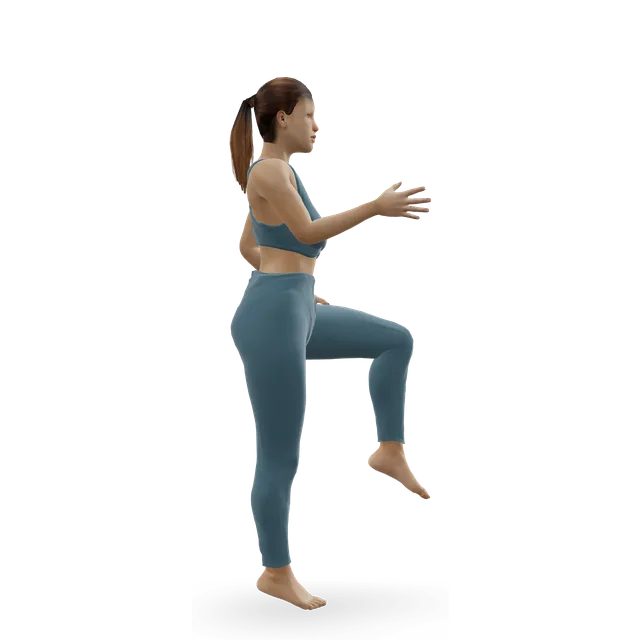
  4. Upper back and racket arm: 6 trunk rotations each side, then 10 slow wrist and forearm circles each way, palms up and down.
  5. Shoulders: 10 to 12 band external rotations on each arm with a light band, elbow by your side.
  6. Calves: 12 slow calf raises, up on a count of two and down on three.
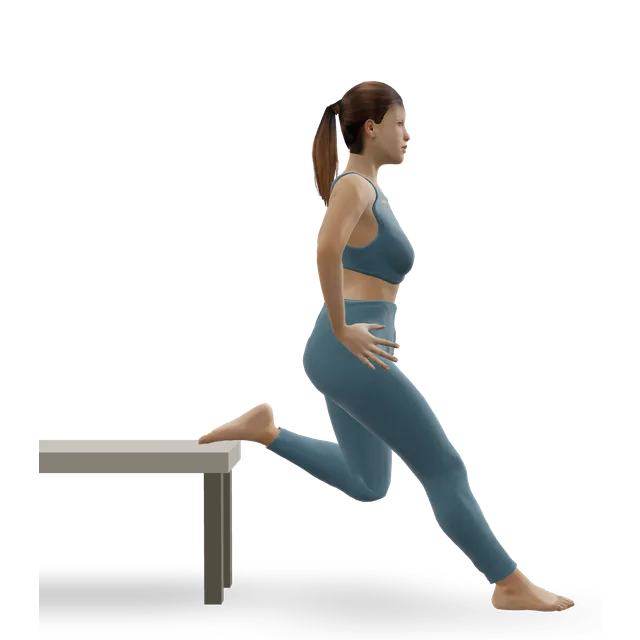
  7. Lunges to the corners: 4 on each leg, growing deeper, front knee over your middle toes, pushing back up.
  8. Ghosting at half pace: 2 sets of 20 seconds from the T to each corner and back, racket in hand. Then the 4-minute knock-up the rules allow, changing sides after 2 minutes, with your eyewear on.

Loading the 3D figure…

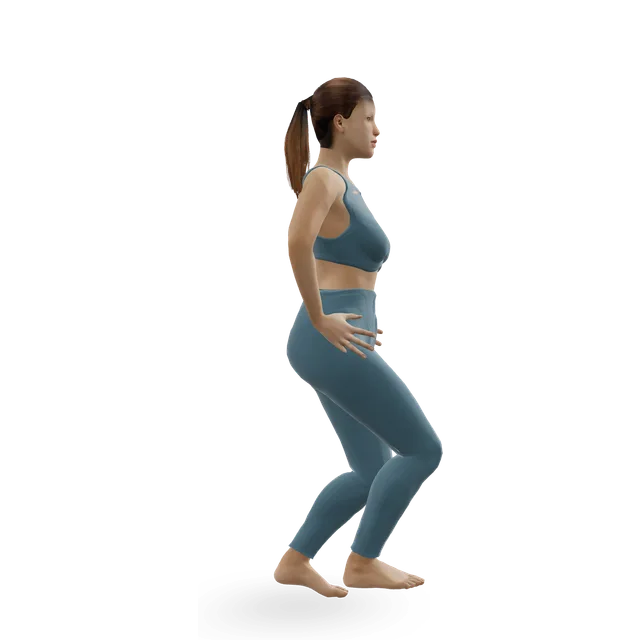
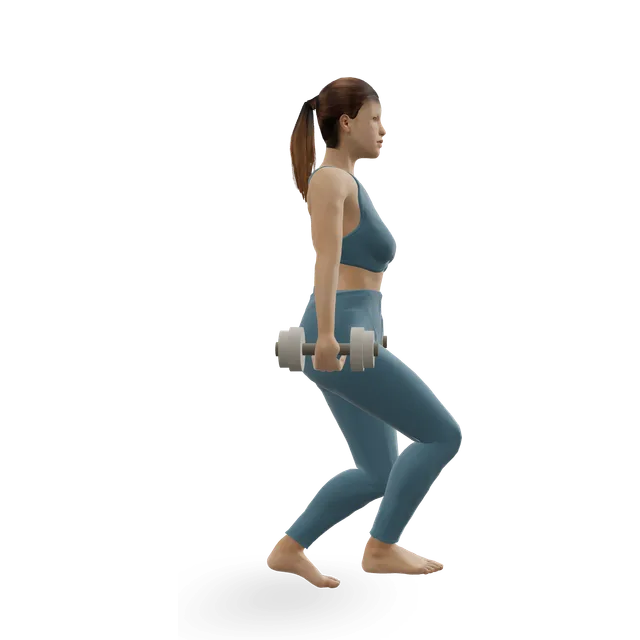
Gets into position, then repeats the movement. Technical checks passed; qualified exercise review is pending.

The movement on the figure: Walking lunge

Moves for squash

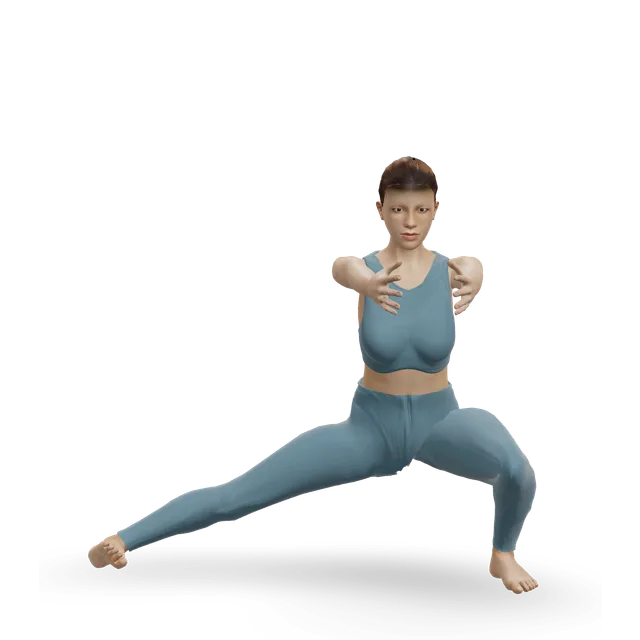
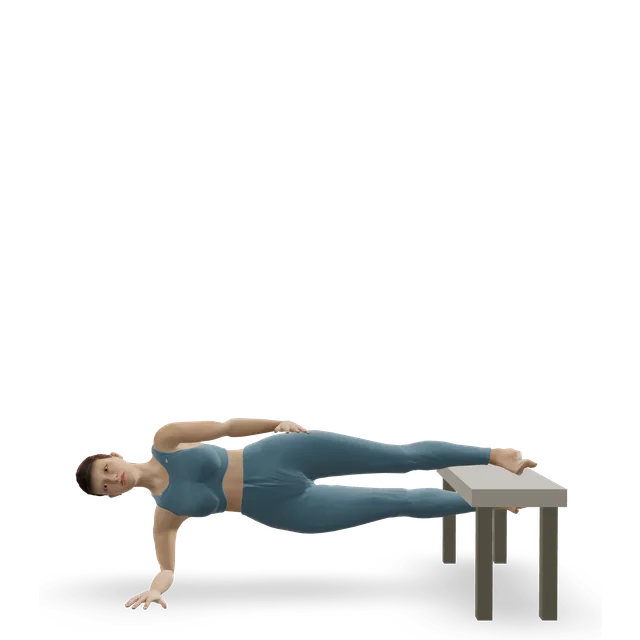
Lunges, split squats and side lunges for the corners, calf raises for the Achilles, Copenhagen planks, side planks and bird dogs for the groin and trunk, and forearm and band work for the racket arm. Each has a 3D demo.

Workouts

The first two are new: a ghosting session and a strength routine. The racket sport warm-up and the tennis and padel routine come from our tennis and padel page, and the hamstring and groin routine from football.

Squash ghosting workout

A 30-minute squash conditioning session: a warm-up, then ghosting intervals from the T to the corners at three levels, front-corner lunges and a cool-down.

30 minIntermediate9 movesA wall, A dumbbell

Squash strength and injury prevention

A 35-minute routine for squash players: lunges, split squats, one-leg hinges and side lunges, calf raises, Copenhagen planks, trunk work and forearm lowering.

35 minBeginner14 movesA wall, A dumbbell

Racket sport warm-up

A 12-minute warm-up for tennis, padel, squash or badminton: skipping, leg swings, trunk turns, band shoulder work, forearm circles, shuttles and landings.

12 minBeginner10 movesA wall, A band

Tennis and padel injury prevention

A 25-minute routine for racket players: the five-part Shoulder Control programme from handball trials, band rotations, forearm lowering, hops and balance.

25 minBeginner12 movesA dumbbell, A cable machine

Hamstring and groin injury prevention

The Nordic hamstring and Copenhagen adduction programmes from the football trials: a 10-week build, three adductor levels, then once a week in season.

15 minIntermediate6 movesA wall, An anchor point

Foot and ankle strengthening routine: toes, arches, calves and balance

A 15-minute barefoot routine for stronger toes, arches, calves and ankles, finishing with balance. You need only a towel, a wall and a resistance band.

15 minBeginner11 movesA wall, Other / check instructions

McGill big 3 core routine

The McGill big three for the core: curl-ups, side planks and bird dogs, each held for 10 seconds at a time in falling sets of 5, 3 and 1 reps.

12 minBeginner3 movesNo equipment

Lower body workout at home

A lower body workout at home: split squats, slider hamstring curls, single-leg bridges, step-ups, band walks and calf raises, with dumbbell options.

30 minIntermediate12 movesA wall, A step

HIIT workout at home

A 20-minute no-equipment HIIT workout: jumping jacks, jump squats, mountain climbers, burpees, skips and bear crawls.

20 minIntermediate10 movesNo equipment

Norwegian 4x4 interval workout

The Norwegian 4x4, a well-studied interval session for raising VO2 max: four 4-minute hard efforts with 3 easy minutes between, on a bike, rower or treadmill.

40 minIntermediate3 movesCardio machine, A wall

Cardio intervals workout

A 25-minute interval session on a bike or rower: one-minute hard efforts with two minutes easy, building from 4 to 8 rounds.

25 minIntermediate1 movesCardio machine

Wrist and forearm routine

Wrist mobility and forearm strength for desk work, climbing, push-ups and handstands.

10 minBeginner7 movesA wall, A dumbbell

Plans

Fit the strength routine into 2 days of a plan, and the ghosting workout into a cardio day, away from hard matches.

Who should check first

Everyone: seven questions

The PAR-Q+ asks about a heart condition or high blood pressure, chest pain, dizziness or losing consciousness, other long-term conditions and their medicines, a bone or joint problem that activity could make worse, and being told to exercise only under supervision. If you answer yes to any, check with your GP or a qualified exercise professional first. If you're over 45 and not used to hard exercise, ask a qualified exercise professional before the hardest sessions, and delay if you're ill.

Source 5

Heart disease, high blood pressure, or chest pain, palpitations, dizziness or fainting

Most people who died in the squash series had heart disease, and most had warning symptoms. See your GP or cardiac team first; our heart disease guide asks people with heart disease to check before sports with sudden bursts of effort, such as squash.

Sources 4, 5

Over 40 and new to squash, or not used to hard exercise

Heavy exertion raises the short-term risk of a heart attack most in people who rarely exercise hard, and over-40s and newcomers had more injuries in a club survey. A 1997 review advised a medical check-up before taking up squash after 40, especially with heart disease or its risk factors. Get fitter first, start with Squash 57 or gentle games, and build up (our suggestion).

Sources 5, 43, 20, 27

Sudden death or cardiomyopathy in your family

The NHS says hypertrophic cardiomyopathy is "the most common cause of sudden unexpected death in childhood and in young athletes", and that most people with it inherit it. See your GP before competitive squash, and about palpitations if heart problems run in your family.

Sources 54, 55

Achilles or calf pain now, or a past rupture

Squash is among the sports behind Achilles ruptures. Follow our Achilles guides and build calf strength before full play.

Source 14

Back pain now

Back injuries are common in competitive players. Use our back pain guides, and build court time back gradually (our suggestion).

Source 13

Glasses or contact lens wearers, good sight in only one eye, or after eye surgery

Glasses and contact lenses aren't protection. Choose prescription squash eyewear made to BS EN 18527-2:2021, or squash eyewear over your glasses, as England Squash allows. The American Academy of Ophthalmology (AAO) advises anyone with reduced vision in one eye to ask their ophthalmologist before high-risk sports.

Sources 56, 8, 29

Under 19

Eyewear is compulsory in any England Squash competition and in World Squash's junior events, and England Squash strongly recommends it for all play.

Sources 8, 7

Pregnant

The NHS says it's usually fine to keep doing the activities you already do, but advises against sports with a risk of falling or bumping your tummy, and against starting a new vigorous activity. A 1997 review thought most women with normal pregnancies could keep playing squash, especially early on, telling their doctor. Talk to your midwife or GP.

Sources 57, 27

After a hip or knee replacement

Our replacement guides discourage high-impact sport. Ask your surgical team; Squash 57 may be a gentler step (our reading).

When to stop and get help

Chest pain: call 999

The NHS says to call 999 if:

  • You get sudden pain or discomfort in your chest that doesn't go away; it can feel like squeezing or pressure, burning or indigestion.
  • The pain spreads to your left or right arm, or your neck, jaw, stomach or back.
  • You have chest pain and feel sweaty, sick, light-headed or short of breath.

Source 58

Fainting, collapse or palpitations: call 999

Call 999 if someone faints while exercising, isn't breathing, or can't be woken within a minute. Call 999 or go to A&E (accident and emergency) for palpitations that don't go away or come with chest pain, shortness of breath or fainting. In a match, the rules give no recovery time for breathlessness, so stop and concede.

Sources 59, 55, 7

A head knock

Call 999 if someone was knocked out and hasn't woken, can't stay awake, has a fit, has problems with their vision or hearing, has clear fluid coming from their ears or nose, has new numbness or weakness, or has problems walking, balancing, understanding, speaking or writing. With suspected concussion, the UK guidelines for grassroots sport say "If in doubt, sit them out": off at once, no sport for at least 24 hours, a check by a healthcare professional or NHS 111 within 24 hours, no competition before 21 days, and a GP if symptoms last more than 28 days.

Sources 60, 61

An eye hit by the ball or a racket

Go to A&E or call 999 if something hit your eye at high speed, your sight has changed, you have severe pain in the eye, a headache or sensitivity to light, you feel or are sick, you can't move your eye or keep it open, or blood or pus is coming from it. Ask for an urgent GP appointment or contact NHS 111 if it isn't getting better after 24 hours.

Source 62

A snap at the back of the ankle

Contact NHS 111 if you heard a snap, grinding or popping noise, can't walk on tiptoe or up stairs, or have swelling and bruising in your calf and ankle. Our Achilles rupture guide says to get it checked the same day.

Source 63

Back pain with numbness: call 999

Call 999 or go to A&E for back pain with pain, tingling, weakness or numbness in both legs, loss of feeling around your genitals or bottom, changes in your bladder or bowels, or chest pain.

Source 64

Heat and cramp

Cramp can be an early warning of heat illness on court. Heat exhaustion should improve within 30 minutes of resting somewhere cool, cooling down and drinking; call 999 if it doesn't, or for a very high temperature, hot skin that isn't sweating, a fast heartbeat, fast breathing, confusion, a fit or loss of consciousness.

Sources 28, 11

Myths

"Squash is a good way to get fit if you're out of shape"Emerging evidence

Heavy exertion raises the short-term risk of a heart attack most in people who rarely exercise hard, and the old advice is to get fit to play squash, not to play squash to get fit.

Sources 43, 22

"If I'm fit, I can ignore chest pain"Strong evidence

45 of the 60 people who died in the squash series had warning symptoms, most often chest pain. Stop, and call 999 for the NHS signs.

Sources 4, 58

"Open eye guards protect my eyes"Strong evidence

In lab tests the ball reached the eye in every hit, players were injured wearing them, and the international standard excludes them.

Sources 6, 26, 29

"My prescription glasses will do"Strong evidence

Ordinary glasses can make an injury worse. England Squash asks glasses wearers to wear squash eyewear over them, or prescription squash eyewear.

Sources 56, 8, 48

"A normal stress test means squash is safe for me"Emerging evidence

Irregular heartbeats during squash weren't reproduced on a treadmill, and heart rates in sport ran higher than in stress tests.

Sources 15, 30

"Squash ruins your knees"Mixed evidence

No study we found links recreational squash with knee arthritis; knee injuries were about a tenth of professionals' injuries.

Source 10

"Squash 57 is risk-free"Emerging evidence

World Squash calls its risk "generally lower" and still encourages eyewear, and the squash eyewear standard covers it.

Sources 46, 29

Questions people ask

How do I get fit for squash?

Build aerobic fitness, repeated sprints and quick changes of direction, which go with ranking in elite players, plus leg and calf strength twice a week. Ghosting intervals copy the game. If you're starting from little exercise, get fitter before you play hard matches.

What is ghosting in squash?

Moving round the court as if playing a rally, without a ball: from the T to a corner, a lunge and a swing, then back to the T. Our ghosting workout uses intervals matched to rally and rest times; no trial has tested a ghosting programme.

How should I warm up for squash?

About 10 minutes before you go on court: skipping, leg swings, trunk turns, band shoulder work, calf raises, lunges and half-pace ghosting. Then the 4-minute knock-up the rules allow, with your eyewear on. No squash warm-up has been tested.

Do I have to wear eye protection for squash?

England Squash requires it for under-19s in any competition and for all ages in doubles, and World Squash recommends it for everyone, including the warm-up. Choose lensed eyewear made to BS EN 18527-2:2021; open guards and ordinary glasses don't protect.

Can squash cause a heart attack?

Rarely, and mostly in people who already have heart disease; most of those who died in one series had warning symptoms first. Hard exertion raises the short-term risk most in people who rarely exercise hard. Answer the PAR-Q+, see your GP about chest pain, palpitations or fainting, and never play through them.

What are the most common squash injuries?

Leg injuries, especially the ankle and heel, thigh, knee, hip and groin and calf, plus lower back pain and elbow and shoulder problems. Eye injuries are rare but can be serious.

How do I avoid an Achilles injury in squash?

Warm up, build court time up gradually, keep your calves strong, and get Achilles pain checked rather than playing through it; no prevention trial exists. A snap or a feeling of being kicked at the back of the heel needs checking the same day.

Is squash good exercise, and how many calories does it burn?

Yes: the Compendium of Physical Activities rates general squash at 7.3 METs, about 255 kcal in 30 minutes for a 70 kg person on our calculator. "Tennis or squash" went with a 15% lower risk of death in two US cohorts, an association.

Can I start squash in my 40s or 50s?

Yes, with care. Answer the PAR-Q+, see a qualified exercise professional first if you're not used to hard exercise, start gently or with Squash 57, and build up; over-40s and newcomers had more injuries in a club survey.

What is Squash 57?

Squash played with a bigger, bouncier ball, 57 mm across; it was called racketball until 2016. World Squash calls its injury risk generally lower and encourages eyewear, especially for less experienced players, and the squash eyewear standard covers it.
Sources

  1. Girard 2007 · Game analysis and energy demands of elite squash (match study, J Strength Cond Res)

  2. Montpetit 1990 · The applied physiology of squash (review, Sports Med)
  3. Compendium of Physical Activities 2024 · Sports: MET values (adult compendium)
  4. Northcote 1986 · Sudden death and vigorous exercise: 60 deaths associated with squash (case series, Br Heart J)
  5. PAR-Q+ Collaboration 2025 · The Physical Activity Readiness Questionnaire for Everyone (PAR-Q+)
  6. Bishop 1982 · How eye protectors for squash and racquetball perform (lab study, Phys Sportsmed)
  7. World Squash Federation (WSF) · World Squash singles rules 2025, version 1.2, effective 1 September 2025
  8. England Squash · Is eye protection compulsory for all junior squash? (support article, last updated 14 July 2025)
  9. McCartney 2026 · Squash under strain: injuries and illnesses in squash players (systematic review and meta-analysis, Sports (Basel))
  10. Horsley 2020 · Injuries in English professional squash, 2004 to 2015 (records study, Phys Ther Sport)
  11. Ihsan 2025 · Squash at the 2028 Olympic Games: heat strain and performance (commentary with preliminary data, Int J Sports Physiol Perform)
  12. NHS · Physical activity guidelines for adults aged 19 to 64
  13. Macfarlane 1998 · Back injuries in 495 competitive squash players (survey, J Sports Med Phys Fitness)
  14. Saarensilta 2020 · Seasons, sports and outcomes in 349 Achilles ruptures in Stockholm (cohort study, Knee Surg Sports Traumatol Arthrosc)
  15. Northcote 1983 · Heart rhythm recordings in 21 squash players (ambulatory ECG study, Br Heart J)
  16. Brigden 1992 · Blood pressure measured in an artery during squash in 5 volunteers (study, Eur Heart J)
  17. Brady 1989 · Heart rate and metabolic responses to squash in 10 veteran players (lab study, Eur Heart J)
  18. Rejeb 2017 · Overuse injuries in youth multisport athletes over 5 years (cohort study, Eur J Sport Sci)
  19. Parkkari 2004 · Injury risk in everyday activities and sports in 3,363 Finns (cohort study, Int J Sports Med)
  20. Berson 1981 · Injuries in 155 New York squash players (survey, Am J Sports Med)
  21. Ferguson 2026 · Racket and paddle sport injuries in US emergency departments, 2000 to 2023 (surveillance study, Am J Emerg Med)
  22. Verow 1989 · Squash (review for GPs, Practitioner)
  23. Genovese 1990 · Eye injuries and attitudes to eyewear in Australian pennant squash players (survey, Med J Aust)
  24. Barrell 1981 · Squash ball to eyeball: the likelihood of an eye injury (hospital study, BMJ)
  25. Knorr 1996 · Retinal detachments from squash balls (case series, Am J Ophthalmol)
  26. Easterbrook 1982 · Eye injuries in squash and racquetball players: Canadian surveillance (case series, Phys Sportsmed)
  27. Locke 1997 · Squash: a review of physiology and medicine (review, Sports Med)
  28. NHS · Heat exhaustion and heatstroke
  29. ISO 18527-2:2021 · Eye protectors for squash, racquetball and squash 57: scope (standards store listing)
  30. St Clair Gibson 2000 · Heart rates in sport and in stress tests in 50 squash players, runners and sedentary people (comparative study, S Afr Med J)
  31. Wilkinson 2012 · Repeated-sprint ability and ranking in international squash players (cross-sectional study, J Strength Cond Res)
  32. James 2022 · Fitness and performance in 31 professional squash players (cross-sectional study, J Sports Sci Med)
  33. Deng 2023 · Plyometric training in racket sport athletes: 14 trials, 746 athletes (systematic review and meta-analysis, PeerJ)
  34. Liu 2024 · High-intensity interval training in racket sports players: 10 studies (systematic review, PLoS One)
  35. Murray 2016 · Rule changes, physical demands and training in elite men's squash (match analysis, J Sports Sci)
  36. Bosquet 2007 · Tapering and performance: 27 studies (meta-analysis, Med Sci Sports Exerc)
  37. Vachon 2021 · Tapering in team sports (systematic review and meta-analysis, Eur J Sport Sci)
  38. Haapasalo 1994 · Long-term one-sided loading and arm bone density in female squash players (cross-sectional study, Calcif Tissue Int)
  39. Kontulainen 2001 · Bone gain kept 5 years after female tennis and squash players cut back (prospective study, J Bone Miner Res)
  40. Han 2026 · Types and variety of physical activity and mortality in two US cohorts (cohort study, BMJ Med)
  41. Oja 2017 · Types of sport and exercise and the risk of death in 80,306 British adults (cohort study, BJSM)
  42. Northcote 1984 · Sudden death in squash players (case series, Lancet)
  43. Mittleman 1993 · Heavy exertion as a trigger of heart attacks, and protection by regular exercise (case-crossover study of 1,228 patients, N Engl J Med)
  44. Albert 2000 · Vigorous exertion as a trigger of sudden cardiac death in 21,481 male doctors (case-crossover study, N Engl J Med)
  45. Franklin 2020 · Exercise-related acute cardiovascular events, placed in perspective (American Heart Association scientific statement, Circulation)
  46. World Squash · Eyewear specification and certified eyewear (web page, last modified 14 July 2025)
  47. Scottish Squash · Eye protection policy, version 5.0 (16 January 2023)
  48. Mazarelo 2024 · Eyewear and eye injuries in racket sports: 29 papers (systematic review, Phys Sportsmed)
  49. Eime 2002 · Are squash players protecting their eyes? (survey, Inj Prev)
  50. Finch 1998 · What adult squash players think about protective eyewear (survey, BJSM)
  51. Eime 2005 · A squash eyewear promotion campaign in clubs (controlled ecological trial, BJSM)
  52. SquashInfo 2016 · Racketball becomes Squash 57 in global rebranding (news report)
  53. World Squash · Squash57 ball and racket specifications
  54. NHS · Cardiomyopathy
  55. NHS · Heart palpitations
  56. American Academy of Ophthalmology · Sports eye safety
  57. NHS · Exercise in pregnancy
  58. NHS · Chest pain
  59. NHS · Fainting
  60. NHS · Head injury and concussion
  61. Sport and Recreation Alliance and UK Government 2024 · UK concussion guidelines for non-elite (grassroots) sport, November 2024 update
  62. NHS · Eye injuries
  63. NHS · Heel pain
  64. NHS · Back pain

Exercise education for people who play sport, not a personal prescription or a diagnosis, and clinical review of these pages is pending. Check with a GP or physiotherapist before hard training if you have a heart condition, chest pain, dizziness or an injury that isn't settling, and stop for sharp or increasing pain. Health disclaimer.