Training guide

Supersets: how to pair exercises and save time

A superset is two exercises done back to back, with only the time it takes to move between them, then a rest. Pair moves that don't compete, such as a press with a row, and you keep the work in less time: in a meta-analysis of 19 studies, people did the same reps and lifted the same total weight, and sessions were about 37% shorter on average. In plain terms, that's a third to a half off a session, depending on how you arrange your rest.

In the few long-term trials, strength and muscle grew about as much as with normal sets. Supersets do feel harder, burn barely more calories, and cost you work when both moves hit the same muscle.

This guide covers the types, the evidence, how to rest and which pairs to use, with a 40-minute follow-along workout.

The short version

What a superset is

Two exercises back to back, with little or no rest between them, then a rest before the next round. The common types pair opposing muscles (a press with a row), the upper and lower body (a squat with a pulldown), or two moves for the same muscle.

Sources 1, 2

It saves time

In a meta-analysis, sessions were about 37% shorter on average, and how much you save depends on how you arrange your rest: a third to a half, in plain terms. In one study, a 42-minute session took 24 minutes as supersets.

Sources 1, 3, 4

You keep the work if the moves don't compete

Across 19 studies with 313 people, pairs that don't compete kept the same total reps and weight lifted as normal sets. Two moves for the same muscle cut the weight people could lift.

Source 1

Long-term gains look similar

In the few long-term trials, strength, muscular endurance and muscle size changed about as much as with normal sets. There are only a handful of small trials, mostly in young trained men.

Sources 1, 5

Harder work, barely more calories

Supersets felt harder and raised lactate, yet people enjoyed them as much, and 18 of 29 trained adults preferred them. For the same work, total energy use was about the same: the extra afterburn was roughly 5 kcal.

Sources 1, 6, 7

How to do it

Pair moves that don't compete, go straight from one to the other, and rest after the pair: 60 to 90 seconds after small moves, 90 seconds to 2 minutes after big ones (our editorial starting point). Stop big lifts 2 to 3 reps short of failure.

Sources 1, 8

Types of superset

Superset

Two exercises done one after the other with no planned rest between them, only the time it takes to move, then a rest before the next round. Each exercise still gets its full number of sets.

Sources 1, 2

Push-pull pairs (opposing muscles)

Moves for opposing muscles, such as a bench press with a row, or a curl with a triceps pushdown. Studies call these agonist-antagonist supersets or paired sets.

Sources 1, 9

Upper-lower pairs

A lower-body move with an upper-body move, such as a squat with a bench press, so neither move tires the other's muscles.

Source 1

Same-muscle pairs, compound sets and pre-exhaust

Two moves for the same muscle, such as a bench press then a dumbbell press. Some trials and coaches call this a compound set; others use the name for any superset. Pre-exhaust puts a single-joint move straight before a multi-joint move for the same muscle, such as a leg extension before a squat.

A compound set isn't the same as a compound exercise (a move that works several joints at once, like a squat): our compound vs isolation guide covers those.

Sources 1, 3, 10

Tri-sets, giant sets and circuits

Three moves in a row before resting is a tri-set, and four or more a giant set. A superset is really a two-station circuit; our circuit training guide covers longer chains.

Source 4

Paired sets with rest

The same pairs done in turn, but with a rest after each move rather than after the pair. You keep more of the work but save less time.

Sources 9, 3

What the evidence says

Time savedStrong evidence

In a meta-analysis, sessions were about 37% shorter on average; how much you save depends on how you arrange your rest. In single studies, a 42-minute session took 24 minutes as supersets and 18 as tri-sets, a whole-body session took 35 minutes instead of 58 (with about 4% fewer reps), and pre-exhaust pairs cut about a third. In plain terms, expect a third to a half off.

Sources 1, 3, 4, 6, 10

The same work, if the moves don't competeEmerging evidence

Across 19 studies with 313 people, supersets of moves that don't compete kept the total reps and the total weight lifted the same as normal sets, so more work got done per minute. Push-pull pairs even allowed a few more reps in two studies, though the certainty is low.

Sources 1, 11

Same-muscle pairs cost you workEmerging evidence

Two moves for the same muscle cut the weight people could lift in two studies. In an 8-week trial of pre-exhaust pairs in 41 trained adults, people lifted about 30% more weight in total with normal sets, and muscle grew about the same with the pairs, slightly less on average, with wide uncertainty.

Sources 1, 10

Long-term strength and muscleEmerging evidence

In the few long-term trials, strength (3 studies), muscular endurance (2) and muscle size (2) changed about as much with supersets as with normal sets, on moderate-certainty evidence, and in a 2026 network meta-analysis, all 3 superset studies of strength found no difference. In 17 men, alternating squats and bench presses for 6 weeks matched normal sets for strength and jumping, and in 15 trained men, alternating bench presses and bench pulls for 8 weeks matched separate sets in about half the time.

One 10-week trial of whole-body supersets twice a week (we read only its abstract) found slightly smaller strength gains on the pulldown, about 5 kg, with similar gains on the leg press and bench press.

Sources 1, 5, 12, 13, 14, 15

They feel harderStrong evidence

Effort ratings were clearly higher with supersets, on high-certainty evidence. In 29 trained adults doing a whole-body session, effort was about 1.3 points higher and discomfort about 1 point higher.

Sources 1, 6

Lactate and caloriesEmerging evidence

Lactate during and after a session was higher, and energy use per minute rose, in women and in men. But for the same work, total energy use was about the same in 10 young men, and the extra afterburn was roughly 5 kcal (our arithmetic from the study's figures).

Sources 1, 7, 16

Blood pressure and muscle damageMixed evidence

Blood pressure after a session was similar to normal sets, on low-certainty evidence, and pooled markers of muscle damage weren't higher. One high-volume study in 14 rugby players found creatine kinase (a marker of muscle damage) was likely higher, and jump height still down, 24 hours after supersets and tri-sets, when jump height had recovered after normal sets.

Sources 1, 4

EnjoymentEmerging evidence

Enjoyment was the same as with normal sets, and 18 of 29 trained adults (15 women and 14 men) preferred supersets, mainly for the time saved and the feeling of working hard.

Source 6

Who was studiedStrong evidence

Of 313 people in the meta-analysis, 232 were men and 66 women, mostly young and trained. We found no long-term superset trials in older adults or beginners, so the findings may not apply to everyone.

Sources 1, 3
How to superset

Our editorial method, built on the superset meta-analysis (Zhang 2025), the plans' shared notes on rest and effort, and the ACSM's 2026 position stand.

  1. Pick two moves that don't compete: a push with a pull, a lower-body move with an upper-body move, or a leg move with a core move.
  2. Set up both stations first, close together.
  3. Do the first move, then go straight to the second, resting only as long as it takes to move.
  4. Rest after the pair: 60 to 90 seconds for small moves, 90 seconds to 2 minutes for big compound pairs. If your reps fall by more than 2 or 3 from one round to the next, rest longer.
  5. Do 2 to 4 rounds. Each exercise's sets count as normal towards your weekly sets.
  6. Stop big lifts 2 to 3 reps short of failure, and the last set of small moves 0 to 2 short.
  7. For your heaviest lift of the day, or one whose top strength matters most to you, do straight sets with full rest first, then superset the rest.

Loading the 3D figure…

Gets into position, then repeats the movement. Technical checks passed; qualified exercise review is pending.

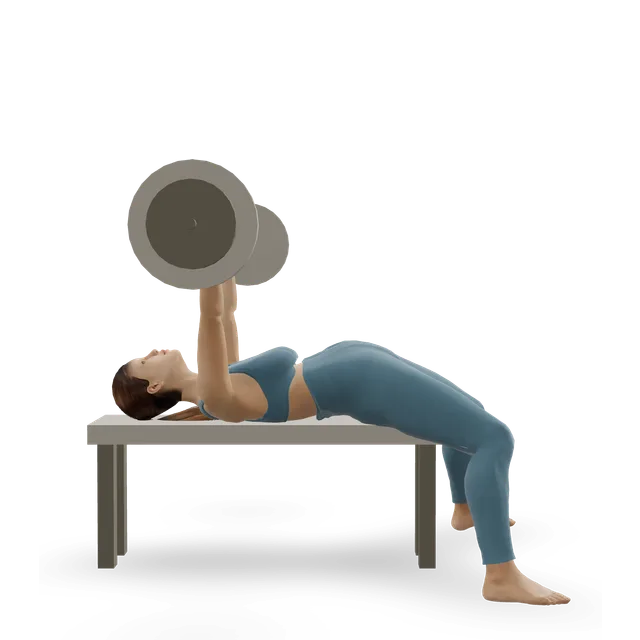
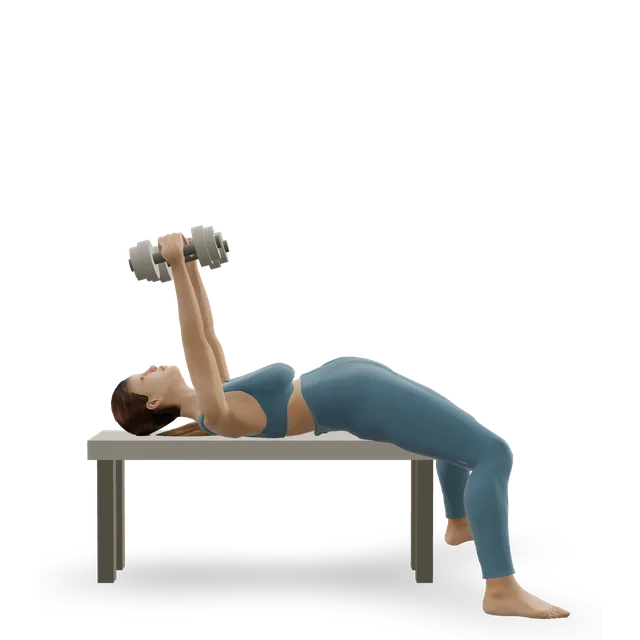
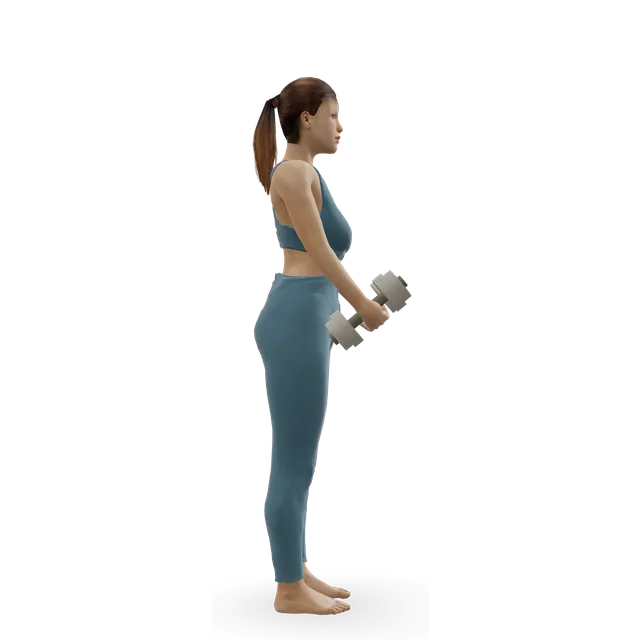
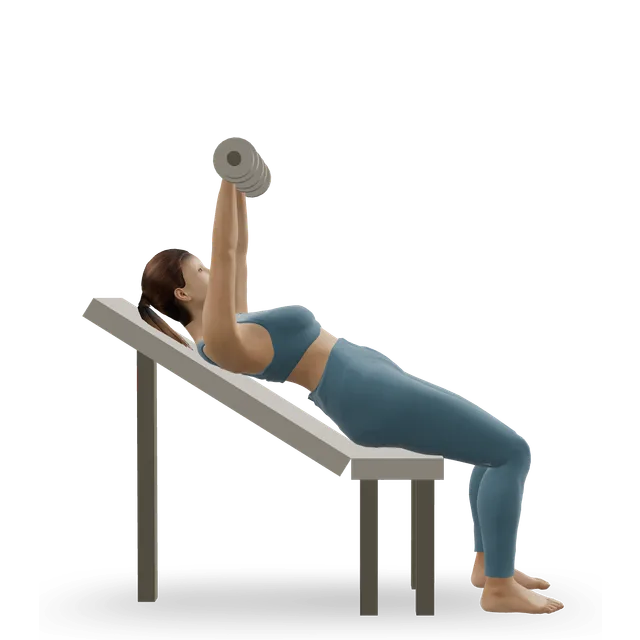
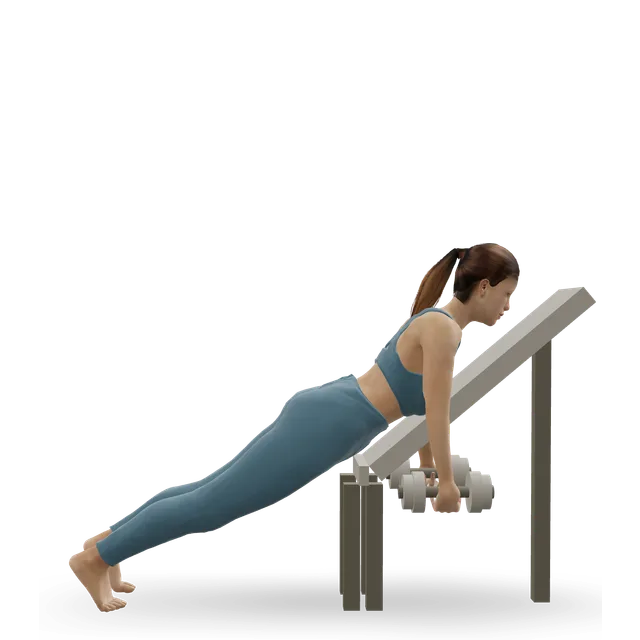
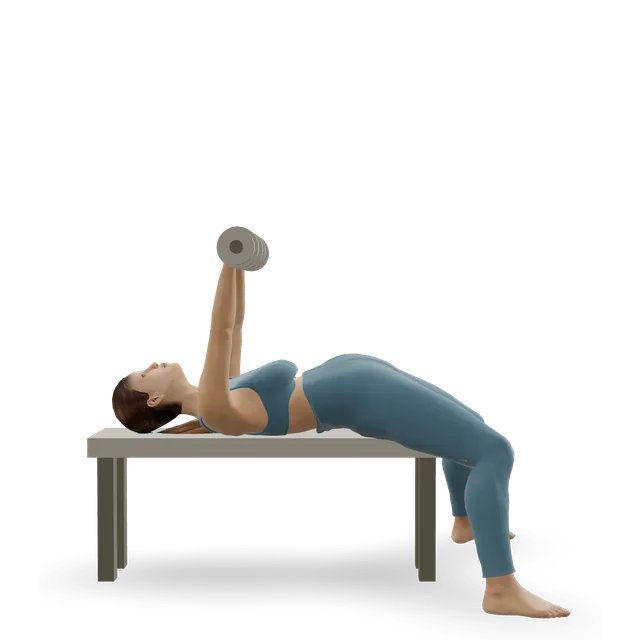
The movement on the figure: Dumbbell bench press

How to rest

Our rest between sets guide covers rest for every kind of set.

Rest after the pair, not between the moves

Go straight from the first move to the second, then rest. After a pair of small moves, such as curls and pushdowns, rest 60 to 90 seconds; after a pair of big compound moves, 90 seconds to 2 minutes, which is what our rest between sets guide gives for compound lifts of 8 to 12 reps. If your reps drop by more than 2 or 3 from one round to the next, rest longer.

Source 1

How you arrange rest changes the time you saveEmerging evidence

A review of 14 short-term studies compared layouts. Keeping each move's full rest gave 8 to 27% more work but saved no time. Doing the second move during the first move's rest saved 45 to 50% of the time, with 4 to 12% less work. Resting after the pair saved 40 to 47%. All 14 studies were in young trained adults, and all had some risk of bias.

Source 3

Push-pull pairs

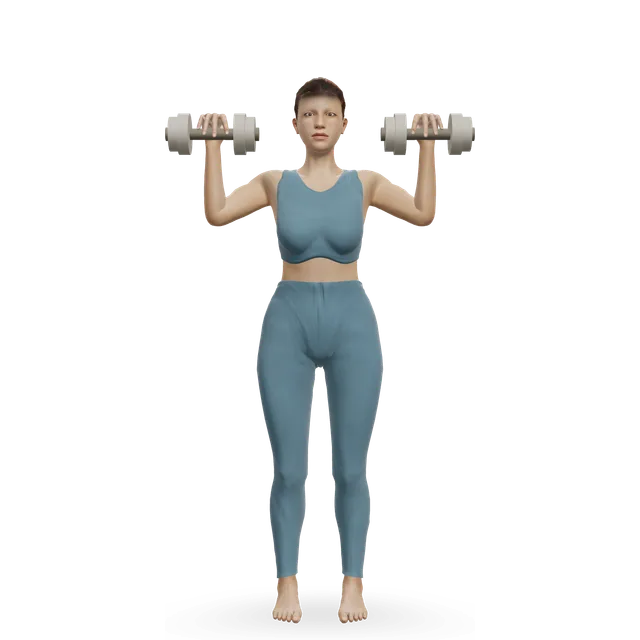
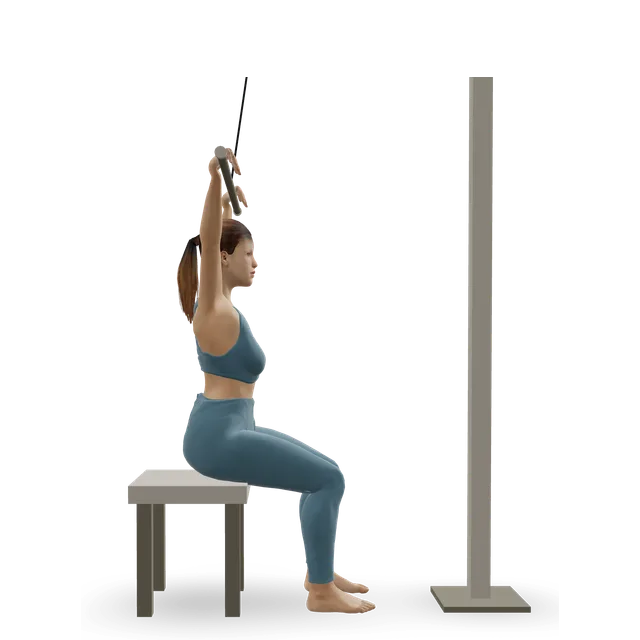
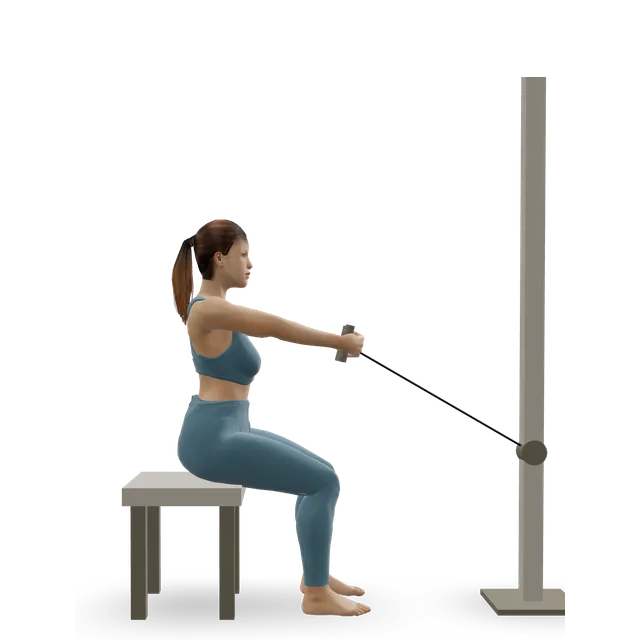
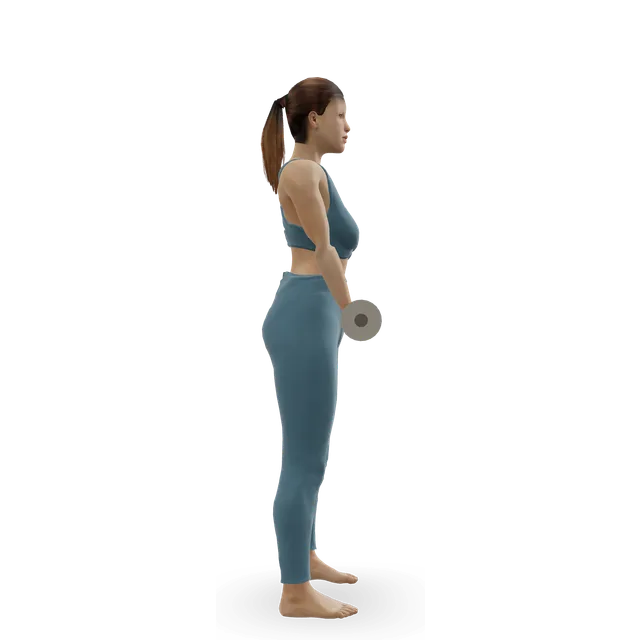
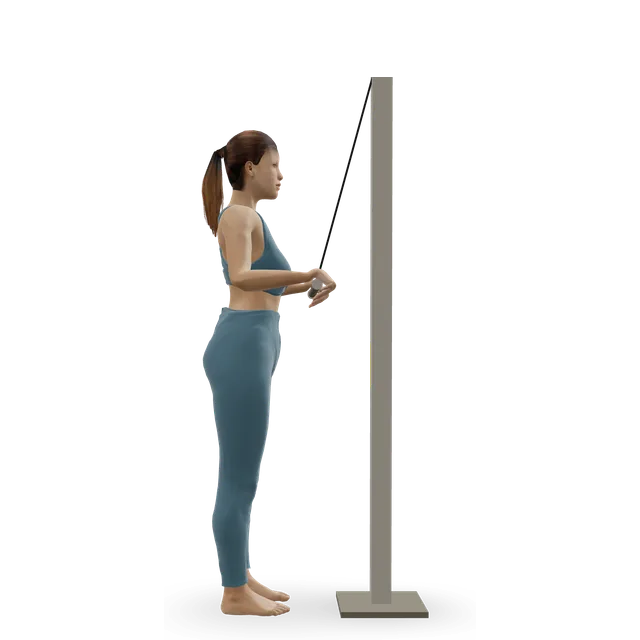
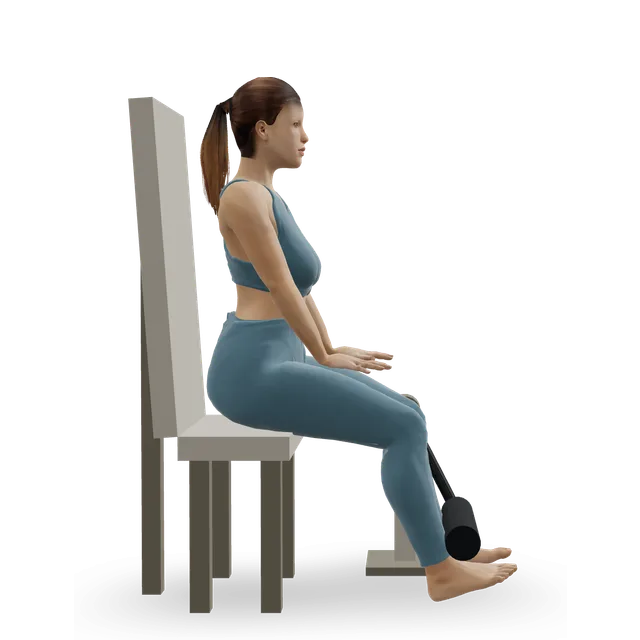
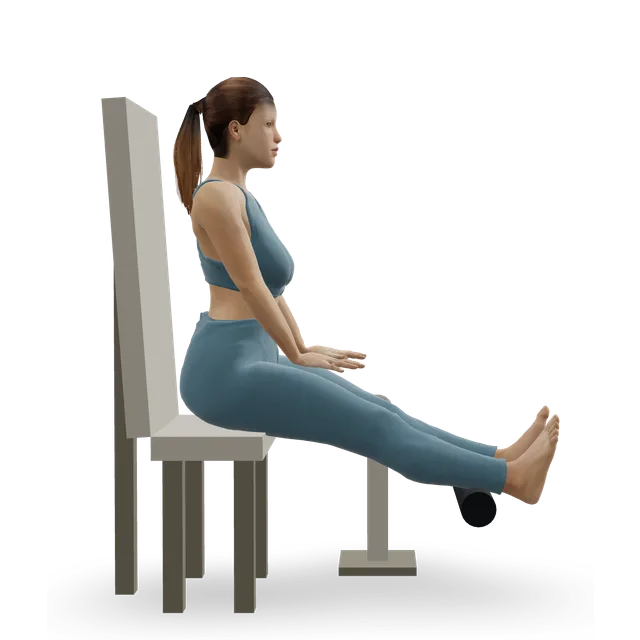
Pair them in twos, in the order shown (dumbbell press with row, overhead press with pulldown, bench press with cable row, push-up with band row, curl with pushdown, leg extension with leg curl), for 3 sets of 8 to 12 each as our editorial starting point.

Upper-lower and leg-and-core pairs

Pair goblet squats with dumbbell rows, Romanian deadlifts with push-ups, the leg press with the lat pulldown, or goblet squats with dead bugs; at home, a tri-set of goblet squats, push-ups and band rows works too, with 90 seconds' rest after the three (our suggestion).

Same-muscle pairs: if you want to try them

The trade-offEmerging evidence

Same-muscle pairs save time, about a third in the pre-exhaust trial, but they cut the weight you can lift on the second move and didn't build more muscle than normal sets. Use them for variety or because you enjoy them, not as a shortcut to growth.

Sources 1, 10

How to do them

For example, 3 sets of 10 to 15 leg extensions, each followed straight away by 8 to 12 reps on the leg press, with about 2 minutes' rest after the pair (our editorial starting point; the trial put leg extensions before Smith machine squats and leg curls before Romanian deadlifts). Use a machine for the second move, so a failed rep is safe.

Source 10

When to use straight sets instead

Your most important heavy lift

Strength is specific to how heavy and how fresh you lift. If one lift's top strength matters most to you, do it first as straight sets with full rest, then superset the rest of the session.

Sources 8, 15

A move you're still learning

Learn a new lift with straight sets first, so tiredness from its partner doesn't change your technique (our suggestion).

A busy gym

Holding two stations at once can be awkward. Use dumbbells for both moves, such as a dumbbell bench press with a one-arm dumbbell row, so you keep one spot (our suggestion).

Workouts to follow

Our full-body superset workout pairs a squat with a pulldown, a press with a row and a hip hinge with an overhead press. The 20-minute workout is two dumbbell supersets you can do at home, and the others use arm supersets.

Plans that use supersets

Our 2-day plan supersets the press with the row and the squat with the core move when you're short on time, and the full-body plan pairs each press with a row.

Who should check first, and when to stop

Check with your GP first if

For healthy adults, strength training is safe: in trials with more than 38,000 people, it didn't raise serious adverse events. Speak to your GP or cardiac team before hard sets if:

  • You have a heart condition, or get chest discomfort, unusual breathlessness or dizziness when you're active.
  • Your blood pressure is high and not yet controlled. Once it's controlled, low to moderate-intensity strength training with steady breathing is safe, the American Heart Association says.

Sources 17, 8

Call 999 now (911 in the US)

Stop and call 999 for:

  • Chest pain that feels tight, heavy or like squeezing, or that spreads to your arms, neck, jaw, stomach or back.
  • Chest pain with sweating, feeling sick, light-headedness or breathlessness, or sudden chest pain or discomfort that doesn't go away.
  • Severe difficulty breathing: gasping, choking or not able to get words out.
  • Someone who faints while exercising.
  • A sudden, extremely painful headache, or a headache with weakness or numbness, or difficulty speaking.

Sources 18, 19, 20, 21

Call NHS 111 (in the US, your doctor or urgent care)

Get advice the same day for:

  • A headache brought on or made worse by exercising, coughing, sneezing or bending down.
  • In the days after a hard session, especially a new or much bigger one: muscle pain or weakness far worse than normal soreness, with dark (tea or cola-coloured) urine or passing less urine than usual. These can be signs of rhabdomyolysis, a rare but serious breakdown of muscle, so get medical help straight away.

Sources 21, 22, 23

Stop, and get checked before you train again

Dizziness, unusual breathlessness, chest pain or pressure, or palpitations (a racing, pounding or irregular heartbeat) during strength training.

Source 17

See a GP

  • A faint at any time other than during exercise (fainting during exercise needs 999).
  • A sprain or strain that's getting worse, or isn't getting better.
  • Tiredness that rest and sleep don't relieve.

Sources 20, 24, 25

During a superset session

Some breathlessness between pairs is normal and should settle in your rest. If it doesn't, or you feel light-headed or dizzy, stop for the day. Stand up slowly from benches: in the pre-exhaust trial, 7 people felt light-headed with the pairs, against 4 with normal sets.

Source 10

Myths

"Supersets halve your workout"Emerging evidence

Usually a third to a half: in a meta-analysis, sessions were about 37% shorter on average, and single studies saved about 36 to 50%. Keep each move's full rest and you save nothing.

Sources 1, 3, 4, 6, 10

"Supersets build more muscle than straight sets"Emerging evidence

Long-term trials found similar gains in muscle and strength, not bigger ones.

Sources 1, 5, 12

"Supersetting the same muscle builds the most"Emerging evidence

It cut the weight people could lift, and in an 8-week trial, pre-exhaust pairs grew slightly less muscle than normal sets, with wide uncertainty.

Sources 1, 10

"Supersets burn loads more fat"Emerging evidence

For the same work, total energy use was about the same, and the extra afterburn was roughly 5 kcal. What you eat and how much you move overall matter far more.

Source 7

"Supersets wreck your muscles more"Mixed evidence

Pooled markers of muscle damage weren't higher. One high-volume study in rugby players found signs of more, with jump height still down a day later.

Sources 1, 4

"Supersets are only for advanced lifters"Mixed evidence

Most studies were in trained people, and there are no long-term trials in beginners either way. The moves matter more than the format: our plans use push-pull supersets for beginners who are short on time.

Source 1

Questions people ask

What is a superset?

Two exercises done back to back, with only the time it takes to move between them, then a rest before the next round. The most common types pair opposing muscles, such as a press with a row, or the upper and lower body, such as a squat with a pulldown.

Do supersets build muscle?

Yes, about as well as normal sets. In the long-term trials, strength, muscular endurance and muscle size changed about as much with supersets, though there are only a few small trials, mostly in young trained men.

Are supersets good for strength?

Mostly: strength rose about as much as with normal sets in short trials. In one trial of whole-body supersets, which we could read only as an abstract, pulldown strength rose slightly less. If one lift's top strength matters most to you, do it as straight sets with full rest first.

How long should I rest between supersets?

Go straight from the first move to the second, then rest 60 to 90 seconds after a pair of small moves and 90 seconds to 2 minutes after a pair of big ones. If your reps drop by more than 2 or 3 from one round to the next, rest longer.

What are the best exercises to superset?

Moves that don't compete: a push with a pull (dumbbell press and row, overhead press and pulldown, curl and pushdown), a leg move with an upper-body move, or a leg move with a core move. Pairing opposing muscles kept the reps people managed, and in two studies added a few.

Can I superset the same muscle?

You can, but it cuts the weight you can lift on the second move. In an 8-week trial, pre-exhaust pairs saved about a third of the time but built slightly less muscle than normal sets, with wide uncertainty. If saving time is the reason, use pairs that don't compete.

What's the difference between a superset, a tri-set, a giant set and a circuit?

A superset is two moves in a row, a tri-set three and a giant set four or more, each followed by a rest. A circuit is a longer chain of stations done in turn; our circuit training guide covers it.

Do supersets burn more calories?

A little more per minute, not per workout: with the same work, total energy use was about the same, and the extra afterburn was roughly 5 kcal. What you eat and how much you move overall matter far more.

Superset or drop set?

A superset pairs two different moves to save rest time; a drop set carries on one move with a lighter weight to save sets. Both saved time and gave similar results to normal sets in trials.

Are supersets good for beginners?

There are no long-term trials in beginners either way. Learn each move with straight sets first; after that, push-pull supersets are a sensible way to save time, and our 2-day plan uses them.

How much time do supersets save?

In a meta-analysis, sessions were about 37% shorter on average: roughly a third to a half off, depending on how you arrange your rest. In single studies, 42 minutes became 24, and 58 became 35. Keep every move's full rest and you save nothing.

Sources

  1. Zhang 2025 · Supersets against traditional sets: 19 studies (systematic review and meta-analysis, Sports Med)
  2. Iversen 2021 · No time to lift? Designing time-efficient programmes for strength and muscle (narrative review, Sports Med)
  3. Chien 2026 · Paired-set layouts and rest: work done, reps and time in 14 studies (systematic review, J Funct Morphol Kinesiol)
  4. Weakley 2017 · Traditional sets, supersets and tri-sets in 14 rugby players (crossover study, Eur J Appl Physiol)
  5. Cowley 2026 · Advanced training methods and strength, power and muscle: 62 studies (Bayesian network meta-analysis, Sports Med)
  6. Andersen 2022 · How time-efficient and traditional sessions feel: 29 trained adults (crossover study, Front Psychol)
  7. Kelleher 2010 · The energy cost of push-pull supersets against traditional sets in 10 young men (crossover study, JSCR)
  8. Currier 2026 · Resistance training prescription for strength, muscle and performance in healthy adults (ACSM position stand, overview of reviews, MSSE)
  9. Robbins 2010 · Agonist-antagonist paired-set training (brief review, JSCR)
  10. Hermann 2026 · Pre-exhaustion pairs against traditional sets in 41 trained adults over 8 weeks (randomised trial, Int J Exerc Sci)
  11. Paz 2017 · Work done and fatigue in push-pull paired sets against traditional sets (crossover study, JSCR)
  12. Mang 2025 · Short- and long-term effects of supersets against traditional training (narrative review, JSCR)
  13. García-Orea 2023 · Alternating squat and bench press sets against traditional sets in 17 men over 6 weeks (randomised trial, PeerJ)
  14. Robbins 2009 · Alternating bench press and bench pull sets in 15 trained men over 8 weeks (randomised trial, J Sports Sci)
  15. Iversen 2024 · Supersets against traditional sets in 10 weeks of whole-body training (randomised trial, JSCR; abstract only)
  16. Realzola 2022 · Energy use in push-pull supersets in young women and men (crossover study, JSCR)
  17. Paluch 2024 · Resistance exercise training in people with and without heart disease: 2023 update (American Heart Association scientific statement, Circulation)
  18. NHS · Heart attack
  19. NHS · Chest pain
  20. NHS · Fainting
  21. NHS · Headaches
  22. MedlinePlus (US National Library of Medicine) · Rhabdomyolysis
  23. CDC NIOSH · Signs and symptoms of rhabdomyolysis
  24. NHS · Sprains and strains
  25. NHS · Self-help tips to fight tiredness

Exercise education, not a personal prescription, and clinical review of these guides is pending. Check with a GP before starting hard training if you have a heart condition, chest pain, dizziness or breathlessness when active, and stop for sharp or increasing pain. Health disclaimer.