Standing overhead press
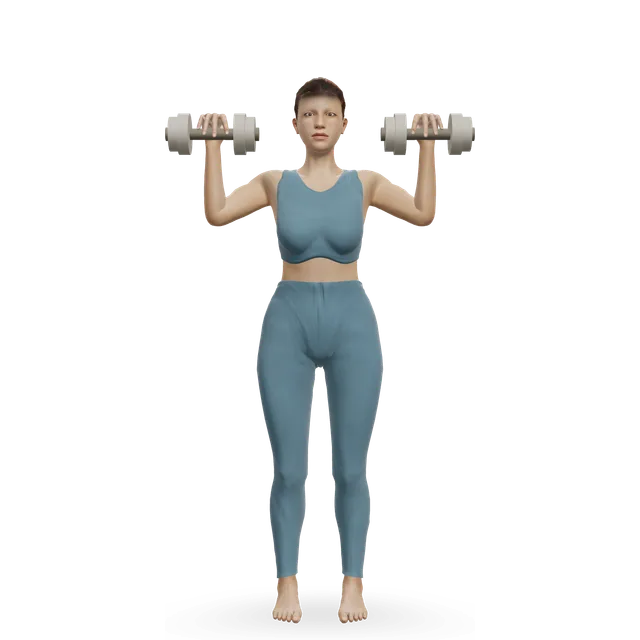
A strict press: the arms alone drive the weight from the shoulders to overhead while the body stays still.
Overhead press and jerk family
Standing overhead press
Loading the 3D figure…
Source-researched guide.
How to move
- Stand with the feet hip-width apart, the bar or dumbbells at shoulder height and the ribs braced down.
- Press straight up until the arms lock with the biceps beside the ears, moving the head back slightly to clear the bar.
- Lower under control to the shoulders.
Form cues
- Do not lean back to finish the rep.
- If you cannot get overhead without arching, press one arm at a time or at an incline.
Practice and cautions
No universal dose is assigned. Choose a manageable amount for your current capacity, leave room for controlled repetitions, and allow recovery. A clinician’s individual plan takes priority.
With glaucoma, breathe out through each effort rather than holding your breath, and keep loads moderate: eye pressure rises during heavy lifts, most with a held breath. Ask your eye team before maximal lifts. Clear the space overhead and behind you, and decide in advance how you will lower or drop a failed rep. Avoid straining against a held breath if your blood pressure is uncontrolled. If you cannot get the arms overhead without arching, press at an incline or one arm at a time until the range improves. With unstable proliferative or severe diabetic retinopathy, avoid heavy lifting, overhead lifting, breath-holding and hard isometric holds; keep effort moderate and ask your eye team. With heart disease, check with your cardiac team before lifting heavy, and never hold your breath on the effort. After heart surgery through the breastbone, or a heart or lung transplant, follow your surgeon's advice before pushing, pulling or lifting with your arms. After breast cancer surgery or reconstruction, follow your surgical team's advice on when you can lift your arm above shoulder height, or push, pull or lift with it. If you push a manual wheelchair, dips and overhead pressing load the shoulder in positions the spinal cord injury guideline advises limiting: favour rows, pull-downs from shoulder height and rotator cuff work, and stop if it brings on shoulder pain. With epilepsy, use a spotter, safety bars or a machine for heavy lifts if you still have seizures. This is movement education, not an assessment or treatment prescription. Stop for sharp or increasing pain, dizziness, numbness or tingling; seek individual guidance for symptoms, injury or restrictions.
Sources and review status
Sources support the educational description; they do not establish that this exercise is suitable for you.
- ACE · Standing shoulder press with a barbell (advanced) ↗
- NSCA 2023 · Position statement on weightlifting for sports performance (the push press starts the bar with the legs, feet down; the split jerk lifts the most) ↗
- Hackett 2024 · Resistance exercise and eye pressure in healthy adults: 34 studies (systematic review, Journal of Strength and Conditioning Research) ↗
- Free Exercise DB · alias and muscle metadata ↗
Unlicense · Free Exercise DB contributors; derived from wrkout/exercises.json. Text import; no photographs or media. · Revision f00c92c7dcf1216a928a52c3706c7ce8e2f71ed5
No variation is labeled clinically validated.
What it works
Muscles
Main: Shoulders, Triceps. Also: Back, Abs.
Anatomy: Deltoid, Rotator cuff, Supraspinatus, Infraspinatus, Subscapularis, Teres minor.
Equipment
A barbell + A dumbbell
Level
Intermediate. See the easier and harder options above.
Workouts that use it
Pain guides that use it
Part of a staged plan, with when to get help first.
- Shoulder pain when doing overhead presses: the rotator cuff, the AC joint, grip and what helps
- Headaches when lifting weights: straining and breath holding, the neck, heat, and the signs to check
- Lower back pain when overhead pressing: arching, the ribs and bracing, standing or seated, and swaps
- Wrist pain when overhead pressing: the bar in your hand, the bent-back wrist, grip and swaps
- Elbow pain when overhead pressing: the triceps tendon at lockout, the inner and outer elbow and grip
Guides that use it
- Shoulder joint guide
- Exercise for osteoporosis and osteopenia
- Exercise for menopause and perimenopause
- Strength training for women
- Exercise for men
- Exercise and testosterone
- Exercise for fatty liver disease (MASLD)
- Exercise with prostate cancer
Show all 44 guidesShow fewer guides
- Exercise with a stoma
- Exercise with an overactive thyroid (hyperthyroidism)
- Training guide
- How to build muscle guide
- How to overhead press guide
- Circuit training guide
- EMOM and AMRAP guide
- Supersets guide
- RPE and RIR guide
- Deload week guide
- Compound vs isolation guide
- Free weights vs machines guide
- Lateral raises guide
- How to get wider shoulders guide
- How to tone up guide
- How to gain weight guide
- How to get stronger guide
- Increase your bench press guide
- How to do a clean and jerk guide
- Arnold press guide
- Front raises guide
- Push press guide
- Handstand push-ups guide
- Cable lateral raises guide
- Shoulder press machine guide
- Dumbbell shoulder press guide
- Overhead carry guide
- How to bulk up guide
- How to get a V taper guide
- Build muscle at home guide
- Strengthen your shoulders guide
- Stronger without getting bigger guide
- Strengthen your arms guide
- Build muscle over 40 guide
- Bone density guide
- Cheerleading guide
Similar moves
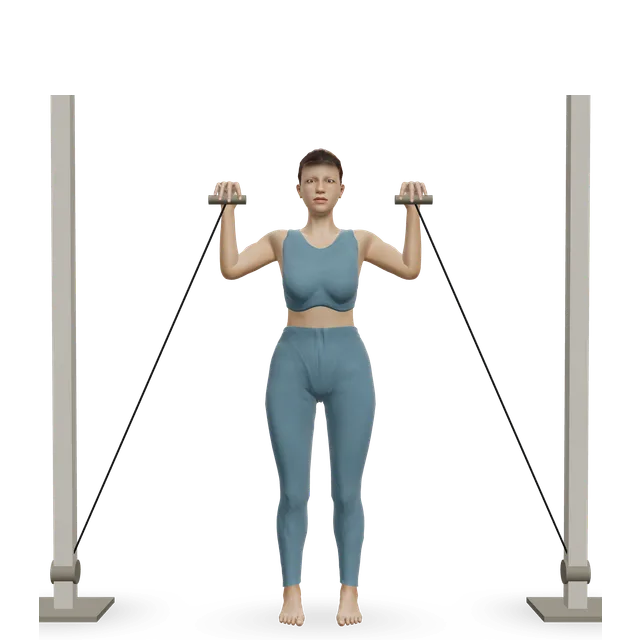 3D demoAlternating cable shoulder pressIntermediate · A cable machine
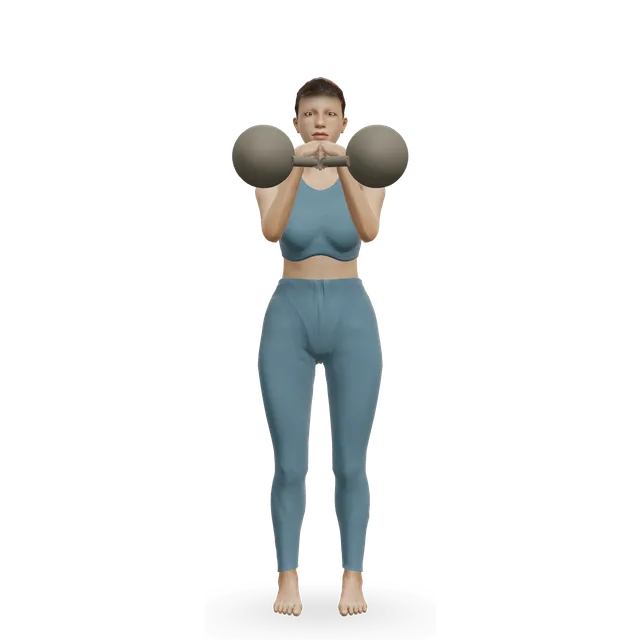 3D demoAlternating kettlebell pressIntermediate · A kettlebell
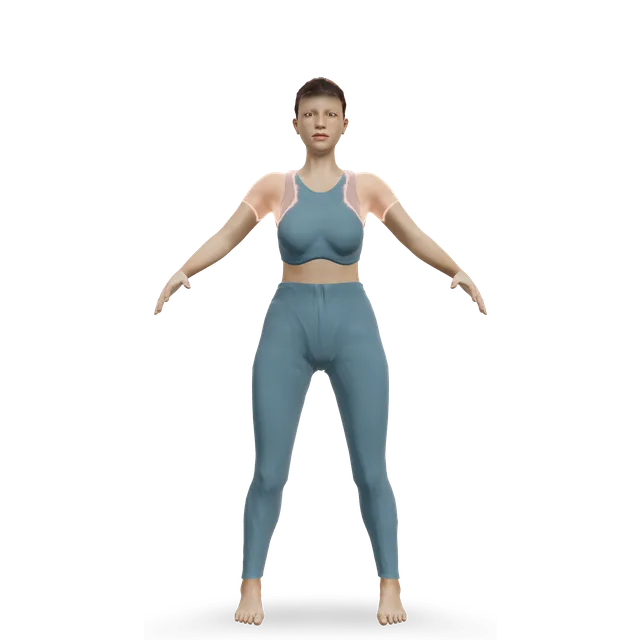 Kettlebell halo with overhead extensionIntermediate · A kettlebell
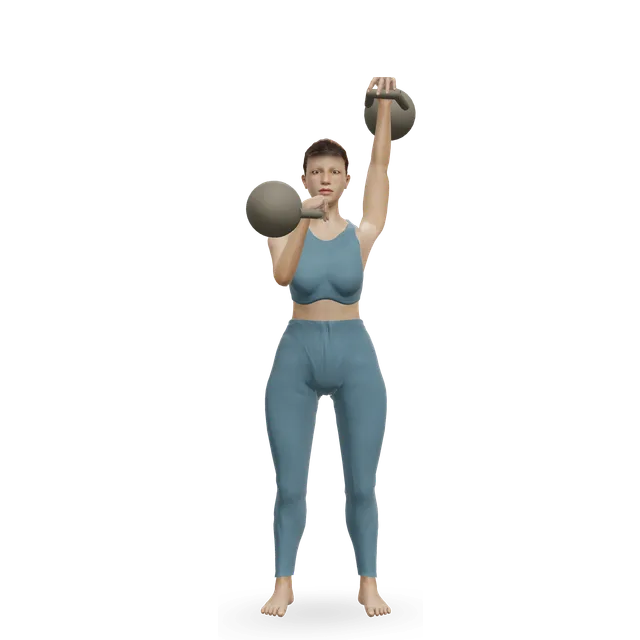 3D demoKettlebell seesaw pressIntermediate · A kettlebell
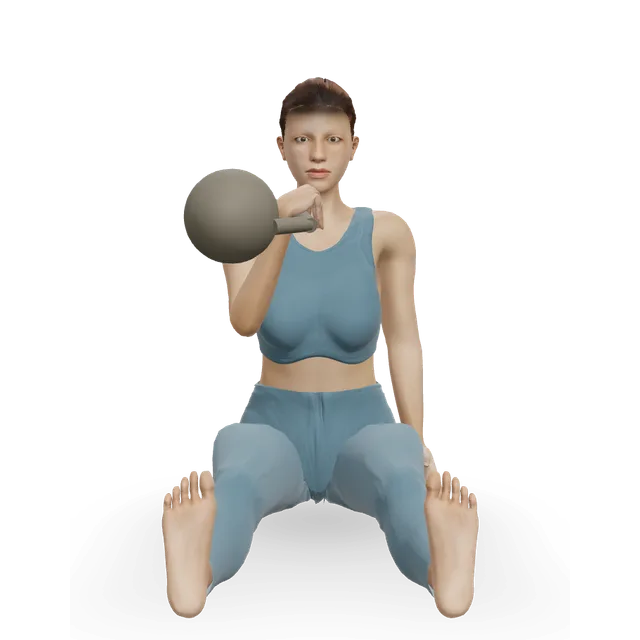 3D demoSeated kettlebell pressIntermediate · A kettlebell
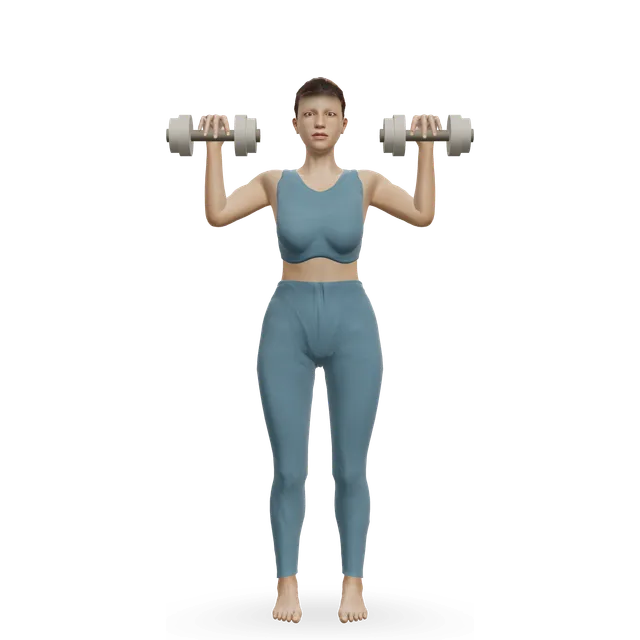 3D demoStanding alternating dumbbell pressIntermediate · A dumbbell
Browse more
Questions people ask
What muscles does the Standing overhead press work?
Mainly the shoulders and triceps, with help from the back and abs.
What equipment do I need for the Standing overhead press?
A barbell + A dumbbell.
Is the Standing overhead press good for beginners?
It is graded intermediate. If it is too hard right now, start with the Anti-gravity press.
What is an easier alternative to the Standing overhead press?
Try the Anti-gravity press or the Chest press machine. It works similar muscles at a lower grade.
How do I make the Standing overhead press harder?
Progress to the Push press or the Double kettlebell push press. Follow that guide’s technique and any stated timing.