The supraspinatus is the small rotator cuff muscle in the hollow above the bony ridge on the back of your shoulder blade. Its tendon runs out under the tip of the shoulder to the top of the upper arm bone. That makes it the cuff tendon most often torn and, with the infraspinatus, the usual site of calcium deposits.
With the deltoid, it lifts your arm out to the side, pressing the ball of the arm bone into its shallow socket as it does. It is often said to do only the first 15 degrees, but studies that temporarily numbed its nerve show it working with the deltoid all the way up.
Shaded: the shoulders area. It marks the region, not the exact outline of the supraspinatus.
Starts at (origin)
The hollow above the bony ridge on the back of the shoulder blade.Supraspinous fossa of the scapula
Attaches to (insertion)
The top of the outer bump of the upper arm bone, just under the tip of the shoulder.Superior facet of the greater tuberosity of the humerus
What it does
Lifts the arm out to the side, working with the deltoid from the start of the movement to the top: reaching up to a high shelf.Shoulder abduction, with the deltoid
Presses the ball of the arm bone into its shallow socket and, with the deltoid, stops it being pulled down when you carry something heavy.Compression and stabilisation of the humeral head
Helps a little in turning the arm outward.Weak external (lateral) rotation
Nerve supply
Suprascapular nerve (C5, C6, with a C4 contribution in about 18% of people), from the upper trunk of the brachial plexus. It reaches the muscle through a notch at the top of the shoulder blade.
The shoulder is a shallow ball and socket. The rotator cuff's main job is to press the ball into the socket and keep it centred while bigger muscles move the arm, and at low angles of lifting the cuff also counters the deltoid's upward pull on the ball.
A partner to the deltoid, all the way upEmerging evidence
When the suprascapular nerve was blocked in volunteers, switching off the supraspinatus and infraspinatus, the strength of lifting the arm out to the side fell by about three-quarters at every angle tested, from 0 to 90 degrees. That was one nerve-block study in 11 volunteers (read as an abstract); lasting injuries may differ. An earlier nerve-block study found the supraspinatus and deltoid producing about equal shares of the lifting force.
It switches on just before the arm moves. In studies using EMG (electromyography, a recording of muscle activity), one found it the first muscle on, by a tenth of a second, and another found it no earlier than the deltoid and the muscles that move the shoulder blade. How much it contributes also varies between people.
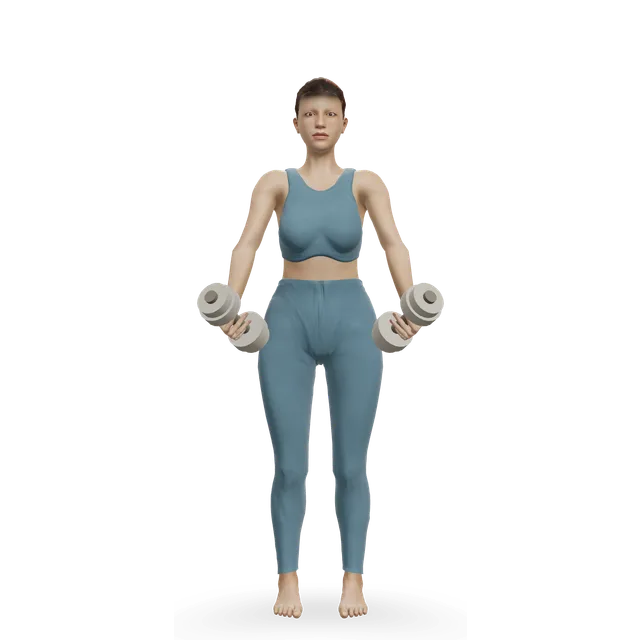
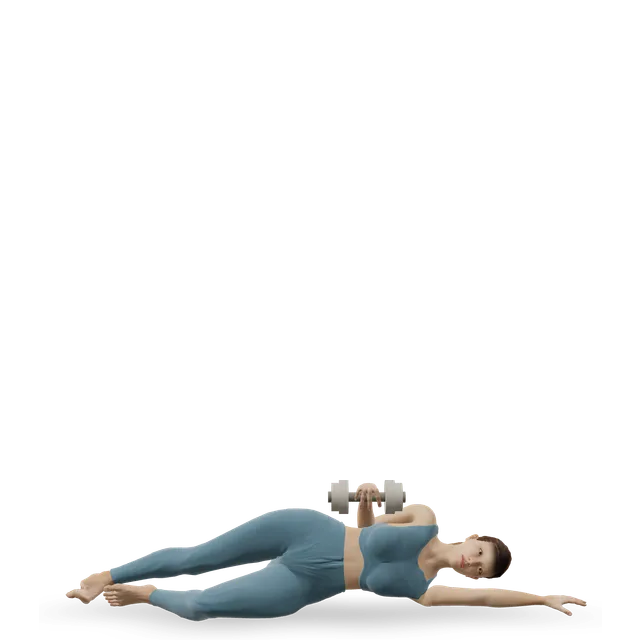
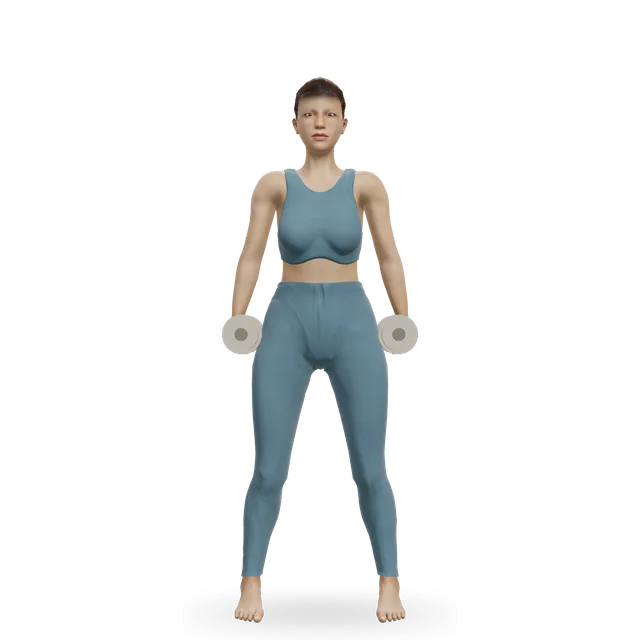
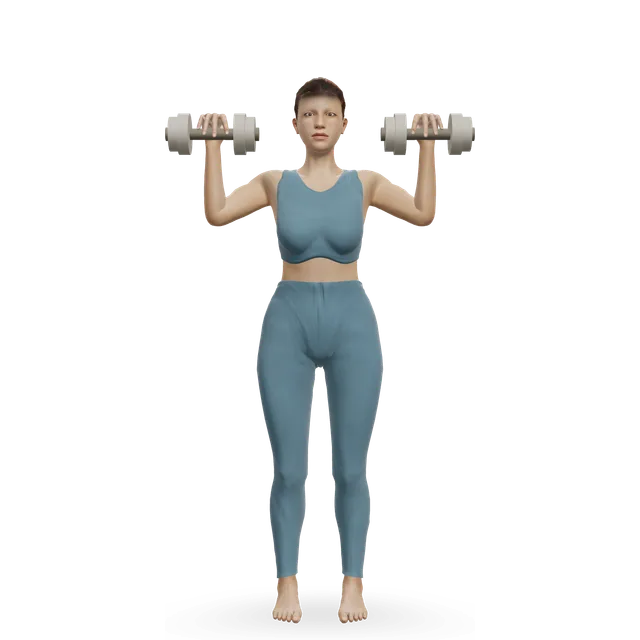
The order rests on EMG studies, which show activity, not growth. The thumb-up scaption raise worked the supraspinatus as hard as the thumb-down 'empty can' with less deltoid, and hurt less in people with impingement. The highest activity of seven exercises in one study came from a loaded raise lying face down, arm at 100 degrees with the thumb up; the prone Y-T-W raise is the nearest move in our library, not the same exercise. External rotation also worked it, with less deltoid: the side-lying and band rotations are the closest moves on our figure to the study's positions (our match). The lateral raise is chosen from its action.
Rotator cuff pain and the painful arcEmerging evidence
The usual picture is pain on the outside of the shoulder with overhead use, a painful arc partway up as the arm rises (roughly 60 to 120 degrees), and pain lying on that side at night. The tendon runs through a space only about 1 to 1.5 cm high under the tip of the shoulder.
A painful arc points to the rotator cuff or the bursa above it, not to this muscle alone. In 97 people with one, the problems were spread in thirds between the back of the cuff, the subscapularis and the supraspinatus, and on its own the sign picks up only about half of cases.
Most rotator cuff tears involve the supraspinatus. Worn tears most often sit about 15 mm behind the biceps tendon, near where the supraspinatus meets the infraspinatus, and may start there.
Typical signs are pain at night and when lifting, and weakness lifting or turning the arm; a tear from a fall tends to cause intense pain and immediate weakness. An arm that springs back when held turned out (the external rotation lag sign) rarely misleads, but it missed about half of full-thickness supraspinatus tears in one large study. The American Academy of Orthopaedic Surgeons (AAOS) reports that about 80 to 85% of people improve without surgery.
Calcium crystals form most often in the supraspinatus and infraspinatus tendons. They turned up in 7.8% of 734 adults without shoulder pain and 42.5% of 485 with pain under the tip of the shoulder; women aged 30 to 60 with a deposit over 1.5 cm were the most likely to have symptoms.
Deposits usually reabsorb on their own, after which the tendon rebuilds itself. In 35 people examined at least 10 years later, none had a full-thickness tear and most deposits had shrunk.
Most repairs are of this tendon, because most tears are. Surgeons aim to include its front fibres, which carry the most load; when a tear spares them, lifting the arm above shoulder height tends to be less affected.
The suprascapular nerve can be compressed where it passes through a notch at the top of the shoulder blade, wasting both the supraspinatus and the infraspinatus. Compression further along, at the edge of the shoulder blade's ridge, wastes the infraspinatus alone.
It only does the first 15 degrees of liftingEmerging evidence
Several reference chapters say the supraspinatus starts the lift and the deltoid takes over after about 15 degrees. But blocking its nerve, with the infraspinatus's, cut lifting strength by about three-quarters at every angle tested. That was one nerve-block study in 11 volunteers (read as an abstract); lasting injuries may differ. Whether it even starts the movement is unclear: one EMG study found it switching on with the other shoulder muscles rather than ahead of them, while another found it first by a tenth of a second.
The empty-can raise isolates the supraspinatusEmerging evidence
In EMG studies, thumb-up, thumb-down and face-down raises worked it equally, and in the can positions eight or nine other shoulder muscles were just as active, so no raise isolates it. The thumb-up version used less deltoid, and the thumb-down version was more painful in people with impingement.
A tear on the scan must be the cause of the painStrong evidence
On MRI (magnetic resonance imaging), 34% of 96 people with no shoulder symptoms had a rotator cuff tear, and 54% of those over 60. Pooled across 6,112 shoulders, cuff changes rose from about 10% at age 20 and under to 62% at 80 and over, with or without symptoms, and in 664 villagers screened by ultrasound, 65% of the full-thickness tears caused no symptoms.
Calcium in the tendon means it is wearing outEmerging evidence
Deposits are found in about 8% of adults with no shoulder pain, and they usually reabsorb on their own. In a small 10-year follow-up there were no full-thickness tears.
It helps the deltoid lift your arm out to the side and presses the ball of the upper arm bone into its shallow socket as you move. It also helps a little with turning the arm outward, and it is one of the four rotator cuff muscles.
Does the supraspinatus only start lifting the arm?
No. In one study that temporarily numbed the nerve in 11 volunteers, losing the supraspinatus and infraspinatus cut the strength of lifting the arm by about three-quarters at every angle tested, though lasting injuries may differ. It switches on just before the arm moves, but one study found it no earlier than the deltoid and the shoulder blade muscles.
What is the best supraspinatus exercise?
No exercise isolates it. A thumb-up raise slightly in front of the body (scaption), the thumb-down 'empty can' and raises lying face down all worked it about equally, and the thumb-up version used less deltoid. External rotation exercises worked it as hard with less deltoid. These studies measured muscle activity, which is not the same as growth or strength.
Should I avoid the empty can exercise?
If your shoulder is sore, raise with your thumbs up instead. In 28 people with shoulder impingement, the thumb-down raise was more painful and tipped the shoulder blade into a position linked with less room under the tip of the shoulder.
What does a supraspinatus tear feel like?
Usually pain on the outside of the shoulder that is worse lifting the arm and lying on that side at night, with weakness lifting or turning the arm and sometimes crackling. A tear from a fall tends to cause intense pain and immediate weakness, while some worn tears cause no pain at all.
Can a supraspinatus tear heal without surgery?
A torn tendon doesn't grow back onto the bone by itself, but good function can often be regained without an operation: the American Academy of Orthopaedic Surgeons puts non-surgical success at about 80 to 85%. Tears are also common in shoulders that don't hurt, so a tear on a scan isn't automatically the cause of pain.
What is the painful arc?
Pain partway through lifting the arm out to the side, roughly between 60 and 120 degrees, that eases higher up. It points to the rotator cuff or the bursa above it, but not to the supraspinatus in particular, and on its own it picks up only about half of cases.
What is calcific tendinitis of the supraspinatus?
Calcium crystals deposited in a rotator cuff tendon, most often the supraspinatus. Deposits turn up in about 8% of adults with no shoulder pain, are most likely to cause symptoms in women aged 30 to 60, and usually reabsorb on their own.
How do you stretch the supraspinatus?
It rarely needs stretching. In a lab study of 15 healthy men it lengthened most with the arm turned fully inward and taken behind the back, a position that is often sore with rotator cuff pain, so keep it gentle and skip it if it pinches.
Anatomy and movement education, not a diagnosis or treatment plan. If you have pain that follows an injury, is severe or getting worse, or comes with numbness, weakness or swelling, get it assessed. Health disclaimer.