Also called back rotator cuff muscle, back of the shoulder blade muscle
The infraspinatus is the thick, triangular rotator cuff muscle that covers much of the back of your shoulder blade, below its bony ridge. Its tendon crosses the back of the shoulder joint to the outer bump of the upper arm bone, just behind the supraspinatus.
It is the main muscle that turns your arm outward, and it also helps lift the arm and keep the ball of the joint centred. Its nerve winds round a notch at the edge of the shoulder blade, which is why the muscle can waste on its own, often without pain, in volleyball players and other overhead athletes.
Shaded: the shoulders area. It marks the region, not the exact outline of the infraspinatus.
Starts at (origin)
Most of the back of the shoulder blade, below its bony ridge.Medial three-quarters of the infraspinous fossa of the scapula
Attaches to (insertion)
The middle of the outer bump of the upper arm bone, just behind the supraspinatus.Middle facet of the greater tuberosity of the humerus
What it does
Turns the arm outward: reaching back to throw, brushing the back of your hair.External (lateral) rotation of the shoulder
Helps lift the arm in front of you and out to the side.Assists abduction, especially in the plane of the shoulder blade
Pulls from behind while the subscapularis pulls from the front, keeping the ball centred in the socket.Posterior half of the front-to-back force couple; humeral head stabilisation
Nerve supply
Suprascapular nerve (C5, C6, with a C4 contribution in about 18% of people). After supplying the supraspinatus it curves round the outer edge of the shoulder blade's ridge, through the spinoglenoid notch, to reach this muscle.
When its nerve was blocked, volunteers lost about 70% of their strength turning the arm outward and about 45% of their strength lifting it out to the side, at every angle tested. That was one nerve-block study in 11 volunteers (read as an abstract); lasting injuries may differ. A review of shoulder exercise studies also credits it with much of the force for raising the arm in the plane of the shoulder blade.
In volleyball, its nerve is stretched as the arm cocks back and follows through on the serve, which is thought to explain the wasting seen in some players. A systematic review found the wasting far more common in overhead athletes than in the general population.
At 10 to 40% of maximum effort the infraspinatus did more of the work of turning the arm outward relative to the deltoid, and lightly pressing the elbow into the side reduced the middle deltoid's share. Heavier efforts brought in more deltoid.
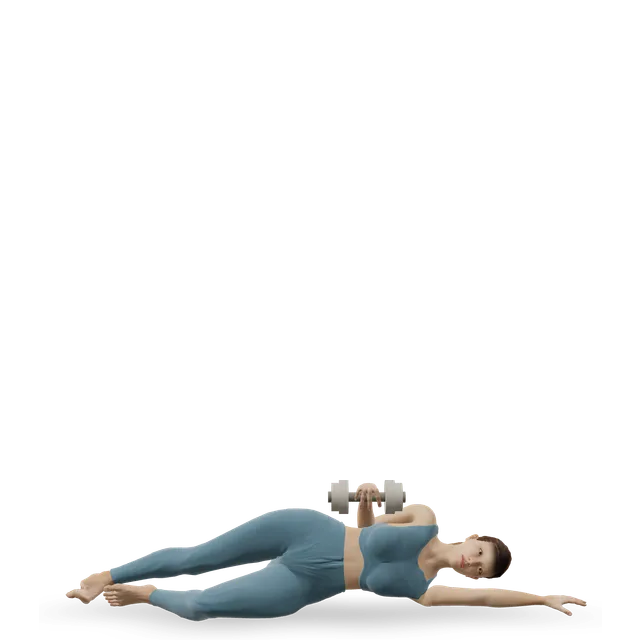
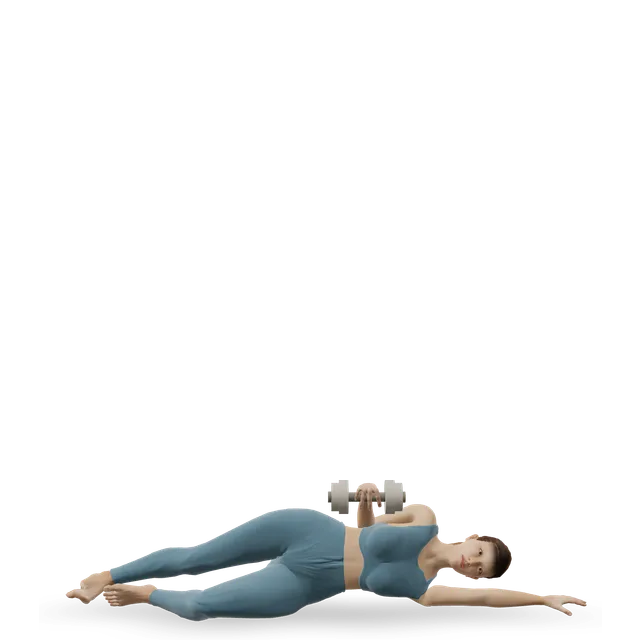
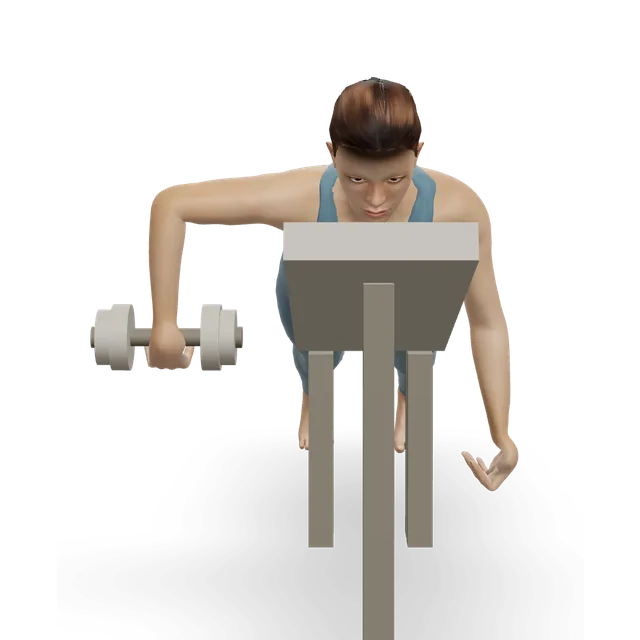
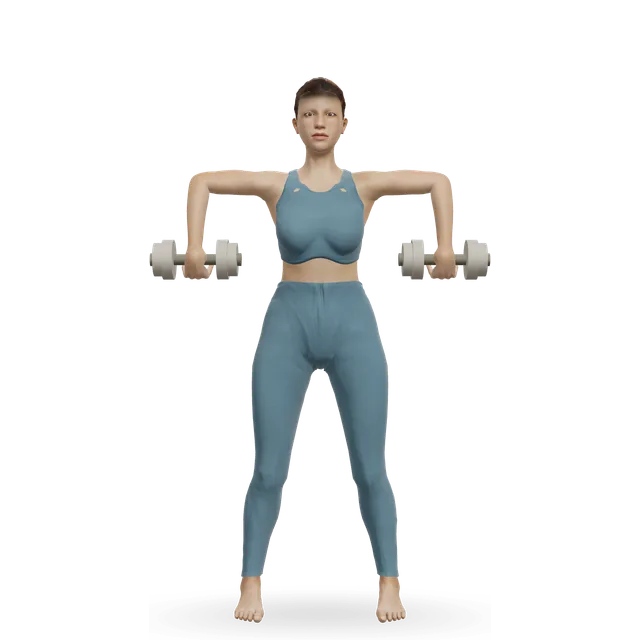
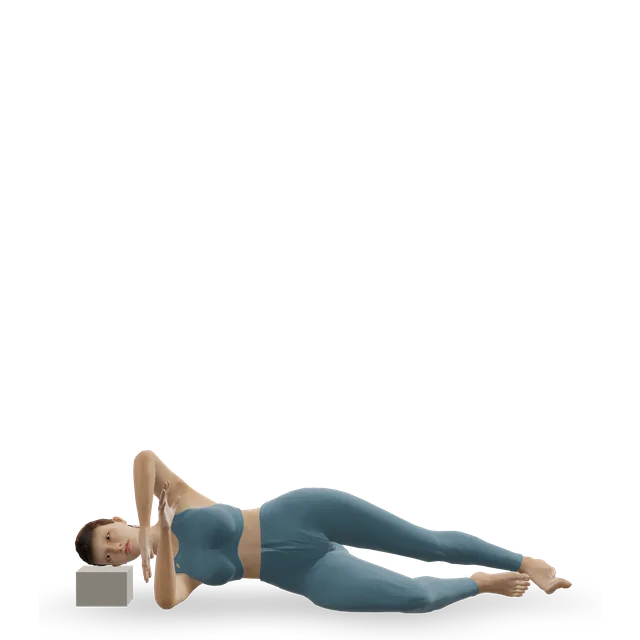
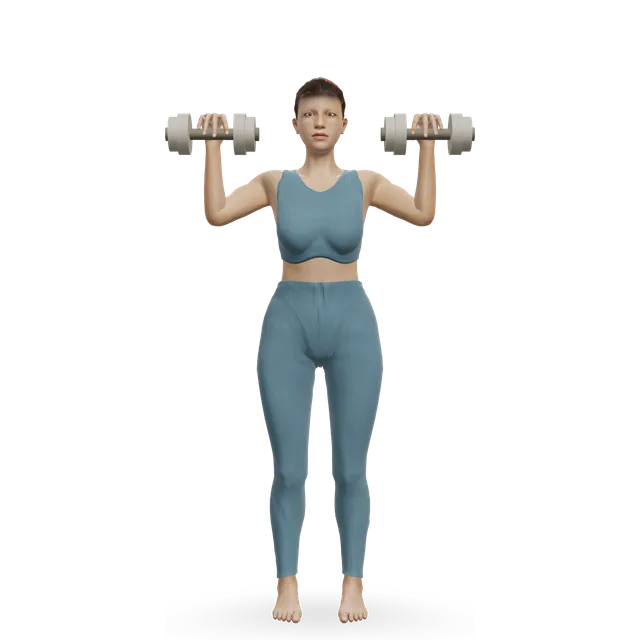
The first moves are ordered by EMG (electromyography, a recording of muscle activity), which shows activity, not growth. Side-lying external rotation drew the most infraspinatus activity of seven exercises in one study, and the bench version is the same movement; standing and face-down rotation were also measured but worked it less. The Cuban rotation and face pull are chosen from its action. Keep the load light.
In a trial in people with a tight back of the shoulder, the cross-body stretch improved inward turning by 20 degrees in 4 weeks, while the sleeper stretch's gain was not significant. In the lab the cross-body stretch softened the infraspinatus only when the shoulder blade was held still, so brace that shoulder blade against a wall or door frame.
Wasting of the infraspinatus alone usually means its nerve is compressed or stretched at the spinoglenoid notch, sometimes by a small cyst; wasting of both the supraspinatus and infraspinatus points higher up, to the notch at the top of the shoulder blade. Suprascapular nerve problems account for about 1 to 2% of shoulder pain, and up to a third of it in overhead athletes.
Compression at the lower notch is often painless. In 96 top volleyball players, 12 had painless wasting with about a fifth less outward-turning strength, and when followed for over 5 years most were still playing with the wasting unchanged. Most people improve with non-surgical care over 6 to 12 months, though marked wasting may not fully recover, and new wasting or weakness should be checked.
Infraspinatus tears usually extend from supraspinatus tears, and worn tears most often sit near where the two tendons meet. Weakness turning the arm out, or an arm that drops back when placed turned out, suggests the infraspinatus is involved; in one study this dropping sign matched advanced infraspinatus damage in all 54 people examined.
Pain when turning the arm outward against resistance is one of the more useful signs of rotator cuff pain under the tip of the shoulder, and problems at the back of the cuff made up a third of painful arcs in an older series.
For a large dent left in the back of the ball of the arm bone after a dislocation, one operation (a remplissage) fills it with the infraspinatus. Older people who dislocate a shoulder are prone to rotator cuff injuries.
Infraspinatus trigger points are a proven cause of shoulder painMixed evidence
One examiner found active trigger points in the infraspinatus of 77% of 72 people with chronic shoulder pain. But across studies, examiners agree only moderately on where trigger points are, and a meta-analysis judged finding them by touch unreliable. A 12-week programme treating them beat a waiting list, without a placebo comparison.
A wasted infraspinatus means your sport is overEmerging evidence
In volleyball players the wasting was often painless and most kept playing for years, and a systematic review found no convincing link with performance or other shoulder damage. New wasting still needs checking.
It is the main muscle that turns your arm outward, and it helps lift the arm and keep the ball of the shoulder centred. In one study that temporarily numbed its nerve in 11 volunteers, they lost about 70% of their strength turning the arm out and about 45% lifting it to the side, though lasting injuries may differ.
What is the best infraspinatus exercise?
Side-lying external rotation: of seven exercises measured, it drew the most infraspinatus activity. Keep it light, because at 10 to 40% of maximum effort the infraspinatus did more of the work compared with the deltoid, and lightly pressing the elbow into your side helped.
Where is infraspinatus pain felt?
Rotator cuff pain is usually felt on the outside of the shoulder and upper arm, worse lifting the arm and at night lying on that side. Trigger points in the infraspinatus are said to send pain elsewhere, but examiners agree only moderately on finding them.
Why is my infraspinatus wasted?
Wasting of the infraspinatus alone usually means its nerve is being squeezed or stretched where it winds round the edge of the shoulder blade, sometimes by a small cyst. It is common in overhead athletes and often painless, but new wasting or weakness should be checked by a clinician.
Is infraspinatus wasting in volleyball players serious?
Often not. In one study, 12 of 96 top volleyball players had painless wasting, and over 5 years most kept playing with the wasting unchanged. A review found no convincing link with performance or other shoulder damage.
Are infraspinatus trigger points real?
The evidence is mixed. One examiner found them in the infraspinatus of 77% of people with chronic shoulder pain, but examiners often disagree on where trigger points are. A programme treating them did better than a waiting list, but that trial had no placebo comparison.
How do you stretch the infraspinatus?
Try the cross-body stretch, which improved inward turning by 20 degrees in 4 weeks in a trial. In the lab it softened the infraspinatus only when the shoulder blade was held still, so lean that shoulder blade against a wall or door frame. Taking the hand behind your back with the arm turned in also eased it after about 20 seconds.
Can the infraspinatus tear?
Yes, usually when a supraspinatus tear spreads backwards, since worn tears most often start near where the two meet. Weakness turning the arm out, or an arm that drops back when placed turned out, suggests the infraspinatus is involved.
What nerve supplies the infraspinatus?
The suprascapular nerve, from the C5 and C6 nerve roots, sometimes with C4 too. It also supplies the supraspinatus and reaches the infraspinatus through a notch at the edge of the shoulder blade.
Anatomy and movement education, not a diagnosis or treatment plan. If you have pain that follows an injury, is severe or getting worse, or comes with numbness, weakness or swelling, get it assessed. Health disclaimer.