Training guide

How to squat with good form: depth, knees and the barbell squat

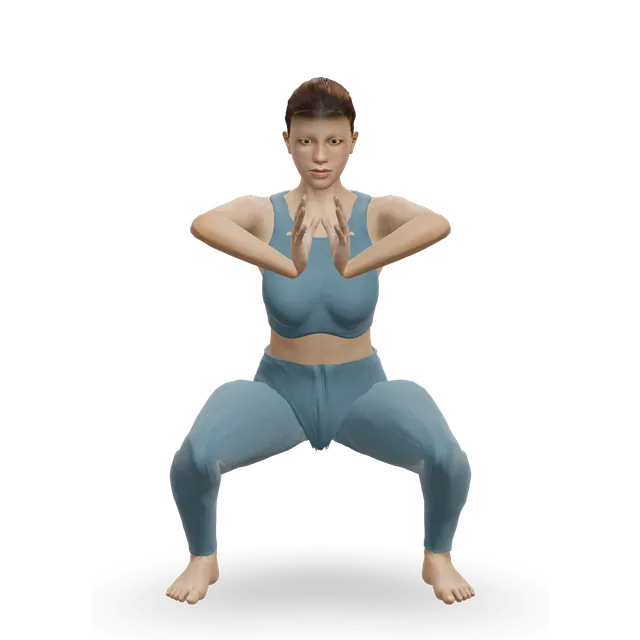
A good squat is simpler than it looks: brace, sit down between your feet with your knees following your toes, go as deep as you can keep your position, and stand up. Aim for your thighs about level with the floor. Your knees will travel past your toes, and that's normal: stopping them shifts the load onto your hips and lower back.

The evidence is mostly small lab studies and short trials, but it points one way. In small trials, deeper squats built more strength and muscle than half squats, and reviews found no evidence that deep squats harm healthy knees. Much of the rest, such as where the bar sits and how wide you stand, depends on your build and your goal rather than on right and wrong.

This guide takes you from your first sit-to-stand to a barbell squat in a rack, with a 3D demo of every step. It covers bracing and breathing, how deep to go, knees and toes, the "butt wink", high-bar, low-bar, front and goblet squats, and who should change the squat, with the evidence graded and the warning signs to act on.

The short version

Set up in a rack, brace, then sit down between your feet

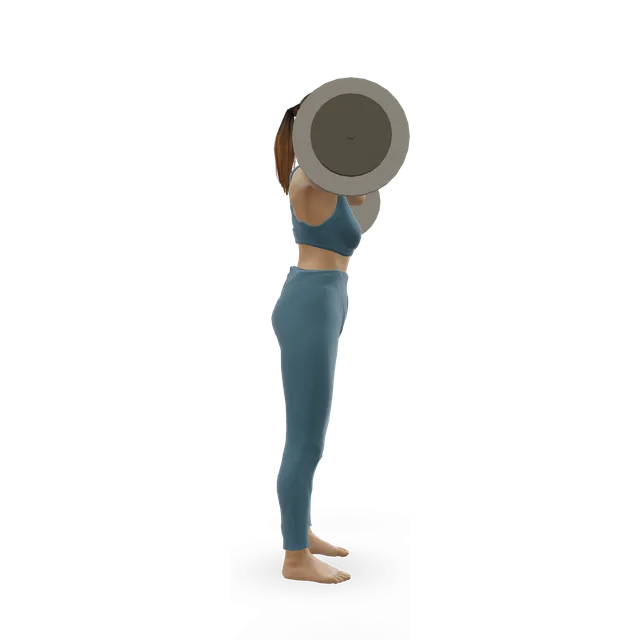
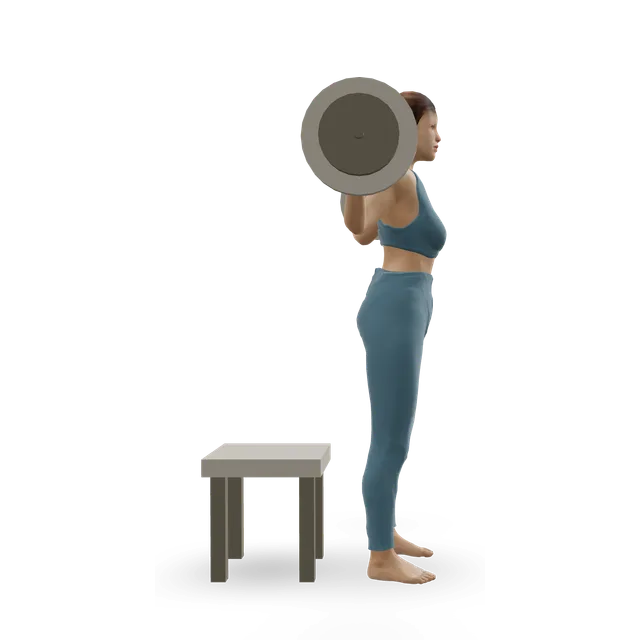
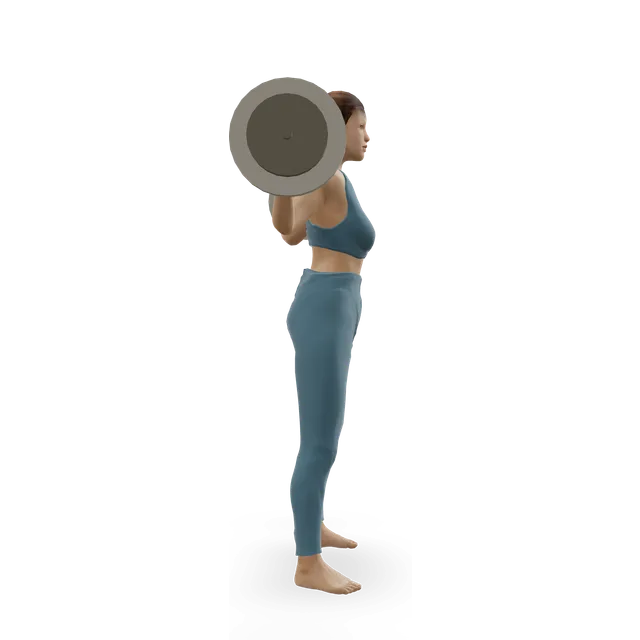
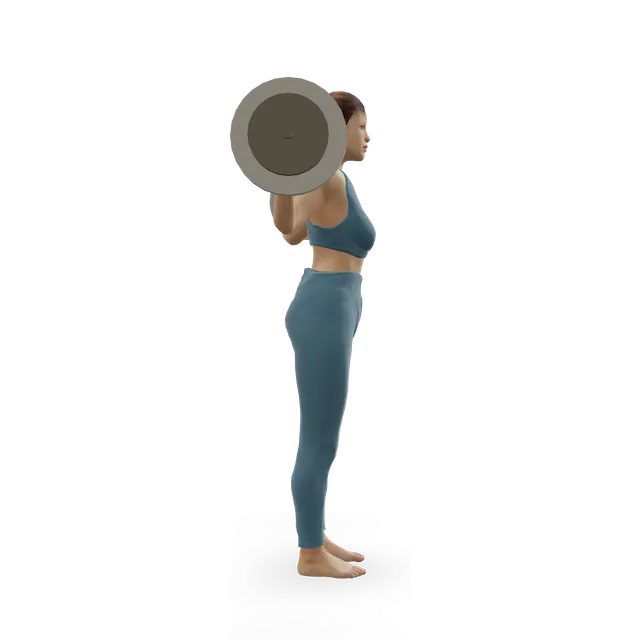
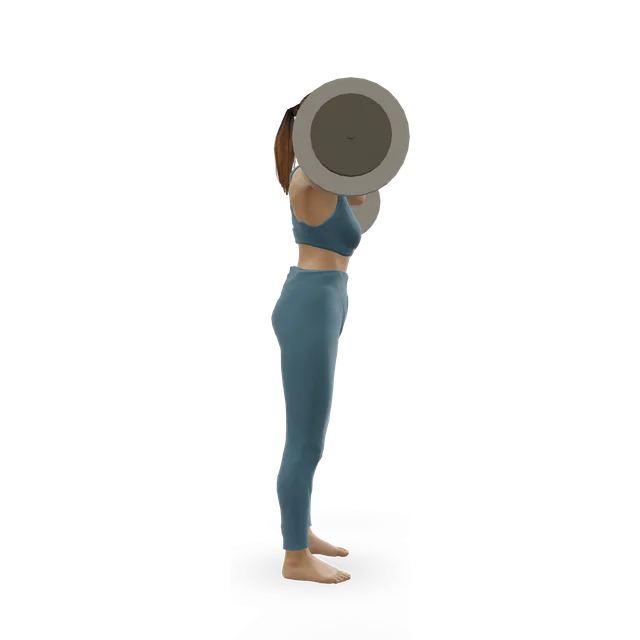
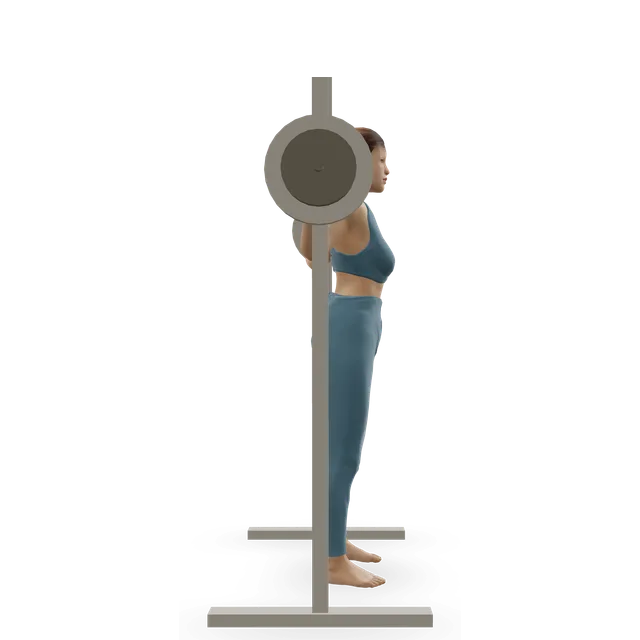
Rest the bar on your upper back with the safety pins set just below your lowest point, as in our beginner strength programme. Stand with your feet about shoulder-width apart and your toes turned out a little, take a big breath and brace, then bend your hips and knees together, with your knees following your toes.

Sources 1, 2

Aim for your thighs about level with the floor

That is the depth our demos show, and the "thighs at least parallel" mark of a published squat assessment. Deeper is fine if you control it: reviews found no evidence that deep squats harm healthy knees, though they disagree on the best depth for athletes. Powerlifting competitions ask for more, with the hip crease below the top of the knee.

Sources 2, 3, 4, 5

Knees past your toes is normal

In ordinary squats the knees travelled about 6 to 10 cm past the toes. Blocking them cut the load at the knee by about a fifth but raised the load at the hip roughly tenfold, and tipped the trunk forward. What matters is that your knees point the same way as your toes rather than caving in.

Sources 6, 7, 8

Butt wink: don't chase depth past it under a heavy bar

Butt wink is your pelvis tucking under at the bottom of a deep squat, when your hips run out of bend, which rounds your lower back and adds load to the spine. Some rounding under a bar is normal. The advice to stop just above it rests on mechanics and lab measurements, with no injury data either way.

Sources 9, 10

High bar or low bar: a choice, not a rule

A high bar keeps you upright and works the front of your thighs more; a low bar leans you forward, works your hips and back more, and usually lifts the most. Front squats load the knee less for similar muscle activity. Neither bar position has been shown to be safer.

Sources 11, 12, 13

Goblet squat first, then the bar

Coaching bodies teach the bodyweight squat first, then the goblet squat, then a barbell. Start the bar empty and add about 2.5 kg a session while every rep looks the same, as in our beginner strength programme.

Sources 14, 2, 1

How to squat, step by step

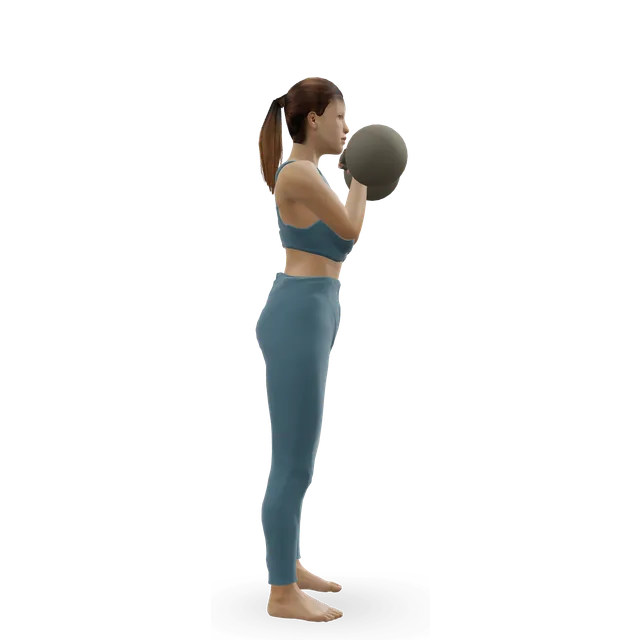
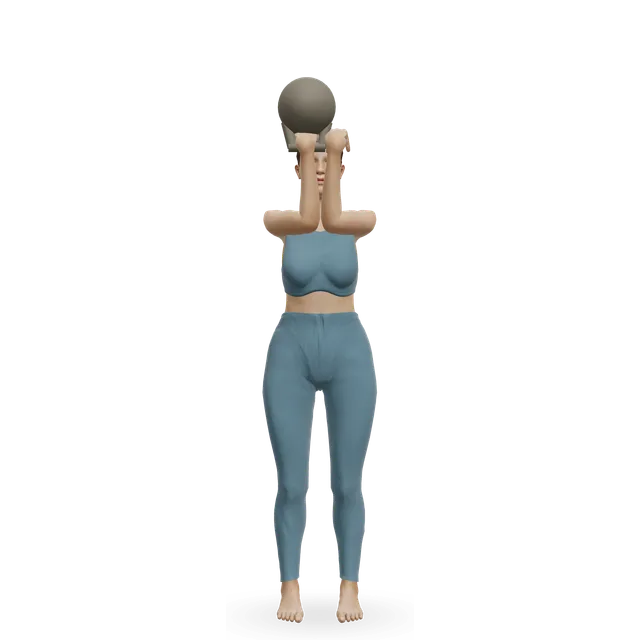
These steps describe the barbell back squat. For the goblet squat, hold one dumbbell upright against your chest, set your feet as in step 3 and follow steps 4 to 6.

1. Set the rack and the safety pins

Set the bar at about chest height, so you can lift it off with a small bend of the knees, and set the safety pins just below the lowest point of your squat, as in our beginner strength programme. If you have no pins, the National Academy of Sports Medicine (NASM) guide says to use a spotter; our advice is to squat with a dumbbell or kettlebell until you have a rack.

Source 1

2. Put the bar on your upper back

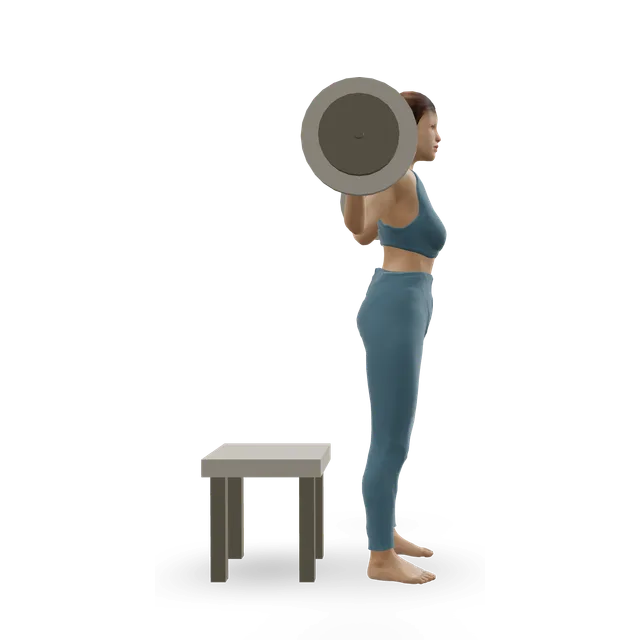
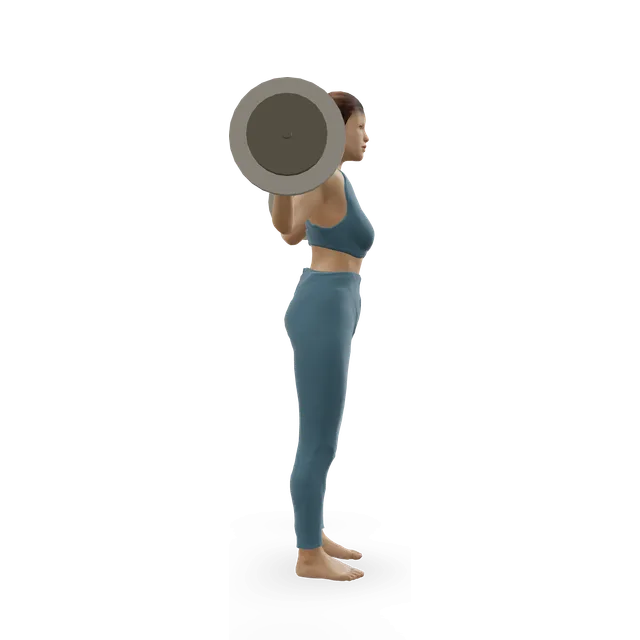
For a high-bar squat, rest the bar on the meaty part of your upper back just below your neck (the upper trapezius). For a low-bar squat, rest it a few centimetres lower, across the back of your shoulders (the rear deltoids); competition rules allow it no lower than that. It should never sit on the bones of your neck.

Hold the bar just outside your shoulders and squeeze it into your back: your back carries it, not your hands. If a low bar hurts your wrists or elbows, widen your grip and keep your wrists straight.

Sources 1, 5

3. Walk it out and set your feet

Stand up to lift the bar off and take about two steps back. Set your feet about shoulder-width apart with your toes turned out a little. A wider, more turned-out stance is a style, not a fault: powerlifters often squat that way. Turning the feet out about 30 degrees changed neither muscle activity nor the forces on the knee in experienced lifters.

Sources 1, 15, 16, 17

4. Breathe in and brace

Take a big breath into your belly, about 80% of a full breath in one squat assessment, and brace your trunk as if about to be punched. Hold it on the way down and through the hardest part of the way up, then breathe out near the top. Briefly holding your breath against a braced trunk raises the pressure in your abdomen, which helps keep your trunk rigid under a heavy load.

With high blood pressure, heart disease or glaucoma, breathe out through the effort instead: see who should change the squat, below.

Sources 2, 1, 18

5. Sit down between your feet

Bend your hips and knees together, at about the same rate. Let your knees travel forward past your toes as far as your ankles allow, and push them out in line with your toes rather than letting them cave in. Keep the bar over the middle of your foot, with your whole foot on the floor.

How far you lean forward depends on where the bar sits and on your proportions: more upright with a front, goblet or high-bar squat, more forward with a low bar.

Sources 1, 6, 2, 9

6. Go to depth, then stand up

Go down until your thighs are about level with the floor, as long as your heels stay down and your back keeps the same shape. Then drive through your whole foot, your hips and chest rising together and your knees still out, and finish standing tall without snapping your knees back.

Sources 2, 3, 15

7. Rack it, and know how to bail

Walk forward until the bar touches the uprights, then lower it onto the hooks. If a rep stalls, sink to the bottom so the bar settles on the safety pins and move forward out from under it. Practise this with the empty bar before you need it, as our beginner strength programme advises.

Cues that help

"Spread the floor" to keep your knees out; "sit between your heels"; "whole foot" to keep your balance; and "breathe, brace, then go". Use "chest up" only to stop your trunk folding forward, not to arch hard. These are coaching cues, not tested in trials.

Source 2

What the evidence says

Deeper squats built more muscle and strength than half squatsEmerging evidence

In 17 men, 12 weeks of deep squats (knees bent to about 120 degrees) grew the front of the thigh 4 to 7% more than shallow squats (60 degrees). In another 17 men, 10 weeks of full squats grew the glutes (6.7% against 2.2%) and inner thighs (6.2% against 2.7%) more than half squats, while the front of the thigh grew the same (4.9% against 4.6%).

In 53 trained men, 10 weeks of full squats raised strength at every depth tested, parallel squats came second, and half squats brought no gains and more pain and stiffness. In 28 teenage tennis players, full and half squats built muscle about equally, though full squats did better for lifting speed and body fat. These were small trials lasting a few months.

Sources 19, 20, 21, 22

Training through a full range builds more, on averageEmerging evidence

Across 16 studies, training through a full range of motion built more strength and more lower-body muscle than partial ranges, by moderate to large amounts. Two other reviews agree for the lower body, and add that training where the muscle is long tends to grow the thigh most. Most of the trials were small.

Sources 23, 24, 25

Deep squats haven't been shown to harm healthy kneesEmerging evidence

A review of over 160 articles found no evidence that deep squats harm healthy knees. The pressure behind the kneecap peaks at about 90 degrees of knee bend and falls as you go deeper, because the contact areas grow. An older review preferred the parallel squat for athletes, because forces on the menisci and ligaments may rise in a deep squat, so the reviews disagree on the best depth, not on harm. There are no injury trials of squat depth.

Sources 3, 4

Knees past the toes is normalEmerging evidence

In 28 men and women squatting with and without a load, the knees travelled 64 to 65 mm past the toes in men and 93 to 97 mm in women. In 7 men squatting a bar of their own body weight, blocking the knees cut the load at the knee by about a fifth but raised the load at the hip about tenfold, and tipped the trunk forward; in 30 people, blocked squats changed how the trunk moved, and the authors advise against strict cues to keep the knees back.

A published squat assessment lets the knees travel forward freely as long as the feet stay flat, and a review of powerlifting injuries found no evidence that forward knee travel leads to knee pain.

Sources 6, 7, 8, 2, 26

Turning your toes out is fineEmerging evidence

In 10 experienced lifters, turning the feet out 30 degrees changed neither muscle activity nor the forces on the knee, and a clinical review reports that it roughly halved the inward (valgus) load on the knee. In the same 10 lifters, squats worked the thigh muscles harder than the leg press.

Sources 16, 9

Butt wink: a mechanism, with no injury data either wayMixed evidence

At the bottom of a deep squat, once the hips run out of bend, the pelvis tilts back and the lower back rounds, which raises the compressive and shearing loads on the lower spine in biomechanical analyses. Some rounding is normal anyway: in 30 trained lifters, the lower back rounded as soon as the bar was on their shoulders, by about 13 degrees in women and 26 in men on the way down. In 50 young adults lifting from the floor, women with less hip bend and weaker back muscles rounded more.

Across 11 low-quality studies, rounding while lifting wasn't linked to back pain. So the advice to limit butt wink rests on mechanics and lab measurements, with no injury data either way.

Sources 9, 10, 27, 28

Squats are a low-injury liftMixed evidence

Powerlifting had 1.0 to 4.4 injuries per 1,000 hours of training and weightlifting 2.4 to 3.3, low next to contact sports; the spine, shoulder and knee were injured most. In a review of published powerlifting injury reports, none tied the squat to injuries of the spine. Most of these studies were of low quality.

Sources 29, 30, 26

What the trials don't cover

Most squat studies were small, lasted 8 to 12 weeks and studied young men. No trial has counted injuries by squat depth, knee travel or butt wink, so advice on those rests on mechanics and expert opinion. Treat the doses on this page as starting points.

Sources 23, 26

How deep should you squat?

Thighs about level is the target

Aim for your thighs about level with the floor, as long as your heels stay down and your back keeps its shape. It's the depth our demos show and the "tops of the thighs at least parallel" mark of a published squat assessment. NASM says the same in other words: there is no single right depth, so go as deep as you can control.

Sources 2, 15

Deeper is a bonus, not a requirement

Full squats grew the glutes and inner thighs more than half squats, but the front of the thighs grew the same, and parallel squats came second only to full squats for strength. If you can go deeper with control, there's no evidence it harms healthy knees; if you can't, thigh level gets most of the benefit.

Sources 20, 21

Stop higher for now if you need to

Squat a little higher while you're learning, if your heels lift, or if the front of your knee hurts. With kneecap pain, start with squats to about 45 degrees of knee bend: in 10 people, the stress behind the kneecap was lowest between there and standing. Then deepen it as the pain allows.

Sources 31, 15

Competition depth is a rule, not a target

The International Powerlifting Federation (IPF) requires the top of the thigh at the hip joint to drop below the top of the knee. That rule matters only if you compete.

Source 5

Use a box to keep depth honest

Squatting to a box or bench set at your target depth keeps every rep the same: touch it lightly rather than dropping onto it. In 12 powerlifters, a wide-stance box squat put the least load on the spine of three squat styles.

Source 17

Knees over toes, and knees caving in

Let your knees travel forward

Your knees should travel forward as far as your ankles allow. Holding them back behind your toes shifts the work to your hips and lower back and tips your trunk forward. This agrees with our knee joint guide.

Sources 6, 7, 8

Point them over your toes, not inwards

Coaches agree the knees should follow the line of the toes. Knees caving in, especially on the way up, usually means the weight is too heavy for now: take some off, think "spread the floor", and turn your feet out a little. Very wide stances raise the inward load on the knee, so don't overdo the width. Our knock knees guide covers training knees that cave in.

Sources 1, 2, 9

Sore at the front of the knee?

Limit how deep you go, and how far your knees travel, for a while: squats to about 45 degrees of knee bend load the kneecap least, and a little more forward lean with a wider stance shifts work to the hips. Then build back. Our runner's knee guide has a staged plan.

Sources 31, 9

Butt wink: lower-back rounding at the bottom of a squat

What it is

Butt wink is your pelvis tucking under (tilting backwards) at the bottom of a deep squat, which rounds your lower back. It happens when your hips run out of bend, so it shows up at different depths in different people, and changes with your stance.

Source 9

What the evidence can and can't sayMixed evidence

Biomechanical analyses show that rounding at the bottom adds compressive and shearing load to the lower spine. But some rounding under a bar is normal, and rounding while lifting hasn't been linked to back pain in pooled studies. The advice to limit butt wink rests on mechanics and lab measurements, with no injury data either way.

Sources 9, 10, 28

What to do about it

With a heavy bar, squat to just above where the tuck starts rather than forcing extra depth. A slightly wider stance or raised heels may let you go deeper before it starts, and building hip bend and back strength may help over time. With back pain, squat only as deep as your back stays put. With light weights, a small tuck is common and not worth worrying about (our view).

Sources 9, 15, 27

Which squat? High bar, low bar, front, goblet and box

High-bar back squat

The bar sits on your upper trapezius. You stay more upright, bend your knees further, squat deeper and work the front of your thighs harder. It suits weightlifters and anyone who wants an upright squat. Our high-bar demo is the Olympic squat.

Source 11

Low-bar back squat

The bar sits a few centimetres lower, across your rear shoulders. You lean further forward and bend more at the hips, and your back, inner thighs and glutes work harder; in 12 experienced powerlifters, the muscles worked harder on the way down than with a high bar. Most people lift the most weight this way, which is why powerlifters use it. Holding a low bar can strain stiff shoulders, wrists or elbows. We don't have a 3D demo of the low-bar squat yet.

Sources 11, 32, 12, 33, 5

Where coaches disagree: high bar or low bar

Powerlifting coaches tend to teach the low bar and weightlifting coaches the high bar, and each camp can call the other wrong. The evidence says each suits a different goal: the low bar for lifting the most weight, the high bar for an upright trunk like the clean and snatch. It shows which muscles work harder, not which builds more muscle over months: we found no training trial comparing them. Neither has been shown to be safer, so choose by your goal and what feels better on your shoulders.

Sources 11, 12

Front squat

The bar rests on the front of your shoulders, fingertips under it and elbows high; crossed arms suit stiff wrists. In 15 trained people it worked the muscles about as hard as the back squat with less compression in the knee, and at maximal loads in 12 people it worked the inner front thigh more with less forward lean. You'll lift less. If a rep fails, drop your elbows and let the bar roll forward onto the safety pins.

Sources 13, 34

Goblet squat

Hold one dumbbell or kettlebell upright against your chest and sit down between your feet. The weight in front keeps you upright and works the front of your thighs: in 32 men and women it produced more thigh muscle activity than a landmine squat. Coaching bodies use it as the first loaded squat.

Sources 9, 35, 1, 14

Box squats, raised heels and stance width

A box at your target depth keeps depth honest, and with a wide stance it loaded the spine least of three squat styles. Raising your heels on small plates or in weightlifting shoes keeps you more upright and lets your knees travel further, though in two studies it didn't by itself help people reach thigh level. Wider stances worked the glutes more and changed the forces on the knee; pick the width where your hips feel free and your knees can follow your toes.

Sources 17, 36, 37, 9, 16

Smith machine and leg press

Both have their own move pages and suit some goals. In 10 experienced lifters, the leg press worked the thigh muscles less than the squat.

Source 16

Your squat progression: from the chair to the barbell

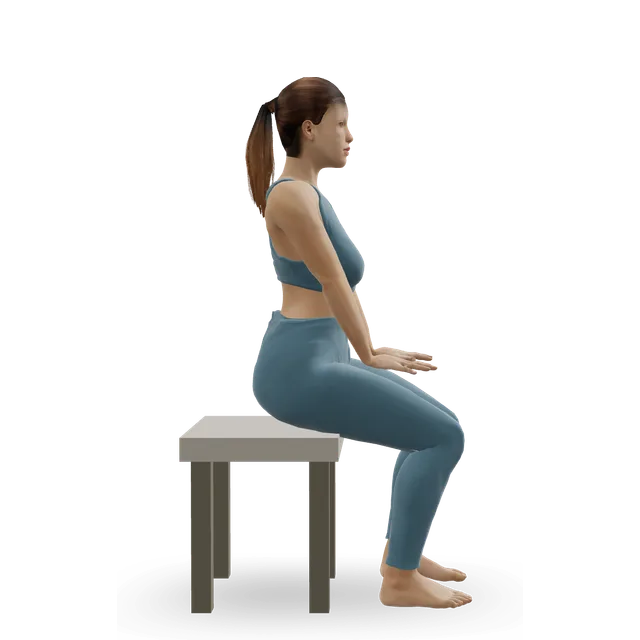
Step 1: sit to stand

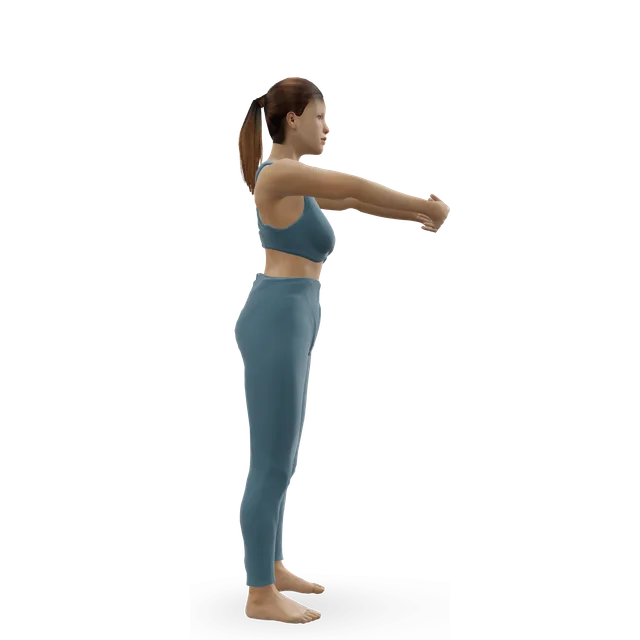
Stand up from a chair with your arms out in front: 3 sets of 8 to 12, slowly, pushing on your thighs at first if you need to. Move on when you can do 3 sets of 12 with control and no hands, the progress point in our knee pain plans.

Step 2: bodyweight squat

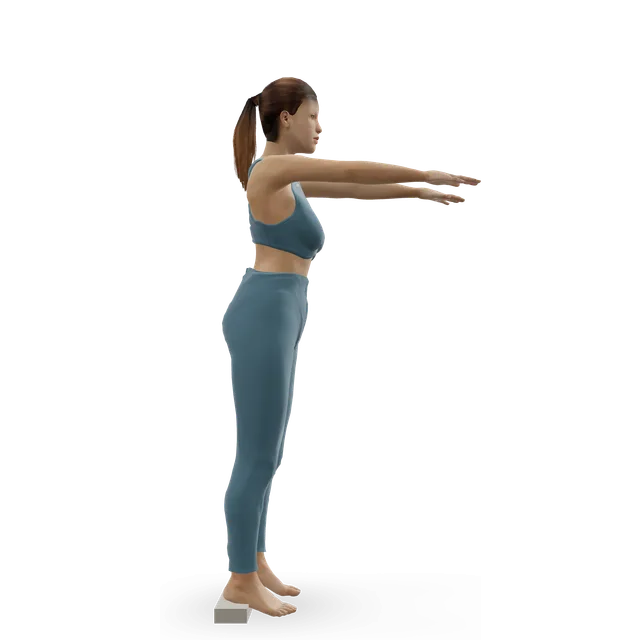
3 sets of 10 to 20 to a depth you control (the move page's dose). Move on at 3 sets of 15 with your thighs about level and your heels down. The American Council on Exercise (ACE) and the published squat assessment both start here. With kneecap pain, do partial squats to about 45 degrees first.

Sources 14, 2, 31

Step 3: goblet squat

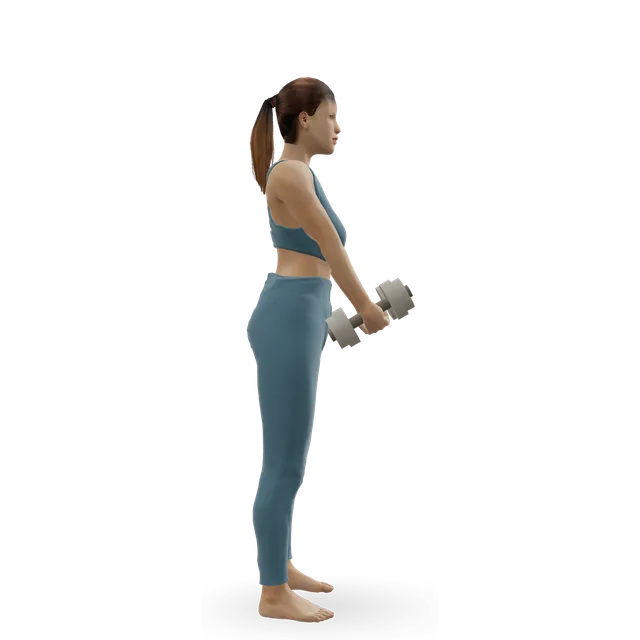
3 or 4 sets of 8 to 12, stopping about 2 reps short of failure (the move page's dose). Squat to a bench if you want a depth marker, and put your heels on a small plate if they lift. Move on at 3 sets of 10 with the heaviest dumbbell you can hold comfortably at your chest, at the same depth every rep. NASM rates the goblet squat a beginner's squat, and ACE adds a double kettlebell front squat at this stage if you have the bells.

Sources 1, 14

Step 4: the barbell, in a rack

A front or back squat with the safety pins set. Start with the empty bar for 3 sets of 5 and add about 2.5 kg a session while every rep looks the same, as in our beginner strength programme, which starts the back squat at a weight you could lift about 10 times. When a weight stalls twice, follow the programme's stall rules. ACE puts the front squat before the back squat.

Source 14

Where coaches disagree: goblet squats first, or the bar on day one?

Many programmes start beginners on the empty bar straight away; others insist on weeks of goblet squats first. Both work if the bar is light and the safety pins are set. We suggest the goblet squat as your first loaded squat, and the empty bar as your first barbell step either way.

Source 14

After that

The high-bar squat, wide-stance squat, clean-grip front squat, pause and box squats, and the overhead squat (with a coach). On one leg: the split squat, the Bulgarian split squat and the pistol squat, which has its own guide.

How long it takes: our estimate

Strength rises fastest at first. In 7 young adults, 35 days of hard leg training raised thigh strength by about 39%; over 21 weeks, men new to strength training gained about 21% against 4% in strength athletes; and in 14,690 people training once a week, strength rose 30 to 50% in the first year and levelled off after 1 to 2 years. In squat trials, full-squat strength rose about 32% in 10 weeks and about 20% in 12 weeks.

Our estimate, not a trial result: learning the goblet squat takes a session or two, and most beginners are ready for the empty bar after 2 to 6 weeks of goblet squats twice a week.

Sources 38, 39, 40, 20, 19

Sets, reps, rest and how often

How often: 2 or 3 times a week

Our beginner strength programme squats every session, three times a week. In a 2026 overview of 137 reviews, strength improved with training at least twice a week, and how often you train a lift matters mainly because it adds sets.

Sources 41, 42

Sets and reps

For strength, 3 sets of 5, as in our beginner strength programme, or 5 sets of 5 if you have the time and recover well. For general strength and muscle, 3 sets of 8 to 12, the goblet squat's dose. In the same overview, heavier loads (about 80% of your maximum or more), a full range and 2 to 3 sets improved strength most. Squat early in the session, while you're fresh.

Source 41

How hard: 2 to 3 reps in reserve

Stop each set with 2 or 3 reps in reserve (how many more reps you could have done), as our plans advise for big lifts. Training to failure isn't needed for muscle growth, and people misjudge the reps they have left by about one, so film a set now and then.

Sources 43, 44

Rest: 2 to 3 minutes

Rest 2 to 3 minutes between sets, and 3 to 5 once sets of 5 feel heavy, as in our beginner strength programme. In 21 trained men, 3-minute rests built more squat strength and thigh muscle than 1-minute rests.

Source 45

Adding weight

Add about 2.5 kg a session while every rep is clean and the last set ends at least 1 rep short of failure. Later, use double progression: add reps within a range, then weight. Adding reps and adding weight both worked in a trial of 43 trained people, and older American College of Sports Medicine guidance raises the load by 2 to 10% once you can do 1 or 2 reps more than the target.

Sources 46, 47

Warm-up

3 to 5 minutes of easy movement, then the empty bar and 2 to 4 lighter sets with fewer reps as the weight climbs, as in our beginner strength programme and our warm-up guide.

How much should you squat? Compare yourself with yourselfEmerging evidence

Tables that rate your squat as a multiple of your body weight don't scale fairly with body size, a study of 101,898 competitive powerlifters found, and published standards come from competitors. Adding weight steadily while every rep looks the same is the progress that matters.

Source 48

Common mistakes and how to fix them

No safety pins, no plan to bail

In 15,348 US emergency department visits from strength training, dropped equipment caused 12 to 19% and crush injuries 2 to 3%. Squat in a rack with the pins just below your lowest point, and practise the bail with the empty bar.

Source 49

Squats getting shallower as the weight climbs

Half squats built less strength, and deeper squats more muscle, in trials. Take weight off and squat to the same depth every rep; a box or bench at your target depth helps.

Sources 21, 19, 20, 17

Heels lifting

Usually your ankles can't bend far enough yet, and the bar drifts forward. Widen your stance a little and turn your toes out, put your heels on small plates or wear weightlifting shoes, and use the goblet squat and an ankle drill such as the knee-to-wall rock while your ankles loosen.

Sources 15, 36, 37

Knees caving in

Take some weight off, think "knees out over the toes", and turn your feet out a little. Band walks in your warm-up may help (our suggestion).

Sources 1, 2, 16, 9

Holding your knees back

It shifts the load to your hips and lower back and tips your trunk forward. Let your knees travel as far as your ankles allow.

Sources 7, 8

Hips shooting up first

The squat turns into a good morning, usually because the weight is too heavy for your thighs (our view). Use a lighter weight, pause squats, or front or goblet squats, which keep you upright.

Sources 9, 13

Breathing out halfway down

Losing your brace at the bottom makes the hardest part harder. Breathe in and brace before each rep, and breathe out near the top.

Sources 18, 1

Bouncing out of the bottom

A review of powerlifting injuries notes that bouncing at the bottom raised shear forces at the knee, and you lose your position at the hardest point. Control the way down, and use pause squats to learn the bottom position.

Source 26

The bar on your neck

Rest it on the muscle of your upper back (high bar) or across the back of your shoulders (low bar), and squeeze it into your back.

Source 1

Breathing, belts and shoes

Brace for heavy setsEmerging evidence

A brief held breath against a braced trunk is unavoidable with heavy loads, above about 80% of your maximum. It raises the pressure in your abdomen, which may help keep your spine stable; across 16 studies the pressure was highest in squats, at over 200 mmHg. Its health risks in healthy lifters are unconfirmed.

Sources 18, 50

Where coaches and health advice disagree

Strength coaches teach holding your breath for heavy reps; health advice, including our high blood pressure guide, says breathe out on each effort. Both have a point. Holding the breath helped drive blood pressure to an average of 320/250 mmHg in 5 bodybuilders leg-pressing to failure, and eye pressure rises during heavy lifts, more with a held breath. A brief held breath for heavy reps is reasonable if you're healthy; with high blood pressure, heart disease, glaucoma or diabetic eye disease, breathe out through the effort and keep the weights moderate.

Sources 51, 52

Belts: optional, for heavy setsEmerging evidence

A belt raised abdominal pressure in the squat, let lifters squat a heavy load faster, added reps (8.1 against 6.5 at a weight 49 men and women could lift 6 times) and added about 5% to the maximum (119 against 114 kg, in 25 athletes). On its own it didn't change muscle activity in the trunk or legs, while bracing your abdomen did raise the activity of your abdominal muscles. In 48 athletes it didn't change how the lower back moved. Belts and back supports didn't prevent back pain in workers.

Learn to brace without one, and save it for heavy sets: our deadlift guide has the detail.

Sources 53, 54, 55, 56, 57, 58, 59

Shoes

Weightlifting shoes have a raised heel. In two studies they kept the trunk more upright and let the knees bend further, but didn't by themselves help people reach thigh level. Flat, firm shoes are fine; raised heels are an option if your ankles are stiff.

Sources 36, 37

Who should change the squat

Kneecap pain

Start with squats to about 45 degrees of knee bend, where the stress behind the kneecap was lowest, and deepen them as the pain allows. A little more forward lean and a wider stance shift work to the hips early on. Our runner's knee guide has the plan.

Sources 31, 9

Pain in the tendon below the kneecap

Loaded squats are a common trigger for jumper's knee. Follow the staged plan in our jumper's knee guide rather than pushing through.

Knee arthritis

Squats are usually part of the answer. Avoid deep loaded squats at first, then build depth as your knee allows, as our knee arthritis guide explains.

Source 9

Hip impingement

Squat only as deep as your hip allows without a pinch at the front, with a wider stance and your toes turned out, and avoid deep squats.

Source 9

Back pain

Squat only as deep as your back stays put, and keep your trunk more upright: goblet or front squats and a wider stance help.

Source 9

High blood pressure, heart disease and eye conditions

If your blood pressure is controlled, low- to moderate-intensity strength training is safe: breathe out on each effort and use weights you could lift 10 to 15 times. Leave maximal lifts and sets to failure until your blood pressure is controlled and you've had advice, as our high blood pressure guide says. With heart disease, or chest pain when you exert yourself, get advice before lifting heavy.

Eye pressure rose by an average of 26 mmHg during heavy lifts in 24 young adults, and holding the breath doubled the rise in the bench press. With glaucoma, ask your eye specialist and breathe out through every rep. With diabetic eye disease (retinopathy), heavy lifting is not advised.

Sources 60, 51, 61, 62

Osteoporosis

In 101 women with low bone mass, 8 months of supervised heavy lifting and impact training (5 sets of 5 above 85% of maximum, twice a week) raised spine bone density, with one minor back spasm. The UK consensus recommends strength training and avoiding a lot of spinal rounding. Learn the squat with a coach, keep your back long and don't round under load.

Sources 63, 64

Pelvic floor symptoms and pregnancy

In a survey of 384 Norwegian powerlifters and weightlifters, half the women and 9% of the men reported leaking urine. Leaking when you lift is a reason to see our pelvic floor guide and a pelvic health physiotherapist, not to stop lifting. In pregnancy, follow our pregnancy guide.

Source 65

Long thighs or stiff ankles

Raise your heels, widen your stance, or use the goblet or front squat: all let you stay more upright.

Sources 36, 37, 9

After joint surgery

Follow your surgical team's limits. Our knee replacement, hip replacement and ACL (anterior cruciate ligament) injury guides cover the stages.

The squat ladder: from the chair to the barbell

Work up in order, moving on at the targets in the progression above; each move's page has its steps, cues and an easier or harder option.

Squat variations

Use these to set your depth, suit your build or change the emphasis once the basic squat is solid; the high-bar demo is the Olympic squat.

Ankles, hips and bracing

Add one or two to your warm-up if your heels lift, your hips pinch or you lose your brace: a few slow reps each, as in the squat technique workout.

Workouts to follow

The squat technique workout teaches the squat itself, from a chair to a loaded goblet squat; the others use the squat as one exercise among several. With a barbell, follow the barbell strength workouts, in a rack with the pins set.

Squat technique workout

A 25-minute practice session for the squat: find your depth on a chair, groove the bodyweight squat with pauses, then load it with a slow goblet squat.

25 minBeginner8 movesA wall, A bench or box

Beginner lower body workout

Learn to squat, hinge and lunge: a 25-minute beginner lower body workout with bridges, clamshells and calf raises.

25 minBeginner11 movesA wall, A bench or box

Knee strengthening workout: from first steps to full range

A 25-minute session for knees that don't currently hurt: thigh and hamstring strength, single-leg control, then an optional full-range block with knees over toes.

25 minBeginner13 movesA bench or box, A wall

Dumbbell leg workout

Legs and glutes with dumbbells: goblet squats, Romanian deadlifts, step-ups, split squats and calf raises.

35 minIntermediate10 movesA wall, A dumbbell

Kettlebell workout B: get-ups, squats and presses

Kettlebell workout B: Turkish get-ups, goblet squats, single-leg deadlifts, floor presses, one-arm rows and an overhead carry, with one or two bells.

40 minIntermediate10 movesA kettlebell, A dumbbell

Full-body gym workout A

A beginner full-body gym workout: goblet squats, dumbbell bench press, lat pulldowns, Romanian deadlifts and dead bugs, with sets, reps and rest.

45 minBeginner12 movesCardio machine, A band

Barbell strength workout A

Barbell strength workout A: back squats and bench presses in sets of five, plus rows. Workout B (squat, overhead press, deadlift) is a separate session.

40 minBeginner6 movesA band, A barbell

Barbell strength workout B: squat, press, deadlift

Workout B of the beginner strength program: back squats, overhead presses and deadlifts in sets of five, plus chin-ups, with the safety pins set.

55 minBeginner10 movesA band, A barbell

Leg day workout (gym)

A gym leg day: back squats, leg press, leg curls, Bulgarian split squats, leg extensions and calf raises.

55 minIntermediate9 movesA wall, A barbell

Warning signs

Stop and get medical help

For chest pain or pressure, unusual breathlessness, dizziness or fainting, or a racing or irregular heartbeat during exercise, as our plans advise.

Call 999 (911 in the US) or go to A&E

The NHS says to call 999 if back pain comes with pain, tingling, weakness or numbness in both legs; loss of feeling around your genitals or anus; difficulty peeing, or peeing or pooing yourself; changes in how your penis or vagina feels during sex, or problems getting an erection or orgasming; or chest pain, or if it follows a serious accident.

Source 66

Get advice from NHS 111 now

If your knee is very painful, you can't move it or put weight on it, it's badly swollen or has changed shape, or it locks, gives way or clicks painfully (painless clicking is normal). In the US, contact your doctor or urgent care.

Source 67

See a GP

If knee pain hasn't improved within a few weeks, or back pain hasn't improved after a few weeks at home, stops you doing daily activities, is worse at night or when you sneeze, cough or poo, or comes with weight loss you can't explain.

Sources 67, 66

Stop the set

If a joint pain is sharp, gets worse during a set or lingers into the next day, swap to an easier option, and see a clinician if it persists. Our knee guides use a simple rule: pain up to 2 out of 10 is fine, and up to 5 is acceptable if it settles by the next morning.

Myths

"Never let your knees go past your toes"Emerging evidence

Knees travel 6 to 10 cm past the toes in ordinary squats, and stopping them shifted the load to the hips and back and tipped the trunk forward. A published squat assessment lets the knees travel freely while the feet stay flat. With kneecap pain, limit it for a while, then build it back.

Sources 6, 7, 8, 2

"Deep squats are bad for your knees"Emerging evidence

A review of the biomechanics found no evidence that deep squats harm healthy knees. One older review prefers parallel squats for athletes, so the reviews disagree on the best depth, not on harm.

Sources 3, 4

"Half squats are the safe option"Emerging evidence

In 53 trained men, 10 weeks of half squats brought no strength gains, and more pain and stiffness, than full or parallel squats. It's one trial, but it points away from half squats as the safe choice.

Source 21

"Any rounding of your lower back will damage your discs"Mixed evidence

Some rounding is normal once a bar is on your back, and rounding while lifting hasn't been linked with back pain. What's worth limiting is forcing extra depth past the point where your pelvis tucks under a heavy bar.

Sources 10, 28, 9

"You have to squat as deep as possible"Emerging evidence

Deeper squats grew the glutes and inner thighs more, but the front of the thighs grew the same after full and half squats, and parallel squats came second only to full squats for strength. Thighs about level is a good target; deeper is a bonus.

Sources 20, 21

"Point your toes straight ahead"Emerging evidence

Turning the feet out about 30 degrees changed neither muscle activity nor knee forces in experienced lifters. Turn them out as far as feels natural for your hips.

Source 16

"Squats are bad for your back"Mixed evidence

Lifting sports have low injury rates next to contact sports, and a review of powerlifting injury reports found none that tied the squat to injuries of the spine. The data are thin and of low quality, but they show no sign of harm.

Sources 29, 30, 26

Questions people ask

How deep should you squat?

Aim for your thighs about level with the floor, as long as your heels stay down and your back keeps its shape. Going deeper is fine if you control it: there's no evidence it harms healthy knees, and in small trials deeper squats built more glute and inner-thigh muscle, and more strength, than half squats. Powerlifting competitions ask for more, with the hip crease below the top of the knee.

Should your knees go past your toes when you squat?

Yes, that's normal. Knees travelled about 6 to 10 cm past the toes in ordinary squats, and stopping them shifted the load to the hips and lower back. If the front of your knee is sore, keep the squat shallower for a while, then build back.

What is butt wink, and is it bad?

It's your pelvis tucking under at the bottom of a deep squat, when your hips run out of bend, which rounds your lower back. Some rounding under a bar is normal, and the advice to limit it rests on mechanics and lab measurements, with no injury data either way. With a heavy bar, squat to just above where it starts, try a wider stance or raised heels, and limit your depth if your back hurts.

Should I squat high-bar or low-bar?

Either. The high bar keeps you more upright and works the front of your thighs more; the low bar leans you forward, works your hips and back more, and usually lifts the most. Neither has been shown to be safer, so pick the one that feels better on your shoulders and suits your goal.

Is the front squat better than the back squat?

Not better, different. It worked the muscles about as hard with less force on the knee, keeps you more upright and works the inner front of the thigh more. You'll lift less, and the bar position takes practice.

Is the goblet squat as good as the barbell squat?

It's the standard first loaded squat, and for sets of 8 to 12 it builds strength and muscle well. Its limit is how heavy a dumbbell you can hold at your chest. When that runs out, a barbell lets you keep adding weight in small steps.

How should I breathe when I squat?

Take a big breath into your belly, brace as if about to be punched, hold it on the way down and up, and breathe out near the top. If you have high blood pressure, heart disease or glaucoma, breathe out as you stand up instead, because holding your breath under load drives your blood pressure and eye pressure up.

Do I need a lifting belt to squat?

No. A belt can help you lift a little more on heavy sets, but it doesn't change how your muscles work on its own and isn't needed while you learn. Learn to brace without one first.

Why do my heels lift when I squat?

Usually your ankles can't bend far enough yet. Put your heels on small plates, try weightlifting shoes or a slightly wider stance, and use the goblet squat while your ankles loosen up.

Are squats bad for your knees?

Not for healthy knees: reviews found no evidence of harm, and squats are part of most knee strengthening plans, including ours. With kneecap pain, squats to about 45 degrees of knee bend load the kneecap least, so start there and go deeper as it settles.

How much should I be able to squat?

Compare yourself with yourself. Bodyweight-ratio standards don't scale fairly with body size, and the published tables come from competitive powerlifters. Adding a little weight each session while every rep looks the same is the progress that matters.

Can I squat with bad knees?

Usually, yes, with changes. Squat to a box or chair at a depth that keeps the pain low and settled by the next morning, and deepen it over weeks. Our knee pain guides have the details and the warning signs.

Sources

  1. NASM · The NASM guide to squats and deadlifts: master the fundamentals (coaching guide, National Academy of Sports Medicine)
  2. Myer 2014 · The back squat: an assessment of movement faults and technique (expert review, Strength Cond J)
  3. Hartmann 2013 · Squat depth, load and the knee and spine (review, Sports Medicine)
  4. Escamilla 2001 · Knee biomechanics of the dynamic squat (review, MSSE)
  5. International Powerlifting Federation 2026 · Technical rulebook: the squat, bench press and deadlift rules (effective 1 March 2026)
  6. McKean 2010 · Hip and knee movement and load in the back squat: 28 people (lab study, JSCR)
  7. Fry 2003 · Knee position and hip and knee torque in the barbell squat: 7 men (lab study, JSCR)
  8. List 2013 · Restricted and unrestricted squats in 30 people (lab study, JSCR)
  9. Straub 2024 · A biomechanical review of the squat: implications for clinical practice (review, Int J Sports Phys Ther)
  10. McKean 2010 · Lower back and sacrum movement in the back squat: 30 trained lifters (lab study, JSCR)
  11. Glassbrook 2017 · High-bar and low-bar back squats compared (review, JSCR)
  12. Glassbrook 2019 · High-bar and low-bar squats up to maximal loads in powerlifters, weightlifters and recreational lifters (lab study, JSCR)
  13. Gullett 2009 · Back and front squats compared in 15 trained people (lab study, JSCR)
  14. Thomas 2018 · Progressions and regressions: what do they look like? (American Council on Exercise)
  15. Sutton 2021 · The biomechanics of the squat: what personal trainers need to know (NASM blog, updated 2026)
  16. Escamilla 2001 · Stance, foot angle and knee forces in the squat and leg press: 10 experienced lifters (lab study, MSSE)
  17. Swinton 2012 · Traditional, powerlifting and box squats compared in 12 powerlifters (lab study, JSCR)
  18. Hackett 2013 · Holding the breath (the Valsalva manoeuvre), abdominal pressure and safety in resistance exercise (review, JSCR)
  19. Bloomquist 2013 · Deep vs shallow squats for 12 weeks in 17 men (randomised trial, Eur J Appl Physiol)
  20. Kubo 2019 · Full vs half squats for 10 weeks: muscle volume in 17 men (randomised trial, Eur J Appl Physiol)
  21. Pallarés 2020 · Full, parallel and half squats for 10 weeks in 53 trained men (randomised trial, Eur J Sport Sci)
  22. Hammami 2025 · Full vs half squats for 8 weeks in 28 young tennis players (randomised trial, J Funct Morphol Kinesiol)
  23. Pallarés 2021 · Full vs partial range of motion in resistance training: 16 studies (systematic review and meta-analysis, Scand J Med Sci Sports)
  24. Schoenfeld 2020 · Full vs partial range of motion and muscle growth: 6 studies (systematic review, SAGE Open Med)
  25. Kassiano 2023 · Range of motion and muscle growth: 11 studies (systematic review, JSCR)
  26. Bengtsson 2018 · Injuries in powerlifting and the squat, bench press and deadlift (narrative review, BMJ Open Sport Exerc Med)
  27. Patterson 2022 · Hip bend, back strength and lower-back flexion in a squat lift: 50 adults (lab study, Musculoskelet Sci Pract)
  28. Saraceni 2020 · Lower-back bending while lifting and back pain (systematic review and meta-analysis, JOSPT)
  29. Aasa 2017 · Injuries among weightlifters and powerlifters (systematic review, BJSM)
  30. Keogh 2017 · Injuries across the weight-training sports (systematic review, Sports Medicine)
  31. Powers 2014 · Kneecap joint stress in squats and seated knee extensions: 10 people (lab study, JOSPT)
  32. Murawa 2020 · Muscle activity in high-bar and low-bar squats: 12 powerlifters (lab study, PeerJ)
  33. Kristiansen 2021 · Safety-bar, high-bar and low-bar squats in 14 recreational lifters (lab study, IJERPH)
  34. Yavuz 2015 · Front and back squats at maximal loads: 12 people (lab study, J Sports Sci)
  35. Collins 2021 · Goblet and landmine squats in 32 men and women (lab study, JSCR)
  36. Legg 2017 · Weightlifting shoes and the back squat: 32 people (lab study, J Sports Sci)
  37. Sato 2012 · Weightlifting shoes and the barbell back squat: 25 people (lab study, JSCR)
  38. Seynnes 2007 · Early strength gains and muscle growth in 35 days of high-intensity training (training study, J Appl Physiol)
  39. Ahtiainen 2003 · Strength and muscle gains over 21 weeks in 8 strength athletes and 8 men new to strength training (training study, Eur J Appl Physiol)
  40. Steele 2023 · Strength over up to 6.8 years of once-weekly training in 14,690 adults (retrospective cohort, Res Q Exerc Sport)
  41. Currier 2026 · Resistance training for muscle function, size and performance in healthy adults: 137 reviews (ACSM position stand, MSSE)
  42. Grgic 2018 · Training frequency and strength gains: 22 studies (meta-analysis, Sports Medicine)
  43. Refalo 2023 · Training close to failure and muscle growth: 15 studies (meta-analysis, Sports Medicine)
  44. Halperin 2022 · How accurately people predict the reps they have left: 12 studies (scoping review and meta-analysis, Sports Medicine)
  45. Schoenfeld 2016 · Longer rest between sets, strength and muscle growth in 21 trained men (RCT, JSCR)
  46. Plotkin 2022 · Adding weight vs adding reps in 43 trained people (RCT, PeerJ)
  47. ACSM 2009 · Progression models in resistance training for healthy adults (position stand, MSSE)
  48. Montenegro 2026 · Percentile strength standards from 101,898 competitive powerlifters (study, Sports Med Open)
  49. Coffey 2026 · Ten years of strength-training injuries treated in US emergency departments (database analysis, JSCR)
  50. Blazek 2019 · Abdominal and chest pressure during heavy lifts: 16 studies (systematic review, Biology of Sport)
  51. MacDougall 1985 · Blood pressure during heavy lifting in 5 bodybuilders (lab study, J Appl Physiol)
  52. Hackett 2024 · Eye pressure during resistance exercise in healthy adults: 34 studies (systematic review, JSCR)
  53. Lander 1990 · Lifting belts in the parallel squat: 6 lifters (lab study, MSSE)
  54. Zink 2001 · A lifting belt, muscle activity and movement in the squat: 14 men (lab study, JSCR)
  55. Veltzke 2026 · A lifting belt and squat performance in 49 men and women (crossover study, JSCR)
  56. Huang 2026 · A lifting belt and the back squat one-rep maximum in 25 athletes (study, JSCR)
  57. Lynch 2025 · Bracing, a belt and muscle activity in the loaded squat: 28 men (lab study, J Sports Sci)
  58. Walsh 2007 · Lower-back movement in free squats, with and without a belt: 48 athletes (3D motion study, Am J Sports Med)
  59. van Duijvenbode 2008 · Lumbar supports to prevent and treat low back pain (Cochrane review)
  60. Paluch 2024 · Resistance exercise training with and without cardiovascular disease: 2023 update (American Heart Association scientific statement, Circulation)
  61. Vaghefi 2021 · Eye pressure during heavy leg presses in 24 young adults (cohort study, BMJ Open Ophthalmol)
  62. Vieira 2006 · Eye pressure during the bench press, holding the breath or breathing out (study, Arch Ophthalmol)
  63. Watson 2018 · Heavy resistance and impact training in 101 postmenopausal women with low bone mass: the LIFTMOR trial (randomised trial, JBMR)
  64. Brooke-Wavell 2022 · Strong, steady and straight: UK consensus on physical activity and exercise for osteoporosis (BJSM)
  65. Skaug 2022 · Pelvic floor problems in 384 Norwegian powerlifters and weightlifters (survey, JSCR)
  66. NHS · Back pain
  67. NHS · Knee pain

Exercise education, not a personal prescription, and clinical review of these guides is pending. Check with a GP before starting hard training if you have a heart condition, chest pain, dizziness or breathlessness when active, and stop for sharp or increasing pain. Health disclaimer.