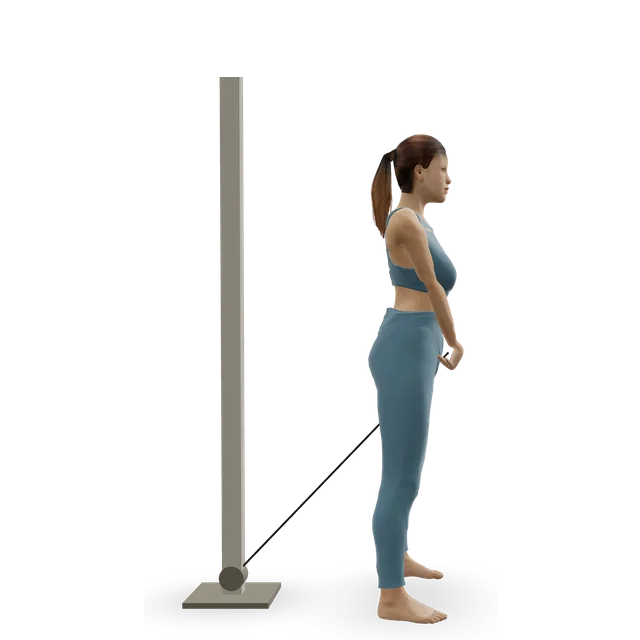
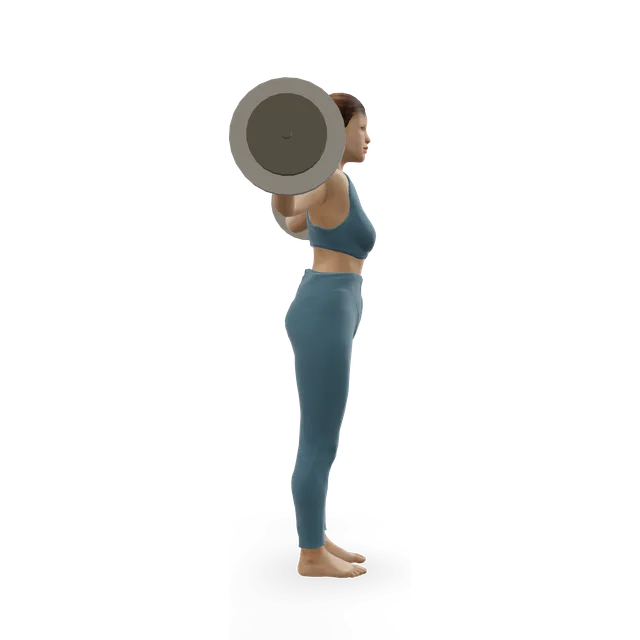
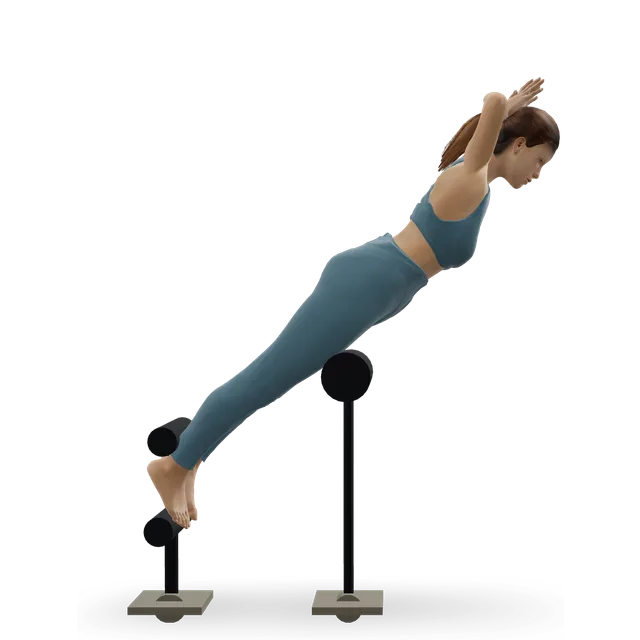
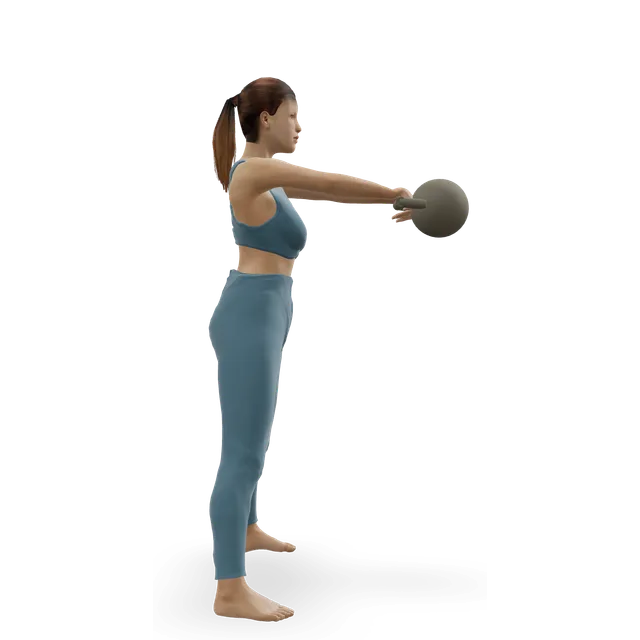
Is it OK to round your back when you deadlift?
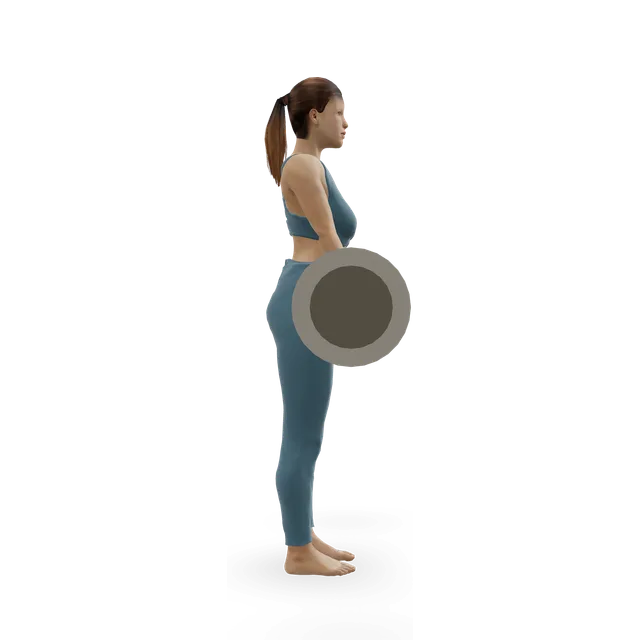
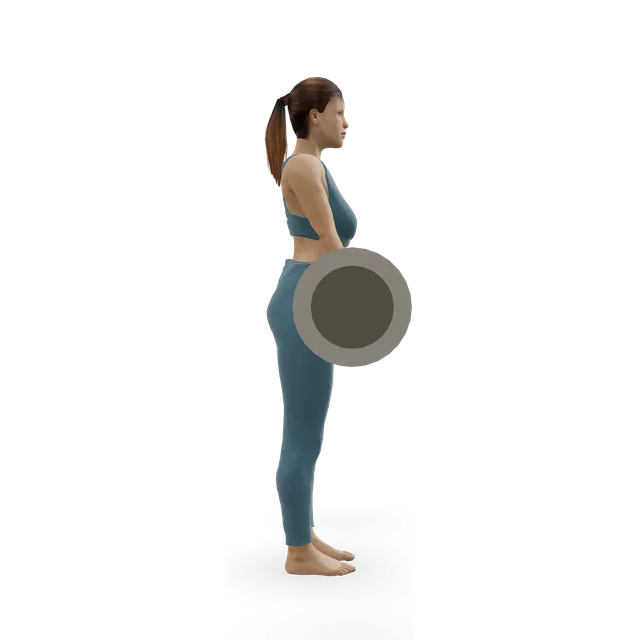
A little rounding under heavy weights is normal, and rounding while lifting hasn't been linked to back pain. But repeated loaded bending can strain discs in the lab, so set a long, braced back before you pull and lower the weight if your back changes shape a lot. Sudden jumps in weight look like a bigger risk than the shape of your back.
Sumo or conventional deadlift: which is better?
Neither. Sumo uses a wide stance, a more upright back and a shorter pull, with a little less load on the lower back and more work for the thighs; conventional loads the lower back a little more and works the calves more. Try both and choose the one that suits your build and your hips.
Is the trap bar deadlift better than the barbell deadlift?
It's different, and many people find it easier to learn. It loads the lower back less in lab models and the thighs more, and a trap bar often lifts a little more in some studies but not others. The straight bar works the hamstrings harder.
What's the difference between a Romanian deadlift and a deadlift?
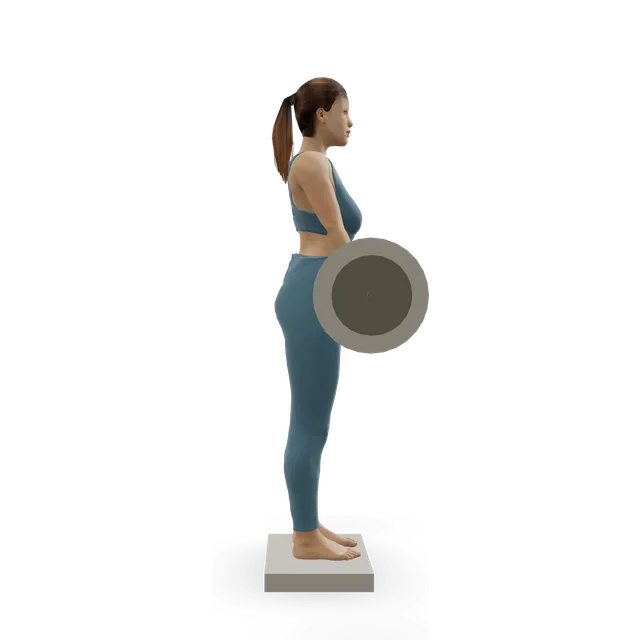
The Romanian deadlift starts standing and lowers the bar only until your hamstrings stop you, with soft knees, so it works the hamstrings with relatively less back muscle activity. The deadlift starts from the floor each rep, bends the knees more and works the glutes and the front of the thighs more.
Stiff-leg or Romanian deadlift: what's the difference?
The stiff-leg deadlift keeps your knees nearly straight and lowers further, working the glutes a bit more; the Romanian deadlift works the inner hamstrings more. The stiff-leg version is for experienced lifters with good control.
Should I wear a lifting belt for deadlifts?
It's optional. A belt raises the pressure in your abdomen and can add a few reps or kilos on heavy sets, but it doesn't brace for you and won't prevent back pain. Learn to brace without one, and save it for your heaviest sets.
Are deadlifts good for back pain?
They can be part of the answer. In people with recurring back pain, supervised deadlift training improved pain about as much as gentle motor-control exercise, though it did worse for daily activity at 2 months, and people with milder pain and better back endurance did best. Start light, with the kettlebell deadlift, as in our back pain plans.
How do I start deadlifting as a beginner?
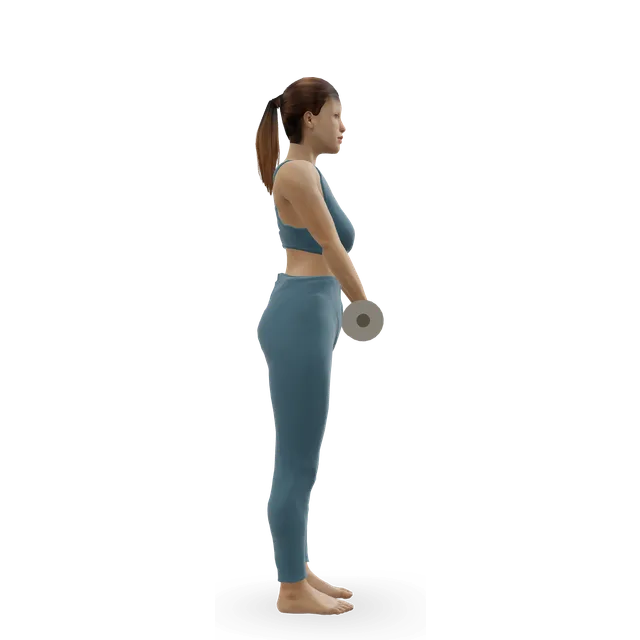
Learn the hip hinge first, until you can do 10 to 15 good reps, then the kettlebell deadlift, the dumbbell Romanian deadlift, and finally the trap bar or barbell. Add about 2.5 kg a session while every rep looks the same.
Which deadlift grip should I use: double overhand, mixed, hook or straps?
Start double overhand, with chalk. When your grip fails before your legs and back do, a hook grip or a mixed grip (one palm facing you, one away) holds more, and straps are fine for training. Competition rules let you choose your grip.
Do I need a spotter for deadlifts?
No. If a rep stalls, put the bar down: there's nothing to save. Dropped equipment caused 12 to 19% of the strength-training injuries treated in US emergency departments in one analysis, so clear the space around you and use collars.
How often should I deadlift?
Once or twice a week is plenty for most people. The National Academy of Sports Medicine calls the deadlift one of the most taxing lifts, and our beginner strength programme deadlifts in only one of its two alternating workouts.
Why does my lower back hurt after deadlifting?
Muscle soreness for a day or two after a new or heavier session is common and fades; sharp pain, pain down a leg or pain that keeps getting worse isn't. Reduce the weight and get checked if it doesn't settle. Weakness or numbness in both legs, or changes in your bladder or bowels, need 999 or A&E.