Herniated, bulging or slipped disc: what the scan means and how to exercise
Between each pair of vertebrae sits a disc: a tough outer ring with a softer centre. A slipped disc is when that soft cushion bulges outwards; nothing actually slips. It hurts if it presses on a nerve, but many people never know they have one.
This guide is for back pain with a disc diagnosis or a disc on a scan. If pain down the leg is the main problem, the sciatica guide is the better place to start.
Exercise is for pain that has been checked or is clearly mild and settling.
Get urgent medical help if
Call 999 or go to A&E: loss of feeling or numbness around the genitals or bottom, new trouble peeing or controlling your bladder or bowels, changes in genital sensation during sex or problems with erections or orgasm, or pain, tingling, weakness or numbness in both legs. These are signs of cauda equina syndrome, which needs treating in hospital urgently. Don't drive yourself.
Same day: leg weakness that is getting worse.
Same day (GP or NHS 111): back pain and you feel hot, cold, shivery or generally unwell, or severe pain that starts suddenly or is getting worse quickly.
Same day: you have or have had cancer, and new back pain that is severe and doesn't let up, is getting steadily worse, is worse at night and disturbs your sleep, is worse when you cough, sneeze or strain, or comes with tenderness over the spine. Contact your cancer team or GP urgently. With cancer, new weakness, difficulty walking, numbness or bladder or bowel problems are an emergency.
Call 999 or go to A&E: back pain with chest pain, or back pain that started after a serious accident, such as a car crash.
See a doctor or physiotherapist if
Back pain that hasn't improved after a few weeks of looking after it at home, stops you doing day-to-day activities, or worries you.
Pain that doesn't improve with rest or is worse at night, or pain that is worse when you sneeze, cough or poo.
Unexplained weight loss, or a lump, swelling or change in the shape of your back.
Understand it
What your scan does and doesn't meanStrong evidence
Disc findings are common in people without pain. In a review of 3,110 pain-free people, disc bulges were found in 30% of 20-year-olds and 84% of 80-year-olds, protrusions in 29% and 43%, and disc degeneration in 37% and 96%. A scan can show a disc while the pain comes from somewhere else, or from no single structure at all.
NICE advises against routine imaging for low back pain outside specialist settings, and scanning straight away did not improve outcomes in trials.
If the leg hurts more than the back, often below the knee and sometimes with tingling or numbness, that is sciatica, and its guide covers nerve glides and what trials show about surgery. If the back hurts most, the plan below fits. NICE's guideline covers low back pain with or without sciatica and gives the same core advice.
Many herniations shrink on their ownEmerging evidence
Scan reports use a sliding scale: a broad bulge, then a protrusion, an extrusion, and a sequestration, where a fragment has separated. In a review of imaging studies in people treated without surgery, herniations shrank on their own in 96% of sequestrations, 70% of extrusions, 41% of protrusions and 13% of bulges, and disappeared completely in 43% of sequestrations and 15% of extrusions.
Shrinking on a scan and feeling better don't always line up, but a big herniation is not a life sentence.
NICE gives the same advice for back pain with or without sciatica: self-management, staying active, considering a group exercise programme, and not relying on belts, traction or TENS. The NHS advises keeping active with gentle exercise such as walking, swimming or yoga, and says the type of exercise is not important as long as it does not cause pain.
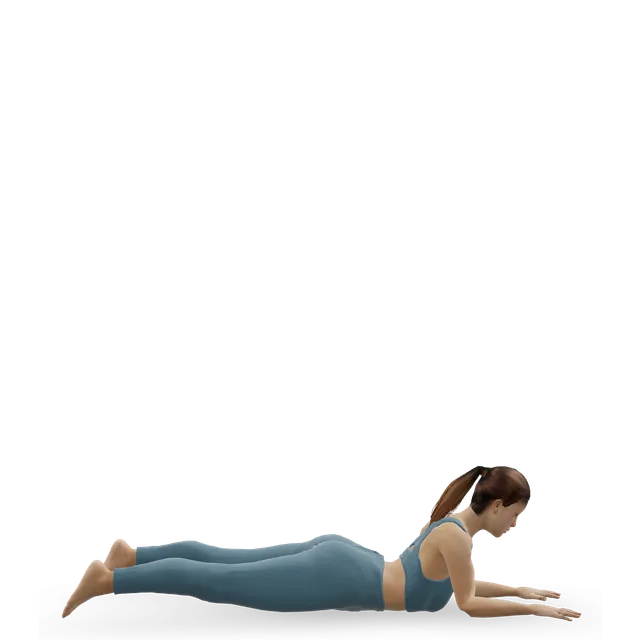
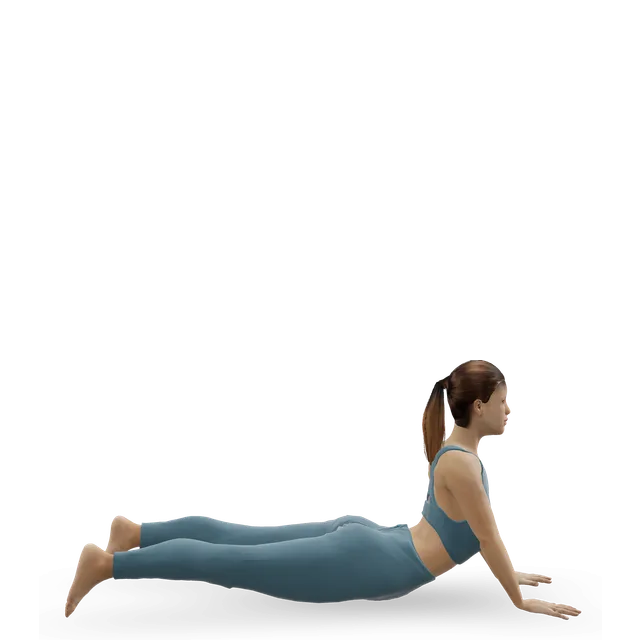
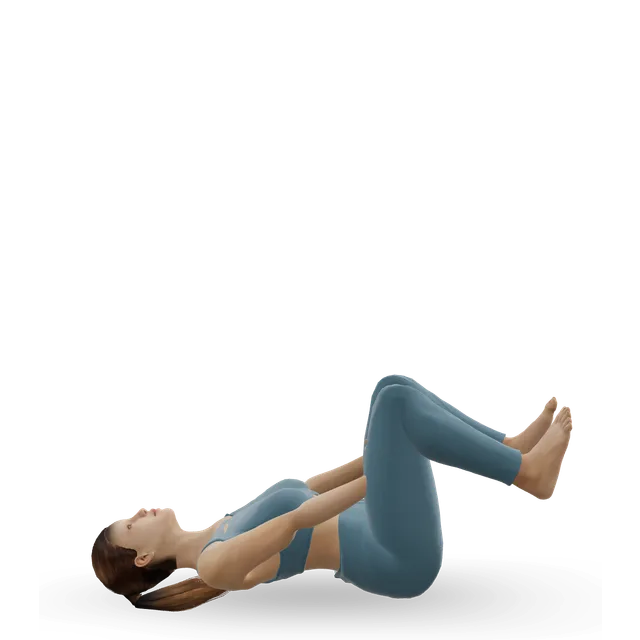
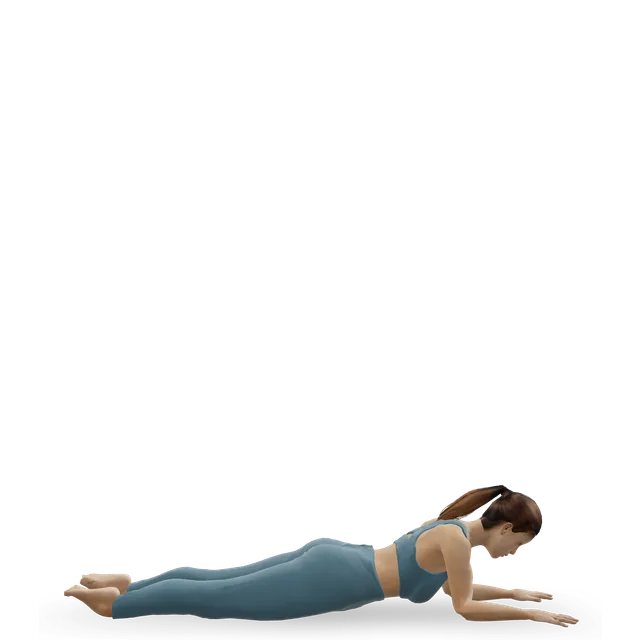
Many people with disc-type pain find that repeated arching back (press-ups) eases their back and leg symptoms, and some find bending forward does. In a trial that included people with sciatica, exercises matched to the direction that eased each person's pain beat opposite or non-directional exercises. Symptoms that move back towards the spine (centralise) predict a better outcome.
McKenzie exercises: a small extra on averageMixed evidence
As a whole approach, the McKenzie method added only small benefits in acute back pain, and in long-lasting back pain it was slightly better than placebo for pain but not for disability. Network meta-analyses disagree on where it ranks. Use the press-up as a test of direction, not as a cure.
Surgery is for leg symptoms, not a scanStrong evidence
Surgery is discussed for persistent sciatica or worsening weakness or numbness, not for a disc seen on a scan with back pain alone. NICE does not recommend spinal fusion (except in trials) or disc replacement for low back pain, and the NHS says surgery usually isn't needed. The sciatica guide covers what trials show about surgery for disc-related leg pain.
Some discomfort during exercise is fine, and it does not mean you are doing damage: the WHO counts "hurt does not necessarily mean harm" among the messages people with back pain need. Aim for pain you would call mild to moderate, no more than about 5 out of 10. It should settle within an hour or so, and your back should be no worse the next morning. If it is worse, do less next time (fewer reps, a smaller range, a lighter load), not nothing.
Leg symptoms are the exception: stop or shrink any movement that sends pain, pins and needles or numbness further down your leg. If leg symptoms move back towards your spine, that is a good sign, even if your back aches a little more for a while.
If pain climbs day after day, or you notice any warning sign, stop and get it checked. The 5 out of 10 figure matches this site's other pain guides and has not been tested in a back pain trial; in trials of long-lasting muscle and joint pain, exercise that allowed some pain did no harm.
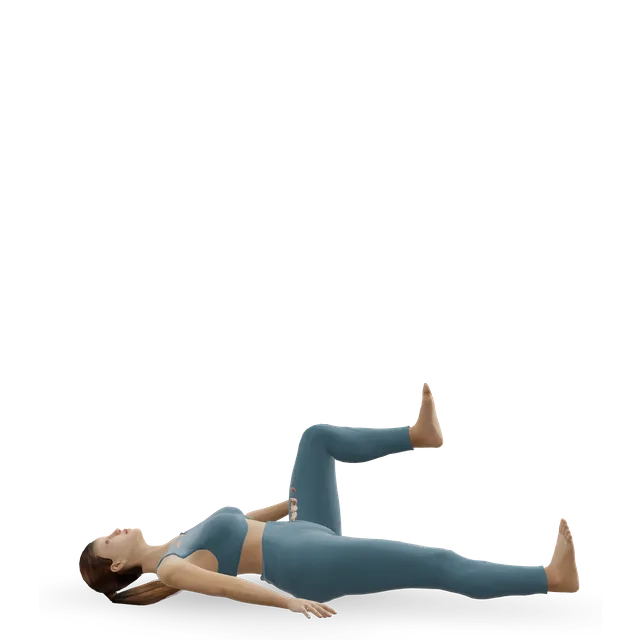
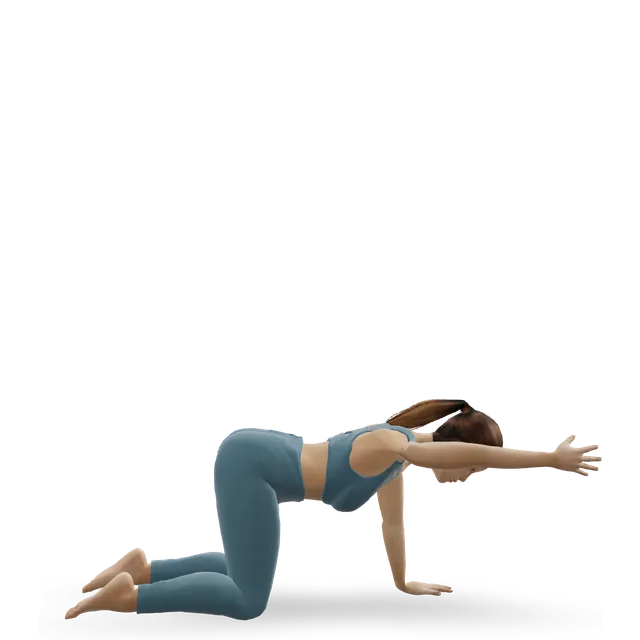
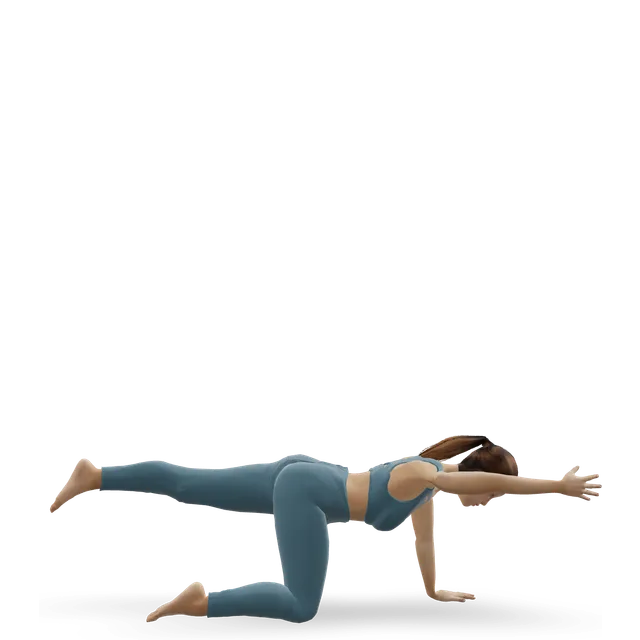
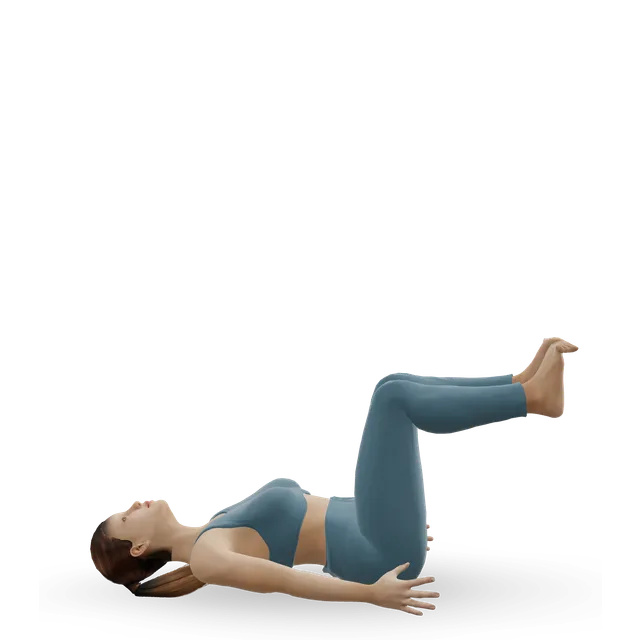
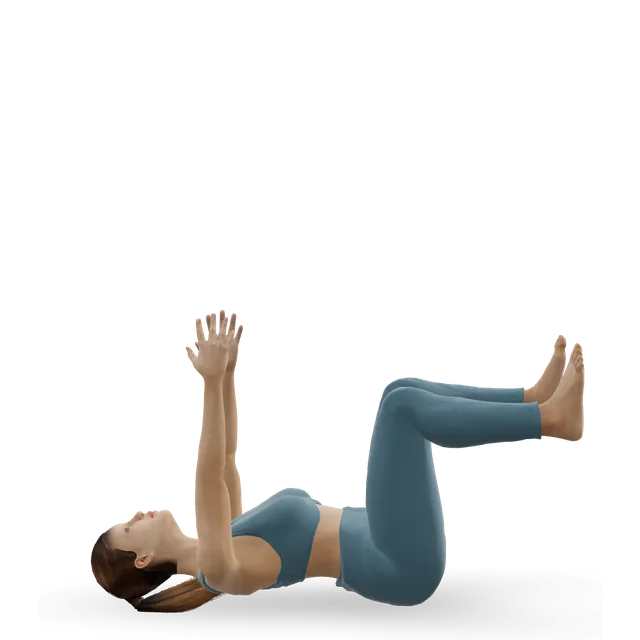
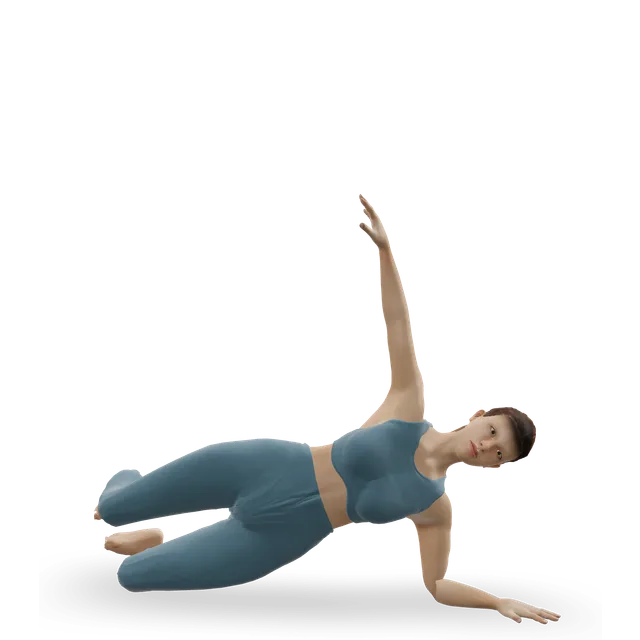
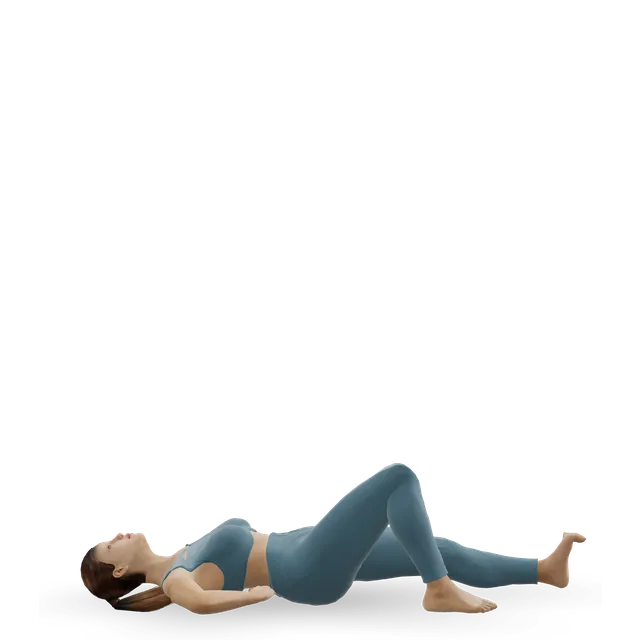
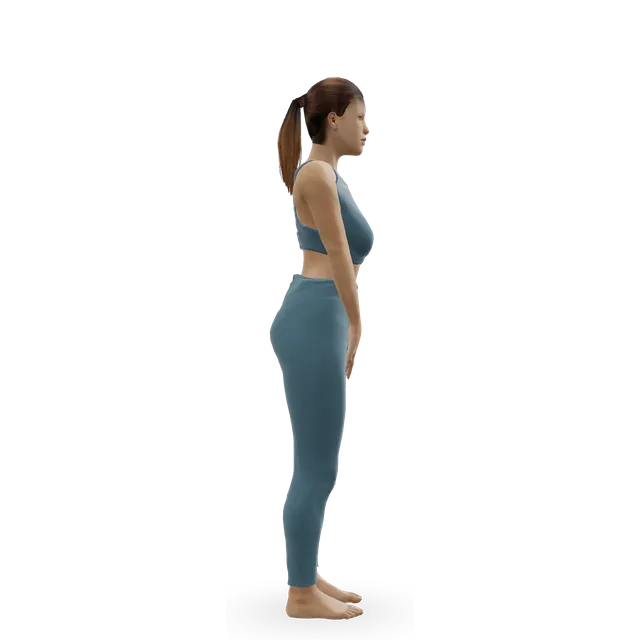
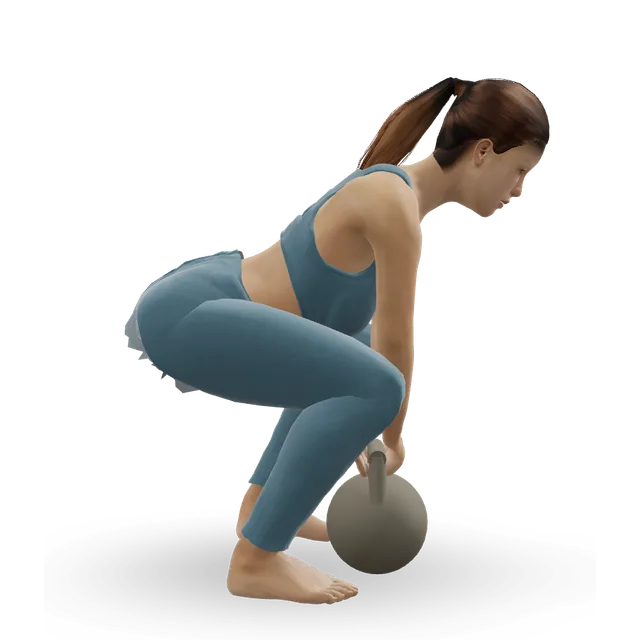
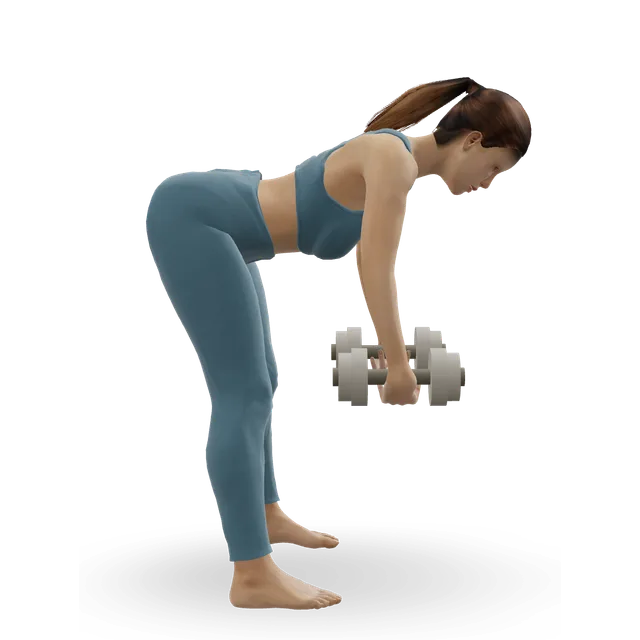
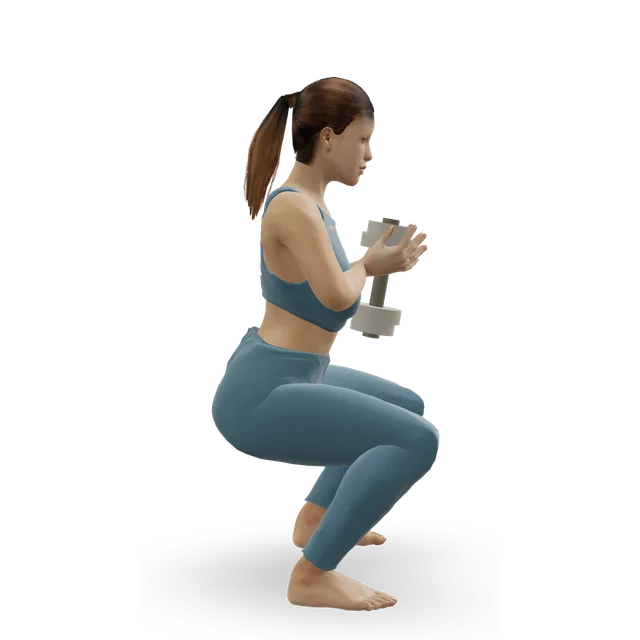
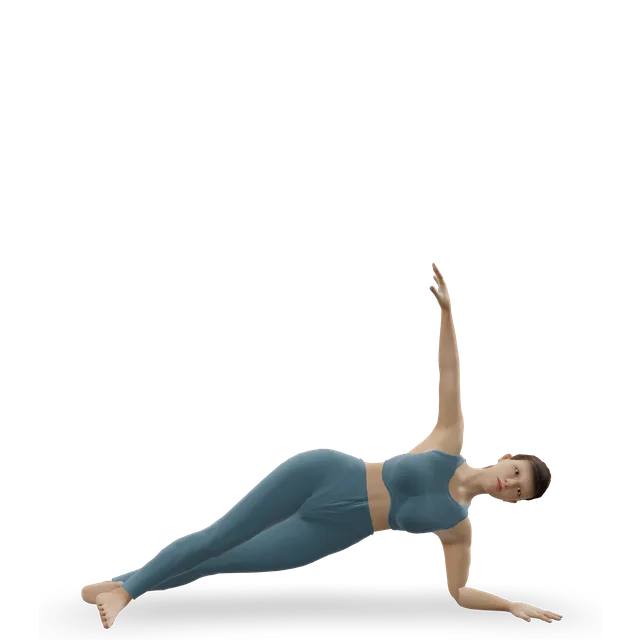
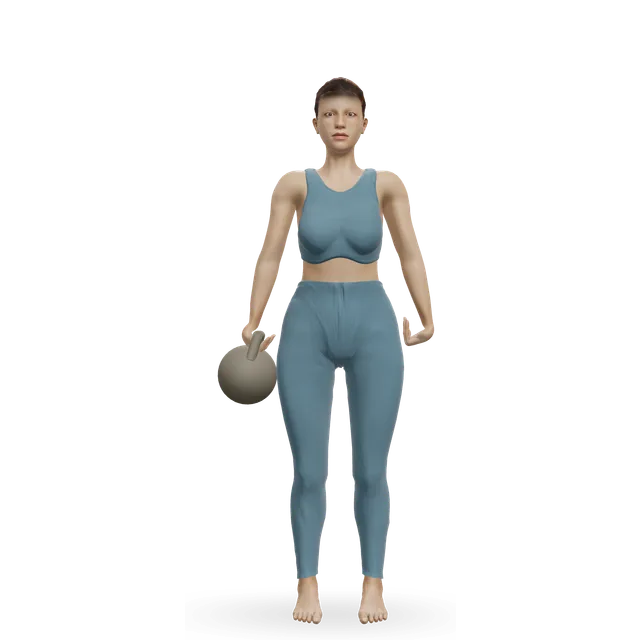
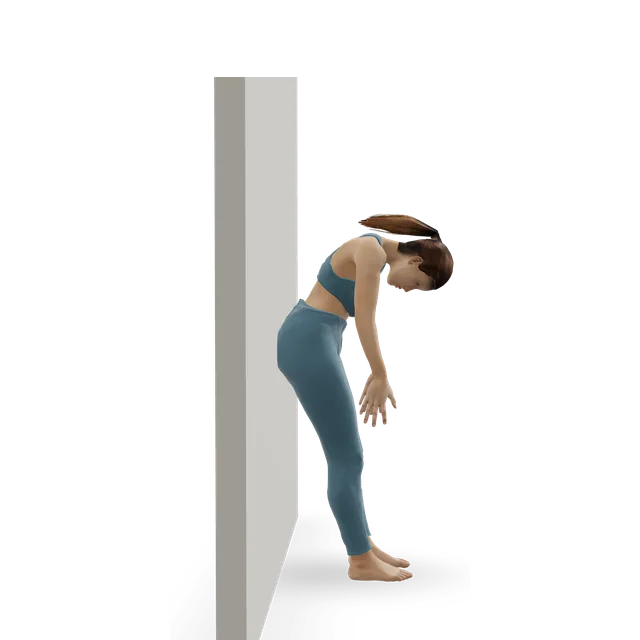
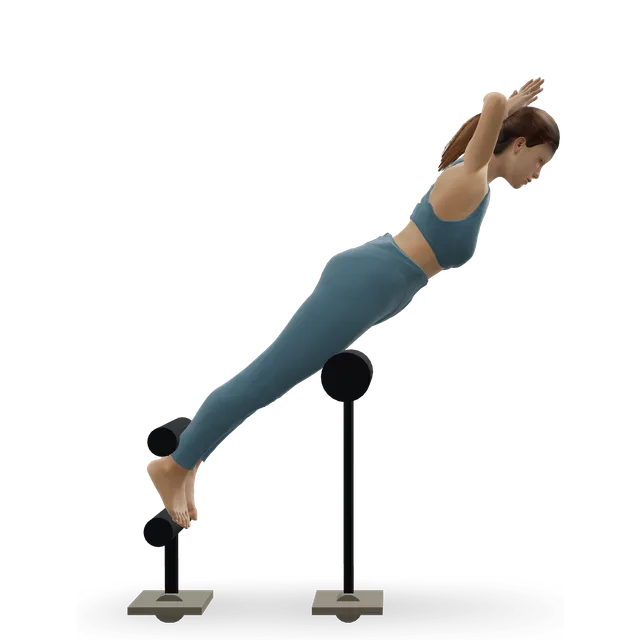
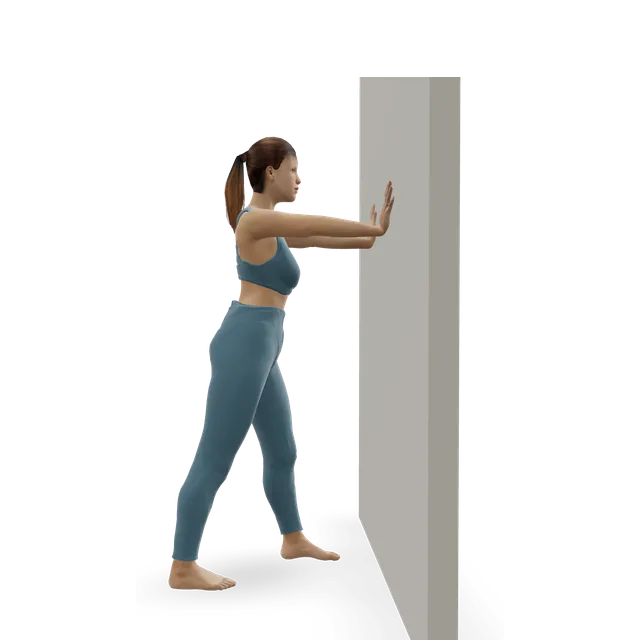
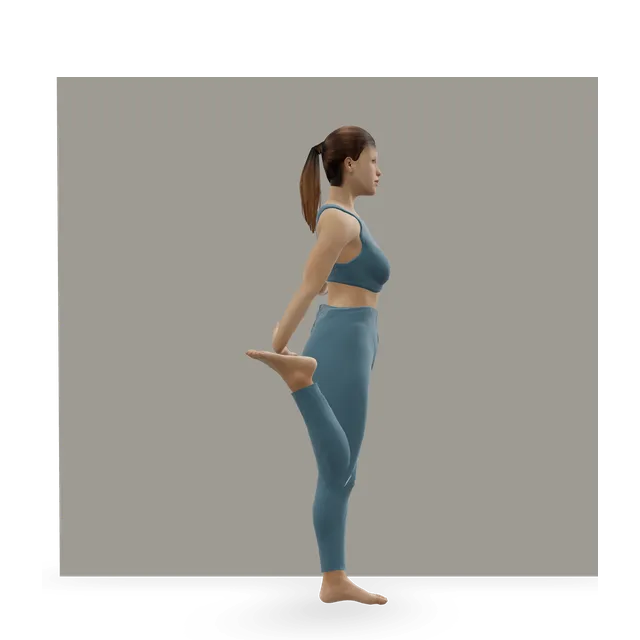
Start at the first stage. Each move opens a full guide with a 3D demo.
Stage 1
Settle: find your direction, keep walking
Weeks 0 to 2. Walk little and often, and keep the arching or the bending moves, whichever eases your pain; you don't need both. Doses are editorial starting points.
Move on when: Add load or range one change at a time, keeping leg symptoms settled.
Follow along: a timer, a cue and the next move, one step at a time.
What to change for now
Herniated disc exercises to avoid: what the evidence says
No trial shows that a particular exercise makes a herniated disc worse, so lists of banned exercises are opinion. Let your symptoms guide you instead: pain spreading further down the leg is the warning sign, and a back ache that settles by the next morning is fine. The table below shows what to favour for now.
Often it shrinks. In imaging studies of people treated without surgery, herniations shrank in many cases, the largest most often: 96% of sequestrations and 70% of extrusions. A smaller disc on a scan and feeling better don't always line up, and the NHS says surgery usually isn't needed.
Are McKenzie exercises good for a herniated disc?
They can help if arching back eases your pain: in a trial, exercises matched to the direction that eased each person's pain did better than unmatched ones. As a whole method, McKenzie therapy adds only a small benefit on average, so use the press-up as a test. Keep it if it eases your back or draws leg symptoms back towards the spine; stop if leg symptoms spread.
Is cobra pose OK with a herniated disc?
If arching back eases your pain, sphinx, cobra and the press-up are reasonable. If arching brings on leg symptoms, skip them for now and favour bending forward instead. Stop any move that sends pain further down the leg.
Can I deadlift or go to the gym with a herniated disc?
Yes, gradually. While symptoms are irritable, reduce the load and range of heavy bending lifts such as deadlifts and good mornings, then rebuild. Bending the back while lifting has not been shown to be a risk factor for back pain, and the last stage of the plan brings deadlifts back on purpose.
Is walking good for a herniated disc?
Yes. The NHS recommends keeping active with gentle exercise such as walking, swimming or yoga. Start with short walks several times a day and build up; if walking sends pain down the leg, shorten the walks rather than stopping.
What's the best sleeping position for a herniated disc?
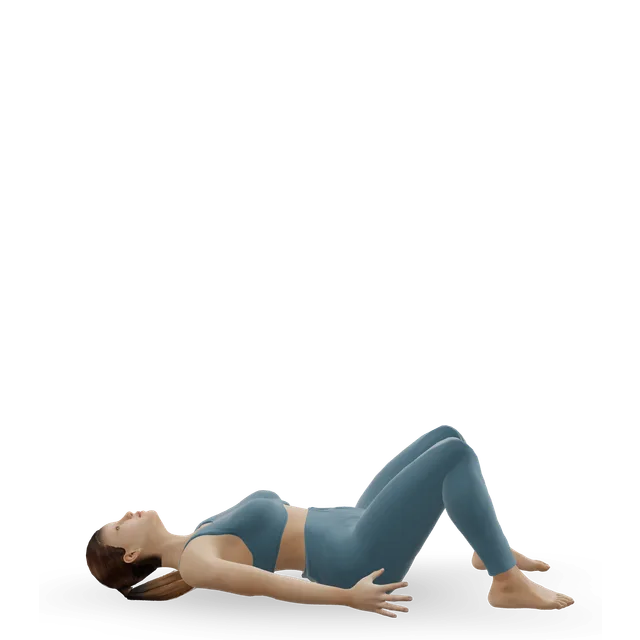
There is no good research on sleeping positions. Many people find it easier on their side with a pillow between the knees, or on their back with the knees supported. One trial found a medium-firm mattress gave less pain in bed than a firm one.
Sciatica or herniated disc: what's the difference?
A herniated disc is something a scan can show; sciatica is a set of symptoms: pain from an irritated nerve, felt in the buttock and down the leg. A disc is a common cause of sciatica, but many discs on scans cause no symptoms at all.
Exercise education, not a diagnosis or treatment plan. It is written from the guidelines and studies listed above; review by a clinician is pending. If your pain follows an injury, is severe, is getting worse, or comes with any warning sign listed on this page, get it assessed. Health disclaimer.