Sciatica exercises: what helps, nerve glides, and when to worry
Sciatica is pain from an irritated nerve in the lower back, felt in the buttock and down the back of the leg, often into the foot, sometimes with tingling, numbness or weakness. It usually gets better in a few weeks to a few months.
The evidence is honest about its limits. Staying active is the best-supported advice, structured exercise adds a little on top, and nerve glides look promising but are not proven. This guide gives you all three, starting with the signs that need help now.
Exercise is for pain that has been checked or is clearly mild and settling.
Get urgent medical help if
Call 999 or go to A&E: leg pain with numbness around the genitals or bottom, new trouble starting or controlling peeing, not knowing when you need to poo or losing control of it, sciatica in both legs, or weakness or numbness in both legs that is severe or getting worse. These can be signs of cauda equina syndrome, which needs treating in hospital as soon as possible.
Same day: leg weakness that is getting worse; new leg pain with a history of cancer, HIV, TB or inflammatory arthritis; or leg pain with a fever, feeling unwell, loss of appetite, unexplained weight loss or night sweats.
Same day (GP or NHS 111): throbbing pain and swelling in one leg, usually the calf or thigh, with red, blue or darkened skin or swollen veins. This can be a deep vein thrombosis (DVT). It is more likely after surgery, a hospital stay, 3 or more days in bed, a journey of over 4 hours, pregnancy or a recent birth, cancer, a previous clot, or oestrogen-containing contraception or HRT.
See a doctor or physiotherapist if
Pain that is not improving after a few weeks, is getting worse, or is stopping your normal activities.
Leg pain on standing and walking that eases when you sit or bend forward: possible lumbar spinal stenosis, which needs assessing. Exercise is a first-line treatment once it is diagnosed.
Pain that comes on when you walk a set distance and goes after a few minutes' rest, especially if you smoke or have diabetes. Exercise treats it well, but it needs a diagnosis first.
Understand it
What sciatica is, and how long it lastsStrong evidence
Sciatica means pain from an irritated nerve in the lower back, felt in the buttock and down the leg, often into the foot. The NHS says it usually improves in a few weeks to a few months, and that even if moving hurts, it is not harmful.
NICE recommends against gabapentinoids, other antiepileptics, oral corticosteroids and benzodiazepines for sciatica, as there is no overall evidence of benefit and there is evidence of harm. That leaves staying active and exercise as the main things you can do yourself.
Aching or cramping in the buttocks, thighs or calves that comes on with standing and walking and eases when you sit or bend forward suggests narrowing in the lower spine (lumbar spinal stenosis). Exercise is a first-line treatment: progressive cycling, an adjusted walking program and stretching, with short pauses as needed. Narrowed leg arteries can cause similar symptoms, so get it assessed first.
Stay active: the best-supported adviceStrong evidence
NICE advises people with sciatica to keep doing their normal activities, and the NHS advises against long spells of sitting or lying. A Cochrane review found advice to rest in bed was no better than advice to stay active: little or no difference, on moderate-quality evidence.
A group exercise program is worth consideringStrong evidence
NICE suggests considering a group exercise program, whether biomechanical, aerobic, mind-body or a mix, chosen to suit your needs and preferences. It uses the word consider, which is weaker than offer. This recommendation was unchanged in the 2026 update.
Exercise adds a little, in the short termMixed evidence
Across trials, structured exercise reduced leg pain slightly more than advice to stay active in the short term, by about 11 points on a 0 to 100 scale, with no difference in disability. In the long term there was no difference. Choose a program you will keep doing.
Nerve glides: promising, not provenEmerging evidence
In a 2023 review of 20 trials, nerve glides (neural mobilisation) reduced pain and disability in leg pain from the lower back by a large amount on average. But the trials varied widely and positive results may have been more likely to be published. An earlier review found a benefit for chronic low back pain, and a 2025 analysis ranked exercise plus nerve glides among the biggest short-term reductions in chronic sciatica leg pain, at very low confidence.
Try them gently for two weeks. Keep them if they ease your leg symptoms; drop them if they do not.
No treatment has strong trial supportMixed evidence
A 2023 review of 18 physiotherapy trials found inadequate evidence to make clinical recommendations; every trial was at high or unclear risk of bias. Two 2025 network meta-analyses found no non-surgical treatment for acute, subacute or chronic sciatica supported by better than very-low-confidence evidence. That is why staying active comes first.
Do not use belts or corsets, foot orthotics, rocker-sole shoes, traction, acupuncture, ultrasound, TENS or interferential therapy for sciatica. Manual therapy is only for use as part of a package that includes exercise.
Surgery is faster, not better in the long runEmerging evidence
For sciatica from a disc, surgery gave faster short-term relief than physical activity treatments in a 2016 review, but the difference disappeared in the long term.
The NHS says that even if moving hurts, it is not harmful. Use your leg symptoms as the guide: an exercise is fine if it does not push pain further down the leg and does not bring on more numbness or weakness. If it does, make the movement smaller or swap it.
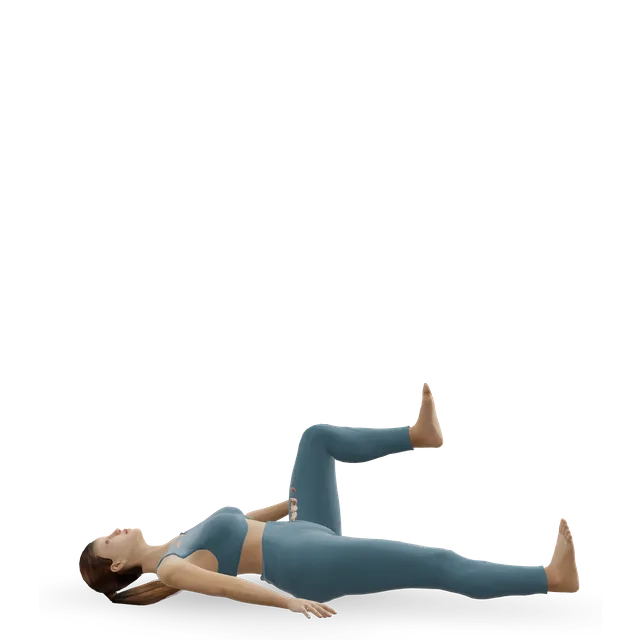
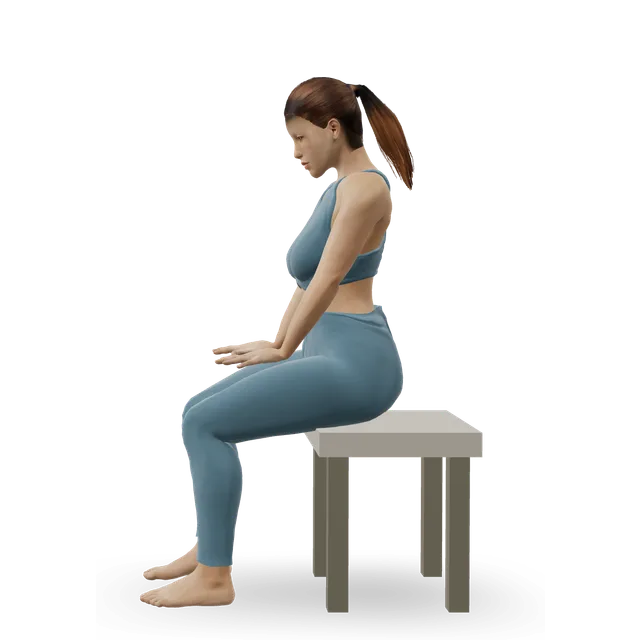
Nerve glides follow a stricter rule from NHS physiotherapy services: a pull in the leg is OK, pain is not. You should not feel pain at any point, and you never hold the end position.
Move on when: Add load gradually, one change at a time, while leg symptoms stay settled.
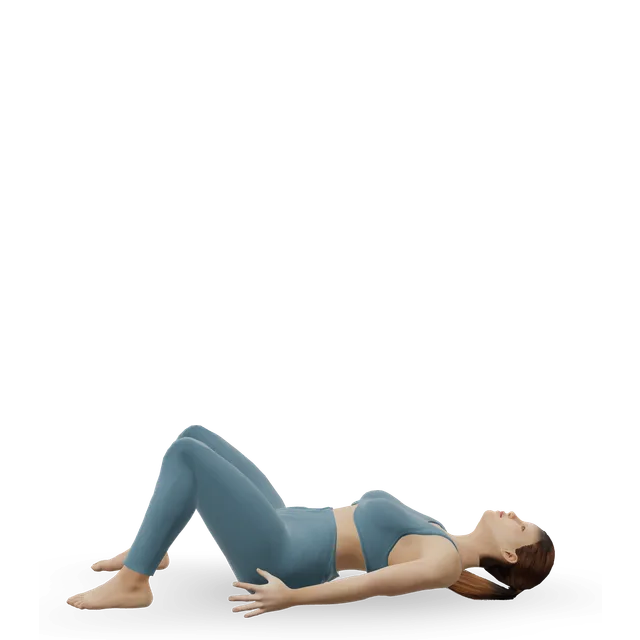
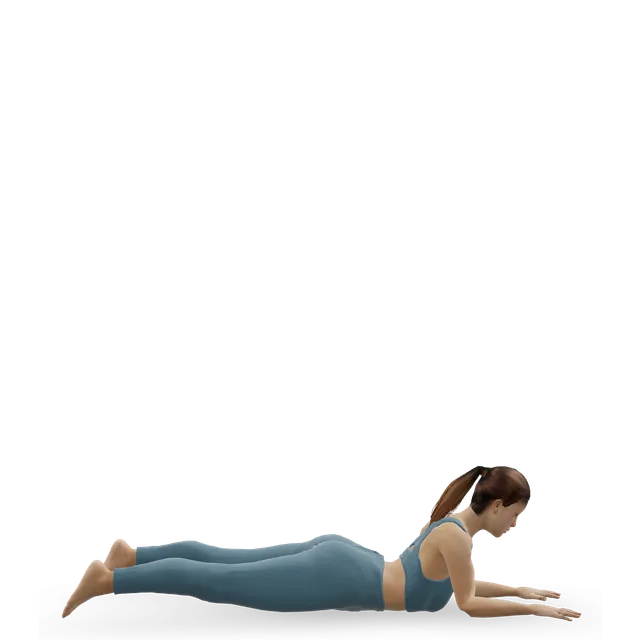
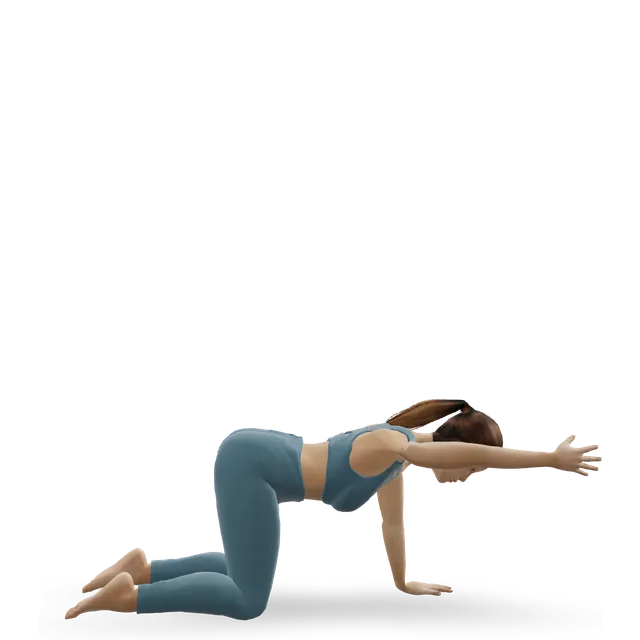
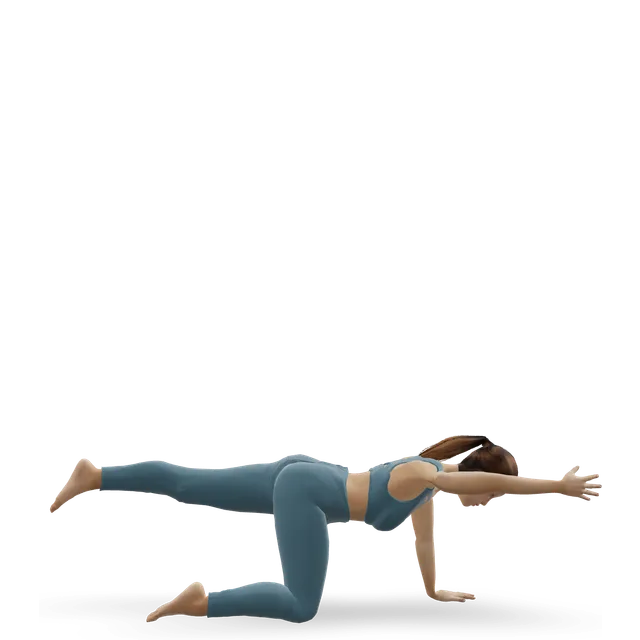
Follow along: a timer, a cue and the next move, one step at a time.
What to change for now
Sciatica exercises to avoid: what the evidence saysMixed evidence
No trial shows that a particular exercise harms sciatica, and the NHS says moving is not harmful even when it hurts. Lists of banned exercises are opinion. Heavy lifting and sharp twisting are commonly advised against early on, but that too is expert opinion.
Let your symptoms decide: ease off anything that spreads pain further down the leg or brings on numbness or weakness, and come back to it later in a smaller range.
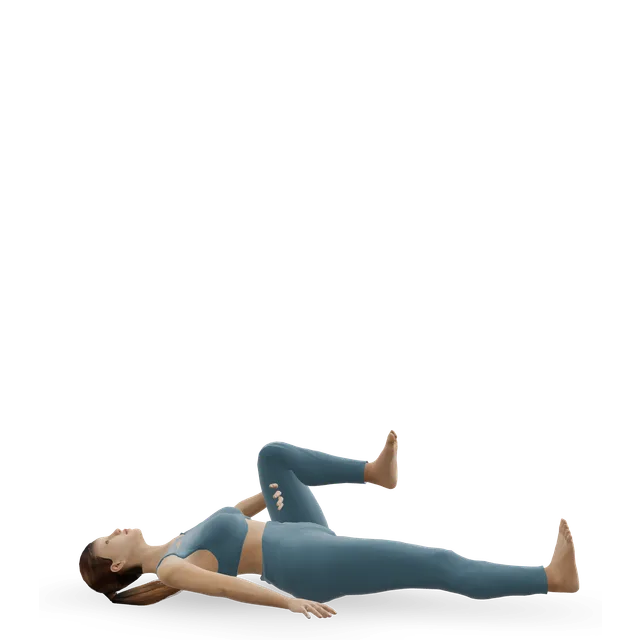
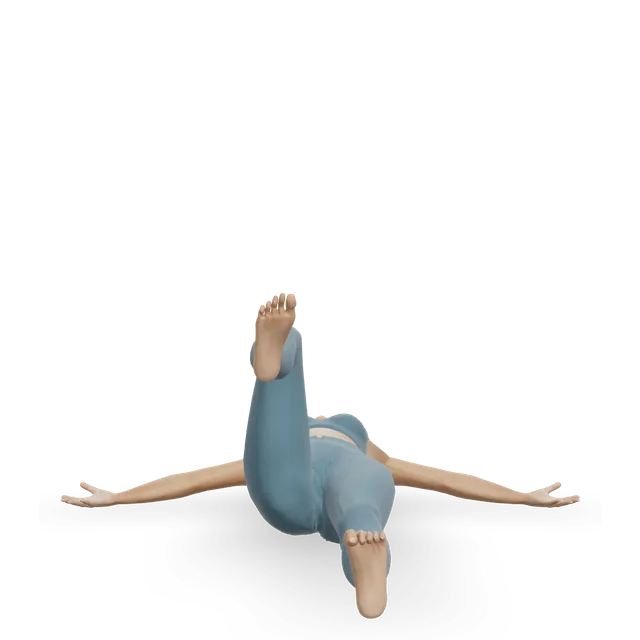
The lying nerve slider and knee to chest can both be done in bed. Move slowly and stop at a pull. During the day, avoid long spells of lying or sitting: short walks spread through the day help more.
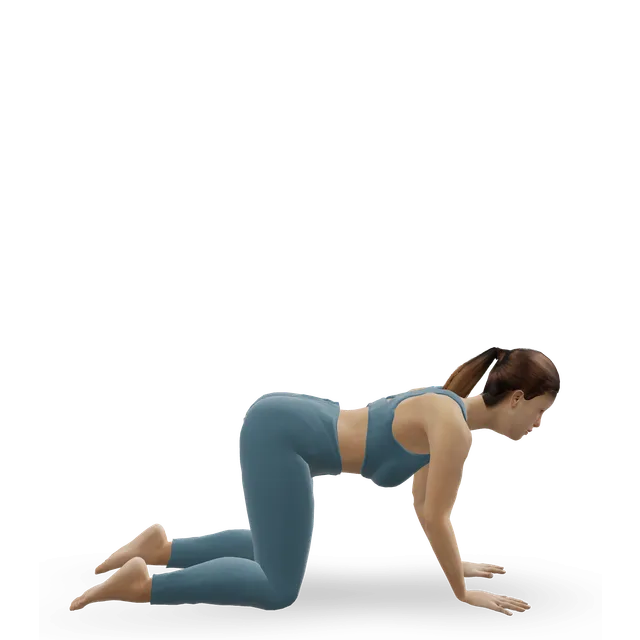
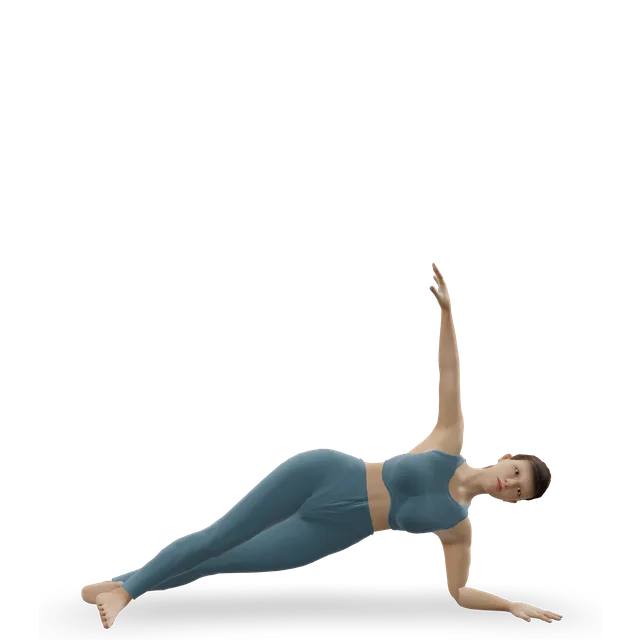
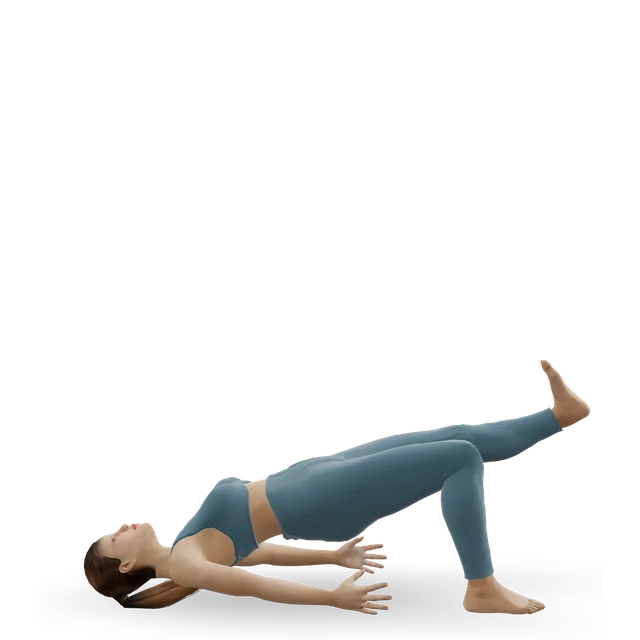
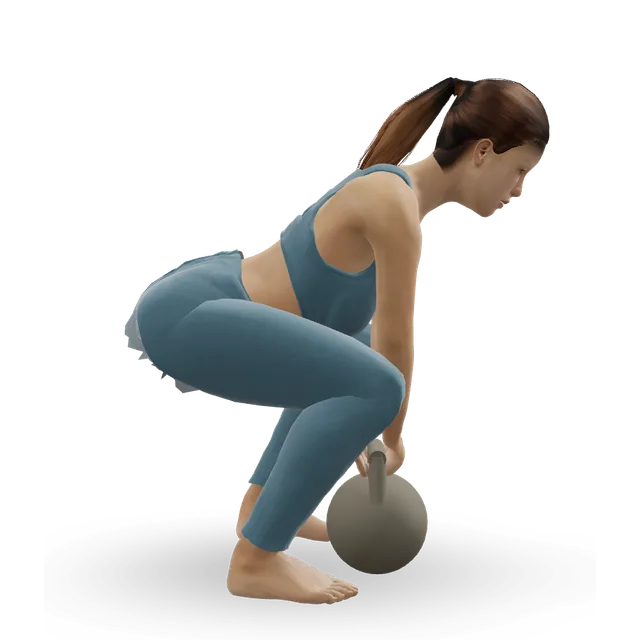
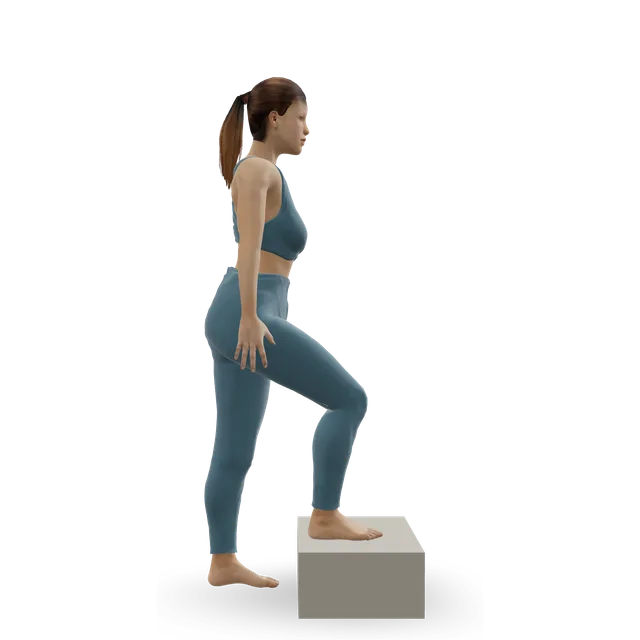
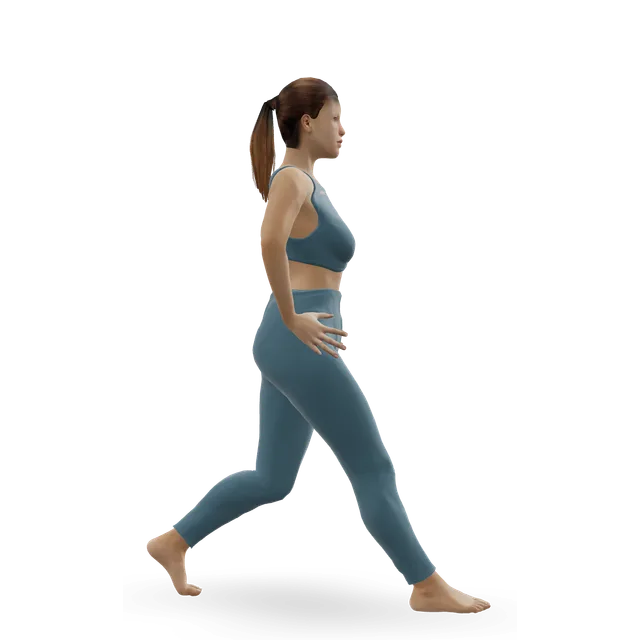
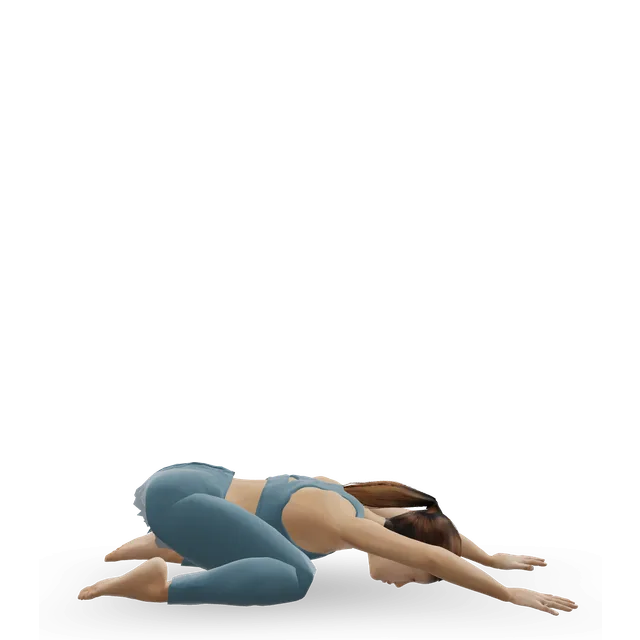
No single exercise is proven best. Staying active, with a program you will keep doing, is what the guidelines support. Walking, gentle stretches that ease your leg, nerve glides if they help, and trunk and hip strength are a sensible mix.
Should I rest in bed with sciatica?
No. Bed rest was no better than staying active in a Cochrane review, and the NHS advises against long spells of sitting or lying. Short walks spread through the day are a good start.
Do nerve glides (nerve flossing) work for sciatica?
Possibly. Pooled trials show large average benefits, but the trials are small and inconsistent. Try them gently for two weeks: a pull is fine, pain is not.
Which sciatica exercises should I avoid?
None is proven harmful. Ease off any exercise that spreads pain further down your leg or brings on numbness or weakness, and return to it later in a smaller range.
Are these sciatica exercises suitable for seniors?
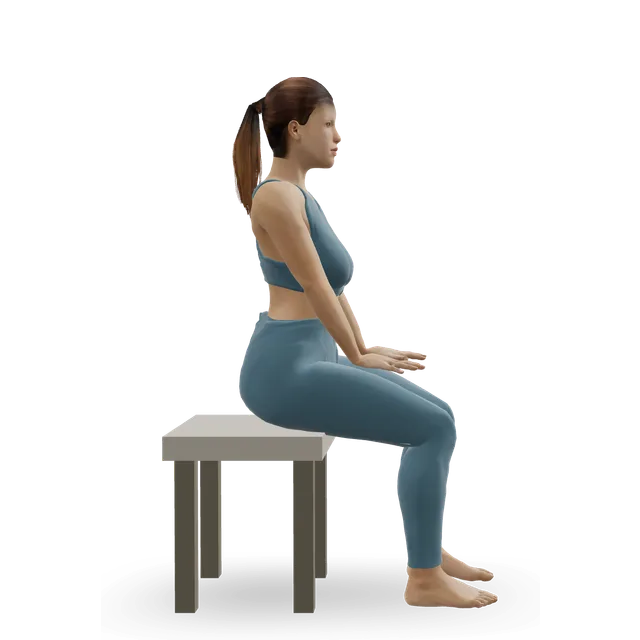
Yes. Start at stage 1 with walking, knee to chest, the seated nerve slider and sit-to-stands from a chair, and use the easier option shown under each move.
How long does sciatica last?
Usually a few weeks to a few months. See a GP if it is not improving after a few weeks, is getting worse, or stops you doing normal activities.
When is sciatica an emergency?
Sciatica in both legs, numbness around the genitals or bottom, new trouble peeing or controlling your bowels, or weakness or numbness in both legs that is severe or getting worse. Call 999 or go to A&E.
Exercise education, not a diagnosis or treatment plan. It is written from the guidelines and studies listed above; review by a clinician is pending. If your pain follows an injury, is severe, is getting worse, or comes with any warning sign listed on this page, get it assessed. Health disclaimer.