3D demo
Single knee-to-chest stretch
Stretching · Glutes, Back, Hip flexors
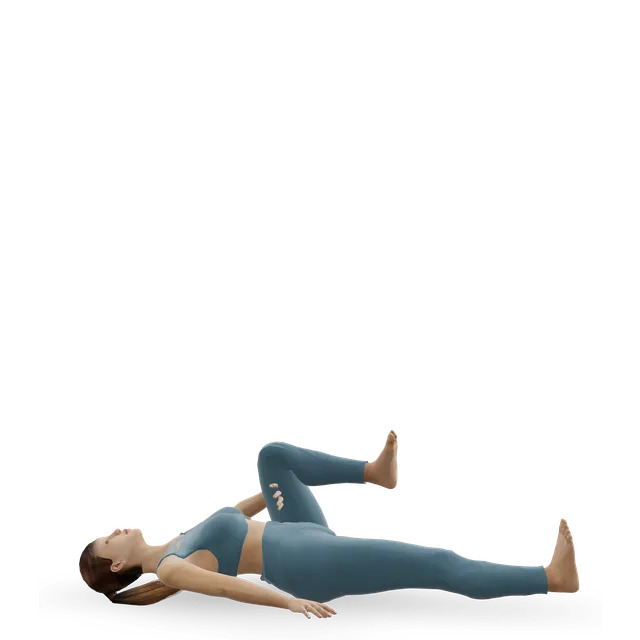
Loading the 3D figure…
The figure repeats the movement from its starting position. Drag to turn it; the arrows open the demos either side.
Lying on your back with one leg straight, you draw the other knee toward your chest, holding under the knee, so the buttock and lower back of the bent side stretch and the front of the straight leg's hip lengthens. An NHS leaflet uses it for the lower back and buttock, and ACE presses the straight leg's heel into the floor to stretch the hip flexors too.
Movement guide
Single knee-to-chest stretch
Make it easier or harder
Choose a version that fits your control and comfort.
Easier option
Use a smaller comfortable range in this same movement, with the support described in its guide. Ingram 2025 review of stretching and range of motion
Harder option
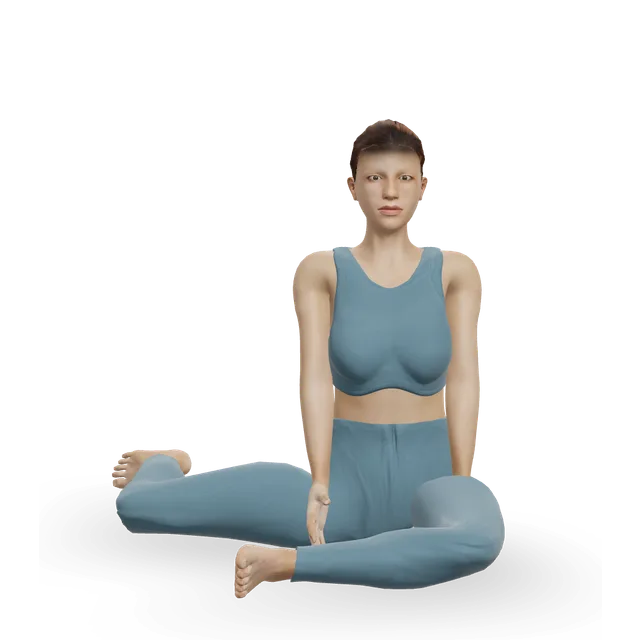 3D demo90/90 hip lift-offIntermediate · No equipment
Similar move, intermediate grade.
Source-researched guide.
Form cues
- Hold under the knee, not over the kneecap.
- Press the straight leg's heel gently into the floor.
- Avoid: lifting your head or shoulders.
Practice and cautions
Hold 20 to 30 seconds, 2 to 4 times each side (our editorial starting point). The ACSM suggests about 60 seconds of stretching in all per exercise, on at least 2 days a week.
Leave it out if bending forward sends pain down a leg, and ease off for a pinch in the front of the hip. With osteoporosis, avoid deep or repeated rounding of the spine. This is movement education, not an assessment or treatment prescription. Stop for sharp or increasing pain, dizziness, numbness or tingling; seek individual guidance for symptoms, injury or restrictions.
Sources and review status
Sources support the educational description; they do not establish that this exercise is suitable for you.
- South Tees NHS · Combined stretches (a back arch on all fours; one knee, then both, to the chest; knee rolling) ↗
- ACE · Supine hip flexor stretch (beginner; one knee to the chest while the straight leg's heel presses down) ↗
- Garber 2011 · ACSM position stand: flexibility exercise for each major muscle group, about 60 seconds in all per exercise, on 2 or more days a week (Med Sci Sports Exerc) ↗
- Free Exercise DB · community text ↗
Unlicense · Free Exercise DB contributors; derived from wrkout/exercises.json. Text import; no photographs or media. · Revision f00c92c7dcf1216a928a52c3706c7ce8e2f71ed5
No variation is labeled clinically validated.
What it works
Muscles
Main: Glutes. Also: Back, Hip flexors.
Anatomy: Gluteus maximus, Piriformis, Obturator internus.
Equipment
None: body weight and floor space.
Level
Beginner. See the easier and harder options above.
Workouts that use it
- Stump exercises after a leg amputation: above and below knee · 20 min
- Chronic pain flare-up routine: gentle movement for a bad day · 10 min
- Polymyalgia rheumatica exercises: daily stretches, then strength and balance · 15 min
- Morning routine for constipation: a walk, knee hugs and letting go · 25 min
- Yoga for digestion: a 25-minute routine for bloating and IBS · 25 min
- Yoga for sciatica: a gentle sequence that lets your leg decide · 25 min
- Yoga for heart health: a 35-minute gentle class with no breath holds · 35 min
- Yoga for spinal stenosis: a 25-minute bend-forward class, from chair to mat to counter, with no backbends · 25 min
- Pilates for bloating: a 20-minute class for a swollen, uncomfortable tummy · 20 min
- Yoga for restless legs: a 30-minute evening class with calf, thigh and hip stretches and a 10-minute rest · 30 min
Pain guides that use it
Part of a staged plan, with when to get help first.
- Lower back pain: exercises that help, and when to get it checked
- Back spasm or pulled back muscle: what to do now, and what helps it settle
- Piriformis syndrome (deep gluteal syndrome): what helps, and what it might really be
- Sciatica exercises: what helps, nerve glides, and when to worry
- Growing pains: what's normal, what helps at night, and when to see a GP
- Perthes disease: when the ball of a child's hip loses its blood supply, and how it regrows
- Lower back pain after deadlifts: what usually happened, the warning signs and the way back
- Lower back pain when running: why it happens, whether running harms your back, and the way back
Show all 42 pain guidesShow fewer pain guides
- Lower back pain when cycling: reach, saddle and bars, back and hip strength, and how to build back
- Lower back pain when swimming: which strokes, kicks and turns to change, and a plan back
- Lower back pain from sitting: why sitting hurts, what to change and how to build back
- Lower back pain in the morning: waking up stiff, mattresses, inflammatory back pain and what helps
- Lower back pain when bending: bending over and lifting, discs and sciatica, and how to build back
- Lower back pain when lying down: positions, pillows, night pain, the warning signs and what helps
- Lower back pain when walking: ordinary back pain, spinal stenosis, the arteries and what helps
- Lower back pain on one side, right or left: the back, the kidneys and other causes, and what helps
- Buttock pain (bum pain): the back, the hip, the sitting bone, piriformis and when to worry
- Lower back pain after squats: soreness or a strain, depth, bar position, belts and squatting again
- Lower back and hip pain: back or hip, the SI joint, sciatica, the outer hip and the warning signs
- Lower back pain in women: the back itself, periods, pregnancy, the menopause, bones and the kidneys
- Lower back pain in men: the back itself, lifting at work, the kidneys, the prostate and an aneurysm
- Back pain when sneezing or coughing: a strain, a disc or a fracture, how to brace and when to worry
- Lower back pain after a workout: soreness or a strain, the moves behind it, and training again
- Back pain in menopause and perimenopause: the back itself, thin bones, fractures and what helps
- Lower back pain when twisting: strains, the facet joints, discs, golf, lifting and what helps
- Lower back pain on the leg press: the pelvis lifting off the pad, depth, seat, feet and what helps
- Lower back pain when doing hip thrusts: arching at the top, the bench, the bar and what helps
- Lower back pain when hiking: the pack, uphill and downhill, the nerve signs, poles and what helps
- Back pain when driving: the seat, long journeys, vibration, sciatica and what to change
- Back pain after gardening: digging, weeding, lifting and mowing, the first big day, and what helps
- Back pain after shovelling snow: lifting and throwing, the first big fall, the heart, and what helps
- Back pain when vacuuming: bending and twisting, the handle and the machine, stairs, and what helps
- Back pain after flying: the seat, sleeping upright, lifting cases, blood clots and what helps
- Back pain after moving house: boxes, furniture, stairs and twisting, lifting for now and what helps
- Back pain after a massage: normal soreness, deep pressure, massage guns and the signs to act on
- Back pain after a chiropractor: soreness after an adjustment, flare-ups, rare harms and what helps
- Back pain from skiing: the stance, long days, falls and lifts, snowboarders' backs and what helps
- Back pain from surfing: paddling, pop-ups, wipeouts, surfer's myelopathy and what helps
- Back pain from basketball: jumping, landing, contact, stress fractures in teens and what helps
- Back pain from pickleball: bending for low balls, twisting, lunges, stenosis and what helps
- Back pain from volleyball: spiking and serving, jumping, stress fractures in teens and what helps
- Back pain after football (soccer): kicking, tackles, young players' stress fractures and what helps
Guides that use it
- Pilates for sciatica guide
- Pilates for a herniated disc guide
- Pilates for piriformis syndrome guide
- Pilates for bloating guide
- Pilates for piles guide
- Pilates for polymyalgia rheumatica guide
- Pilates for digestion guide
- Yoga for digestion guide
Show all 31 guidesShow fewer guides
- Yoga for sciatica guide
- Yoga for IBS guide
- Yoga for heart health guide
- Yoga for a herniated disc guide
- Yoga for spinal stenosis guide
- Yoga for piriformis syndrome guide
- Yoga for piles guide
- Yoga for restless legs guide
- Yoga for polymyalgia rheumatica guide
- Yoga for atrial fibrillation guide
- Sciatica guide
- Lower back guide
- Strain-counterstrain guide
- Visceral manipulation guide
- Chronic pain guide
- Exercise for arthritis
- Exercises for restless legs
- Exercise after an amputation
- Exercise for chronic pain
- Exercise for psoriatic arthritis
- Exercise for polymyalgia rheumatica
- Exercise for constipation
- Knee mobility guide
Similar moves
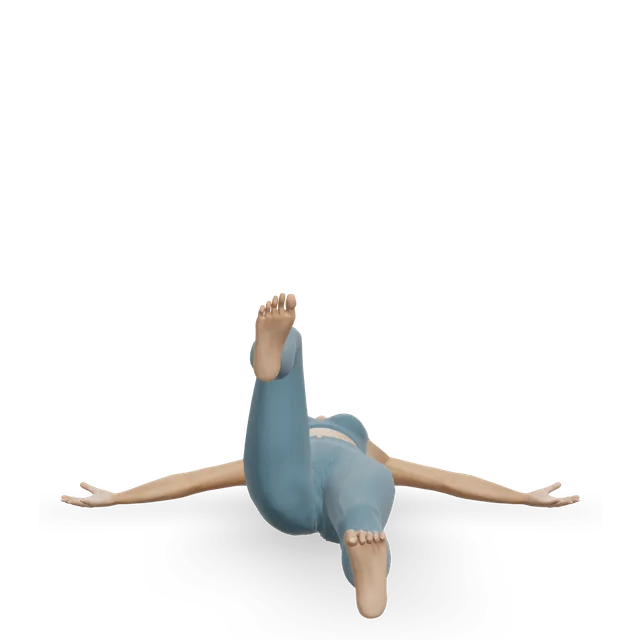 3D demoLying knee-across-the-body stretchBeginner · No equipment
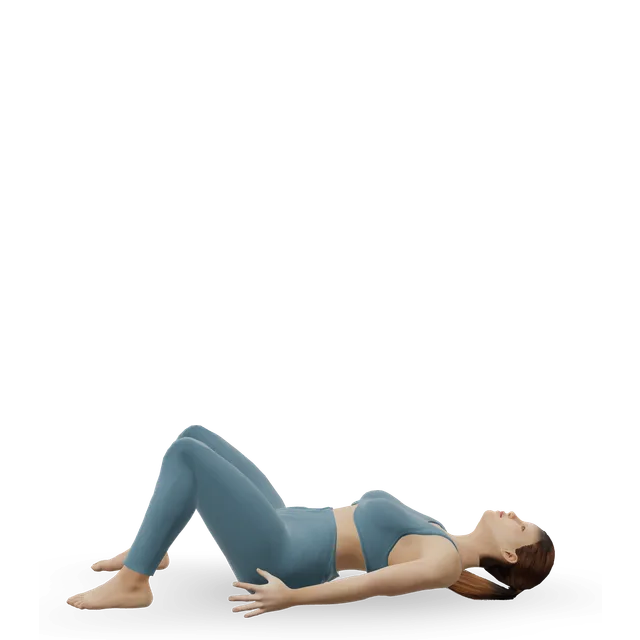 3D demoLying figure-four stretch (ankle on the knee)Beginner · No equipment
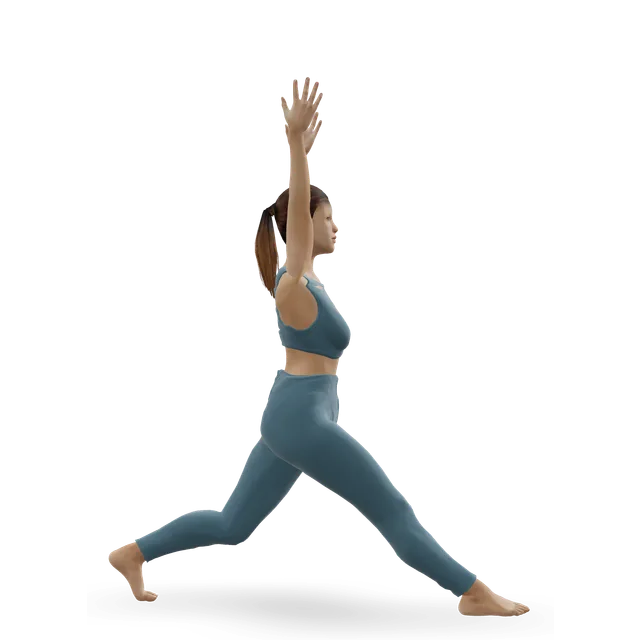 3D demoHigh lunge (crescent lunge, Ashta Chandrasana)Intermediate · No equipment
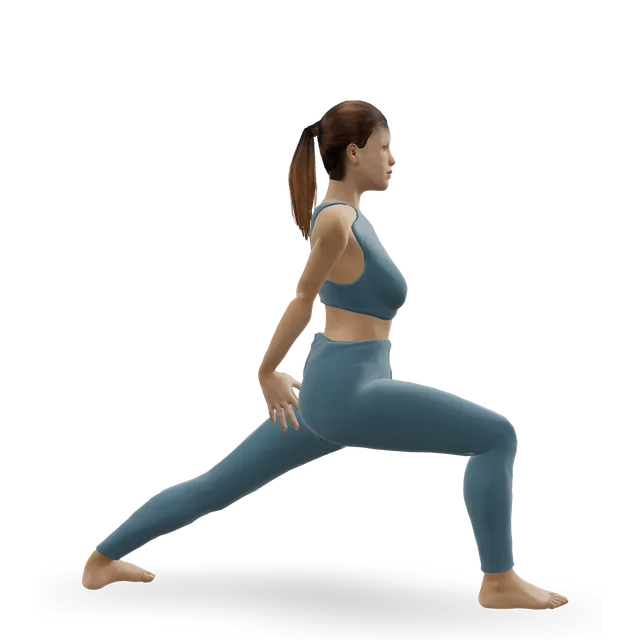 3D demoHumble warrior (Baddha Virabhadrasana)Intermediate · No equipment
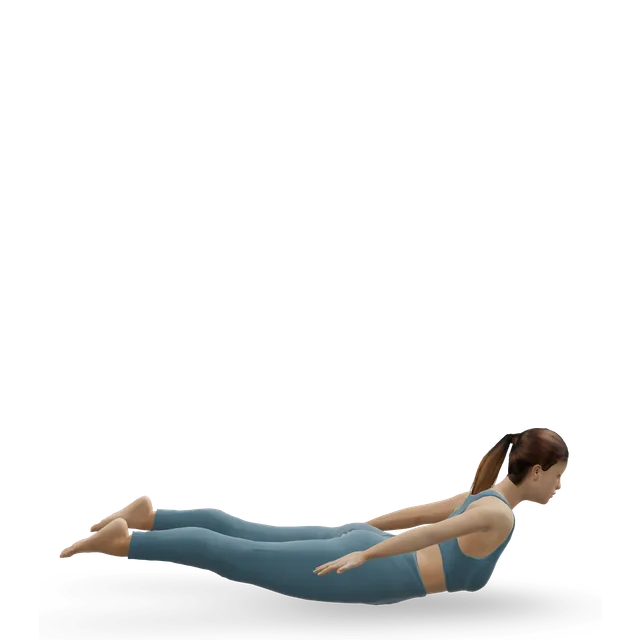 3D demoLocust pose (Salabhasana)Beginner · No equipment
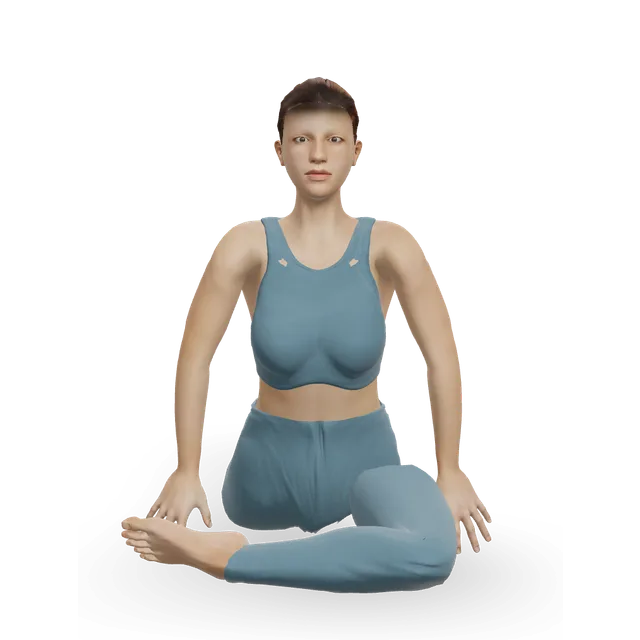 3D demoPigeon preparation (Eka Pada Rajakapotasana prep)Intermediate · No equipment
Browse more
Questions people ask
What muscles does the Single knee-to-chest stretch work?
Mainly the glutes, with help from the back and hip flexors.
What equipment do I need for the Single knee-to-chest stretch?
No equipment: your body weight and a little floor space.
Is the Single knee-to-chest stretch good for beginners?
It is graded beginner, so it suits most people starting out. When it feels easy, try the 90/90 hip lift-off.
How do I make the Single knee-to-chest stretch harder?
Progress to the 90/90 hip lift-off or the Crab reach. Follow that guide’s technique and any stated timing.