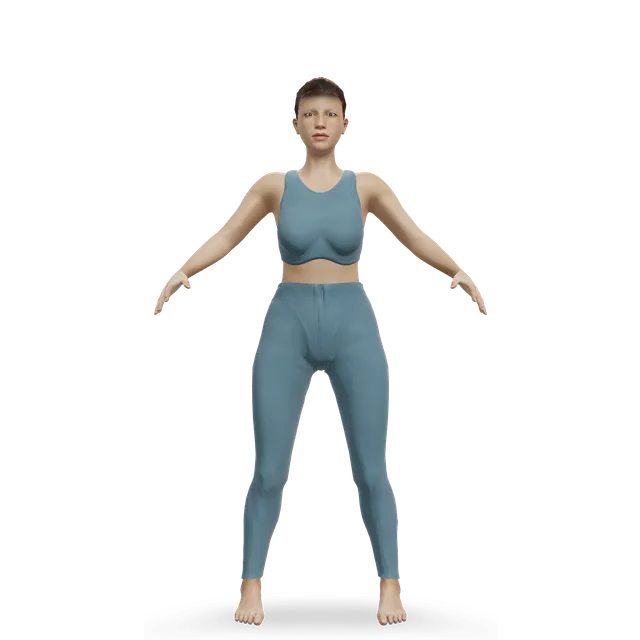
Exercise guide

Exercise for constipation: walking, tummy massage, the toilet position and what the trials found

Constipation means pooing less often than usual, or poo that's hard, painful or difficult to pass. It affects about 1 in 7 adults at any one time, and it's more common in women, older people and pregnancy. Being less active is one of its common causes, and the National Health Service (NHS) says a daily walk or run can help you poo more regularly. The trials of exercise are small and of low quality, but they point the same way.

Exercise adds to the treatments with the most evidence, which are fibre, fluids, a toilet routine and, when needed, laxatives from a pharmacist. It doesn't replace them.

This guide covers how much walking and other exercise helps, a tummy massage you can do yourself, the best way to sit on the toilet, what to do if you strain or can't empty fully, the fibre and fluids that work alongside, pregnancy, older age and Parkinson's, and the warning signs that need a general practitioner (GP).

The short version

Common, and usually simple to treat

Around 1 in 7 adults are constipated at any one time, twice as many women as men. Normal ranges from 3 times a day to 3 times a week, so constipation means going less often than is usual for you, or hard, lumpy poo that's difficult to pass.

Sources 1, 2, 3

Moving more is part of the NHS's first advice

Not moving enough is one of the common causes, and the NHS says a daily walk or run can help you poo more regularly. NHS inform suggests at least 150 minutes of activity a week.

Sources 2, 1

The trials are small, but they point the same way

Across 9 small trials at high risk of bias, exercise roughly doubled the chance of improvement, with very varied results. In a 12-week trial in 43 inactive adults, 30 minutes of brisk walking a day eased straining and hard stools. In cohort studies, the most active people were about 30% less likely to be constipated.

Sources 4, 5, 6

Exercise on its own isn't a cure

In care homes, exercise programmes didn't change constipation. Fibre, fluids, a toilet routine and, when needed, laxatives carry most of the treatment evidence. Never stop a prescribed medicine yourself.

Sources 7, 8, 2, 9

Tummy massage adds a little

Across 23 studies, abdominal massage added about 1.6 bowel movements a week and eased symptoms, though it didn't cut laxative use. NHS pelvic health physiotherapists teach a 6-step self-massage, below.

Sources 10, 11

How you sit on the toilet may help

The NHS suggests resting your feet on a low stool so your knees are above your hips; NHS physiotherapists add leaning forward, letting your tummy relax and breathing out instead of straining. It's free and low risk, but the footstool trials are mixed: two found no benefit, and the positive ones were in healthy people or alongside bowel training.

Sources 2, 11, 12, 13, 14, 15

What constipation is

Signs it's constipation

The NHS says it's likely to be constipation if:

  • you haven't pooed at least 3 times in the last week, or you're pooing less often than usual
  • your poo is unusually large or small, and dry, hard or lumpy
  • you're straining or in pain when you poo
  • you feel you haven't fully emptied your bowels
  • you may also have a stomach ache, feel bloated or feel sick

Sources 2, 3

Three kinds

Guts UK describes slow transit, where the gut moves its contents slowly; normal transit, the most common kind; and a problem with emptying, where the pelvic floor muscles don't coordinate, so people strain hard without emptying. The kind matters: changes to diet help most with normal-transit constipation, and biofeedback therapy is the treatment for the emptying kind.

Sources 3, 16, 17, 18

How common it is

NHS inform says around 1 in 7 adults and up to 1 in 3 children in the UK are constipated at any one time, twice as many women as men, and it's more common in older adults and pregnancy. Worldwide, about 1 in 10 adults have long-term constipation by the current specialist definition, rising to about 1 in 5 people over 60, and about 1 in 3 women are constipated in pregnancy.

Sources 1, 19, 20, 21, 22

Common causes

The NHS lists these as the most common causes:

  • not eating enough fibre, or not drinking enough fluids
  • not moving enough, and long spells sitting or lying down
  • often ignoring the urge to go
  • changes to your diet or routine
  • stress, anxiety or depression
  • a side effect of some medicines
  • it's also common in pregnancy and after giving birth, and more common over 65

Sources 2, 1

Medicines that can cause it

They include some antacids, antidepressants, epilepsy medicines and antipsychotics, iron and calcium supplements, opioid painkillers such as codeine and morphine, and water tablets (diuretics). Talk to a GP or pharmacist, and don't stop a prescribed medicine yourself. Our anaemia, psychosis and addiction recovery guides cover iron tablets, clozapine and methadone.

Sources 1, 2

How activity may help

In 10 healthy volunteers, an hour a day of jogging or cycling at a moderate effort sped food through the gut (from 51 hours to 34 to 37), though they didn't go more often. In constipated adults, 12 weeks of walking sped up gut transit too. Parkinson's UK says being active and exercising will stimulate your bowels. Exactly how isn't settled.

Sources 23, 5, 24, 25

Complications

Piles, small tears around the bottom, and hard poo stuck in the bowel, where runny poo can leak around it. Guts UK says there's no evidence that toxins leak from the bowel into the body, and no convincing evidence that long-term constipation raises the chance of bowel cancer.

Sources 2, 3

Treatment

Diet and lifestyle changes first: the NHS says you may notice a difference within a few days, though sometimes it takes a few weeks. If they don't help, a pharmacist can suggest a laxative, and a GP can help with constipation that isn't improving or is caused by a medicine. Specialists may offer biofeedback, newer medicines and other treatments.

Sources 2, 3

Older people and people with dementia

The NHS says constipation can easily be missed in an older person or someone with dementia or a learning disability: look out for behaviour changes such as confusion, which might mean they're in pain or discomfort.

Source 2

What the evidence says

Fibre, fluids, a toilet routine and laxatives carry most of the treatment evidence for constipation. Exercise has small trials and observational studies behind it, and expert guidelines disagree on how much it adds.

What the guidelines say about activityStrong evidence

The NHS says a daily walk or run can help you poo more regularly, and NHS inform says keeping active and mobile will greatly reduce your risk of constipation. Guts UK is more cautious: keeping active may help some people whose bowel is sluggish. A review of 10 expert guidelines found their advice on activity low to moderate in quality and at times conflicting, and the European guideline rests most of its statements on low-quality evidence.

Sources 2, 1, 3, 26, 27

Exercise trials: small, and at high risk of biasMixed evidence

A 2019 meta-analysis pooled 9 trials with 680 people, most testing aerobic exercise such as walking or qigong. Exercise roughly doubled the chance of improvement (risk ratio 1.97), but the results varied hugely between trials, the trials were small and at high risk of bias, and the authors said the real effect can't be pinned down.

Source 4

The walking trialEmerging evidence

In 43 inactive adults over 45 with long-term constipation, 12 weeks of 30 minutes' brisk walking a day plus an 11-minute daily home routine reduced straining, hard stools and the feeling of not emptying, and food passed through the gut faster (79 hours down to 58). Fibre and fluid intake didn't change.

Source 5

Other small trialsEmerging evidence

In 125 women with obesity, 12 weeks of supervised treadmill walking 3 times a week plus a low-calorie diet improved constipation more than the diet alone. In 32 adults, supervised online exercise 3 times a week for 4 weeks improved stool form and symptoms more than advice alone; the authors call it preliminary.

Sources 25, 28

Active people are less often constipatedEmerging evidence

Across 13 cohort studies with 119,426 people, the most active were about 30% less likely to be constipated than the least active (risk ratio 0.69). In 62,036 women, those who were active every day were about half as likely to be constipated, and less likely again if they also ate the most fibre. These studies can't prove that exercise was the cause.

Sources 6, 29

In care homes, exercise on its own didn't helpEmerging evidence

In 157 care-home residents aged 64 to 94, 6 months of strength or skills training didn't change constipation. In 89 nursing-home residents, exercise and help to the toilet 4 times a day for 32 weeks didn't change how often they went. A review of 7 trials in care homes couldn't recommend any non-drug treatment until better studies are done.

Sources 7, 8, 30

Tummy massageEmerging evidence

Across 23 studies with 1,431 adults, abdominal massage added about 1.6 bowel movements a week, sped up gut transit by about 21 hours and eased symptoms, but it didn't reduce laxative use, and the results varied a lot. A second review of 25 trials agreed. A US evidence summary rates it a reasonable option, based on small trials. In a Swedish trial of 60 people, massage alongside their usual laxatives eased symptoms over 8 weeks, but they didn't need fewer laxatives: a complement, not a substitute.

Sources 10, 31, 32, 33

In the largest massage trial, the benefit was smallMixed evidence

In multiple sclerosis (MS), daily massage eased constipation in a 30-person trial, but in the 189-person AMBER trial it didn't significantly change the main bowel score at 24 weeks, though bowel movements and complete emptying improved a little and there were no harms. In 32 people with Parkinson's, both the massage group and the comparison group improved.

Sources 34, 35, 36

The toilet position: mixed trialsMixed evidence

In 41 people with constipation tested in a clinic, a 7 or 9 inch footstool changed their posture but didn't make it easier to push out a test balloon. After prolapse surgery, a posture device didn't reduce straining in 150 women. On the other side, a posture device reduced straining and gave fuller emptying in 52 healthy adults, leaning forward let half of 22 people who couldn't empty sitting upright do so, and bowel training with a better toilet position helped 30 care-home residents with dementia go more often. Small physiology studies found squatting straightened the angle of the bowel, and sitting made emptying easier than lying down. A 2025 review found the studies small and poorly controlled.

Sources 12, 13, 14, 37, 15, 38, 39, 40

Straining, and a pelvic floor that won't relaxEmerging evidence

Straining and feeling you haven't emptied can mean the pelvic floor tightens when it should relax. In 109 people with this kind of constipation, biofeedback therapy helped 80% against 22% on a laxative, and it beat sham feedback in another trial. Across 17 trials it beat laxatives and sham treatment, on low-quality evidence. In UK specialist centres, habit training alone did as well as habit training with biofeedback.

Sources 17, 18, 41, 42

Fibre and fluidsStrong evidence

The British Dietetic Association (BDA) recommends psyllium fibre supplements, and found fibre supplements helped people improve (16 trials). It made no recommendation on a high-fibre diet as a whole, for lack of evidence. In 117 adults eating 25 g of fibre a day, drinking 2 litres of water a day worked better than drinking as usual. The evidence on fluids is one trial.

Sources 9, 43

Walking, and how much

A daily walk

The NHS suggests a daily walk or run. The walking trial used 30 minutes of brisk walking a day, and NHS inform suggests at least 150 minutes of activity a week. Our editorial starting point: 10 to 15 minutes a day, adding 5 minutes a week until you reach 30.

Sources 2, 5, 1

Time it with breakfast

NHS pelvic health physiotherapists explain that about 20 minutes after a meal or hot drink, your bowel moves its contents towards your back passage. A walk around breakfast, then some unhurried toilet time, fits that pattern (our suggestion).

Source 11

Running, cycling and swimming count too

Jogging and cycling sped up the gut as much as each other in healthy volunteers. Any moderate activity counts towards the usual 150 minutes a week, plus strength exercises on 2 days.

Sources 2, 23, 44

If you can't walk far

Seated activity, such as a seated march or chair exercises, is better than none (our suggestion). Exercise alone didn't change constipation in care home trials, so pair it with fluids, fibre and a regular toilet time.

Sources 7, 8

Give it time

The walking trial ran for 12 weeks, and most fibre and massage trials ran for at least 4 weeks. Exercise works over days and weeks, not minutes.

Sources 5, 9, 32

Walking and cardio

Every day if you can: build towards 30 minutes of brisk walking, starting with 10 to 15 (our editorial starting point). Walking outdoors counts the same as the treadmill. The seated march page's dose is 1 to 2 minutes as a warm-up, or 5 lifts each leg; repeat it through the day if you can't walk far.

Tummy massage for constipation

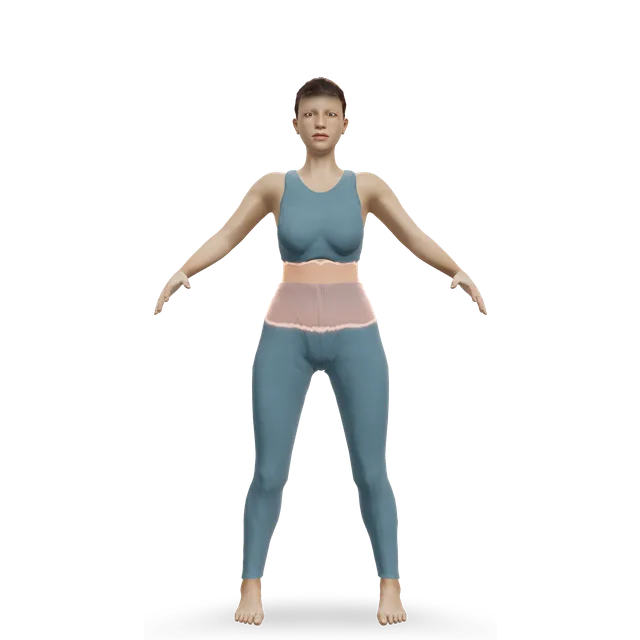
Our wording of the 6 steps in NHS Lothian's pelvic health physiotherapy booklet, which also includes stroking from the middle of your back round to your hips. Start gently: it should never hurt. How often, and who shouldn't use it, are below.

  1. Lie on your back with your knees bent and a pillow under your head, or sit back in a comfortable chair. You can massage over thin clothes, or on bare skin with a little oil.
  2. With one hand on top of the other, stroke the lower part of your tummy upwards, working from your right side to your left.
  3. Circle your whole tummy slowly clockwise, around your belly button.
  4. Stroke from your right groin up to the level of your belly button, across to the left, and down to your left groin: up, across and down.
  5. Follow the same up, across and down path with your fingertips or knuckles, in small clockwise circles.
  6. Finish by resting your warm hands on your tummy, with gentle pressure, for about 20 seconds, breathing slowly.

Tummy massage: how often, and who shouldn't

How often

NHS Lothian's physiotherapists suggest each step 3 to 4 times, when you're most likely to need the toilet, such as after food and drink, or the night before. An NHS continence service in Leeds describes 10 to 20 minutes. Trials ran for 4 to 8 weeks: two used daily massage, and one used 10 minutes 3 times a week for 4 weeks. Our starting point: about 10 minutes once a day, and give it about 4 weeks before you judge it.

Sources 11, 45, 34, 35, 33, 32

Who shouldn't use tummy massage

NHS Lothian's booklet says not to use it if you:

  • are pregnant
  • have any hernia in your tummy
  • have had recent tummy surgery, or have recent scars
  • have cancer, a growth in your tummy, or have had a bowel blockage caused by cancer
  • have Crohn's disease or ulcerative colitis
  • have irritable bowel syndrome (IBS) with a 'spastic colon'
  • have an unstable spinal injury

Sources 11, 45

It adds to treatment

Stop if it hurts. In trials, massage added bowel movements but didn't reduce laxative use, so keep up fibre, fluids and anything your GP or pharmacist has advised, and never stop a prescribed medicine yourself.

Sources 10, 33, 2

How to sit on the toilet

Our wording of NHS, NHS inform, NHS Lothian and Parkinson's UK advice. It rests on that advice rather than on trials, which are mixed: a footstool didn't help people with constipation in a clinic test, and a posture device didn't reduce straining after prolapse surgery, but a posture device helped healthy volunteers, leaning forward helped in a small imaging study, and a better position alongside bowel training helped people with dementia. It's free and low risk. Use a stable stool, and grab rails if your balance is poor.

  1. Go when you feel the urge, or give yourself unhurried time about 20 minutes after breakfast or a hot drink. Sit fully on the seat rather than hovering.
  2. Rest your feet on a low stool so your knees are higher than your hips, with your feet apart.
  3. Lean forward and rest your forearms on your thighs, keeping your back long.
  4. Let your tummy relax and your waist widen, and let your bottom and pelvic floor go.
  5. Breathe out slowly through pursed lips, as if blowing bubbles, to push gently. Don't hold your breath or strain.
  6. If nothing happens after about 5 minutes, get up and come back later rather than sitting and straining.

Knee hugs, breathing and letting go

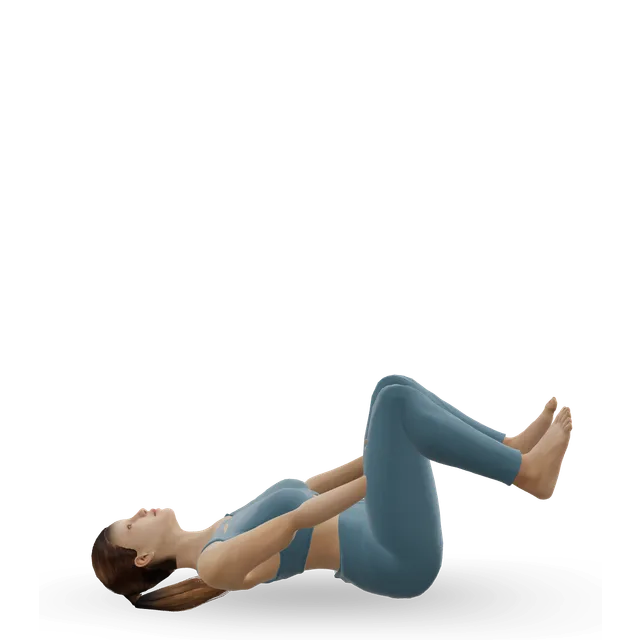
NHS pelvic health physiotherapists suggest a morning routine: a warm drink, then lying on your back and hugging one knee at a time to your chest, 5 to 10 times each side, then both knees. The knee-to-chest pages' dose is a hold of 20 to 30 seconds, 2 to 4 times; the pelvic floor relaxation page's is 5 to 10 slow breaths, 1 to 3 times a day. No trial has tested any single stretch or pose for constipation; they're comfortable ways to move and let go. The tummy massage and toilet position moves have written steps, with no 3D demo.

If you strain or can't empty fully

It may be your pelvic floorEmerging evidence

If you often strain, feel you haven't finished, or need to press around your bottom or vagina to empty, the pelvic floor muscles may be tightening when they should relax. Biofeedback therapy with a specialist helped most people with this kind of constipation in trials, and US guidelines recommend it with a pelvic floor physiotherapist. See a GP: they can refer you for tests and treatment.

Sources 3, 17, 16

What helps at home

Relax rather than squeeze: the toilet position above, breathing out instead of holding your breath, and the pelvic floor relaxation move. Parkinson's UK puts it as: push from your waist, and don't hold your breath and strain.

Sources 11, 24

If you leak

Bowel leaking is a different problem: a specialist may suggest pelvic floor exercises. Our pelvic floor guide covers both squeezing and relaxing, and the pelvic floor exercise page's dose is 8 slow holds of up to 10 seconds and 8 quick squeezes, 3 times a day, building to 10 of each.

Workouts to follow

The morning routine for constipation puts the walk, breathing and knee hugs together, and its tips send you back here for the tummy massage and toilet position. The pelvic floor relaxation routine helps if you strain. In pregnancy, use the pregnancy workouts, which keep you off your back. Crunch-heavy ab workouts aren't constipation workouts: no trial links them with easier pooing (our suggestion).

Morning routine for constipation: a walk, knee hugs and letting go

A daily morning routine for constipation: a brisk walk, slow breathing, knee hugs and relaxing your pelvic floor, then tummy massage and unhurried toilet time.

25 minBeginner7 movesCardio machine

Easy cardio workout

A steady 30 to 45 minute cardio session at talk-but-not-sing pace: walk, cycle, row or cross-train, counting toward weekly activity guidelines.

40 minBeginner3 movesCardio machine, A wall

Build-up interval walk

A 25-minute walk with short faster bouts: notice your heart and breathing speed up, then settle. A gentle way to get used to the feelings of effort.

25 minBeginner5 movesCardio machine, A wall

Easy bike ride: 30 to 75 minutes at a pace you can talk at

A steady bike ride for a first triathlon or fitness: 5 to 10 minutes easy, a ride you can talk through, optional short faster bursts and an easy cool-down.

45 minBeginner4 movesCardio machine, A wall

Swim workout for beginners: lengths, rests and a steady continuous swim

A 30 to 45-minute beginner pool swim: a shoulder warm-up on the side, easy lengths, a main set of repeats with rests, and an easy swim down, any stroke.

35 minBeginner5 movesOther / check instructions

Pelvic floor relaxation exercises

An 8-minute routine for a tight pelvic floor: slow breathing and comfortable positions to help the muscles let go, with no strengthening squeezes.

8 minBeginner5 movesFirm cushion

Chair exercises for seniors: a seated workout

A 20-minute seated workout for older adults who cannot stand for long: marching, leg and arm strength, posture, and sit-to-stands that lead back to standing.

20 minBeginner11 movesA bench or box, Something with weight

Strength and balance exercises for seniors

A 40-minute strength and balance session for over-65s, built from the Otago home programme and NHS exercises, using a chair, a counter and a step.

40 minBeginner18 movesA bench or box, Something with weight

Parkinson's exercise routine at home: big movements, strength and balance

A 35-minute home routine for Parkinson's: big steps to a beat, boxing-style punches, strength moves and balance at a counter, then posture stretches.

35 minBeginner18 movesCardio machine, A wall

Prenatal yoga workout (no lying on your back)

A 20-minute prenatal yoga workout for any trimester: seated breathing, all-fours and kneeling poses, supported standing poses and rest, none flat on your back.

20 minBeginner15 movesA step, A wall

Pregnancy Pilates workout (no lying on your back)

A 20-minute Pilates workout for any trimester: seated, standing, all-fours and side-lying moves, with no lying on your back or front and no jumping.

20 minBeginner15 movesA wall, A bench or box

Postnatal exercises

A gentle 25-minute routine for the first weeks after birth: pelvic floor, breathing, tummy and hip exercises on the floor, sit-to-stands and a walk.

25 minBeginner12 movesA bench or box, Cardio machine

Follow a plan

The walking plan builds to 150 minutes a week. The plan for seniors adds strength and balance.

Fibre, fluids and a toilet routine

Fibre: build up graduallyStrong evidence

NHS inform suggests about 30 g of fibre a day, built up gradually, and the NHS suggests adding wheat bran, oats or linseed. If you use a supplement, the BDA backs psyllium, more than 10 g a day for at least 4 weeks, increased week by week to avoid wind and bloating. Eating 2 to 3 kiwifruit a day for at least 4 weeks may help too, and it suggests rye bread over white.

Sources 1, 2, 9

FluidsEmerging evidence

The NHS says drink plenty of water and other fluids, and NHS physiotherapists suggest at least 1.5 litres a day. Drink more with a fibre supplement, in hot weather and when you exercise. Our water intake calculator gives the NHS and European figures. There's no evidence that drinking far more than you need helps.

Sources 2, 11, 9, 43

A toilet routineStrong evidence

Keep to a regular time and place, give yourself plenty of time, and don't delay when you feel the urge. The urge often comes about 20 minutes after a meal or hot drink, so after breakfast suits many people.

Sources 2, 11, 24

Pregnancy, after the birth, older age and other conditions

Pregnancy

About 1 in 3 pregnant women are constipated, partly from hormone changes. The NHS suggests high-fibre food, regular exercise and plenty of water, and says these simple measures are safe in pregnancy; with piles, it also suggests regular exercise and not straining. Follow the usual pregnancy exercise guidance, and after the first trimester do knee hugs propped up or on your side rather than flat on your back (our suggestion, from our pregnancy guide). Tummy massage isn't advised in pregnancy. No trial has tested exercise for constipation in pregnancy, and in one UK study, activity levels didn't differ between women who were constipated and those who weren't.

Sources 46, 2, 22, 47, 48, 11, 49, 50

Iron tablets in pregnancy

Iron tablets can cause constipation, and iron supplements were linked with it in one study. Don't stop them yourself: ask your midwife or GP whether you can manage without them or change to a different type, as the NHS suggests.

Sources 46, 51

After the birth

The NHS says avoid straining on the toilet and heavy lifting. If you have stitches, hold a clean pad gently against them when you poo. The only trials of preventing constipation after the birth tested laxatives. Our postpartum guide covers getting back to exercise.

Sources 52, 53, 54

Older age and care homes

About 1 in 5 older people are constipated. Exercise programmes alone didn't change constipation in care homes, so the fixable things matter: fluids, fibre, a regular, unhurried toilet time and a good toilet position (bowel training plus a better position helped people with dementia in one trial), and a medicines review with a GP or pharmacist. A raised toilet seat, grab rails and a footstool help people with stiff hips or poor balance.

Sources 20, 21, 7, 8, 15, 1, 24

Parkinson's

Constipation is common in Parkinson's, and it can stop your medicine being absorbed properly. Parkinson's UK says being active stimulates the bowel; try to empty at the same time each day, perhaps after breakfast or when your medicine is working best, push from your waist and don't hold your breath. Our Parkinson's guide covers exercise.

Sources 24, 36

MS and spinal cord injury

Bowel problems are common in MS, and massage gave small gains in a large trial. After a spinal cord injury, your spinal team sets your bowel routine, and tummy massage isn't for an unstable spinal injury.

Sources 35, 11

Constipation after starting exercise

We found no study of this. If your diet or fluids changed when you started training, check those first (our suggestion).

When to see a GP, and when to get help fast

This is general information, not a diagnosis. In the US, call 911 where this page says 999.

Call 999

The NHS says call 999 or go to accident and emergency (A&E) if you have:

  • a stomach ache that started suddenly and is severe
  • severe tummy pain with vomiting or a swollen tummy
  • you cannot poo or fart at all
  • you're vomiting blood, or your vomit looks green or like ground coffee
  • a lot of blood is coming from your bottom, or your poo is black and sticky
  • bleeding from your bottom that won't stop, or a lot of blood or large clots when you poo

Sources 55, 56, 57

Ask for an urgent GP appointment or call NHS 111

The NHS says get urgent help if:

  • your poo is black or dark red, or you have bloody diarrhoea
  • you're bloated and also being sick, have diarrhoea, a stomach ache, a high temperature, or a lump in your tummy
  • a stomach ache suddenly gets much worse, or you have a stomach ache while pregnant

Sources 57, 58, 55

See a GP

The NHS says see a GP if you:

  • are constipated and it's not getting better with treatment, or you're often constipated or bloated
  • have blood in your poo, or have lost weight without trying
  • are constipated and feel tired all the time
  • notice a sudden change in how you poo, or have tummy pain
  • are taking a medicine that's causing constipation

Sources 2, 1, 3, 57, 59

Don't wait, and don't be embarrassed

NHS inform says see a GP if constipation lasts longer than 14 days without improving, and the NHS says see a GP if you have any symptoms of bowel cancer, without a waiting period. Guts UK says report any sudden slowing of your bowel, especially over 40. The NHS adds: try not to be embarrassed, because doctors are used to talking about these symptoms.

Sources 1, 57, 3

Stuck poo, and certain medicines

Runny poo leaking around hard, stuck poo (faecal impaction) needs a GP. If you take clozapine, report constipation straight away: our psychosis guide explains why.

Sources 2, 24

See a pelvic health physiotherapist

For straining, feeling you haven't emptied, needing to press around your bottom or vagina to empty, or leaking. Ask your GP, or a continence service, about a referral.

Sources 3, 11, 16

Myths

"Sit-ups cure constipation"Emerging evidence

No trial in adults has tested sit-ups or crunches for constipation. The one trial that included tummy exercises was in children and mixed them with breathing exercises, massage and laxatives. Walking has better evidence, and on the toilet the aim is to relax your tummy, not brace it.

Sources 60, 5, 11

"Exercise alone will fix constipation"Mixed evidence

The trials were small and at high risk of bias, and in care homes exercise programmes didn't change constipation. Activity helps alongside fibre, fluids, a toilet routine and, when needed, laxatives.

Sources 4, 7, 8, 2

"You need to poo every day"Strong evidence

Guts UK says anything from 3 times a day to 3 times a week is normal for healthy people.

Source 3

"Constipation poisons your body"Strong evidence

Guts UK says there's no evidence that toxins leak from the bowel into any other part of the body.

Source 3

"Long-term constipation causes bowel cancer"Strong evidence

Guts UK says there's no convincing evidence of this. A new change in how you poo still needs a GP.

Sources 3, 57

"A toilet stool will cure constipation"Mixed evidence

It's NHS advice and costs little, but the trials are mixed: a posture device helped healthy volunteers, and a footstool didn't help people with constipation in a clinic test.

Sources 2, 14, 12

"Tummy massage means you won't need laxatives"Emerging evidence

In trials, massage added bowel movements but didn't reduce laxative use. It adds to treatment. Never stop a prescribed medicine yourself.

Sources 10, 33, 2

"Drinking loads of water cures constipation"Emerging evidence

Drinking enough helps, and in one trial 2 litres a day worked better alongside fibre than drinking as usual. There's no evidence that drinking far more than you need helps.

Sources 43, 2

"Laxatives damage your bowel"Strong evidence

Guts UK says the evidence suggests laxatives prescribed by a doctor don't cause long-term damage to the bowel. How long to use them is for your pharmacist or GP.

Sources 3, 2

Questions people ask

What is the best exercise for constipation?

Walking is the simplest: the NHS says a daily walk or run can help you poo more regularly, and in a 12-week trial, 30 minutes of brisk walking a day eased straining and hard stools. Cycling, running and swimming count too. Across 9 small trials, exercise helped constipation, though the evidence is low quality.

Does walking help constipation, and how much should I walk?

It can: being less active is a common cause, and active people are about 30% less likely to be constipated. Start with 10 to 15 minutes a day and build towards 30 minutes of brisk walking, the amount used in the walking trial. A walk around breakfast fits the time the bowel is most active.

Can exercise relieve constipation immediately?

Not reliably: exercise speeds up your gut over days and weeks rather than minutes. What helps today is a warm drink and breakfast, unhurried toilet time about 20 minutes later, a good toilet position and not straining. Some people find knee hugs or a tummy massage helps things along.

Does tummy massage help constipation, and which direction?

It can help a little: across 23 studies, abdominal massage added about 1.6 bowel movements a week, though it didn't reduce laxative use. Massage clockwise, the way your large bowel runs: up your right side, across, and down your left side. Don't do it if you're pregnant, have a hernia, have had recent tummy surgery, or have cancer, Crohn's disease or colitis.

What's the best position on the toilet for constipation?

Rest your feet on a low stool so your knees are above your hips, lean forward with your forearms on your thighs, and let your tummy relax. Breathe out gently through pursed lips, as if blowing bubbles, instead of straining or holding your breath. If nothing happens after about 5 minutes, come back later.

Does a footstool or squatting stool really help?

It's NHS advice and costs little, so it's worth trying. The trials are mixed: a posture device reduced straining in healthy volunteers, but a footstool didn't make emptying easier in a clinic test of people with constipation. If you still strain a lot or can't empty fully, see a GP.

Which stretches or yoga poses help constipation?

No trial has tested a single pose. NHS pelvic health physiotherapists suggest hugging your knees to your chest, one at a time and then both, as part of a morning routine, and gentle twists and relaxing poses such as happy baby are comfortable ways to let go. Yoga and walking both count as being active.

How much water and fibre do I need for constipation?

Build up fibre gradually towards about 30 g a day, from fruit, vegetables, oats and wholegrains. For a supplement, psyllium (more than 10 g a day for at least 4 weeks) has the best evidence, and 2 to 3 kiwifruit a day is an alternative. Drink regularly, at least 1.5 litres a day, and more with a fibre supplement, in heat or when you exercise.

Is it safe to exercise for constipation in pregnancy?

Yes: the NHS says regular exercise, fibre and plenty of water help, and these simple measures are safe in pregnancy. Follow the usual pregnancy guidance, and after the first trimester do knee hugs propped up or on your side rather than flat on your back. Tummy massage isn't advised in pregnancy, and if iron tablets constipate you, ask your midwife or GP rather than stopping them.

Why does constipation get worse with age, and what helps?

About 1 in 5 older people are constipated, from less activity, medicines, drinking less and changes in the bowel. In care homes, exercise programmes on their own didn't change constipation, so pair activity with fluids, fibre, a regular, unhurried toilet time and a good toilet position, which helped people with dementia in one trial. Ask a GP or pharmacist to review medicines that can cause constipation.

Can sit-ups or ab exercises help constipation?

There's no evidence they do: no trial in adults has tested them, and the one trial in children mixed them with breathing exercises, massage and laxatives. Walking has better evidence, and on the toilet the aim is to relax your tummy and breathe out, not to brace.

When should I see a GP about constipation?

If it isn't getting better with treatment or lasts more than 14 days, or you have blood in your poo, weight loss without trying, tiredness all the time, tummy pain, or a sudden change in how you poo. Call 999 for severe tummy pain with vomiting or a swollen tummy, or if you can't poo or fart at all. Try not to be embarrassed: doctors are used to talking about this.


Sources

  1. NHS inform · Constipation (updated September 2026)
  2. NHS · Constipation
  3. Guts UK 2023 · Constipation (review due 2026)
  4. Gao 2019 · Exercise for constipation: 9 trials, 680 people (meta-analysis, Scandinavian Journal of Gastroenterology; abstract read)
  5. De Schryver 2005 · 12 weeks of brisk walking for chronic constipation in 43 adults (randomised trial, Scandinavian Journal of Gastroenterology; abstract read)
  6. Cui 2024 · Physical activity and constipation: 13 cohort studies, 119,426 people (systematic review, Journal of Global Health)
  7. Chin A Paw 2006 · Strength and skills training and constipation in 157 care-home residents (randomised trial, BMC Geriatrics; abstract read)
  8. Simmons 2004 · Exercise, toileting help and constipation in 89 nursing-home residents (controlled trial, Journal of Nutrition, Health and Aging; abstract read)
  9. Dimidi 2025 · British Dietetic Association guidelines for the dietary management of chronic constipation in adults (guideline, Journal of Human Nutrition and Dietetics)
  10. Huang 2025 · Abdominal massage for chronic constipation: 23 studies, 1,431 adults (meta-analysis, International Journal of Nursing Studies; abstract read)
  11. NHS Lothian pelvic health physiotherapists · Management of constipation (patient booklet, version 2.0; review was due March 2024)
  12. Trieu 2023 · Footstool heights and simulated emptying in 41 people with constipation (randomised study, Neurogastroenterology and Motility; abstract read)
  13. Carrel-Lammert 2026 · A toilet posture device after prolapse surgery in 150 women (randomised trial, Urogynecology; abstract read)
  14. Modi 2019 · A toilet posture device in 52 healthy adults (crossover study, Journal of Clinical Gastroenterology; abstract read)
  15. Naito 2023 · Bowel training and toilet posture in 30 older adults with dementia (randomised trial, American Journal of Gastroenterology; abstract read)
  16. Arnold 2026 · Management of chronic constipation: the American Society of Colon and Rectal Surgeons' guidelines (summary, American Family Physician; free text read)
  17. Chiarioni 2006 · Biofeedback against laxatives for a pelvic floor that doesn't relax, in 109 people (randomised trial, Gastroenterology; abstract read)
  18. Rao 2007 · Biofeedback, sham feedback and standard care in 77 people (randomised trial, Clinical Gastroenterology and Hepatology; abstract read)
  19. Barberio 2021 · How common functional constipation is worldwide (meta-analysis, Lancet Gastroenterology and Hepatology; abstract read)
  20. Youn 2026 · How common functional constipation is at every age: 128 studies (meta-analysis, Clinical and Translational Gastroenterology; abstract read)
  21. Salari 2023 · How common constipation is in older adults (meta-analysis, Wiener klinische Wochenschrift; abstract read)
  22. Salari 2024 · How common constipation is in pregnancy: 13 studies (meta-analysis, BMC Pregnancy and Childbirth; abstract read)
  23. Oettlé 1991 · Moderate exercise and gut transit in 10 healthy volunteers (crossover trial, Gut; abstract read)
  24. Parkinson's UK · Bladder and bowel changes (updated March 2020; next update was due 2025)
  25. Tantawy 2017 · Treadmill walking and diet for constipation in 125 women with obesity (randomised trial, Diabetes, Metabolic Syndrome and Obesity)
  26. Serra 2020 · European guidelines on functional constipation in adults (European Society of Neurogastroenterology and Motility guideline, Neurogastroenterology and Motility; abstract read)
  27. Kamareddine 2025 · What 10 expert guidelines say about diet and activity for chronic constipation (systematic review, Clinical Nutrition ESPEN; abstract read)
  28. Can 2026 · Supervised online exercise for chronic constipation in 32 adults (randomised trial, Neurogastroenterology and Motility; abstract read)
  29. Dukas 2003 · Physical activity, fibre and constipation in 62,036 women (Nurses' Health Study, American Journal of Gastroenterology; abstract read)
  30. Dobarrio-Sanz 2020 · Non-drug treatments for constipation in care homes: 7 trials (systematic review, Geriatric Nursing; abstract read)
  31. Lin 2025 · Abdominal massage for constipation: 25 trials, 1,508 people (meta-analysis, Complementary Medicine Research; abstract read)
  32. Odurukwe 2026 · Abdominal massage for functional constipation in adults (evidence summary, American Family Physician; free text read)
  33. Lämås 2009 · Abdominal massage alongside laxatives in 60 people with constipation (randomised trial, International Journal of Nursing Studies; abstract read)
  34. McClurg 2011 · Abdominal massage for constipation in 30 people with multiple sclerosis (randomised feasibility trial, Multiple Sclerosis Journal; abstract read)
  35. McClurg 2018 · Abdominal massage for bowel problems in 189 people with multiple sclerosis: the AMBER trial (randomised trial, Health Technology Assessment; abstract read)
  36. McClurg 2016 · Abdominal massage for constipation in 32 people with Parkinson's (randomised pilot trial, Age and Ageing; abstract read)
  37. Takano 2016 · Leaning forward on the toilet in 22 people who couldn't empty their bowel (imaging study, Techniques in Coloproctology; abstract read)
  38. Sakakibara 2010 · Sitting, leaning and squatting to empty the bowel in 6 healthy volunteers (laboratory study, Lower Urinary Tract Symptoms; abstract read)
  39. Rao 2006 · Body position and emptying the bowel in 25 volunteers (laboratory study, American Journal of Gastroenterology; abstract read)
  40. Rahgoshay 2025 · Sitting against squatting on the toilet: 42 studies (scoping review, BMC Public Health; abstract read)
  41. Woodward 2014 · Biofeedback for chronic constipation: 17 trials, 931 people (Cochrane review; abstract read)
  42. Norton 2023 · Habit training with or without biofeedback in 182 adults: the CapaCiTY trial (randomised trial, Colorectal Disease; abstract read)
  43. Anti 1998 · Drinking 2 litres of water a day alongside fibre in 117 adults with constipation (randomised trial, Hepato-Gastroenterology; abstract read)
  44. NHS · Physical activity guidelines for adults aged 19 to 64
  45. Leeds Community Healthcare NHS Trust · Information about abdominal massage (continence, urology and colorectal service)
  46. NHS · Common health problems in pregnancy
  47. NHS · Piles in pregnancy
  48. NHS · Exercise in pregnancy
  49. Rungsiprakarn 2015 · Treatments for constipation in pregnancy: 2 trials, 180 women (Cochrane review; abstract read)
  50. Derbyshire 2006 · Diet, activity and constipation during and after pregnancy in 94 women (cohort study, Maternal and Child Nutrition; abstract read)
  51. Bradley 2007 · Constipation through pregnancy and after the birth in 103 women (cohort study, Obstetrics and Gynecology; abstract read)
  52. NHS · Your post-pregnancy body
  53. NHS · Episiotomy and perineal tears (reviewed June 2023; review was due June 2026)
  54. Turawa 2020 · Preventing constipation after the birth: 5 trials, 1,208 women (Cochrane review; abstract read)
  55. NHS · Stomach ache
  56. NHS · Diverticular disease and diverticulitis (reviewed September 2023; review was due September 2026)
  57. NHS · Symptoms of bowel cancer (reviewed September 2026)
  58. NHS · Bloating
  59. Cancer Research UK · Symptoms of bowel cancer
  60. Silva 2013 · Tummy muscle training, breathing exercises and massage for constipation in children (randomised trial, Colorectal Disease; abstract read)

Exercise education, not a diagnosis or treatment plan, and clinical review of these guides is pending. Stop and get advice for chest pain, unusual breathlessness, dizziness or fainting, or new pain, and check with your doctor or midwife first if they have told you to limit activity. Health disclaimer.