Breathing exercises
Slow, structured breathing can help you settle before sleep or after a hard session. These are simple patterns to practise sitting or lying down.
Breathing exercises 12
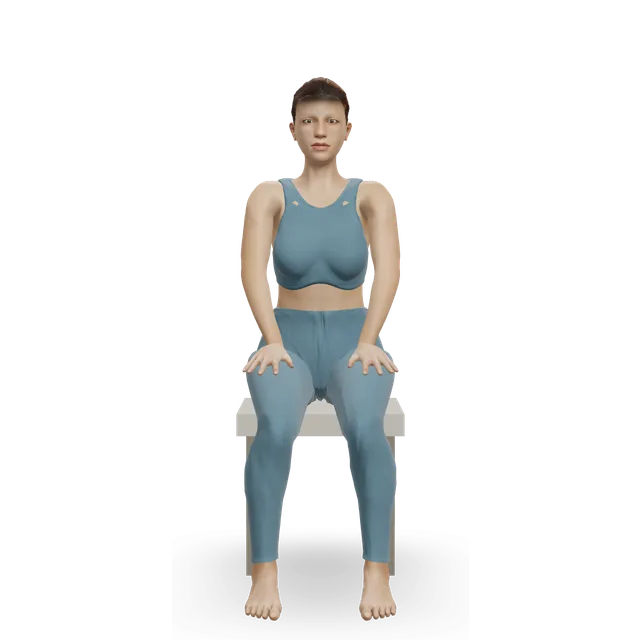 3D demo4-7-8 breathingBeginner · No equipmentBreathing in through the nose for a count of 4, holding for 7 and breathing out through pursed lips for 8: the long hold and longer out-breath set it apart from plain slow breathing.
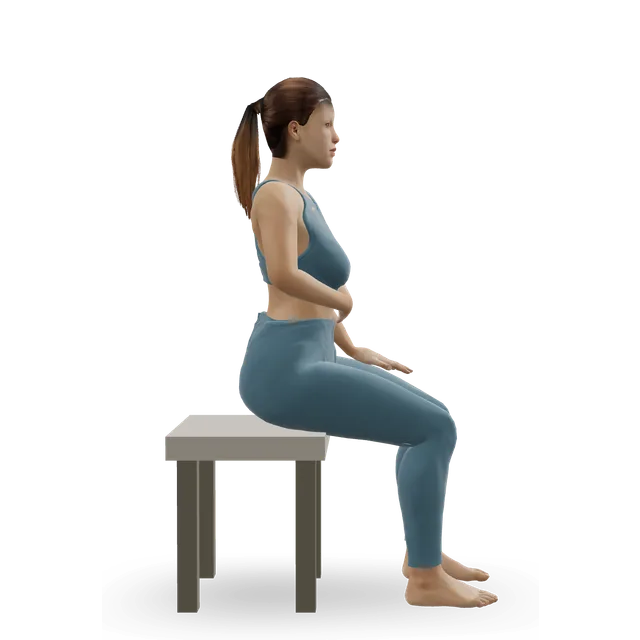 3D demoActive cycle of breathing techniques (ACBT) with huffingBeginner · No equipmentA cycle of relaxed breathing, a few slow deep breaths and one or two huffs that loosens mucus and moves it up so you can cough it out.
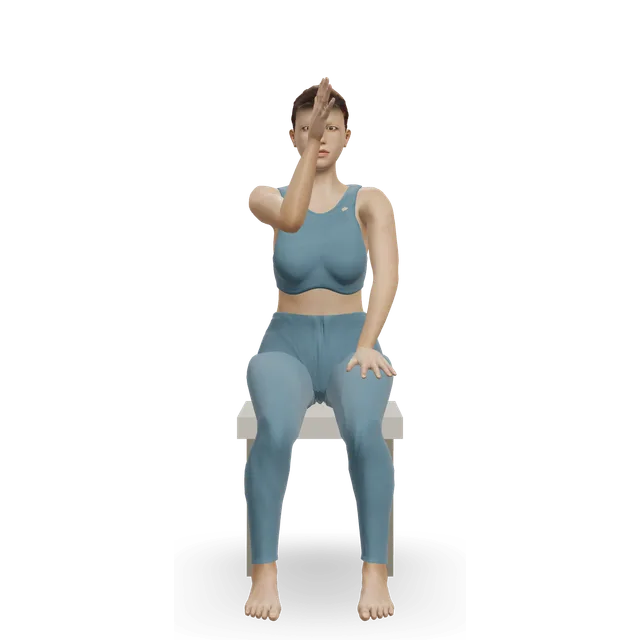 3D demoAlternate nostril breathing (Nadi Shodhana)Beginner · No equipmentSitting upright, you close one nostril at a time with the thumb and ring finger, breathing in through one side and out through the other, with no holds in the basic version.
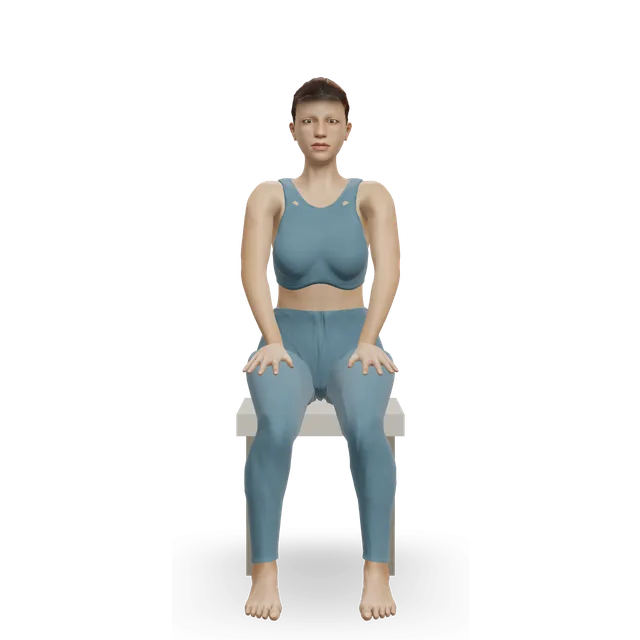 3D demoBox breathingBeginner · No equipmentBreathing in for a count of 4, holding for 4, out for 4 and holding empty for 4: four equal sides, including an empty-lung hold that plain slow breathing doesn't have.
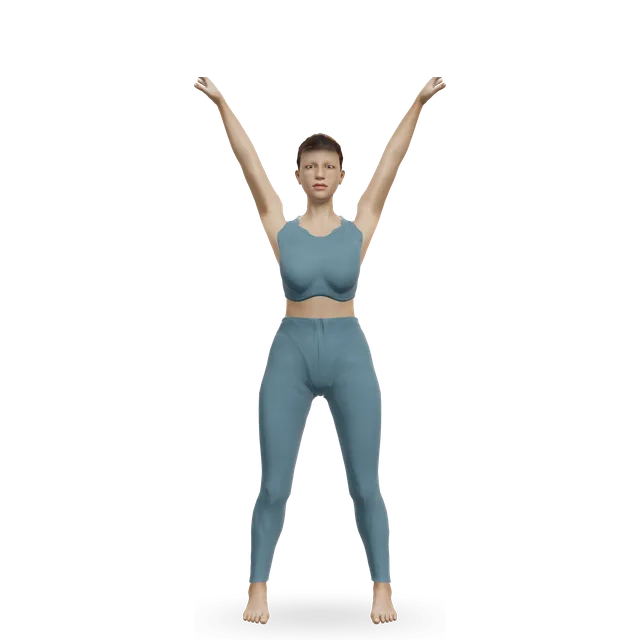 3D demoBreath reachBeginner · No equipmentLet the arms rise as you inhale and lower with an unforced exhale.
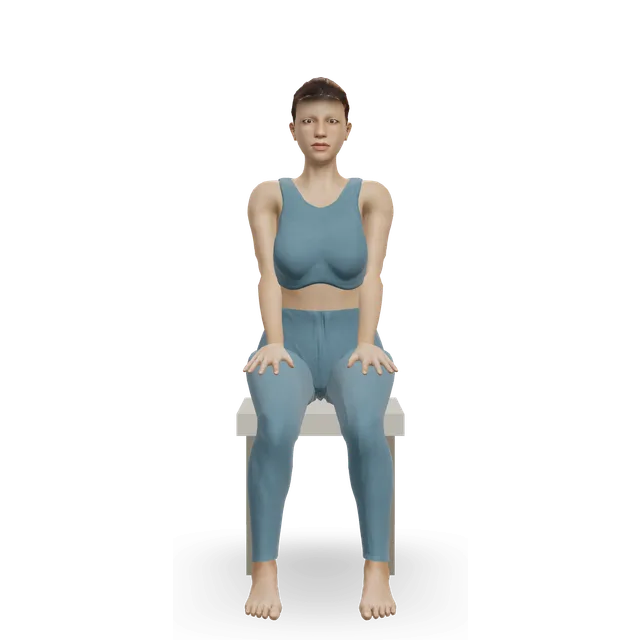 3D demoBreath stacking (unassisted)Beginner · No equipmentTaking a breath in, holding it, then adding another breath on top, two or three times, fills the lungs more fully than one breath can.
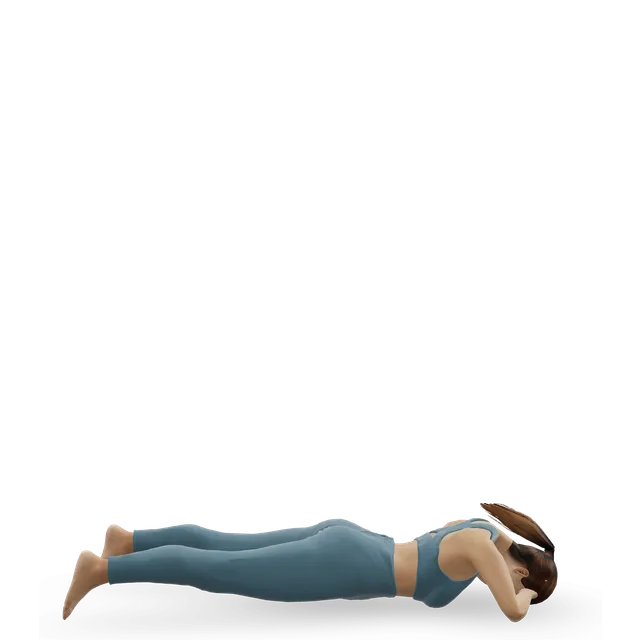 3D demoCrocodile breathing (prone diaphragmatic breathing)Beginner · No equipmentLying face down with your forehead on your stacked hands, you breathe so the belly presses into the floor and the lower ribs widen to the sides.
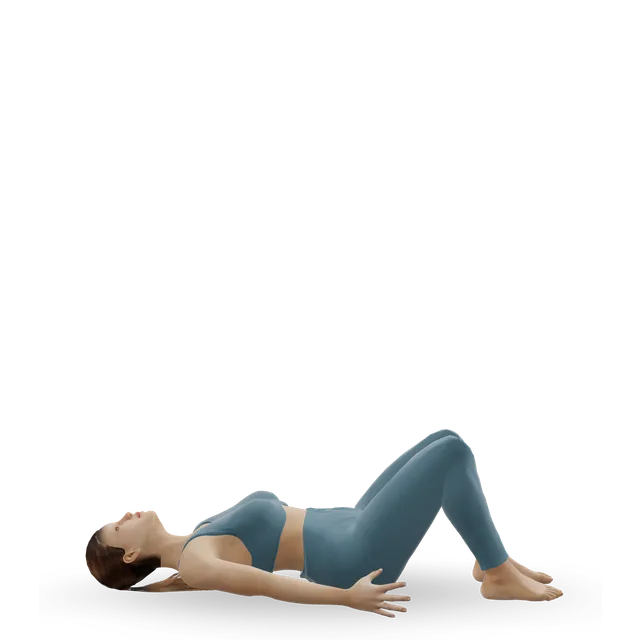 3D demoPelvic floor relaxation (reverse Kegel)Beginner · No equipmentLetting the pelvic floor soften and lower as you breathe in, without pushing: the opposite of a squeeze.
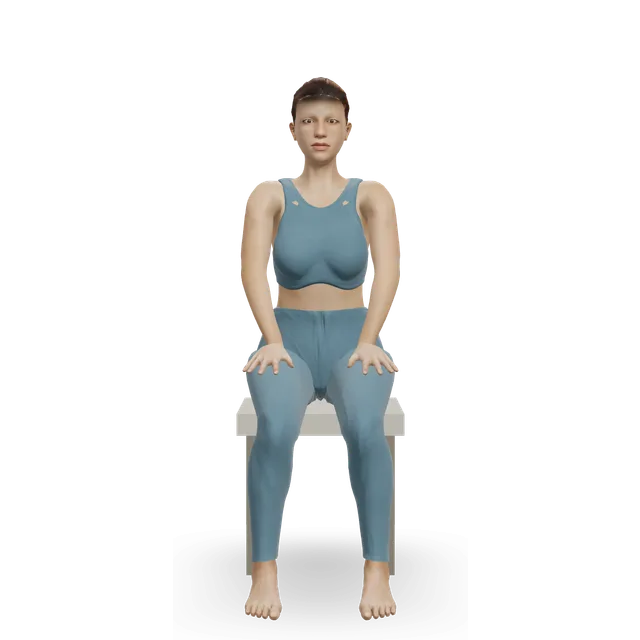 3D demoPursed-lip breathingBeginner · No equipmentBreathing in gently through your nose and out slowly through pursed lips, as if blowing out a candle, for longer than you breathed in.
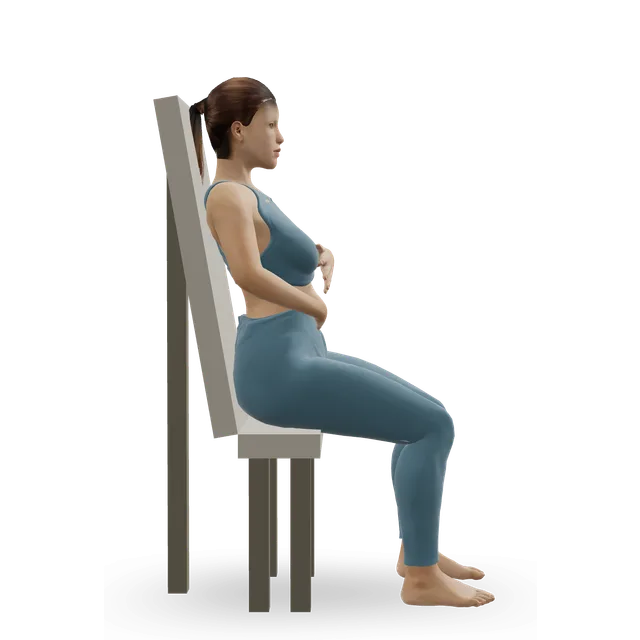 3D demoSlow breathing (6 breaths a minute)Beginner · No equipmentBreathing in gently for about 4 seconds and out for about 6, with no holds: about 6 breaths a minute.
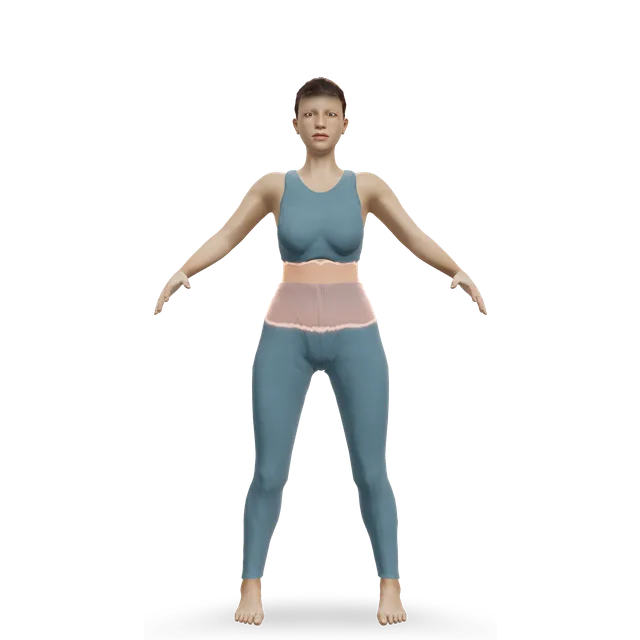 Best position to poop (feet up, lean forward, breathe out)Beginner · A stepHow to sit on the toilet to make pooing easier.
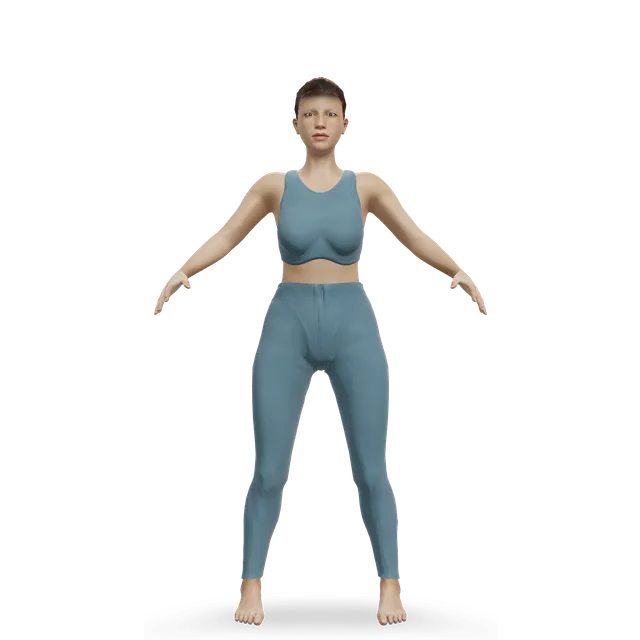 Floating on your back (Float to Live)Beginner · Other / check instructionsFloating on your back is the skill water safety charities call Float to Live.
The muscles behind them
Where each muscle is and what it does.
Workouts that use them
- Bedtime stretch routine
- Breathing exercises to relax
- Pelvic floor relaxation exercises
- Breathe and move: a home workout for COPD
- Daily exercises for ankylosing spondylitis
- Long COVID: a gentle lying and seated routine
- Gentle exercises for endometriosis: breathe, steady and stretch
- Stress relief workout: a 12-minute move, loosen and breathe reset
- Trauma-sensitive yoga: a gentle practice where you choose
- Cystic fibrosis workout: get moving, then huff
- Range of movement exercises for MND: a daily routine on your own or with a helper
- Bronchiectasis workout: walk, huff and get stronger
- Exercises after lung surgery: breathing, shoulders and walking
- Restorative yoga sequence: 45 minutes of supported rest
- Kundalini yoga for beginners: a 25-minute breath and movement practice
- Yoga for headaches and migraine: a 20-minute calm practice
- Yoga for high blood pressure: a 40-minute balanced practice
- Yoga for digestion: a 25-minute routine for bloating and IBS
- Yoga for thyroid problems: a 30-minute gentle practice, no shoulder stand needed
- Slow somatic Pilates class: 20 minutes, every move optional
- Gentle Pilates for fibromyalgia: a 20-minute paced class
- Yoga for asthma: a 20-minute breathing-first practice
- Yoga for COPD: a 25-minute follow-along practice, sitting and standing
- Gentle yoga for fibromyalgia: a 30-minute class with a stop point
- Yoga for heart health: a 35-minute gentle class with no breath holds
- Endometriosis-friendly Pilates: a 20-minute mat class with a flare-day stop point
- Chair yoga for dementia: a 30-minute class to do together
- Yoga for TMJ and jaw tension: a 20-minute jaw, neck and breath class
- Yoga for stress relief: a 20-minute class to breathe, loosen, move and slow down
- Gentle no-twist Pilates during and after cancer treatment: a 25-minute class
- Spine-extension Pilates for ankylosing spondylitis: a 25-minute class for posture, rotation and breathing
- Yoga for acid reflux: a 20-minute head-up class with belly breathing
- Yoga for tinnitus: a 20-minute calming class with the sound on
- Yoga to cool down anger: a 12-minute slow-down practice
- Bedtime Pilates: a 15-minute wind-down on the floor
- Head-up Pilates for high blood pressure: a 30-minute class that keeps you breathing
- Yoga for grief: a 15-minute gentle practice for hard days
- Steady-breathing Pilates for heart conditions: a 40-minute class with a long warm-up and a seated cool-down
- Yoga for ankylosing spondylitis: a 25-minute breathing, extension and rotation class
- Gentle postnatal yoga: a 20-minute class from the first weeks after birth, with an early stop point and caesarean options
- Martial arts yoga: a 25-minute active-range class for hips, kicks, balance and breathing
- Yoga after whiplash: a 15-minute seated and lying class for the first weeks, with small neck movements and no inversions
- Yoga for psoriasis: a 25-minute class at room temperature with nothing on your hands or knees, and a long rest to finish
- Seated-and-standing Pilates for COPD: a 25-minute class with pursed-lip breathing and an optional side-lying block
- Yoga for epilepsy: a 30-minute seated and lying practice with slow breathing, in the order a trial used
- Steady morning yoga for bipolar disorder: a 25-minute daytime class with slow breathing, no holds and a short rest
- Rest-between-poses yoga for myasthenia gravis: a 20-minute cool-room class, sitting then at a chair, with no breath holds
- After-shift Pilates for nurses: a 20-minute class with your legs up, a gentle lower back, hips, neck and shoulders, and a wind-down for sleep
- After-shift yoga for nurses: a 20-minute restorative class for tired legs, a gentle lower back and winding down for sleep
- Yoga for veterans: a 25-minute class you can choose your way through, sitting, then standing at a chair, with a back block and an eyes-open finish
- Gentle yoga for Crohn's and colitis: a 25-minute class to breathe, move and rest
- Yoga for teens: a 25-minute class for strength, balance and a calm finish, with a 10-minute exam-week version
- Pilates after whiplash: a 15-minute seated and lying class for the first weeks, head supported, with small neck movements
- Gentle yoga after a hysterectomy: a 25-minute class in three stages, with a stop point after each
- Gentle yoga after gallbladder removal: a 25-minute class in three stages, with a stop point after each
- Slow somatic yoga: a 20-minute floor-first class with pauses, a standing finish and eyes-open rest, every move optional
- Trauma-sensitive Pilates: a 20-minute class where every move is your choice, sitting first, then standing, then an optional mat block
- Bedtime yoga: a 20-minute wind-down on the mat, with slow breathing, gentle lying poses and no breath holds
- Upright Pilates for heart failure: a 35-minute sitting and standing class with a 15-minute warm-up, no lying flat and no breath holds
More exercises
Questions people ask
What are good breathing exercises for beginners?
Start with moves graded easy, such as 4-7-8 breathing, Active cycle of breathing techniques (ACBT) with huffing, Alternate nostril breathing (Nadi Shodhana). There are 12 of them on this page. Each guide links to a harder option for when it starts to feel easy.
Can I do breathing exercises at home without equipment?
Yes. 11 of the 12 moves here need nothing but your body, a floor, a wall or a step, for example 4-7-8 breathing, Active cycle of breathing techniques (ACBT) with huffing, Alternate nostril breathing (Nadi Shodhana).
How do I choose the right level?
Pick a move you can do for the planned reps or time with control and a couple of reps in reserve. If it is easy, step up; if your form slips, step down. Every guide shows an easier and a harder option when one exists.
Movement education, not medical advice. Difficulty grades for imported entries are source-assigned and await editorial review. Stop for sharp or increasing pain, numbness or tingling. Health disclaimer.