Pilates
Gentle no-twist Pilates during and after cancer treatment: a 25-minute class
Exercise is safe and helps during and after cancer treatment, and in small trials Pilates eased pain and improved shoulder movement and strength after breast cancer. This class keeps your spine in a neutral position the whole time, so there are no curl-ups, roll-downs, twists, planks or rolling moves, which people with cancer in the bones or bone thinning are advised to avoid. It starts seated, moves to a counter, and ends with an optional block on a mat or bed. Stop after any block on a hard day, add walking or cycling for fatigue, and check with your cancer team first if cancer has spread to your bones.
Breathe, sitting
- Lateral breathing (Pilates breathing)5 to 8 breathsBeginner · Abs · 3D demoHands on your lower ribsHarder: Roll-up (Pilates)
- Breath reach5 breathsBeginner · 3D demoOnly as high as is comfortableHarder: Slow breathing (6 breaths a minute)


Shoulders and upper back, sitting
- Shoulder rolls10 slow circles each wayBeginner · Shoulders, Back, Neck · 3D demoKeep them small with a line inHarder: Shoulder CARs (controlled articular rotations)
- Beginner · Shoulders, Back · 3D demoSlide forward to a gentle stretchEasier: Pendulum exercise (Codman's pendulum)Harder: Overhead lat stretch at a bench (elbows on the bench)
- Seated upper-back lift (sit tall, shoulders back)3 to 5, each held 3 to 5 sBeginner · Back, Shoulders, Neck · 3D demoA small lift; skip it with cancer in the spine unless your team agreesEasier: Elbows backHarder: Prone Y-T-W raises
- Band row1 set of 10, light bandBeginner · Back, Biceps, Shoulders · 3D demoWear your sleeve if you have one; add a set only after a week with no change in swellingHarder: Supported single-arm dumbbell row




Standing at a counter
- Beginner · Quads, Glutes, Hamstrings · 3D demoFirm chairEasier: Sit to stand, pushing on the thighsHarder: Bodyweight squat
- Slow calf raise8 to 10Beginner · Calves · 3D demoBoth hands on the counterEasier: Seated bent-knee calf raise (soleus raise)Harder: Standing dumbbell calf raise
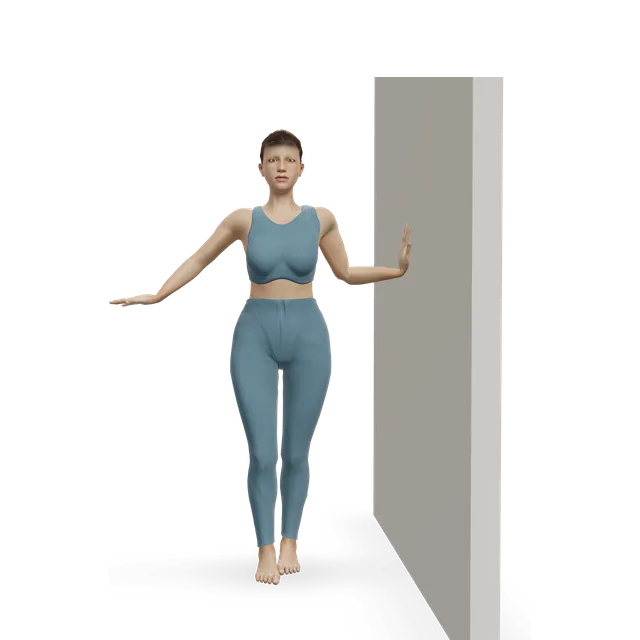
- Beginner · Hip abductors, Glutes, Abs · 3D demoHand on the wallHarder: Lateral band walk, band at the feet
- Semi-tandem stance2 holds of 10 to 20 sBeginner · Calves, Hip abductors · 3D demoHand on the counter if your feet are numbHarder: Tandem stance and heel-to-toe walk
- Wall angel6 to 8 slowBeginner · Back, Shoulders · 3D demoA small rangeEasier: Table slide (seated forward reach)Harder: Prone Y-T-W raises




Mat or bed, optional
- Knee fold5 each sideBeginner · Abs, Hip flexors · 3D demoHead down, spine stillEasier: Supine heel slideHarder: Dead bug heel taps
- Supine heel slide8 each sideBeginner · Hip flexors, Hamstrings, Quads · 3D demoSlowHarder: Hip windshield wipers
- Glute bridge6 to 8 slowBeginner · Glutes, Hamstrings, Abs · 3D demoLift to hip height with your spine straightEasier: Pelvic tilt into bridgeHarder: Single-leg glute bridge
- Clamshell8 each sideBeginner · Hip abductors, Glutes · 3D demoPillow under your headEasier: Supine isometric hip abduction (belt press)Harder: Lateral band walk
- Side kick (Pilates side kick series)6 to 8 each sideBeginner · Hip flexors, Glutes, Hip abductors · 3D demoNot lying on a sore surgical side or a portHarder: Side-lying leg circles (Pilates side kick series)





Rest
- Beginner · 3D demoIn for about 4, out for about 6Easier: Breath reachHarder: Crocodile breathing (prone diaphragmatic breathing)

Tips
- Two or three times a week, alongside walking or cycling building to about 30 minutes 3 times a week, which helps fatigue most.
- Don't exercise if you feel unwell or have a temperature. During treatment, a temperature over 37.5°C or below 36°C means calling your 24-hour number.
- If you have lymphoedema, wear your compression garment, build the arm or leg work up slowly, and stop and get in touch if the swelling rises and doesn't settle.
- If cancer has spread to your bones, ask your team which moves suit you before you start.
- Some soreness for 2 to 3 days is common; if you're very sore or tired, do a bit less next time.
The doses are suggested starting points, not a prescription. Choose a range you can control and stop for sharp or increasing pain, numbness or tingling. Get individual advice after an injury or surgery, or if you are pregnant or managing a health condition.
Guides that recommend it
Find more moves like these
More pilates




Beginner Pilates workout
A 20-minute mat Pilates workout for complete beginners. It covers breathing, spine position and the foundation moves, each with an easier option.
20 minBeginner13 movesNo equipment

10-minute Pilates abs
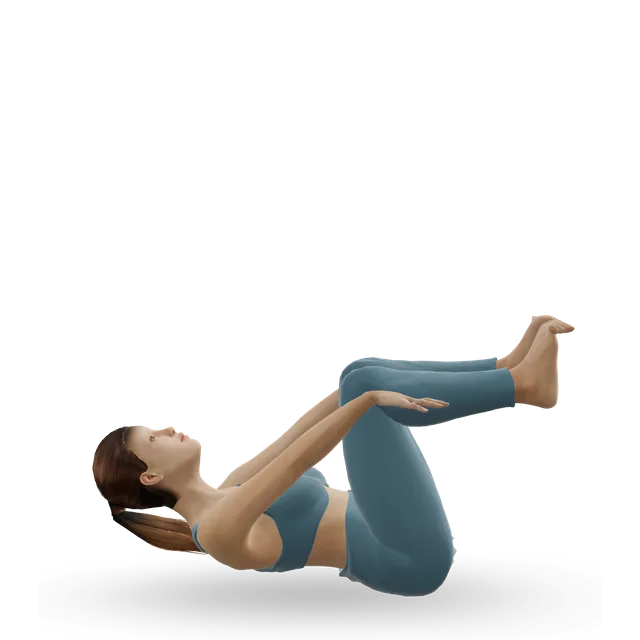
Ten minutes of the classic Pilates abdominal series: the hundred, the roll-up and the series of five, with a plank to finish.
10 minIntermediate11 movesNo equipment
Full-body mat Pilates workout
A 30-minute intermediate mat Pilates class that follows the classical order, from the hundred to the push-up, with prep versions of the hardest moves.
30 minIntermediate22 movesNo equipmentQuestions people ask
How long does the gentle no-twist pilates during and after cancer treatment: a 25-minute class take?
About 25 minutes, including any warm-up and cool-down listed. Shorten it by doing fewer rounds; lengthen it by adding one.
What equipment do I need?
You need: A bench or box, A band, An anchor point, A wall. Each move links to its guide, where you can find an alternative if you are missing something.
Is it suitable for beginners?
It is written for beginners. 9 of its 17 moves have an easier option listed beside them if you need one.
How do I make it easier or harder?
Use the easier or harder option listed under each move, change the number of rounds, or adjust the rest. Progress one change at a time.