Pilates guide

Pilates for cancer: during and after treatment, your shoulder and arm, fatigue, lymphoedema and staying safe

Exercise is safe and helps during and after cancer treatment, and Pilates is one gentle way to do it. Most Pilates trials are in women after breast cancer: Pilates eased pain and improved shoulder movement, strength and arm function about as much as other exercise, but it didn't clearly help fatigue, and we found no trial of Pilates during chemotherapy.

Pilates is an addition to your cancer treatment and to the advice of your cancer team and physiotherapist, never a replacement. Some classical moves need changing if cancer has spread to your bones.

This guide covers what the trials show during and after treatment, your shoulder and arm after breast cancer, fatigue, lymphoedema, cancer in the bones and bone thinning, low blood counts, lines and numb feet, which moves to start with and which to leave out, and a 25-minute gentle class.

The short version

Exercise is safe and helps, and Pilates is one way

International experts say exercise during and after cancer treatment is "generally safe" and everyone should "avoid inactivity". Macmillan Cancer Support lists Pilates among activities that help balance and strength.

Sources 1, 2

The trials are mostly after breast cancer

Across 6 trials (531 women), Pilates eased pain, but fatigue and sleep didn't improve significantly. An earlier review found it no better than other exercise for shoulder movement or quality of life.

Sources 3, 4

During treatment, the evidence is thin

In 156 women having radiotherapy for breast cancer, mat Pilates was safe and eased pain but didn't reduce fatigue. We found no trial of Pilates during chemotherapy.

Sources 5, 6

Moving your arm doesn't cause lymphoedema

NICE (the National Institute for Health and Care Excellence) says "there is no indication that physical activity causes, or worsens, lymphoedema", and slowly built-up weight lifting didn't increase swelling in trials.

Sources 7, 8, 9

Cancer in the bones changes the moves

Experts say people with cancer in the bones should be encouraged to exercise, avoiding fast or loaded bending, twisting and arching to the end of the range through the affected area. In Pilates that rules out curl-ups, roll-ups, twists and rolling moves unless your team agrees (our reading).

Sources 10, 11

Know when to call

During treatment, a high temperature, shivering or feeling suddenly unwell means calling your care team now. New back pain with weakness, numbness or bladder or bowel changes needs urgent advice.

Sources 12, 13

Cancer treatment, and where Pilates fits

The guidanceStrong evidence

An international roundtable of exercise and cancer experts found that set amounts of aerobic, strength or combined exercise improve anxiety, low mood, fatigue, physical function and quality of life, during and after treatment. Macmillan and Cancer Research UK say it is safe to be active during and after treatment, and to get back to your normal activities as soon as you can.

Sources 1, 2, 11

Effects of treatment that matter for exercise

Fatigue, loss of fitness and strength, pain and a stiff shoulder after breast surgery or radiotherapy, lymphoedema after lymph node treatment, bone thinning on some hormone treatments, low blood counts during chemotherapy, lines and ports, and numbness or tingling in the hands and feet after some chemotherapy.

Sources 2, 12, 7

Lymphoedema

Long-term swelling, usually of an arm or leg, when the lymph system is damaged. After cancer it follows treatment to the lymph nodes, most often for breast, head and neck, vulval and penile cancer, and melanoma treated in the groin. Signs include swelling, an aching, heavy feeling, and clothes, rings or watches feeling tight.

Source 14

Where Pilates fits

It is low impact, can be done lying, sitting or standing, and trains the trunk, posture and shoulders at an effort you control. Its limits: most classes are light, while the fatigue evidence favours moderate aerobic exercise, and many classical moves curl, twist or roll the spine, which isn't suitable with cancer in the bones (our reading).

Sources 1, 10

What the evidence says

After breast cancer: pain, movement and functionEmerging evidence

A 2026 review pooled 6 trials of Pilates in 531 women with breast cancer: pain improved by a medium amount, while fatigue and sleep didn't improve significantly. An earlier review found Pilates helped shoulder movement, quality of life, pain and arm function, but not more than other exercise for movement or quality of life. A 2025 review concluded it is about as effective as other exercise.

Sources 3, 4, 15

Fatigue: a modest effect at bestEmerging evidence

In a network of 205 fatigue trials (12,629 people), Pilates reduced cancer-related fatigue compared with control groups by a small to moderate amount, similar to cycling, dance and qigong, at low to moderate certainty. In the pooled breast cancer trials and in the radiotherapy trial, Pilates didn't reduce fatigue significantly.

Sources 16, 3, 5

During radiotherapy: safe, no effect on fatigueEmerging evidence

In 156 women having radiotherapy after breast cancer surgery, supervised mat Pilates caused no side effects and eased pain after treatment, but fatigue rose and fell the same way in both groups.

Source 5

No trial during chemotherapy

Our search found no trial of Pilates during chemotherapy. Exercise in general is recommended during treatment, with the changes in the side effects section below.

Source 6

During hormone therapy: joint pain, strength and balanceMixed evidence

In 60 women with joint pain from aromatase inhibitors (a hormone treatment), Pilates eased pain more than circuit training over 8 weeks. In 43 women, 24 weeks of mat Pilates improved strength, flexibility and standing balance, and eased pain and anxiety. In 42 women, 12 weeks eased upper-back stiffness and pain. Each is a single small trial.

Sources 17, 18, 19, 20, 21

Other cancersMixed evidence

In 96 people with nerve damage after chemotherapy, 12 weeks of Pilates eased pain and improved grip and a stepping balance test. In 30 head and neck cancer survivors, mat Pilates improved quality of life, fatigue and body image. In 36 bowel cancer survivors, online Pilates changed little once other factors were taken into account.

Sources 22, 23, 24

SafetyEmerging evidence

The trials that reported side effects found none from Pilates. In one small study without a comparison group, the affected arm's volume increased after 12 weeks, which is why building up slowly and checking any swelling matters.

Sources 5, 25, 26

Fatigue

Our exercise for cancer guide has the full doses for fatigue, mood and fitness.

What helps mostStrong evidence

Moderate aerobic exercise 3 times a week for at least 12 weeks reduces cancer-related fatigue during and after treatment, and strength or combined training twice a week may also help. The experts add that "the effect for low intensity training was weak and this level of exercise is unlikely to reduce fatigue".

Source 1

So pair Pilates with walking or cycling

Pilates may help a little. Add walking or cycling at a level where you can talk but are breathing harder, building to about 30 minutes 3 times a week. On very bad days, a short seated session still counts (our suggestion).

Sources 1, 16

Your shoulder and arm after breast cancer

Our breast cancer surgery guide has the week-by-week arm exercises and the timeline after a reconstruction.

Your team's exercises firstStrong evidence

NICE asks breast units to teach arm and shoulder exercises before treatment, and to offer supervised support to people at high risk of shoulder problems. Start Pilates once that early programme is done and your wounds have healed (our suggestion).

Source 7

Pilates helps about as much as other exerciseEmerging evidence

In small studies, Pilates improved shoulder movement, strength, arm function and pain after breast cancer treatment, matching a combined strengthening and stretching programme in 55 women. Adding Pilates to home exercise improved walking distance in 52 women.

Sources 4, 27, 28, 29

Keep it goingMixed evidence

In 69 women after surgery, 16 weeks of mat Pilates improved shoulder range, strength and symmetry, but the gains had gone 6 and 12 months after classes stopped. In women with lymphoedema, water exercise improved lifting the arm more than Pilates (low certainty).

Sources 30, 31

Lymphoedema

Our lymphoedema guide has the daily routine, compression and cellulitis care.

Activity doesn't cause or worsen itStrong evidence

NICE says "there is no indication that physical activity causes, or worsens, lymphoedema". In 141 women with arm lymphoedema, a year of slowly built-up weight lifting didn't increase swelling (11% against 12%) and halved flare-ups. In 154 women at risk, it didn't raise the chance of getting lymphoedema. Across 36 studies, exercise didn't worsen swelling.

Sources 7, 8, 9, 32

Pilates and lymphoedemaMixed evidence

The British Lymphology Society says reviews found "no evidence of harm" from exercise including "yoga, qigong and pilates". In 60 women with lymphoedema, clinical Pilates reduced its severity more than standard exercises over 8 weeks; in an uncontrolled study of 15 women, the arm's volume increased.

Sources 33, 34, 26

How to do it

Wear your compression garment if you have one. Build up the work with the affected arm or leg slowly, and choose moving exercises over long holds: Macmillan advises avoiding static holds such as the plank. Swelling may look worse for a short while after activity but should settle; if it doesn't, do less and ask your lymphoedema team.

Sources 2, 35, 33

Cancer in the bones, and bone thinning

Keep moving, adaptedStrong evidence

An international expert group says people with bone metastases (cancer that has spread to the bones) "should be supported and encouraged" to be active. It advises "avoidance of rapid or loaded end-range movements, such as rotation, flexion, or extension movements that involve the area of the lesions", good posture and controlled movement, and care to avoid falls.

Source 10

No twisting the spineStrong evidence

Cancer Research UK says that with cancer affecting your bones, "Avoid exercises causing a twist in your spine", such as yoga-style twists. Macmillan's guidance for professionals advises against exercises with a lot of twisting, and against bending, arching or twisting the spine under load when cancer is in the spine. Macmillan also says some people are advised to avoid repeated forward bending, such as sit-ups.

Sources 11, 36, 2

What this means for Pilates

Our reading of this guidance: with cancer in the spine, ribs or pelvis, leave out curl-ups (the hundred and leg stretches with the head up), roll-ups and roll-downs, rolling moves, legs-overhead moves, twists such as the saw and spine twist, and deep side bends. Keep a neutral spine with leg, arm and breathing work, and check each new move with your team.

Sources 10, 11, 37

Bone thinning on hormone treatment

NICE lists bone density loss among the side effects of aromatase inhibitors. With thinner bones, use the osteoporosis swaps: head-down moves, a wall roll-down, and no rolling or roll-over.

Sources 7, 38, 37

Low blood counts, lines and numb feet

Low blood counts

With a low white cell count, your doctor may advise avoiding busy places such as gyms and pools: Macmillan suggests online classes. With low platelets, exercise gently and avoid high-impact activities. With anaemia, rest when you need to.

Source 2

A central or PICC line

With a central line or a PICC line (a peripherally inserted central catheter: a thin tube into a vein for your treatment), Macmillan says to avoid swimming and "vigorous upper body exercises, which could displace your line". In Pilates, that means no weight on your hands and no big or fast arm circles until the line is out (our reading).

Source 2

Numb or tingling feet and hands

With nerve damage after some chemotherapy, Macmillan says to get advice if you feel unsteady and to check your feet regularly, and an exercise bike may suit you better than running or brisk walking. In Pilates, do standing balance work holding a support, and use fists or forearms if your hands are numb (our suggestion). In one trial, Pilates eased nerve pain and improved a stepping balance test.

Sources 2, 11, 22

Radiotherapy skin

Macmillan doesn't recommend swimming while your skin is irritated by radiotherapy. Mat Pilates is a good swap if lying on your back or side is comfortable (our suggestion).

Source 2

How often

What the trials used

Trials used 2 or 3 sessions a week of 60 to 75 minutes, for 8 to 24 weeks.

Sources 3, 34, 30, 18

Our suggested week

Our editorial starting point:

  • Two or three gentle 25-minute Pilates sessions a week, starting with 10 to 15 minutes on hard days.
  • Walking or cycling building to about 30 minutes, 3 times a week, for fatigue.
  • Some soreness or stiffness for 2 to 3 days is common; if you're very sore or tired, do a bit less next time, as Macmillan says.

Sources 1, 2

Breathing and shoulders, sitting

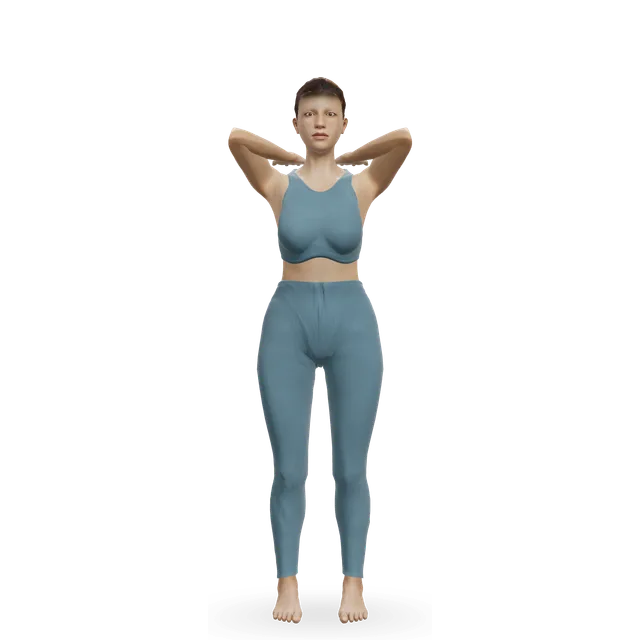
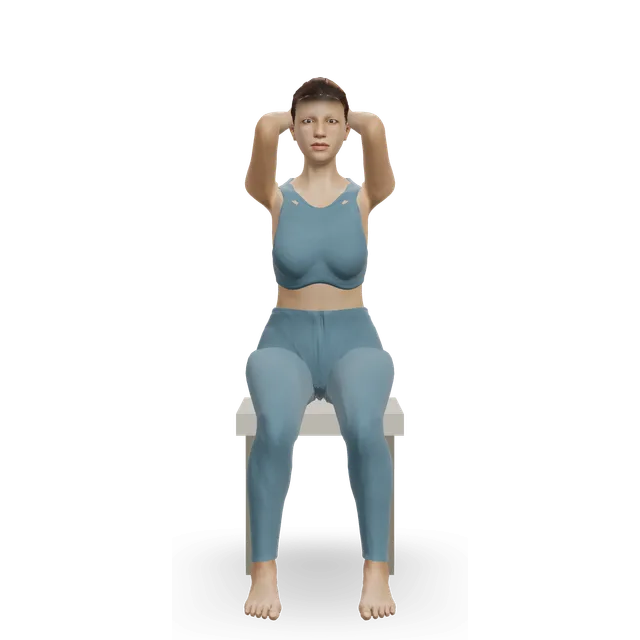
5 to 8 breaths, 5 breath reaches, 10 slow shoulder circles each way, 10 table slides and 3 to 5 upper-back lifts held 3 to 5 seconds are within the move pages' doses; one set of 10 light band rows and 6 to 8 small wall angels are our editorial starting point, building up over weeks.

At a counter

Our editorial starting point: 8 sit-to-stands, 8 to 10 calf raises, 8 side leg lifts each side and 2 holds of 10 to 20 seconds in semi-tandem, with a hand on the counter if your feet are numb.

On a mat or bed

Keep your spine still and your head down. 5 knee folds each side is within the move page's dose; 8 heel slides, 6 to 8 bridges to hip height, 8 clams and 6 to 8 side kicks each side, and 2 minutes of slow breathing to finish, are our editorial starting point.

What to change or leave out

Curls, roll-ups and roll-downs

With cancer in the spine or ribs, or bone thinning: leave out the chest lift, the hundred and leg stretches with the head up, the roll-up and roll-downs, or use head-down versions only if your team agrees (our reading).

Sources 10, 2, 37

Twists and deep side bends

With cancer in the bones: leave out the saw, spine twist, criss-cross, open book and windscreen wipers, and keep side bends such as the mermaid small or leave them out (our reading).

Sources 11, 36, 10

Rolling and legs-overhead moves

With cancer in the bones or bone thinning, leave out rolling like a ball, the roll-over, jack knife, control balance, boomerang, seal and open-leg rocker unless your team clears them (our reading).

Sources 10, 37

Planks and weight on the hands

With lymphoedema, swap planks and the knee hover for moving exercises. With a line in, no weight on the hands. With numb hands, use fists or forearms.

Source 2

Lying face down

After breast surgery or with a port, do the swan and swimming only when lying face down is comfortable (our suggestion). With cancer in the spine, keep back extension small and never to the end of your range.

Source 10

Classes to follow

Do the 25-minute gentle class two or three times a week, stopping after any block on a hard day. Use your team's arm exercises in the first months after breast surgery, and the lymphoedema routine every day if you have swelling.

Gentle no-twist Pilates during and after cancer treatment: a 25-minute class

A gentle 25-minute Pilates class for during and after cancer treatment: breathing, shoulders, legs and balance, with no curls, twists, planks or rolling.

25 minBeginner17 movesA bench or box, A band

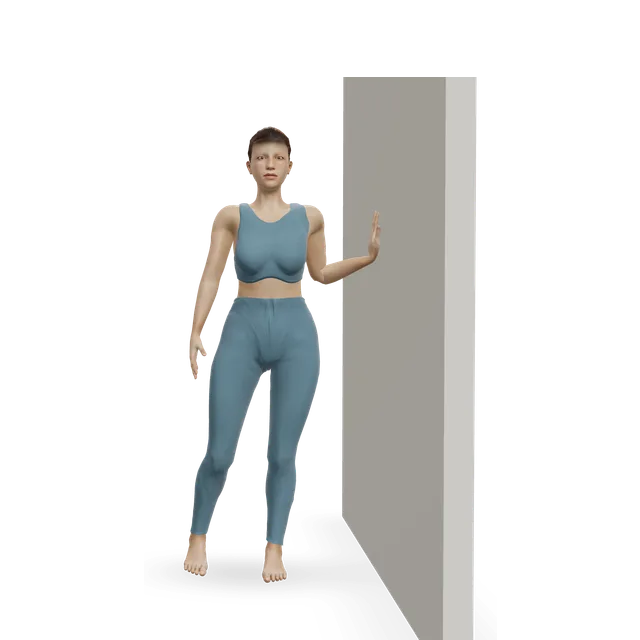
Arm and shoulder exercises after breast cancer surgery

The UK breast surgery leaflet's exercises in one daily routine: a shoulder warm-up, the basic set for week 1 and the stretching set from week 2.

15 minBeginner6 movesA wall, Other / check instructions

Lymphoedema exercises: a daily routine for arm and leg swelling

A 15-minute daily routine for lymphoedema: deep breathing, neck and shoulders, then an arm block and a leg block to keep the muscle pump working.

15 minBeginner14 movesOther / check instructions, A bench or box

Gentle yoga for cancer: a 25-minute supported class with no twists

A 25-minute gentle yoga class for during and after cancer treatment: slow breathing, seated loosening, standing poses with a chair and a long rest. No twists.

25 minBeginner14 movesA bench or box, Firm cushion

Gentle exercises during blood cancer treatment: in your room or at home

A gentle 15-minute routine for a hospital room or home during blood cancer treatment or after a stem cell transplant, with no jumping, twisting or floor work.

15 minBeginner10 movesA bench or box, Something with weight

Easy cardio workout

A steady 30 to 45 minute cardio session at talk-but-not-sing pace: walk, cycle, row or cross-train, counting toward weekly activity guidelines.

40 minBeginner3 movesCardio machine, A wall

Plan

The walking plan builds the aerobic exercise that helps fatigue most.

When to stop and get help

Call 999

Call 999 for chest pain that feels tight or squeezing or spreads to your arms, neck or jaw, severe difficulty breathing, or collapse. Call 999 too if difficulty breathing comes on suddenly, or you have pain in your chest or upper back: these can be signs of a blood clot in the lungs (a pulmonary embolism). Don't drive yourself to A&E (accident and emergency).

The NHS also says call 999 or go to A&E for possible sepsis, if someone is breathing very fast; is confused, has slurred speech or isn't making sense; has blue, pale or blotchy skin; has a very high or very low temperature, feels hot or cold to the touch, or is shivery; or has a rash that doesn't fade when you press it.

Sources 39, 40, 41

During treatment: contact your hospital team straight away

Use the 24-hour number you were given, or NHS 111 if you can't reach them, if during treatment you have:

  • A temperature over 37.5°C or below 36°C, or you suddenly feel unwell even with a normal temperature.
  • Signs of infection, such as feeling shivery, a sore throat, a cough, diarrhoea, or needing to pee a lot or pain when peeing.
  • Throbbing or cramping pain, swelling and warmth in a leg or arm, or coughing up blood, which can be signs of a blood clot. Sudden breathlessness or chest pain means 999 (see above).

Source 12

Spinal cord compression: get advice immediately

Spinal cord compression is when cancer presses on the spinal cord. Contact your hospital team straight away, even at the weekend, and go to A&E if you can't reach anyone, if you have any of these:

  • Back or neck pain that is new, severe or getting worse, worse when you move, cough or strain, or that disturbs your sleep.
  • Problems controlling your bladder or bowel.
  • Unsteadiness, difficulty walking, leg weakness or your legs giving way.
  • Weak arms or hands, or trouble gripping.
  • Numbness or pins and needles that is new or quickly getting worse.

Sources 13, 36

Swelling, clots and infection

Signs of infection (cellulitis) or a blood clot in a swollen limb need urgent medical attention. If the swollen or at-risk area changes during or after exercise, stop and contact your lymphoedema specialist.

Same day (urgent GP appointment or NHS 111): throbbing pain in one leg (rarely both), usually the calf or thigh; swelling in one leg (rarely both); red, blue or darkened skin around the painful area, which may be harder to see on brown or black skin; or swollen veins. This can be a deep vein thrombosis (DVT). It is more likely after surgery, a hospital stay, 3 or more days in bed, a journey of over 4 hours, pregnancy or a recent birth, cancer, a previous clot, or contraception or hormone replacement therapy (HRT) that contains oestrogen.

Call 999 or go to A&E if breathing suddenly becomes difficult, if pain in your chest or upper back comes on suddenly with breathlessness or a very fast heartbeat, or if someone passes out.

Skin that is painful, hot and swollen can be cellulitis: ask for an urgent GP appointment or get help from NHS 111. Call 999 or go to A&E if you also have a very high temperature or feel hot, cold or shivery, have a fast heartbeat or fast breathing, feel dizzy, faint or confused, or have purple patches on your skin.

New swelling with no signs of a clot or infection: see your GP or cancer team, who may refer you to a lymphoedema service.

Sources 40, 42, 14

Chest pain or fainting while exercising: call 999

Call 999 if:

  • You get sudden pain or discomfort in your chest that doesn't go away; it can feel like squeezing or pressure, burning or indigestion.
  • The pain spreads to your left or right arm, or your neck, jaw, stomach or back.
  • You have chest pain and feel sweaty, sick, light-headed or short of breath.
  • Someone faints while exercising, can't be woken within 1 minute, or has chest pain or a pounding, fluttering or irregular heartbeat.

Sources 39, 43

A fall with a knock to the head

Call 999 if someone has hit their head and has been knocked out and hasn't woken, can't stay awake, has a fit, has problems with their vision or hearing, has clear fluid from their ears or nose, or has new numbness, weakness or problems walking, balancing or speaking.

Source 44

Stop the session if

You feel any pain or become unwell, as the NHS advises for its Pilates videos, and especially for chest pain or pressure, unusual breathlessness, dizziness or fainting. If you have a health problem, an injury or any symptoms, get advice from a healthcare professional, such as a GP, before you start.

Source 45

Stop exercising and speak to a doctor

Macmillan says stop exercising, and speak to a doctor straight away, if you get any sudden symptoms, including:

  • Dizziness, chest pain, a racing heart, breathing problems or feeling sick.
  • Unusual back or bone pain, or unusual muscle pain.
  • A headache that doesn't go away.

Source 2

What's normal

Some soreness or stiffness for 2 to 3 days after exercise, and tiredness during it, is common. If you feel very sore or very tired, do a bit less next time.

Source 2

Myths

"Exercise during cancer treatment is unsafe"Strong evidence

Exercise during and after treatment is "generally safe", and everyone should "avoid inactivity". Some side effects need changes, such as gentle exercise with low platelets.

Sources 1, 2, 11

"Lifting with the arm after breast cancer causes lymphoedema"Strong evidence

NICE says physical activity doesn't cause or worsen lymphoedema, and slowly built-up weight lifting didn't increase swelling in women with lymphoedema or bring it on in women at risk.

Sources 7, 8, 9, 32

"Rest is best when you're exhausted"Strong evidence

Exercise reduces cancer-related fatigue during and after treatment, though very light exercise does little for it. Pace it, and on very bad days do a short seated session.

Source 1

"Pilates can cure cancer or stop it coming back"Mixed evidence

No Pilates trial measured whether cancer was cured or came back; they measured pain, function, fatigue and quality of life. Pilates complements treatment and never replaces it.

Sources 3, 4

"With cancer in the bones, you can't exercise"Emerging evidence

International experts say people with bone metastases should be supported and encouraged to be active, with the moves adapted around the affected bones.

Source 10

"Pilates is gentle, so every move is safe with cancer"Strong evidence

Classical Pilates is full of curls, twists and rolls, which are the moves to avoid with cancer in the spine or bone thinning.

Sources 10, 11, 37

"You need a reformer for real Pilates"Mixed evidence

The largest cancer trials used mat Pilates.

Sources 5, 30, 18

Questions people ask

Is Pilates good for cancer patients?

It can be. Exercise is safe and helps during and after treatment, and in trials mostly after breast cancer, Pilates eased pain and improved shoulder movement, strength and function about as much as other exercise. Ask your cancer team first if cancer has spread to your bones.

Can I do Pilates during chemotherapy?

Guidelines encourage exercise during treatment, but we found no trial of Pilates during chemotherapy. Keep it gentle, avoid busy classes when your white cell count is low, and don't exercise with a temperature or when you feel unwell.

Can I do Pilates during radiotherapy?

In 156 women having radiotherapy for breast cancer, mat Pilates was safe and eased pain, though it didn't reduce fatigue. Avoid swimming pools while your skin is irritated.

Does Pilates help cancer fatigue?

A little at most: pooled breast cancer trials found no significant effect, though a broad analysis of many trials did find a small to moderate one. Moderate walking or cycling, about 30 minutes 3 times a week, has the strongest evidence, so do both.

Can I do Pilates after breast cancer surgery?

Yes, after your team's early arm exercises and once your wounds have healed; after a reconstruction, follow your surgical team's timeline. Pilates helped shoulder movement and strength in small trials, but the gains faded within a year after classes stopped, so keep it going.

Is Pilates good for lymphoedema?

It's safe: NICE says physical activity doesn't cause or worsen lymphoedema, and in 60 women with lymphoedema, clinical Pilates reduced its severity more than standard exercises. Wear your compression garment if you have one, build up slowly and get any new swelling checked.

Can I do Pilates if cancer has spread to my bones?

Often yes, with changes: experts say avoid fast or loaded bending, twisting and arching to the end of the range through the affected area. That rules out roll-ups, curl-ups, twists and rolling moves, so ask your team which moves suit you.

Is reformer Pilates OK with cancer?

We found no trial comparing reformer and mat Pilates in cancer, and most trials used the mat. A reformer's springs and straps load the arms, so check with your team if you have lymphoedema, a line in, or cancer in the bones.

Can Pilates help joint pain from aromatase inhibitors?

In small trials, Pilates eased joint pain more than circuit training, and eased upper-back stiffness and pain in women on hormone therapy. These medicines can thin your bones, so use the osteoporosis swaps.

I have numb feet after chemotherapy. Can I do Pilates?

Yes, holding a support for standing balance and checking your feet regularly. In one trial of 96 people with nerve damage, Pilates eased pain and improved grip and balance tests.

Is Pilates good for prostate cancer?

The general cancer exercise advice applies, and our Pilates for men guide covers the pelvic floor after prostate cancer. If the cancer has spread to your bones, use the changes on this page and ask your team.

When should I stop and get help?

During treatment, a temperature over 37.5°C or below 36°C, or feeling suddenly unwell, means calling your 24-hour number straight away, and 999 for signs of sepsis or chest pain. New back or neck pain with weakness, numbness or bladder or bowel changes needs urgent advice, and new swelling needs checking.

Sources

  1. Campbell 2019 · Exercise guidelines for cancer survivors (international roundtable consensus, Med Sci Sports Exerc; key sections read in full)
  2. Macmillan Cancer Support · Physical activity and cancer (booklet, 6th edition, November 2023; read in full)
  3. Ryu 2026 · Pilates in breast cancer: 6 trials, 531 women (systematic review and meta-analysis, Oncol Nurs Forum)
  4. Pinto-Carral 2018 · Pilates for women with breast cancer (systematic review and meta-analysis, Complement Ther Med)
  5. Torres 2023 · Mat Pilates during radiotherapy in 156 women with breast cancer (RCT, Support Care Cancer)
  6. PubMed · Our search for trials of Pilates during chemotherapy and other cancer treatment (28 October 2026)
  7. NICE · Early and locally advanced breast cancer (NG101, guideline, updated April 2025)
  8. Schmitz 2009 · Weight lifting in 141 women with breast cancer lymphoedema (RCT, N Engl J Med)
  9. Schmitz 2010 · Weight lifting in 154 women at risk of breast cancer lymphoedema (RCT, JAMA)
  10. Campbell 2022 · Exercise for people with bone metastases (international expert consensus, JCO Oncol Pract; read in full)
  11. Cancer Research UK · Exercise and cancer
  12. NHS · Chemotherapy: side effects
  13. NICE · Spinal metastases and metastatic spinal cord compression (NG234, guideline, 2023)
  14. NHS · Lymphoedema (past its review date: reviewed March 2023, review due March 2026)
  15. Quintero-Lopez 2025 · Pilates for pain and function in cancer (systematic review, Eur J Oncol Nurs)
  16. Xie 2026 · Exercise and mind-body treatments for cancer fatigue: 205 trials (network meta-analysis, Complement Ther Med)
  17. Barbosa 2021 · Pilates or circuit training for joint pain on hormone therapy in 60 women with breast cancer (RCT, Support Care Cancer)
  18. Bertoli 2023 · Mat Pilates and strength in 43 women on hormone therapy for breast cancer (RCT, Disabil Rehabil)
  19. Bertoli 2025 · Mat Pilates and standing balance in 43 women on hormone therapy for breast cancer (RCT, J Bodyw Mov Ther)
  20. Bertoli 2026 · Mat Pilates, pain and anxiety in 43 women on hormone therapy for breast cancer (RCT, Eur J Oncol Nurs)
  21. Tarnas 2026 · Pilates for upper-back stiffness and pain in 42 women on aromatase inhibitors (RCT, Sci Rep)
  22. Elfahl 2026 · Pilates for nerve damage after chemotherapy in 96 people (RCT, Explore)
  23. Saraiva 2025 · Mat Pilates in 30 head and neck cancer survivors (RCT, Disabil Rehabil)
  24. Abdul Razak 2024 · Online Pilates in 36 bowel cancer survivors (quasi-experimental study, Asian Pac J Cancer Prev)
  25. Keays 2008 · Pilates in 4 women after breast cancer treatment (single-subject pilot study, Phys Ther)
  26. Stan 2012 · Pilates in 15 breast cancer survivors (uncontrolled study, Clin J Oncol Nurs)
  27. Zengin Alpozgen 2017 · Pilates-based exercise for arm problems after breast cancer treatment in 55 women (RCT, Eur J Cancer Care)
  28. Eyigor 2010 · Pilates in 52 women after breast cancer (RCT, Eur J Phys Rehabil Med)
  29. Ferreira de Rezende 2022 · Pilates in 44 women a year after breast cancer surgery (before-and-after study, Oncol Nurs Forum)
  30. Boing 2026 · Mat Pilates or belly dance in 69 women after breast cancer surgery (RCT, Support Care Cancer)
  31. Aguilera-Eguía 2026 · Exercise and arm swelling after breast cancer: 9 reviews (overview, J Clin Med)
  32. Hayes 2022 · Exercise and cancer-related lymphoedema: 48 studies (systematic review and meta-analysis, Med Sci Sports Exerc)
  33. British Lymphology Society · Movement and physical activity (fact sheet, reviewed April 2023; read in full)
  34. Şener 2017 · Clinical Pilates or standard exercise in 60 women with lymphoedema after breast cancer (RCT, J Breast Health)
  35. Macmillan Cancer Support · Managing lymphoedema with physical activity (past its review date: reviewed March 2023, review due March 2026, marked as being reviewed)
  36. Macmillan Cancer Support · Physical activity in patients with metastatic bone disease (guidance for healthcare professionals, undated; read in full)
  37. Royal Osteoporosis Society · Pilates exercises: modifications with osteoporosis (fact sheet, February 2019; read in full)
  38. Brooke-Wavell 2022 · Strong, steady and straight: UK consensus on exercise for osteoporosis (Br J Sports Med)
  39. NHS · Chest pain (past its review date: reviewed August 2023, review due August 2026)
  40. NHS · DVT (deep vein thrombosis)
  41. NHS · Sepsis
  42. NHS · Cellulitis
  43. NHS · Fainting
  44. NHS · Head injury and concussion
  45. NHS · Pilates for beginners (exercise video, with safety information)

Exercise education, not a personal prescription, and clinical review of these guides is pending. If you are pregnant, have a health condition or have had recent surgery, check with a doctor, midwife or physiotherapist before starting, and stop for sharp or increasing pain. Health disclaimer.