Yoga guide

Yoga for cancer: what it helps during and after treatment, and how to practise safely

Yoga can't treat cancer, but it can help with some of the ways cancer and its treatment make you feel. After treatment, it probably eases tiredness (fatigue) a little, and in breast cancer it improved quality of life, fatigue and sleep in the short term. During treatment, its effect on fatigue is uncertain, so it's one gentle way to stay active rather than the whole plan.

Guidelines from the American Society of Clinical Oncology (ASCO) and the Society for Integrative Oncology say yoga may be offered for fatigue once treatment has finished, and recommend it among several approaches for anxiety and low mood. Most of the trials were in women with breast cancer. Yoga is never a substitute for your cancer treatment.

This guide covers what the trials show during and after treatment, which styles suit people best, how to adapt yoga for cancer in the bones, lymphoedema, a line, low blood counts and numb feet, and the warning signs that mean calling your hospital team. It ends with the myths and a free 25-minute gentle class with no twists.

The short version

It supports treatment; it doesn't treat cancer

Cancer Research UK says "There is no scientific evidence to prove that yoga can cure or prevent any type of cancer", and we found no randomised trial showing that yoga changes survival or the chance of cancer coming back. What it can do is help with symptoms.

Sources 1, 2

After treatment, it probably eases fatigue a little

In the 2025 Cochrane review, yoga probably reduced fatigue a little in the short term after treatment (moderate certainty); during treatment, the effect was very uncertain. US cancer guidelines say clinicians may recommend yoga for fatigue after treatment, especially after breast cancer.

Sources 3, 4

In breast cancer: quality of life, fatigue and sleep

Against no treatment, yoga improved quality of life, fatigue and sleep in the short term, on moderate-quality evidence, and it did about as well as other exercise.

Source 5

Start gentle

In sedentary survivors, vigorous yoga caused more pain, and more people dropped out, than restorative yoga.

Sources 6, 7

Adapt it to your treatment

With cancer in the bones, avoid yoga twists and repeated forward bends. With lymphoedema, activity doesn't cause or worsen it, but wear your compression garment if you've been given one, and avoid static holds such as the plank.

Sources 8, 9, 10

Know the warning signs

During treatment, a temperature over 37.5°C or below 36°C means calling the number your hospital gave you, and new back pain with weakness, numbness or bladder or bowel changes needs medical advice immediately.

Sources 11, 12

What yoga for cancer means

Who this guide is for

Anyone during or after cancer treatment, at any stage. Most of the evidence is in women with breast cancer: most people in the 2025 Cochrane review were women with breast cancer, and the 2017 review was in breast cancer only. Our exercise guides for each cancer are linked below.

Sources 3, 5

What the trials called yoga

Mostly gentle hatha-based programmes of seated, standing and lying poses with breathing, at low to moderate intensity. The largest sleep trial used two 75-minute classes a week for 4 weeks of breathing, 16 gentle and restorative poses and meditation; an Iyengar-based programme for persistent fatigue ran for 12 weeks; and a shoulder trial after breast surgery ran 12 weekly sessions.

Cancer Research UK says a session usually lasts 60 to 90 minutes, and that some styles are "quite strenuous, while others are gentler and focus more on meditation and breath work".

Sources 4, 13, 14, 15, 1

Why it might help

Exercise of most kinds eases cancer-related fatigue, and yoga adds breathing and relaxation. In the largest sleep trial, between 22% and 37% of the benefit for fatigue came through better sleep and less daytime tiredness. The exact mechanisms aren't settled.

Sources 4, 16

Complementary, not alternative

Cancer Research UK explains that "A complementary therapy means you can use it alongside your conventional medical treatment", while an alternative therapy is used instead. The US National Center for Complementary and Integrative Health (NCCIH) advises: "Don't use yoga to postpone seeing a health care provider about a medical problem."

In US cancer registry data, people who used unproven therapies alongside treatment turned down more standard treatment and died more often, and the extra risk came from the treatment they turned down. Choosing alternative medicine instead of treatment went with a higher risk of death.

Sources 1, 17, 18, 19

What the evidence says

Fatigue after treatmentEmerging evidence

In the 2025 Cochrane review (21 trials, 2,041 people with any cancer, mostly women with breast cancer), yoga after treatment probably reduced fatigue a little in the short term (5 trials, 602 people; moderate certainty). ASCO and the Society for Integrative Oncology say clinicians "may recommend yoga" for fatigue in adults who have completed treatment, "especially in women with breast cancer", on low-quality evidence.

Sources 3, 4

Fatigue during treatmentMixed evidence

During treatment, the Cochrane estimate was very uncertain (3 trials, 253 people), and the guideline found too little evidence to recommend yoga for or against. A 2025 review of 14 smaller trials during chemotherapy or radiotherapy was more positive, but it used looser rules for which studies to include. For fatigue during treatment, the guideline recommends exercise, cognitive behavioural therapy (CBT) and mindfulness-based programmes.

Sources 3, 4, 20

Breast cancer: quality of life, fatigue and sleepEmerging evidence

In 24 studies of 2,166 women with breast cancer, yoga against no therapy improved quality of life, fatigue and sleep problems in the short term, on moderate-quality evidence, with no clear effect in the medium term. Against other exercise there was no difference, on very low-quality evidence, and no serious side effects were reported.

Source 5

Anxiety and low moodEmerging evidence

A 2023 guideline from the Society for Integrative Oncology and ASCO recommended yoga, among several approaches, for anxiety and for depression symptoms both during and after treatment. Its summary says yoga and mindfulness-based programmes "appear effective", but notes weaknesses in the evidence, including risk of bias and a lack of active comparison groups.

Reviews found small to moderate improvements in depression and anxiety, from studies that varied a lot, while the 2025 Cochrane review rated the effects on depression and anxiety very uncertain. If low mood or anxiety lasts or feels severe, talk to your care team.

Sources 21, 22, 23, 3

SleepEmerging evidence

In 410 cancer survivors with poor sleep (96% women, 75% after breast cancer), 4 weeks of twice-weekly gentle hatha and restorative yoga improved sleep quality and cut sleeping-pill use against standard care, though the comparison group had no class to match the extra attention. Twelve trials in breast cancer agree on a small to moderate effect, and the breast cancer guideline that ASCO endorsed says gentle yoga "can be considered for improving sleep".

Sources 13, 24, 25

Persistent fatigue after breast cancerEmerging evidence

In 31 women with lasting fatigue, 12 weeks of Iyengar-based yoga eased fatigue and raised energy more than health education; sleep and physical performance didn't change.

Source 14

Shoulders after breast surgeryEmerging evidence

In 444 women, 12 weeks of yoga improved shoulder rotation more than an exercise DVD, for a year, but quality of life, fatigue, pain, sleep, anxiety and depression didn't differ.

Source 15

LymphoedemaMixed evidence

NICE says there's no indication that physical activity causes or worsens lymphoedema after breast cancer. The yoga trials are small and mixed: in 28 women, yoga softened tissue and eased symptoms without changing arm size, though swelling rose more after the classes stopped; in 21 women at risk, an adapted Ashtanga programme didn't raise arm volume; in 96 women after a mastectomy, arm volume fell; and a review found short-term gains but no clear long-term benefit.

Sources 10, 26, 27, 28, 29

Prostate cancer and other symptomsMixed evidence

Five small studies of 129 men with prostate cancer suggest possible benefits for erectile function, fatigue and urinary symptoms, but the reviewers say it's "premature to draw definitive conclusions". In 60 breast cancer survivors, yoga eased knee pain from aromatase inhibitors more than massage. A 2022 guideline on cancer pain made no recommendation for yoga.

Sources 30, 31, 32

Gentle or vigorousEmerging evidence

In 35 sedentary breast and ovarian cancer survivors doing 3 supervised hours a week for 12 weeks, everyone stayed in the restorative group against 87% in the vigorous group, where 2 of 15 left with joint pain, and mild to moderate pain affected 10% against 40%. It was a pilot, but it's a good reason to start gentle.

Sources 6, 7

What other reviews addMixed evidence

A 2026 review of 32 studies in breast cancer survivors found that yoga eased fatigue less during treatment than after, and its suggested best weekly dose is exploratory. A review of hatha and Iyengar yoga alone (11 studies) found no clear effect on fatigue, depression or quality of life.

Sources 33, 34

SurvivalMixed evidence

We found no randomised trial showing that yoga improves survival or lowers the chance of cancer coming back, and Cancer Research UK says there's no evidence that yoga can cure or prevent any cancer.

Sources 2, 1

Where the stronger evidence isStrong evidence

For fatigue, exercise in general has stronger evidence than yoga: the guideline says clinicians should recommend exercise during and after treatment. Cancer Research UK suggests 150 minutes of activity a week, strength work twice a week, and balance and flexibility activities, such as yoga, twice a week.

Sources 4, 8

During and after treatment

During treatment: gentle, and flexible

Your cancer team will tell you what to change for blood counts, lines and bones. Yoga's own effect on fatigue during treatment is uncertain, so use it as one gentle way to keep moving, alongside short walks, and expect to do less in some weeks (our suggestion).

Sources 9, 3, 4

Low blood counts

With a low white cell count, your doctor may advise you to avoid busy public places such as gyms and pools, so practise at home or online. With low platelets, exercise gently and avoid high-impact activities, Macmillan says.

Sources 9, 8

A central line or PICC line (a thin tube into a vein)

Macmillan says to avoid swimming and "vigorous upper body exercises, which could displace your line". In yoga, leave out weight-bearing arm poses and big, fast arm movements until the line is out (our suggestion).

Source 9

Radiotherapy skin

With a skin reaction, wear loose-fitting clothing so nothing rubs the sensitive skin, and avoid swimming until it has gone, Macmillan says. Skip poses that press on the treated area (our suggestion).

Source 9

Numb hands or feet

If treatment has caused numbness or pins and needles in your hands or feet, Cancer Research UK says a stationary bike may suit you better than other weight-bearing exercise. Keep a hand on a wall or chair in balance poses, and check your feet regularly for cuts or blisters, as Macmillan advises.

Sources 8, 9

After surgery

Your surgeon's, nurse's or physiotherapist's limits come first. After breast surgery, start with the arm and shoulder exercises your breast team gives you; our exercise after breast cancer surgery guide has them.

Source 9

After treatment

This is where yoga's evidence for fatigue is best. Build towards the general guidelines: 150 minutes of activity a week, strength work twice a week, and balance and flexibility work twice a week.

Sources 4, 8

Which yoga, and how often

Start with gentle hatha or restorative yoga

The positive trials used gentle styles with breathing, relaxation or meditation, and restorative yoga caused less pain than vigorous yoga. Stronger classes can come later if they suit you (our suggestion).

Sources 13, 7, 6

Find a teacher who knows cancer

No single body regulates yoga teachers in the UK. Cancer Research UK suggests asking a teacher whether they have "training or experience of teaching people with cancer", telling them about your condition, not practising alone at home until you've practised with a qualified teacher, and never trying head and shoulder stands without first being shown how. A few cancer centres and hospitals offer free classes, so ask where you're being treated.

Source 1

How often

Trials used two 75-minute classes a week for 4 weeks, 12-week programmes, or three supervised hours a week. Our editorial starting point is 2 or 3 gentle sessions a week alongside short walks, finishing each one feeling better rather than exhausted.

Sources 13, 14, 15, 7

What's normal

Some soreness or stiffness for 2 to 3 days after exercise, and tiredness during it, is common. If you feel very sore or very tired, do a bit less next time.

Source 9

Staying safe: bones, lymphoedema and what to leave out

Cancer in the bones

Speak to your healthcare team before you start. Cancer Research UK says to avoid exercises that twist your spine, such as yoga-style twists. Macmillan says some people are advised to avoid repeatedly bending forward at the waist, as in toe touches and sit-ups, and that it's usually best to avoid high-impact activities.

We found no trial of yoga in people with cancer in the bones, so seated, supported and standing poses without twists or deep folds are the usual place to start (our suggestion), with your team's plan.

Sources 8, 9, 35

Lymphoedema

NICE says there's no indication that activity causes or worsens lymphoedema. Macmillan says you usually need to wear your compression garment to exercise if you've been given one, to avoid static holds such as the plank, and to build up activity with the affected arm or leg slowly.

Keep weight-bearing arm holds, such as downward dog, short, or use a wall version (our reading of Macmillan's advice), and if the swollen or at-risk area changes, stop and ask your lymphoedema specialist.

Sources 10, 9

Head and shoulder stands

Cancer Research UK says never to try them without first being shown by a qualified teacher. During treatment, leave them out (our suggestion).

Source 1

Hot yoga

We found no trial of hot yoga in people with cancer, and no guidance either way. Ask your team first (our suggestion).

Source 36

Breathing and rest

Slow breathing: 3 minutes in a class, in for about 4 and out for about 6 (our restorative yoga sequence; the move's page gives at least 5 minutes a day as a practice of its own). Alternate nostril breathing: 3 to 5 minutes of slow rounds, with no holds, skipping it with a blocked nose; reclining bound angle: 2 to 5 minutes with a support under each thigh; corpse pose: at least 5 minutes, up to 10, with a blanket for warmth (the moves' pages).

Seated and gentle

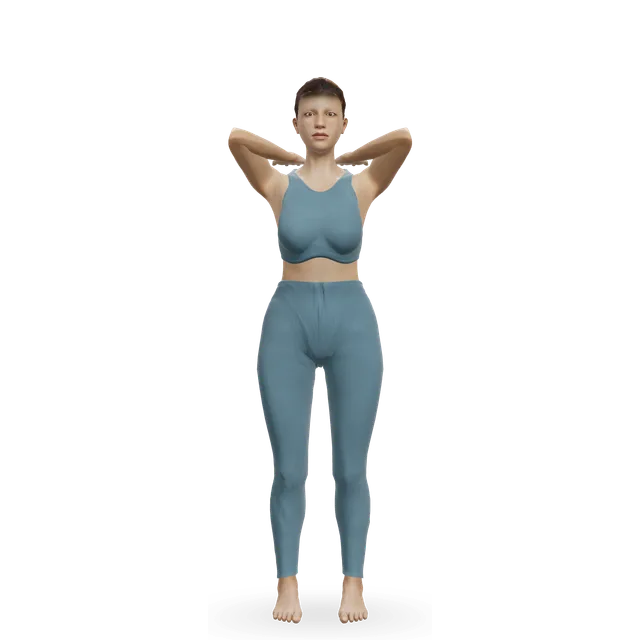
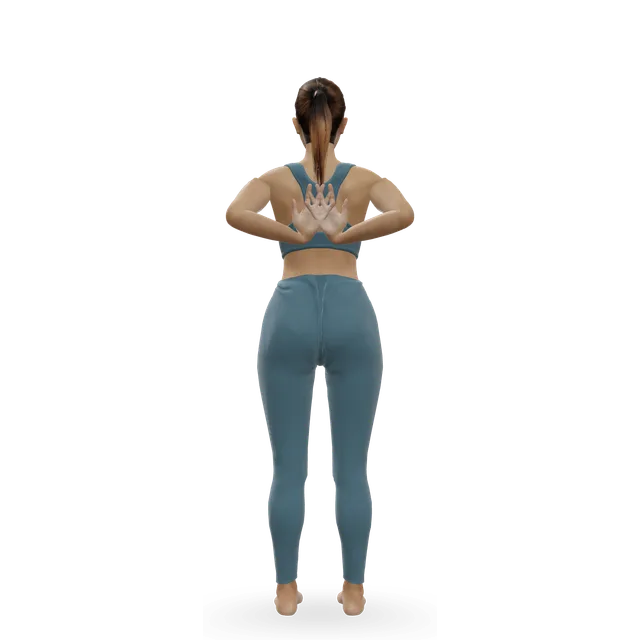
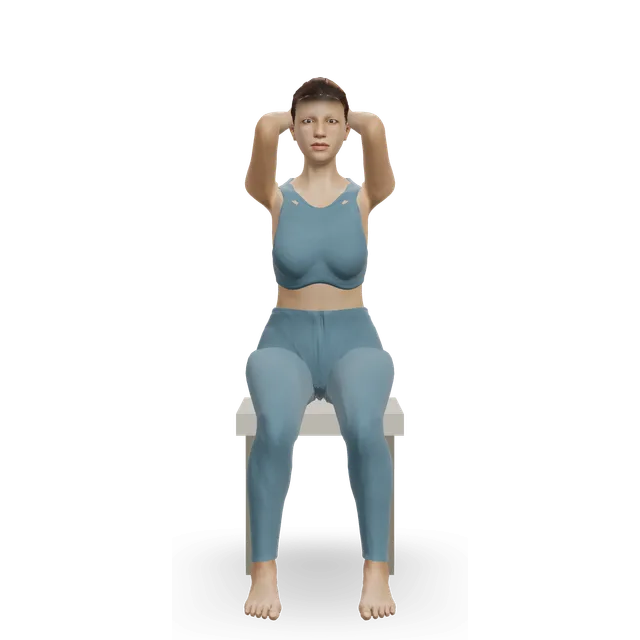
Easy pose: 1 to 2 minutes, or sit on a chair (our gentle yoga for beginners). Breath reach: 5 breaths, breathing out for longer; shoulder rolls: 10 to 15 slow circles each way, once or twice through; seated upper-back lift: 3 to 5 repetitions, each held 3 to 5 seconds (the moves' pages). Cat-cow: 6 slow rounds, seated (our chair yoga class). After breast surgery, move only as far as your team allows.

Standing, with a chair

Mountain pose: 5 slow breaths; chair pose: 2 holds of 3 to 5 breaths; warrior II: 3 to 5 breaths each side; tree pose: 2 holds of 20 to 30 seconds each side, a hand on the chair (our gentle yoga for beginners). Sit to stand: 5 to 10 (our gentle exercises during blood cancer treatment). Keep your arms down if you have a line, or if a swollen arm feels heavy.

On the floor

Glute bridge: 6 to 8 slow lifts (our gentle yoga for beginners); skip it in the first weeks after tummy or pelvic surgery unless your team agrees. Legs up the wall: 2 minutes, if you like (our long COVID routine); skip it or prop yourself up if lying flat makes you dizzy, and with heart failure, or kidney or liver disease that causes fluid build-up, ask your doctor first (the move's cautions).

Free routines

Our 25-minute gentle class has no twists, head-down poses, deep folds or long arm holds, so it suits most people during and after treatment, including with cancer in the bones once your team agrees. The restorative sequence holds supported poses for longer; leave out its supported twist if cancer is in your bones. The chair classes and the gentle beginners' class include a twist or seated rotation, to leave out with cancer in the bones. The lymphoedema, breast surgery and blood cancer routines are for those situations, the 10-minute starter workout suits low-energy days, and the breathing routine can be done in bed or a chair.

Gentle yoga for cancer: a 25-minute supported class with no twists

A 25-minute gentle yoga class for during and after cancer treatment: slow breathing, seated loosening, standing poses with a chair and a long rest. No twists.

25 minBeginner14 movesA bench or box, Firm cushion

Restorative yoga sequence: 45 minutes of supported rest

A 45-minute restorative yoga sequence: five fully supported poses held for 4 to 10 minutes each, with slow breathing and a long final rest.

45 minBeginner6 movesFirm cushion, A wall

Seated chair yoga: 15 minutes, no standing

A 15-minute chair yoga routine done entirely sitting: slow breathing, neck, shoulder and wrist stretches, seated twists and side bends, and a calm finish.

15 minBeginner16 movesA bench or box

Chair yoga for seniors

A free 20-minute chair yoga class for older adults: slow breathing, gentle seated stretches and twists, standing poses holding the chair, and a calm finish.

20 minBeginner18 movesA bench or box, Something with weight

Gentle yoga for beginners

A 25-minute gentle yoga class for complete beginners and over-50s: slow breathing, a warm-up, supported standing poses, floor poses and a closing rest.

25 minBeginner14 movesNo equipment

Lymphoedema exercises: a daily routine for arm and leg swelling

A 15-minute daily routine for lymphoedema: deep breathing, neck and shoulders, then an arm block and a leg block to keep the muscle pump working.

15 minBeginner14 movesOther / check instructions, A bench or box

Arm and shoulder exercises after breast cancer surgery

The UK breast surgery leaflet's exercises in one daily routine: a shoulder warm-up, the basic set for week 1 and the stretching set from week 2.

15 minBeginner6 movesA wall, Other / check instructions

Gentle exercises during blood cancer treatment: in your room or at home

A gentle 15-minute routine for a hospital room or home during blood cancer treatment or after a stem cell transplant, with no jumping, twisting or floor work.

15 minBeginner10 movesA bench or box, Something with weight

10-minute starter workout

A 10-minute session for low-energy days: marching, sit-to-stands, wall push-ups, step-ups and bridges, then a short walk. Doing a little counts.

10 minBeginner7 movesA bench or box, A wall

Breathing exercises to relax

A 6-minute breathing routine: slow breathing, crocodile breathing, alternate nostril breathing, box breathing and 4-7-8 breathing.

6 minBeginner5 movesNo equipment

When to stop and get help

These follow the warning signs in our exercise for cancer guide. A&E means accident and emergency. In the US, call 911 for 999.

Call 999 (911 in the US)

Call 999 for:

  • Chest pain that feels tight or like squeezing, or spreads to your arms, neck or jaw; severe difficulty breathing; or collapse.
  • Difficulty breathing that comes on suddenly, or pain in your chest or upper back: these can be signs of a blood clot in the lungs (a pulmonary embolism). Don't drive yourself to A&E.

Sources 37, 38

Stop and speak to a doctor straight away

Macmillan says stop exercising if you get any sudden symptoms, including:

  • Feeling dizzy, chest pain, a racing heart, breathing problems or feeling sick.
  • Unusual back or bone pain, or unusual muscle pain.
  • A headache that doesn't go away.

Source 9

Contact your hospital team straight away

Use the number you were given (or NHS 111 if you're not sure how to contact your care team) if, during treatment, you have:

  • A temperature over 37.5°C or below 36°C, or you suddenly feel unwell even with a normal temperature.
  • Signs of an infection, such as feeling shivery, a sore throat, a cough, diarrhoea, or needing to pee a lot or pain when peeing.
  • Throbbing or cramping pain, swelling and warmth in a leg or arm, which can be signs of a blood clot. Sudden breathlessness or chest pain means 999.

Sources 11, 39

Spinal cord compression: get advice immediately

Spinal cord compression is when cancer presses on the spinal cord. Contact the hospital team that treats you straight away, even at the weekend, and go to A&E if you can't reach anyone, if you have:

  • Back or neck pain that is new, severe or getting worse, worse when you move or strain, or that disturbs your sleep.
  • Problems controlling your bladder or bowels.
  • Difficulty walking, leg weakness or your legs giving way.
  • Weak arms or hands, or trouble gripping things.
  • Numbness or pins and needles that is new or quickly getting worse.

Source 12

Myeloma: when to call 999

The NHS says call 999 if you suddenly lose feeling in your arms or legs or can't walk or stand, suddenly feel confused, or suddenly can't control when you poo or pee: these could be signs of spinal cord compression. Our exercise with blood cancer guide covers myeloma.

Source 40

Lymphoedema

If the swollen or at-risk arm or leg changes during or after yoga, stop and ask your lymphoedema specialist. Our exercises for lymphoedema guide lists the signs of infection that need urgent help.

Source 9

What's normal

Some soreness or stiffness for 2 to 3 days after exercise, and tiredness during it, is common. Go by how you feel on the day, not the class plan.

Source 9

Myths

"Yoga can cure cancer or stop it coming back"Strong evidence

"There is no scientific evidence to prove that yoga can cure or prevent any type of cancer" (Cancer Research UK), and we found no randomised trial showing better survival or less recurrence. In US records, people who used unproven therapies turned down more standard treatment and died more often.

Sources 1, 2, 18

"Yoga boosts your immune system so you can fight the cancer"Mixed evidence

The trials we read measured symptoms such as fatigue, sleep and mood, not immune protection or the cancer itself. Our benefits of yoga guide covers what's known about yoga and the immune system.

Sources 3, 5

"Twists detox your body after chemotherapy"Mixed evidence

We found no study of yoga that measured detoxification. And with cancer in the bones, yoga-style twists are on Cancer Research UK's list to avoid.

Sources 41, 8

"Rest is best during treatment"Strong evidence

Guidelines recommend exercise for fatigue during treatment, with changes for blood counts, lines and bones. Yoga's own effect during treatment is uncertain, so it's one gentle way to keep moving, not the whole plan; on very tired days, do a little less.

Sources 4, 9

"Yoga will bring on or worsen lymphoedema"Strong evidence

NICE says there's no indication that physical activity causes or worsens lymphoedema, and small yoga trials found no worsening of arm swelling during the classes. Wear your garment if you have one, avoid long static holds such as the plank, and build up slowly.

Sources 10, 9, 26, 27

"Any yoga is safe with cancer, because yoga is gentle"Strong evidence

Vigorous yoga caused more pain and dropouts in sedentary survivors. With cancer in the bones, avoid yoga twists and repeated forward bends; with lymphoedema, long static holds; and with a line, vigorous arm work.

Sources 6, 7, 8, 9

"With cancer in the bones, you can't do yoga"Emerging evidence

Often you can, with a plan from your team: seated, supported and standing poses without twists or deep folds are the usual start. Speak to your team before you begin.

Sources 8, 9

Questions people ask

Is yoga good for cancer patients?

It can ease some symptoms: after treatment, yoga probably reduces fatigue a little, and in breast cancer it improved quality of life, fatigue and sleep in the short term. US cancer guidelines recommend it among several approaches for anxiety and low mood. It doesn't treat the cancer itself.

Can I do yoga during chemotherapy?

Often, yes, gently and with your team's agreement, adjusting for low blood counts, a line and how you feel. Its effect on fatigue during treatment is uncertain, and guidelines recommend exercise in general during treatment. Contact your hospital straight away for a temperature over 37.5°C or below 36°C.

Can yoga cure cancer?

No. Cancer Research UK says there's no scientific evidence that yoga can cure or prevent any type of cancer, and we found no trial showing better survival. Using unproven therapies in place of treatment is linked with lower survival.

What type of yoga is best for cancer patients?

Gentle styles: the trials used gentle hatha, restorative or Iyengar-based yoga with breathing and relaxation. In sedentary survivors, vigorous yoga caused more pain and dropouts than restorative yoga. Look for a qualified teacher and tell them about your cancer and treatment.

Is yoga safe with cancer in the bones?

Often, with a plan from your team: avoid yoga twists, repeated bending forward and high-impact moves. Seated, supported and standing poses without twists are the usual starting point. Get advice immediately for new back pain with numbness, weakness or bladder or bowel changes.

Can yoga help lymphoedema?

Small trials found softer tissue and fewer symptoms in some women, without worse arm swelling during the classes, but the results are mixed. NICE says physical activity doesn't cause or worsen lymphoedema. Wear your garment if you have one, avoid long static holds such as the plank, and watch the limb.

Does yoga help sleep during or after cancer treatment?

In 410 survivors with poor sleep, 4 weeks of gentle yoga twice a week improved sleep quality and cut sleeping-pill use. Reviews in breast cancer agree on a small to moderate effect, and a guideline endorsed by ASCO says gentle yoga can be considered for sleep.

Can yoga help anxiety and depression with cancer?

Guidelines recommend yoga among several approaches for anxiety and low mood during and after treatment, and reviews show modest improvements. The best-controlled trials were less certain. If low mood or anxiety lasts or feels severe, talk to your care team.

Can I do yoga after a mastectomy or breast cancer surgery?

Start with the arm and shoulder exercises your breast team gives you. In 444 women, 12 weeks of yoga improved shoulder rotation more than an exercise DVD. Ask your team when you can take weight on your arms.

How often should I do yoga with cancer?

Trials used classes twice a week for 4 weeks, 12-week programmes, or three sessions a week. Two or 3 gentle sessions a week alongside short walks is a sensible start, finishing each one feeling better rather than exhausted.

Sources

  1. Cancer Research UK · Yoga (past its review date: reviewed April 2022, review due April 2025)
  2. Europe PMC · Search for randomised trials of yoga and cancer survival, recurrence, mortality or cure: 38 records, none showing a benefit (26 October 2026)
  3. Messer 2025 · Yoga for fatigue in people with cancer: 21 trials (Cochrane review)
  4. Bower 2024 · Managing fatigue in adults after cancer (ASCO and Society for Integrative Oncology guideline, J Clin Oncol)
  5. Cramer 2017 · Yoga for women with breast cancer: quality of life, mental health and symptoms (Cochrane review)
  6. Lapen 2018 · Restorative or vigorous yoga for 35 sedentary breast and ovarian cancer survivors (feasibility study, Int J Yoga Therap)
  7. Deng 2022 · Vigorous or restorative yoga in sedentary breast and ovarian cancer survivors (pilot randomised trial, Integr Cancer Ther)
  8. Cancer Research UK · Exercise and cancer: guidelines (reviewed May 2025)
  9. Macmillan Cancer Support · Exercising safely with cancer (reviewed November 2023)
  10. NICE NG101 · Early and locally advanced breast cancer: recommendations, including lymphoedema (last updated April 2025)
  11. Macmillan Cancer Support · Infection (past its review date: reviewed March 2022, review due March 2025)
  12. Macmillan Cancer Support · Metastatic spinal cord compression (reviewed September 2024)
  13. Mustian 2013 · Gentle hatha and restorative yoga for sleep in 410 cancer survivors: the YOCAS trial (randomised trial, J Clin Oncol)
  14. Bower 2012 · Iyengar yoga for persistent fatigue after breast cancer: 31 women (randomised trial, Cancer)
  15. Lam 2025 · Yoga and shoulder movement after breast cancer surgery: 444 women (randomised trial, Sports Med Open)
  16. Lin 2019 · Yoga, fatigue and sleep in the YOCAS trial (analysis of a randomised trial, Integr Cancer Ther)
  17. NCCIH 2023 · Yoga: effectiveness and safety (US National Center for Complementary and Integrative Health)
  18. Johnson 2018 · Complementary medicine, refusal of standard cancer treatment and survival (registry study, JAMA Oncol)
  19. Johnson 2018 · Alternative medicine instead of standard cancer treatment and survival (registry study, J Natl Cancer Inst)
  20. Ma 2025 · Yoga during chemotherapy or radiotherapy: fatigue, distress and quality of life (systematic review and meta-analysis, Cancer Nurs)
  21. Carlson 2023 · Integrative care of anxiety and depression in adults with cancer (Society for Integrative Oncology and ASCO guideline, J Clin Oncol; abstract read)
  22. Gonzalez 2021 · Yoga for depression and anxiety in people with cancer: 26 studies (systematic review and meta-analysis, Psychooncology)
  23. Takemura 2025 · Yoga and psychological outcomes in cancer: 55 randomised trials (meta-analysis, Psychother Psychosom)
  24. Zhu 2023 · Yoga and sleep in breast cancer: 12 trials (meta-analysis, Front Oncol)
  25. Lyman 2018 · ASCO's endorsement of the Society for Integrative Oncology breast cancer guideline (J Clin Oncol)
  26. Loudon 2014 · Yoga for arm lymphoedema after breast cancer: 28 women (pilot randomised trial, BMC Complement Altern Med)
  27. Mazor 2018 · Yoga and arm volume in 21 women at risk of lymphoedema after breast cancer (study, J Altern Complement Med)
  28. Movafegh 2026 · Yoga for arm swelling after breast cancer: 96 women (randomised trial, Br J Community Nurs)
  29. Wei 2019 · Yoga for lymphoedema after breast cancer (systematic review, Complement Ther Clin Pract)
  30. Boopalan 2024 · Yoga in prostate cancer survivors: 5 studies, 129 men (systematic review, Support Care Cancer)
  31. Tsai 2021 · Yoga or massage for knee pain from aromatase inhibitors: 60 breast cancer survivors (randomised crossover trial, Sci Rep)
  32. Mao 2022 · Integrative medicine for pain in people with cancer (Society for Integrative Oncology and ASCO guideline, J Clin Oncol)
  33. Liu 2026 · Yoga dose for fatigue, quality of life and sleep in breast cancer survivors: 32 studies (dose-response meta-analysis, J Cancer Surviv)
  34. García-Muñoz 2023 · Hatha or Iyengar yoga for fatigue, depression and quality of life in cancer: 11 studies (systematic review, Support Care Cancer)
  35. PubMed · Search for yoga and bone metastases or metastatic cancer: 29 records, no trial of yoga in people with cancer in the bones (26 October 2026)
  36. Europe PMC · Search for hot or Bikram yoga and diabetes, glucose, insulin, asthma, cancer, fertility or pregnancy: 7 records, none a controlled trial in these conditions (26 October 2026)
  37. NHS · Heart attack (last reviewed March 2026)
  38. NHS · Pulmonary embolism (last reviewed October 2026)
  39. NHS · Chemotherapy (last reviewed February 2025)
  40. NHS · Symptoms of myeloma (last reviewed May 2025)
  41. Europe PMC · Search for yoga and detox, detoxification or toxins: 22 records, none measuring detoxification (26 October 2026)

Exercise education, not a personal prescription, and clinical review of these guides is pending. If you are pregnant, have a health condition such as glaucoma, high blood pressure or osteoporosis, or have had recent surgery, check with a doctor, midwife or physiotherapist before starting, and stop for sharp or increasing pain. Health disclaimer.