Yoga flows
Seated chair yoga: 15 minutes, no standing
Everything is done sitting, for a desk break, a wheelchair or days when standing isn't possible. The shape follows a seated yoga class from a trial in people with spinal cord injury (breathing and arm work, arms overhead, a gentle twist each way and neck stretches, then quiet breathing), the order of the UK's Gentle Years Yoga classes, shortened, and the NHS sitting exercises. Use a solid chair without wheels, ideally without arms, with your feet flat and your knees at right angles, or your wheelchair with the brakes on. Sit tall near the front of the seat, breathe normally and never hold your breath. The leg block is optional: skip it if your legs don't move. Seated yoga doesn't train balance, so if you can stand, add the standing block from the chair yoga for seniors workout. With a spinal cord injury at the sixth thoracic level (T6) or above, empty your bladder first, and stop if you get a pounding headache or flushing above your injury.
Arrive
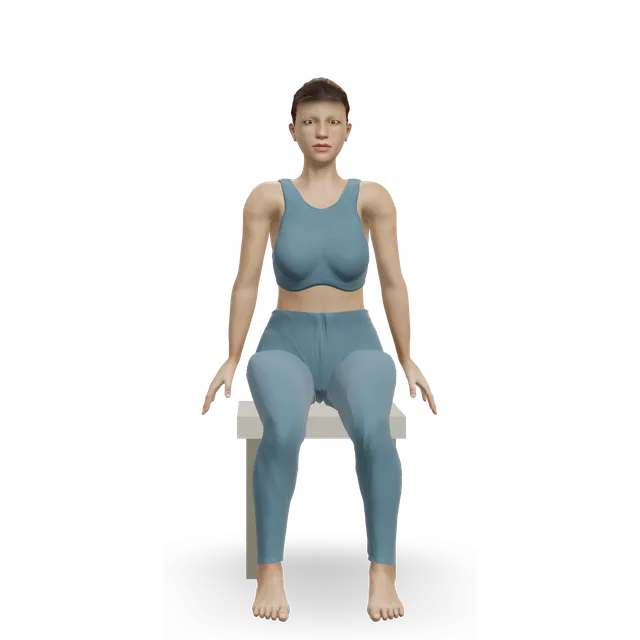
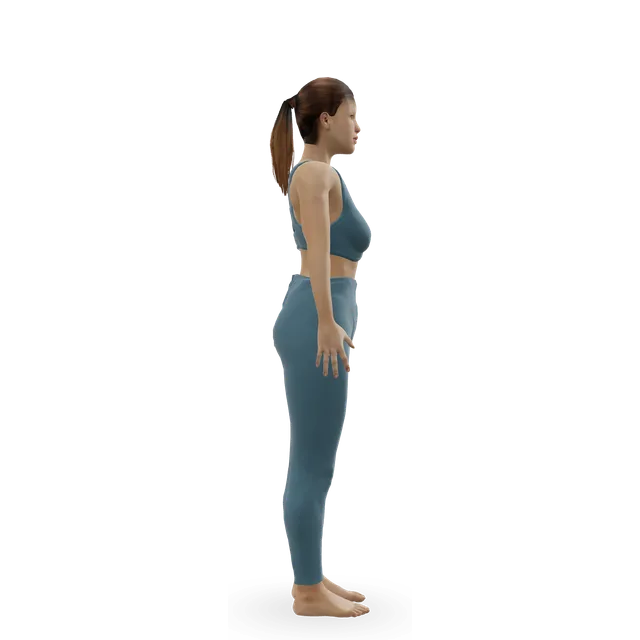
- Seated upper-back lift (sit tall, shoulders back)3 holds of 5 sBeginner · Back, Shoulders, Neck · 3D demoSeated mountain: sit tall, draw your shoulder blades back and lift your breastboneEasier: Elbows backHarder: Prone Y-T-W raises
- Beginner · 3D demoHands on your belly; in for about 4, out for about 6, with no holdsEasier: Breath reachHarder: Crocodile breathing (prone diaphragmatic breathing)


Neck and shoulders
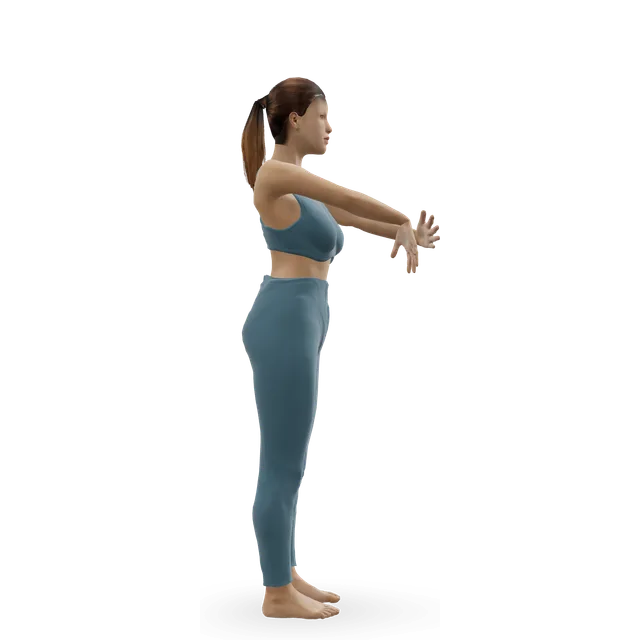
- Breath reach5 breathsBeginner · 3D demoSeated (the demo shows it standing): your arms rise as you breathe in and lower as you breathe out; keep them at shoulder height if your shoulders hurtHarder: Slow breathing (6 breaths a minute)
- Shoulder rolls10 each wayBeginner · Shoulders, Back, Neck · 3D demoShoulder rolls, slow and smoothHarder: Shoulder CARs (controlled articular rotations)
- Chin tuck5 holds of 3 sBeginner · Neck · 3D demoSeated (the demo shows it standing)Easier: Lying chin tuckHarder: Isometric neck holds (four-way)
- Side neck stretch2 holds of 10 s each sideBeginner · Neck, Shoulders · 3D demoEar toward your shoulder; using your hand is optionalHarder: Upper trap release
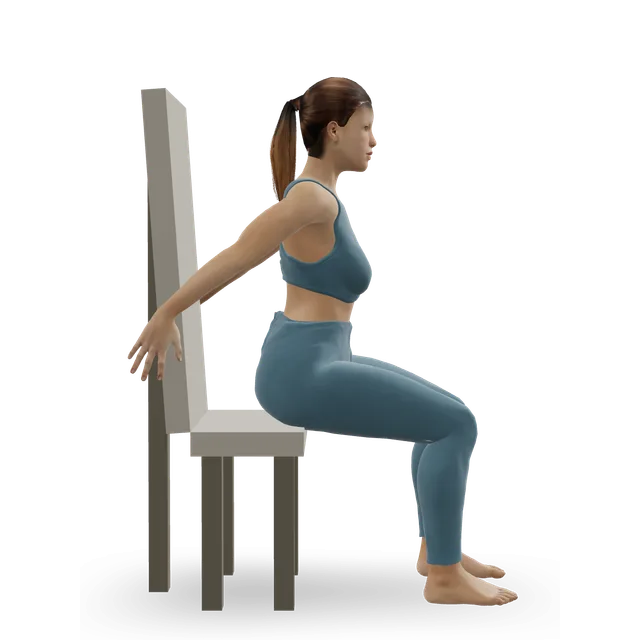
- Chair chest and shoulder stretch2 holds of 20 sBeginner · Shoulders, Biceps, Chest · 3D demoSit near the front edge, hold the backrest behind you, and move your chest forward and upHarder: Behind-the-back stick shoulder stretch




Spine
- Cat-cow8 slow wavesBeginner · Back, Abs · 3D demoSeated (the demo shows all fours): hands on your knees, round your back gently, then lift your chest; keep it small if you have osteoporosisHarder: Half lord of the fishes (Ardha Matsyendrasana)
- Seated overhead side bend2 each side, 10 to 20 s holdsBeginner · Back, Abs · 3D demoSeated side bend: reach one arm up and over, with both sitting bones on the seatHarder: Overhead lat stretch at a bench (elbows on the bench)
- Thoracic rotation5 each side, 5 s holdsBeginner · 3D demoSeated twist (the demo shows it standing): arms crossed and hips facing forward; hold the armrest or wheel if your trunk balance is limitedEasier: Side-lying open bookHarder: World's greatest stretch
- Table slide (seated forward reach)8 slow repsBeginner · Shoulders, Back · 3D demoSeated forward bend with a long back: hinge from your hips with your hands sliding along your thighs or the deskEasier: Pendulum exercise (Codman's pendulum)Harder: Overhead lat stretch at a bench (elbows on the bench)




Wrists (at a desk)
- Wrist extensor stretch (tennis elbow stretch)2 holds of 20 s each sideBeginner · Forearms · 3D demoArm straight and palm down, gently bend the wrist; ease off if it tingles, and with a weak grip ask your physiotherapist firstEasier: Wrist & forearm flow
Legs (optional)
- Seated march1 minBeginner · Hip flexors, Quads, Abs · 3D demoHold the sides of the seat; move your arms instead if your legs don't moveHarder: Standing march
- Chair leg extension and sweep5 each legBeginner · Hamstrings, Calves, Adductors · 3D demoStraighten the leg, sweep it out to the side and backHarder: Contract-relax hamstring stretch (PNF)
- Ankle circles10 each way, each footBeginner · Calves, Shins · 3D demoLift the foot a little, or circle the ankle with your handHarder: Ankle CARs (controlled articular rotations)


Finish
- Beginner · 3D demoSlow rounds with no holds; with a blocked nose, just breathe slowlyEasier: Slow breathing (6 breaths a minute)
- Beginner · 3D demoEyes closed or resting on one spot; sit quietly before you get back to your dayEasier: Breath reachHarder: Crocodile breathing (prone diaphragmatic breathing)

Tips
- Do it at least twice a week, as the NHS suggests for its sitting exercises, or as a 5 to 10 minute break once or twice a working day (our suggestion). Our sitting posture guide covers desk breaks.
- In a wheelchair, shift your weight every 10 to 15 minutes if pressure sores are a concern, and if your shoulders hurt, keep every reach at or below shoulder height.
- It's light activity, so it doesn't replace the aerobic and strength exercise in the activity guidelines: pair it with the wheelchair workout, a walk or other brisk activity.
- With osteoporosis, keep cat-cow small and hinge from your hips in the forward bend. With glaucoma or high blood pressure that isn't under control, don't let your head drop below your heart.
- Stop for dizziness or chest pain. With a spinal cord injury, a pounding headache with flushing or sweating above your injury needs action now: sit up, loosen anything tight, check your bladder, and call 999 (911 in the US) if it doesn't settle.
The doses are suggested starting points, not a prescription. Choose a range you can control and stop for sharp or increasing pain, numbness or tingling. Get individual advice after an injury or surgery, or if you are pregnant or managing a health condition.
Guides that recommend it
Find more moves like these
More yoga flows


Beginner yoga flow
A 20-minute beginner yoga sequence: mountain, chair, warrior II, triangle, tree, down dog, cobra and child's pose.
20 minBeginner11 movesA step

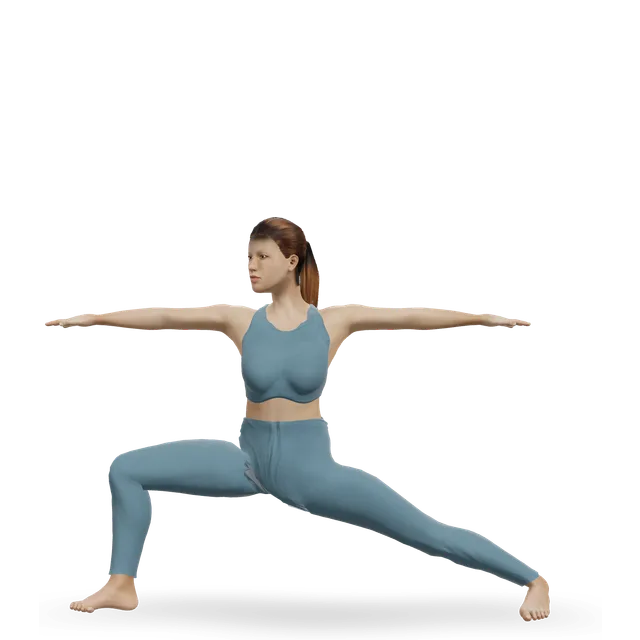
Sun salutation flow
A 20-minute flow built on sun salutations A and B, with warrior poses and a short cool-down.
20 minIntermediate8 movesNo equipment

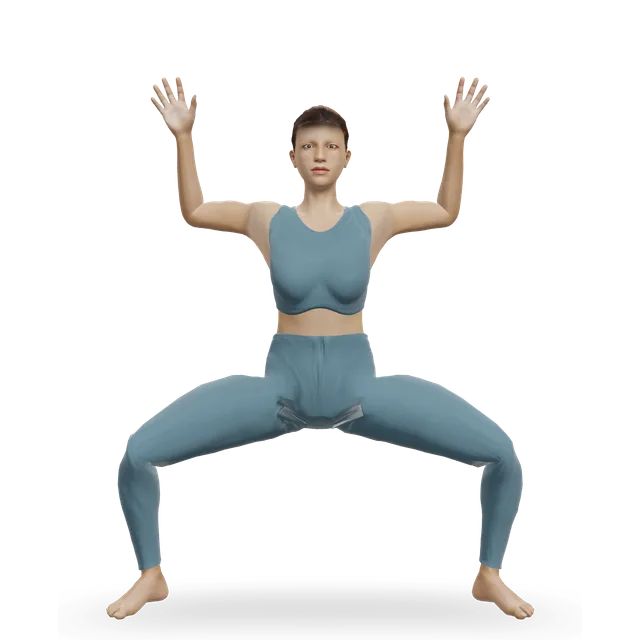
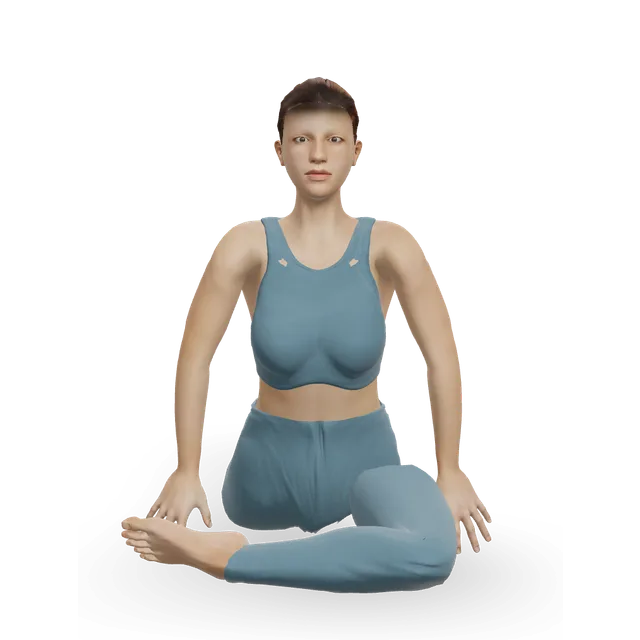
Yoga for tight hips
A hip-opening yoga sequence: low lunge, lizard, goddess, pigeon, bound angle and happy baby.
20 minBeginner7 movesNo equipmentQuestions people ask
How long does the seated chair yoga: 15 minutes, no standing take?
About 15 minutes, including any warm-up and cool-down listed. Shorten it by doing fewer rounds; lengthen it by adding one.
What equipment do I need?
You need: A bench or box. Each move links to its guide, where you can find an alternative if you are missing something.
Is it suitable for beginners?
It is written for beginners. 7 of its 16 moves have an easier option listed beside them if you need one.
How do I make it easier or harder?
Use the easier or harder option listed under each move, change the number of rounds, or adjust the rest. Progress one change at a time.