Everyone: seven questions
The PAR-Q+ (Physical Activity Readiness Questionnaire for Everyone) asks about a heart condition or high blood pressure, chest pain, dizziness or losing consciousness, other long-term conditions and their medicines, a bone or joint problem that activity could make worse, and being told to exercise only under supervision. If you answer yes to any, check with your doctor or a qualified exercise professional first, and wait if you're ill.
Source 36
Anyone learning inverts
The serious falls in hospital records happened mainly during inverts, without a mat or trainer, and a 1 m head-first fall broke a neck. Invert only with a teacher there, over a crash mat, low first, with a way down you've practised.
Sources 6, 7
Shoulder pain, a past dislocation, or loose shoulders
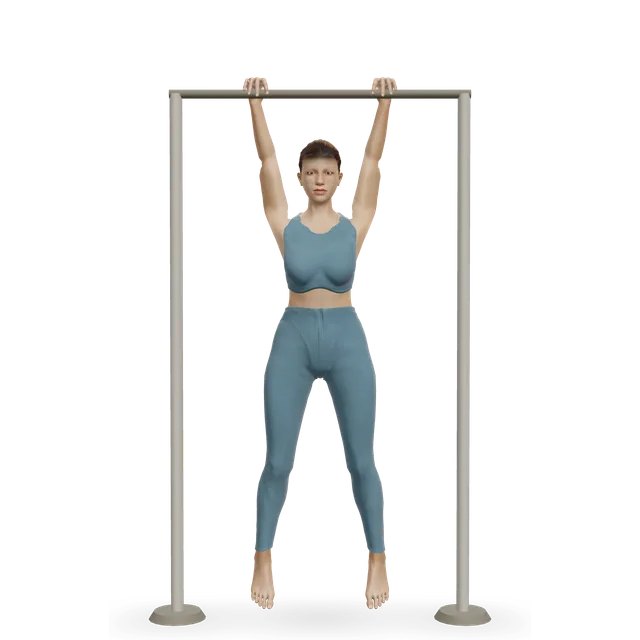
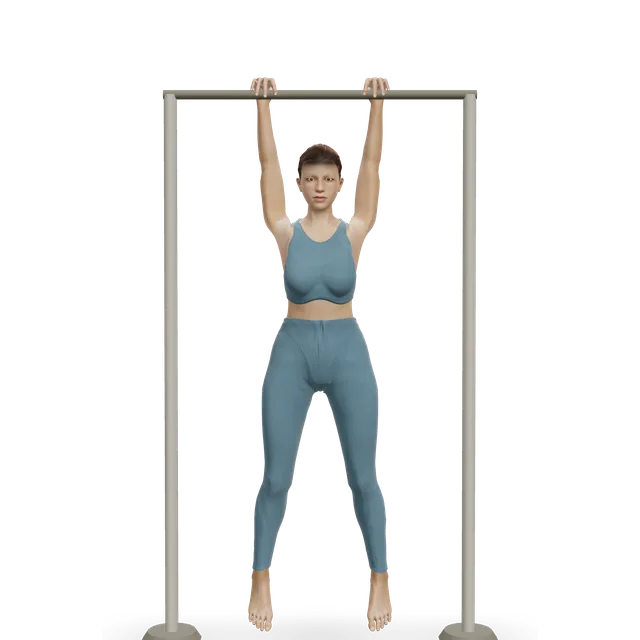
The shoulder is pole's commonest injury site, and across 6 studies hypermobile athletes had about three times the odds of a shoulder injury (low-quality evidence). Get it assessed before you load it, and leave hangs out after a recent dislocation until you're cleared. Our shoulder and hypermobility guides explain more.
Sources 4, 37
Pain high at the back of the thigh
Every hamstring injury in the year-long study came from front-split moves. Stop splits until it's assessed; our hamstring strain and high hamstring tendinopathy guides explain more.
Source 4
Aged 40 and over, or coming back after a long break
Dancers aged 40 and over took longer to recover from injuries, and IPSF categories run to Masters 60+, so age is no bar. Build up more slowly (our suggestion); our older adults and menopause guides explain more.
Sources 5, 10
Glaucoma, high blood pressure, heart disease or eye surgery
Our handstand guide explains that hanging fully upside down raised eye pressure from about 16 to 34 mmHg (millimetres of mercury) in one study, and blood pressure from 110/77 to 130/90 mmHg in another. Skip inverts unless your specialist agrees.
Pregnant
The NHS advises against sports with a risk of falling or bumping your tummy in pregnancy, and competitors must not be knowingly pregnant. Pole carries a risk of falling (our reading): don't start in pregnancy, and if you already pole, ask your midwife.
Sources 38, 10
Dieting hard, missed periods, or comments about your body
Trying to lose weight went with sudden injuries in one small study, pole dancers reported more irregular periods, and low energy availability harms health and performance. See a GP; our eating disorders and menstrual cycle guides explain more.
Sources 21, 31, 32
Bruises without a knock
Bruises are common in pole, but bruises that appear without a knock, very large bruises, or bruises with bleeding gums or nosebleeds need a GP (our suggestion).
Source 22
Skin reacting to the pole or grip products
Some metals, including nickel, can cause allergic contact dermatitis. Ask a pharmacist, or a GP if it keeps coming back.
Sources 29, 11
Epilepsy
Our epilepsy guide explains that the International League Against Epilepsy puts gymnastics in its moderate-risk group and climbing in its high-risk group. Pole isn't named; in our reading, floor work and low pole work are like gymnastics, and climbs and inverts at height like climbing. Agree it with your neurologist, and never practise alone.
Children and teenagers
At IPSF competitions, under-15s may not do pole flips, and at POSA events the youngest have a spotter on stage. Choose a qualified teacher, and see our gymnastics page's growth-spurt advice (keep flexibility rather than push it) and our children's guide.
Sources 10, 11
After a concussion
Follow the UK guidelines: no competition before day 21. Inverts come back late, at the circus consensus's stage 4. Our concussion guide has the stages.
Sources 35, 24