Sports training
Dance warm-up: feet, hips, spine and small jumps
No warm-up has been shown to prevent dance injuries, but warming up helps you dance well. In trained dancers, a warm-up with easy cardio, short static stretches and moving stretches gave the best jump height and balance, and the short holds didn't harm performance. This routine follows our warm-up guide: raise your temperature, move through your range, wake up the muscles you'll use, then rehearse.
Raise
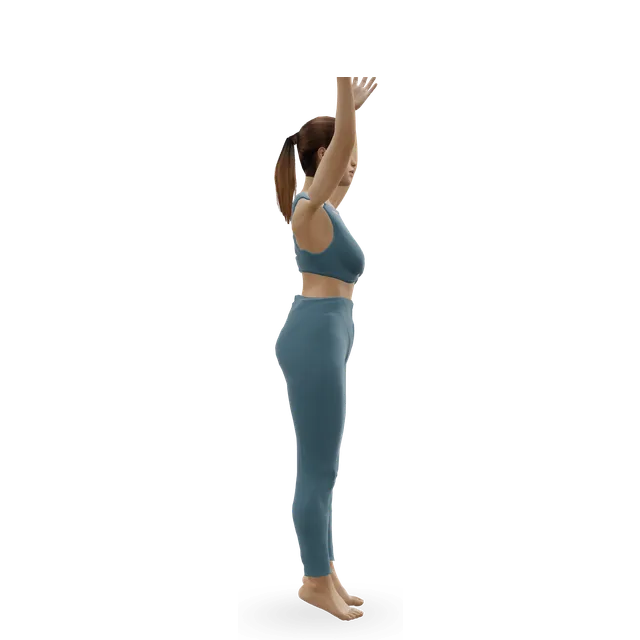
- Beginner · Hip abductors, Shoulders, Calves · 3D demoLight and springyEasier: Seated marchHarder: Jumping jack
- Skipping2 × 20 mBeginner · Calves, Hip flexors, Quads · 3D demoAcross the studioEasier: Ankle bounces (mini pogo)Harder: Alternate-leg bounding


Feet and ankles
- Ankle CARs (controlled articular rotations)5 circles each way, each ankleBeginner · Calves, Shins · 3D demoSlowEasier: Ankle circlesHarder: Toes-tucked kneeling (toe squat)
- Beginner · Calves · 3D demoRise through the big toe and lower slowlyEasier: Seated bent-knee calf raise (soleus raise)Harder: Standing dumbbell calf raise


Hips and spine
- Standing hip CARs3 slow circles each legBeginner · Glutes, Hip flexors, Hip abductors · 3D demoHold the barreHarder: 90/90 hip lift-off
- Front-to-back leg swings8 swings each legBeginner · Hamstrings, Hip flexors · 3D demoLet the swing growHarder: Contract-relax hamstring stretch (PNF)
- Side-to-side leg swings8 each legBeginner · Adductors, Hip abductors · 3D demoEasy range firstHarder: Lizard pose (Utthan Pristhasana)
- Cat-cow6 slow roundsBeginner · Back, Abs · 3D demoMove the whole spineHarder: Half lord of the fishes (Ardha Matsyendrasana)
- Thoracic rotation5 each sideBeginner · 3D demoTurn from the ribsEasier: Side-lying open bookHarder: World's greatest stretch


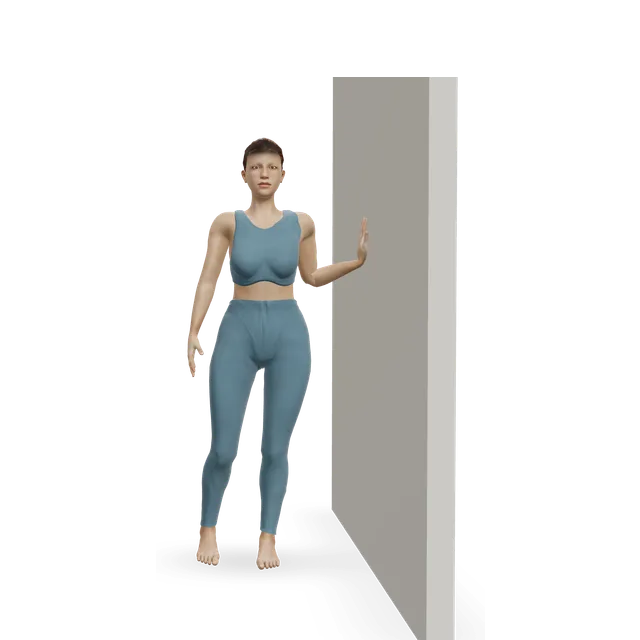


Short holds, where your work needs range
- Half-kneeling hip flexor stretch2 × 15 to 30 s each sideBeginner · Quads, Glutes · 3D demoThen keep movingHarder: Couch stretch
- Wall calf stretch (gastrocnemius)2 × 15 to 30 s each sideBeginner · Calves · 3D demoUnder a minute per muscle in totalEasier: Seated calf stretch with a towelHarder: Toes-tucked kneeling (toe squat)


Turnout and balance
- Clamshell10 each sideBeginner · Hip abductors, Glutes · 3D demoTurn out from the hip, not the feetHarder: Lateral band walk
- Single-leg stand2 × 20 s each legBeginner · Hip abductors, Calves, Glutes · 3D demoParallel, then turned outEasier: Tandem stance and heel-to-toe walkHarder: Single-leg reach matrix


Rehearse
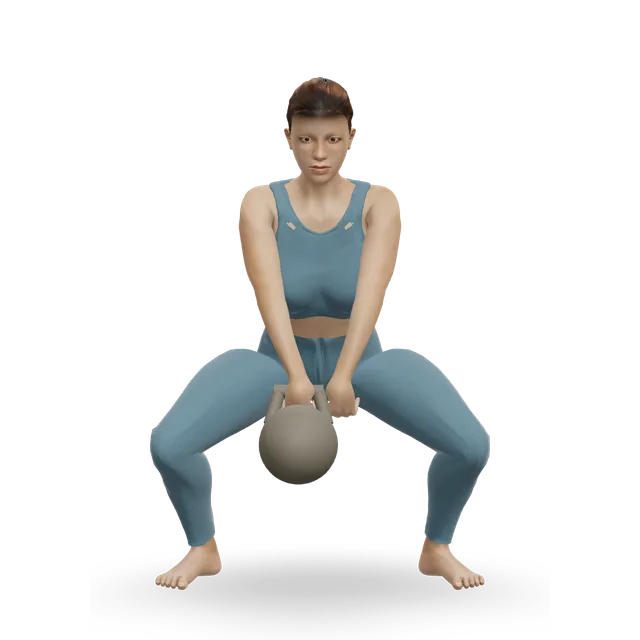
- Plié dumbbell squat (sumo squat)8 slow pliés, no weightIntermediate · Quads, Glutes, Adductors · 3D demoKnees over the middle toesEasier: Bodyweight squatHarder: Back squat with bands

Tips
- Then barre or centre work, turns, then bigger jumps. Save the biggest jumps, lifts and extensions until you're properly warm.
- Hold static stretches for under a minute per muscle in total, and keep moving afterwards.
- Never force a split or let anyone push you into one: slow, forced stretching caused hamstring strains that took professional dancers a median of 50 weeks to recover from.
- In a cold studio, take longer over the first block.
The doses are suggested starting points, not a prescription. Choose a range you can control and stop for sharp or increasing pain, numbness or tingling. Get individual advice after an injury or surgery, or if you are pregnant or managing a health condition.
Guides that recommend it
Find more moves like these
More sports training

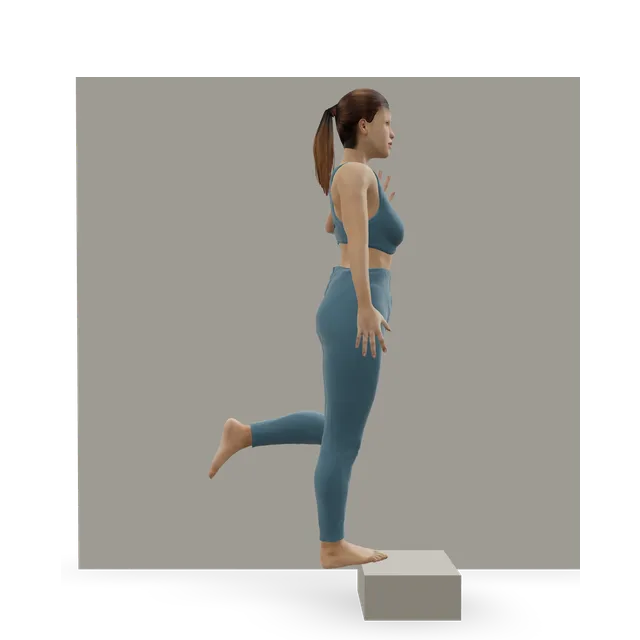
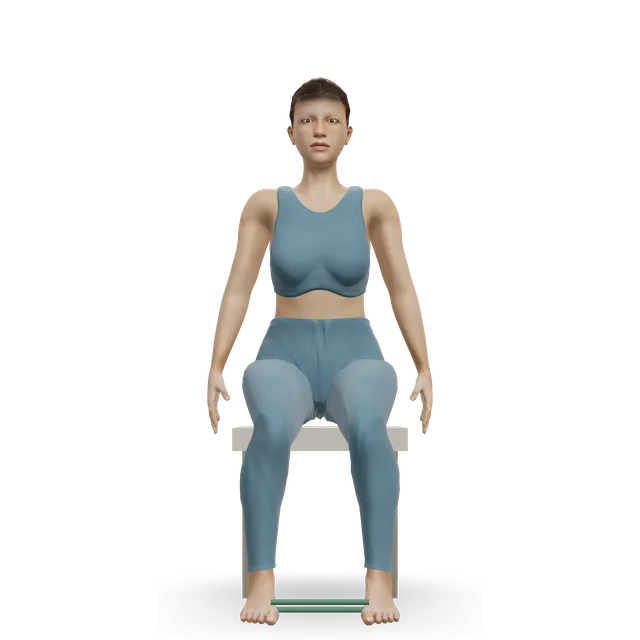
Injury prevention exercises for runners
Foot, calf, balance and hop exercises taken from the running trials with positive results, in a 25-minute home routine for 3 or 4 days a week.
25 minBeginner11 movesOther / check instructions, A bench or box
Plyometrics for runners
A 20-minute hop and bound session for runners: ankle bounces to pogo hops, one-leg hops and bounding, building foot contacts slowly over 10 weeks.
20 minIntermediate8 movesCardio machine



Strength workout for cyclists (gym)
A 50-minute gym session for cyclists: heavy squats, one-leg presses, hip flexion and calf raises as in the cycling trials, plus jumps for bone.
50 minIntermediate13 movesCardio machine, A barbellQuestions people ask
How long does the dance warm-up: feet, hips, spine and small jumps take?
About 15 minutes, including any warm-up and cool-down listed. Shorten it by doing fewer rounds; lengthen it by adding one.
What equipment do I need?
You need: A wall, A dumbbell, A kettlebell. Each move links to its guide, where you can find an alternative if you are missing something.
Is it suitable for beginners?
It is written for beginners. 8 of its 16 moves have an easier option listed beside them if you need one.
How do I make it easier or harder?
Use the easier or harder option listed under each move, change the number of rounds, or adjust the rest. Progress one change at a time.