Does exercise help autism?
Exercise helps autistic people in the same ways it helps anyone, keeping them fit and supporting mood and wellbeing. Trials in autistic children show the clearest gains in movement skills such as running, catching and balance. Benefits for social skills and behaviour are less certain, because reviews of the same small studies disagree. Exercise isn't a treatment for autism, which isn't an illness.
How much exercise does an autistic child need?
The same as any child: an average of at least 60 minutes a day across the week, including activities that build muscles and bones. If that feels far off, the UK guidelines for disabled children say 20 minutes a day brings good health benefits, built up slowly in bitesize chunks, plus strength and balance activities 3 times a week.
What are the best sports for autistic children?
The one your child enjoys and can do in a setting that suits them. Many autistic children like activities with a predictable rhythm, such as swimming, running, cycling, climbing walls or martial arts, and others love team sports. Ball sports and outdoor activities did a little better in some analyses, but the evidence for any one type is weak.
What exercises can an autistic child do at home?
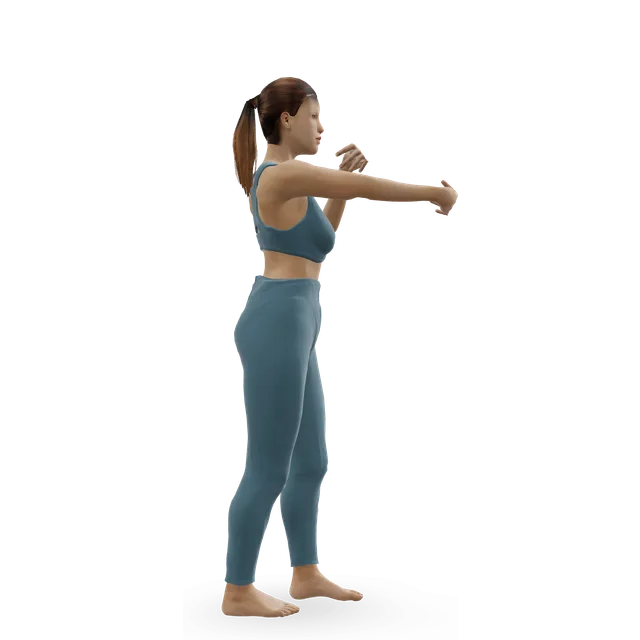
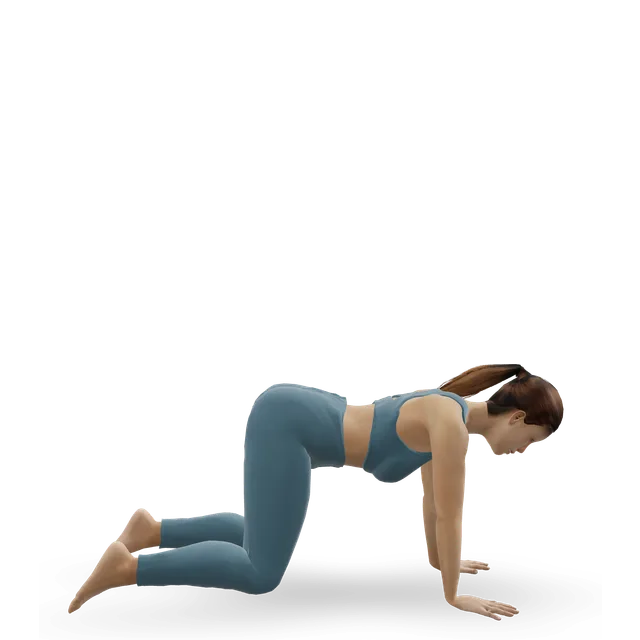
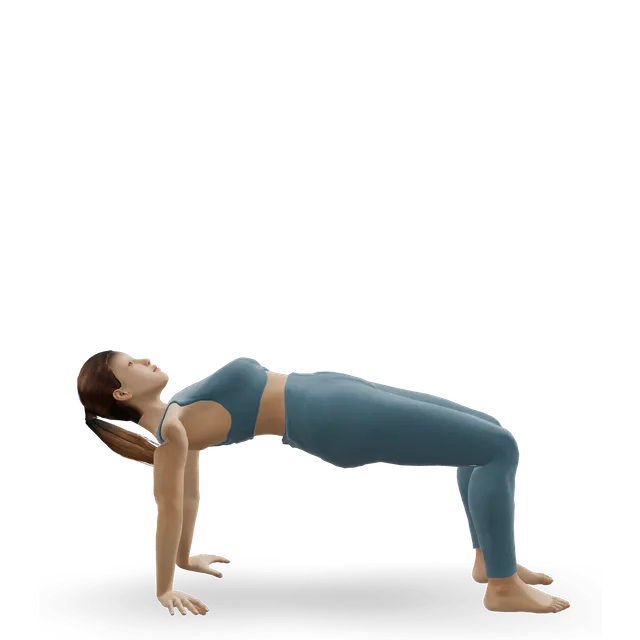
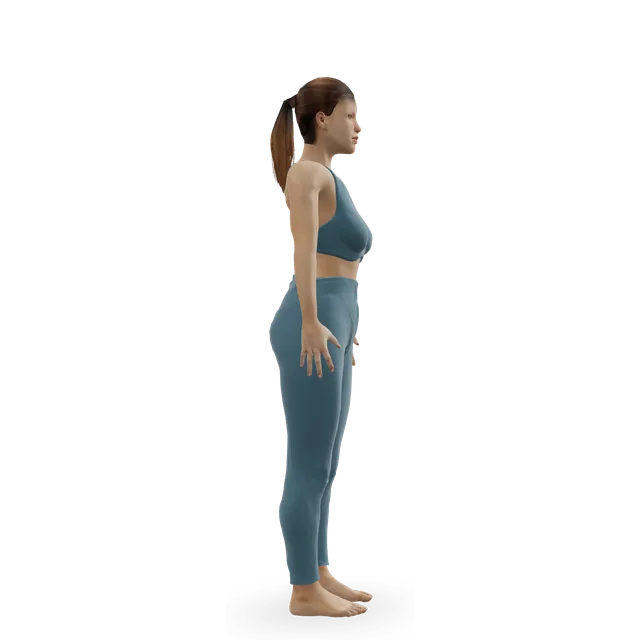
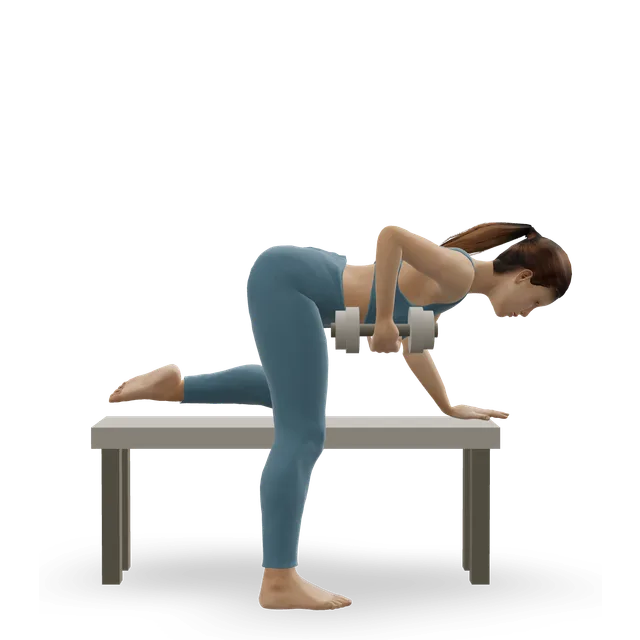
Animal walks like bear crawls, star jumps or step jacks, skipping, balance games such as standing on one leg, and wall push-ups all work well, and the moves on this page show each one in 3D. Keep the same order each time and finish with something calm, such as child's pose or slow breathing. Our animal moves workout and sensory movement break are ready-made routines.
How can I help my autistic child enjoy exercise?
Keep it predictable: visit new places at quiet times, show what will happen with a demonstration or a visual timetable, and keep the same structure each session. Give clear, literal instructions with time to take them in, cut noise and clutter, allow ear defenders, and build in their interests. Start one-to-one, join groups gradually, and don't force an activity they're uncomfortable with.
What are sensory exercises or heavy work activities for autism?
Occupational therapists sometimes run sensory circuits: alerting moves such as skipping and star jumps, then balancing, then calming deep pressure and muscle work, such as pushing and carrying, sometimes called heavy work. The National Autistic Society says it isn't clear how well sensory therapies work. Our sensory movement break follows the same order as a simple routine, not a therapy, and an occupational therapist can tailor a plan to your child.
Should exercise be used to reduce stimming?
No. Stimming helps autistic people stay calm, enjoy sensory input or show joy, and the National Autistic Society says that if stimming is harmless, there's no reason to prevent it. Exercise is for health and enjoyment, and stimming during it is fine. If a stim is harmful, look for the cause of distress with professional support.
Does exercise help autistic children sleep?
Possibly. In 8 small controlled studies, regular activity programmes improved sleep problems, night waking and sleep length, mostly as reported by parents, and in one trial of 40 children sleep improved on weekdays. NICE looks at a child's daytime activity when it assesses sleep problems, alongside a regular bedtime routine.
Does exercise help autistic adults?
The research is thin but positive: in 22 studies of young autistic adults, programmes improved fitness most clearly, then movement skills and quality of life. NICE asks professionals to give autistic adults exercise advice that takes sensory needs into account, and suggests structured leisure groups built on your interests if you're isolated. Pick activities and times that suit your senses and energy.
Does exercise help autistic burnout?
We found no trials of exercise for autistic burnout. The National Autistic Society suggests energy accounting: estimating which activities drain or restore you, planning your week to balance them, and building in time to recover. For some people a quiet walk or a solo swim restores energy where a busy class drains it.
Is swimming good for autistic children?
Swimming suits many autistic children, and learning to swim matters: drowning made up a far larger share of deaths among autistic people than in the general population in US records. Look for an instructor who understands autism, stay close near any water, and don't assume skills in one pool will carry over to open water. If your child also has epilepsy, follow our epilepsy guide's swimming advice.
Can autistic people take part in Special Olympics?
Special Olympics GB is for people with an intellectual (learning) disability, so autistic people who also have a learning disability can compete; about a third of autistic people do. Autistic people without a learning disability can take part as Unified partners where a club runs Unified Sports, or join mainstream and inclusive clubs.