Mountain pose (Tadasana)
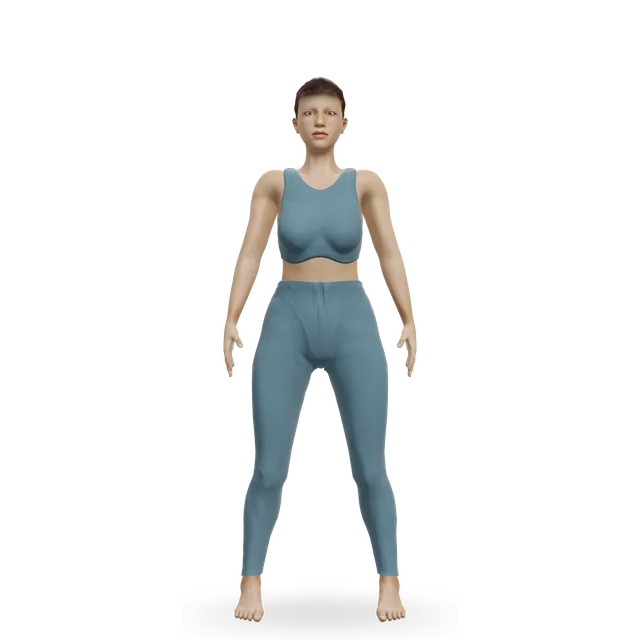
You stand tall with your weight spread evenly through both feet, the legs gently working and the arms at your sides, palms forward. It is the reference position every standing pose starts from, and it shows you where you habitually lean or grip. Standing with the feet side by side is the first and easiest stage of the CDC's balance test, and yoga programmes, which include standing poses like this, improved balance a little in people over 60.
Movement guide
Mountain pose (Tadasana)
Loading the 3D figure…
Make it easier or harder
Choose a version that fits your control and comfort.
Easier option
Use a smaller comfortable range in this same movement, with the support described in its guide. Ingram 2025 review of stretching and range of motion
Harder option
 3D demoTree pose (Vrksasana)Beginner · No equipment
Suggested next step, beginner grade.
Source-researched guide.
How to move
- Stand with your feet hip-width apart and parallel, or together for more of a balance challenge.
- Lift and spread your toes, set them down, then rock gently forward, back and side to side until your weight rests evenly across both feet.
- Straighten your knees without locking them, stack your ribs over your pelvis and lift through the crown of your head.
- Let your arms hang at your sides, palms facing forward, shoulders wide and relaxed. Breathe slowly and stay.
Form cues
- Notice where you grip or lean, then let it go.
- Keep a soft knee rather than pushing it back.
- Avoid: tucking your tailbone hard; let your low back keep its natural curve.
Practice and cautions
Stand for 5 to 10 slow breaths, 2 or 3 times. Once you feel steady, add a round with your eyes closed, within reach of a wall (our editorial starting point).
If you get lightheaded standing still, or take medication that drops your blood pressure, stand within reach of a wall. This is movement education, not an assessment or treatment prescription. Stop for sharp or increasing pain, dizziness, numbness or tingling; seek individual guidance for symptoms, injury or restrictions.
Sources and review status
Sources support the educational description; they do not establish that this exercise is suitable for you.
- Yoga Journal · Mountain pose (how-to: arms at the sides, palms forward; the feet hip-width apart for a steadier base) ↗
- CDC STEADI · The 4-stage balance test (feet side by side is the first and easiest of four stances, each held 10 seconds with the eyes open) ↗
- Youkhana 2016 · Yoga-based exercise improved balance a little and mobility moderately in people aged 60 and over (meta-analysis of 6 trials, 307 people, Age Ageing) ↗
No variation is labeled clinically validated.
What it works
Muscles
Main: Calves. Also: Back, Abs.
Anatomy: Gastrocnemius, Soleus, Tibialis posterior, Popliteus, Plantaris, Flexor hallucis longus.
Equipment
None: body weight and floor space.
Level
Beginner. See the easier and harder options above.
Workouts that use it
- Beginner yoga flow · 20 min
- 10-minute starter workout · 10 min
- Gentle yoga for beginners · 25 min
- Sun salutation for beginners (step by step) · 20 min
- Yoga for back pain (gentle beginner sequence) · 20 min
- Chair yoga for seniors · 20 min
- Prenatal yoga workout (no lying on your back) · 20 min
- Trauma-sensitive yoga: a gentle practice where you choose · 20 min
Show all 101 workoutsShow fewer workouts
- Sickle cell exercise: a gentle workout with rest and drink breaks · 35 min
- Hatha yoga class: a 45-minute beginner session · 45 min
- Pilates for your pelvic floor: squeeze, move, release · 20 min
- Yoga with props for beginners: a 40-minute standing-poses-first sequence · 40 min
- Yoga for neck pain: a 20-minute gentle sequence · 20 min
- Yoga for knee pain: a 25-minute knee-friendly sequence · 25 min
- Yoga for headaches and migraine: a 20-minute calm practice · 20 min
- Yoga for kids: a 20-minute animal adventure · 20 min
- Yoga for hip pain: a 25-minute routine that strengthens without squeezing · 25 min
- Yoga for high blood pressure: a 40-minute balanced practice · 40 min
- Yoga for digestion: a 25-minute routine for bloating and IBS · 25 min
- Yoga for sciatica: a gentle sequence that lets your leg decide · 25 min
- Yoga for scoliosis: a 25-minute even, both-sides sequence · 25 min
- Yoga for shoulder pain: a 20-minute sequence that builds up weight on the arms · 20 min
- Yoga for arthritis: a 30-minute joint-friendly class with a chair · 30 min
- Yoga for menopause: a 35-minute practice for strength, balance and winding down · 35 min
- Yoga for thyroid problems: a 30-minute gentle practice, no shoulder stand needed · 30 min
- Yoga for posture: a 25-minute back-strengthening practice · 25 min
- 15-minute morning yoga: a gentle routine to start the day · 15 min
- Yoga for balance: a 30-minute standing class, from steady to moving · 30 min
- 10-minute desk yoga routine: seated and standing · 10 min
- Wall yoga for beginners: a 20-minute routine at the wall · 20 min
- Yoga for diabetes: a 35-minute head-up practice · 35 min
- Gentle yoga for cancer: a 25-minute supported class with no twists · 25 min
- Yoga for asthma: a 20-minute breathing-first practice · 20 min
- Yoga for the pelvic floor: a 30-minute class with the squeeze built in · 30 min
- Yoga for COPD: a 25-minute follow-along practice, sitting and standing · 25 min
- Yoga for osteoporosis: a 30-minute class with the safe swaps built in · 30 min
- Gentle yoga for fibromyalgia: a 30-minute class with a stop point · 30 min
- Chair yoga for MS: a 25-minute class you can do sitting, with an optional standing block · 25 min
- Yoga for heart health: a 35-minute gentle class with no breath holds · 35 min
- Yoga for Parkinson's: a 30-minute class at a counter, sitting then standing · 30 min
- Chair yoga after a stroke: a 25-minute class, sitting, with an optional standing block · 25 min
- Yoga for neuropathy: a 25-minute class in shoes, sitting then at a counter · 25 min
- Yoga for carpal tunnel: a 25-minute wrist-free class with nerve and tendon glides · 25 min
- Yoga for plantar fasciitis: a 25-minute class that starts sitting, with sole and calf stretches and heel raises · 25 min
- Yoga for ADHD: a 15-minute same-every-time practice for children · 15 min
- Chair yoga for dementia: a 30-minute class to do together · 30 min
- Yoga for vertigo and dizziness: a 20-minute head-up class, sitting then at a counter · 20 min
- Yoga for wrists: a 20-minute class that warms, strengthens and slowly loads the wrists · 20 min
- Yoga for acid reflux: a 20-minute head-up class with belly breathing · 20 min
- Yoga for tinnitus: a 20-minute calming class with the sound on · 20 min
- Yoga to cool down anger: a 12-minute slow-down practice · 12 min
- Yoga for circulation: a 20-minute legs-first class with no head-down poses · 20 min
- Yoga for hypermobility: a 25-minute stability-first class · 25 min
- Yoga for grief: a 15-minute gentle practice for hard days · 15 min
- Yoga for ankylosing spondylitis: a 25-minute breathing, extension and rotation class · 25 min
- Yoga for SI joint pain: a 20-minute even, strength-first class · 20 min
- Gentle postnatal yoga: a 20-minute class from the first weeks after birth, with an early stop point and caesarean options · 20 min
- Chair-to-mat yoga for bigger bodies: a 30-minute class seated, standing at a chair and wall, and on the mat, with a chair-only option · 30 min
- Breathe, move and rest: a 30-minute gentle yoga class for rheumatoid arthritis, mostly in a chair, with a flare-day version · 30 min
- Pilates for plantar fasciitis: a 25-minute class that starts sitting, keeps you off your feet, and ends with heel raises · 25 min
- Yoga for frozen shoulder: a 20-minute gentle class, with a 10-minute version for the painful stage · 20 min
- Yoga after a knee replacement: a 25-minute chair-and-mat class with no kneeling · 25 min
- Yoga after a hip replacement: a 25-minute chair, counter and bed class with no deep bends, crossing or twisting · 25 min
- Yoga for Achilles tendinopathy: a 25-minute class with calf loading built in, heels level and no jumping · 25 min
- Yoga for shin splints: a 25-minute class with calf, shin and hip strength, and no jumping · 25 min
- Yoga for tennis elbow: a 25-minute grip-light class with a 10-minute forearm loading block · 25 min
- Yoga after an ankle sprain: a 25-minute class for ankle range, calf strength and balance, built up step by step · 25 min
- Yoga after a hamstring strain: a 25-minute class with the lengthening exercises built in, and no deep forward folds · 25 min
- Yoga after a groin strain: a 25-minute class with squeezes, side planks and short stances, and no wide-legged stretching · 25 min
- Yoga for spondylolisthesis: a 25-minute class with the spine still, bending forward to rest and no backbends · 25 min
- Yoga after whiplash: a 15-minute seated and lying class for the first weeks, with small neck movements and no inversions · 15 min
- Yoga for a hip labral tear or impingement: a 25-minute class that builds hip strength and stays out of the pinch · 25 min
- Yoga for low blood pressure: a 25-minute head-up class that wakes up your legs before you stand · 25 min
- Yoga for psoriasis: a 25-minute class at room temperature with nothing on your hands or knees, and a long rest to finish · 25 min
- Yoga for restless legs: a 30-minute evening class with calf, thigh and hip stretches and a 10-minute rest · 30 min
- Same-order yoga: a 20-minute quiet class for autistic children and adults, with plain cues and an optional rest · 20 min
- Head-up yoga after a concussion: a 15-minute seated and standing class with a symptom check · 15 min
- Steady morning yoga for bipolar disorder: a 25-minute daytime class with slow breathing, no holds and a short rest · 25 min
- Yoga with a buddy for Down syndrome: a 20-minute strength, balance and calm class with nothing on the head or neck · 20 min
- Adapted yoga for cerebral palsy: a 25-minute class sitting, then standing with a chair, strength before stretch · 25 min
- Rest-between-poses yoga for myasthenia gravis: a 20-minute cool-room class, sitting then at a chair, with no breath holds · 20 min
- Both-sides yoga for horse riders: a 25-minute class for the hips, back and balance, after riding or on a non-riding day · 25 min
- Yoga for veterans: a 25-minute class you can choose your way through, sitting, then standing at a chair, with a back block and an eyes-open finish · 25 min
- Gentle yoga for Crohn's and colitis: a 25-minute class to breathe, move and rest · 25 min
- Spine-still yoga after spinal fusion: a 25-minute class for the first months, with no bending, twisting or arching of your back · 25 min
- Yoga after ACL surgery: a 25-minute class for the strength-and-balance stage, with no kneeling, jumping or pivoting · 25 min
- Chair yoga for knee arthritis: a 30-minute class sitting, then standing at a chair, with no kneeling and no floor work · 30 min
- Gentle yoga after breast cancer: a 25-minute class for the shoulder, chest and breath, with no planks, no twists and no weight on your arms · 25 min
- Yoga for hip arthritis: a 30-minute class at a chair and counter, with hip bends to about a right angle and no kneeling · 30 min
- Yoga for prostate cancer: a 30-minute class with the pelvic floor squeeze, gentle strength and no deep folds or twists · 30 min
- Yoga for diastasis recti: a 25-minute class for a tummy gap, with head lifts and no planks · 25 min
- Yoga for lymphoedema: a 25-minute moving class with arm and leg options, no long holds and no heat · 25 min
- Gentle yoga after a hysterectomy: a 25-minute class in three stages, with a stop point after each · 25 min
- Tendon-friendly yoga for jumper's knee: a 25-minute class with the loading plan's holds built in, shallow knee bends, no kneeling and no jumping · 25 min
- Gentle yoga after gallbladder removal: a 25-minute class in three stages, with a stop point after each · 25 min
- Yoga for golfer's elbow: a 25-minute grip-light class with a 10-minute wrist flexor loading block · 25 min
- Slow somatic yoga: a 20-minute floor-first class with pauses, a standing finish and eyes-open rest, every move optional · 20 min
- Low-impact yoga for lipoedema (lipedema): a 25-minute class for leg and hip strength, sitting, at a chair and on a padded floor, with no kneeling, no jumping and your legs raised to rest · 25 min
- Trauma-sensitive Pilates: a 20-minute class where every move is your choice, sitting first, then standing, then an optional mat block · 20 min
- Yoga for the calves: a 25-minute class to stretch and strengthen both calf muscles, with one-leg balance · 25 min
- Yoga for the hands: a 20-minute class for stiff fingers, grip and hand-friendly poses · 20 min
Pain guides that use it
Part of a staged plan, with when to get help first.
Guides that use it
- Pilates for the pelvic floor guide
- Pilates for plantar fasciitis guide
- Pilates for prolapse guide
- Pilates for sway back guide
- Pilates for acid reflux guide
- Pilates after a concussion guide
- Pilates for anaemia guide
- Pilates for PTSD guide
Show all 185 guidesShow fewer guides
- Pilates in eating disorder recovery guide
- Yoga guide
- Yoga for beginners guide
- Sun salutation guide
- Yoga for back pain guide
- Yoga for anxiety and sleep guide
- Yoga for seniors guide
- Yoga in pregnancy guide
- Benefits of yoga guide
- Chair yoga guide
- Hatha yoga guide
- Iyengar yoga guide
- Yoga for neck pain guide
- Yoga for knee pain guide
- Yoga for headaches and migraine guide
- Yoga for kids guide
- Yoga for hip pain guide
- Yoga for high blood pressure guide
- Yoga for digestion guide
- Yoga for sciatica guide
- Yoga for scoliosis guide
- Yoga for shoulder pain guide
- Yoga for arthritis guide
- Yoga for menopause guide
- Yoga for thyroid problems guide
- Yoga for posture guide
- Morning yoga guide
- Yoga for balance guide
- Desk yoga guide
- Yoga for upper back pain guide
- Wall yoga guide
- Yoga for women guide
- Yoga for diabetes guide
- Yoga for cancer guide
- Yoga for asthma guide
- Yoga for the pelvic floor guide
- Yoga for lungs and COPD guide
- Yoga for endometriosis guide
- Yoga for osteoporosis guide
- Yoga for fibromyalgia guide
- Yoga for IBS guide
- Yoga for MS guide
- Yoga for heart health guide
- Yoga for Parkinson's guide
- Yoga for stroke recovery guide
- Yoga for neuropathy guide
- Yoga for PTSD guide
- Yoga for carpal tunnel guide
- Yoga for plantar fasciitis guide
- Yoga for ADHD guide
- Yoga for golfers guide
- Yoga for dementia guide
- Yoga for vertigo guide
- Yoga for eyes guide
- Yoga for height guide
- Yoga for wrists guide
- Yoga for feet guide
- Yoga for memory and concentration guide
- Yoga for acid reflux guide
- Yoga for tinnitus guide
- Yoga for anger guide
- Yoga for circulation guide
- Yoga for lymphatic drainage guide
- Yoga for hypermobility guide
- Yoga for grief guide
- Yoga for ankylosing spondylitis guide
- Yoga for kidney health guide
- Yoga for addiction recovery guide
- Yoga for SI joint pain guide
- Yoga for sinus problems guide
- Postnatal yoga guide
- Yoga for plus-size bodies guide
- Yoga for rheumatoid arthritis guide
- Yoga for kyphosis guide
- Yoga for frozen shoulder guide
- Yoga for a herniated disc guide
- Yoga after a knee replacement guide
- Yoga after a hip replacement guide
- Yoga for lupus guide
- Yoga for Achilles tendinopathy guide
- Yoga for the rotator cuff guide
- Yoga for psoriatic arthritis guide
- Yoga for hip bursitis guide
- Yoga for gout guide
- Yoga for tennis elbow guide
- Yoga for an ankle sprain guide
- Yoga for flat feet guide
- Yoga for bunions guide
- Yoga for a hamstring injury guide
- Yoga for a groin strain guide
- Yoga for spondylolisthesis guide
- Yoga for degenerative disc disease guide
- Yoga for cervical spondylosis guide
- Yoga for whiplash guide
- Yoga for hip flexors guide
- Yoga for a meniscus tear guide
- Yoga for a hip labral tear guide
- Yoga for shoulder impingement guide
- Yoga for low blood pressure guide
- Yoga for psoriasis guide
- Yoga for anaemia guide
- Yoga for allergies and hay fever guide
- Yoga for an enlarged prostate guide
- Yoga for varicose veins guide
- Yoga for piles guide
- Yoga for a hernia guide
- Yoga for gallstones guide
- Yoga for trigger finger guide
- Yoga for restless legs guide
- Yoga for PoTS guide
- Yoga for epilepsy guide
- Yoga for autism guide
- Yoga after a concussion guide
- Yoga for bipolar disorder guide
- Yoga for eating disorders guide
- Yoga for Down syndrome guide
- Yoga for cerebral palsy guide
- Yoga for polymyalgia rheumatica guide
- Yoga for myasthenia gravis guide
- Yoga for muscular dystrophy guide
- Yoga for horse riders guide
- Yoga for pickleball players guide
- Yoga for bodybuilders guide
- Yoga for nurses guide
- Yoga for veterans guide
- Yoga for Crohn's and colitis guide
- Yoga after spinal fusion guide
- Yoga after ACL surgery guide
- Yoga for knee arthritis guide
- Yoga for atrial fibrillation guide
- Yoga for breast cancer guide
- Yoga for hip arthritis guide
- Yoga for heart failure guide
- Yoga for prostate cancer guide
- Yoga for diastasis recti guide
- Yoga for prolapse guide
- Yoga for lymphoedema guide
- Yoga for anterior pelvic tilt guide
- Yoga for rounded shoulders guide
- Yoga for chronic pain guide
- Yoga for knock knees guide
- Yoga for sway back guide
- Yoga after a hysterectomy guide
- Yoga for patellar tendinopathy guide
- Yoga after gallbladder removal guide
- Yoga for golfer's elbow guide
- Somatic yoga guide
- Yoga for lipoedema guide
- Yoga for older women guide
- Yoga for the lower body guide
- Yoga for confidence guide
- Yoga for spine health guide
- Yoga for the ankles guide
- Yoga for the hands guide
- Yoga for the neck and shoulders guide
- Yoga for joint pain guide
- Rolfing guide
- Emotions guide
- Exercise for depression
- Exercise for anxiety and panic attacks
- Exercise for fibromyalgia
- Exercise for migraine
- Exercise for ADHD
- Exercise for autistic children and adults
- Exercise for stress relief
- Exercise for PTSD
- Exercise for bipolar disorder
- Exercise with sickle cell disease, and sickle cell trait in sport
- Exercise for chronic pain
- Exercise and eating disorders
- Exercise with atrial fibrillation (AF)
- Exercise for psychosis and schizophrenia
- Exercise for OCD
- Exercise in recovery from alcohol or drugs
- Exercise with glaucoma
- Exercise with diabetic retinopathy
- Swayback posture guide
Similar moves
 3D demoTandem stance and heel-to-toe walkBeginner · A wall
 3D demoAnkle CARs (controlled articular rotations)Beginner · No equipment
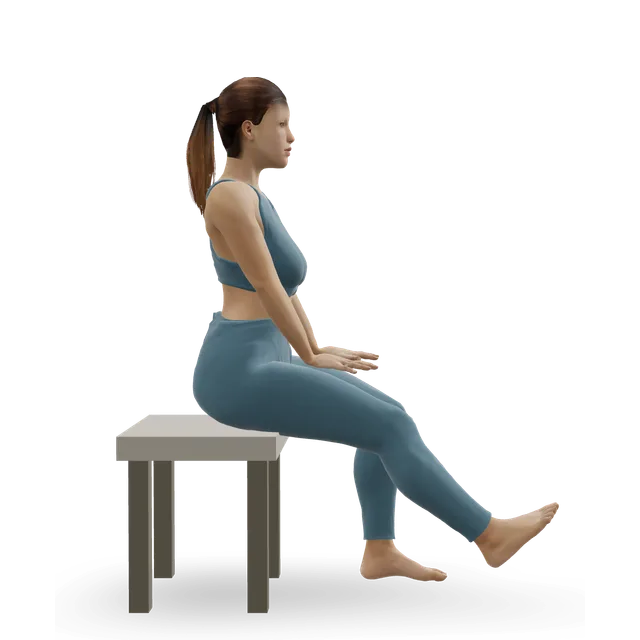 3D demoAnkle circlesBeginner · No equipment
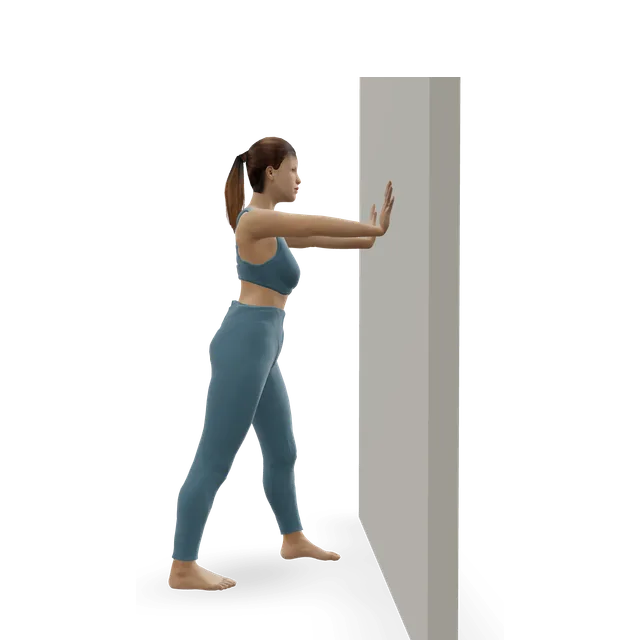 3D demoForearms-on-wall calf stretchBeginner · A wall
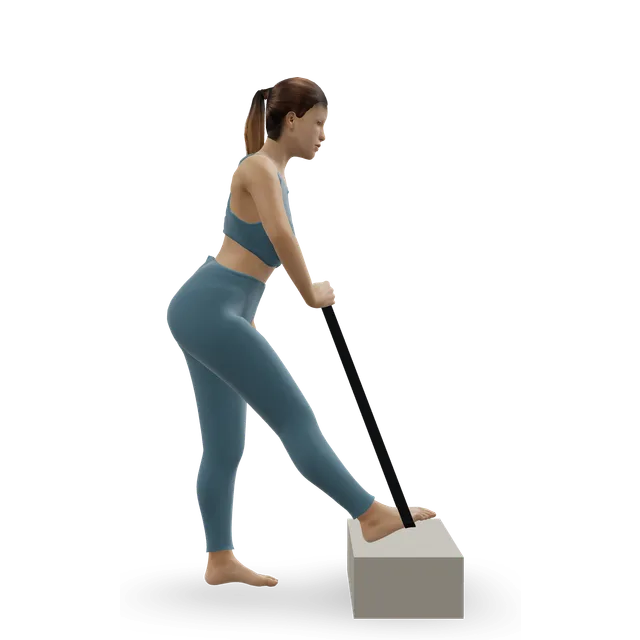 3D demoHeel-on-step calf and hamstring stretchBeginner · A step
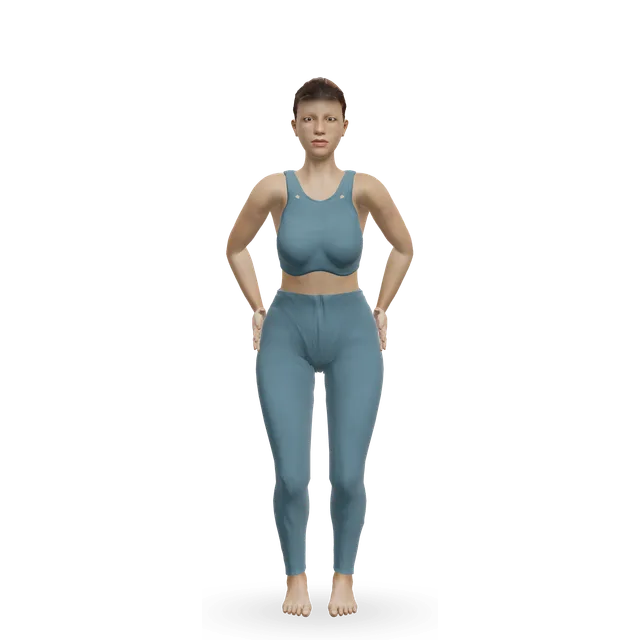 3D demoKnee circlesBeginner · No equipment
Browse more
Questions people ask
What muscles does the Mountain pose (Tadasana) work?
Mainly the calves, with help from the back and abs.
What equipment do I need for the Mountain pose (Tadasana)?
No equipment: your body weight and a little floor space.
Is the Mountain pose (Tadasana) good for beginners?
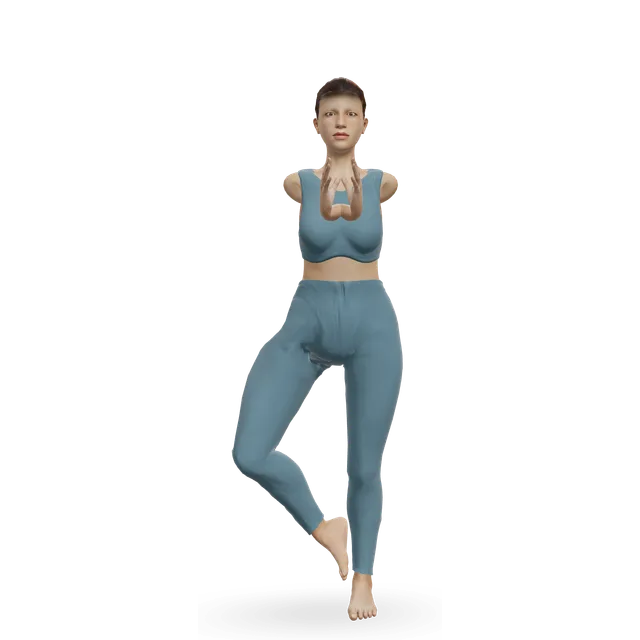
It is graded beginner, so it suits most people starting out. When it feels easy, try the Tree pose (Vrksasana).
How do I make the Mountain pose (Tadasana) harder?
Progress to the Tree pose (Vrksasana). Follow that guide’s technique and any stated timing.