Yoga guide

Yoga for a groin strain: the adductors and the hip, when to start, which poses to change, getting back to sport, what the evidence shows, and a class

No trial has tested yoga for a groin strain, and no trial has tested stretching on its own for groin pain. The treatment that worked in trials was active: in a Lancet trial, strength and coordination training for the muscles around the pelvis got 23 of 34 athletes back to sport without pain, against 4 of 34 with physiotherapy built on stretching and massage. So the yoga that fits a groin strain strengthens the inner thigh first and brings the wide-legged stretches back later.

This guide covers what a groin strain is and the groin pain that isn't one, when to start, the squeezes, bridges, side planks and short-stance poses to build up, which poses to change, getting back to sport, what the evidence shows, and a free 25-minute class with a 3D demo of every move. If you have a lump in your groin, a fever with groin or hip pain, or a child or teenager has hip, thigh or knee pain with a limp, go straight to the warning signs.

The short version

No yoga trial, and no stretching trial

Our searches found no trial of yoga for a groin strain, and a 2021 review found no trial of stretching on its own for groin pain or injury. Yoga can be part of getting back to normal; the evidence is for strengthening.

Sources 1, 2

Common in kicking and skating sports, and it comes back

Hip and groin injuries are 14% of injuries in men's professional football, most of them adductor-related, and 45% of Swedish ice hockey players had a hip or groin problem in one season. A previous groin injury is the clearest risk factor for the next.

Sources 3, 4, 5, 6, 7

What it is

Pain in the inner thigh or at the top of it near the pubic bone, tender to press and painful when you squeeze your knees together against resistance. Kicking caused 40% of acute groin injuries in football.

Sources 8, 9

Strength works; stretching and passive care didn't

In 68 athletes with long-standing groin pain, 23 of 34 returned to sport without pain after active strength and coordination training, against 4 of 34 after physiotherapy built on stretching, electrotherapy and massage, and the benefit was still there 8 to 12 years later. A Cochrane review calls the evidence low quality, but in the same direction.

Sources 10, 11, 12

Most strains settle in weeks; don't just rest

On a structured programme of active exercises, most strains were pain-free in a median of 13 days and back in full team training in 18. The NHS advice for strains is rest, ice, compression and raising it for 2 to 3 days, then keep moving once pain allows. Flexibility came back early by itself; strength took longer.

Sources 13, 14, 15

Prevention is strength too

One exercise, the Copenhagen adduction, built up from lying on your side, cut groin problems by 41% in semi-professional men, though a later trial in mostly female amateurs didn't repeat it. Weaker adductors predict groin pain; tighter ones don't.

Sources 16, 17, 18, 19

Is it a groin strain?

Adductor-related groin painStrong evidence

The adductors are the inner thigh muscles that pull the legs together. An expert agreement defines adductor-related groin pain as "Adductor tenderness AND pain on resisted adduction testing", and sorts groin pain into adductor, hip flexor (iliopsoas), inguinal, pubic bone and hip joint causes. A clinical review adds that it hurts more when the adductors are stretched.

Sources 8, 5

How commonStrong evidence

In elite European football, hip and groin injuries were 12% to 16% of all injuries each season, and over 15 seasons 14%, with adductor-related pain the commonest kind (63%). Among 163 Swedish ice hockey players, 45% had a hip or groin problem in one season; most came on gradually, and few caused time off.

Sources 20, 3, 4

How it happensEmerging evidence

In 110 athletes with an acute groin injury, kicking was the commonest cause in football (40%) and changing direction in other sports. Two thirds of acute groin injuries were adductor injuries, mostly in adductor longus.

Source 9

Who gets itStrong evidence

A previous groin injury, a higher level of play, weaker adductors and less sport-specific training raise the risk, and groin pain last season more than doubled it this season. Across 13 cohorts, weaker adductors predicted groin pain. In professional ice hockey players, adductor flexibility didn't differ between those who strained and those who didn't.

Sources 6, 7, 18, 19

How long it takesEmerging evidence

In elite football, adductor groin pain kept players out for a median of 8 days. In 81 athletes on a structured programme, most strains took 18 days to return to full team training and complete tears 78 days. A review of 30 studies gives 1 to 7 weeks for partial tears. Strains come back in about 1 in 5 professional players.

Sources 21, 13, 22, 5

Not every groin pain is a strain

A lump that comes and goes (a hernia), a pinch deep in the groin when you bend the hip (the hip joint), tenderness on the pubic bone, pain that spreads from the side or back (a kidney stone), and in children and teenagers a hip problem, all need different care: see the warning signs, and our groin pain guide. In pregnancy, groin pain is usually pelvic girdle pain. A case report describes a deep hip muscle tear, felt as groin pain, after intense yoga.

Sources 8, 23

How yoga loads the inner thigh

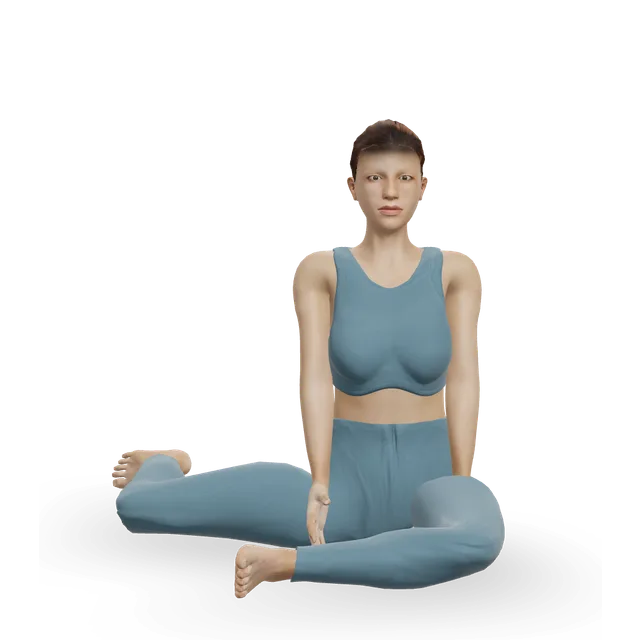
Wide-legged poses (wide-legged folds, goddess, frog, bound angle, the wide-angle seated fold, side splits, and triangle and warrior II with a long stance) stretch the adductors, some under body weight. Standing on one leg and side planks make them work. The wide-angle seated fold's own page says: "Groin strains happen when people force the legs wider than they are ready for. Widen over months, not in one session." A lab study in 14 healthy men found a yoga-style inner thigh side bridge worked the trunk and hip muscles more than the standard version; nothing more is known.

Source 24

When to start

The first daysStrong evidence

The NHS has no groin strain page; its sprains and strains page applies. It advises rest, ice, compression and raising it (PRICE) for the first 2 to 3 days, and to avoid heat, alcohol and massage for the first couple of days. "When you can move the injured area without pain stopping you, try to keep moving it". Most strains feel better after 2 weeks, but it advises avoiding strenuous exercise such as running for up to 8 weeks.

Source 14

Our suggested timeline

Breathing and chair yoga straight away. Gentle squeezes, bridges and the knee side plank within a few days, keeping pain at 3 out of 10 or less, as our groin strain guide's first stage says. Standing, side-to-side work once the squeeze is pain-free at a firm effort; gentle range and wide-legged poses last. No hot yoga in the first days. This is our suggestion, following the NHS advice and the active, criteria-based programme in the trials.

Sources 14, 13

What the evidence says

Active strengthening carries the evidence, from small trials and cohorts. Yoga has no trial in a groin strain, and stretching on its own has none either.

No yoga trial, and stretching untestedStrong evidence

Our searches of PubMed and Europe PMC found 9 records each on yoga and the groin or adductors, none of them a trial. A 2021 review: "We found no trials specifically assessing the effects of stretching on recovery or improvement of groin pain or injury in athletes".

Sources 1, 2

Active training beat passive careEmerging evidence

In a Lancet trial of 68 athletes with long-standing adductor-related groin pain (a median of 40 weeks), 23 of 34 returned to sport without pain after active training to improve strength and coordination around the pelvis, against 4 of 34 after stretching, electrotherapy and friction massage. The effect was still there 8 to 12 years later. It was one centre, with a blinded assessor.

Sources 10, 11

The Cochrane reviewMixed evidence

Two trials, 122 people, both at high risk of bias: exercise therapy succeeded more often than passive care, but the evidence was too thin to recommend any specific treatment. An update is under way, with no results yet.

Sources 12, 25

Early, criteria-based rehabEmerging evidence

In 81 male athletes with an acute adductor injury, a programme of active exercises (leg swings, standing hip circles, band work, a one-leg coordination exercise and the Copenhagen adduction) with graded running returned most to full team training in a median of 18 days. Those who met the pain-free criteria before going back had fewer re-injuries (5% against 21%). A pain-free full stretch was one of the tests at the end, not a treatment at the start. There was no comparison group.

Source 13

Flexibility comes back by itselfEmerging evidence

In the same athletes, flexibility "returned to normal values early in rehabilitation", while strength kept improving throughout. Flexibility isn't what needs rebuilding.

Sources 15, 19

Complete tearsMixed evidence

A dent or gap you could feel meant a complete tear on a magnetic resonance imaging (MRI) scan every time. In 16 athletes with a complete adductor longus tear treated with exercise, the median return was 69 days, and the authors recommend trying exercise before surgery. It still needs diagnosing first.

Sources 26, 27, 22

First stage: squeeze and support

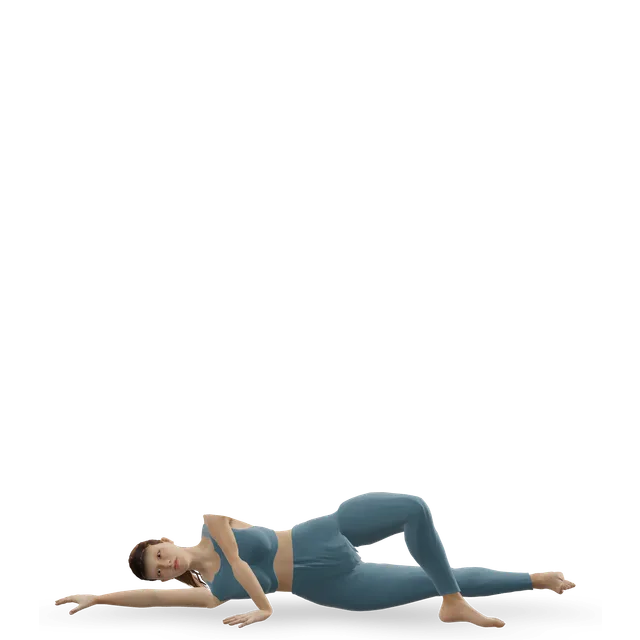
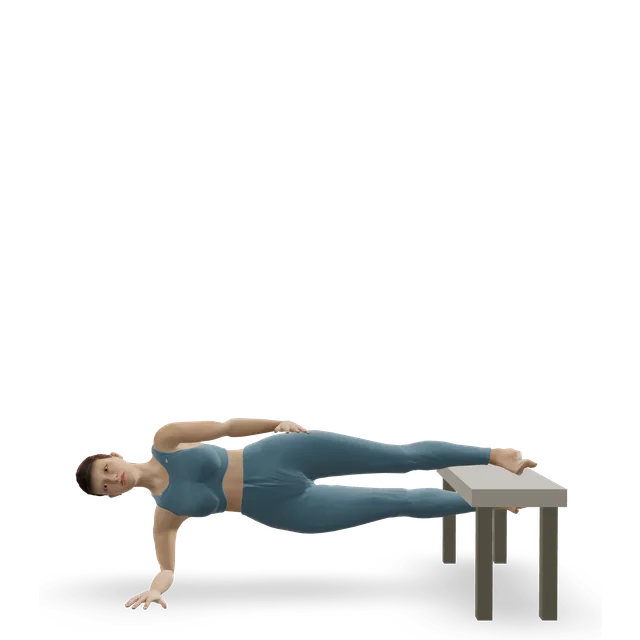
Keep pain at 3 out of 10 or less, as our groin strain guide's first stage says. Slow breathing: 2 minutes (our classes). Heel slide, from the move's page: "10 slow repetitions each side, once or twice a day. An editorial starting point: there are no trials of this movement on its own." Cushion squeeze: 5 to 10 holds of 5 to 10 seconds; glute bridge: 2 sets of 10; knee side plank: 3 holds of 15 to 20 seconds each side (the guide). Once the plain squeeze is easy, squeeze a cushion between your knees at the top of the bridge (our inner thigh workout's cue). Side-lying inner thigh lift, from the move's page: "10 to 12 each side. A suggested starting point. No trial has tested this move on its own." Its page adds: "With a groin strain, start with a small lift."

Second stage: standing, side to side

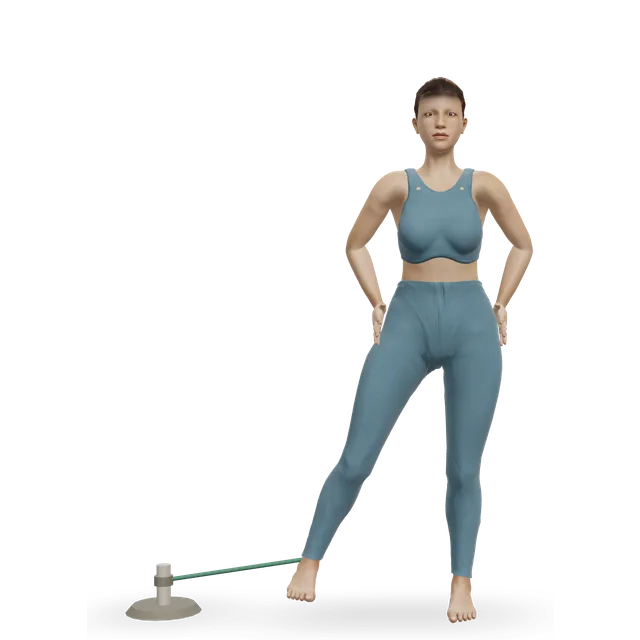
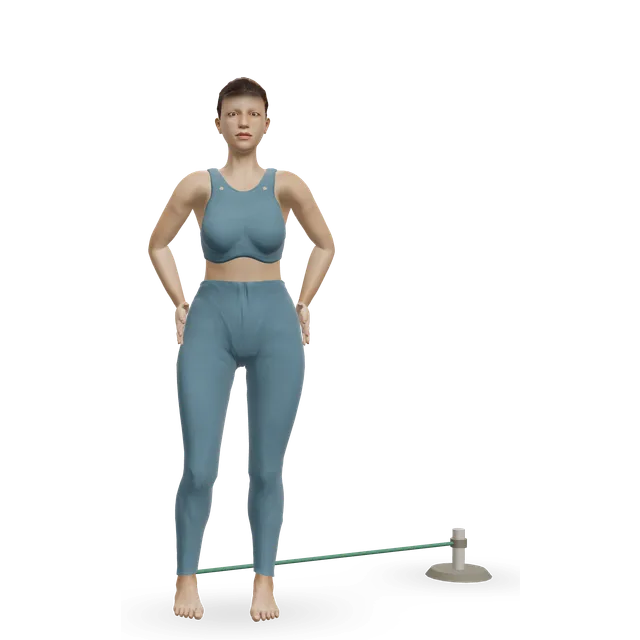
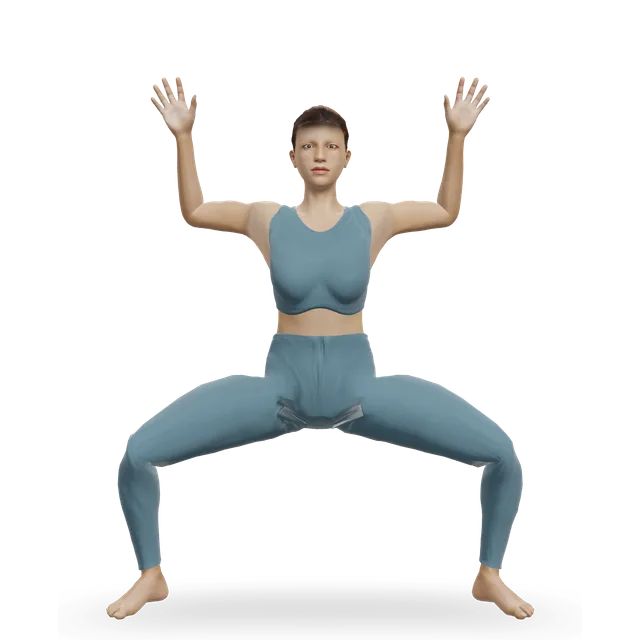
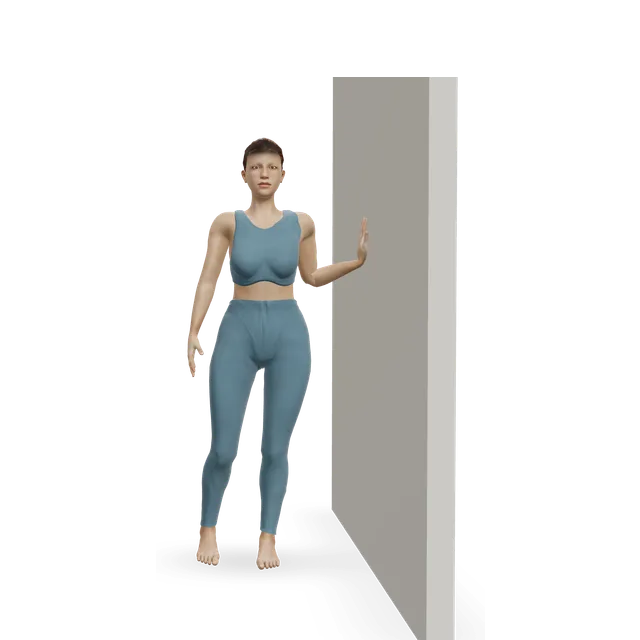
Once the squeeze is pain-free at a firm effort, 3 times a week (our groin strain guide's second stage). Band hip adduction and abduction: 3 sets of 10 to 12 each side; split squat: 3 sets of 8 each side (the guide). Side-stepping, from the move's page: "10 steps each way, next to a counter (the NHS balance exercises). In a falls programme, balance work is done 3 or more times a week and made harder over at least 12 weeks (World Falls Guidelines)." Mountain pose: 5 slow breaths (our yoga for hip pain class). Chair pose: 2 holds of 3 to 5 breaths; tree pose: 2 holds of 20 to 30 seconds each side, the lifted foot at your ankle (our yoga for plantar fasciitis class). Warrior II: 3 breaths each side, short stance; goddess: 2 holds of 3 breaths, bending only a little (our yoga for knee pain class), as goddess's page says: "Keep it shallow with groin strain or knee pain." Single-leg stand: 2 holds of 30 seconds each leg (our yoga for footballers class). The 90/90 lift-off, from the move's page: "3 holds of 5 to 8 seconds each way, each side (our editorial starting point)." Its page: "Sharp groin pain is not, so back off if it appears."

Third stage: the Copenhagen progression

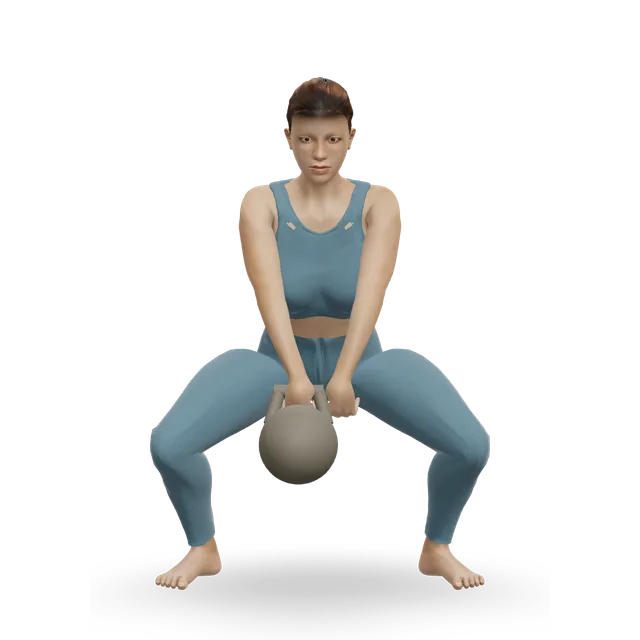
Strength for sport, alongside the running and kicking steps in our groin strain guide: Copenhagen work 3 times a week, then once a week to keep the benefit, the short lever (knee on the bench) first, in small sets (the guide). Its page: "Avoid during acute groin pain. Soreness was mild in the trials that built up gradually, so start with 3 to 5 slow reps a side and build up over the weeks." Our hamstring and groin injury prevention workout has its three levels. Side plank: 2 holds of 20 to 30 seconds each side (our yoga for footballers class). Cossack squat: 2 sets of 5 each side, only as deep as is comfortable (the guide's second stage), once it no longer hurts: its page says to "leave it out while a groin strain is painful".

Gentle range, once squeezing your knees together is pain-free

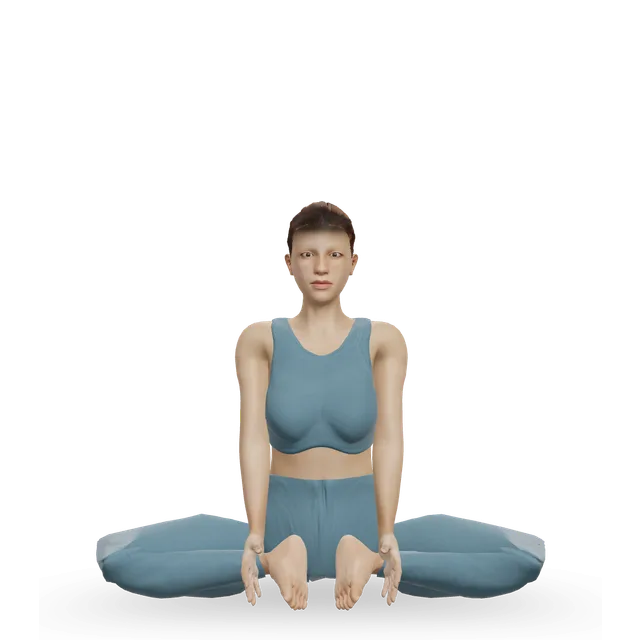
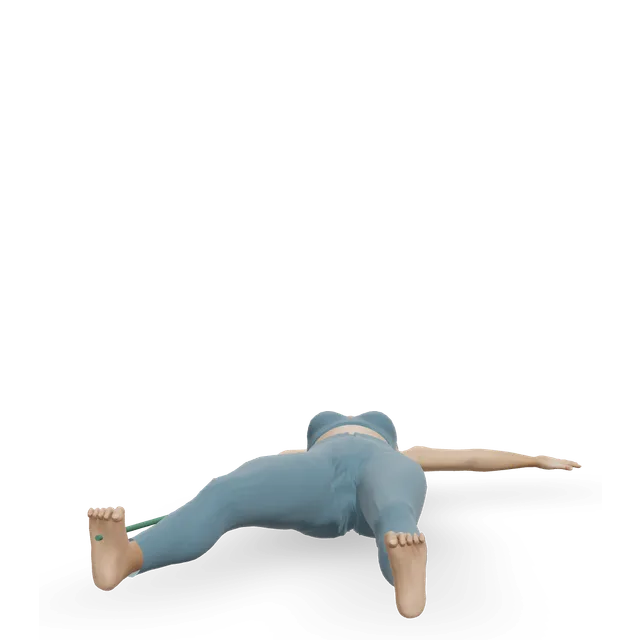
Reclining bound angle: 2 minutes, a block or cushion high under each thigh (our yoga for hip pain class); its page: "Unsupported, it can strain the groin or the inner knee, so do not let the knees hover unaided." Bound angle: 60 seconds, sitting on a cushion (our yoga for footballers class); its page: "Do not push the knees down with your hands. Let gravity and time do the work." Low lunge: 45 seconds each side, back knee padded (our yoga for footballers class). Last, the lying inner thigh stretch, from the move's page: "Hold 20 to 30 seconds, 2 to 4 times each side (our editorial starting point). The ACSM suggests about 60 seconds of stretching in all per exercise, on at least 2 days a week." Its page says to skip it after a recent groin strain, so it comes back last, to a mild pull.

Poses to change while it heals

From the move pages' cautions; where it says our suggestion, no study has tested it.

Wide-legged poses

Wide-legged folds, frog, deep squats such as garland, happy baby, lizard, side splits, and triangle, warrior II, extended side angle and half moon with a long stance: leave them until squeezing your knees together and side-to-side work are pain-free (our suggestion), then widen slowly. The wide-angle seated fold's page: "Widen over months, not in one session."

Straight-leg stretches to the side

Gate pose's page: "Ease off if there is an acute groin or hamstring strain on the straight-leg side." Standing hand-to-big-toe's page: "Back off with hamstring or groin strain".

Rolling the inner thigh

The adductor rolling page: "Keep off bruises, varicose veins and a recent groin strain."

Pressing the knees down

Don't push your knees down in bound angle, and say no to anyone pressing them down or widening your legs for you. You can say no to any hands-on adjustment, and a teacher registered with Yoga Alliance must get your explicit consent each time.

Hot yoga

Not in the first days (our suggestion: the NHS advises avoiding heat, such as hot baths and heat packs, for the first couple of days).

Source 14

After a hip replacement

Goddess pose's page: "Ask your clinician before wide turned out positions if you have had a hip replacement."

Getting back to sport, and staying there

What decides itEmerging evidence

Experts agreed "that strength, performance tests and sport-specific skills can be used to support RTP decision" (RTP is return to play), while flexibility didn't reach agreement. Meeting pain-free criteria before going back went with fewer re-injuries.

Sources 28, 13

The Copenhagen programmeMixed evidence

In 652 semi-professional male footballers, one adductor exercise in 3 levels, 3 times a week before the season and then weekly, lowered the share of players reporting groin problems in an average week of the season from 21.3% to 13.5%, and the risk of reporting them by 41%. In a later trial in amateur footballers, mostly women in the adductor group and with low compliance before the season, the programme didn't reduce groin injuries. Earlier prevention programmes weren't significant. Worth doing, built up slowly, but not a guarantee.

Sources 16, 17, 29, 30

It builds strength fastEmerging evidence

In 24 young footballers, the Copenhagen adduction exercise raised eccentric adductor strength by 35.7% in 8 weeks, with little soreness.

Source 31

Stretching before sportEmerging evidence

Players who strained weren't less flexible, the prevention trial that worked was a strength programme, and across 25 trials stretching didn't prevent sports injuries.

Sources 19, 16, 32

Classes

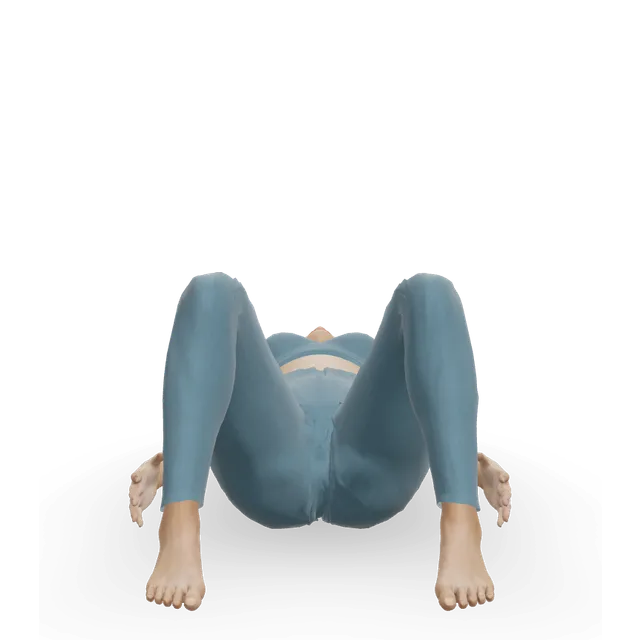
Our 25-minute class follows the first two stages of our groin strain guide: squeezes, bridges and side planks, then short-stance standing poses and side steps, with no wide-legged stretching. Its structure is our editorial choice. Do it 3 times a week, from the first week if squeezing stays within 3 out of 10. Chair yoga suits the first days, and the yoga for hip pain class fits the second stage if you skip the bound angle while it pulls. The strength workouts carry the Copenhagen work. The yoga for footballers class, the ice hockey warm-up and Pilates for footballers come after you're back.

Yoga after a groin strain: a 25-minute class with squeezes, side planks and short stances, and no wide-legged stretching

A 25-minute yoga class after a groin strain: squeezes, bridges and side planks, then short-stance standing poses and side steps, with no wide-legged stretches.

25 minBeginner15 movesOther / check instructions, A wall

Seated chair yoga: 15 minutes, no standing

A 15-minute chair yoga routine done entirely sitting: slow breathing, neck, shoulder and wrist stretches, seated twists and side bends, and a calm finish.

15 minBeginner16 movesA bench or box

Yoga for hip pain: a 25-minute routine that strengthens without squeezing

Twenty-five minutes of hip-friendly yoga: lying and standing hip strength, a mild hip flexor stretch and a supported rest, with no crossed legs or deep bends.

25 minBeginner13 movesA band, A wall

Hamstring and groin injury prevention

The Nordic hamstring and Copenhagen adduction programmes from the football trials: a 10-week build, three adductor levels, then once a week in season.

15 minIntermediate6 movesA wall, An anchor point

Inner thigh workout: sumo squats, Cossack squats, squeezes and Copenhagen planks

A 25-minute inner thigh workout at home: sumo squats with a dumbbell or kettlebell, Cossack squats, ball squeezes and Copenhagen planks, with bridges and hip mobility.

25 minIntermediate10 movesA dumbbell, A kettlebell

Adductor workout (gym): the inner thigh machine, sumo squats, cable adduction and Copenhagen planks

A 35-minute gym adductor workout: dumbbell sumo squats, the hip adduction machine, cable adduction and Copenhagen planks, with sets, reps and groin advice.

35 minBeginner10 movesCardio machine, A wall

Yoga for footballers: a 25-minute recovery-day class for hips, groin, hamstrings and balance

Twenty-five minutes of yoga for footballers: hip and groin range you control, hamstring holds, single-leg balance and side planks, then gentle stretches and rest.

25 minBeginner17 movesA wall

Ice hockey warm-up: hips and groins off the ice

A 15-minute ice hockey warm-up: a jog or bike, skips and shuffles, leg swings, Cossack squats, band walks, bridges, ball squeezes, side planks and bounds.

15 minBeginner14 movesCardio machine, A wall

Recovery-day Pilates for footballers: a 25-minute class for trunk, groin, hips and hamstrings

A 25-minute Pilates class for footballers: trunk control, the groin and outer hips, hamstrings with the hip extended, and balance, for recovery days.

25 minBeginner17 movesOther / check instructions, A wall

Warning signs: when to get help

These are the warning signs from our hip, groin and hernia guides, word for word, apart from the lines marked as our suggestion. This is general information, not a diagnosis. A&E means accident and emergency; in the US, call 911 for 999.

A lump in the groin

Call 999 or go to A&E now if you have a femoral hernia (a small lump at the top of your thigh, in your groin) and very bad tummy pain, you feel sick or you're being sick, you cannot fart or poo, you have a high temperature or you feel hot, cold or shivery, or you've suddenly become confused. Do not drive to A&E. With any other hernia and pain in or around it, a bloated tummy, feeling or being sick, vomiting blood or vomit that looks like coffee grounds, constipation, a high temperature or feeling hot, cold or shivery, or sudden confusion, get help from NHS 111.

A lump in the groin, upper thigh or tummy, especially one that appears when you cough or strain and goes when you lie down: see a GP, as it may be a true hernia. A femoral hernia (a small lump at the top of the thigh, mainly in women over 50, though it can happen to anyone) needs treating in hospital.

Sources 33, 34

A pop high on the inner thigh

A pop high on the inner thigh, then a large bruise, a dent or a gap you can feel, and weakness squeezing the legs together, can be a complete tear of the adductor longus tendon: get it checked within days, as our inner thigh pain guide says.

Source 26

A child or teenager

Call 999 or go to A&E if your child gets sudden pain in their hip, knee or thigh (hip problems can sometimes be felt in the thigh or knee) or cannot put any weight on their leg. If your child is limping, ask for an urgent GP appointment or get help from NHS 111 the same day. This applies to teenagers too, and in some children knee pain is the only sign.

Sources 35, 36

After a fall

Call 999 or go to A&E: severe hip pain after a fall or injury, or you cannot stand, walk or put weight on the leg. In an older adult this can be a broken hip; the leg may be at an odd angle or look shorter. Don't drive yourself.

Back, bladder or bowel symptoms

Call 999 or go to A&E if you have sciatica on both sides, weakness or numbness in both legs that's severe or getting worse, or numbness around or under your genitals, or around your bottom (anus); if you find it hard to start peeing, cannot pee or cannot control when you pee; or if you do not notice when you need to poo or cannot control when you poo, and this is not normal for you. These could be symptoms of a serious back problem that needs to be treated in hospital as soon as possible.

A hot, swollen hip or a fever

Ask for an urgent GP appointment or get help from NHS 111 if you have severe hip pain that started suddenly but you've not had a fall or injured your hip, your hip is swollen and feels hot, the skin around your hip has changed colour, or you have hip pain, feel generally unwell and have a high temperature (or feel hot, cold or shivery). A hot, swollen hip with a high temperature can be a joint infection.

Sources 37, 38

Groin pain in a runner

Same day, and stop running now: groin or front-of-hip pain in a runner, sometimes felt in the thigh or knee, that builds with running, hurts with every step or at night, or hurts when the hip is turned to the end of its range. Keep weight off the leg, using crutches if you have them, and get an urgent GP appointment or help from NHS 111 the same day: a stress fracture of the hip (femoral neck) needs urgent imaging.

Pain that spreads from your side or back

Same day (urgent GP appointment or NHS 111): severe pain that usually starts in the side of your tummy or your lower back, may spread to the area at the top of your inner thigh (groin), your testicles or the area around the opening of your vagina, and may come and go, or this pain with a high temperature or feeling hot, cold or shivery. It can be a kidney stone.

See a GP or physiotherapist

The last line is from our back of thigh pain guide, and fits a second groin strain too (our suggestion).

  • A lump in the groin, or groin pain with coughing or straining (a possible hernia).
  • Hip pain that stops normal activities or disturbs sleep, keeps getting worse or keeps coming back, or has not improved after 2 weeks of looking after it at home.
  • A second strain in the same place: ask a physiotherapist to review your rehab.

Source 37

The pain rule

In the first stage, our groin strain guide's goal: "Keep pain at 3 out of 10 or less."

In the strengthening stages, its rule: "During the exercise, pain up to about 5 out of 10 is acceptable. It should settle within an hour or so, and your hip should be no worse that night or the next morning. If it is, do less next time (fewer repetitions, a smaller range, a lighter load), not nothing."

Groin stretches stay at a mild pull until squeezing your knees together is pain-free (our suggestion).

Very flexible joints

If you're hypermobile, don't use mobility work to push further: the NHS says "do not overextend your joints just because you can". See a GP if you think you have joint hypermobility syndrome: for example, your joints keep dislocating, or you keep getting sprains, strains, pain or stiffness.

Source 39

Chest pain or fainting: call 999

Call 999 if:

  • You get sudden pain or discomfort in your chest that doesn't go away; it can feel like squeezing or pressure, burning or indigestion.
  • The pain spreads to your left or right arm, or your neck, jaw, stomach or back.
  • You have chest pain and feel sweaty, sick, light-headed or short of breath.
  • Someone faints while exercising, can't be woken within 1 minute, or has chest pain or a pounding, fluttering or irregular heartbeat.

Sources 40, 41

Unusual breathlessness

Call 999 or go to A&E (accident and emergency) straight away for severe difficulty breathing (gasping, choking or not able to get words out), a chest that feels tight or heavy, pain that spreads to your arms, back, neck and jaw, lips or skin turning very pale, blue or grey, or sudden confusion. If you're more short of breath than usual, or your heart is racing, fluttering or skipping beats, contact NHS 111.

Source 42

During yoga

A joint pain that is sharp, gets worse during a session, lingers into the next day or changes how you move is a reason to use an easier version, and to see a GP or physiotherapist if it keeps happening (the rule in our plans). Muscle soreness for a day or two after something new is normal. In a hot class, stop if you feel dizzy, sick or unwell; our hot yoga guide lists the signs of heat illness.

Before you start

The NHS advises getting advice from a healthcare professional first if you have a health problem, an injury or symptoms, or have recently had a heart attack or an operation.


Myths

"Stretch a groin strain to heal it"Emerging evidence

No trial has tested stretching for groin pain or injury. The treatment built on stretching did worst in the Lancet trial (4 of 34 back without pain, against 23 of 34 with active training), and flexibility comes back early by itself.

Sources 2, 10, 15

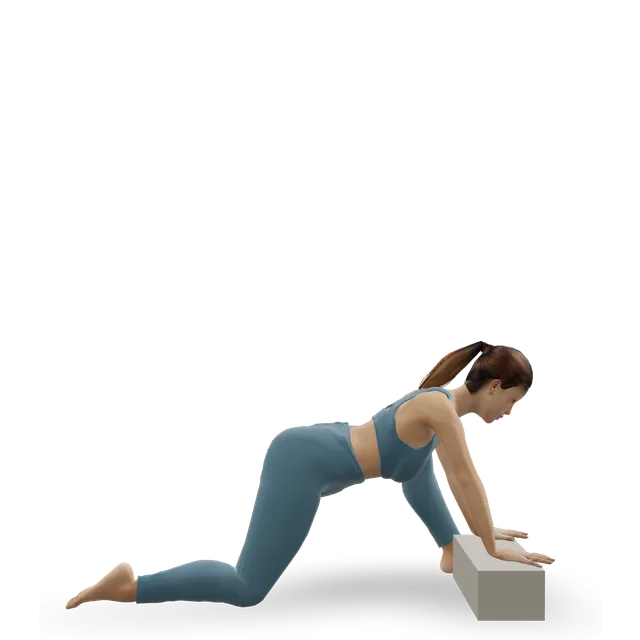
"Rest a groin strain until it stops hurting"Emerging evidence

Active exercise from the start got most of 81 athletes back in a median of 18 days, and active training beat passive care in long-standing pain. The NHS says keep moving once pain allows.

Sources 13, 10, 12, 14

"Stretching before sport prevents groin strains"Emerging evidence

Players who strained weren't less flexible, the prevention trial that worked was a strength programme, and stretching didn't prevent sports injuries across 25 trials.

Sources 19, 16, 32

"The more flexible your hips, the better"Emerging evidence

Weak adductors, not tight ones, predict groin pain. With very flexible joints, the NHS says "do not overextend your joints just because you can", and a deep hip muscle tear has followed intense yoga.

Sources 18, 19, 39, 23

"The Copenhagen plank always prevents groin injuries"Mixed evidence

It cut groin problems by 41% in semi-professional men, but not in a mostly female amateur trial with low compliance, and earlier programmes weren't significant. Worth doing, built up slowly, not a guarantee.

Sources 16, 17, 29, 30

"Groin pain is always a pulled muscle"Strong evidence

Hernias, the hip joint, the pubic bone and kidney stones cause it too, and a child or teenager with hip, thigh or knee pain and a limp needs checking the same day.

Sources 8, 35, 34

"Yoga is a proven treatment for a groin strain"Strong evidence

No trial has tested it. Its squeezes, bridges, side planks and one-leg poses overlap with the active programmes; its wide-legged stretches don't.

Source 1

Questions people ask

Is yoga good for a groin strain?

It can be, if it strengthens more than it stretches. No trial has tested yoga for a groin strain, but active strength and coordination training beat passive treatment built on stretching in a Lancet trial, with 23 of 34 athletes back in sport without pain against 4 of 34. Squeezes, bridges, side planks and short-stance standing poses fit that.

What yoga poses help a groin strain?

A cushion squeeze lying down, bridges with a squeeze, a knee side plank, the side-lying inner thigh lift, and standing poses with a short stance, such as chair, a short warrior II and tree with the foot low. They work the inner thigh without stretching it hard, and our 25-minute class puts them in order.

Which yoga poses should I avoid with a groin strain?

Wide-legged folds, frog, deep goddess and squats, side splits, long-stance triangle and warrior II, and pressing your knees down in bound angle, until squeezing your knees together is pain-free. Their own move pages warn that groin strains happen when the legs are forced wider than they're ready for.

Should I stretch a pulled groin?

Gently, later. No trial has tested stretching for groin pain, and flexibility came back early by itself in athletes on a strengthening programme. Strength first; bring stretches back once the squeeze is pain-free, and stop at a mild pull.

How long does a groin strain take to heal?

Most mild and moderate strains took about 2 to 3 weeks to get back to full training in athletes on a structured programme; complete tears took about 2 to 3 months. The NHS says most strains feel better after 2 weeks, but to avoid strenuous exercise such as running for up to 8 weeks.

When can I start yoga after a groin strain?

Breathing and chair yoga straight away, and gentle squeezes and bridges within a few days, keeping pain at 3 out of 10 or less, as our groin strain guide says. The NHS suggests rest, ice, compression and raising it for the first 2 to 3 days, then moving it once pain allows.

Can yoga cause a groin strain?

It can, if the legs are pushed wider than they're ready for or a teacher presses your knees down. A case report even describes a deep hip muscle tear after intense yoga. Widen over months, not in one class.

Is it a groin strain or a hernia?

A strain hurts when you squeeze your knees together or kick; a hernia usually shows as a lump that gets bigger when you cough or strain and smaller when you lie down. See a GP about any lump. A femoral hernia with very bad tummy pain or being sick needs 999, and any other painful hernia NHS 111.

Can I do the Copenhagen plank in yoga?

It's a strength exercise, not a yoga pose, and it has the strongest prevention evidence: groin problems fell by 41% in semi-professional footballers. Start with the short version, knee on a bench, once the acute pain has settled, and build up over weeks; our strength workouts include it.

Will yoga stop my groin strain coming back?

Not on its own. A previous groin injury is the biggest risk factor, and stronger adductors protect more than flexible ones. Keep adductor strength work in your week, and go back to sport only when strength and sport tests are pain-free.

Why do I have groin pain after yoga?

It can be an inner thigh strain from a wide-legged pose or a deep squat, or a pinch in the hip joint from deep folds and lunges. Ease off those poses and use the squeezes and short stances. A lump, a fever or pain that keeps getting worse needs checking.

When should I see a doctor about groin pain?

The same day for a pop with a dent or gap on the inner thigh, a hot, swollen hip with a fever, or a child or teenager with hip, thigh or knee pain and a limp. See a GP about any lump, or pain that hasn't improved after 2 weeks of looking after it.

Sources

  1. PubMed and Europe PMC · Our searches for yoga trials in a groin strain, adductor injury or groin pain (none) (31 October 2026)
  2. Afonso 2021 · Stretching for recovery from groin pain or injury in athletes (systematic review, J Funct Morphol Kinesiol)
  3. Werner 2019 · Hip and groin injuries in professional football over 15 seasons (cohort study, Br J Sports Med)
  4. Wörner 2022 · Hip and groin problems in 163 Swedish ice hockey players over a season (cohort study, J Athl Train)
  5. McHugh 2023 · Adductor strains in athletes (clinical review, Int J Sports Phys Ther; read in full)
  6. Whittaker 2015 · Risk factors for groin injury in sport: 29 studies (systematic review, Br J Sports Med)
  7. Esteve 2022 · Past groin pain and squeeze strength as risk factors in 245 amateur footballers (prospective study, Br J Sports Med)
  8. Weir 2015 · Doha agreement on terminology and definitions in groin pain in athletes (consensus, Br J Sports Med; read in full)
  9. Serner 2015 · Diagnosis of acute groin injuries in 110 athletes (prospective study, Am J Sports Med)
  10. Hölmich 1999 · Active training for long-standing adductor-related groin pain in 68 athletes (randomised trial, Lancet)
  11. Hölmich 2011 · The same trial 8 to 12 years later (follow-up of a randomised trial, Am J Sports Med)
  12. Almeida 2013 · Conservative treatments for exercise-related groin pain: 2 trials, 122 people (Cochrane review)
  13. Serner 2020 · Return to sport after criteria-based rehab of acute adductor injuries in 81 male athletes (cohort study, Orthop J Sports Med; read in full)
  14. NHS · Sprains and strains
  15. Serner 2021 · Strength, flexibility and tenderness during rehab of acute adductor injuries (cohort study, J Orthop Sports Phys Ther)
  16. Harøy 2019 · The Adductor Strengthening Programme in 652 semi-professional male footballers (cluster randomised trial, Br J Sports Med)
  17. Lindblom 2023 · An adductor strength programme against an extended Knee Control programme in 502 amateur footballers, mostly women in the adductor group (cluster randomised trial, Br J Sports Med; read in full)
  18. Quintana-Cepedal 2025 · Hip adductor strength and later groin pain in athletes: 13 cohorts (systematic review and meta-analysis, Br J Sports Med)
  19. Tyler 2001 · Hip strength, flexibility and adductor strains in professional ice hockey players (prospective study, Am J Sports Med)
  20. Werner 2009 · Hip and groin injuries in professional football over 7 seasons (cohort study, Br J Sports Med)
  21. Ekstrand 2020 · Time out for the commonest injuries in professional football over 16 years (cohort study, Br J Sports Med; read in full)
  22. Farrell 2023 · Acute adductor injuries: imaging, treatment and prevention, 30 studies (systematic review, Am J Sports Med)
  23. Tzaveas 2016 · A deep hip muscle tear after intense yoga, felt as groin pain (case report, Clin J Sport Med)
  24. Okubo 2024 · Muscle activity in yoga-style stabilisation exercises in 14 men (lab study, J Bodyw Mov Ther)
  25. Siqueira 2025 · Conservative treatments for exercise-related groin pain (Cochrane protocol for an update; read in full)
  26. Serner 2021 · Examination findings and injury extent on MRI in acute adductor injuries (cross-sectional study, J Sci Med Sport)
  27. Serner 2021 · Exercise-based treatment for complete adductor longus tendon tears in 16 athletes (case series, Am J Sports Med)
  28. Vergani 2022 · Return to play in long-standing adductor-related groin pain: 32 experts (Delphi study, Sports Med Open)
  29. Hölmich 2010 · A groin injury prevention programme in 55 Danish football clubs (cluster randomised trial, Scand J Med Sci Sports)
  30. Esteve 2015 · Preventing groin injuries in sport: 7 trials (systematic review and meta-analysis, Br J Sports Med)
  31. Ishøi 2016 · Eccentric strength gains with the Copenhagen adduction exercise in 24 young footballers (randomised trial, Scand J Med Sci Sports)
  32. Lauersen 2014 · Exercise programmes to prevent sports injuries: 25 trials, 26,610 people (meta-analysis, Br J Sports Med)
  33. NHS · Femoral hernia
  34. NHS · Hernia
  35. NHS · Limping in children
  36. NHS · Hip pain in children (irritable hip)
  37. NHS · Hip pain in adults
  38. NHS · Septic arthritis
  39. NHS · Joint hypermobility syndrome (past its review date: reviewed August 2023, review due August 2026)
  40. NHS · Chest pain (past its review date: reviewed August 2023, review due August 2026)
  41. NHS · Fainting
  42. NHS · Shortness of breath

Exercise education, not a personal prescription, and clinical review of these guides is pending. If you are pregnant, have a health condition such as glaucoma, high blood pressure or osteoporosis, or have had recent surgery, check with a doctor, midwife or physiotherapist before starting, and stop for sharp or increasing pain. Health disclaimer.