Yoga guide

Yoga for hip pain and tight hips: what the evidence shows, and which poses to change

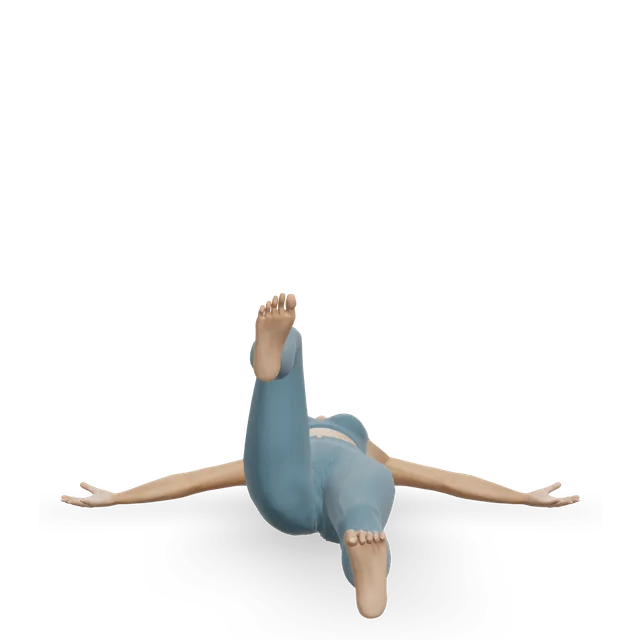
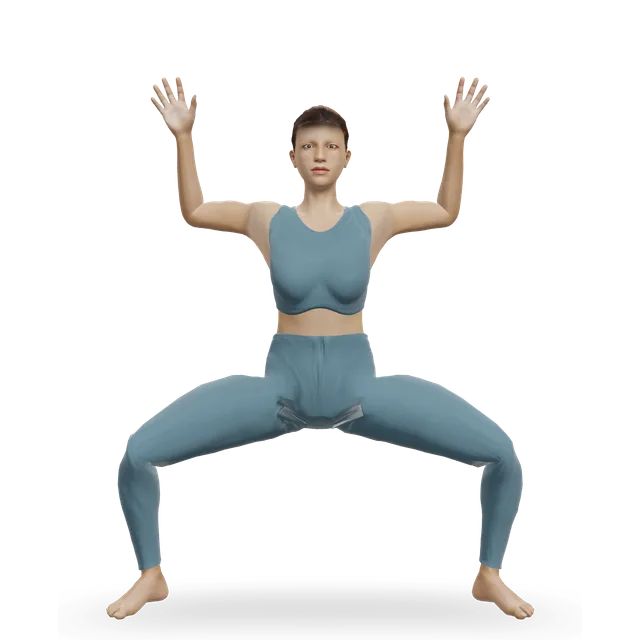
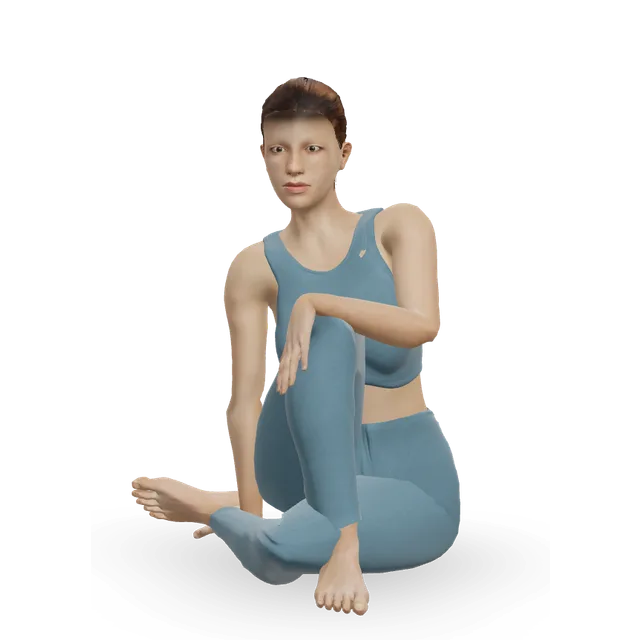
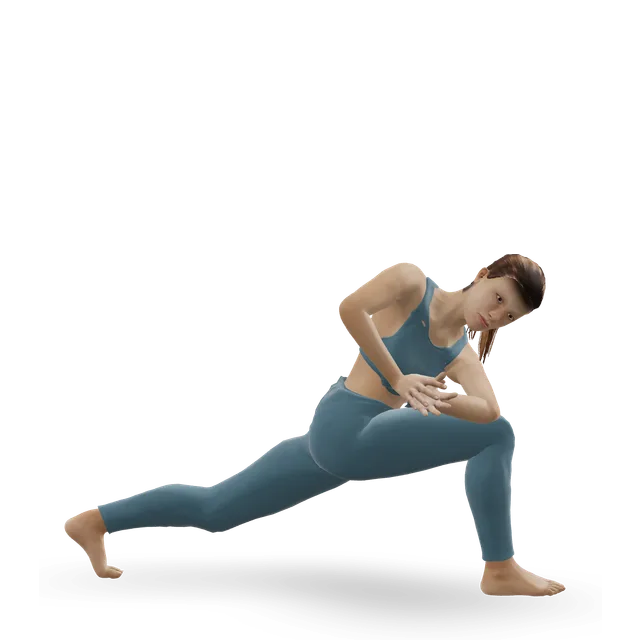
We found no trial of yoga for hip pain. Exercise is a core treatment for hip arthritis and for pain on the side of the hip, though, and yoga can be your exercise if you choose poses that build strength. Some popular "hip openers" and crossed-leg stretches can make pain on the side of the hip worse.

This guide covers hip arthritis, pain on the side of the hip (often called bursitis), tight hip flexors, impingement and yoga after a hip replacement: what the evidence says, poses to start with, the ones to change or skip and why, a 25-minute routine and the warning signs. If you can't put weight on your leg, or your hip is hot and swollen with a fever, start with the warning signs.

The short version

No yoga trial in hip arthritis yet

We found no randomised trial of yoga in hip arthritis on its own. The American College of Rheumatology makes no recommendation on yoga for hip osteoarthritis "due to lack of data", and the Cochrane review of yoga for hip or knee osteoarthritis has only reached the protocol stage.

Sources 1, 2, 3

Exercise helps a little, and yoga can be your exercise

Against no exercise, exercise eases hip arthritis pain slightly, by about 7 points out of 100 in a 2026 Cochrane review, and guidelines make it a core treatment without naming a best type. Yoga built around strength poses is one way to do it.

Sources 4, 5, 6

Pain on the side of the hip: don't squeeze the tendons

This pain usually comes from the buttock tendons where they attach at the side of the hip. In a trial of 204 people, advice to avoid positions that squeeze those tendons, plus exercise, did better than a steroid injection. In yoga, our reading is to change pigeon, figure four, crossed-leg poses and lying on the sore side.

Sources 7, 8

Impingement: work up to the pinch, not into it

Deep bends with the knee turned in, as in a twisted lunge, pinch the front of the hip joint, a hip physiotherapist advises. Many yoga practitioners with impingement stop for a while, and most get back to it after surgery.

Sources 9, 10

After a hip replacement, your team's precautions come first

Precautions differ between operations and surgeons. A few case reports describe dislocations during yoga, and in one small series 14 yoga teachers got back to their practice after a replacement.

Sources 11, 12, 13, 14, 15

Some hip pain needs a doctor first

Severe pain after a fall, not being able to put weight on your leg, or a hot, swollen hip with a fever needs urgent help, and so does a child with a limp. The full list is in the warning signs below.

Sources 16, 17

Hip pain, and how yoga loads the hip

Where it hurts points to the cause

Pain in the groin or the front of the hip, with stiffness after rest, from mid-life, usually comes from the hip joint, often arthritis. Pain over the bony point on the outside of the hip, worse lying on that side, on stairs or after sitting with crossed legs, usually comes from the gluteal tendons and is often called bursitis. Pain at the front of the hip when you lift your knee points to the hip flexors, and a deep pinch with deep bending in a younger, active person to impingement or a tear in the hip's cartilage rim (the labrum).

Our hip pain guide maps these out. The NHS says: "Do not try to diagnose the cause of the pain yourself."

Sources 16, 18

How yoga loads the hip

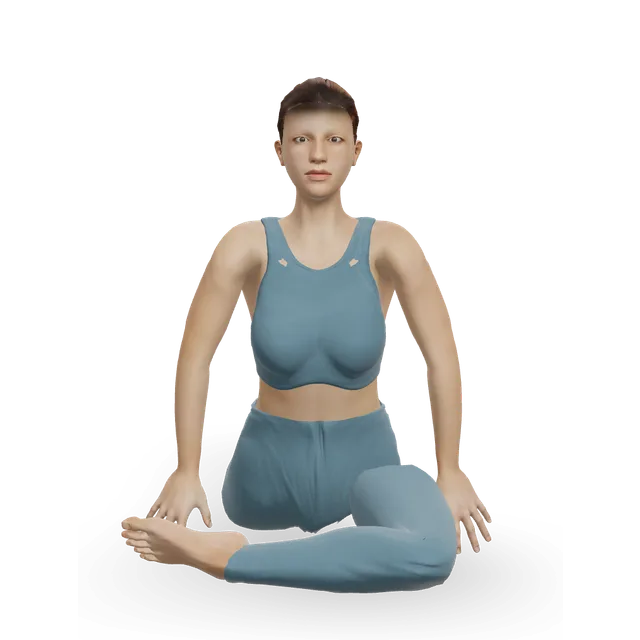
In 20 regular practitioners filmed in 11 poses, downward dog, a forward fold, a seated twist and pigeon bent the hip deeply; warrior I and II, crescent lunge, pigeon and triangle took the thigh behind the body; eagle and the seated twist brought it across the body; and half moon, eagle and triangle turned it inwards. Many poses took the hip to the end of its range.

Source 19

Hip openers and strength poses

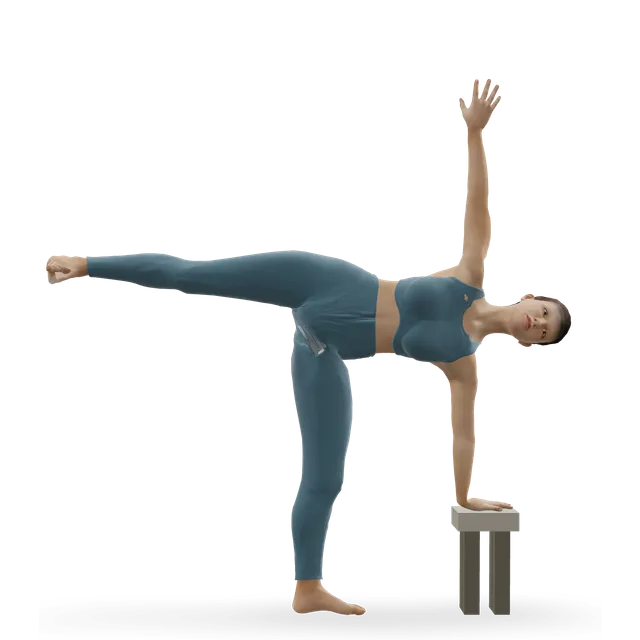
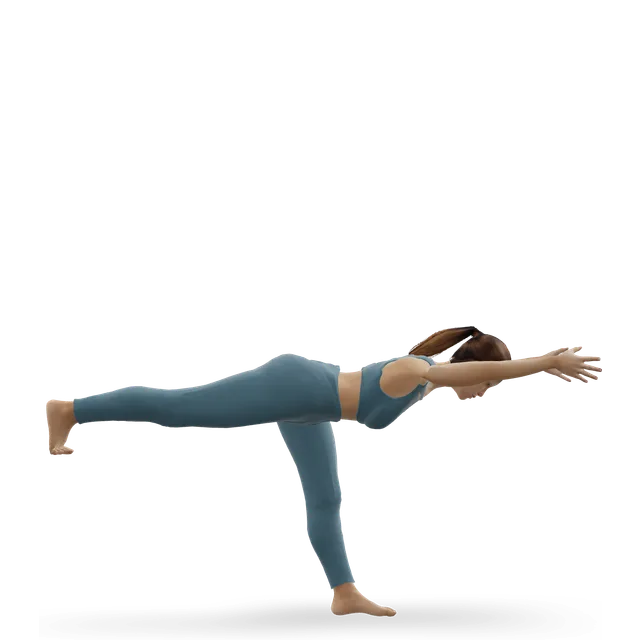
"Hip openers" are poses that stretch the hip towards the end of its range, such as pigeon, lizard, bound angle, goddess, happy baby and figure four. Strength poses load the hip muscles instead: in 31 healthy young adults, half moon and warrior III gave the highest buttock muscle activity of 5 poses tested. Strength training improves range of movement about as much as stretching.

Sources 20, 21

What the evidence says: hip arthritis

No yoga trial in hip arthritisMixed evidence

No randomised trial has tested yoga in hip arthritis on its own (a Europe PMC search, October 2026). The American College of Rheumatology conditionally recommends yoga for knee osteoarthritis, but makes no recommendation for the hip, for lack of data. A 2019 review of 9 yoga trials (640 people, mostly with arthritis in the legs) found less pain and stiffness and better function in knee arthritis, from very low-quality evidence.

Sources 3, 1, 2, 22

Guidelines put exercise firstStrong evidence

NICE (the National Institute for Health and Care Excellence) recommends therapeutic exercise for everyone with osteoarthritis, tailored to them, such as local muscle strengthening and general aerobic fitness, and says to explain that joint pain may increase when you start. The American College of Rheumatology strongly recommends exercise, and a 2025 US physical therapy guideline recommends exercise therapy for hip osteoarthritis.

Sources 5, 1, 6, 23

How big the benefit isMixed evidence

A 2026 Cochrane review of 18 studies (1,368 people) found that, compared with no exercise or usual care, exercise probably reduces pain slightly (about 7 points out of 100) and improves function slightly (about 9), changes its authors judged unlikely to matter much on average. Against a sham or attention control, it may make little or no difference to pain. Averages hide a wide spread, and NICE still makes exercise a core treatment.

Source 4

No type of exercise is clearly bestEmerging evidence

EULAR (the European Alliance of Associations for Rheumatology) says it is "difficult to recommend one type of exercise over another", and counts yoga among its options. A 2025 network meta-analysis of 92 trials (6,079 people with knee or hip arthritis) ranked aerobic exercise first and yoga third of five types for pain, but found no significant differences between them, at low to moderate certainty.

Sources 6, 24

Pain on the side of the hip (often called bursitis)

Usually the tendons, not just a bursaEmerging evidence

A review describes the gluteus medius and minimus tendons as the main source of pain over the side of the hip, and says "The combination of excessive compression and high tensile loads within tendons are thought to be most damaging", and letting the thigh drift across the body is a key factor. Lying on that side often disturbs sleep.

Sources 18, 8

The trial that workedEmerging evidence

In the LEAP trial of 204 people aged 35 to 70, 14 sessions of education plus exercise over 8 weeks did better than one steroid injection or waiting: 51 of 66 people felt better at 8 weeks, against 38 of 65 after an injection and 20 of 68 who waited. At a year, 51 of 65 still did, against 36 of 63 and 31 of 60. It wasn't a yoga trial.

Source 7

What the programme taughtEmerging evidence

People learned to avoid postures and movements that squeeze the tendons against the bone, and the programme left out the usual piriformis and IT band stretches because they hold "the hip in forced adduction, which is a position of high compressive loads on the gluteal tendons".

The first week's exercises were gentle presses of the leg outwards lying down and standing, bridges, squats and side-steps. No increase in pain over the side of the hip was accepted during the bridges, squats and side-steps; during heavier strengthening, pain up to 5 out of 10 was allowed if it eased afterwards and wasn't worse that night or the next morning.

Sources 8, 7

In yoga termsMixed evidence

No trial has tested yoga for this pain (a Europe PMC search found only an injury case series). Our reading of the LEAP trial's reasoning is to leave out poses that pull the thigh across the body or press on the sore side while it's painful: pigeon, figure four, cow face, eagle, a lying twist with the knee pulled across, and side-lying poses.

For tree pose, a hip physiotherapist suggests keeping the pelvis over the standing foot and the standing hip drawn in, not pushing the bent knee back, and holding a wall or resting the ball of the lifted foot on the floor. This is expert opinion, not a trial finding.

Sources 25, 8, 9

Tight hip flexors

Stretching increases how far the hip moves backEmerging evidence

In 33 patients with limited hip extension, active and passive hip flexor stretching worked equally well over 6 weeks. In 82 older adults, twice-daily stretching for 10 weeks increased hip extension, and stride length in those who started with stiff hips. In 20 adults, 3 weeks increased hip extension but didn't change how they ran.

Sources 26, 27, 28

Strength work helps range tooEmerging evidence

In 11 trials (452 people), strength training and stretching improved range of movement by similar amounts.

Source 21

Tightness and pain

Our hip flexor pain guide covers the evidence: long sitting with little activity goes with about 6 degrees less hip extension, but that hasn't been shown to cause pain, and a tight feeling is often stiffness or sensitivity rather than a short muscle. With a strained hip flexor, strengthen first and stretch later.

Hip impingement and labral tears

Many yoga practitioners stop, and most get back to itEmerging evidence

Of 42 yoga practitioners who had keyhole surgery for hip impingement, 71% had stopped yoga because of their hip before the operation; 93% were back at a mean of about 5 months, 45% at a higher level than before.

Source 10

Work short of the pinchMixed evidence

Deep bending with the knee turned in, as in a twisted lunge, is the position that pinches the front of the hip, a hip physiotherapist explains, and her advice is to rest a hand on a block and keep the trunk upright (expert opinion). Tears of the labrum were among yoga injuries seen on scans. Our hip impingement guide's rule applies: work up to the pinch, not into it.

Sources 9, 19, 29

Yoga after a hip replacement

Precautions differ between operationsStrong evidence

The NHS lists "do not sit with your legs crossed", "do not bend your hip more than 90 degrees (a right angle)", "do not bend down to touch your feet or ankles" and avoiding low chairs, jumping and sudden turns while you recover. The American Academy of Orthopaedic Surgeons (AAOS) notes "Not all surgeons recommend the same precautions", and that most people can do most of the "don'ts" after 6 to 8 weeks. The Royal National Orthopaedic Hospital uses precautions for people at higher risk of dislocation, usually for 6 to 12 weeks.

Sources 11, 12, 30

Yoga takes the hip to its limitsEmerging evidence

In the motion study of 11 poses, many took the hip to extremes of bending, stretching back, crossing or turning in, movements that hip replacement precautions often limit. Its authors wrote it to help surgeons advise people returning to yoga after hip surgery.

Source 19

Dislocations: a few case reportsMixed evidence

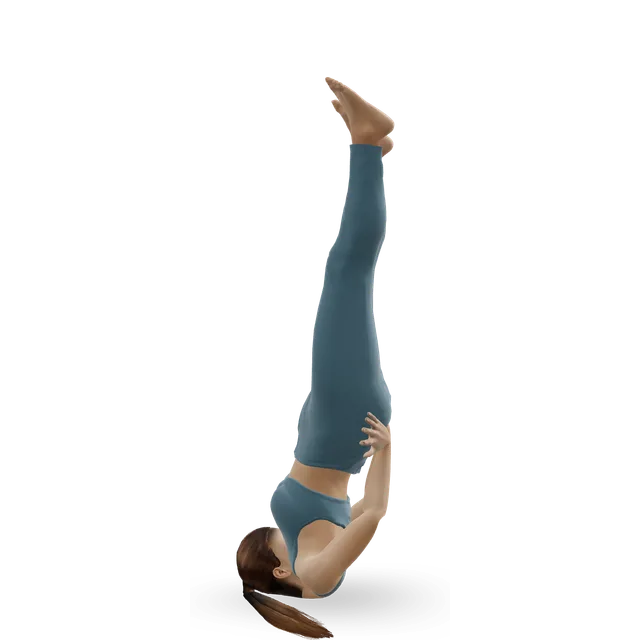
Three dislocations during yoga have been reported: a 43-year-old moving into a shoulder stand, 17 years after a replacement through the back of the hip; a 90-year-old in a standing forward fold; and a 40-year-old in warrior I, 16 months after a replacement through the front of the hip. These are rare cases, and they can't show how often it happens.

Sources 13, 14

Experienced teachers got back to yogaMixed evidence

In one small series, 14 yoga teachers (19 replacements through the front of the hip) all returned to practising and teaching, at a mean of 2 months, and could do 14 classic poses; 5 found seated twist, pigeon, half moon or warrior I harder and changed them. There were no complications at a mean of 5 years.

Source 15

Most people return to sportEmerging evidence

In an umbrella review, 82% of people returned to their sport after a hip replacement, at a mean of 6 months.

Source 31

Injuries at the hip

A larger share from age 45Emerging evidence

US emergency department data from 2004 to 2023 (an estimated 63,280 yoga injuries) put the trunk first, but from age 45 hip injuries made up a markedly larger share. Earlier data found the highest rate of yoga injuries at 65 and over.

Sources 32, 33

Pain caused by yogaEmerging evidence

In 354 practitioners followed for a year, 10.7% developed pain caused by yoga, and more than a third of those lost practice time or had pain for over 3 months. In an online survey of 2,620 practitioners, 45% had never been injured. Across 9 observational studies, most problems were mild and short-lived, and serious ones affected about 2%.

Sources 34, 35, 36

Extreme posesMixed evidence

In 89 people seen at a US clinic for injuries caused by yoga, the poses most often involved were ones that bent or arched the spine to its extremes, and one person had trochanteric bursitis (pain on the side of the hip). Scans of yoga injuries in 38 patients included tears of the hip's labrum.

Sources 37, 29

How often, and how it should feel

What the outer hip trial usedEmerging evidence

Fourteen physiotherapy sessions over 8 weeks, with 4 to 6 exercises at home every day, taking no more than 15 to 20 minutes. The lying press started at 3 to 5 holds of 5 to 10 seconds and the standing press at 3 to 5 holds of 5 to 15 seconds, twice a day, at a light effort.

Sources 7, 8

Enough of it mattersEmerging evidence

EULAR reports that programmes in line with recognised dose recommendations eased pain a little more, though the differences were small, and recommends tailoring and progressing the dose. NICE says long-term adherence to an exercise plan increases its benefits.

Sources 6, 5

Our editorial starting point

Our 25-minute routine 2 or 3 times a week, with the lying and standing presses on other days, plus walking for fitness, building up gradually. Change one thing at a time, and give it 8 to 12 weeks.

Sources 8, 5

Poses to start with: strength without squeezing

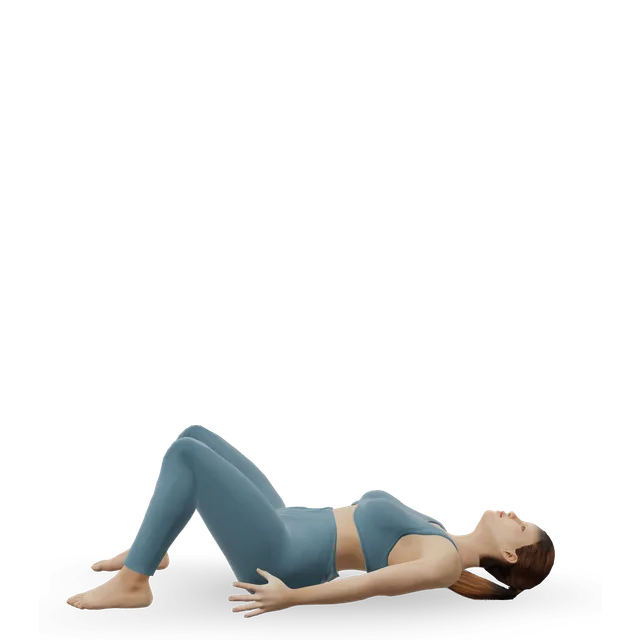
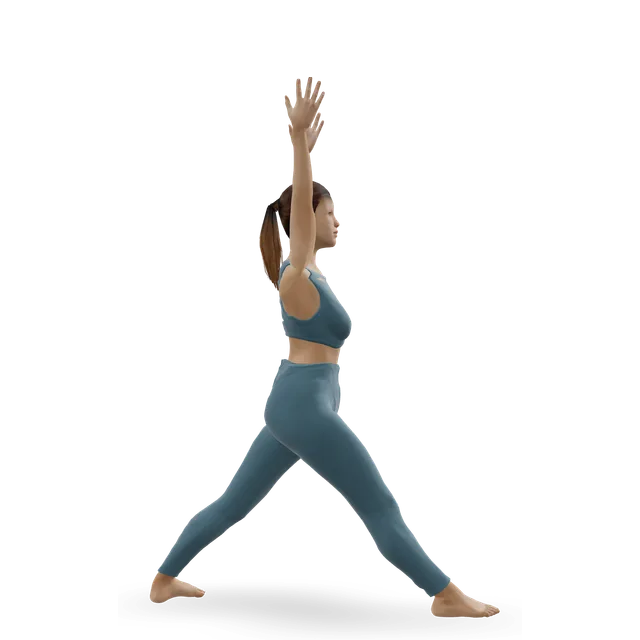
The lying and standing presses use the LEAP trial's starting doses (the moves' pages give them), and bridges, squats and side-steps follow its first week. Hold the standing poses for 3 to 5 breaths (our editorial starting point), keep the pelvis level, and keep chair pose above any pinch. Half moon and warrior III, at a wall or chair, are for later.

Gentle range and rest

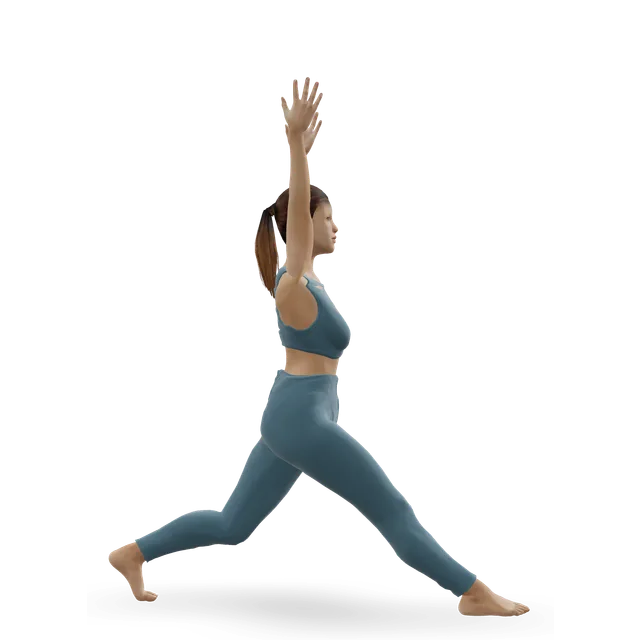
Only what feels good. Keep the hip flexor stretch mild, with the pelvis tucked (2 or 3 holds of 30 seconds, the dose in our hip flexor pain guide), support your thighs in the reclining pose, and keep the lying twist small with your knees together.

Poses to change or leave out

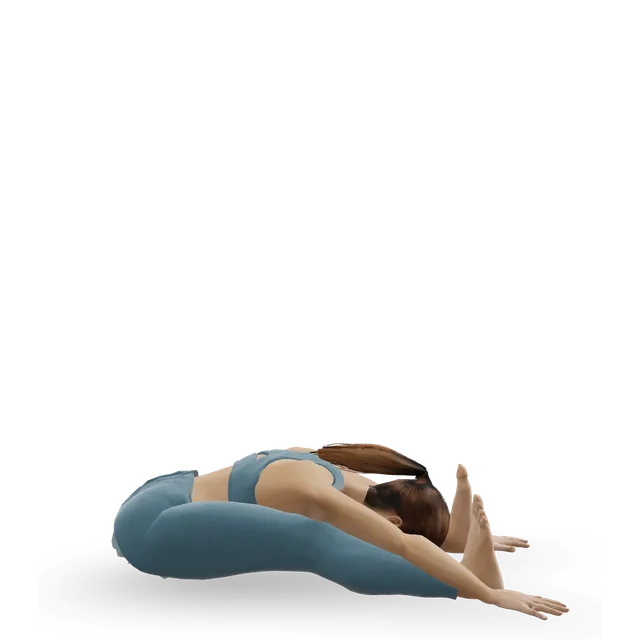
With pain on the side of the hip, leave out pigeon, figure four, the knee-across stretch and lying on that side (our reading of the LEAP trial's reasoning). With a pinch at the front of the hip, keep lizard, deep folds and twisted lunges short of it. After a hip replacement, ask your team about deep folds, crossing your legs, wide turned-out poses and taking the back leg far behind you.

Workouts to follow

Start with the 25-minute yoga for hip pain routine 2 or 3 times a week. The Pilates class also spares the hip, the tight hip flexors routine suits a stiff front of the hip, and the yoga for tight hips sequence is for stiff hips without pain.

Yoga for hip pain: a 25-minute routine that strengthens without squeezing

Twenty-five minutes of hip-friendly yoga: lying and standing hip strength, a mild hip flexor stretch and a supported rest, with no crossed legs or deep bends.

25 minBeginner13 movesA band, A wall

Pilates for hip pain: a 20-minute class that spares the hip

A 20-minute Pilates class for hip pain: bridges, outer-hip holds, standing leg work and balance, without deep bends, crossed legs or lying on the sore side.

20 minBeginner14 movesA band, A wall

Tight hip flexors routine: stretch, then strengthen

Hips that feel tight: a tucked hip flexor stretch, then band knee drives, leg raises, dead bugs, bridges and lunges. Strength through range loosens hips too.

15 minBeginner8 movesA band, An anchor point

Arthritis exercise routine: a joint-friendly circuit

A 30-minute joint-friendly circuit built like the GLA:D and ESCAPE-pain programmes: a gentle warm-up, chair, step and band strength moves, balance, then stretches.

30 minBeginner14 movesA bench or box, A step

Balance exercises routine

Balance practice in 10 minutes: tandem stance, single-leg stands, marches, heel walks, tree pose and floor transfers.

10 minBeginner7 movesA wall, A bench or box

Chair yoga for seniors

A free 20-minute chair yoga class for older adults: slow breathing, gentle seated stretches and twists, standing poses holding the chair, and a calm finish.

20 minBeginner18 movesA bench or box, Something with weight

Yoga for tight hips

A hip-opening yoga sequence: low lunge, lizard, goddess, pigeon, bound angle and happy baby.

20 minBeginner7 movesNo equipment

When to get help first

Get urgent medical help if

These are the same warning signs as our hip pain guides. In the US, call 911 for 999, and use your doctor's urgent line or urgent care for NHS 111.

  • Call 999 or go to A&E: severe hip pain after a fall or injury, or you cannot stand, walk or put weight on the leg. In an older adult this can be a broken hip; the leg may look shorter or turned outward. Don't drive yourself.
  • Tingling or loss of feeling in the hip or leg after an injury.
  • Buttock or leg pain with numbness around the genitals or bottom, new trouble controlling your bladder or bowels, or weakness or numbness in both legs.
  • A hot, swollen hip, or hip pain with a fever or feeling generally unwell (a possible joint infection).
  • A child or teenager with sudden hip, thigh or knee pain, a limp, or who will not put weight on a leg. Hip problems in children can sometimes be felt in the thigh or knee, and in some children knee pain is the only sign.

Sources 16, 17

See a GP or physiotherapist soon if

In many areas you can refer yourself to NHS physiotherapy without seeing a GP.

  • Hip pain that stops normal activities or disturbs sleep, keeps getting worse, or has not improved after 2 weeks of looking after it at home.
  • Stiffness lasting more than 30 minutes after waking.
  • Bone pain that is constant or worse at night, especially with a lump, unexplained weight loss, fever or tiredness, or a past history of cancer.

Source 16

After a hip replacement

From our hip replacement guide:

  • Pain and swelling in your hip or leg with breathlessness or chest pain: call 999 or go to A&E, and do not drive yourself. It can be a blood clot that has reached the lungs.
  • Signs of a dislocated hip: severe hip pain, a leg that looks shorter or is turned unusually far in or out, a new bulge at the side of the hip, unusual hip movement or a change in its shape, or walking that is suddenly difficult or painful. Don't walk on it; go to A&E straight away.
  • Throbbing or cramping pain in your hip or leg: ask for an urgent GP appointment or get help from NHS 111. It could be a blood clot.
  • A high temperature, or feeling hot, cold or shivery; oozing or pus from the wound; or redness, tenderness, swelling or pain in your hip or leg that is not getting better or is getting worse: ask for an urgent GP appointment or get help from NHS 111. These can be signs of an infection. If you feel unwell or feverish and the wound looks infected, go to A&E.
  • Cold, pale or blue toes, or new pins and needles, numbness or weakness in the leg or foot: get medical help straight away.

Sources 38, 11

The 5 out of 10 rule

During the exercise, pain up to about 5 out of 10 is acceptable. It should settle within an hour or so, and your hip should be no worse that night or the next morning. If it is, do less next time (fewer repetitions, a smaller range, a lighter load), not nothing.

Pain can go up a little when you start a new exercise programme; guidelines for arthritis say so and still recommend keeping going. If pain climbs week after week, or a warning sign appears, stop and get it checked.

With pain on the side of the hip, our hip bursitis guide adds a stricter rule from the LEAP trial: no extra outer hip pain during squats, bridges and side-steps.

Sources 5, 8

Come out of a pose that pinches or catches

Ease off a deep fold, lunge or twist that brings a sharp pinch deep in the groin. Get a catching, locking or giving-way feeling in the hip checked. After a hip replacement, a sudden clunk or pop with pain, or a leg that suddenly looks shorter or turned, is the dislocation picture in the case reports: don't walk on it, and go to A&E (our wording, from the case reports and our hip replacement guide).

Sources 29, 13, 14

Tell the teacher

Before a class, tell the teacher about hip arthritis, pain on the side of the hip, impingement or a replacement, and which approach your surgeon used. NCCIH (the US National Center for Complementary and Integrative Health) advises people with health conditions, including hip injuries, to talk with their health care provider and the yoga teacher about their needs.

Source 39

Myths

"Hip openers fix hip arthritis"Mixed evidence

No yoga trial has tested it, exercise in general helps a little, and guidelines favour strengthening and aerobic exercise tailored to you. Stretching poses don't repair the joint.

Sources 1, 4, 5

"Stretch a sore outer hip: the IT band, pigeon, figure four"Emerging evidence

The trial programme that beat an injection left these stretches out because they squeeze the tendons. Our hip bursitis guide says to leave the outer hip unstretched while it is painful.

Sources 8, 7

"Yoga is better than other exercise for hip pain"Mixed evidence

No yoga trial has tested it in hip pain, an analysis of 92 knee and hip trials found no significant differences between exercise types, and EULAR can't recommend one type over another.

Sources 24, 6

"Tight hip flexors cause back and hip pain, so stretch them every day"Mixed evidence

Stretching does increase how far the hip moves back, but our hip flexor pain guide explains that tightness hasn't been shown to cause back or hip pain, and strength work improves range about as much.

Sources 26, 27, 21

"Your hips store emotions"Mixed evidence

We found no study that tests the idea. People sometimes feel emotional in yoga, but that isn't evidence of emotion stored in the hips.

Source 40

"Once the wound has healed, any yoga is safe after a hip replacement"Mixed evidence

Most people get back to activity, and experienced teachers returned to their practice in one small series, but a few dislocations in yoga have been reported, two of them more than a year after surgery. Follow your own team's precautions.

Sources 13, 14, 15, 12

"If it doesn't hurt in the joint, you won't get injured"Emerging evidence

In a year-long study, about 1 in 10 practitioners developed pain caused by yoga. Tendon pain on the side of the hip can build later that day or by the next morning, which is why the LEAP trial's pain rule checks that night and the next morning too.

Sources 34, 8

Questions people ask

Is yoga good for hip pain?

It can be a good way to exercise, but we found no trial of yoga for hip pain. Exercise helps hip arthritis a little and guidelines don't favour one type, so choose yoga that strengthens your hips, and change the poses that squeeze or pinch.

Does yoga help hip arthritis?

No trial has tested yoga in hip arthritis alone, and the American College of Rheumatology makes no recommendation for that reason. Exercise in general eases pain a little, NICE recommends strengthening and aerobic exercise tailored to you, and yoga did about as well as other exercise in an analysis of knee and hip trials.

What are the best yoga poses for hip pain?

Poses that strengthen without squeezing: lying hip presses, bridges, chair pose to a comfortable depth, warrior II with a short stance and tree pose at a wall, plus a mild hip flexor stretch and a supported rest. They follow the principle of a trial that beat a steroid injection for pain on the side of the hip.

Which yoga poses should I avoid with hip pain?

With pain on the side of the hip: pigeon, figure four, cow face, eagle, twists that pull your knee across your body, and lying on the sore side. With a pinch in the groin: deep folds, deep lunges and twisted lunges. After a hip replacement: whatever your team's precautions rule out.

Is pigeon pose bad for your hips?

Not for everyone, but it bends the hip deeply and turns it out, so it can aggravate outer hip pain, impingement and knee pain, and it goes past some hip replacement precautions. Lying hip presses and bridges work the buttock muscles without that squeeze.

Why does my hip hurt after yoga?

Often from deep "hip openers" or crossed-leg stretches that squeeze the tendons on the side of the hip, or from a deep bend that pinches the front of the joint. Ease off those poses; if the pain hasn't improved after 2 weeks, or your hip is stiff for more than 30 minutes after waking, see a GP.

Is yoga good for hip bursitis?

Pain on the side of the hip is usually the gluteal tendons, and the stretches many classes use for it can make it worse. In a trial of 204 people, advice to avoid squeezing the tendons plus strengthening did better than a steroid injection, so choose strengthening poses and leave the stretches out.

Can yoga help tight hip flexors?

A mild low lunge or half-kneeling stretch, with your tailbone tucked, increases how far your hip moves back within a few weeks. But a tight feeling isn't proven to cause pain, and strengthening improves range about as much, so do both.

Can I do yoga with hip impingement or a labral tear?

Often, if you keep deep bends short of the pinch and avoid deep bending with the knee turned in, as in a twisted lunge. Many yoga practitioners with impingement have to stop for a while, and most get back to it after surgery.

Can I do yoga after a hip replacement?

Usually, once your surgical team clears you and following their precautions. Deep folds, pigeon, seated twists and the warriors take the hip to its limits, and a few dislocations in yoga have been reported, but experienced teachers have returned to full practice.

How soon after a hip replacement can I do yoga?

Your team decides: precautions, when they're used, usually last 6 to 12 weeks, and many people can do most things after 6 to 8 weeks. Start with gentle lying and standing poses, and ask before deep folds, pigeon or twists.

When should I see a doctor about hip pain?

Get help the same day if you can't put weight on your leg after a fall, your hip is hot and swollen with a fever, or a child has a limp. See a GP if pain stops your normal activities, hasn't improved after 2 weeks, or comes with stiffness of more than 30 minutes after waking.


Sources

  1. Kolasinski 2020 · 2019 American College of Rheumatology and Arthritis Foundation guideline for osteoarthritis of the hand, hip and knee (Arthritis Rheumatol)
  2. Wieland 2021 · Yoga for osteoarthritis of the hip or knee (Cochrane review protocol)
  3. Europe PMC · Search for randomised trials of yoga in hip osteoarthritis: 4 records, all reviews (24 October 2026)
  4. Hall 2026 · Exercise for osteoarthritis of the hip: 18 studies, 1,368 people (Cochrane review update)
  5. NICE NG226 · Osteoarthritis in over 16s: diagnosis and management (recommendations 1.3.1 to 1.3.4)
  6. Moseng 2024 · EULAR recommendations for the non-pharmacological core management of hip and knee osteoarthritis: 2023 update (Ann Rheum Dis)
  7. Mellor 2018 · Education plus exercise, a steroid injection, or wait and see for gluteal tendinopathy: 204 adults (LEAP randomised trial, BMJ)
  8. Mellor 2016 · Exercise and load modification for gluteal tendinopathy: the LEAP trial protocol, with its exercise tables (BMC Musculoskelet Disord)
  9. Grimaldi 2021 · 3 yoga poses to modify for hip pain (a hip physiotherapist's blog for health professionals; expert opinion)
  10. Frank 2018 · Return to yoga after keyhole surgery for hip impingement: 42 practitioners (case series, Sports Health)
  11. NHS · Hip replacement: recovery
  12. AAOS · Activities after hip replacement (American Academy of Orthopaedic Surgeons, OrthoInfo)
  13. Adrados 2018 · Two late hip replacement dislocations during yoga (case report, Arthroplast Today)
  14. Posner 2021 · A late hip replacement dislocation during yoga after an anterior approach (case report, Arthroplast Today)
  15. Yun 2021 · Returning to yoga practice and teaching after hip replacement: 14 yoga teachers (case series, Cureus)
  16. NHS · Hip pain in adults
  17. NHS · Hip pain in children (irritable hip)
  18. Grimaldi 2015 · Gluteal tendinopathy: mechanisms, assessment and management (review, Sports Med)
  19. Mears 2018 · Hip positions in 11 yoga poses: 20 practitioners (motion analysis study, J Arthroplasty)
  20. Lehecka 2021 · Buttock muscle activity in 5 common yoga poses: 31 healthy adults (lab study, Int J Sports Phys Ther)
  21. Afonso 2021 · Strength training or stretching for range of motion: 11 trials, 452 people (systematic review and meta-analysis, Healthcare)
  22. Lauche 2019 · Yoga for osteoarthritis: 9 trials, 640 people (systematic review and meta-analysis, Curr Rheumatol Rep)
  23. Koc 2025 · Hip osteoarthritis: a physical therapy clinical practice guideline (APTA Orthopedics, J Orthop Sports Phys Ther)
  24. Liang 2025 · Exercise types and dose for pain in knee or hip osteoarthritis: 92 trials, 6,079 people (network meta-analysis, Semin Arthritis Rheum)
  25. Europe PMC · Search for yoga studies in outer hip pain (gluteal tendinopathy or trochanteric pain): 1 record, an injury case series (24 October 2026)
  26. Winters 2004 · Passive or active hip flexor stretching: 33 patients with limited hip extension (randomised trial, Phys Ther)
  27. Watt 2011 · A supervised hip flexor stretching programme and walking: 82 older adults (randomised trial, PM R)
  28. Mettler 2019 · Hip flexor stretching and running: 20 adults with limited hip extension (study, J Strength Cond Res)
  29. Le Corroller 2012 · Scans of yoga injuries in 38 patients (imaging study, AJR Am J Roentgenol)
  30. Royal National Orthopaedic Hospital · Hip precautions after a total hip replacement (patient guide, updated June 2026)
  31. Sowers 2023 · Return to sport after hip replacement (umbrella review, Am J Sports Med)
  32. Watson 2025 · Yoga injuries in US emergency departments, 2004 to 2023, and the hip from age 45 (epidemiological study, J Am Acad Orthop Surg)
  33. Swain 2016 · Yoga-related injuries in US emergency departments, 2001 to 2014 (Orthop J Sports Med)
  34. Campo 2018 · Pain caused by recreational yoga: 354 practitioners followed for a year (cohort study, J Bodyw Mov Ther)
  35. Wiese 2019 · Injuries in yoga practice: an online survey of 2,620 practitioners (J Bodyw Mov Ther)
  36. Cramer 2018 · Injuries and other adverse events with yoga: 9 observational studies (systematic review, J Sci Med Sport)
  37. Lee 2019 · Soft tissue and bone injuries caused by yoga: 89 patients at a US clinic (case series, Mayo Clin Proc)
  38. AAOS · Total hip replacement (American Academy of Orthopaedic Surgeons, OrthoInfo)
  39. NCCIH 2023 · Yoga: effectiveness and safety (US National Center for Complementary and Integrative Health)
  40. Europe PMC · Search for yoga, the hips and emotion or trauma: 6 records, none testing the idea (24 October 2026)

Exercise education, not a personal prescription, and clinical review of these guides is pending. If you are pregnant, have a health condition such as glaucoma, high blood pressure or osteoporosis, or have had recent surgery, check with a doctor, midwife or physiotherapist before starting, and stop for sharp or increasing pain. Health disclaimer.