When can I exercise after a concussion?
After 24 to 48 hours of relative rest, you can start light exercise such as walking or a static bike for 10 to 15 minutes, even if you still have mild symptoms. Build up as long as your symptoms rise by no more than 2 points out of 10 and settle within an hour. Harder training waits until you're free of symptoms at rest, and anything with a risk of a knock to the head waits until you've had 14 days with no symptoms at rest.
Can I exercise with concussion symptoms?
Yes, gentle exercise is fine in the early stages if your symptoms are stable and only rise mildly: no more than 2 points out of 10, settling within an hour. If they rise more, or a new symptom starts, stop, rest and try again the next day at an easier level. Harder training and anything with a risk of a knock to the head wait until you're free of symptoms at rest.
Is it better to rest or exercise after a concussion?
Rest for the first 24 to 48 hours, then start moving. Strict rest until every symptom has gone doesn't help, and in one trial young people told to rest strictly for 5 days reported more symptoms. In trials, mostly in teenagers and young athletes, people who started light exercise early recovered a few days sooner.
What exercises can I do after a concussion?
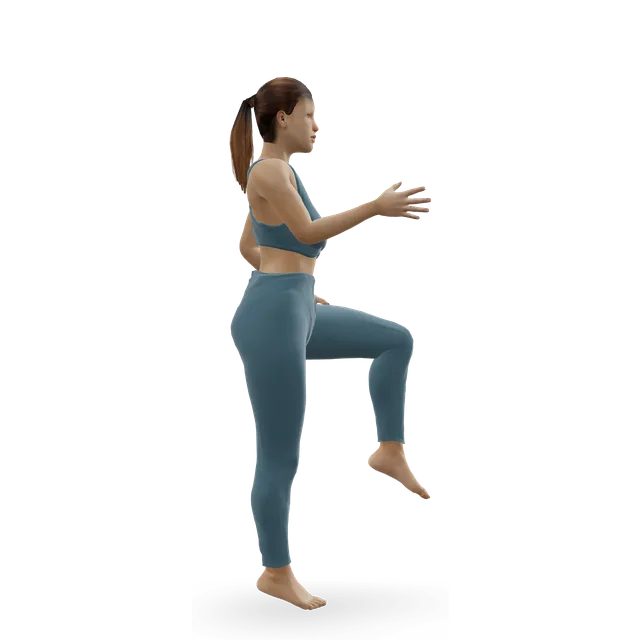
Start with walking or a static bike at a pace where you can easily talk in short sentences, plus easy bodyweight moves such as sit-to-stands, wall push-ups and bridges. Once you're free of symptoms at rest, you can train harder and lift weights, with no risk of a knock to the head. Leave contact, heading and anything you could fall from until the later stages.
How hard should I exercise after a concussion?
Easy at first: you should be able to speak in short sentences. If you use a heart rate monitor, the international consensus suggests up to about 55% of your maximum heart rate (220 minus your age) at first, then up to about 70%. Let your symptoms set the pace.
When can I play sport again after a concussion?
Not on the day, and not in a match before day 21, counting the day of the injury as day 0. Training with any risk of a knock to the head waits until you've had no symptoms at rest for 14 days, which is day 15 at the earliest. Some sports' governing bodies set longer minimums, some require medical clearance instead, and elite players follow their own protocols.
How long does a concussion last?
Most symptoms settle within 2 to 4 weeks, and about two-thirds of people are back to full sport by 28 days. Children, teenagers and young adults may take longer. Call NHS 111 if you're getting worse or not better by 14 days, and see a GP if symptoms last more than 28 days.
When can I go back to school after a concussion?
Usually within days. Start with short spells of reading or homework at home, then shorter days or extra breaks, then full days; a mild, brief rise in symptoms along the way is fine. Most young athletes are fully back to learning within 10 days. Get back to full-time school before full sport, and leave PE contact games until the sport stages allow them.
When can I go back to work after a concussion?
Build up in the same way: short blocks of work at home, then reduced hours with breaks and no hard physical work, then full time. After a mild brain injury, a little over half of people are back at work within a month, and most within 6 months. If you're not sure it's safe to go back, see a GP.
Can I drive after a concussion?
Not for at least 24 hours, and the NHS says not until you feel fully recovered. Lorry, bus and other commercial drivers need a healthcare professional's review first. You must tell the DVLA if you have a serious head injury, so ask your doctor if you're not sure.
What are the warning signs after a head injury?
Call 999 for being knocked out, getting drowsier, memory loss, increasing confusion, a fit, new weakness, numbness, double vision or trouble speaking, a severe or worsening headache, repeated vomiting, severe neck pain or clear fluid from the ears or nose. People on blood thinners, with a bleeding disorder or past brain surgery, or who were drunk at the time need urgent assessment too. Call NHS 111 if you're being sick or dizzy after a head injury.
My child has a concussion: what should I do?
Take them out of play at once, get them assessed within 24 hours by a healthcare professional or NHS 111, and don't leave them alone for the first 24 hours. They can sleep if they're tired, should keep screens to a minimum for 48 hours, and should avoid rough play for a few days. Tell the school and clubs, and follow the graduated return, school first.