What are the best exercises for badminton players?
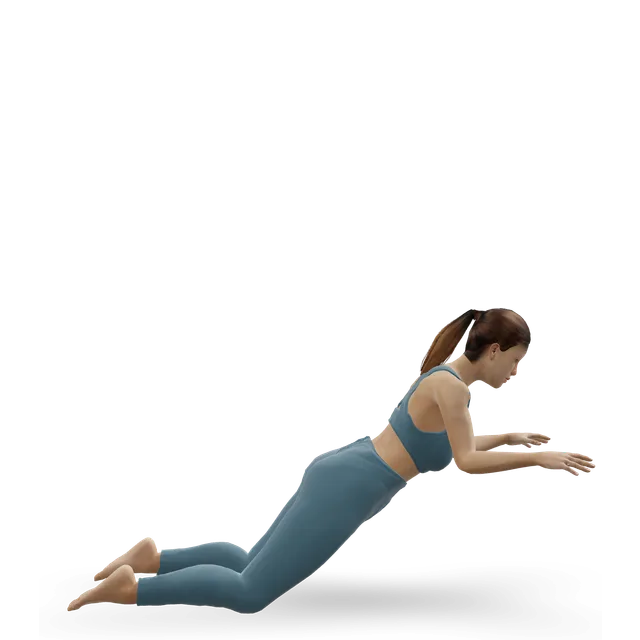
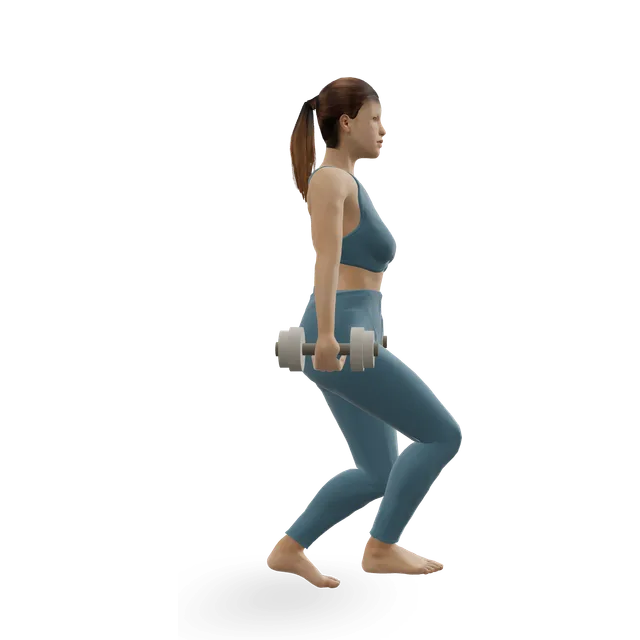
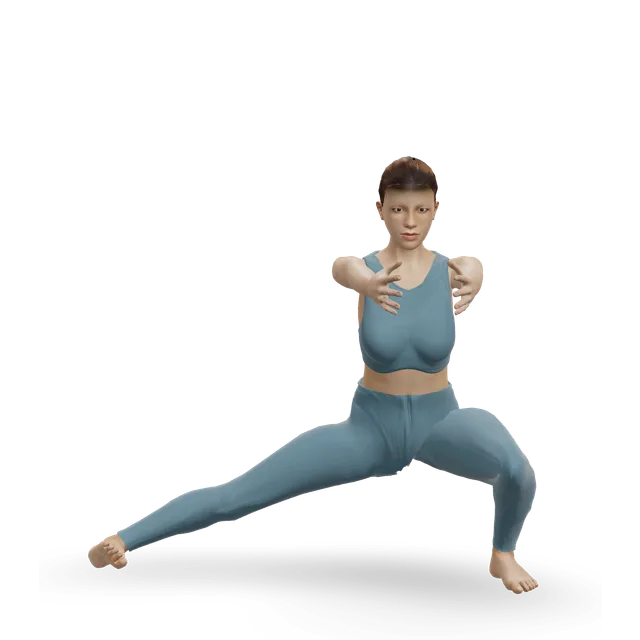
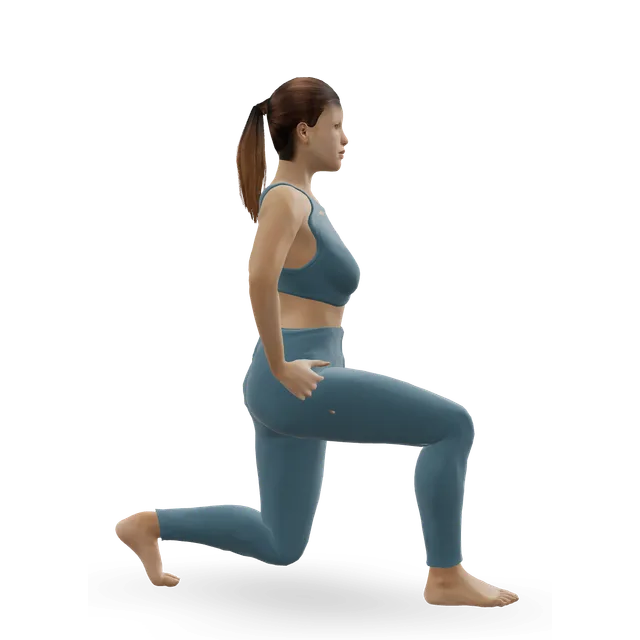
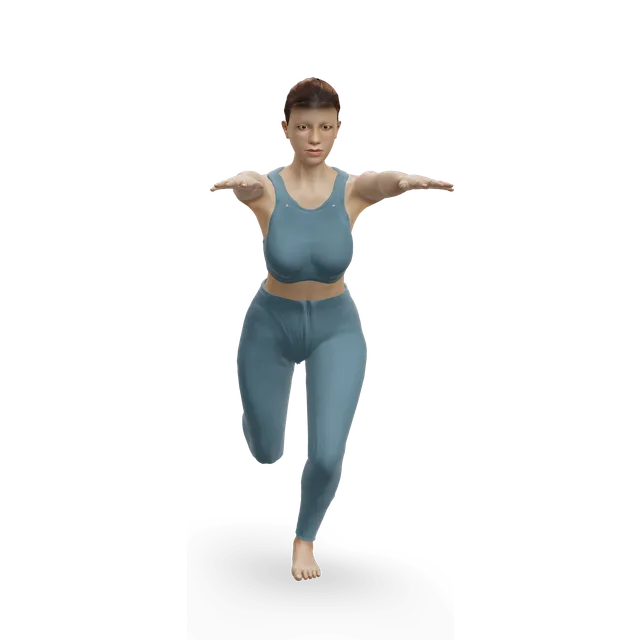
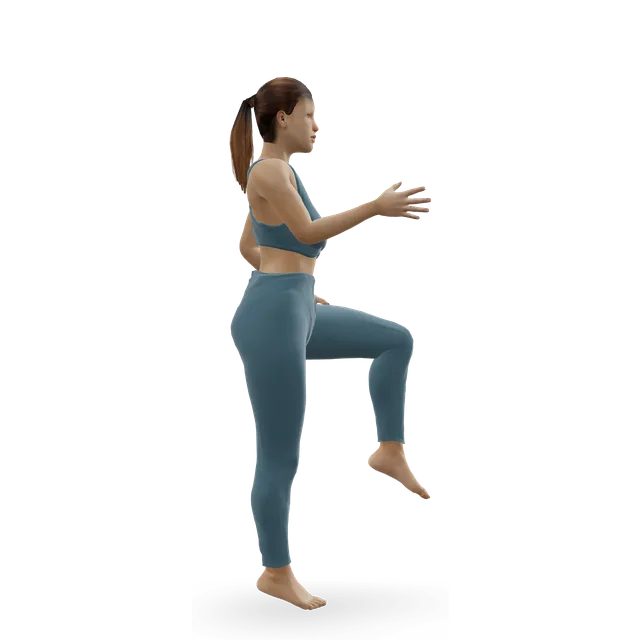
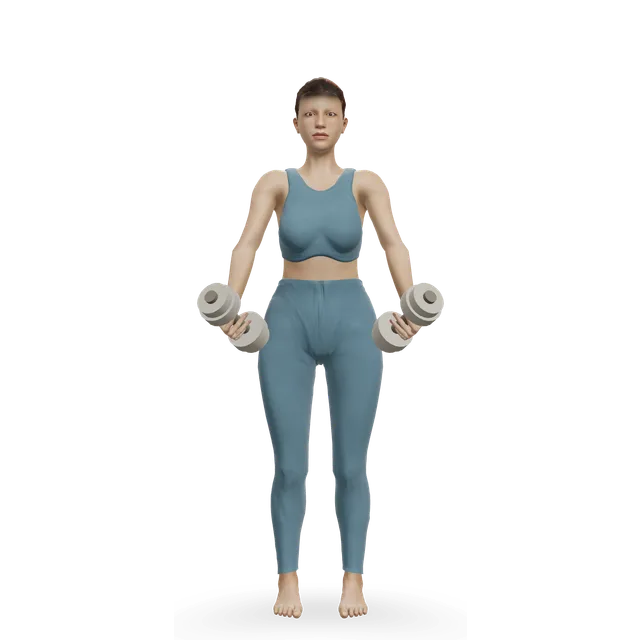
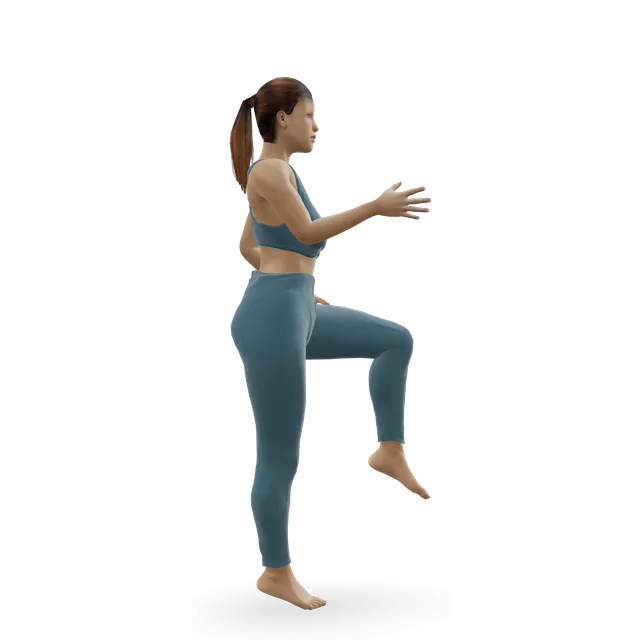
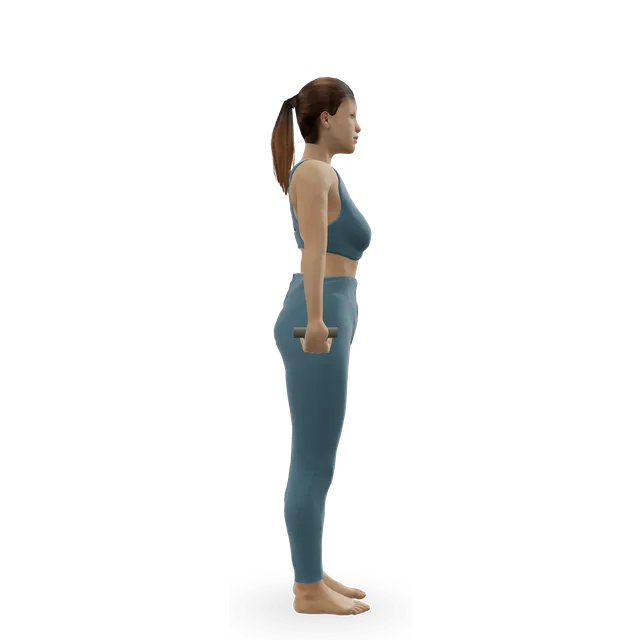
Jump and footwork training, leg strength such as squats, lunges and side lunges, calf raises for the Achilles, and band work for the hitting shoulder. In 11 trials, jump training improved badminton players' agility, speed, power and balance, and two sessions a week were enough in racket-sport trials.
How should I warm up for badminton?
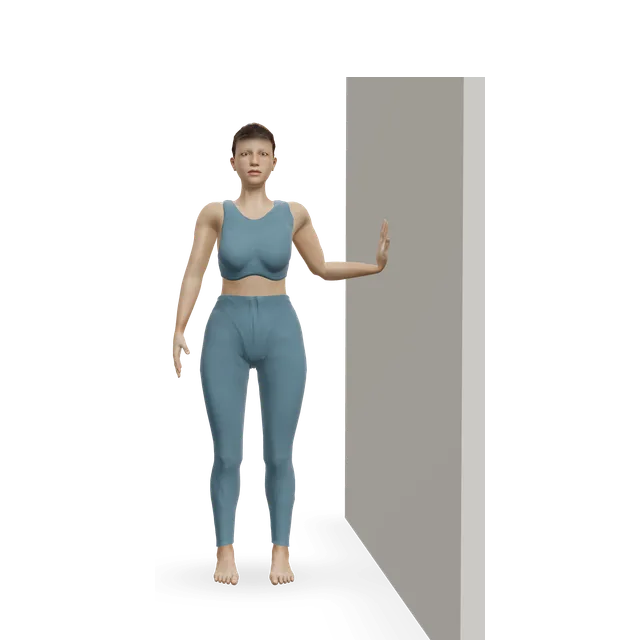
About 20 minutes before training: runs and partner footwork, planks, Nordic curls, band shoulder rotations, one-leg balance, squats, jumps and on-court changes of direction. This is PreventiBad, which went with about 70% fewer injuries per hour of play in one small trial in young players. Then hit clears and drops before smashes.
What are the most common badminton injuries?
Mostly leg injuries: ankle sprains, calf tears, knee pain and Achilles ruptures, plus shoulder and lower back pain. Most are mild or moderate, but Achilles ruptures and eye injuries can be serious.
Why do badminton players rupture their Achilles, and how can I avoid it?
Most ruptures happen to recreational players in their mid-30s, pushing off suddenly from the back of the court, often late in a game. Nothing has been proven to prevent them, but warming up, building up after breaks, strengthening your calves and getting Achilles pain checked are sensible. A snap at the back of the heel needs checking the same day.
Do I need eye protection for badminton?
It's sensible, especially in doubles. The shuttle causes most badminton eye injuries, often from a partner's shot, and some cause lasting damage. No eyewear standard we could find is written for badminton, so choose eyewear made to a racket-sport standard, never glass lenses, and keep your racket up at the net.
How can I improve my badminton footwork?
Combine jump training with balance work, about twice a week: in young players, adding balance training to jumps improved agility more than jumps alone. Practise lunges and shadow footwork to the corners of the court, slowly at first.
What exercises help badminton shoulder pain?
Band rotations, Y-T-W raises and shoulder blade work, as in our shoulder guides, keeping discomfort to about 5 out of 10 and settled by your next session. About half of players have had shoulder pain. Get sudden or severe pain checked.
Is badminton good exercise?
Yes. Social doubles is moderate activity and competitive play is vigorous, at around 90% of maximum heart rate in matches. People who play live longer on average, though that's an association.
Is badminton good for older adults?
It can be: in a study of 43 older adults, those who did 8 weeks of structured badminton improved upper-body strength, aerobic fitness and confidence to exercise. Start with social doubles, answer the PAR-Q+ first, and add strength and balance work on at least 2 days a week, as the NHS advises for older adults.
Is badminton bad for your knees?
Knee pain is common in competitive players, and a deep lunge loads the front leg with about 2 to 3 times body weight. No study we found shows that recreational badminton causes knee arthritis. Strong legs may help you control your lunges (our suggestion), and our knee pain guide covers pain that lasts.