Sports training
Badminton injury prevention warm-up
Built on the PreventiBad programme as its developers describe it, a badminton version of football's FIFA 11+. In one small cluster randomised trial in 273 players aged 9 to 18, injuries per hour of play were about 70% lower than with players' usual warm-up over 8 weeks, but there were only 20 injuries, some coaches dropped out after randomisation, and players were returning from a long break, so treat it as promising rather than proven. It hasn't been tested in adults. Do it at the start of every training session. Each part 2 exercise has three levels: start at level 1 and move each exercise up on its own once it's easy. You need cones, a partner, a light band and a shuttle.
Part 1: runs and footwork, each twice over about 20 m
- Treadmill joggingTwiceIntermediate · Quads, Calves, Glutes · 3D demoRunning straight ahead: set out two lines of six cones about 4 m apart, jog to the end and back a little fasterEasier: Treadmill walkingHarder: Sprint intervals
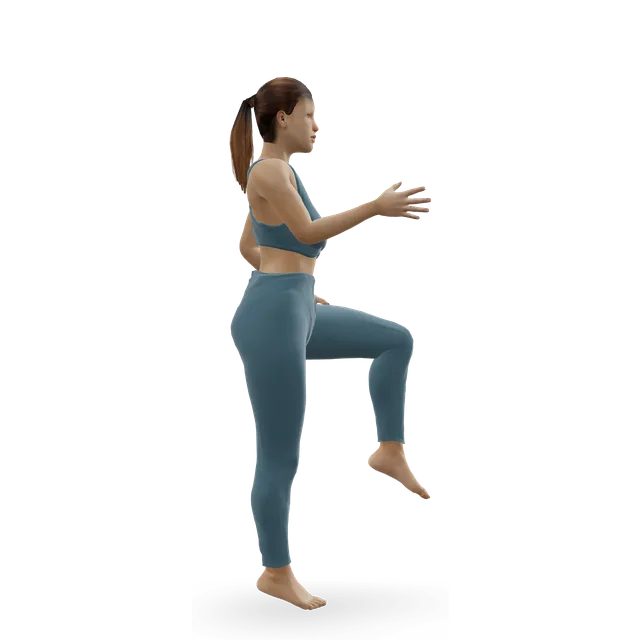
- Standing hip circlesTwiceBeginner · Hip abductors, Adductors, Hip flexors · 3D demoHip out: at each cone, lift the knee forwards and turn it out to the sideHarder: Lying IT band stretch with a strap
- Standing hip CARsTwiceBeginner · Glutes, Hip flexors, Hip abductors · 3D demoHip in: at each cone, lift the knee out to the side and bring it round to the frontHarder: 90/90 hip lift-off
- Side-stepping (sideways walking)Twice eachBeginner · Hip abductors, Glutes, Adductors · 3D demoSide shuffles around a partner, then cross-steps around them, crossing one foot over the otherHarder: Lateral band walk
- Shuttle runsTwiceAdvanced · Quads, Glutes, Calves · 3D demoSprint forwards, then backwardsEasier: Treadmill jogging



Part 2: strength, balance and jumps
- Forearm plank2 × 20 to 30 sIntermediate · Abs, Shoulders, Glutes · 3D demoLevel 2: lift alternate legs. Level 3: hold one leg upEasier: Stomach vacuum (drawing-in)Harder: Plank walk-up
- Side plank2 × 20 to 30 s each sideIntermediate · Abs, Hip abductors, Shoulders · 3D demoLevel 2: lower and raise your hips. Level 3: lift the top legEasier: Knee side plankHarder: Side plank with leg lift
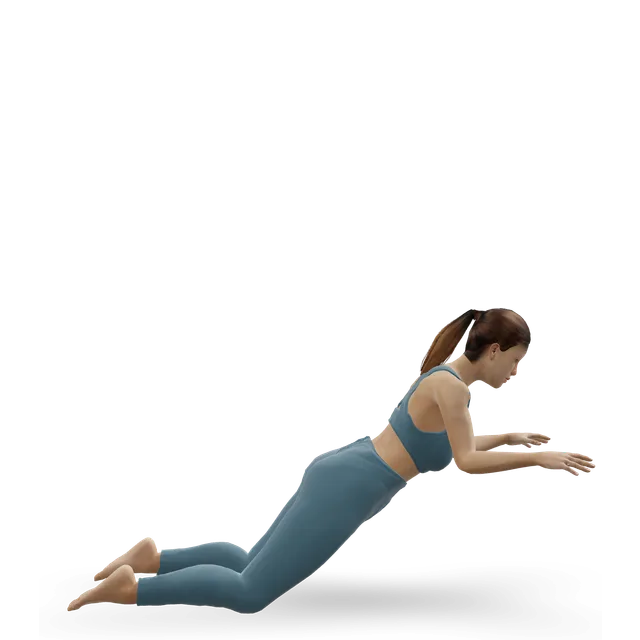
- Nordic curl3 to 5Advanced · Hamstrings, Glutes · 3D demoA partner holds your ankles; lower as slowly as you can and catch yourself with your hands. Level 2: 7 to 10. Level 3: 12 to 15Easier: Slider hamstring curlHarder: Full Nordic curl
- Standing band external rotation10 each armBeginner · Shoulders, Back · 3D demoElbow by your side; a stronger band is the next levelHarder: Side-lying external rotation
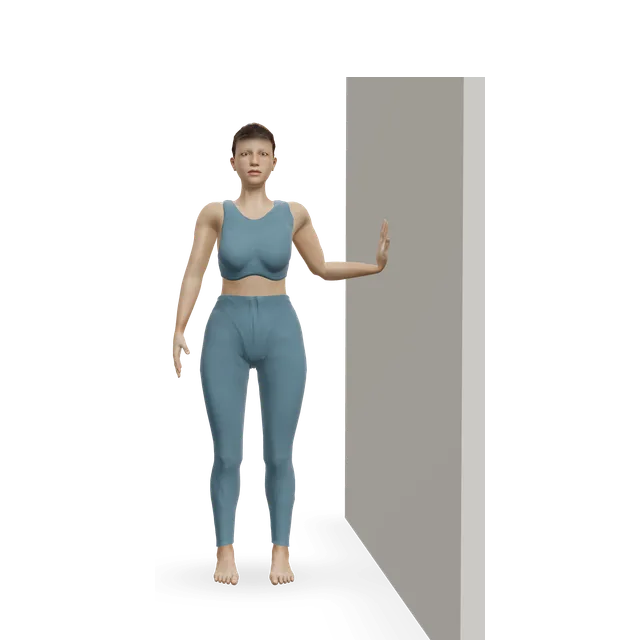
- Scapular push-up (push-up plus)2 × 30 sBeginner · Shoulders, Chest, Abs · 3D demoThe programme's shoulder stabilisers: it doesn't name the exercise, so the push-up plus is our choiceEasier: Dumbbell shoulder-blade punchHarder: Pike push-up
- Single-leg stand2 × 30 s each legBeginner · Hip abductors, Calves, Glutes · 3D demoLevel 2: catch a shuttle a partner throws. Level 3: a partner nudges you off balanceEasier: Tandem stance and heel-to-toe walkHarder: Single-leg reach matrix
- Bodyweight squat2 × 30 sBeginner · Quads, Glutes, Hamstrings · 3D demoRise onto your toes at the top. Level 2: lunges. Level 3: one-leg squatsEasier: Sit squat (partial squat)Harder: Dumbbell goblet squat
- Jump squat2 × 30 sIntermediate · Quads, Glutes, Calves · 3D demoStraight up, landing softly with your knees over your toes. Level 2: sideways jumps. Level 3: jumps in a cross patternEasier: Bodyweight squatHarder: Box jump







Part 3: badminton movement
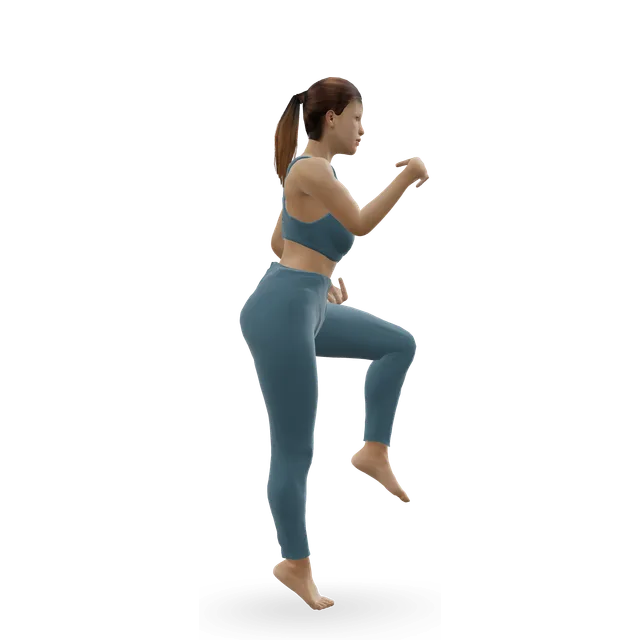
- Alternate-leg bounding2 × 6 to 8Advanced · Glutes, Quads, Calves · 3D demoLong, springy stridesEasier: SkippingHarder: Diagonal bounds
- Shuttle runs2 × 6 to 8Advanced · Quads, Glutes, Calves · 3D demoChanges of direction to the corners of the courtEasier: Treadmill jogging
Tips
- Do it at the start of every training session; in the trial, players managed it about 2 or 3 times a week.
- Expect sore hamstrings for a few days after your first Nordic curls, as our muscle soreness guide explains.
- Keep your knees over your toes and your trunk steady on every squat, lunge and landing, as the trial's coaches were asked to cue.
- It hasn't been tested in adults. Before social play, the shorter racket sport warm-up is an alternative (our suggestion).
- Then hit: clears and drops first, building up to smashes, with serves last.
The doses are suggested starting points, not a prescription. Choose a range you can control and stop for sharp or increasing pain, numbness or tingling. Get individual advice after an injury or surgery, or if you are pregnant or managing a health condition.
Guides that recommend it
Find more moves like these
More sports training

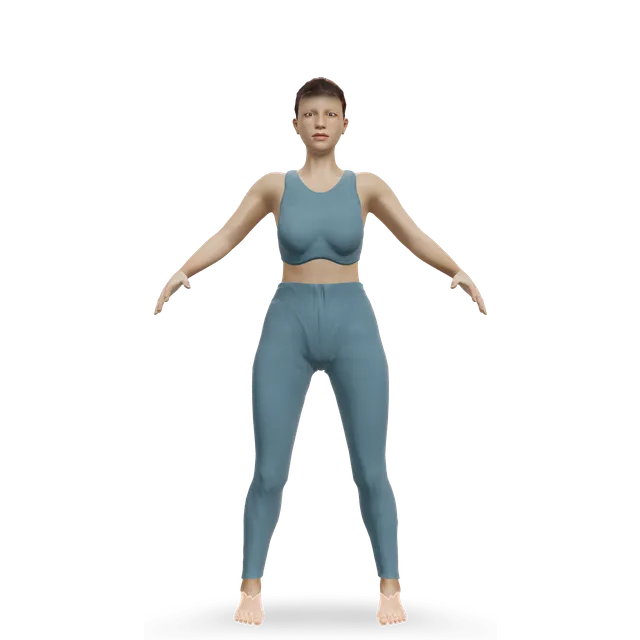
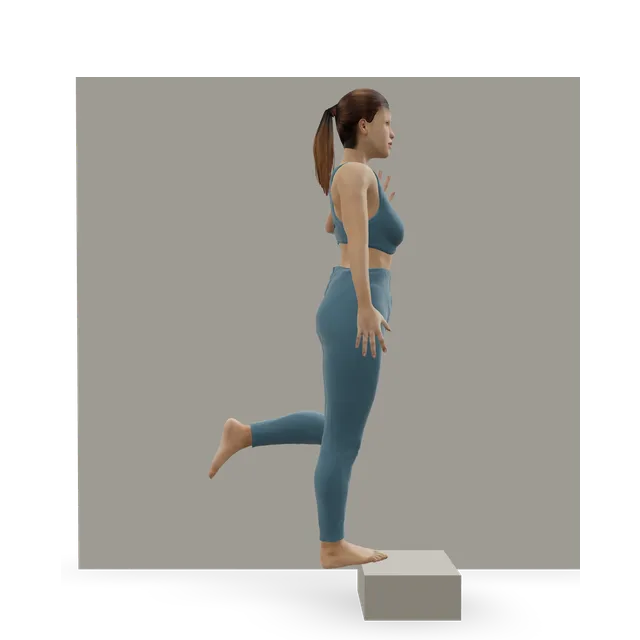
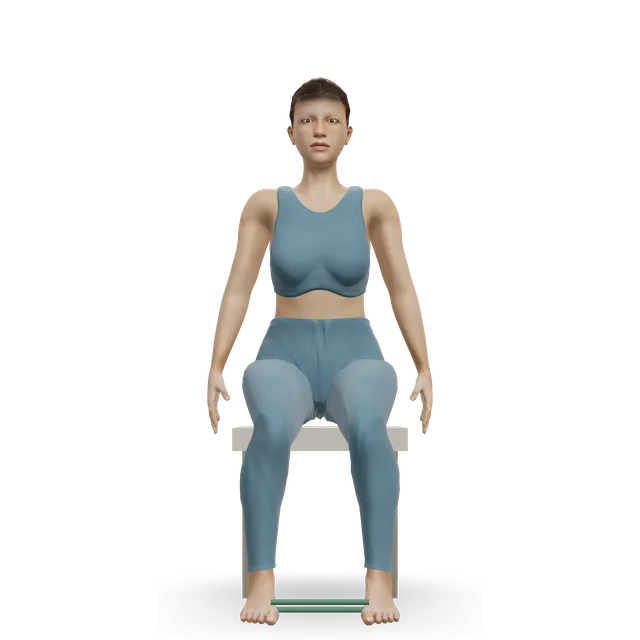
Injury prevention exercises for runners
Foot, calf, balance and hop exercises taken from the running trials with positive results, in a 25-minute home routine for 3 or 4 days a week.
25 minBeginner11 movesOther / check instructions, A bench or box


Plyometrics for runners
A 20-minute hop and bound session for runners: ankle bounces to pogo hops, one-leg hops and bounding, building foot contacts slowly over 10 weeks.
20 minIntermediate8 movesCardio machine


Strength workout for cyclists (gym)
A 50-minute gym session for cyclists: heavy squats, one-leg presses, hip flexion and calf raises as in the cycling trials, plus jumps for bone.
50 minIntermediate13 movesCardio machine, A barbellQuestions people ask
How long does the badminton injury prevention warm-up take?
About 20 minutes, including any warm-up and cool-down listed. Shorten it by doing fewer rounds; lengthen it by adding one.
What equipment do I need?
You need: Cardio machine, A wall, An anchor point, A band. Each move links to its guide, where you can find an alternative if you are missing something.
Is it suitable for beginners?
It is written for beginners. 10 of its 14 moves have an easier option listed beside them if you need one.
How do I make it easier or harder?
Use the easier or harder option listed under each move, change the number of rounds, or adjust the rest. Progress one change at a time.