Legs take most injuries
Hamstrings caused the biggest injury burden in Irish senior men, and ankle sprains were 13.7% of injuries in US college women's games.
Sport
Field hockey asks for repeated sprints over 60 or 70 minutes, much of it in a crouch with a stick, which raises the energy cost of running and loads the lower back. Most injuries are to the legs, especially the hamstrings, ankles, knees and groins, while the serious head and face injuries come from sticks and balls, often near the goal and at penalty corners.
This guide covers what hockey asks of your body, the common injuries, the one field hockey warm-up tested on injuries (the Dutch Warming-up Hockey programme), programmes for hamstrings, groins and knees borrowed from other sports, masks, goggles and mouthguards, England Hockey's concussion policy, and the strength and sprint training that helps. It includes a 12-minute sample session of the warm-up and a strength workout, with a 3D demo of every move.
Hamstrings caused the biggest injury burden in Irish senior men, and ankle sprains were 13.7% of injuries in US college women's games.
Dutch youth teams using Warming-up Hockey, 12 minutes at least twice a week, had fewer injuries per hour and lost fewer days. The teams chose their own group, and after allowing for age and sex the difference in injury rates could be chance.
Programmes with the Nordic hamstring exercise were linked with about half as many hamstring injuries across sports, and two large football trials found big falls, but when only properly randomised trials are pooled the effect is uncertain. The Copenhagen adductor programme cut groin problems by 41% in footballers. Neither has been tested in hockey.
Most head, neck and face injuries in US college women's hockey happened near the goal, from a stick or ball, and penalty corners caused 14% of injuries in elite tournaments.
Face masks are compulsory when defending penalty corners at International Hockey Federation (FIH) events, and England Hockey strongly recommends them, with shin, ankle and mouth protection. When US high schools made goggles compulsory, eye injuries fell.
England Hockey follows the UK guidelines for grassroots sport, with an exception for players managed by healthcare professionals experienced in sports concussion.
Source 15
In 18 elite men, players covered about 6.8 km a match, or 8.2 km for a position over the full 70 minutes, with about 34 sprints of 3 seconds each and heart rate averaging 87% of maximum in the first half. Elite women covered about 6.6 km, midfielders running hardest, and in elite women, aerobic fitness went with more high-intensity running. Fifteen elite players kept their high-speed running up over 6 matches in 9 days. The Compendium of Physical Activities gives field hockey 7.8 metabolic equivalents (METs), a measured value.
In 7 players running on a treadmill, dribbling in a crouch added 15 to 16 kJ a minute to the energy cost of running and compressed the spine by 0.4 mm a minute, and 53% of 81 players surveyed reported low back pain. Elite players usually have high aerobic fitness, and synthetic pitches have changed the game's demands.
In 31 US college women, field hockey players landed with more knee bend than lacrosse players and cut with more trunk lean, which may protect the knee. Holding a stick changed how players sidestepped, without raising the sideways load on the knee. These are laboratory studies.
The sites the studies point to:
Repeated sprints and aerobic fitness, hamstring and groin strength, landing and change-of-direction control for the knees, ankle balance, and trunk strength and hip mobility for the crouch.
Each study counted injuries its own way, from any complaint to time lost, so figures in different lines aren't comparable.
The numbers, by group:
In US college women, ankle sprains were 13.7% of game and 15.0% of practice injuries, and a common cause of 10 or more days out, though they fell over 15 years. Our sprained ankle and chronic ankle instability guides cover treatment.
Source 2
In Irish senior men, the hamstring was among the commonest injury sites and caused the biggest burden, 22.6 injury days per 1,000 hours. Across field sports, hamstring injuries ran at 0.81 per 1,000 hours, about 9 times higher in matches than training. Our hamstring strain guide covers recovery.
Knees, hips and groins were among the commonest sites in Irish men, and drag flickers reported more hip injuries. Across team sports, women injured an anterior cruciate ligament (ACL) about twice as often as men, and an ACL tear was among the few severe injuries at recent FIH events. Our groin strain, hip pain, hip impingement, ACL injury and knee pain guides cover these.
Concussion was the commonest single injury in US college women's hockey (8.6%), and US high-school girls' hockey had the third-highest concussion rate of girls' sports. In US emergency departments, concussions in players aged 6 to 24 were mostly from the ball. At recent FIH events, head injuries made up 64% of women's moderate injuries. Our concussion guide covers the graduated return.
In US college women, over 77% of head, neck and face injuries and of hand and finger injuries came from contact with a stick or ball, mostly near the goal. Eye injuries in US high schools were about three times as common without a goggle rule. At the under-18 European Championships, girls had more head and face injuries. Our broken finger and broken hand guides cover the hands.
Back pain is common: 56% of young Dutch elite players had it in a year, 44% of UK Premier and Division One players reported it, and 63% of South African teenage boys in a 3-month period. But US college women who played had no more back pain than women who didn't (56% against 55%), and drag flickers reported more back injuries. Our back pain and spondylolisthesis guides cover what to do.
Matches within 24 hours of the last had 3.8 and 6.8 times the injury rate of matches 3 to 7 days apart in one cohort, girls at a youth tournament had more minor and head and face injuries, and players near the goal were most often hit by the stick or ball. These are associations.
Warming-up Hockey is the only field hockey programme tested on injuries, in a study that wasn't randomised. The hamstring, groin, ACL and ankle evidence comes from other sports, and each note says so.
A Dutch programme from the Royal Dutch Hockey Association (KNHB) and the consumer safety institute VeiligheidNL:
In 30 young players randomised to a 20-minute neuromuscular warm-up twice a week for 10 weeks or a control group, one balance test improved more (69% against 32%), but others didn't, and injuries weren't measured.
Source 41
Across 8 meta-analyses, warm-ups with strength, jump-and-land and balance work halved ACL injuries in all athletes and cut ACL tears without contact by about two-thirds in women and girls. Women in team sports tear an ACL about twice as often as men. None of these programmes has been tested in hockey.
In 15 studies of 8,459 athletes, programmes including the Nordic hamstring exercise were linked with about half as many hamstring injuries, and two large football trials found big falls, but when only properly randomised trials are pooled the effect is uncertain. Hamstrings are hockey's biggest injury burden in men, but no hockey trial has been done.
In semi-professional footballers randomised by team, the Copenhagen adductor exercise, 3 times a week in pre-season for 6 to 8 weeks and then once a week, cut groin problems by 41%. Untested in hockey.
Source 10
In 1,460 high-school basketball players, lace-up ankle braces cut ankle injuries by about two-thirds, and across 6 trials braces cut repeat ankle sprains by about two-thirds and first ones by about half (low-quality evidence for first sprains).
Across 25 trials, stretching programmes didn't prevent sports injuries, while strength training cut them to about a third. In football, the FIFA 11+, the warm-up from football's world governing body (FIFA), cut injuries by 39%, but the earlier FIFA 11 didn't: what's in a warm-up matters.
In professional and youth players, matches within 24 hours of the last had several times the injury rate of matches 3 to 7 days apart. At tournaments with matches on consecutive days or twice a day, skip extra conditioning in between (our suggestion).
Source 40
No study has tested a way to prevent back pain in hockey. Our suggestion: trunk strength, hip mobility and a gradual build-up in drag-flick practice, and our back pain guide for pain that lasts.
In 18 male university players, adding 2 sessions a week of 30 m all-out sprints with 30 seconds' rest, rising from 6 to 12 sprints over 8 weeks, improved jump height, 30 m sprint time and repeated-sprint times; sprinting uphill added a little more, not clearly. There was no group that didn't sprint.
Source 47
In 40 young elite men (average age 21.5), 12 weeks of 60-minute functional training sessions 3 times a week, randomised by group against standard training, improved flexibility, agility and endurance, but not sprint speed. The exercises weren't described in the summary we read.
Source 48
Sixty foot contacts twice a week for 6 weeks may have improved 10 m sprint in boys around their growth spurt, while less mature boys gained little and boys who didn't train got slower. The groups were small and the results uncertain.
Source 49
In 25 Olympic-standard women, 6 extra sessions of sprint intervals on a bike over 6 weeks improved an intermittent running test against no change in those who didn't do them.
Source 50
In 29 elite players aged 14 to 18, randomised for 11 weeks, 6 strength exercises for the lead leg twice a week, progressed for each player, raised drag-flick ball speed by 2.8 km/h, while the comparison group's didn't change. The exercises weren't named in the summary we read.
Source 51
Every session: the 12-minute warm-up, at least twice a week. Pre-season, 6 to 8 weeks: 2 strength sessions a week, the Nordic and Copenhagen programmes on their football schedules, and 2 repeated-sprint sessions a week.
In season: 1 or 2 shorter strength sessions, with the Nordic and adductor work once a week, and no heavy legs, Nordic lowers or hard jumping in the 48 hours before a match (our suggestion). Matches close together raise the risk, so tournaments need recovery more than extra training.
The FIH's Rules of Hockey recommend a face mask that follows the contours of the face for defending a penalty corner or penalty stroke, don't allow one otherwise, and forbid using protective kit to play dangerously. At FIH events, masks have been compulsory for defending penalty corners since January 2025. England Hockey strongly recommends masks for defending penalty corners in every age group and format, without making them compulsory.
Penalty corners caused 7.1 injuries per 1,000 player match hours at elite tournaments, including 11 head injuries. At the under-18 European Championships, boys wore facial protection less often than girls (66% against 86%). In laboratory tests, masks' protection varied with ball speed, temperature and where the ball hit, and some failed.
Under the FIH rules, field players may wear plastic goggles, with a soft-covered frame and plastic lenses, only for medical reasons. In US high schools they're compulsory: before the national rule, players in states without one had more head and face injuries, and after it severe eye injuries fell by 67% and severe head and face injuries by 70%, with no rise in concussions. Eyewear didn't prevent concussion in women and girls, very low-certainty evidence.
The FIH recommends shin, ankle and mouth protection for field players, and England Hockey strongly recommends all three, with mouthguards replaced every year and fitted by a dentist or bought from a reputable supplier. Across sports, people without mouthguards had over twice the risk of mouth and face injuries.
A ball is dangerous when it makes an opponent take legitimate evasive action; a flick or scoop at an opponent within 5 m is dangerous; players mustn't come within 5 m of an opponent receiving a falling raised ball; the ball mustn't be raised on purpose from a hit except in a shot at goal; and at a penalty corner, a first shot that's a hit must cross the goal line no higher than the 460 mm backboard. These rules target the stick and ball injuries behind most serious head and face injuries.
Goalkeepers must wear at least headgear, leg guards and kickers.
Source 52
England Hockey has adopted the UK guidelines for grassroots sport for all hockey under its jurisdiction: recognise, remove, return. Anyone with a suspected concussion comes off at once, takes no further part in sport or work activity, even if symptoms settle, until assessed by a healthcare professional or NHS 111 (the National Health Service's urgent advice line) within 24 hours, rests for 24 to 48 hours, then follows a graduated return. There's no return to competition within 21 days, unless the player is managed by healthcare professionals experienced in sports concussion, as international and pathway players are; they may be cleared earlier. See a GP if symptoms last beyond 28 days.
Every US state requires a young player with a suspected concussion to be removed and cleared by a healthcare professional before returning, rather than setting a minimum number of days.
Source 61
Concussion rates didn't change after US schools made goggles compulsory, and eyewear wasn't protective for concussion in women and girls. In elite players, concussions came mostly from collisions with other players, then the stick or ball, all in open play.
Dribbling in a crouch raised the energy cost of running and compressed the spine faster than ordinary running, in a small laboratory study.
Source 21
US college women who played had about as much back pain as women who didn't. In young Dutch elite players, being satisfied with their own performance and with the coaching staff went with less back pain, an association. In UK players, the drag flick was among several factors linked with back pain.
In 432 adult players, drag flickers reported more back and hip injuries over 3 months than other players. Lead-leg strength training raised drag-flick speed in young elite players. Our suggestion: build drag-flick practice gradually, keep the trunk and hips strong, and get back pain that lasts checked.
A sample session from the programme's development paper (week 6, players aged 16 and over); the trialled programme changes week by week and has versions by age and sex. In Dutch youth teams, which chose their own group, injury rates were lower, but after allowing for age and sex the difference could be chance. Do it at least twice a week, before any training or match.
Loading the 3D figure…
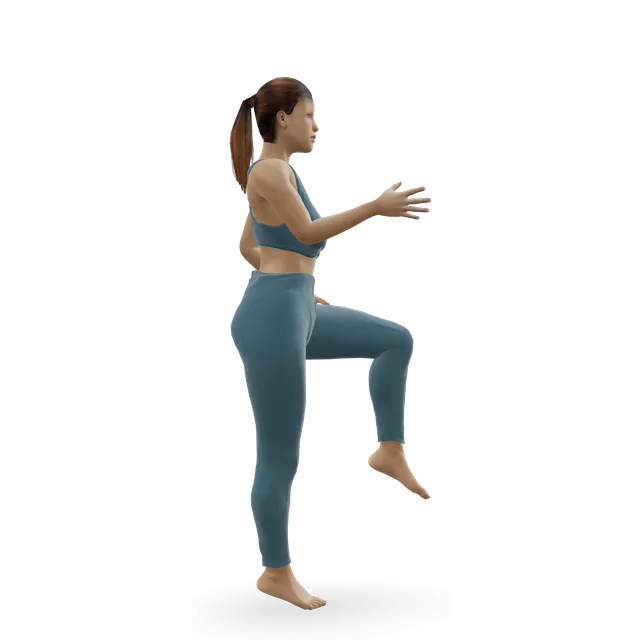
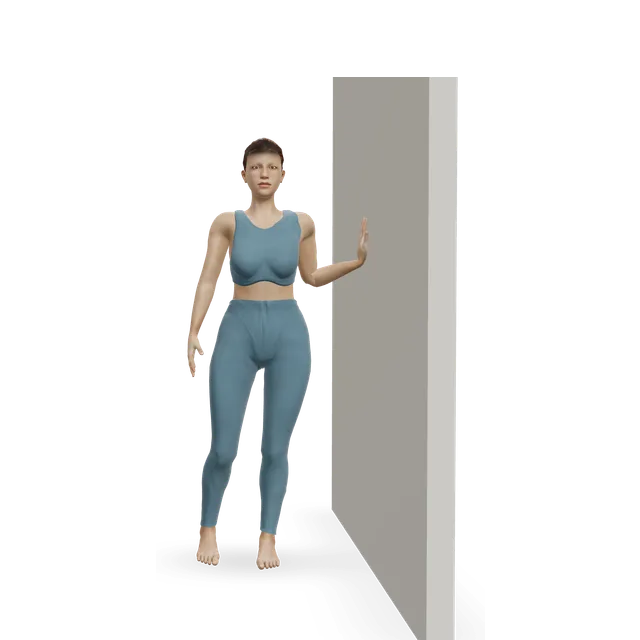
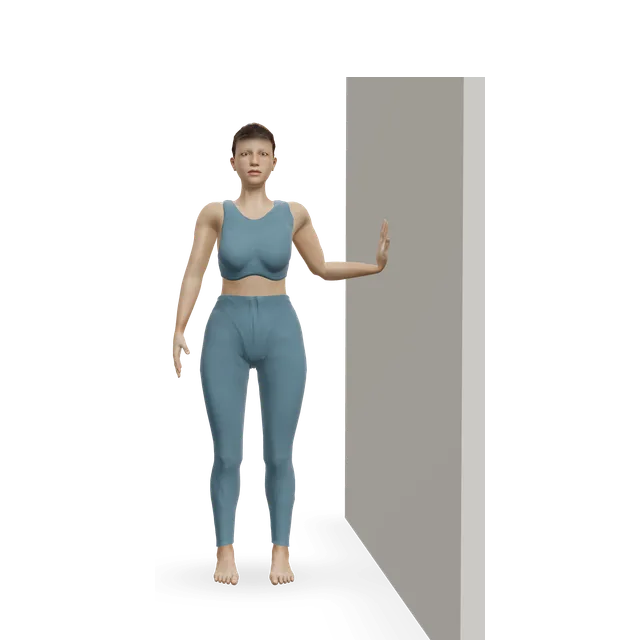
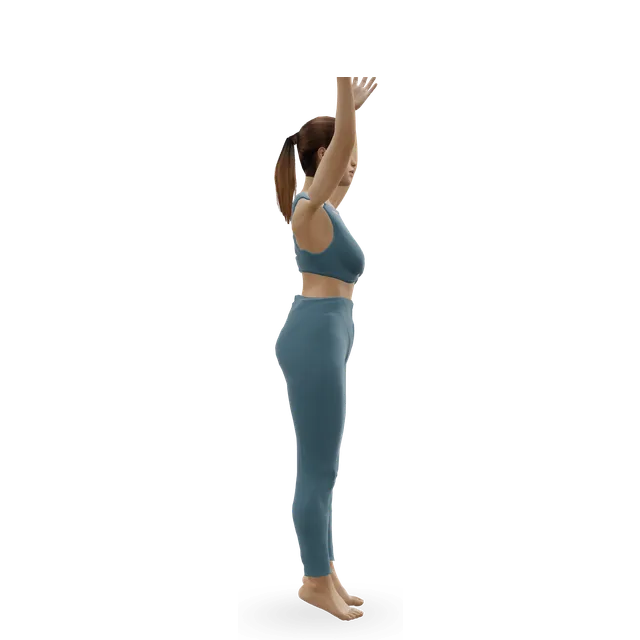
The movement on the figure: Lateral hop to sprint
The warm-up's jumps and drills, and the strength workout's main exercises. Each has a 3D demo.
 3D demoSingle-leg hop and stickIntermediate · No equipment
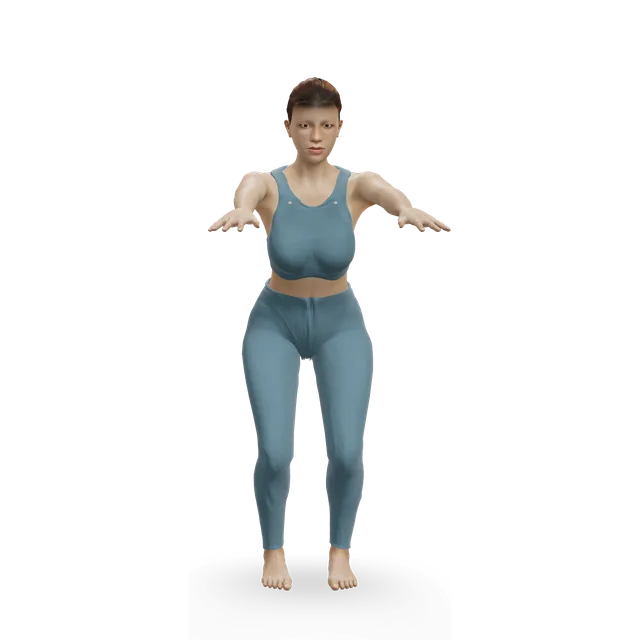 3D demoLateral hop to sprintIntermediate · Other / check instructions
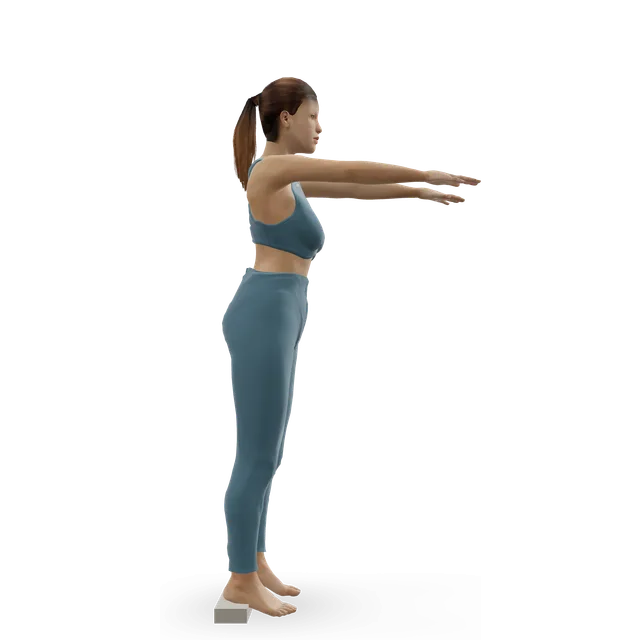 3D demoHeel-elevated deep squat (slant board squat)Intermediate · A step
 3D demoForearm plankIntermediate · No equipment
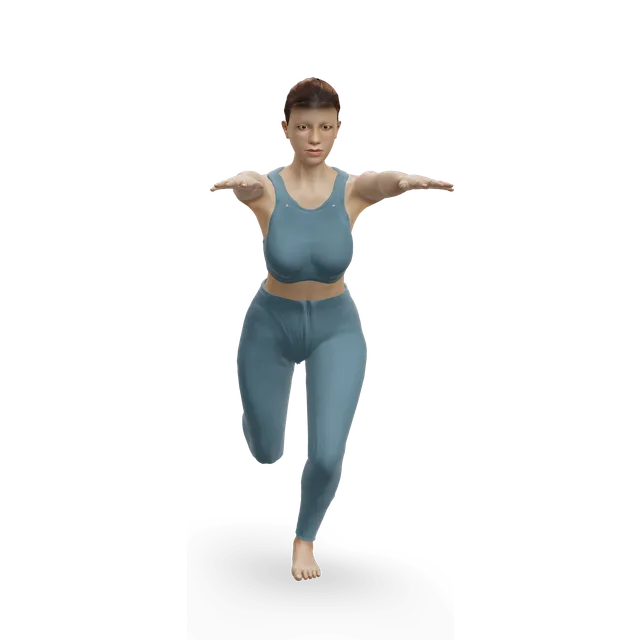 3D demoLateral bound (skater jump)Beginner · No equipment
 3D demoDumbbell goblet squatIntermediate · A dumbbell
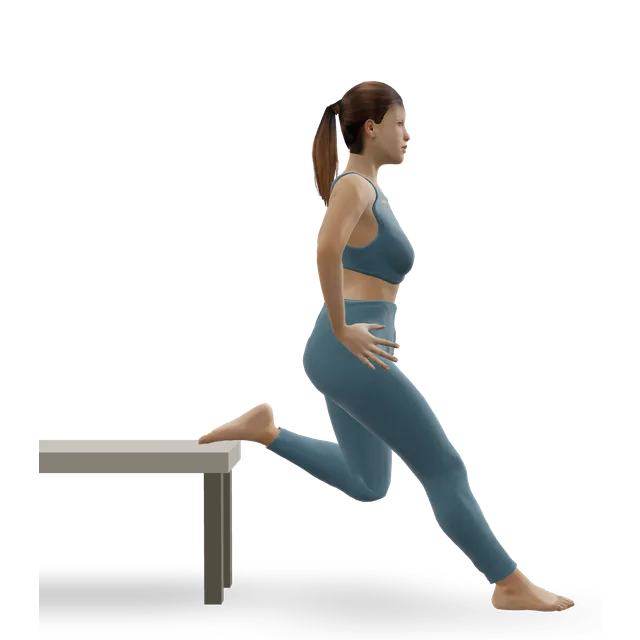 3D demoRear-foot-elevated split squat (Bulgarian split squat)Intermediate · A bench or box
 3D demoSingle-leg Romanian deadliftAdvanced · A dumbbell
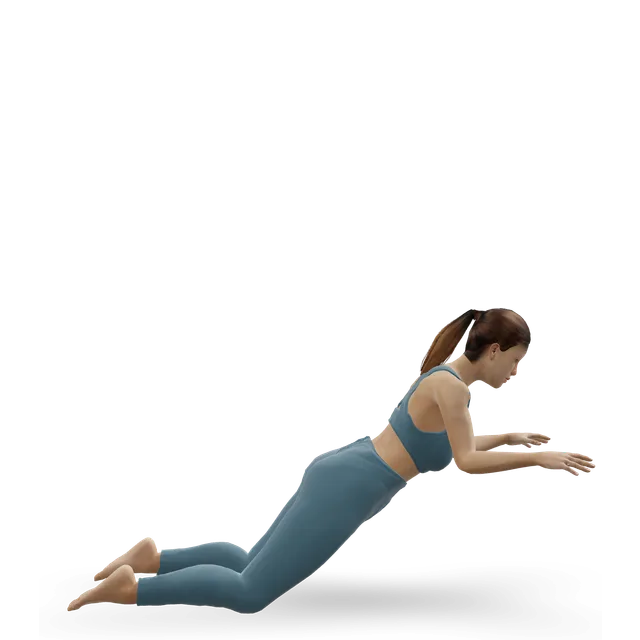 3D demoNordic curlAdvanced · An anchor point
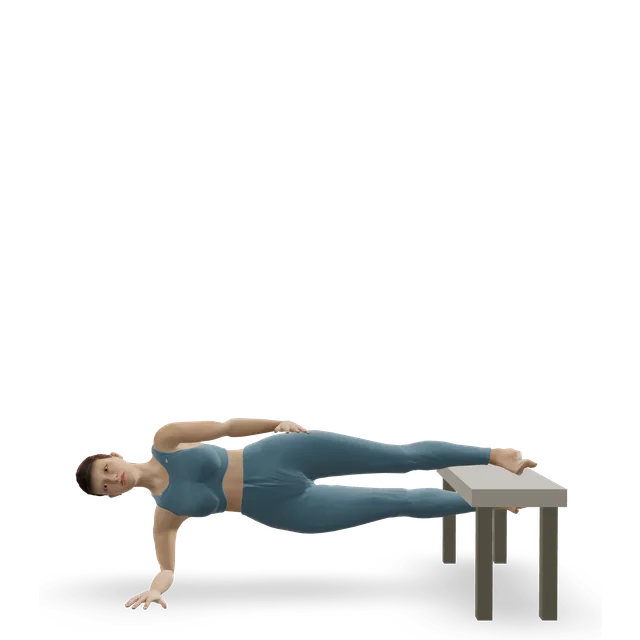 3D demoCopenhagen plankAdvanced · A bench or box
 3D demoSide plankIntermediate · No equipment
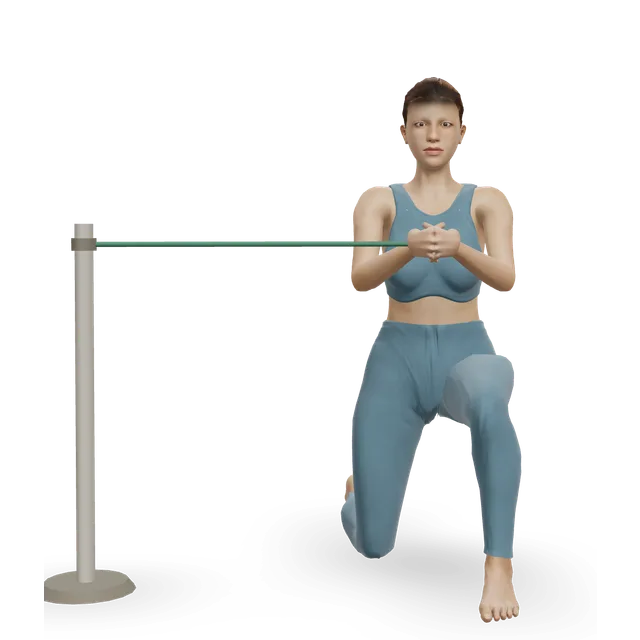 3D demoHalf-kneeling Pallof pressBeginner · A band + An anchor point
 3D demoBird dogBeginner · No equipment
 3D demoSingle-leg calf raise from a stepIntermediate · A step + A wall
The first two are new: a Warming-up Hockey sample session and a strength workout. The FIFA 11+ and knee control warm-ups were tested in football; the others add hamstring and groin protection, jumps, ankle strength, balance, trunk work, fitness and light exercise after a concussion.
A 12-minute field hockey warm-up from the Dutch Warming-up Hockey programme: running drills, one-leg jumps, a plank, deep squats and hockey sprints.
12 minBeginner10 movesCardio machine, A stepA 45-minute strength session for field hockey: bounds and landings, goblet squats, split squats, single-leg hinges, Nordics, Copenhagen planks and trunk work.
45 minIntermediate14 movesA wall, A dumbbellFIFA's 11+ injury prevention warm-up as its manual sets it out: running drills, strength, balance and jumping at three levels, then faster running.
20 minBeginner20 movesCardio machine, A wallA 20-minute warm-up that trains your knees to track over your toes: side-hip strength, squats and lunges with alignment practice, balance and quiet landings.
20 minBeginner10 movesA wall, A bandThe Nordic hamstring and Copenhagen adduction programmes from the football trials: a 10-week build, three adductor levels, then once a week in season.
15 minIntermediate6 movesA wall, An anchor pointAn advanced jump training session: pogo hops, box jumps, split squat jumps, broad jumps and depth jumps.
30 minAdvanced8 movesA bench or box, A stepA 15-minute barefoot routine for stronger toes, arches, calves and ankles, finishing with balance. You need only a towel, a wall and a resistance band.
15 minBeginner11 movesA wall, Other / check instructionsBalance practice in 10 minutes: tandem stance, single-leg stands, marches, heel walks, tree pose and floor transfers.
10 minBeginner7 movesA wall, A bench or boxThe McGill big three for the core: curl-ups, side planks and bird dogs, each held for 10 seconds at a time in falling sets of 5, 3 and 1 reps.
12 minBeginner3 movesNo equipmentA 20-minute no-equipment HIIT workout: jumping jacks, jump squats, mountain climbers, burpees, skips and bear crawls.
20 minIntermediate10 movesNo equipmentA 20-minute light session after a concussion: a symptom check, 10 to 15 minutes of easy cycling or walking, gentle bodyweight moves and a cool-down.
20 minBeginner8 movesCardio machine, A bench or boxTwo strength sessions a week fit pre-season; drop to one or two in season. The pregnancy and postpartum plans suit players taking a break from matches.
Two full-body strength sessions a week: the minimum that meets health guidelines, with every set, rep and rest, and an 8-week progression.
2 training days45 minBeginner3 days a weekA beginner gym plan: three full-body sessions a week, alternating workouts A and B, with sets, reps, rest and an 8-week progression.
3 training days45 minBeginner3 days a weekA weekly workout plan for women: three strength days, cardio and pelvic floor training, with the evidence on periods, pregnancy and menopause.
3 training days45 minBeginner5 days a weekA pregnancy workout plan for each trimester: walks or swims, two strength sessions a week off your back, daily pelvic floor work and when to stop.
5 training days30 minBeginner5 days a weekA postpartum workout plan from the first days after birth to running and lifting again, week by week, with a caesarean track and readiness checks.
5 training days25 minBeginnerThe PAR-Q+ (Physical Activity Readiness Questionnaire for Everyone) asks about a heart condition or high blood pressure, chest pain, dizziness or losing consciousness, other long-term conditions and their medicines, a bone or joint problem that activity could make worse, and being told to exercise only under supervision. If you answer yes to any, check with your doctor or a qualified exercise professional first. If you're over 45 and not used to hard exercise, ask a qualified exercise professional before the hardest sessions, and delay if you're ill.
Source 62
Ankle sprains are common in hockey, and braces cut repeat sprains in trials in other sports. Wear a brace for sport, do the balance programme in our sprained ankle guide, and get checked before matches.
Women in team sports tear an ACL about twice as often as men. Follow the return-to-sport checks in our ACL injury guide, and keep a warm-up with strength and landing work going.
Hamstrings are hockey's biggest injury burden in men. Use our hamstring strain guide, then the Nordic programme before the season.
Back pain that lasts more than a couple of weeks, or is worse arching backwards, needs checking: see our back pain and spondylolisthesis guides.
The NHS advises against sports with a risk of falling or bumping your tummy, and names hockey. Talk to your midwife or GP; skills practice without contact may suit (our suggestion), and our pregnancy guide has more.
Source 63
Our epilepsy guide explains that in the International League Against Epilepsy's grouping, team sports such as hockey carry no extra risk.
The NHS advises seeing a GP if you've fainted, and to call 999 if you faint while exercising; the PAR-Q+ asks you to check first if you get chest pain or dizziness. Do that before you play.
Go to A&E (accident and emergency) or call 999 if the eye was hit at high speed, your sight has changed, it's very painful, you feel or are being sick, or blood or pus is coming from it.
Source 66
The NHS says to call 999 if someone has hit their head and:
Source 67
Stop playing: if in doubt, sit them out. No further sport that day, an assessment within 24 hours by a healthcare professional or NHS 111, and no competition before day 21 under England Hockey's policy. Contact NHS 111 straight away if they're being sick, feel dizzy or take medicine that thins the blood.
A broken tooth needs a dentist: keep any piece in milk or saliva. Call 999 or go to A&E for a nosebleed that won't stop, clear fluid from the nose, or a large cut on the face.
Call 999 or go to A&E if you heard a crack, the injured part has changed shape or points at an odd angle, it's numb or tingling, or the skin is blue, grey or cold. Get help from NHS 111 if it's very painful, very swollen or bruised, or you can't put weight on it or walk more than a few steps.
Source 70
Press on the wound with a clean cloth. Call 999 or go to A&E if the bleeding won't stop, or for a bad cut on the face or the palm of the hand.
Source 71
Heat exhaustion needs a cool place, fluids and cooling the skin. Call 999 if someone is still unwell after 30 minutes of rest, cooling and fluids, or has a very high temperature, hot skin that isn't sweating, a fast heartbeat or breathing, confusion, a fit or loss of consciousness.
Source 72
Call 999 if someone faints while exercising, or has chest pain that doesn't go away, spreads to the arms, neck, jaw, stomach or back, or comes with sweating, feeling sick, light-headedness or breathlessness.
Concussion was the commonest single injury in US college women's hockey, and most head, neck and face injuries came from the stick or ball near the goal.
When US high schools made goggles compulsory, eye injuries and severe head and face injuries fell, and concussion rates didn't rise.
Masks protect, but in laboratory tests their protection varied and some failed, and penalty corners still caused injuries at elite tournaments.
Back pain is common in players, but US college players had no more of it than non-players, and drag flicking, more than the crouch itself, went with back injuries.
Only one field hockey warm-up has been tested, and its effect after allowing for age and sex could be chance. In football, the FIFA 11+ cut injuries but the earlier FIFA 11 didn't: what's in the warm-up, and doing it regularly, matter.
Stretching programmes didn't prevent sports injuries, while programmes with the Nordic exercise were linked with far fewer hamstring injuries.
Matches within 24 hours of the last had several times the injury rate of matches 3 to 7 days apart, an association.
Source 40
The only field hockey warm-up tested on injuries is the Dutch Warming-up Hockey programme: 12 minutes of running drills, jumps, core and squat work and hockey sprints, at least twice a week. Youth teams using it had fewer injuries per hour and fewer days lost, though the teams weren't randomised and the difference in injury rates could be chance. Our warm-up is a sample session from its development paper.
Bruises, ankle sprains, hamstring and groin strains, knee injuries and back pain, plus head, face and hand injuries from sticks and balls. In US college women, concussion was the commonest single injury.
At FIH events, yes. Under the Rules of Hockey, masks are recommended when defending a penalty corner and not allowed otherwise, and England Hockey strongly recommends them for every age group and format, without making them compulsory.
Under the international rules, field players may wear plastic goggles only for medical reasons. In US high schools they're compulsory, and when the national rule came in, eye injuries fell without a rise in concussions.
Not under the international rules or England Hockey's, but both recommend mouth, shin and ankle protection, England Hockey strongly. Across sports, people without mouthguards had over twice the risk of mouth and face injuries.
England Hockey follows the UK guidelines: if in doubt, sit them out, an assessment within 24 hours, a graduated return, and no competition within 21 days, unless you're managed by healthcare professionals experienced in sports concussion, as international and pathway players are. If symptoms last beyond 28 days, see a GP.
Back pain is common in players: over half of young Dutch elite players had it in a year. But US college players had no more back pain than women who didn't play, and drag flicking, more than the crouch, went with back injuries. Trunk strength and a gradual build-up in drag-flick practice are sensible.
Repeated sprints twice a week, 6 rising to 12 sprints of 30 m with 30 seconds' rest, improved sprint, jump and repeated-sprint times in university players over 8 weeks. Strength work for the legs helps too, and a little jump training may help boys around their growth spurt.
Use the Nordic hamstring exercise, built up over 10 weeks and kept going once a week: programmes that include it were linked with far fewer hamstring injuries across sports, though none has been tested in hockey. Hamstrings cause the biggest injury burden in men's hockey.
Exercise education for people who play sport, not a personal prescription or a diagnosis, and clinical review of these pages is pending. Check with a GP or physiotherapist before hard training if you have a heart condition, chest pain, dizziness or an injury that isn't settling, and stop for sharp or increasing pain. Health disclaimer.