What it is
A few minutes of easier movement after training, such as walking, easy jogging or cycling, often followed by stretches. Many athletes do 5 to 15 minutes. It's also called a warm-down.
Source 1
Training guide
A cool-down is a few minutes of easier movement after a workout, like walking or easy cycling, often followed by some stretches. It lets your heart rate and breathing settle a little faster. It doesn't stop next-day soreness, prevent injuries or help tomorrow's performance.
Its best use is after hard or long efforts. Stopping dead and standing still can make you light-headed, and easing off makes sense from how the body works and from case reports, though no trial has tested it. It matters more if you have a heart condition, take blood pressure medicines, or have asthma or PoTS (postural tachycardia syndrome, where the heart races on standing).
This guide covers what a cool-down does and doesn't do, why you might feel faint when you stop, how long to take, cool-down stretches, cooling down after running and after weights, and who needs a longer one, with a 10-minute routine to follow.
A few minutes of easier movement after training, such as walking, easy jogging or cycling, often followed by stretches. Many athletes do 5 to 15 minutes. It's also called a warm-down.
Source 1
Your heart rate and breathing settle a little faster, and lactate clears from your blood faster, though it returns to normal within about 20 to 120 minutes anyway.
Source 1
In trials it didn't stop next-day soreness, prevent injuries or improve the next day's performance.
Stopping suddenly and standing still after hard or long exercise can make you light-headed, because blood pools in your legs. Easing off makes sense from how the body works and from case reports, but no trial has tested whether it prevents fainting.
Our editorial default is 3 to 5 minutes of easy movement after hard cardio, kept well under the review's limit of about 30 minutes. Stretches are optional: the NHS routine takes about 5 minutes.
People with a heart condition (at least 10 minutes), people on blood pressure medicines, people with PoTS and people with asthma.
With an active cool-down, heart rate was significantly lower 10 minutes after exercise than when people stopped and rested, probably because the nervous system's balance recovers faster. Breathing settles faster too.
Source 1
An active cool-down clears lactate from your blood faster, though not necessarily from your muscles, and blood lactate returns to resting levels within about 20 to 120 minutes even if you sit still. Lactate isn't what causes next-day soreness.
When the next effort is 10 to 20 minutes away, such as between heats, easy movement in between helps. For performance more than 4 hours later or the next day, active cool-downs made little difference, with a few small benefits and harms. A review in competitive athletes found 6 to 10 minutes of active recovery the most consistently useful, on weak evidence.
In a trial of 52 adults made sore by 30 minutes of walking backwards downhill, a 10-minute uphill walk afterwards changed soreness 2 days later by 0 points on a 100-point scale, while a warm-up beforehand cut it by 13 points. Most studies agree, though better-trained athletes may benefit a little.
In three studies that followed runners, regular cool-downs didn't reduce injuries. In a trial of 421 male recreational runners over 16 weeks, a warm-up, cool-down and stretching programme didn't either: 5.5 injuries per 1,000 hours of running with it and 4.9 without.
Active cool-downs didn't reduce stiffness or lost range of movement for up to 3 days, and on a bike they didn't lower core temperature faster, though people sweated more. Very long ones, from 45 minutes to hours, slowed the refilling of the muscles' fuel stores, so keep a cool-down under about 30 minutes.
Source 1
In one preliminary study of well-trained team-sport athletes, a 15-minute jog after every session didn't hold back 4 weeks of training gains. Most people feel a cool-down helps, but measured psychological recovery doesn't change, and part of the benefit may be expectation.
Source 1
After exercise, blood pressure stays a little lower for several hours, a normal response. If you stop and stand still, your leg muscles no longer pump blood back to the heart, and blood pressure and blood flow to the brain can drop. In lab tests, 50 to 80% of healthy people show signs of fainting if tilted upright for 15 minutes after exercise, against about 8% normally. After marathons, 27% and 10% of runners in two studies were close to fainting when they stood still.
Source 4
Collapsing just after an endurance race, unable to stand or walk unaided, is mainly this drop in blood pressure as blood pools in the legs, once serious causes such as cardiac arrest, heatstroke and low blood sodium are ruled out. Heat and dehydration aren't needed for it to happen, and standing still in the finish-line funnel has probably contributed to some cases.
It makes sense from the physiology and from case reports: moving your legs, squatting, crossing your legs and tensing your muscles helped people prone to fainting after exercise, and keeping moving is standard advice after races. But no trial has tested whether a cool-down prevents fainting or heart problems, so treat it as sensible rather than proven.
In 10 healthy men, noradrenaline, a stress hormone, kept rising after exercise stopped, to about ten times its resting level, which may matter more with heart disease. Cardiac rehabilitation standards note that low blood pressure, reduced blood flow to the heart and irregular heartbeats can occur in the first 30 minutes after stopping.
Lie down with your legs raised, or sit with your head lowered between your knees, and drink some water. Crossing your legs while standing, rocking up and down on your toes or clenching your fists can help. Call 999 if someone faints while exercising.
Source 15
Our editorial defaults within the ranges in the research: easy movement kept under about 30 minutes (Van Hooren 2018), and holds of 15 to 20 seconds in the NHS routine or 10 to 30 seconds in advice from the American College of Sports Medicine (ACSM). Keeping moving after races follows a review of fainting after exercise (Halliwill 2014).
Loading the 3D figure…
The movement on the figure: Treadmill walking
Do 3 to 5 minutes of any of these, getting gradually easier (our editorial default).
Choose 4 to 6 for the muscles you used and hold each for 20 to 30 seconds (our default; the NHS uses 15 to 20); in later pregnancy, use the standing ones.
 3D demoWall calf stretch (gastrocnemius)Beginner · A wall
 3D demoSoleus wall stretchBeginner · A wall
 3D demoStanding quad stretchBeginner · A wall
 3D demoHalf-kneeling hip flexor stretchBeginner · No equipment
 3D demoSupine hamstring stretch with a strapBeginner · No equipment
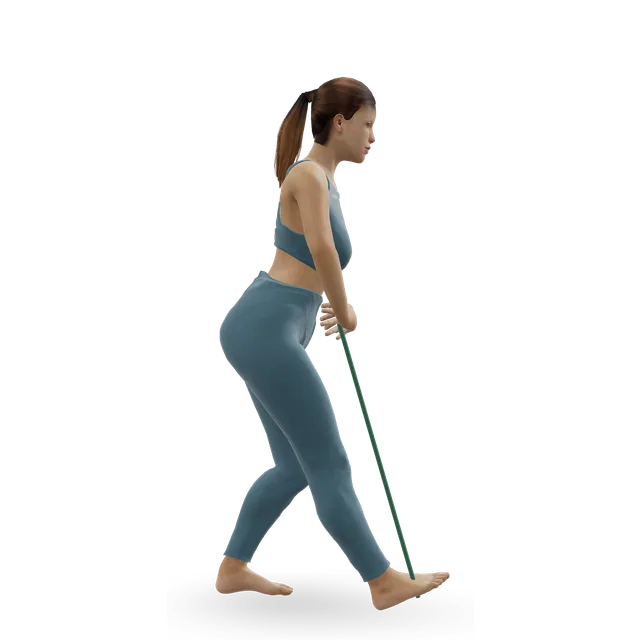 3D demoStanding hamstring and calf stretch with a strapBeginner · Other / check instructions
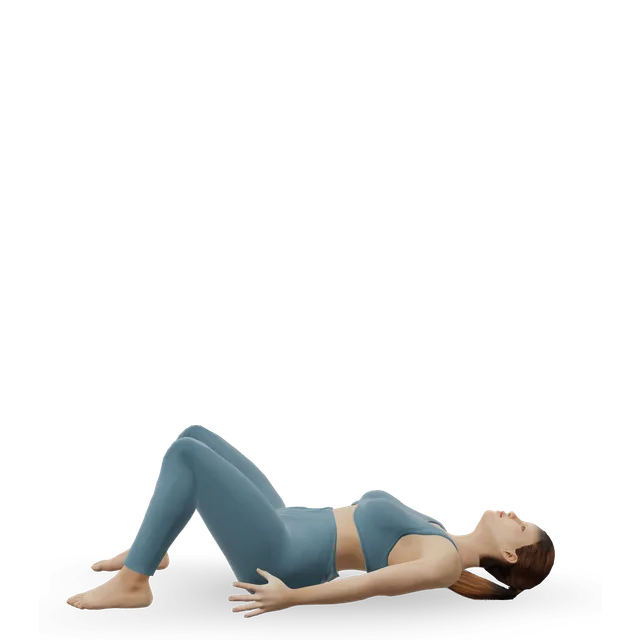 3D demoReclined figure four (eye of the needle, Sucirandhrasana)Beginner · No equipment
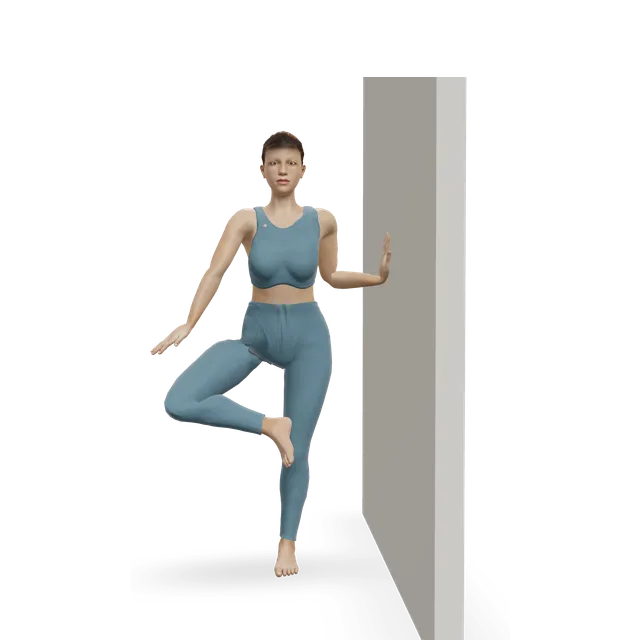 3D demoStanding figure four (chair pigeon, Eka Pada Utkatasana)Intermediate · A wall
 3D demoDoorway chest openerBeginner · A wall
 3D demoCross-body shoulder stretchBeginner · No equipment
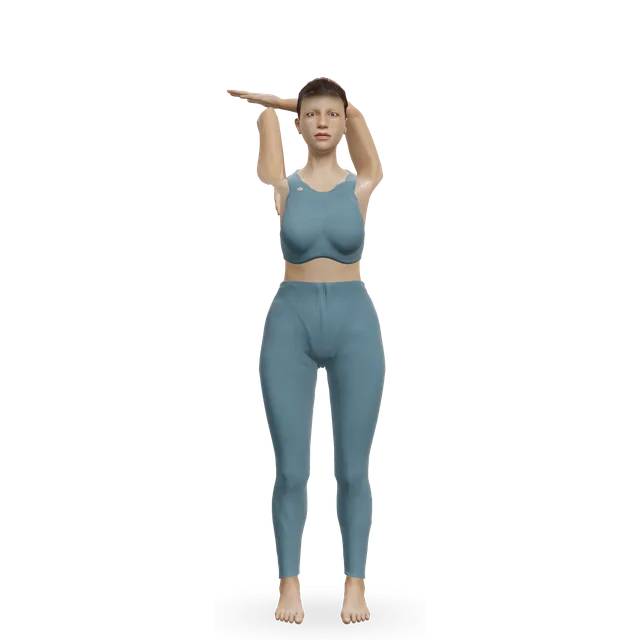 3D demoOverhead triceps stretchBeginner · No equipment
 3D demoChild's Pose (Balasana)Beginner · No equipment
Across 10 pooled trials (229 people, mostly young men; very low certainty), stretching after exercise didn't speed the recovery of strength or reduce soreness over the next 3 days. A Cochrane review found it reduced next-day soreness by about 1 point on a 100-point scale. A panel of 20 international experts, all agreeing, doesn't recommend stretching as a recovery routine, though it may suit personal preference.
Flexibility exercise works best when your muscles are warm. ACSM advice for flexibility is to hold each stretch for 10 to 30 seconds and repeat it 2 to 4 times, so it adds up to about 60 seconds, on at least 2 or 3 days a week. Our flexibility guide has more.
The NHS routine takes about 5 minutes: buttock, hamstring, inner thigh, calf and thigh stretches, each held for 15 to 20 seconds, "to gradually relax, improve flexibility and slow your heart rate".
Source 6
Walk for a few minutes, and keep walking after a race rather than stopping dead at the finish. Then stretch your calves, thighs and hips if you like.
A cool-down is optional: a short walk or a few stretches if you like them. Light-headedness during or just after a heavy lift is linked to straining and over-breathing, so breathe out on the effort and sit down if you feel dizzy.
Source 4
After high-intensity intervals or a fitness class, ease off until your breathing settles, then stretch if you like (our suggestion).
The 10-minute cool-down routine fits after any workout; the post-run stretches suit runners; the others are longer or suit rest days.
A 10-minute cool-down for after a run, a class or a gym session: a few minutes of easy movement, stretches for the muscles you used, then slow breathing.
10 minBeginner9 movesCardio machine, A wallSeven stretches for after a run: calves, soleus, quads, hip flexors, hamstrings and glutes.
10 minBeginner7 movesA wallA 15-minute head-to-toe stretch for the neck, shoulders, back, hips, hamstrings and calves.
15 minBeginner11 movesA wallA 6-minute breathing routine: slow breathing, crocodile breathing, alternate nostril breathing, box breathing and 4-7-8 breathing.
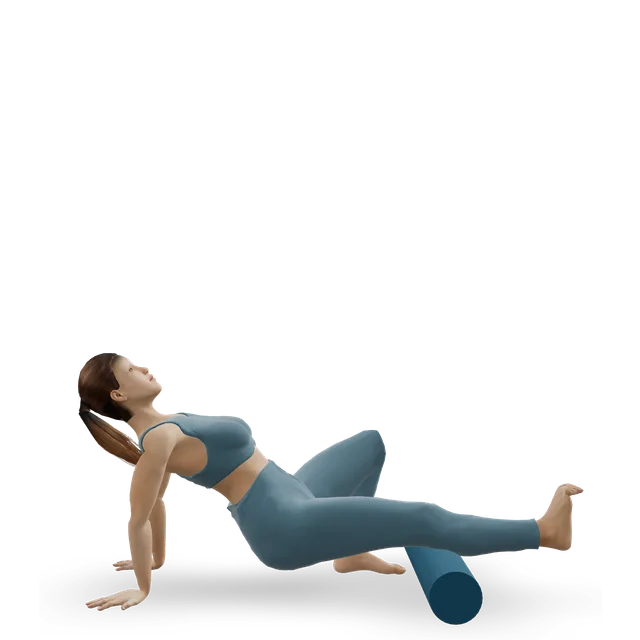
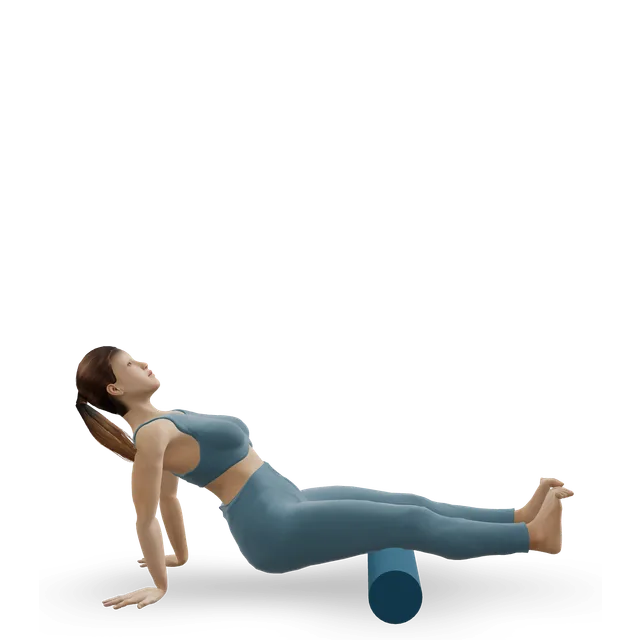
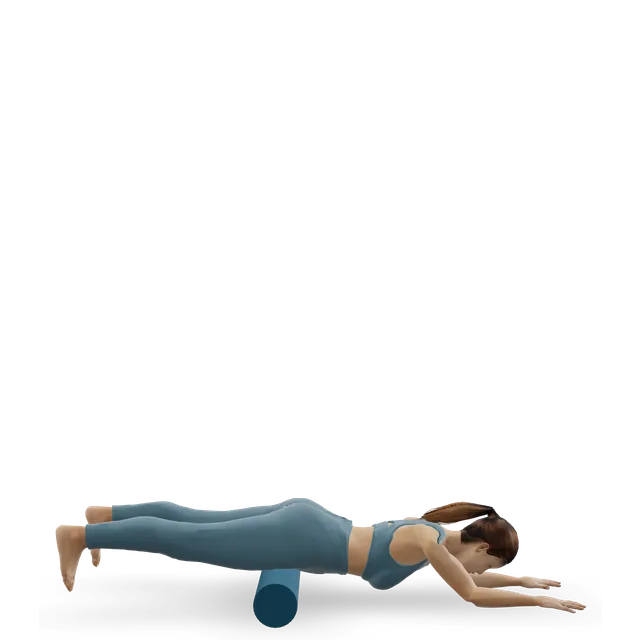
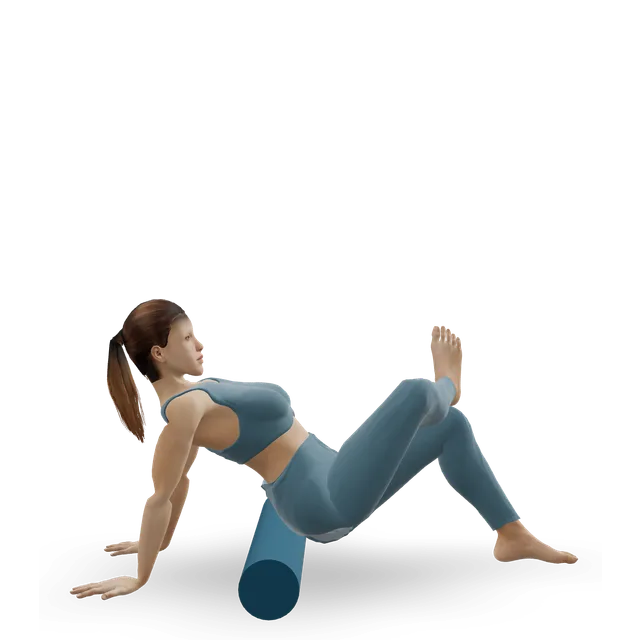
6 minBeginner5 movesNo equipmentA 10-minute foam roller routine for calves, thighs, glutes and upper back: about a minute per area, moderate pressure, slow rolls.
10 minBeginner6 movesA foam rollerWith a heart condition, the British Heart Foundation advises a cool-down of at least 10 minutes. Cardiac rehabilitation standards describe a graduated cool-down, a reverse of the warm-up, lasting at least 10 minutes, with floor exercises left until afterwards; people who can manage only a short session may need a shorter one to match. Follow your rehab team's plan.
The American Heart Association advises people taking blood pressure medicines to extend their cool-down to prevent low blood pressure. Stand up slowly afterwards (our suggestion).
Source 8
PoTS UK advises avoiding sudden stops or standing still for too long, a low-intensity cool-down, then lying or sitting with your legs raised higher than your hips. Compression garments can help.
Source 9
A European position paper on asthma suggests 5 to 10 minutes of light to moderate activity, then 5 to 10 minutes of whole-body stretching.
Source 10
In later pregnancy, avoid lying flat on your back for more than a few minutes, as it can make you dizzy, so stretch standing or on your side. Keep cool, and stop if you feel too hot or unwell.
Source 20
Cool-downs still need study in older people. Change position slowly and keep a chair nearby (our suggestion).
Source 1
Tiredness, dizziness, a headache, cramps, heavy sweating, feeling sick and a high temperature are signs of heat exhaustion: get somewhere cool, drink plenty of water and rest. Call 999 if someone is still unwell after 30 minutes of cooling, or has hot skin that isn't sweating, fast breathing, confusion or a fit.
Source 21
Stop and call 999 (don't drive yourself to A&E) for:
Stop straight away if you feel pain or become unwell, and contact NHS 111 if a symptom worries you or doesn't go away. A joint pain that is sharp, gets worse during a set, lingers into the next day or changes how you move is a reason to use the move's easier option, and to see a GP or physiotherapist if it keeps happening (the rule in our plans). Muscle soreness for a day or two after something new is normal.
Source 29
Blood lactate returns to normal within about 20 to 120 minutes anyway, lactate isn't what makes you sore, and a cool-down changed next-day soreness by 0 points on a 100-point scale in a trial.
Studies of runners found no effect, including a trial of 421 men.
It didn't speed strength recovery or reduce soreness in pooled trials, and experts don't recommend it for recovery. It does help flexibility over weeks.
On a bike, an active cool-down didn't lower core temperature faster. If you're overheated, getting somewhere cool, drinking and resting are what work.
The NHS cool-down holds each stretch for 15 to 20 seconds, and ACSM flexibility advice is 10 to 30 seconds, repeated. Long holds aren't needed.
For most healthy people it's harmless, though light-headedness is common after hard or long efforts if you stand still. People with heart conditions do need a graduated cool-down.
A few minutes of easier movement after a workout, such as walking, easy cycling or slow jogging, often followed by some stretches. It's also called a warm-down. Many athletes take 5 to 15 minutes.
Not for most workouts: in trials it didn't prevent soreness or injury or help the next day's performance. Easing off for a few minutes after hard or long cardio is still worth it, because it lets your heart rate and breathing settle and helps you avoid feeling light-headed. It matters more with a heart condition, on blood pressure medicines or with PoTS.
Mainly to let your heart rate, breathing and blood pressure settle gradually. If you stop suddenly after a hard effort and stand still, blood can pool in your legs and you may feel faint. Its other popular benefits, less soreness and fewer injuries, weren't borne out in trials.
For most people, 3 to 5 minutes of easy movement after hard cardio, plus a few minutes of stretches if you want them; the NHS routine takes about 5 minutes. With a heart condition, take at least 10 minutes, and with asthma, 5 to 10. Very long cool-downs can slow refuelling, so keep it under about 30 minutes.
Easy movement that gets gradually easier, then stretches for the muscles you used if you want them, and a minute of slow breathing. Our 10-minute cool-down routine does all three, with a standing option for every lying stretch.
For most people, nothing much: trials found no extra soreness and no extra injuries. After a hard or long effort, standing still straight away can make you light-headed; if that happens, lie down with your legs raised, or sit with your head low.
It clears lactate from your blood faster, but blood lactate returns to normal within about 20 to 120 minutes anyway. And lactate isn't what makes you sore the next day.
If you want more flexibility, yes: your muscles are warm, which is when stretching works best. It won't reduce next-day soreness or speed recovery. For a cool-down, the NHS holds each stretch for 15 to 20 seconds; to build flexibility, ACSM advice is 10 to 30 seconds, repeated 2 to 4 times.
It's optional: a few minutes of walking or some stretches are fine if you like them. If you feel light-headed during or just after a heavy lift, sit down; straining and holding your breath make it more likely, so breathe out on the effort.
Walk for 3 to 5 minutes, and keep walking after a race rather than stopping dead at the finish. Then stretch your calves, thighs and hips if you like: our post-run stretches take about 10 minutes.
Often because blood pressure drops when you stop moving after hard exercise, especially in heat or if you stand still. Lie down with your legs raised, or sit with your head low, and drink some water. Call 999 if someone faints during exercise or doesn't come round quickly, and see a GP after any faint.
A warm-up prepares you for the session and helps it go better. A cool-down eases you out of it, mainly letting your heart rate, breathing and blood pressure settle. Our warm-up guide covers the warm-up.
Exercise education, not a personal prescription, and clinical review of these guides is pending. Check with a GP before starting hard training if you have a heart condition, chest pain, dizziness or breathlessness when active, and stop for sharp or increasing pain. Health disclaimer.