Exercise guide

Exercise for chronic pain: how to start, how much pain is OK, and pacing

Chronic pain is pain that lasts, or keeps coming back, for more than 3 months. It affects about 4 in 10 adults in the UK, and it can make exercise feel like the last thing you should do. In fact, exercise is one of the main treatments that NICE (the National Institute for Health and Care Excellence) recommends. It won't usually make pain disappear, but it can help you do more and feel better, and some pain while you exercise is usually fine: hurt doesn't necessarily mean harm.

If your pain has a name, such as fibromyalgia, chronic back pain or arthritis, start with the guide for your condition. This page covers what they share: what exercise can and can't do, how much pain is OK during and after exercise, how to start and build up, pacing, flare-ups, and the warning signs that need a doctor, with 3D demos and a short routine for bad days.

The short version

Exercise is one of the main treatments

NICE recommends offering a supervised group exercise programme for chronic pain with no clear underlying cause, and encouraging people to stay active for the long term. In its review, exercise reduced pain and improved quality of life, in the short and long term, whatever the type.

Sources 1, 2

The benefit is real but modest

Exercise mostly improves how much you can do, with smaller and less consistent effects on pain, and it eases anxiety and low mood. The evidence is low quality, so expect steady, modest gains rather than a cure.

Sources 3, 4

Some pain is OK

The rule our pain guides use, borrowed from osteoarthritis research: pain no higher than about 5 out of 10 during and after exercise, settling within an hour or so and back to your usual by the next morning. If it isn't, do less next time, not nothing.

Sources 5, 6, 7

Start lower than you think

A few minutes on most days, adding a little each week. Pacing means a steady, planned amount, rather than doing a lot on good days and paying for it afterwards.

Sources 7, 8

Flare-ups happen

Keep moving gently rather than stopping, cut the load before you cut the sets, then build back up more slowly. See a GP (general practitioner) if a flare brings new symptoms.

Sources 9, 1

Get new or changing pain checked

See a doctor about new or changed pain, pain with a fever or feeling unwell, weight loss you can't explain, or new numbness or weakness. Call 999 for back pain with loss of feeling around your genitals or bottom, or new problems peeing or pooing.

Sources 1, 10, 11, 12

Which guide fits your pain

NICE sends pain caused by a condition to that condition's own guidance, and so do we. If no guide fits, or your pain has no clear cause, this page is the place to start.

Chronic pain: what it is

Pain for more than 3 months

NICE defines chronic pain as pain that persists or recurs for more than 3 months; it's also called persistent or long-term pain. Chronic primary pain has no clear underlying condition, or the pain is out of proportion to any injury or disease: fibromyalgia is one type. Chronic secondary pain is explained by a condition, such as osteoarthritis or rheumatoid arthritis. The two can happen together.

Source 1

How common it isStrong evidence

In 19 UK studies with 139,933 adults, about 4 in 10 had chronic pain (between 35% and 51%), and between 1 in 10 and 1 in 7 had pain that was moderately or severely disabling. It becomes more common with age, from 14% at 18 to 25 to 62% over 75, and it's more common in women.

Source 13

What pain is

The International Association for the Study of Pain defines pain as "an unpleasant sensory and emotional experience associated with, or resembling that associated with, actual or potential tissue damage".

Source 14

Complex regional pain syndrome

Pain in an arm or leg, often after an injury, that is far worse than expected and comes with changes in skin colour, temperature or sensitivity may be complex regional pain syndrome. We don't have a guide for it: see a GP. The NHS (National Health Service) lists physiotherapy exercises, pain relief and psychological support among the treatments.

Source 15

Why pain lasts, and hurt versus harm

A more sensitive warning systemStrong evidence

In long-term pain, the nerves, spinal cord and brain can become over-sensitised, so the body's warning system produces more pain even though there may no longer be any ongoing damage. Not knowing the cause doesn't mean the pain isn't real. The British Pain Society puts it this way: pain is never just in the mind or just in the body.

Source 7

Pain, mood and sleep feed each other

Pain signals are processed alongside the parts of the brain that deal with anxiety, emotions, sleep, appetite and memory. That's why pain can make you tired, anxious and low, and why low mood and poor sleep can make pain worse.

Sources 7, 8

Hurt doesn't necessarily mean harmStrong evidence

The British Pain Society says hurt does not mean that harm is taking place, and the NHS says that if you become more active gradually, it's unlikely you'll cause any damage. Aches when you start are common and usually settle as you get fitter.

Sources 7, 8

Exercise can feel different with long-term painEmerging evidence

In people without pain, a bout of exercise usually dampens pain for a while afterwards. In long-term pain that effect is less reliable, and pain can rise for a while, which can put people off. Across 17 trials, though, a single session on average neither raised nor lowered pain over the next hour.

Sources 16, 17

Understanding your pain helps most alongside exerciseMixed evidence

On its own, learning about pain made no clinically important difference to quality of life in NICE's review, though it may help pain and does no harm. Reviews find it helps more when it's added to exercise, and a 2026 review of 12 trials found a small reduction in pain.

Sources 2, 18, 19

What the evidence says

Most trials are small and short, and most were in people with osteoarthritis, fibromyalgia, back pain or neck pain, so the size of the benefit is uncertain.

NICE recommends exerciseStrong evidence

For chronic primary pain, NICE says to offer a supervised group exercise programme, suited to each person's needs and abilities, and to encourage staying active for the long term. It's the only treatment NICE says to offer rather than consider. In its review, exercise reduced pain (23 studies) and improved quality of life (22 studies) compared with usual care, in the short and long term, whatever the type. The only downside was more people dropping out. Most of the evidence came from supervised groups of women with fibromyalgia and people with chronic neck pain.

Sources 1, 2

The benefit is modest, and the evidence low qualityEmerging evidence

A Cochrane overview of 21 reviews (381 studies, 37,143 people) found that exercise improved physical function, mostly by a small to moderate amount, and sometimes pain, though not consistently. Side effects were few, mostly soreness that settled within a few weeks. The evidence was low quality: small studies, with follow-up rarely beyond 3 to 6 months.

Source 3

Compared with placebo treatmentsMixed evidence

In 79 trials of chronic musculoskeletal pain, exercise beat no treatment and usual care, but in the 4 trials that compared it with a placebo treatment, it wasn't clearly better. The evidence was very low quality, and part of the benefit may come from the care and attention that comes with an exercise programme.

Source 20

MoodEmerging evidence

In 28 trials with 2,265 people with chronic pain, exercise reduced anxiety and depression by a small to moderate amount.

Source 4

No single type is bestEmerging evidence

NICE found benefits from cardiovascular, mind-body, strength and combined exercise. Walking improved pain by about 5 to 8 points on a 100-point scale, and function for up to the long term (26 studies, 2,384 people). Aerobic exercise reduced pain slightly (27 studies). Tai chi reduced pain and disability in the short term (15 trials, mostly osteoarthritis), and tai chi, yoga and qigong reduced pain in middle-aged and older people (17 trials, low certainty). Pick what you enjoy and can keep doing.

Sources 2, 21, 22, 23, 24

How muchMixed evidence

There's no clear dose: a reanalysis of 75 studies found no strong dose effect, though more sessions a week looked most likely to help. Most trials used 2 to 3 sessions a week.

Sources 25, 2

Talking therapiesStrong evidence

Cognitive behavioural therapy (CBT) gave small benefits over usual care for pain, disability and distress (75 studies, 9,401 people). NICE says to consider acceptance and commitment therapy (ACT) or CBT.

Sources 26, 1

Where medicines and other treatments fitStrong evidence

For chronic primary pain, NICE says to consider an antidepressant, and not to start opioids, anti-inflammatory painkillers, paracetamol, gabapentinoids or several others; if you already take them, review them with your doctor. It says not to offer TENS (transcutaneous electrical nerve stimulation), ultrasound or interferential therapy, and to consider a single course of acupuncture. The NHS says painkillers aren't the main way to manage long-term pain. Keep taking your medicines as prescribed, and talk to your GP or pharmacist before changing them, because some need to be reduced slowly.

Sources 1, 27, 7

Pain management programmesMixed evidence

These group programmes, run by a team over about 6 weeks, aim to improve quality of life rather than remove pain, with gentle exercise, relaxation, help with emotions and pacing. NICE made no recommendation for or against them for chronic primary pain (8 studies found no difference in quality of life); the NHS and the British Pain Society describe them as helpful. Ask your GP about a referral.

Sources 2, 7, 27

How much pain is OK

The pain rule

This is the rule our pain guides use, borrowed from osteoarthritis research:

  • Some pain during exercise is fine and doesn't mean damage.
  • Aim for pain no higher than about 5 out of 10, during and after exercise.
  • It should settle within an hour or so, and be back to your usual by the next morning.
  • If it isn't, do less next time (fewer reps, a smaller range, a lighter load or a shorter walk), not nothing.

Sources 5, 6, 7

Where it comes fromEmerging evidence

The rule comes from an exercise programme for severe hip and knee osteoarthritis that counted pain of 0 to 2 out of 10 as safe and up to 5 as acceptable, with pain back to usual by the next day. In 76 people using it, median pain after sessions was 2 out of 10, pain stayed the same or fell over the weeks, and nobody stopped because of joint pain. Across 7 trials in chronic musculoskeletal pain, exercise that allowed some pain gave a small short-term benefit over pain-free exercise, and no difference later. It hasn't been tested across all kinds of long-term pain.

Sources 5, 6

Pain that isn't the acceptable kind

Stop or shrink any move that sends pain, pins and needles or numbness down an arm or leg, and get advice. Sharp pain, a joint giving way or new swelling aren't the acceptable kind either (our reading, as on our arthritis and hypermobility guides).

How to start and build up

Start lower than you think

The British Pain Society: it pays to start gently and build up slowly. The NHS: the pain you feel when you start gentle exercise is your muscles and joints getting fitter, and in the long term the benefits of exercise far outweigh any increase in pain.

Sources 7, 8

A suggested start

Our editorial starting point, the same as on our fibromyalgia guide, not a tested programme. Weeks 1 and 2: 5 to 10 minutes of walking, marching or cycling on 3 days, at a pace where you can talk easily, plus one round of 3 light strength moves (sit-to-stands, wall push-ups and band rows) on 2 days, and a few minutes of slow breathing each day.

Each week, if you haven't had a flare lasting more than a day or two, add a few minutes or one round. If you have, go back to the last week that felt manageable. Over 2 to 3 months, build towards 20 to 30 minutes on 2 to 3 days and strength work twice a week.

The long-term aim

The NHS guidelines for adults: 150 minutes of moderate activity a week and strength work on 2 days, reached gradually. The NHS suggests speaking to a GP first if you haven't exercised for some time or have a medical condition.

Source 28

Supervised and group programmes

NICE recommends a supervised group programme, so ask your GP or physiotherapist what's available locally, including pain clinics and pain management programmes.

Sources 1, 27, 29

What helps people keep goingEmerging evidence

Across 40 studies, pain, other health conditions, not knowing the benefits and lack of time held people back; an approach suited to the person, support from others and knowing the benefits helped.

Source 30

Gentle cardio

Start with 5 to 10 minutes on 3 days at an easy pace, and build towards 20 to 30 minutes on 2 to 3 days over 2 to 3 months (our editorial starting point). Marching on the spot or stepping on your bottom stair work at home.

Light strength

Twice a week: start with 1 set of 8 of each and build to 2 or 3 sets over the weeks (our editorial starting point), keeping to the pain rule.

Mobility and mind-body

Gentle movement and yoga poses. Stretching on its own helps least, so pair these with walking and strength work, and hold the tree pose near a wall.

Calm and breathe

A few minutes of slow breathing or rest each day: the NHS suggests breathing slowly and deeply to ease pain.

Workouts to follow

Start with the 10-minute starter workout: one round is a full session at first. Add the low-impact or easy cardio workouts once 10 minutes feels manageable, and a yoga, Pilates or breathing session if you enjoy it. The chair workouts suit bad days. Our back pain, arthritis and hypermobility guides have routines for those conditions.

10-minute starter workout

A 10-minute session for low-energy days: marching, sit-to-stands, wall push-ups, step-ups and bridges, then a short walk. Doing a little counts.

10 minBeginner7 movesA bench or box, A wall

Low-impact cardio workout (no jumping)

A 25-minute standing cardio circuit with no jumping: marching, step jacks, sit-to-stands, punches, step-ups and wall push-ups, with a seated option for most moves.

25 minBeginner9 movesA bench or box, A step

Easy cardio workout

A steady 30 to 45 minute cardio session at talk-but-not-sing pace: walk, cycle, row or cross-train, counting toward weekly activity guidelines.

40 minBeginner3 movesCardio machine, A wall

Gentle yoga for beginners

A 25-minute gentle yoga class for complete beginners and over-50s: slow breathing, a warm-up, supported standing poses, floor poses and a closing rest.

25 minBeginner14 movesNo equipment

Beginner Pilates workout

A 20-minute mat Pilates workout for complete beginners. It covers breathing, spine position and the foundation moves, each with an easier option.

20 minBeginner13 movesNo equipment

Chair yoga for seniors

A free 20-minute chair yoga class for older adults: slow breathing, gentle seated stretches and twists, standing poses holding the chair, and a calm finish.

20 minBeginner18 movesA bench or box, Something with weight

Chair exercises for seniors: a seated workout

A 20-minute seated workout for older adults who cannot stand for long: marching, leg and arm strength, posture, and sit-to-stands that lead back to standing.

20 minBeginner11 movesA bench or box, Something with weight

Breathing exercises to relax

A 6-minute breathing routine: slow breathing, crocodile breathing, alternate nostril breathing, box breathing and 4-7-8 breathing.

6 minBeginner5 movesNo equipment

Bedtime stretch routine

A slow, 10-minute floor routine to unwind before sleep: child's pose, twists, happy baby and slow breathing.

10 minBeginner7 movesFirm cushion, A wall

Follow a plan

Follow a plan at a slower pace than written, repeating a week whenever you need to (our suggestion).

Pacing

What pacing means

Setting targets for each day and for the longer term, broken into small, manageable steps. The British Pain Society says carrying on to the point of unmanageable pain or exhaustion is rarely helpful, and that pushing through usually makes pain or tiredness worse. NHS pain management programmes teach pacing to avoid flare-ups.

Sources 7, 27, 8

How to pace

Plan your day or week, break jobs into chunks, switch between activities and positions, and take planned rests. Do a set amount (a time, a distance or a number of reps) and build it up gradually, rather than stopping only when pain forces you to. On a good day, stop while you could still do more; on a bad day, do a shorter, gentler version rather than nothing (our suggestion).

Source 31

The evidenceMixed evidence

In a 2026 review of 9 studies (873 people), how much people could do tended to improve with this kind of pacing, but results for pain and tiredness were mixed, and confidence in the evidence was very low. An NHS pain service's pacing programme was workable, though about 4 in 10 people had dropped out by the end.

Sources 31, 32

If activity makes you crash

If activity is regularly followed by a delayed crash, out of proportion to what you did, that takes days or longer to recover from, see a GP. That pattern (post-exertional malaise) suggests ME/CFS, and NICE advises against graded exercise therapy and general exercise programmes for ME/CFS. Our ME/CFS and long COVID guides explain the different approach.

Source 33

Fear of movement

Graded activityEmerging evidence

Planned, gradually increasing amounts of activity reduced disability a little in chronic low back pain (13 trials), but did no better than other exercise.

Source 34

Graded exposureEmerging evidence

Gradually doing movements you've come to fear reduced fear of movement and catastrophising and improved disability (8 trials, 554 people), though its effect on pain was inconsistent and certainty was very low to moderate. If you avoid some movements because you fear damage, building up to them step by step, ideally with a physiotherapist, can help, as our back pain guide says for bending and lifting.

Sources 35, 34

Flare-ups

What a flare-up is

NICE describes a flare-up as a sudden, temporary worsening of symptoms, usually more intense pain, sometimes with tiredness or stiffness. It's unpredictable, how long it lasts varies, and a cause may not be found.

Source 1

Keep moving gently

Arthritis UK's physiotherapists advise slow, gentle movement during a flare rather than stopping altogether; even exercises in bed help, and simple stretches for a few minutes, then rest and repeat. High-intensity, high-impact or high-volume exercise is most likely to aggravate symptoms, so swap a 30-minute walk for a 15-minute stroll, and reduce the load before the number of sets. Never force a movement. This is expert advice: it hasn't been tested in trials.

Sources 9, 7

Then build back

Drop back to an easier level for a few days, then build up again more slowly than before (our suggestion).

Plan ahead

NICE asks clinicians to reassess you in a flare-up, review your care plan and look into any new symptoms. Agree in advance what helps, what you'll cut back and when to get help (our suggestion).

Source 1

On a flare day

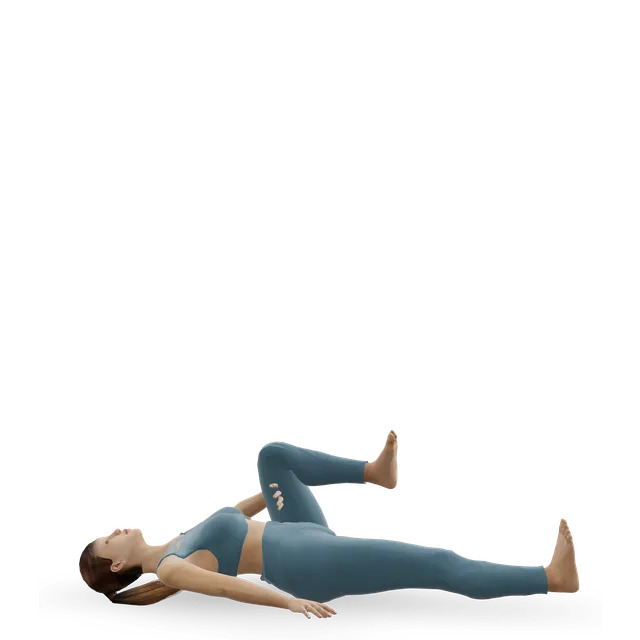
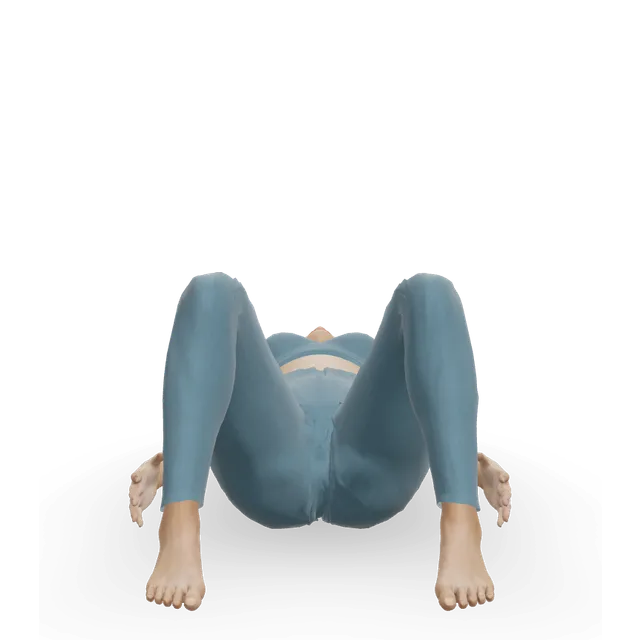
Arthritis UK's flare moves and other gentle ones: 5 to 10 slow repetitions in a comfortable range, then rest and repeat later (our editorial starting point). Leave out the knee hug if it sends pain down a leg.

A routine for a flare-up

A 10-minute routine for bad days, mostly lying and sitting. Repeat it 2 or 3 times through the day if it helps, and see a GP if the flare brings new symptoms.

Sleep and mood

Sleep

Keep regular bed and getting-up times, let in daylight, keep daytime naps short (about 20 minutes, early in the afternoon) and try relaxation. See a GP if sleep problems keep going.

Sources 7, 8

MoodEmerging evidence

Pain can make you tired, anxious, low and grumpy, which can make pain worse. Exercise eased anxiety and depression in people with chronic pain, and talking therapies help too. Our depression, anxiety and sleep guides cover more.

Sources 8, 4, 26

If you need help now

If you are thinking about suicide or can't keep yourself safe, call 999 or go to A&E (accident and emergency). For urgent help, call Samaritans free on 116 123, any time, or in England call 111 and select the mental health option. In the US, call or text 988.

Sources 36, 37, 38

Where the advice differs

How strong is the evidence?

NICE recommends exercise firmly; a Cochrane overview rates the evidence low quality; and one meta-analysis found exercise no better than placebo treatments in 4 trials. Our reading: exercise helps most people a little, mostly with what they can do and with mood, and it's safe.

Sources 2, 3, 20

Pain during exercise

Older advice was to keep exercise pain-free. Trials that allowed some pain found a small short-term benefit, so we use the pain rule above.

Sources 6, 5

Pain management programmes

NICE makes no recommendation for chronic primary pain; the NHS describes them as helpful. Both can be true: they aim at quality of life rather than pain.

Sources 2, 27

Warning signs: when to get help

Call 999 (911 in the US) or go to A&E

Don't drive yourself to A&E.

  • Back pain with pain, tingling, weakness or numbness in both legs, loss of feeling around your genitals or bottom, or changes in your bladder or bowels, such as difficulty peeing, or peeing or pooing yourself.
  • Back pain with chest pain, or after a serious accident.
  • Very bad joint pain after a fall or injury, not being able to walk or put weight on a joint, a joint that looks out of place, or tingling or no feeling around a joint after an injury.
  • Chest pain that feels tight, heavy or like squeezing, or spreads to your arms, neck or jaw; severe difficulty breathing; or signs of a stroke.

Sources 10, 11, 39, 40

Ask for an urgent GP appointment or call NHS 111

  • Pain with a high temperature, or feeling hot, cold, shivery or generally unwell.
  • A joint that's swollen and feels hot.
  • Severe pain that starts suddenly or is getting worse quickly.

Sources 10, 11

See a GP

  • New pain, pain in a new place, or pain that changes.
  • Losing weight without trying, a lump or swelling, or pain that doesn't improve with rest or is worse at night.
  • Pins and needles that's constant or keeps coming back.
  • Joints that are stiff for more than 30 minutes after waking, or pain or swelling that keeps getting worse or coming back.
  • Pain stopping your day-to-day activities or your sleep, or you're struggling to cope.
  • Activity regularly followed by a delayed crash that takes days to recover from.

Sources 1, 10, 12, 41, 11, 33

During or after exercise

  • Pain above about 5 out of 10, or not settled by the next morning: do less next time.
  • Sharp pain, a joint giving way, or pain, pins and needles or numbness travelling down an arm or leg: stop or shrink the move, and get advice if it keeps happening.
  • Chest pain, fainting or severe breathlessness: stop and call 999.

Sources 5, 39

Who can help

Your GP first. In many areas you can refer yourself to NHS physiotherapy without seeing a GP. A GP can refer you to a pain clinic or a pain management programme, and the NHS names support groups such as Pain Concern and Action on Pain.

Sources 10, 27, 29

Myths

"Rest until the pain goes away"Strong evidence

Long periods of rest bring stiff joints, weak muscles and poor fitness, and NICE recommends exercise and staying active.

Sources 7, 1

"Pain always means damage"Strong evidence

Hurt doesn't necessarily mean harm. In long-term pain the nervous system can become more sensitive, so pain can continue without ongoing damage.

Source 7

"No pain, no gain"Strong evidence

Carrying on to the point of unmanageable pain or exhaustion is rarely helpful and usually makes things worse. Aim for pain no higher than about 5 out of 10, settled by the next morning.

Sources 7, 5

"Exercise will make my pain worse"Emerging evidence

On average, a single session neither raises nor lowers pain over the next hour, and soreness when you start something new is common and settles within weeks.

Sources 17, 3

"If exercise helps, the pain must be in my head"Strong evidence

Pain is never just in the mind or just in the body. Exercise works on the body and the nervous system together.

Source 7

"Exercise will cure my pain"Strong evidence

The benefits are modest, mostly in what you can do and in mood. NICE notes that quality of life can improve even if the pain stays the same.

Sources 3, 4, 1

"I need to find the cause before I exercise"Strong evidence

In chronic primary pain a cause may not be found, and NICE recommends exercise anyway. New or changing pain, or the warning signs above, still need a doctor.

Source 1

"Stretching is the best exercise for pain"Emerging evidence

No type is clearly best: NICE found benefits from cardiovascular, mind-body and strength exercise. In fibromyalgia trials, stretching on its own helped least (our fibromyalgia guide has the details).

Source 2

"Painkillers should come first, then exercise"Strong evidence

NICE advises against starting many painkillers for chronic primary pain, including opioids and anti-inflammatories, and the NHS says painkillers aren't the main way to manage long-term pain. Never stop or change a medicine on your own: talk to your GP.

Sources 1, 27

"Pacing means doing less"Mixed evidence

Pacing means a steady amount, broken into chunks and built up gradually, rather than doing a lot on good days and crashing. The idea is widely recommended, but the trial evidence for it is very low certainty.

Sources 31, 7

Questions people ask

Does exercise help chronic pain?

Yes, for most people, though the benefit is modest. In NICE's review, exercise reduced pain and improved quality of life, short and long term, and a Cochrane overview found the clearest effect on what people could do, with smaller and less consistent effects on pain. It also eases anxiety and low mood.

What is the best exercise for chronic pain?

No single type wins: walking, cycling, strength training, Pilates, yoga and tai chi have all helped in trials. Pick what you enjoy and can keep doing, and if your pain has a name, start with that condition's guide.

How do I start exercising with chronic pain?

Start lower than you think: a few minutes of walking or cycling on 3 days a week, and a few light strength moves twice a week, adding a little each week if you haven't had a flare lasting more than a day or two. NICE recommends a supervised group programme, so ask your GP or physiotherapist what's available locally.

How much pain is OK during exercise?

Aim for pain no higher than about 5 out of 10 during and after exercise, settling within an hour or so and back to your usual by the next morning. If it isn't, do less next time, not nothing. Sharp pain, a joint giving way, or pain, pins and needles or numbness travelling down a limb are signs to stop and get advice.

Why does exercise sometimes make my pain worse?

In long-term pain, the pain-damping effect exercise usually has can be weaker, and pain can rise for a while. Soreness when you start something new is common and usually settles within a few weeks. Drop back to a level that felt manageable and build up more slowly.

What is pacing for chronic pain?

Pacing means doing a steady, planned amount, breaking tasks into small steps and building up gradually, rather than doing a lot on good days and paying for it afterwards. It's taught on NHS pain management programmes; the trial evidence is limited, but it's widely recommended.

What should I do in a chronic pain flare-up?

Keep moving gently rather than stopping: swap long walks for short strolls, and do simple moves for a few minutes, then rest and repeat. As it settles, build back up more slowly than before. See a GP if a flare brings new symptoms.

Is it safe to exercise if no one knows what's causing my pain?

Usually, yes. In chronic primary pain, NICE says a cause may not be found, and it still recommends exercise. See a GP first if your pain is new or has changed, or comes with weight loss, a fever, or numbness or weakness.

Can exercise help my sleep and mood when I have chronic pain?

Exercise reduced anxiety and depression in people with chronic pain across 28 trials. Regular bed and getting-up times and short daytime naps help sleep, and talking therapies such as cognitive behavioural therapy can help with both.

Should I keep taking my painkillers when I start exercising?

Keep taking your medicines as prescribed, and talk to your GP or pharmacist before changing them, because some need to be reduced slowly. NICE advises against starting some painkillers, such as opioids, for chronic primary pain, and the NHS says painkillers aren't the main way to manage long-term pain.

Is chronic pain the same as fibromyalgia?

Fibromyalgia is one type of chronic primary pain, where no condition fully explains the pain. Chronic pain also includes pain caused by a condition such as arthritis, and the two can happen together. Our fibromyalgia, chronic back pain and arthritis guides cover each in detail.

Is exercise good for ME/CFS?

Not in the usual way: NICE advises against graded exercise therapy and general exercise programmes for ME/CFS. If activity is followed by a delayed crash that takes days to recover from, see a GP and read our ME/CFS guide.


Sources

  1. NICE NG193 · Chronic pain (primary and secondary) in over 16s (2021)

  2. NICE NG193 · Rationale and impact: the evidence behind the recommendations
  3. Geneen 2017 · Exercise for chronic pain in adults: 21 Cochrane reviews, 381 studies (Cochrane overview; abstract read)
  4. Wu 2025 · Exercise for depression and anxiety in chronic pain: 28 trials, 2,265 people (meta-analysis, Journal of Affective Disorders; abstract read)
  5. Ageberg 2010 · A pain-monitored exercise programme in 76 people with severe hip or knee osteoarthritis: NEMEX-TJR (feasibility study, BMC Musculoskeletal Disorders)
  6. Smith 2017 · Should exercise be painful in chronic musculoskeletal pain? 7 trials (meta-analysis, BJSM; abstract read)
  7. British Pain Society 2015 · Understanding and managing long-term pain (patient booklet; review date 2018, past; opened 21 October 2026)
  8. NHS · 10 ways to reduce pain (review was due May 2026; opened 21 October 2026)
  9. Arthritis UK 2025 · How to maintain movement during a flare-up
  10. NHS · Back pain
  11. NHS · Joint pain
  12. NHS · Unintentional weight loss
  13. Fayaz 2016 · How common chronic pain is in the UK: 19 studies, 139,933 adults (meta-analysis, BMJ Open; abstract read)
  14. Raja 2020 · The revised International Association for the Study of Pain definition of pain (Pain; abstract read)
  15. NHS · Complex regional pain syndrome (review was due October 2025; opened 21 October 2026)
  16. Rice 2019 · How exercise changes pain in people with and without chronic pain (review, Journal of Pain; abstract read)
  17. Shah 2022 · One exercise session and pain in chronic pain: 17 trials, 664 adults (meta-analysis, Musculoskeletal Science and Practice; abstract read)
  18. Cuenca-Martínez 2023 · Pain neuroscience education for chronic musculoskeletal pain: 16 reviews (umbrella review, Frontiers in Neuroscience; abstract read)
  19. Khan 2026 · Pain neuroscience education: 12 trials, 1,485 people (meta-analysis, Clinical Journal of Pain; abstract read)
  20. Miller 2022 · Exercise compared with placebo treatments for chronic pain: 79 trials (meta-analysis, Sports Medicine; abstract read)
  21. O'Connor 2015 · Walking for chronic musculoskeletal pain: 26 studies, 2,384 people (meta-analysis, Archives of Physical Medicine and Rehabilitation; abstract read)
  22. García-Correa 2021 · Aerobic exercise for chronic pain: 27 studies (meta-analysis, Journal of Physical Activity and Health; abstract read)
  23. Hall 2017 · Tai chi for chronic musculoskeletal pain: 15 trials (meta-analysis, Physical Therapy; abstract read)
  24. Wen 2022 · Tai chi, yoga and qigong for chronic pain in middle-aged and older people: 17 trials (meta-analysis, Frontiers in Aging Neuroscience; abstract read)
  25. Polaski 2019 · Exercise dose and pain relief in chronic pain: 75 studies (meta-analysis, PLOS One; abstract read)
  26. Williams 2020 · Psychological therapies for chronic pain: 75 studies, 9,401 people (Cochrane review; abstract read)
  27. NHS · How to get NHS help for your pain (review was due February 2026; opened 21 October 2026)
  28. NHS · Physical activity guidelines for adults aged 19 to 64
  29. British Pain Society · People living with pain (pain clinics and pain management programmes)
  30. Leese 2024 · What helps and hinders activity in chronic pain: 40 studies (systematic review, Pain; abstract read)
  31. Antcliff 2026 · Activity pacing for chronic pain: 9 studies, 873 people (systematic review, Clinical Journal of Pain; abstract read)
  32. Antcliff 2021 · An activity pacing programme in an NHS pain service (feasibility study, BMJ Open; abstract read)
  33. NICE NG206 · Myalgic encephalomyelitis (or encephalopathy)/chronic fatigue syndrome: diagnosis and management (2021)
  34. López-de-Uralde-Villanueva 2016 · Graded activity and graded exposure for chronic low back pain: 13 trials (meta-analysis, Pain Medicine; abstract read)
  35. Zhang 2026 · Graded exposure for chronic musculoskeletal pain: 8 trials, 554 people (meta-analysis, Journal of Pain Research; abstract read)
  36. NHS · Where to get urgent help for mental health ("call 111 and select the mental health option")
  37. Samaritans · Contact a Samaritan: 116 123, free, any time
  38. 988 Suicide and Crisis Lifeline (US): call, text or chat, any time
  39. NHS · Heart attack
  40. NHS · Stroke: symptoms
  41. NHS · Pins and needles

Exercise education, not a diagnosis or treatment plan, and clinical review of these guides is pending. Stop and get advice for chest pain, unusual breathlessness, dizziness or fainting, or new pain, and check with your doctor or midwife first if they have told you to limit activity. Health disclaimer.