What are the best exercises for peripheral neuropathy?
A mix: balance exercises next to a counter, strength work for your legs and ankles, and walking or cycling. Combining endurance and balance training has the best support in trials. The American Diabetes Association advises 150 minutes of aerobic activity a week and strength work 2 to 3 times a week, plus balance work 2 to 3 times a week for adults aged 50 and over, particularly with neuropathy.
Can exercise help neuropathy in the feet?
Yes, for balance, strength and walking: across 16 trials, exercise improved balance scores and made people quicker on a standard get-up-and-walk test, though the certainty is low. Effects on numbness and pain are small and uncertain, so treating the cause, such as blood sugar, alcohol or low vitamin B12, still matters most.
Can exercise reverse peripheral neuropathy?
It hasn't been shown to bring back lost feeling. One small 4-year trial found brisk walking delayed neuropathy developing in people with diabetes, but once nerves are badly damaged they usually can't repair themselves. Some neuropathy improves when its cause is treated.
Is walking good for neuropathy in the feet?
Yes, in well-fitting shoes. A trial of walking and leg exercises didn't significantly increase foot ulcers in people with diabetic neuropathy, and the international foot guideline says an extra 1,000 steps a day is likely safe. Walk on even ground, limit long hikes and jogging, and check your feet afterwards.
What exercises should I avoid with peripheral neuropathy?
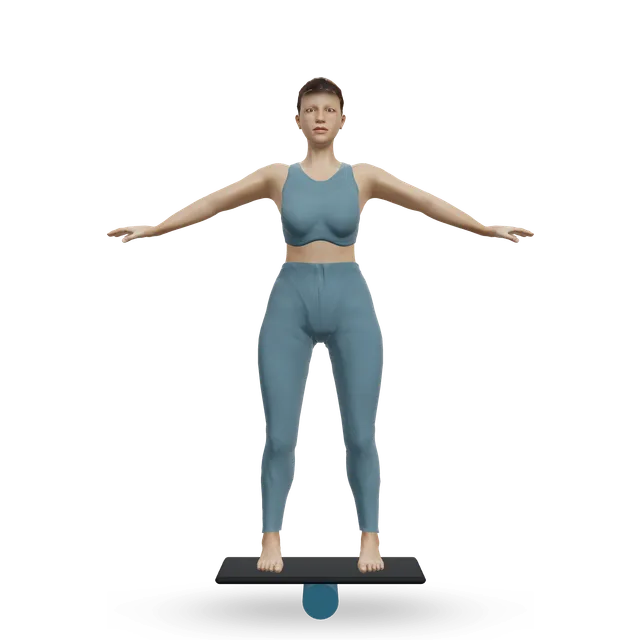
Limit long hikes, jogging and walking on uneven ground, and avoid activities that need a lot of balance, such as a wobble board with nothing to hold. With a foot injury or an open sore, avoid weight-bearing exercise, and don't swim with an unhealed ulcer on the sole of your foot. Always do balance practice next to something you can hold.
How can I improve my balance with neuropathy?
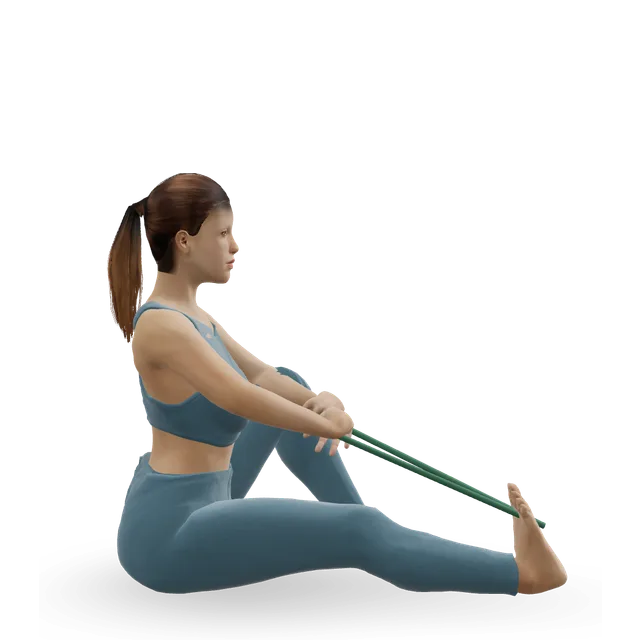
Practise 2 to 3 times a week next to a counter, in shoes: narrow and heel-to-toe stands, one-leg stands, side-stepping and walking backwards, using less hand support as you improve. Add sit-to-stands and calf and shin raises for ankle strength. If you're unsteady, our balance test page has a 4-stage version; with numb feet, do it in shoes with someone beside you.
Should I check my feet before and after exercise?
Yes. Check every day, before your socks go on in the morning and at bedtime, with a mirror or a helper, and again after every walk or session. Check inside your shoes for anything sharp before you put them on.
Can I exercise barefoot with neuropathy?
Don't walk or stand barefoot: the international foot guideline advises against walking without suitable foot protection, and the American Diabetes Association advises against going barefoot at home. Seated toe and ankle exercises in socks are fine if you check your skin afterwards (our suggestion).
Does exercise help nerve pain?
In small studies, exercise reduced how much pain got in the way of walking and sleep, though not always the pain itself. Medicines such as amitriptyline, duloxetine, gabapentin or pregabalin are the main treatment for nerve pain; talk to your GP rather than changing anything yourself.
Does exercise help neuropathy from chemotherapy?
Trials suggest it does, especially balance training, which seems the most important part. A bike or swimming may suit you better than brisk walking on rough ground, and our cancer guide covers exercise during and after treatment.
Why does neuropathy make me more likely to fall?
Neuropathy makes it harder to tell where your feet are, which affects balance and co-ordination, and your eyes and inner ears have to work harder. In one large study, older adults with neuropathy were about 50% more likely to have a fall or fracture, so balance training, good shoes, good light and something to hold all help.
When should I see a doctor about my feet?
Within 24 hours for a red, hot or swollen foot, a new blister or cut, a smelly or leaking wound, or new foot pain; take the weight off it meanwhile. See your GP for new tingling, numbness, weakness or poor balance, and have your feet checked every year if you have diabetes.