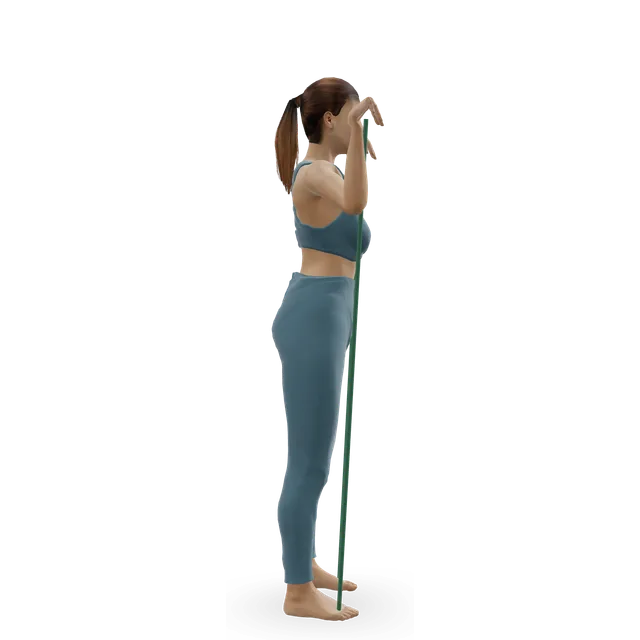
Is it safe to exercise during cancer treatment?
Usually, yes. International guidelines say exercise is generally safe during and after treatment and that everyone should avoid being inactive, and Macmillan and Cancer Research UK agree. Some situations need care or a pause, such as low blood counts, a fever, a central line or cancer in the bones, so talk to your cancer team before starting anything new.
How much exercise should I do during or after cancer treatment?
The guidelines suggest building up to 30 minutes of moderate activity, such as brisk walking, at least 3 times a week, plus strength exercises twice a week. The UK target is 150 minutes a week with strength work twice a week. Start with 10 to 15 minutes at a time and build up; on bad days, a little still counts.
Does exercise help cancer fatigue?
Yes. In 56 trials, exercise reduced cancer-related fatigue during and after treatment, and it helped more than medicines did. Guidelines recommend it, so pace yourself to finish feeling energised rather than exhausted. Tell your team about your fatigue too, because causes such as anaemia, pain, poor sleep or low mood can sometimes be treated.
Can I exercise during chemotherapy?
Yes, adjusting to how you feel: in trials during breast cancer treatment, exercise kept fitness up and eased fatigue a little. Expect to do less in some weeks, for example just after a cycle. Your team may advise avoiding gyms and pools when your white cell count is low and keeping it gentle with low platelets, and contact your hospital straight away if your temperature is over 37.5°C or under 36°C.
Can I exercise during radiotherapy?
Yes: exercise during radiotherapy for breast cancer reduced fatigue in trials. Wear loose clothing over treated skin and avoid swimming while you have a skin reaction, because pool chemicals can irritate it. Ask your radiotherapy team when you can swim again.
Can I lift weights after breast cancer? Will it cause lymphoedema?
Lifting weights doesn't cause or worsen lymphoedema when it's built up slowly. In trials, women who lifted twice a week had no more swelling and fewer flare-ups, and women at risk were no more likely to develop it; NICE says the same. Start light, ideally with supervision at first, wear your compression garment if you've been given one, and contact your lymphoedema specialist if the area changes.
Can I exercise if cancer has spread to my bones?
Often, yes, with a plan. Experts say exercise should be supported after your team has assessed the risk, ideally with a physiotherapist or exercise professional who knows cancer, and trials found no serious problems linked to the bone metastases. Avoid high-impact activities, twisting and repeated bending forward unless your team says otherwise, and get medical advice straight away for new back pain with numbness, weakness or bladder or bowel changes.
Can exercise stop cancer coming back?
For colon cancer, one large trial says it helps: after chemotherapy, a 3-year structured exercise programme cut the risk of the cancer returning, a new cancer or death by 28%. For other cancers, studies link being active with longer survival, but they can't prove cause and effect. Exercise adds to treatment; it doesn't replace it.
Should I exercise before cancer surgery?
If you have time, yes. Exercise before lung cancer surgery more than halved lung complications, and a programme before bowel cancer surgery cut severe complications in one trial. Fitness can improve in as little as two weeks, so ask your team whether a prehabilitation programme is available.
When should I not exercise during cancer treatment?
Don't exercise if you feel unwell or have symptoms that worry you, and contact your hospital straight away if your temperature is over 37.5°C or under 36°C. Stop and get advice for sudden dizziness, chest pain, a racing heart, breathing problems, or unusual bone or back pain. Follow your team's advice about low blood counts, lines and radiotherapy skin reactions.
What is the best exercise after cancer treatment?
A mix of aerobic activity, such as walking or cycling, and strength training, with balance work if treatment affected your nerves or balance. Choose what you enjoy, start gently and build up. A physiotherapist, clinical exercise physiologist or cancer exercise specialist can tailor a plan.
I'm on hormone therapy for prostate cancer. What should I do?
NICE recommends that men starting or having hormone therapy are offered supervised strength and aerobic exercise at least twice a week for 12 weeks, to reduce tiredness and improve quality of life. Our guide to exercise for men covers the evidence, including what to do if the cancer has spread to the bones.