Strength at home
Balance exercises routine
Balance improves when you practise it. Stand next to a counter or wall for every exercise, so a wobble stays a wobble.
Routine
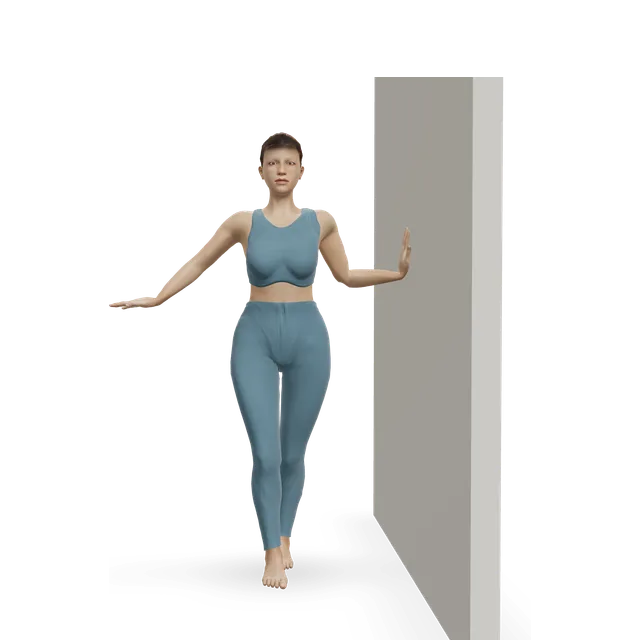
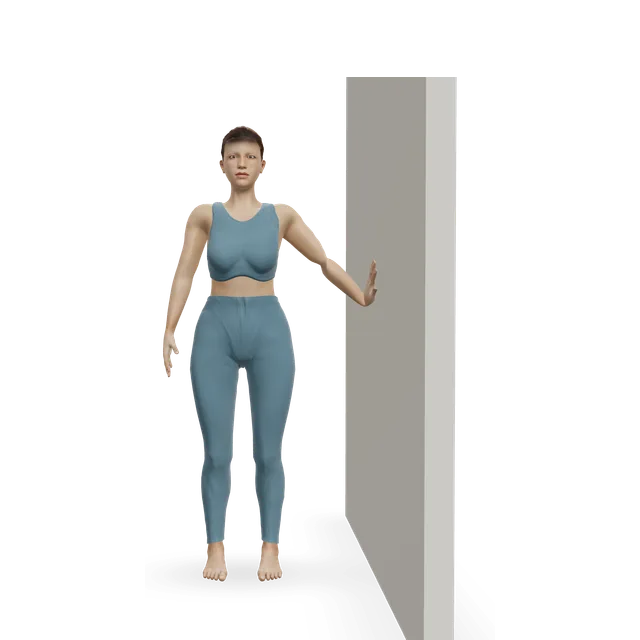
- Tandem stance and heel-to-toe walk30 s stance, then 10 stepsBeginner · Calves, Hip abductors · 3D demoEasier: Semi-tandem stanceHarder: Single-leg stand
- Single-leg stand20–30 s each sideBeginner · Hip abductors, Calves, Glutes · 3D demoEasier: Tandem stance and heel-to-toe walkHarder: Single-leg reach matrix
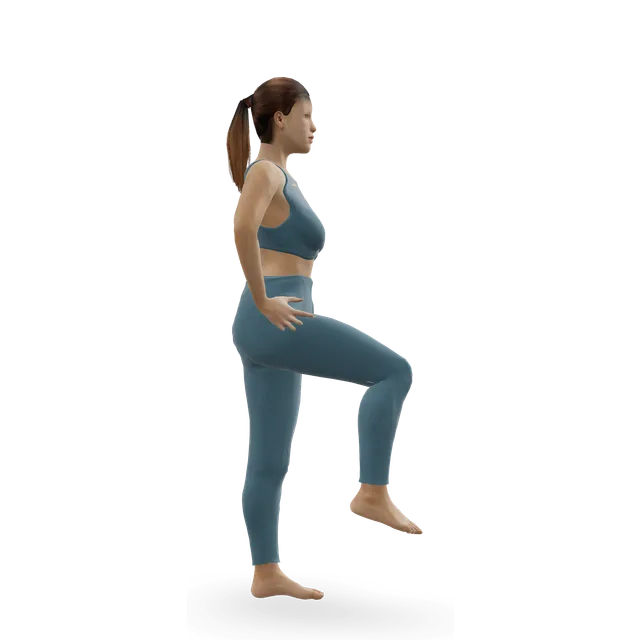
- Standing march20 stepsBeginner · Hip flexors, Abs, Glutes · 3D demoEasier: Seated marchHarder: Standing band hip flexion
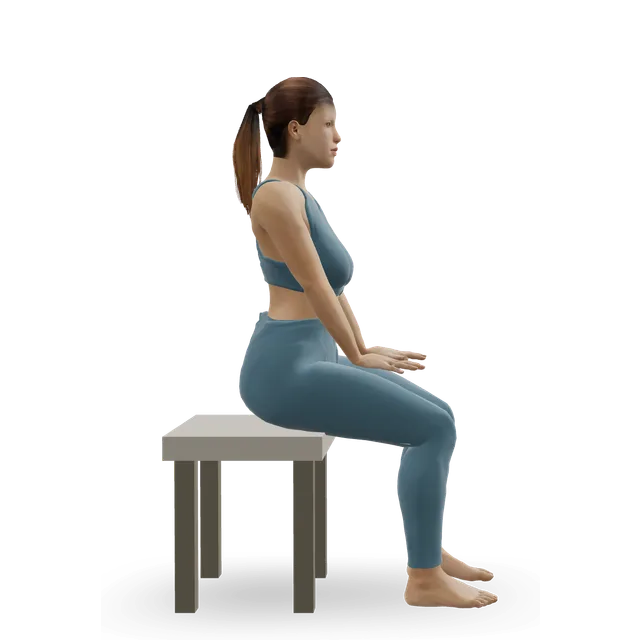
- Beginner · Quads, Glutes, Hamstrings · 3D demoEasier: Sit to stand, pushing on the thighsHarder: Bodyweight squat
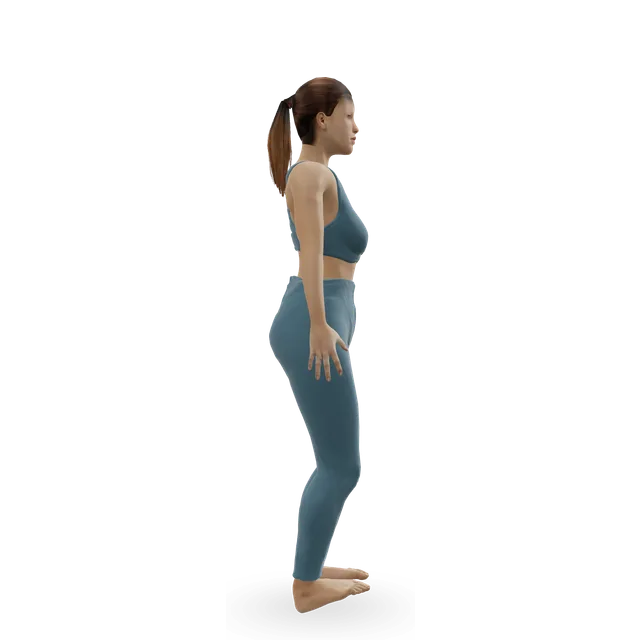
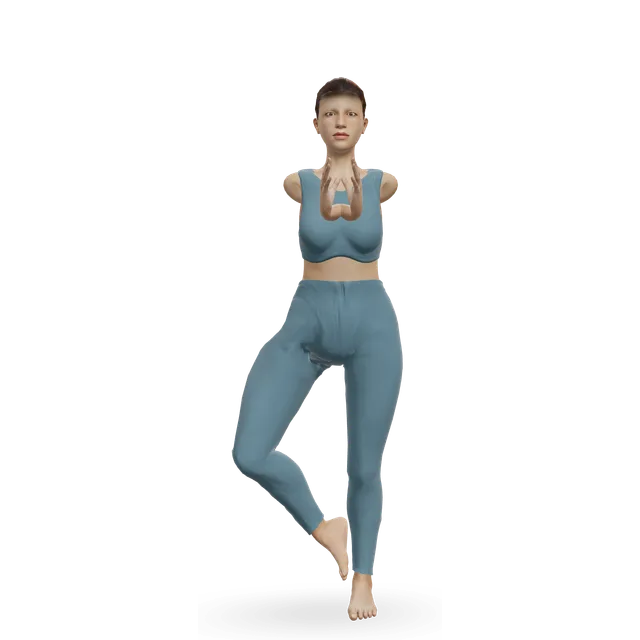
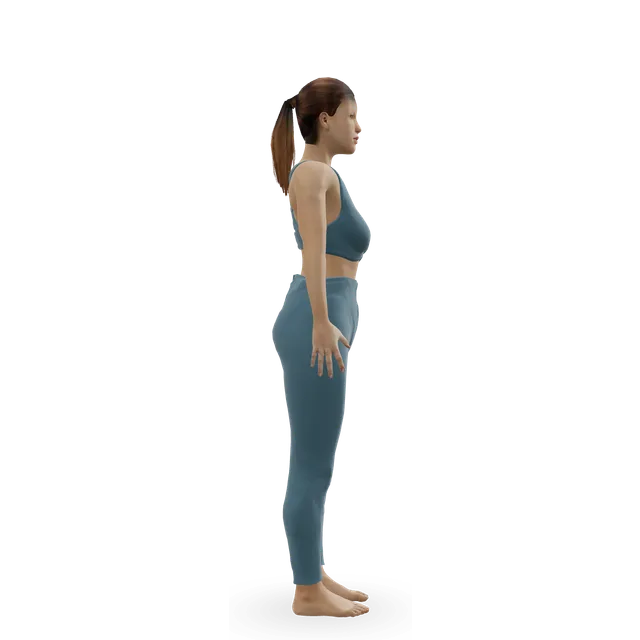
- Tree pose (Vrksasana)20 s each sideBeginner · Glutes, Hip abductors, Calves · 3D demoEasier: Mountain pose (Tadasana)Harder: Standing hand-to-big-toe pose (Utthita Hasta Padangusthasana)
- Get up and down from the floor3 reps, if comfortableBeginner · Quads, Glutes, Abs · 3D demoWith someone nearby the first few times, and a sturdy chair to push up fromEasier: Sit to stand from a chairHarder: Bodyweight get-up
Tips
- Keep a hand near a support; lighten the touch as you improve, taking your hand off the counter one finger at a time.
- Do it on most days: in trials, falls programmes that challenged balance and added up to more than 3 hours a week cut falls the most.
- If you have fallen recently, a physiotherapist can tailor balance training to you.
The doses are suggested starting points, not a prescription. Choose a range you can control and stop for sharp or increasing pain, numbness or tingling. Get individual advice after an injury or surgery, or if you are pregnant or managing a health condition.
Part of these weekly plans
Follow the whole week: which session on which day, and how to progress.
Guides that recommend it
- Benefits of Pilates guide
- Pilates for seniors guide
- Pilates for osteoporosis guide
- Pilates for MS guide
- Pilates for hypermobility guide
- Pilates for hip pain guide
- Chair Pilates guide
- Pilates for balance guide
- Pilates for basketball players guide
- Pilates for kyphosis guide
- Pilates for spinal stenosis guide
- Pilates for hip bursitis guide
- Pilates for a hip labral tear guide
- Pilates for a meniscus tear guide
- Pilates after an ankle sprain guide
- Pilates for vertigo guide
- Pilates for badminton players guide
- Pilates for netball guide
- Pilates for older women guide
- Pilates for the ankles guide
- Yoga for seniors guide
- Benefits of yoga guide
- Yoga for hip pain guide
- Yoga for balance guide
- Wall yoga guide
- Yoga for osteoporosis guide
- Yoga for MS guide
- Yoga for Parkinson's guide
- Yoga for vertigo guide
- Yoga for feet guide
- Yoga for hypermobility guide
- Yoga for hip bursitis guide
- Yoga for an ankle sprain guide
- Yoga for a meniscus tear guide
- Yoga for a hip labral tear guide
- Yoga for Down syndrome guide
- Yoga after ACL surgery guide
- Yoga for the ankles guide
- Hip joint guide
- Ankle and foot guide
- Older adults guide
- Feet guide
- Hypermobility guide
- Exercise for older adults
- Exercise for osteoporosis and osteopenia
- Exercise for menopause and perimenopause
- Exercise for type 2 diabetes
- Exercise for arthritis
- Exercise during and after cancer treatment
- Exercise for Parkinson's
- Exercise with MS
- Exercise and dementia
- Exercise for hypermobility
- Exercises for ankylosing spondylitis
- Exercise for kidney disease
- Exercise for ADHD
- Exercises for vertigo
- Exercises for peripheral neuropathy
- Exercise after an amputation
- Exercise for autistic children and adults
- Exercise for Down syndrome
- Exercise for sarcopenia
- Exercise with prostate cancer
- Exercise with an overactive thyroid (hyperthyroidism)
- Exercise in recovery from alcohol or drugs
- Exercise with blood cancer
- Exercise with glaucoma
- Exercise after cataract surgery
- Exercise after a brain injury
- Kyphosis guide
- Bow legs guide
- Lateral pelvic tilt guide
- Duck feet guide
- Leg length discrepancy guide
- Pistol squats guide
- Turkish get-ups guide
- How to improve balance guide
- Building muscle after 50 guide
- Strengthen your ankles guide
- Strengthen your feet guide
- Strengthen your legs guide
- Bone density guide
- Running in the cold guide
- Training for a hike guide
- Rucking guide
- Shrimp squats guide
- Vibration plate guide
- Ankle weights guide
- Sitting-rising test guide
- Timed up and go test guide
- Balance test guide
- Skiing and snowboarding guide
- Hiking and hillwalking guide
- Basketball guide
- Volleyball guide
- Pickleball guide
- Netball guide
- Ice hockey guide
- Field hockey guide
- Dance guide
- Surfing guide
- Badminton guide
- Table tennis guide
- Snowboarding guide
- Kayaking and paddleboarding guide
- Figure skating guide
- Roller skating guide
- Trampolining guide
- Jumping events guide
- Windsurfing and kitesurfing guide
- Parkour and freerunning guide
- Zumba and dance fitness guide
Find more moves like these
More strength at home
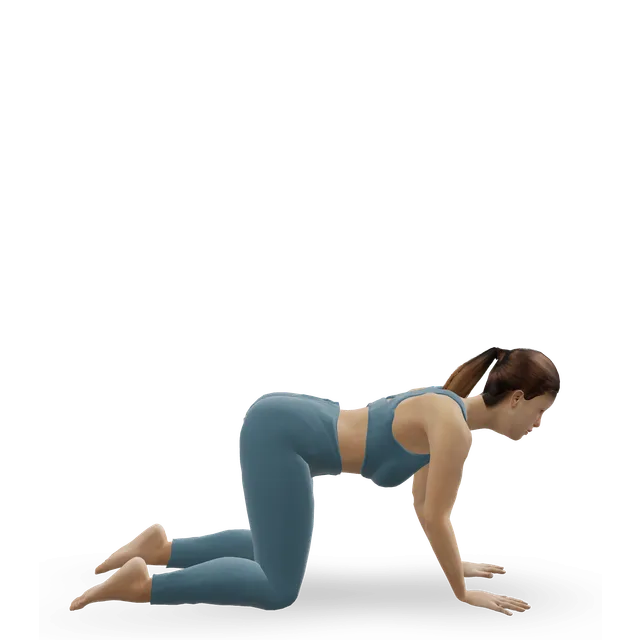
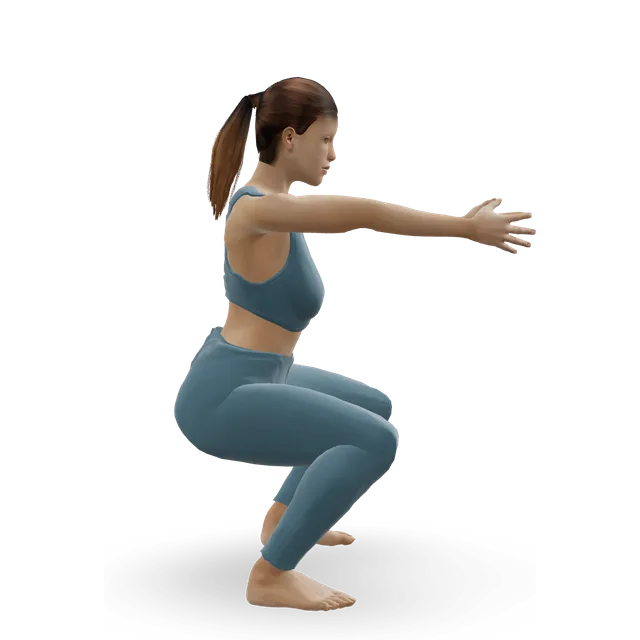
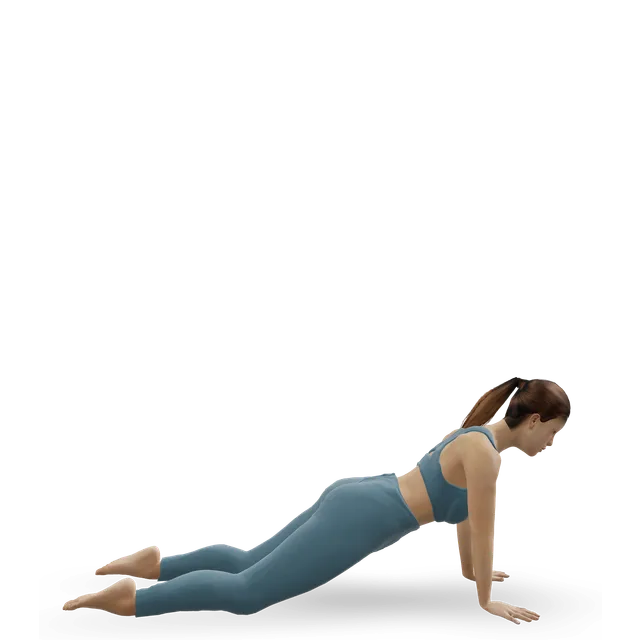
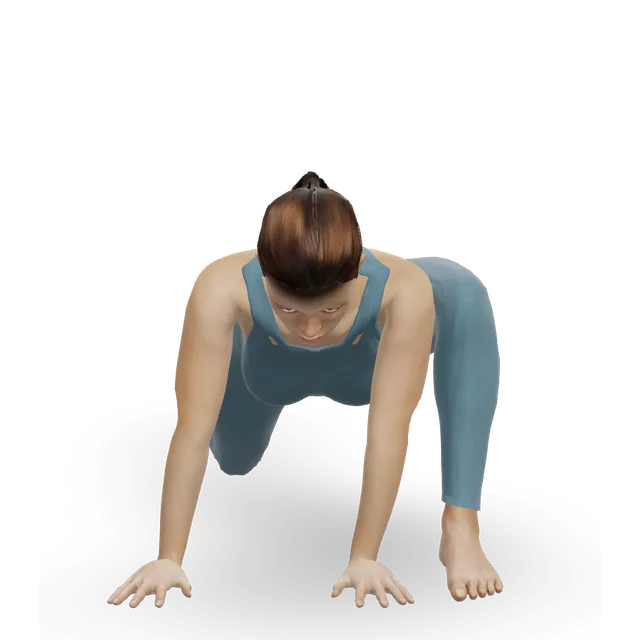
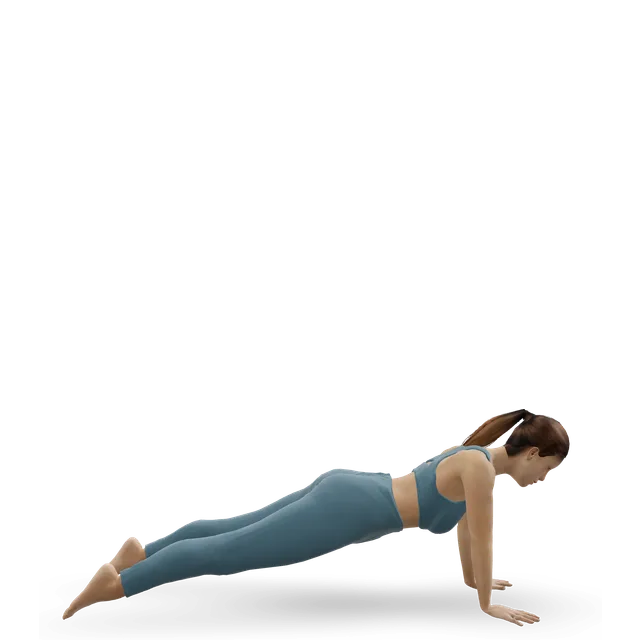
Beginner bodyweight workout
A 20-minute full-body workout with no equipment: squats, knee push-ups, bridges, lunges and planks.
20 minBeginner10 movesNo equipment
Full-body bodyweight workout
An intermediate no-equipment workout: push-ups, split squats, single-leg bridges, pike push-ups and core work.
30 minIntermediate11 movesNo equipment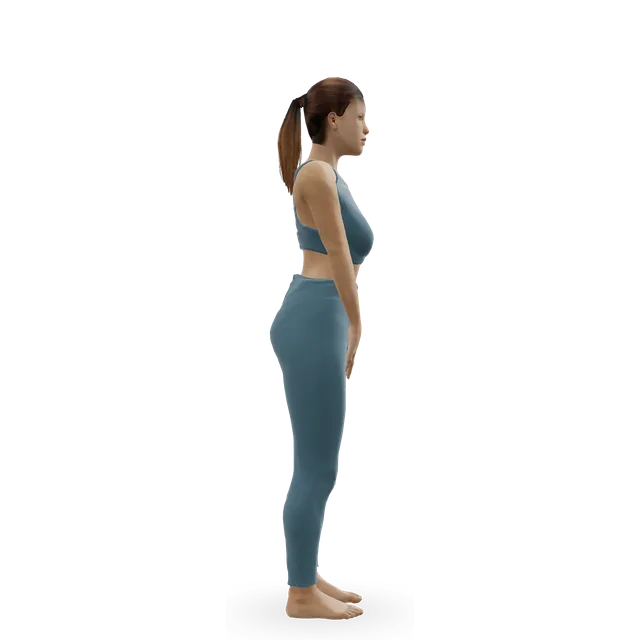
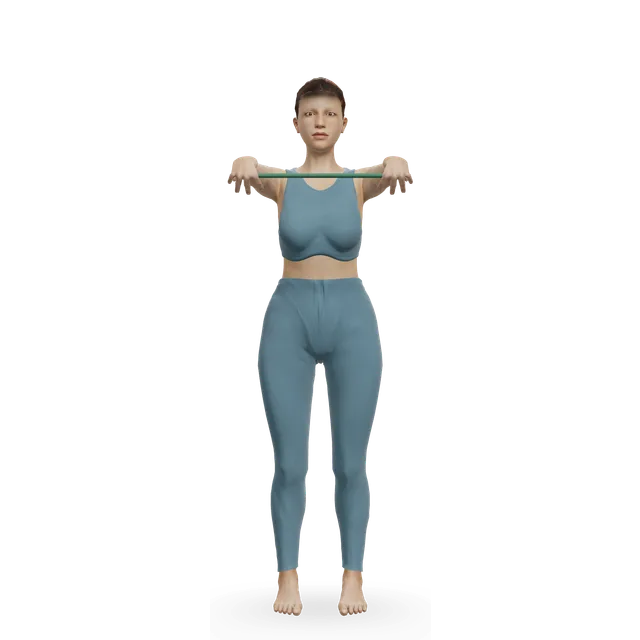
Full-body dumbbell workout
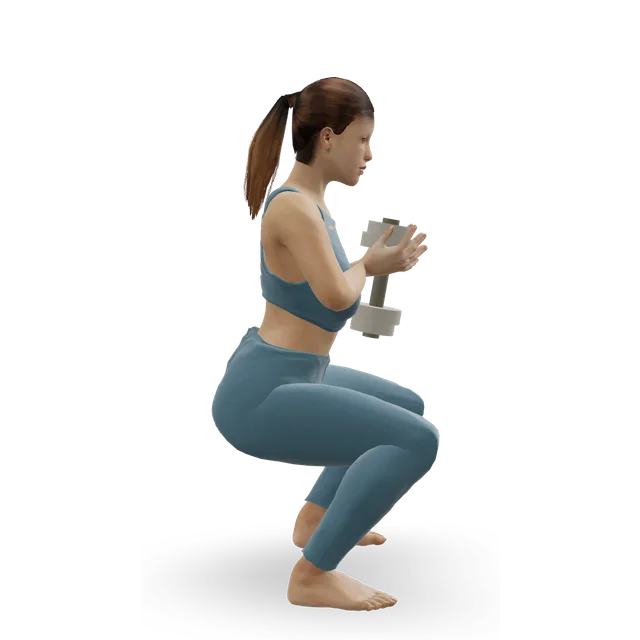
A 35-minute full-body strength workout with dumbbells: goblet squats, presses, rows, Romanian deadlifts and carries.
35 minIntermediate9 movesBand, dumbbellQuestions people ask
How long does the balance exercises routine take?
About 10 minutes, including any warm-up and cool-down listed. Shorten it by doing fewer rounds; lengthen it by adding one.
What equipment do I need?
You need: A wall, A bench or box. Each move links to its guide, where you can find an alternative if you are missing something.
Is it suitable for beginners?
It is written for beginners. 7 of its 7 moves have an easier option listed beside them if you need one.
How do I make it easier or harder?
Use the easier or harder option listed under each move, change the number of rounds, or adjust the rest. Progress one change at a time.