Bow legs: when they're normal, and what exercise can and can't change
Bow legs (genu varum) are when the knees stay apart while the ankles touch. In babies and toddlers they're a normal stage: legs are most bowed at about 6 months and usually straight by about 2, though some healthy children take until 3 or 4, and sources differ on the exact age. Braces, special shoes and exercises don't help, and a GP should check bowing that gets worse after 2, affects one leg more than the other, or comes with pain or short height.
In adults, exercise can't change the shape of your bones, and a mild bow is common and normal. Bow legs do raise the chance of arthritis in the inner part of the knee, and that's where exercise earns its place: strengthening the thighs and hips eases knee pain and keeps you moving.
This guide covers children and adults, the rare causes such as rickets and Blount disease, what braces, insoles and surgery can do, and moves with 3D demos.
Most babies are bow-legged, most of all at about 6 months. The legs are usually close to straight by about 2, though some healthy children take until 3 or 4: sources differ on the exact age. Children then turn knock-kneed for a while, and their legs settle by about 7.
If the bowing is getting worse after 2, is still clearly there at about 3, is much worse in one leg, or comes with pain, a limp or short height for age. These are reasons to get it checked, not a diagnosis.
No braces, special shoes or exercises for children
Normal bowing straightens with growth, and braces, special shoes, insoles and exercises don't change it. Active play and the NHS's advice on vitamin D are what young children need.
In the only trial that measured it, 12 weeks of exercise changed X-ray angles by about 1 degree, which its authors said wasn't structural correction. What exercise changes is strength, balance and knee pain.
A bow puts more load through the inner knee and raises the chance of arthritis there. In people with bow legs and arthritis, strengthening the thighs and hips eased knee pain, even though it didn't change the load on the knee.
Sources differ on when bowing should have goneMixed evidence
In a study of 196 children, bow legs after 2 were outside the normal range, and the American Academy of Pediatrics and NHS Lothian also expect bowing to have gone by about 2. The American Academy of Orthopaedic Surgeons says normal bowing has usually corrected by 3 to 4, and suggests looking for a cause if it hasn't gone by 3. Children's Health Ireland refers children whose bowing is still increasing after 4. Put together: usually gone by about 2, sometimes 3 to 4.
Korean children's legs were straight at about 18 months and most knock-kneed (7.8 degrees) at 4, and the timing differs between populations. Normal ranges are a guide, not a rule.
A 2026 review found bow legs more common in young athletes than in non-athletes, especially boys who play football, perhaps from repeated load on the growing top of the shin bone. In 521 boys, 3 or more hours a week of high-impact sport went with more bowing from about age 13. These studies are snapshots without long-term follow-up, and they're no reason to stop sport.
When bowing isn't normal: rickets and Blount disease
Rickets
Rickets softens growing bones when a child doesn't get enough vitamin D or calcium; some forms are inherited. Its main sign is bowed legs. Others are swollen, painful wrists, aching bones, changes in walking or tiring easily, weak muscles, being small for their age and teeth coming through late. A GP checks vitamin D and calcium levels; treatment is vitamin D and calcium, and some children need surgery for bowing that persists.
Rickets from diet is unusual where foods are fortified, and is seen most in babies who are only breastfed and don't get vitamin D drops. In European school children with very low vitamin D and a low intake of dairy foods, 36% had bow legs or knock knees.
The NHS advises a daily vitamin D supplement of 8.5 to 10 micrograms for babies from birth if they're breastfed or have less than 500 ml of infant formula a day, and 10 micrograms a day for all children aged 1 to 4, all year round. People with dark skin, for example of African, African-Caribbean or south Asian background, may not make enough vitamin D from sunlight.
Blount disease is a problem with the growth plate at the top of the shin bone that makes bowing get worse instead of better. The infantile form starts between 1 and 5, often in both legs; the adolescent form can affect one leg or both. Before 2 it can't be told apart from normal bowing, and by about 3 it usually shows on an X-ray.
Signs that point to it are bowing that is getting worse after 2 to 3, especially on one side, with the shin twisting inward or the knee jolting outward as the child walks. A US reference text lists early walking, a higher body weight and African-American heritage as risk factors; in 96 children with it in Ghana, 68% were a healthy weight.
Toddlers may wear a brace, and if the bowing still progresses, an operation by about 4 protects the growth plate. Guided growth uses a small plate to hold back growth on one side of the growth plate, so the leg straightens as the child grows: in 7 studies of 92 legs, it corrected 79%, but 30% needed another operation. Braces don't work for teenagers with Blount disease, who usually need surgery.
An injury or infection near a growth plate, a bone growth disorder and, rarely, a tumour can bend a leg. In older adults, Paget's disease of bone can change the shape of a bone.
Call 999 or go to A&E if a child gets sudden pain in the hip, knee or thigh, can't put any weight on a leg, has a leg that has changed shape or points at an odd angle, feels unwell with a high temperature or hot, cold and shivery, has severe pain low in the tummy as well, or is getting worse.
See a GP if a leg seems to be getting more bowed, especially on one side, if you have bone pain that won't go away or a bone seems to be changing shape, or if knee pain hasn't improved within a few weeks.
Get advice from NHS 111 straight away if your knee is very painful, you can't move it or put any weight on it, it's badly swollen or has changed shape, it locks or gives way, or you have a very high temperature with redness or heat around the knee.
In 250 healthy adults aged 20 to 27, 32% of men and 17% of women had a bow of 3 degrees or more, more often if they'd played a lot of sport while growing. Knee surgeons now classify each person's natural alignment, and in a knee replacement may aim for something close to it rather than a perfectly straight leg.
In the only trial that measured it, 40 women aged 40 to 60 with bow legs and knee pain did 12 weeks of exercise focused on knee alignment, 3 times a week. The gap between their knees narrowed from about 6.4 to 5.3 cm and X-ray angles changed by about 1 to 1.6 degrees, with no change in women who didn't exercise. The authors said this shouldn't be read as structural correction, and the two groups differed in age. Knee pain improved more in the exercise group.
In a Dutch study of 1,501 people followed for 6.6 years, bowed knees had about twice the odds of developing arthritis, mainly in people who were overweight. In people who already had arthritis, a bow raised the odds of the inner knee getting worse about 3.5 to 4 times, in studies of 237 and 950 people.
About three in four people with knee arthritis have some bow, and the bow tends to grow as the inner knee wears. A bow is a risk factor, not a certainty.
For children with rickets, vitamin D and calcium carry the evidence; for Blount disease, braces in toddlers and surgery. For adults, the trials below are in people with knee arthritis.
Braces, shoes and exercise don't help normal bowingStrong evidence
The American Academy of Pediatrics says bracing, corrective shoes and exercise "are rarely helpful, and may hinder a child's physical development and cause unnecessary emotional stress". The British Society for Children's Orthopaedic Surgery says children don't need to change their exercise habits, have physiotherapy or wear braces, and NHS Lothian says splints, insoles and exercises don't have any effect.
Strengthening eases knee pain without changing knee loadEmerging evidence
In 89 people with arthritis of the inner knee and bow legs, 12 weeks of hip strengthening improved pain and function but didn't reduce the load on the inner knee during walking. In 100 similar people, exercise focused on knee alignment and quadriceps strengthening improved pain and function equally, and neither reduced the knee load.
Insoles that are thicker on the outer edge (lateral wedge insoles) did no better than flat insoles for knee arthritis pain in 7 trials, and reduced the load on the inner knee only slightly. A Cochrane review found no difference from flat insoles, and the American College of Rheumatology advises against them.
NICE (the National Institute for Health and Care Excellence) says not to routinely offer braces or insoles for osteoarthritis unless the joint is unstable or loaded abnormally and exercise doesn't work, or isn't possible, without one. The American College of Rheumatology strongly recommends a knee brace for people whose arthritis badly affects walking, stability or pain. A Cochrane review found the evidence inconclusive, and many people stopped wearing their brace.
In 68 people with arthritis of the inner knee, turning the toes in or out by 5 or 10 degrees, chosen for each person in a gait lab and taught with feedback over 6 visits, reduced pain by about 1.2 points out of 10 more than a sham at a year. This is a specialist treatment, not something to copy on your own.
An osteotomy cuts and realigns the shin bone to take load off a worn inner knee. In a Cochrane review of 21 studies (1,065 people), it reduced pain in before-and-after comparisons, but no trial has compared it with exercise or other non-surgical care. It is for painful arthritis, not for the shape of the legs.
Toddlers need at least 180 minutes of activity a day, and children and young people an average of at least 60 minutes of moderate to vigorous activity a day, including activities that strengthen muscles and bones. Give vitamin D as the NHS advises. If you're unsure about your child's legs, a photo every few months shows a GP how they're changing.
In the trials, people exercised at home 4 times a week for 12 weeks, as well as in 14 sessions with a physiotherapist. The thigh programme did 2 sets of 10 of each exercise, building to 3 sets as soon as possible, at an effort of 5 to 8 out of 10, holding the end of each straightening move for 5 seconds and building to 10, and breathing throughout. The hip programme strengthened the muscles that move the leg out to the side and in. Our starting doses for each move are with the moves below.
The alignment-focused programme kept the knee in line over the foot and stopped it jolting outward, bent the knee no more than 30 degrees except when standing up from a chair, used a hand for support where needed, and worked at an effort of at least 5 out of 10. Some pain was allowed if it settled by the next day; our knee guides use a similar pain rule.
NICE recommends exercise for everyone with knee arthritis, and weight loss for people who are overweight. Walking or a stationary bike is a gentle way to build fitness (our suggestion); the knee arthritis guide has a staged plan.
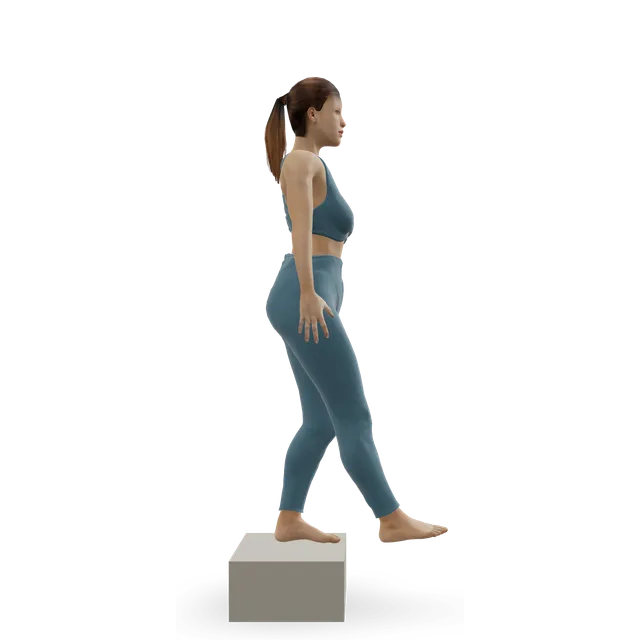
Start with 2 sets of 10 and build to 3, holding the end of each straightening move for 5 seconds and building to 10 (the trial's thigh programme). The seated knee extension page gives 3 sets of 10 to 15 each leg, 2 to 3 days a week. Step-ups: 3 sets of 10 on a low step, as in the 2026 trial. Keep wall sits shallow, with the knees bent no more than about 30 degrees, and keep breathing (editorial).
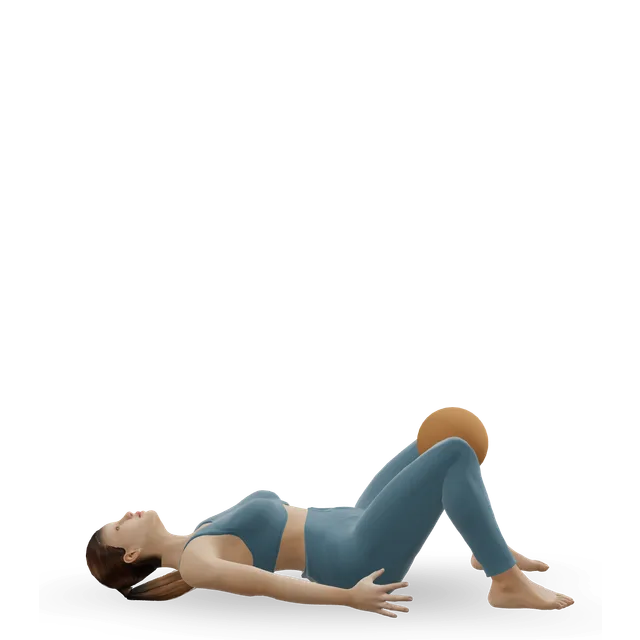
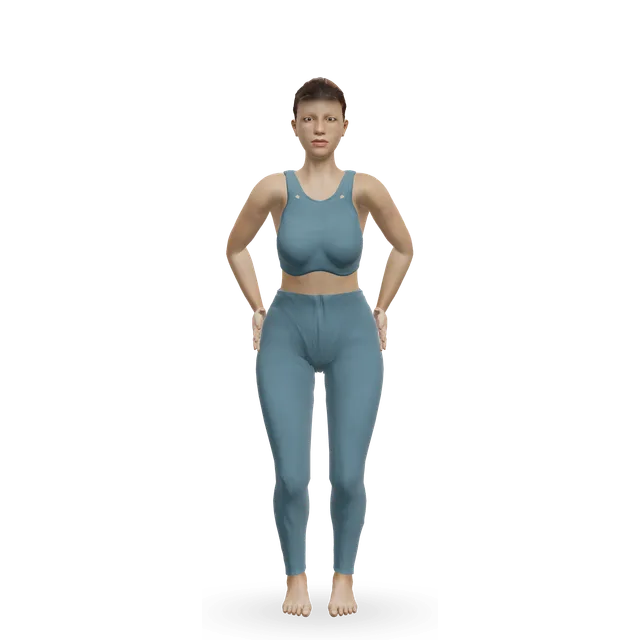
Side-lying leg raises and band walks, 2 to 3 sets of 10 to 15; inner thigh squeezes, 2 to 3 sets of 10 held for 5 seconds; bridges, 2 to 3 sets of 10 to 15; one-leg stands, 3 holds of 20 to 30 seconds near a counter (editorial starting points). Wall-press holds: 3 to 5 holds of 5 to 15 seconds each side, twice a day (the move page's dose).
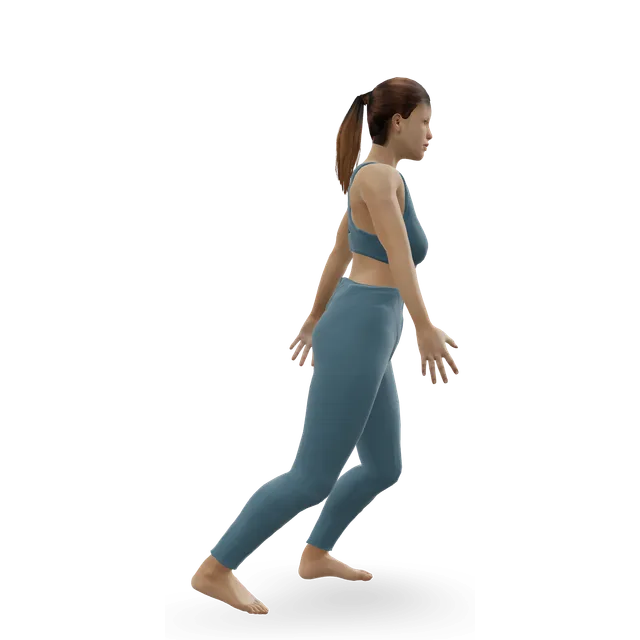
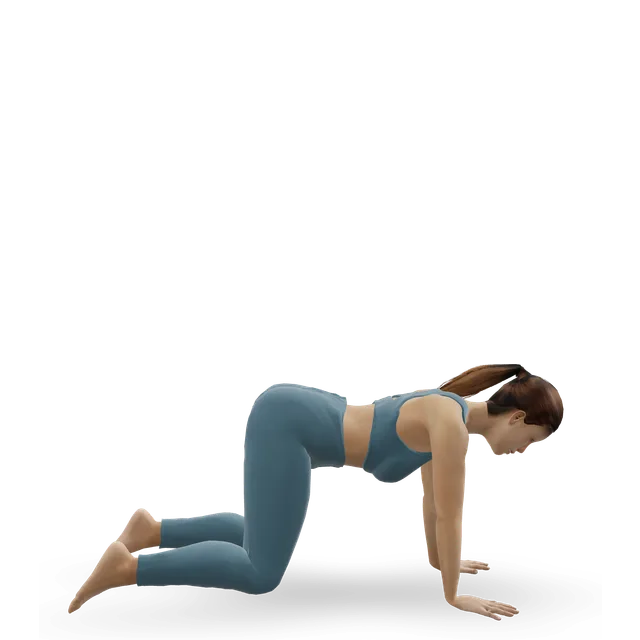
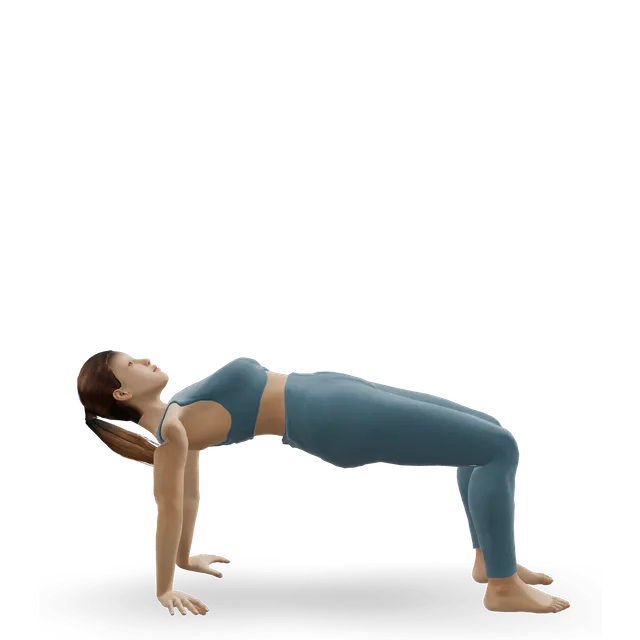
The knee strengthening workout and the arthritis routine cover the thigh and hip work in the trials. Do 2 to 3 sessions a week (our editorial starting point; the trials exercised at home 4 times a week). The animal moves workout is for children's play, not a treatment.
"Stretches and exercises can straighten bow legs in adults."Emerging evidence
The only trial that measured it found changes of about 1 degree, which its authors said weren't structural correction. Routines that promise straighter legs in weeks have nothing behind them.
"Bow legs mean you'll get knee arthritis."Strong evidence
A bow raises the chance, mainly in people who are overweight, but it's a risk factor, not a certainty. Exercise and a healthy weight help knees whatever their shape.
"Surgery is the only treatment for adults with bow legs."Emerging evidence
Surgery is the only thing that changes bone shape, but a mild bow is common in healthy adults, and for knee arthritis exercise is the core treatment. No trial shows that an osteotomy for leg shape alone prevents arthritis.
Most toddlers' legs are close to straight by about 2, and some healthy children take until 3 or 4. Children then become knock-kneed for a while, most obviously at 3 to 4, before their legs settle by about 7.
When should I worry about my toddler's bow legs?
See a GP if the bowing is getting worse after 2, is still clearly there at about 3, is much worse in one leg, or comes with pain, a limp or short height. A photo every few months helps the GP see how the legs are changing.
Do babies with bow legs need braces or special shoes?
No. Braces, special shoes, insoles and exercises don't change normal bowing, and children need nothing more than active play. Braces are used only for Blount disease, by a specialist.
Can vitamin D prevent bow legs?
It prevents rickets, a rare cause of bowing that gets worse instead of better. The NHS advises daily vitamin D for breastfed babies from birth and for all children aged 1 to 4. It doesn't change the normal bowing of toddlers.
What is Blount disease?
A rare problem with the growth plate at the top of the shin bone that makes bowing get worse, in toddlers or teenagers. Young children may wear a brace, and older children may need an operation to guide growth or straighten the bone.
Can bow legs be corrected in adults with exercise?
No. Exercise can't change the shape of adult bones: in the one trial that checked on X-rays, angles changed by about 1 degree, which the authors said wasn't real straightening. It does build strength and ease knee pain.
Do bow legs cause knee pain or arthritis?
A bow puts more load through the inner knee and, in a large Dutch study, roughly doubled the odds of arthritis there, mainly in people who were overweight. It's a risk factor, not a certainty, and exercise still helps knees with a bow.
Do braces or insoles help bow-legged knees?
Wedge insoles work no better than flat insoles for knee arthritis pain. NICE says not to offer braces routinely, while the American College of Rheumatology recommends a knee brace for some people whose arthritis badly affects walking or stability.
Is surgery worth it for bow legs?
Not for leg shape alone. An osteotomy, which realigns the shin bone, can ease pain from arthritis in the inner knee, but it hasn't been compared with exercise in a trial.
Does playing football cause bow legs?
Teenage footballers, especially boys, have a mild bow more often than non-athletes, perhaps from load on the growing shin bone. The studies are snapshots, a mild bow is common in healthy adults, and it's no reason to stop sport.
What's the difference between bow legs and knock knees?
With bow legs the knees stay apart when the ankles touch; with knock knees the ankles stay apart when the knees touch. Most children go through both: bowed as babies and toddlers, and knock-kneed at 3 to 4.
Exercise education, not a diagnosis or treatment plan, and clinical review of these guides is pending. Get a curve or hunch that is new or getting worse checked, above all in a growing child or after a fall, and get urgent help for numbness or weakness in the legs or a change in bladder or bowel control. Health disclaimer.