Sport

Handball training: strength, the knee and shoulder programmes, and injuries

This guide is about team handball, the seven-a-side Olympic game, indoors and on the beach: not American wall handball, and not football's handball rule. It's sixty minutes of sprints, jumps, feints, throws and body contact: elite players cover 3 to 4.5 km a match, shoot from distance and over defenders, and collide with them all game. Handball has one of the higher injury rates in team sport, about 5 injuries per 1,000 hours across studies and far more in matches, led by knees and ankles, with shoulders the commonest overuse problem and women's anterior cruciate ligament (ACL) tears the most serious.

It's also the sport where some of the best-known injury prevention programmes were tested: a warm-up that halved knee and ankle injuries in young players, and the knee and shoulder programmes that cut injuries in Swedish handball schools. This guide sets them out as they were trialled, with what the pooled results show, alongside strength training for faster throws, the International Handball Federation's rules on ball sizes, protective equipment and dangerous fouls, and concussion. It includes a 20-minute warm-up and a strength workout, with a 3D demo of every move.

The short version

Sixty minutes of sprints, jumps, throws and contact

Elite players covered 3,664 m a match on average across 17 studies, but most of the time is spent standing or walking between repeated sprints, jumps, duels and throws. The Compendium of Physical Activities lists team handball at 8.0 METs (metabolic equivalents), an estimated value.

Sources 1, 2, 3

Knees and ankles first, and women's ACLs most of all

Across 16 studies, players had about 5 injuries per 1,000 hours, mostly in matches and mostly to the knee and ankle. In elite Norwegian handball, women tore an ACL about 5 times as often as men.

Sources 4, 5

Warm-ups with knee and landing work prevent injuries

A warm-up with running, cutting, landing, balance and strength work roughly halved knee and ankle injuries in 1,837 young Norwegian players, and the Knee Control programme cut knee injuries by about a third in Swedish handball schools.

Sources 6, 7

Shoulder programmes: promising, not settled

Shoulder Control more than halved shoulder injuries in Swedish handball schools and an Oslo programme cut shoulder problems in elite teams, but a German programme didn't work, and two pooled analyses disagree.

Sources 7, 8, 9, 10, 11

Strength training makes throws faster

Across 30 trials, resistance training raised throwing speed, most clearly with barbell lifts.

Source 12

The rules protect heads

The International Handball Federation (IHF) bans head protection and jewellery, sets ball sizes by age and punishes fouls to the head. We found no IHF or England Handball concussion protocol, so in England the UK grassroots guidelines apply.

Sources 13, 14, 15

What handball asks of your body

The game

Seven a side, six court players and a goalkeeper, on a 40 by 20 m court, with shots from distance, jump shots over the defence, fast breaks and constant contact between attackers and defenders. Under the IHF's rules (1 July 2025), players aged 16 and over play two halves of 30 minutes, those aged 12 to 16 two halves of 25 minutes, and those aged 8 to 12 two halves of 20 minutes. Beach handball is four a side on sand at least 40 cm deep, played barefoot.

Sources 16, 13, 17

Short, hard actions between easy spellsEmerging evidence

In elite men, about 80% of the time was spent standing or walking; stops, changes of direction and one-on-one duels were the commonest hard actions, heart rate averaged 82% of maximum, and intensity fell in the second half. Across 17 studies, women covered 4,549 m a match (110.5 m a minute) and men 3,333 m (78.4 m a minute). Women worked at a higher share of their aerobic capacity, while men did more high-intensity running and more tackles. Backs threw most, pivots had most body contact and wings made most fast breaks.

Sources 2, 16, 1, 18

Recreational handballEmerging evidence

Untrained men aged 33 to 55 averaged 82% of their maximum heart rate in recreational games. In 54 inactive men aged about 67, three 60-minute sessions a week for 16 weeks improved aerobic fitness, body fat and insulin, and two a week improved aerobic fitness.

Sources 19, 20

Energy cost

The Compendium lists team handball at 8.0 METs, an estimated value. Its measured value for "handball, general" (12.0 METs) isn't team handball (our reading), so our calories calculator doesn't use either.

Source 3

Where the load falls

The sites the studies point to:

  • Knees and ankles: planting and cutting, landings and turns. ACL tears happened about 40 milliseconds after the foot landed, with the knee collapsing inwards, and mostly while feinting or shooting.
  • The throwing shoulder: repeated fast overhead throws.
  • Hands and fingers: catching, blocking and contact.
  • The head and face: arms, bodies and the ball.
  • Goalkeepers: splits, lunges and saves with straight arms, which bend the elbow backwards.

Sources 21, 5, 22, 23, 24, 25, 26, 27

What to train (our reading)

Leg strength and landing control for the knees, ankle balance, shoulder-blade and rotator cuff strength for throwing, trunk rotation, repeated sprints and changes of direction, and, for goalkeepers, hip mobility and adductor strength.

Common injuries

Studies counted injuries in different ways: tournament medical teams per match hour, season studies per hour of play or as the share of players injured each week, and surveys by asking players. Figures in different lines aren't directly comparable.

How often players get hurtEmerging evidence

The numbers, by group:

  • 16 studies pooled (11,049 players): 5.05 injuries per 1,000 hours, matches well above training, knees and ankles commonest.
  • The 2015 men's World Championship: 104.5 injuries per 1,000 player-hours in matches; 27.1% of players were injured.
  • The 2017 men's World Championship: 82.1 match injuries per 1,000 hours.
  • Six major tournaments: 108 injuries per 1,000 player-hours; head injuries were 23% of them.
  • The Tokyo 2020 Olympics: 18% of handball players were injured, the sixth highest of all events.
  • Danish elite youth players aged 14 to 18 (679): 9.4 injuries per 1,000 hours, and 21% injured at any one time.
  • Danish elite players: 11.1 match injuries per 1,000 match hours in under-16s, rising to 23.5 in seniors.
  • Norwegian youth players: 0.9 acute injuries per 1,000 training hours against 9.9 per 1,000 match hours.
  • Brazilian elite players: 3.7 injuries per 1,000 training hours. Slovenian elite men: 13.3% had a health problem in any week.

Sources 4, 28, 29, 26, 30, 31, 32, 21, 33, 34

Knees and ACLsEmerging evidence

In elite Norwegian handball, women tore an ACL at 0.31 per 1,000 hours against 0.06 for men, and 25 of 28 tears happened without contact, while planting and cutting. In the Danish registry, 55% of 4,540 handball ACL injuries happened without contact and 80% with the ball, mostly while feinting or shooting. In one cohort, women's ACL tears were more common on artificial floors than wooden ones, an association. A drop-jump test couldn't pick out who would tear an ACL in 710 elite female football and handball players, and leg strength wasn't linked with ACL tears. Our ACL injury, knee pain and meniscus tear guides cover these injuries.

Sources 5, 23, 35, 36, 37

AnklesEmerging evidence

Ankle injuries were the commonest at the 2015 World Championship and 29% of traumatic injuries in Danish elite players, often from contact with another player's foot. Our sprained ankle and chronic ankle instability guides cover these.

Sources 28, 32, 38

ShouldersEmerging evidence

Before the season, 36% of elite female players had shoulder pain. In elite men, 28% had shoulder problems at any one time in a season. In Swedish adolescent elite players, 23% had substantial shoulder problems during a season, girls and backcourt players more often, and in Norwegian junior men the shoulder was the commonest overuse problem (17% at any one time). Our shoulder pain, shoulder impingement and dislocated shoulder guides cover these.

Sources 39, 24, 40, 41

Fingers and thumbsEmerging evidence

In 296 German youth elite players, 42% had a hand or wrist injury in the previous season, nearly half at the middle finger joints and 29% at the thumb, mostly sprains, and over a third of the moderate and severe ones weren't seen by a doctor. Our broken or jammed finger, mallet finger and skier's thumb guides cover these.

Sources 25, 38

Heads, faces and teethEmerging evidence

Head injuries were 23% of injuries at major tournaments. Of 100 professional players, 49% had a head or face injury in a year and 22% a dental injury. In German professional handball, head, hand, shoulder and ankle injuries mostly came from contact.

Sources 26, 42, 38

ConcussionEmerging evidence

Danish youth players aged 11 to 17 had 0.8 concussions per 1,000 hours, the older age groups more, and 49% of them played on, almost all by their own decision. In French amateur adults, suspected concussions were 0.885 per 1,000 match hours, more often in women and wingers. Our concussion guide covers the graduated return.

Sources 43, 44

Goalkeepers' elbowsMixed evidence

In an old survey of 729 Norwegian goalkeepers, 45% had current or previous elbow problems from blocking shots with a straight arm, known as handball goalie's elbow. At the 2017 World Championship, goalkeepers had higher odds of match injury than wings. We don't have a guide to it yet; our elbow pain guide covers elbow pain in general.

Sources 27, 29

Beach handballEmerging evidence

At the 2017 European Beach Handball Championships, injuries that stopped players training or playing were 49.3 per 1,000 match hours, lower than indoors. In a survey of 651 beach players, there were 53.5 injuries per 1,000 athletes a year.

Sources 45, 46

Who's at higher riskEmerging evidence

Matches, about 10 times training in youth players; a previous injury; girls and women for ACL and shoulder injuries; backs and goalkeepers in World Championship matches; players given a 2-minute suspension in the same match; the last 10 minutes of each half; sudden jumps in weekly handball hours; and weak outward rotation of the throwing shoulder. These are associations.

Sources 21, 32, 33, 29, 38, 47, 48, 49
What prevents injuries

These programmes were trialled in handball itself. The hamstring, groin and ankle evidence comes from other sports, and each note says so. The shoulder programmes have their own section below.

Knee and ankle warm-ups, as trialled in handballStrong evidence

Five trials in handball players:

  • Norway, 1,837 players aged 15 to 17 in 120 clubs, randomised by club over an 8-month season: a structured warm-up for running, cutting and landing technique, balance and strength cut acute knee and ankle injuries from 8.6% to 4.8% of players. The summary we could read doesn't give its exercises or doses.
  • Norway, the women's top three divisions, before and after, not randomised: a 15-minute balance and landing programme with mats and wobble boards. ACL tears fell in the elite division, not significantly, and players who completed the programme had far fewer.
  • Germany, 279 adolescent players randomised by team: a neuromuscular programme for a season. Severe knee injuries were 0.04 against 0.33 per 1,000 hours.
  • Germany, 475 adolescent and senior players randomised by team: the Knee-ABC 2 programme cut acute severe knee injuries by over 80% and knee overuse symptoms too.
  • Sweden, 627 players aged 15 to 19 in 18 handball schools, randomised by school for a year: Knee Control, six exercises (the one-legged knee squat, the pelvic lift, the two-legged knee squat, the bench, the lunge, and jumping and landing technique), each at four levels plus a partner exercise, 3 times a week. Knee injuries fell by 31% (1.7 against 2.5 per 1,000 hours), although players did it about 1.6 times a week.

Sources 6, 50, 51, 52, 7

What the pooled results sayEmerging evidence

Pooling randomised and cohort studies in handball, prevention programmes went with fewer knee, ACL and ankle injuries. Across sports, warm-ups with strength and landing work halve ACL injuries, and Exercise and Sport Science Australia (ESSA) estimates about 60% fewer ACL injuries in adolescent female football, basketball and handball players, with programmes of 10 to 30 minutes 2 to 3 times a week.

Sources 11, 53, 54

Doing it is the hard partEmerging evidence

In 945 Danish youth players aged 11 to 17, adding coach workshops and support from health professionals to online material didn't raise how often teams did the programme or cut injuries. In the Swedish trial, players did the programmes about half as often as asked, and injuries still fell.

Sources 55, 7

Ankles: balance training and bracesMixed evidence

In a small, older trial of young women, ankle disc training at every practice cut injuries, and a German balance and jumping programme had falls in ACL tears and ankle sprains that weren't significant. Lace-up braces cut ankle sprains in other sports; no handball trial has tested them.

Sources 56, 57, 58, 59

Hamstrings and groins, borrowed from footballEmerging evidence

Programmes including the Nordic hamstring exercise went with about half as many hamstring injuries across sports, though the effect is uncertain when only properly randomised trials are pooled. The Copenhagen adductor exercise cut groin problems by 41% in semi-professional footballers. Neither has been tested in handball.

Sources 60, 61, 62

What doesn't work, or isn't shownStrong evidence

Stretching programmes didn't prevent sports injuries, while strength training cut them to about a third. Screening tests such as drop jumps and leg strength can't pick out who will tear an ACL, so the programmes are for everyone. No study has tested taping fingers to prevent finger injuries (our search).

Sources 63, 36, 37

Training for performance

Strength makes throws fasterStrong evidence

Across 30 trials (727 players), resistance training raised throwing speed, with large effects on standing, jump and running throws, and barbell training in compound lifts gave the clearest results. Medicine balls, bands, core and ballistic training had too few studies to judge, and medicine-ball and band training didn't improve accuracy. In elite men, resistance training was the most effective method, and training with heavy lowering phases didn't help.

Sources 12, 64, 65

Jumps, sprints and agilityEmerging evidence

Across 20 studies (563 players), plyometric training improved jumps, sprints, repeated sprints with changes of direction, agility, strength and power, but not balance, and programmes longer than 8 weeks improved sprints more. Our jump guide explains how to build landings first.

Source 66

A national team's 8 weeksMixed evidence

Before the 2008 Olympics, Denmark's men did 5 weeks of muscle-building work with long running intervals, then 3 weeks of strength, power and short intervals. Their score on an intermittent running test rose by 25%, agility by 2.5% and bench press by 6%; squat strength and jumps didn't change significantly. This is a case report, not a trial.

Source 67

Tapering and tournamentsEmerging evidence

In a small trial (10 players against 10 controls), cutting training intensity by 60% for 2 weeks after a 10-week strength block kept strength, sprint and throwing gains rising. In Norway's national women's team, three matches in 3 days cut sprint and jump performance by 4 to 7%, with incomplete recovery between matches, and the authors advise spreading playing time.

Sources 68, 69

Fitting it around handball

Every session: the knee and shoulder programmes in the warm-up, at least 3 times a week, as trialled. Shoulder Control takes 10 to 15 minutes; doing both, or alternating them, is our suggestion. Off-season and pre-season: 2 to 3 strength sessions a week (our suggestion), with jump training for more than 8 weeks.

In season: 1 or 2 shorter strength sessions, with no heavy legs or maximal jumps in the 48 hours before a match (our suggestion). Before tournaments, keep a few heavy, fast sets and cut the volume, and spread playing time over congested match days. Raise weekly handball hours gradually after breaks, with extra care for girls' knees and sore shoulders.

Sources 7, 47, 48, 66, 68

The throwing shoulder

Shoulder Control, as trialledEmerging evidence

In the Swedish handball schools trial, 199 players aged 15 to 19 did Shoulder Control: five exercise groups for the shoulder blade, the rotator cuff and the trunk, each at four levels, in sets of 15 to 30 seconds, moving 1 to 2 seconds each way. They did 3 sets 3 times a week off-season and 2 sets 3 times a week in season, taking 10 to 15 minutes, with a throwing progression in the summer.

Shoulder injuries fell by 56% (0.8 against 1.8 per 1,000 hours), about 1 injury prevented for every 9 players, although players did it about 1.3 times a week. The Knee Control group didn't have fewer shoulder injuries, so the effect seems to need shoulder exercises.

Source 7

The Oslo programmeEmerging evidence

In 660 elite Norwegian players in 45 teams over a 7-month season, the Oslo Sports Trauma Research Center (OSTRC) programme, done in the warm-up 3 times a week to improve inward rotation, outward-rotation strength, shoulder-blade strength and upper-back mobility, cut the average share of players with shoulder problems from 23% to 17%. Substantial problems fell from 8% to 5%, not significantly, and teams did it about 1.6 times a week.

Sources 8, 10

Programmes that didn't workEmerging evidence

In 579 German players, five blocks of band strengthening and stretching 3 times a week didn't reduce overuse shoulder injuries, in a season cut short by COVID-19 and with low questionnaire response. A push-up programme didn't reduce shoulder pain in junior girls, and in another trial the Oslo programme didn't change outward-rotation strength, so how these programmes work isn't known.

Sources 9, 70, 71

The pooled analyses disagreeEmerging evidence

Pooling the three randomised trials, the effect wasn't significant (odds ratio 0.73, 0.45 to 1.17), with low certainty; without the German trial, it was (0.58). A review that also pooled non-randomised studies found 40% lower odds of shoulder injury (odds ratio 0.60). Our grade: promising, not settled. Our throwing events page grades the same programme mixed, because it has never been tested in throwers.

Sources 10, 11

Load and the shoulderEmerging evidence

In 679 Danish elite youth players, a week in which handball hours rose by more than 60% over the previous four weeks' average went with nearly twice the rate of shoulder injury, and smaller rises did harm in players with weak outward rotation or a poorly controlled shoulder blade. In the same players, girls whose hours jumped by more than 60% had a 31.2% risk of a knee injury the next week, against 10.5% in boys.

Sources 47, 48

Risk factorsMixed evidence

Weak outward rotation, less rotation range and a poorly controlled shoulder blade went with shoulder problems in elite men, and weak outward rotation in youth players, but a larger cohort of men and women couldn't confirm the earlier findings. A review rated the evidence strongest for weak outward rotators and for female sex.

Sources 24, 72, 49, 73

Our reading

Do a shoulder programme at least 3 times a week, raise handball load gradually after breaks, and get shoulder pain that lasts, or keeps coming back, checked. Our shoulder pain guide explains what to do in the meantime.

Fingers, teeth and goalkeepers

FingersMixed evidence

Finger and thumb sprains are common, but no study has tested taping or catching drills to prevent them (our search). Buddy strapping after an injury, and the signs that need an X-ray, are in our broken or jammed finger guide.

Source 25

MouthguardsEmerging evidence

The IHF's rules don't require them. In 100 professional players, those who wore a mouthguard had 5.55 times lower odds of a dental injury, an association, but only 28% wore one regularly. Across sports, people without mouthguards had over twice the risk of mouth and face injuries.

Sources 42, 74, 13

Goalkeepers

No training trial has studied goalkeepers. With elbows bent backwards by shots and more injuries in matches, hip mobility, adductor strength and a gradual build-up of shot-blocking make sense (our suggestion). Elbow pain when blocking with a straight arm needs checking.

Sources 27, 29

Concussion and the IHF's rules

Concussion: no handball protocol foundStrong evidence

We found no concussion protocol from the IHF, the European Handball Federation (EHF) or England Handball. In England, the UK grassroots guidelines apply: if in doubt, sit them out; no return to play, training or physical education within 24 hours; National Health Service (NHS) 111 or a healthcare professional within 24 hours; a graduated return; and no competition before day 21. The NHS also advises no contact sport for at least 3 weeks after a head injury. French amateur handball uses a "white card" to take off a player with a suspected concussion, as a 2026 study describes it.

Sources 75, 76, 15, 77, 44

Ball sizes and playing times by ageStrong evidence

The IHF's Rules of the Game (1 July 2025):

  • Size 3 (58 to 60 cm, 425 to 475 g) for men and boys aged 16 and over.
  • Size 2 (54 to 56 cm, 325 to 375 g) for women, girls aged 14 and over and boys aged 12 to 16.
  • Size 1 (50 to 52 cm, 290 to 330 g) for girls aged 8 to 14 and boys aged 8 to 12. Balls without resin are slightly smaller and lighter, and mini-handball balls aren't regulated.
  • Two halves of 30 minutes from age 16, of 25 minutes at 12 to 16, and of 20 minutes at 8 to 12.

Source 13

Protective equipmentStrong evidence

Rule 4:9: "It is not permitted to wear objects that could be dangerous to the players or give players improper advantages. This includes, for instance, head protection, face masks, gloves, bracelets, watches, rings, visible piercing, necklaces or chains, earrings, glasses without restraining bands or with solid frames, objects that could cause cuts or abrasions (fingernails must be shortly trimmed)." The IHF's equipment regulations (1 July 2025) allow soft nose protection, sports glasses or goggles with special headbands and plastic lenses, ankle braces without uncovered hard parts and soft knee protectors, and say "Masks are not allowed" and "Helmets are not allowed".

Sources 13, 14

Fouls against the headStrong evidence

Fouls "against the head, throat or neck" are among those that earn a direct 2-minute suspension (Rule 8:4); a player attacking an opponent "in a way that is dangerous to his health" is disqualified (Rule 8:5); and a 2-minute suspension follows when an unhindered shot or a 7-metre throw hits the head of a goalkeeper who wasn't moving the head into the ball (Rule 8:8). Players with 2-minute suspensions were more likely to be injured at the 2017 World Championship, and foul play caused 28.4% of moderate and severe injuries in German professional handball. No study has measured these rules' effect on injuries.

Sources 13, 29, 38

Injured and bleeding playersStrong evidence

Rule 4:10: "A player who is bleeding or has blood on the body or uniform must leave the court immediately and voluntarily", and may not return until it's dealt with. Under Rule 4:11, a player treated on court must leave and can't return until the team's third attack, though national federations may suspend that in youth categories.

Source 13

Beach handballStrong evidence

The IHF's beach rules (1 April 2026): sand at least 40 cm deep, levelled, and free of rocks, shells and anything that could cut; "The weather must not present any danger of injury to the players"; all players barefoot, with cloth socks or support bandages allowed; and caps, sunglasses with restraining bands and therapeutic braces allowed.

Source 17

A warm-up for handball

Built on the two programmes trialled in Swedish handball schools, Knee Control and Shoulder Control, and on our warm-up guide (editorial). The trial tested the two separately; doing both is our suggestion, and the doses for the knee exercises are ours. Do it at least 3 times a week.

  1. Raise, about 3 minutes: 2 minutes of easy running, building the pace, then side steps and carioca, 2 × 10 m each way.
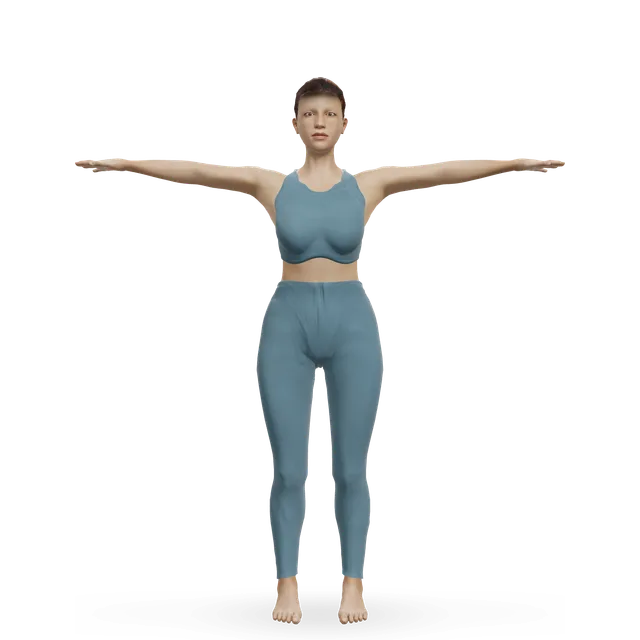
  2. Leg swings and arm circles: 8 swings each leg, then 10 arm circles each way, small to large.
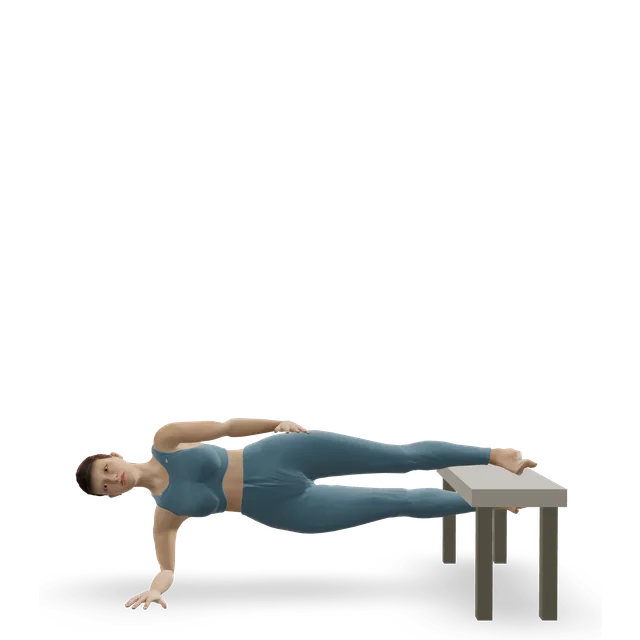
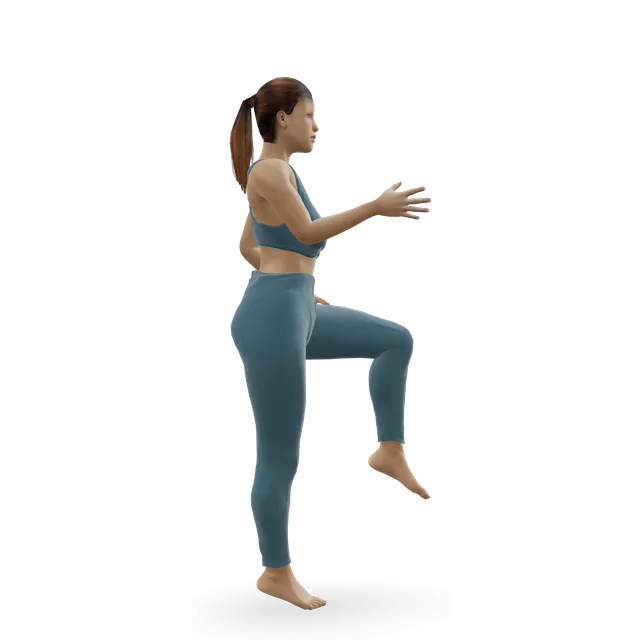
  3. Knee Control's exercises, at a level that's hard but done well: two-legged knee squats, one-legged knee squats (step-downs), the pelvic lift (a single-leg bridge), the bench (a plank) and lunges, about 8 slow reps or a short hold of each (our dose). Keep each knee over the middle toes.
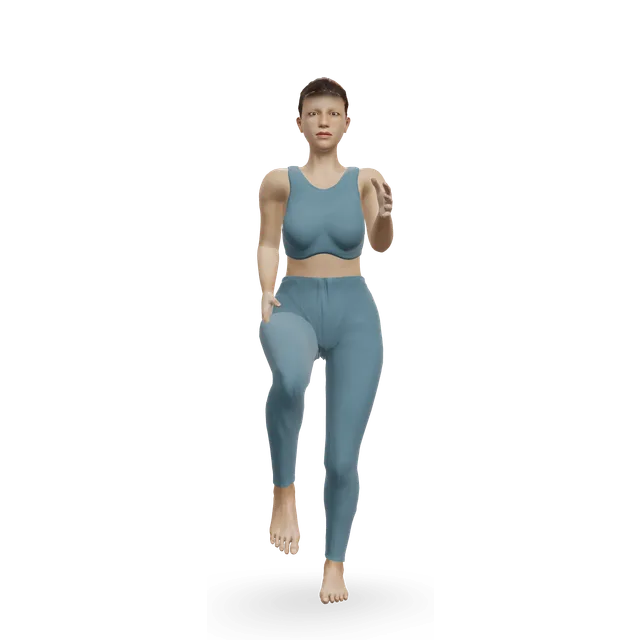
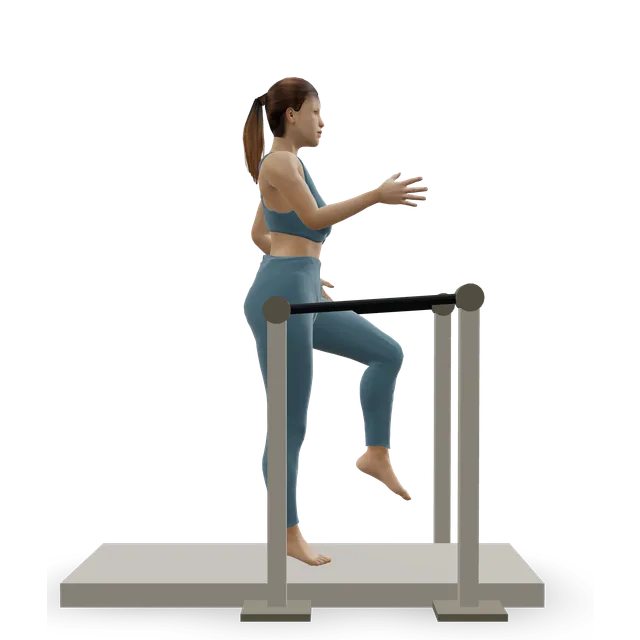
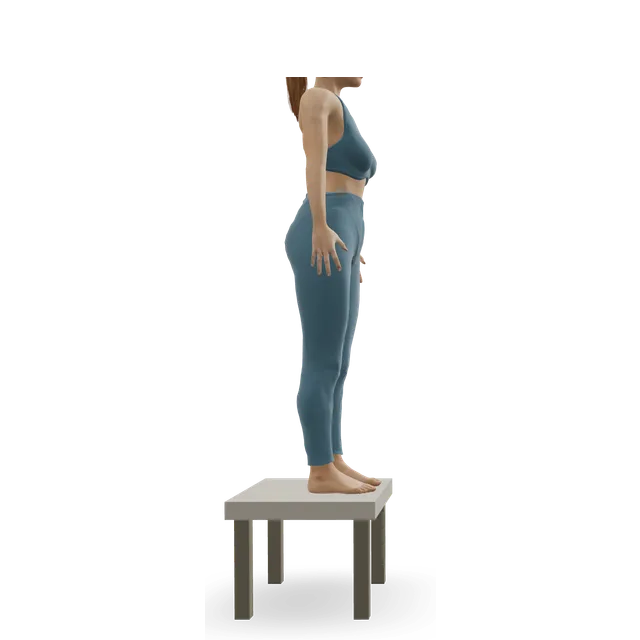
  4. Landings and cuts: 3 single-leg hops each leg, holding each landing for 2 seconds, then 2 plant-and-cut runs each way.
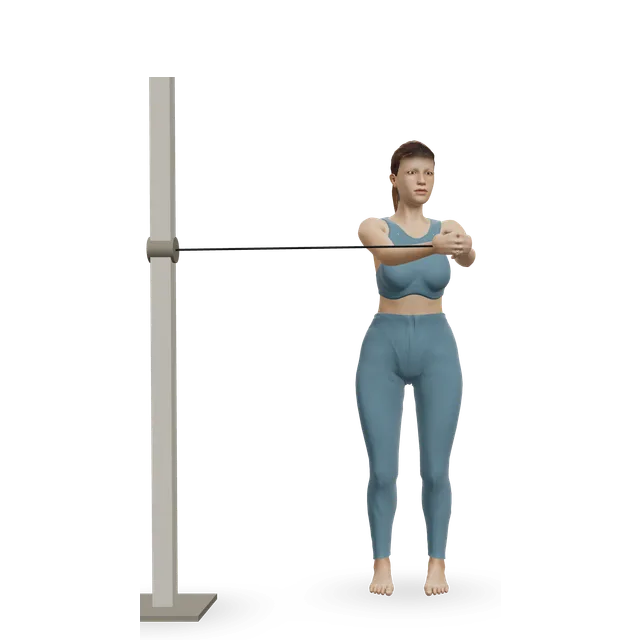
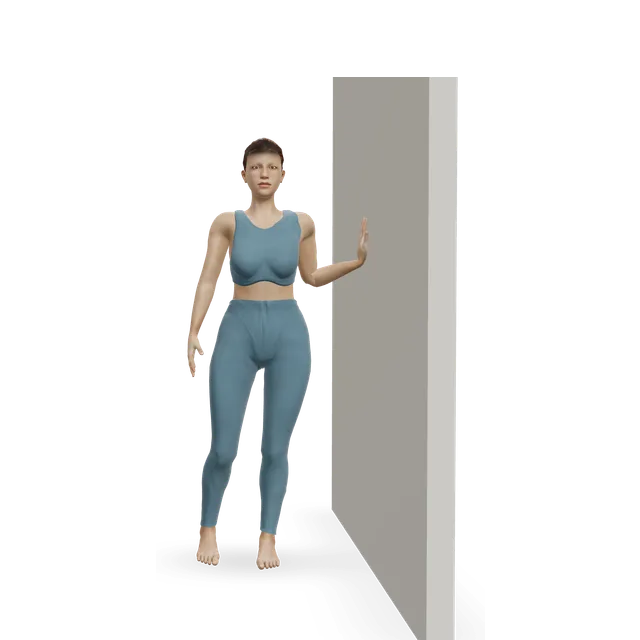
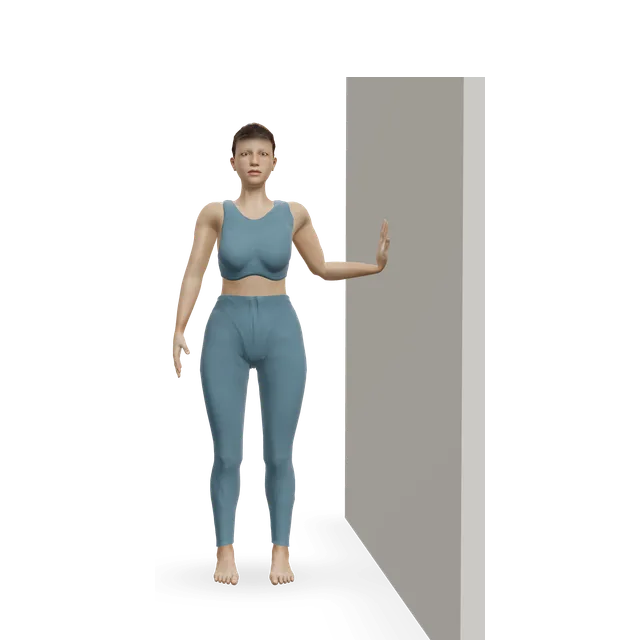
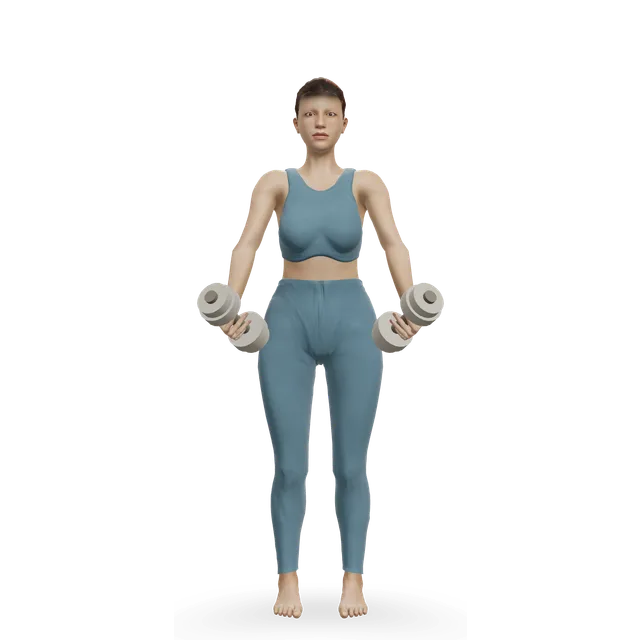
  5. Shoulder Control, as trialled: five exercises for the shoulder blade, rotator cuff and trunk (on our figure, the scaption raise, the scapular push-up, upper-back rotation, the single-leg Romanian deadlift and the press and rotation), 2 sets of 15 to 30 seconds each in season and 3 off-season, moving 1 to 2 seconds each way.
  6. Build-up runs: 3 runs of 20 m, building to about 90% of your top speed.
  7. Throwing build-up: passes at short range, then longer, then shots at about half, three-quarter and full effort. Goalkeepers add slow hip circles and easy saves before full shots.

Loading the 3D figure…

Gets into position, then repeats the movement. Technical checks passed; qualified exercise review is pending.

The movement on the figure: Scaption raise

Moves for handball

Shoulder Control's exercises as our figure shows them, the knee and landing work, and the strength workout's main lifts. Each has a 3D demo.

Workouts

The first two are new: a warm-up built on Knee Control and Shoulder Control, and a strength workout. The throwing arm and tennis routines share the Shoulder Control block; the others add knee control and landings, the hamstring and groin programmes, jumps, sprints, fitness and grip, and light exercise after a concussion.

Handball warm-up: Knee Control, Shoulder Control, landings and a throwing build-up

A 20-minute handball warm-up: easy running, leg swings, Knee Control, landings and cuts, Shoulder Control, then build-up runs before passes and shots.

20 minBeginner18 movesCardio machine, A wall

Strength workout for handball players: jumps, barbell lifts, Shoulder Control, Nordics and Copenhagens

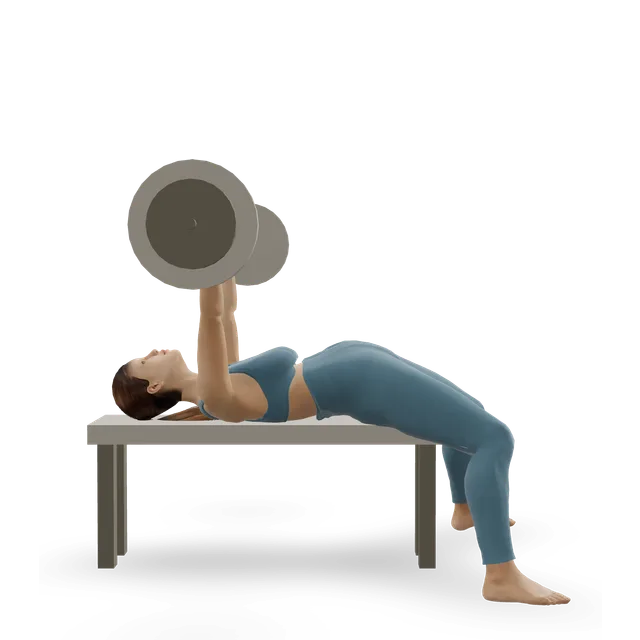
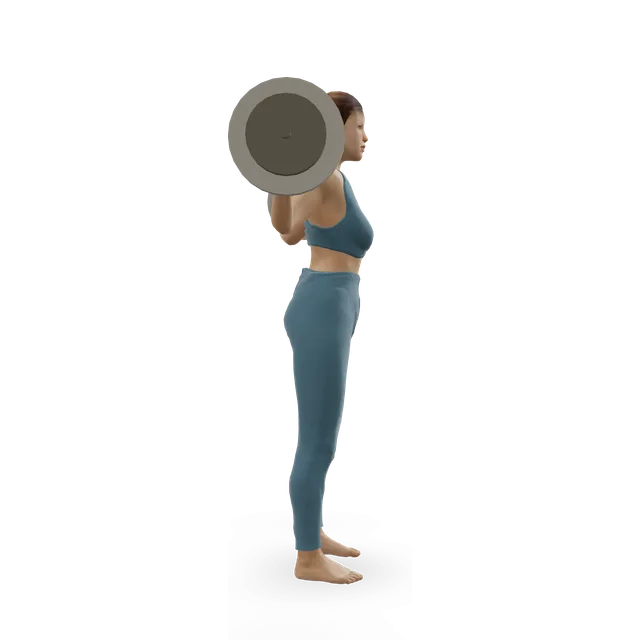
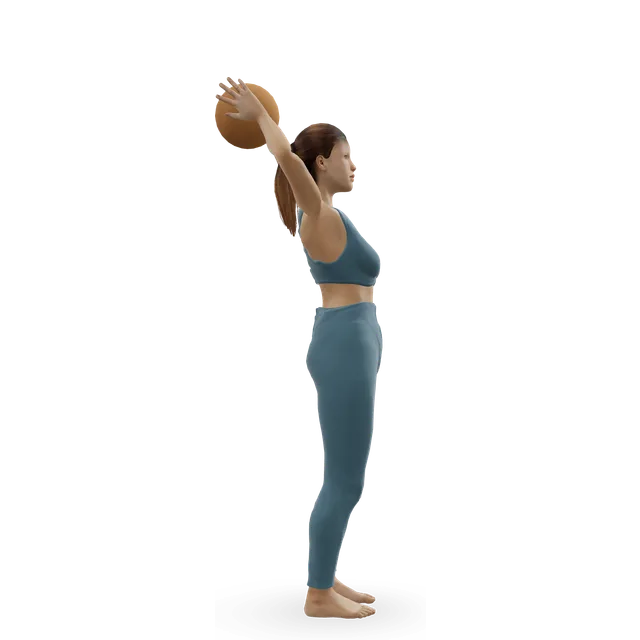
A 55-minute handball gym session: jump squats, landings, ball throws, squats, bench press, pull-ups, split squats, Shoulder Control, Nordics and Copenhagens.

55 minIntermediate20 movesA wall, A barbell

Throwing arm strength workout

A 35-minute session for baseball and softball players: the five Shoulder Control exercises, rotator cuff and forearm work, medicine-ball throws and legs.

35 minIntermediate17 movesA dumbbell, A cable machine

Tennis and padel injury prevention

A 25-minute routine for racket players: the five-part Shoulder Control programme from handball trials, band rotations, forearm lowering, hops and balance.

25 minBeginner12 movesA dumbbell, A cable machine

Shoulder mobility and stability routine (with a band)

A 25-minute band routine for healthy shoulders: move the shoulder and upper back through their range, then strengthen the rotator cuff and shoulder blades.

25 minBeginner12 movesA wall, A band

Volleyball injury prevention

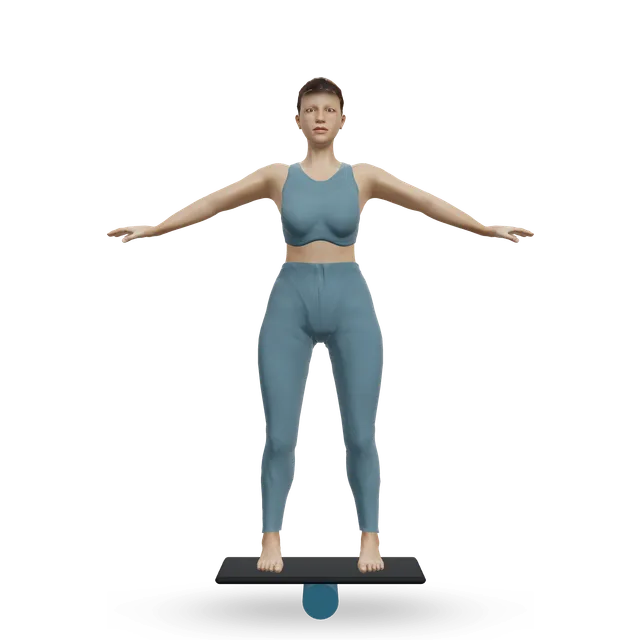
A 30-minute volleyball routine: balance board work for ankles, the five-part Shoulder Control programme, Nordics, lunges and calf raises, and trunk work.

30 minBeginner13 movesA wall, Other / check instructions

Basketball injury prevention warm-up

A 10-minute basketball warm-up from a Canadian programme: runs, shuffles, line hops, jump landings, planks, Nordics, lunges and one-leg balance with a ball.

10 minBeginner12 movesCardio machine, A wall

Netball strength and landing workout

A 35-minute netball session: drop landings, hop-and-sticks, lateral bounds and jumps, then goblet squats, split squats, single-leg hinges, Nordics and hip work.

35 minIntermediate15 movesA wall, A step

Knee control warm-up

A 20-minute warm-up that trains your knees to track over your toes: side-hip strength, squats and lunges with alignment practice, balance and quiet landings.

20 minBeginner10 movesA wall, A band

FIFA 11+ warm-up

FIFA's 11+ injury prevention warm-up as its manual sets it out: running drills, strength, balance and jumping at three levels, then faster running.

20 minBeginner20 movesCardio machine, A wall

Hamstring and groin injury prevention

The Nordic hamstring and Copenhagen adduction programmes from the football trials: a 10-week build, three adductor levels, then once a week in season.

15 minIntermediate6 movesA wall, An anchor point

Plyometric workout

An advanced jump training session: pogo hops, box jumps, split squat jumps, broad jumps and depth jumps.

30 minAdvanced8 movesA bench or box, A step

Sprint speed workout: drills, accelerations and flying sprints

A 45-minute speed session: running drills, five short accelerations and three flying sprints with full rest, then Nordic curls and calf raises.

45 minIntermediate11 movesCardio machine, A wall

Cardio intervals workout

A 25-minute interval session on a bike or rower: one-minute hard efforts with two minutes easy, building from 4 to 8 rounds.

25 minIntermediate1 movesCardio machine

Grip strength workout: squeezes, curls, carries and hangs

A 20-minute grip session: warm up the wrists and fingers, train the hand and forearm muscles, then carry and hang to load your grip the way everyday life does.

20 minBeginner10 movesOther / check instructions, A band

Light exercise after a concussion: the stage 3 session

A 20-minute light session after a concussion: a symptom check, 10 to 15 minutes of easy cycling or walking, gentle bodyweight moves and a cool-down.

20 minBeginner8 movesCardio machine, A bench or box

Plans

Two or three strength sessions a week fit the off-season; drop to one or two in season.

Who should check first

Everyone: seven questions

The PAR-Q+ (Physical Activity Readiness Questionnaire for Everyone) asks about a heart condition or high blood pressure, chest pain, dizziness or losing consciousness, other long-term conditions and their medicines, a bone or joint problem that activity could make worse, and being told to exercise only under supervision. If you answer yes to any, check with your doctor or a qualified exercise professional first. If you're over 45 and not used to hard exercise, ask a qualified exercise professional before the hardest sessions, and delay if you're ill.

Source 78

After a concussion

Half of concussed Danish youth players played on. Follow the UK guidelines: off at once, an assessment within 24 hours, a graduated return and no competition before day 21. Our concussion guide has the stages.

Sources 15, 77, 43

Girls and women, and anyone after an ACL injury

Women tear an ACL about 5 times as often as men in elite handball, and a previous ACL injury raised the risk almost 4 times. Do the knee programme at every session, and follow the return-to-sport checks in our ACL injury guide.

Sources 5, 36, 7

A sore or previously injured throwing shoulder

Shoulder problems are common, especially in girls and backcourt players. Do Shoulder Control, raise your handball hours gradually, and get pain that lasts, or keeps coming back, checked; our shoulder pain guide explains what to do.

Sources 24, 40, 7, 47

Goalkeepers with elbow pain

Elbow problems from blocking shots are common in goalkeepers. Build shot-blocking up gradually (our suggestion), and see our elbow pain guide.

Source 27

Young players whose handball hours jump

Sudden jumps in weekly handball went with more shoulder injuries, and in girls more knee injuries. Count all handball across teams and raise it gradually; our children's guide explains why total hours matter.

Sources 47, 48

Fainting or chest pain

The NHS advises seeing a GP if you've fainted, and calling 999 if someone faints while exercising; the PAR-Q+ asks you to check first if you get chest pain or dizziness. Do that before you play.

Sources 79, 80, 78

Pregnant

The NHS advises against sports with a risk of falling or bumping your tummy, naming hockey and rugby. Handball is a contact sport, so leave out contact and matches (our suggestion), talk to your midwife or GP, and see our pregnancy guide.

Source 81

People with epilepsy

Our epilepsy guide explains that in the International League Against Epilepsy's grouping, most team sports add no significant extra risk. Handball isn't named, but it's played the same way (our reading).

When to stop and get help

A head injury: call 999

The NHS says to call 999 if someone has hit their head and:

  • Has been knocked out and hasn't woken up, or can't stay awake or keep their eyes open.
  • Has a fit (seizure).
  • Has problems with their vision or hearing, or clear fluid coming from their ears or nose.
  • Has new numbness or weakness in any part of their body, or problems with walking, balance, understanding, speaking or writing.
  • Their behaviour has changed, such as being more irritable or distracted.

Source 77

Suspected concussion

If in doubt, sit them out: off at once, and no return that day. Get help from NHS 111 (the NHS's urgent advice line) if they're being sick, feel dizzy or take medicine that thins the blood. With a suspected neck injury, the player should only be moved by trained healthcare professionals.

Sources 15, 77

A knee that pops, gives way or swells

Stop playing. Call 999 or go to A&E (accident and emergency) if you heard a crack, the joint has changed shape or is numb, or the skin is blue, grey or cold. Get help from NHS 111 if it's very painful, the swelling is getting worse, or you can't put weight on it or walk more than a few steps.

Source 82

A shoulder that looks out of place

Go to A&E if you can't move your arm, or the shoulder looks out of place or has changed shape. Don't try to put it back in yourself.

Source 83

Fingers and thumbs

Go to A&E if a finger or thumb points at an odd angle, looks blue or feels numb, or bone can be seen. Get help from NHS 111 if it's painful, swollen and bruised, or stiff and hard to move.

Source 84

A ball to the eye

Go to A&E or call 999 if the eye was hit at high speed, your sight has changed, it's very painful, you have a headache or are sensitive to light, you feel or are being sick, you can't move the eye or keep it open, or blood or pus is coming from it.

Source 85

Teeth, noses and cuts

A chipped or broken tooth needs a dentist: keep any piece in milk or saliva. Call 999 or go to A&E for a nosebleed that won't stop, clear, watery fluid from the nose, a cut that won't stop bleeding, or a bad cut on the face. The IHF's rules send a bleeding player off the court at once.

Sources 86, 87, 88, 13

Collapse: call 999

If someone is unresponsive and not breathing normally, call 999 or 112, start CPR (cardiopulmonary resuscitation) straight away, and ask a helper to find and bring a defibrillator.

Source 89

Beach handball in the heat

The IHF's beach rules say the weather must not put players in danger. Call 999 if someone is still unwell after 30 minutes of rest, cooling and fluids, or has a very high temperature, hot skin that isn't sweating, a fast heartbeat or breathing, confusion, a fit or loss of consciousness.

Sources 17, 90

Myths

"Handball is a gentle school-hall game"Emerging evidence

Across 16 studies, players had about 5 injuries per 1,000 hours, far more in matches, with around 100 per 1,000 player-hours at major tournaments, and at Tokyo 2020 handball's injury rate was the sixth highest of all events.

Sources 4, 28, 26, 30

"Knee injuries in handball are bad luck"Strong evidence

A warm-up with running, cutting, landing and strength work roughly halved knee and ankle injuries in young players, and Knee Control cut knee injuries by 31%.

Sources 6, 7

"Throwers' shoulders just wear out, and nothing helps"Emerging evidence

Shoulder Control more than halved shoulder injuries and the Oslo programme cut shoulder problems, though a German programme didn't work and the pooled result of the randomised trials isn't significant. Something helps; how much isn't settled.

Sources 7, 8, 9, 10

"Weights will make you slow and muscle-bound"Strong evidence

Across 30 trials, resistance training made throws faster, most clearly with barbell lifts.

Source 12

"A jump test can tell who will tear an ACL"Strong evidence

A drop-jump test couldn't pick out which of 710 elite female football and handball players would tear an ACL, and leg strength wasn't linked with ACL tears. The knee programme is for everyone.

Sources 36, 37

"Stretching before play prevents injuries"Strong evidence

Stretching programmes didn't prevent sports injuries, while strength training did. Short stretches in a warm-up are fine for range (our warm-up guide).

Source 63

"Taping your fingers stops finger injuries"Mixed evidence

Finger and thumb sprains are common, but no study has tested taping to prevent them (our search). Buddy taping after an injury is another matter.

Source 25

"If you feel fine after a knock to the head, play on"Strong evidence

Half of concussed Danish youth players played on, almost all by their own choice. The UK guidelines say no return within 24 hours and no competition before day 21.

Sources 43, 15

Questions people ask

What are the best exercises for handball players?

Barbell lifts such as squats, bench presses and pulls made throws faster across 30 trials, and jump training improved jumps, sprints and agility. Add Shoulder Control for the throwing shoulder, and the Nordic and Copenhagen exercises that cut hamstring and groin injuries in footballers. Our strength workout puts them together.

How do you prevent shoulder injuries in handball?

Do a shoulder programme in your warm-up at least 3 times a week: Shoulder Control, five exercise groups in sets of 15 to 30 seconds, cut shoulder injuries by 56% in Swedish handball schools, and the Oslo programme cut shoulder problems in elite teams. Pooled across three trials the effect wasn't significant, so it's promising rather than proven. Raise your weekly handball load gradually too.

How do you prevent ACL injuries in handball?

Use a warm-up with strength, balance, landing and cutting work at every session: in young Norwegian players one roughly halved knee and ankle injuries, and Knee Control cut knee injuries by 31%. Exercise and Sport Science Australia estimates about 60% fewer ACL injuries in adolescent female handball, football and basketball players, with programmes of 10 to 30 minutes 2 to 3 times a week.

What are the most common handball injuries?

Knee and ankle sprains and bruises are the commonest injuries, mostly in matches, and shoulder pain is the commonest overuse problem. Finger and thumb sprains are very common, and women tear an ACL about 5 times as often as men.

How can I throw harder in handball?

Strength training raises throwing speed: across 30 trials the effect was large, and barbell training in compound lifts gave the clearest results. Medicine-ball and band training on their own had too few studies to show an effect. Combine gym work with throwing practice, and keep your shoulder programme going.

Is handball dangerous?

It's a contact sport with a high injury rate, especially in matches: about 5 injuries per 1,000 hours across studies, and at Tokyo 2020 handball had the sixth highest injury rate of all events. Most injuries are sprains and bruises, and warm-up programmes cut knee and shoulder injuries.

What size handball should I use?

The IHF's rules (1 July 2025) set size 3 for men and boys aged 16 and over, size 2 for women, girls aged 14 and over and boys aged 12 to 16, and size 1 for girls aged 8 to 14 and boys aged 8 to 12. Mini-handball balls aren't regulated.

Is there a concussion protocol in handball?

We found none from the IHF, the European Handball Federation or England Handball. In England, the UK grassroots guidelines apply: if in doubt, sit them out, an assessment within 24 hours, a graduated return and no competition before day 21. French amateur handball uses a white card to take off a player with a suspected concussion.

Is handball good exercise?

Yes: recreational handball for untrained men averaged 82% of maximum heart rate, and three 60-minute sessions a week for 16 weeks improved fitness, body fat and insulin in inactive men aged about 67. That's vigorous activity, which counts towards the NHS's 75 minutes a week for adults.

How should handball goalkeepers train?

No training trial has studied goalkeepers. They had higher odds of injury in World Championship matches, and in an old survey 45% had elbow problems from blocking with a straight arm, so hip mobility, adductor strength and a gradual build-up of shot-blocking make sense.

Sources

  1. García-Sánchez 2023 · Physical Demands during Official Competitions in Elite Handball: A Systematic Review (Int J Environ Res Public Health)
  2. Póvoas 2012 · Physical and physiological demands of elite team handball (J Strength Cond Res)
  3. Compendium of Physical Activities 2024 · Sports: MET values (adult compendium)
  4. Naderi 2026 · Exposure-adjusted injury incidence and the impact of surveillance definitions in handball: a systematic review and meta-analysis of prospective cohort studies (Res Sports Med)
  5. Myklebust 1998 · A prospective cohort study of anterior cruciate ligament injuries in elite Norwegian team handball (Scand J Med Sci Sports)
  6. Olsen 2005 · Exercises to prevent lower limb injuries in youth sports: cluster randomised controlled trial (BMJ)
  7. Asker 2022 · The Effect of Shoulder and Knee Exercise Programmes on the Risk of Shoulder and Knee Injuries in Adolescent Elite Handball Players: A Three-Armed Cluster Randomised Controlled Trial (Sports Med Open)
  8. Andersson 2017 · Preventing overuse shoulder injuries among throwing athletes: a cluster-randomised controlled trial in 660 elite handball players (Br J Sports Med)
  9. Achenbach 2022 · Multicomponent stretching and rubber band strengthening exercises do not reduce overuse shoulder injuries: a cluster randomised controlled trial with 579 handball athletes (BMJ Open Sport Exerc Med)
  10. Yonneau 2025 · Shoulder injuries prevention programmes in handball: a systematic review with meta-analysis (BMJ Open Sport Exerc Med)
  11. Naderi 2024 · Is an Exercise-Based Injury-Prevention Program Effective in Team Handball Players? A Systematic Review and Meta-Analysis (J Athl Train)
  12. Hadjisavvas 2024 · Can resistance training improve throwing performance in handball players? A Systematic review and meta-analysis (BMC Sports Sci Med Rehabil)
  13. International Handball Federation (IHF) 2025 · IX. Rules of the Game for Indoor Handball (1 July 2025)
  14. International Handball Federation (IHF) 2025 · Regulations on Protective Equipment and Accessories (1 July 2025)
  15. UK Government and Sport and Recreation Alliance 2024 · UK concussion guidelines for non-elite (grassroots) sport, November 2024 update
  16. Karcher 2014 · On-court demands of elite handball, with special reference to playing positions (Sports Med)
  17. International Handball Federation (IHF) 2026 · IX. Rules of the Game for Beach Handball (1 April 2026)
  18. Michalsik 2015 · Physical demands in elite team handball: comparisons between male and female players (J Sports Med Phys Fitness)
  19. Póvoas 2017 · Physical and Physiological Demands of Recreational Team Handball for Adult Untrained Men (Biomed Res Int)
  20. Carneiro 2023 · Dose-response effect of a recreational team handball-based exercise programme on cardiometabolic health and physical fitness in inactive middle-aged-to-elderly males - a randomised controlled trial (Eur J Sport Sci)
  21. Olsen 2006 · Injury pattern in youth team handball: a comparison of two prospective registration methods (Scand J Med Sci Sports)
  22. Koga 2010 · Mechanisms for noncontact anterior cruciate ligament injuries: knee joint kinematics in 10 injury situations from female team handball and basketball (Am J Sports Med)
  23. Mayntzhusen 2026 · ACL injury mechanism in elite and recreational handball players (Knee Surg Sports Traumatol Arthrosc)
  24. Clarsen 2014 · Reduced glenohumeral rotation, external rotation weakness and scapular dyskinesis are risk factors for shoulder injuries among elite male handball players: a prospective cohort study (Br J Sports Med)
  25. Mandlik 2021 · Traumatic injuries to the hand and wrist in youth elite handball are most frequently localised to the thumb and proximal interphalangeal joints (Sportverletz Sportschaden)
  26. Langevoort 2007 · Handball injuries during major international tournaments (Scand J Med Sci Sports)
  27. Tyrdal 1996 · High prevalence of elbow problems among goalkeepers in European team handball -- 'handball goalie's elbow' (Scand J Med Sci Sports)
  28. Bere 2015 · Injury and illness surveillance during the 24th Men's Handball World Championship 2015 in Qatar (Br J Sports Med)
  29. Tabben 2019 · Age, player position and 2 min suspensions were associated with match injuries during the 2017 Men's Handball World Championship (France) (Br J Sports Med)
  30. Soligard 2022 · New sports, COVID-19 and the heat: sports injuries and illnesses in the Tokyo 2020 Summer Olympics (Br J Sports Med)
  31. Møller 2024 · Health problems and injury management in adolescent handball: the Safeplay one-season cohort study of 679 players (Br J Sports Med)
  32. Moller 2012 · Injury risk in Danish youth and senior elite handball using a new SMS text messages approach (Br J Sports Med)
  33. Giroto 2017 · Incidence and risk factors of injuries in Brazilian elite handball players: A prospective cohort study (Scand J Med Sci Sports)
  34. Drole 2025 · Prevalence, incidence and burden of health problems across playing positions in elite male handball players: a 45-week prospective cohort study (BMJ Open Sport Exerc Med)
  35. Olsen 2003 · Relationship between floor type and risk of ACL injury in team handball (Scand J Med Sci Sports)
  36. Krosshaug 2016 · The Vertical Drop Jump Is a Poor Screening Test for ACL Injuries in Female Elite Soccer and Handball Players: A Prospective Cohort Study of 710 Athletes (Am J Sports Med)
  37. Steffen 2016 · Association between Lower Extremity Muscle Strength and Noncontact ACL Injuries (Med Sci Sports Exerc)
  38. Luig 2020 · Contact - but not foul play - dominates injury mechanisms in men's professional handball: a video match analysis of 580 injuries (Br J Sports Med)
  39. Myklebust 2013 · High prevalence of shoulder pain among elite Norwegian female handball players (Scand J Med Sci Sports)
  40. Asker 2018 · Female adolescent elite handball players are more susceptible to shoulder problems than their male counterparts (Knee Surg Sports Traumatol Arthrosc)
  41. Aasheim 2018 · Prevalence and burden of overuse injuries in elite junior handball (BMJ Open Sport Exerc Med)
  42. Bergman 2017 · Prevalence of dental trauma and use of mouthguards in professional handball players (Dent Traumatol)
  43. Pedersen 2025 · Health And Performance Promotion in Youth Sport (HAPPY): Concussion Incidence Rates, Initial Management, Symptoms, and Missed Activities in Danish Youth Handball Players (J Orthop Sports Phys Ther)
  44. Quentin 2026 · Incidence and risk factors of sport-related concussion in amateur handball players: findings from the PRECCOCE study (Neurochirurgie)
  45. Achenbach 2018 · Beach handball is safer than indoor team handball: injury rates during the 2017 European Beach Handball Championships (Knee Surg Sports Traumatol Arthrosc)
  46. Degenhardt 2025 · Low injury incidence and excellent return to sport after injuries in beach handball-a cross-sectional survey of 651 athletes (BMC Sports Sci Med Rehabil)
  47. Møller 2017 · Handball load and shoulder injury rate: a 31-week cohort study of 679 elite youth handball players (Br J Sports Med)
  48. Møller 2025 · Handball playing volume and knee injury risk in youth handball: the influence of sex (J Sci Med Sport)
  49. Achenbach 2020 · Decreased external rotation strength is a risk factor for overuse shoulder injury in youth elite handball athletes (Knee Surg Sports Traumatol Arthrosc)
  50. Myklebust 2003 · Prevention of anterior cruciate ligament injuries in female team handball players: a prospective intervention study over three seasons (Clin J Sport Med)
  51. Achenbach 2018 · Neuromuscular exercises prevent severe knee injury in adolescent team handball players (Knee Surg Sports Traumatol Arthrosc)
  52. Achenbach 2025 · Knee-ABC 2 reduces acute, severe and overuse knee injuries (Knee Surg Sports Traumatol Arthrosc)
  53. Webster 2018 · Meta-analysis of meta-analyses of anterior cruciate ligament injury reduction training programs (J Orthop Res)
  54. Collings 2026 · An Evidence-Based and Mechanistic Approach to Reducing the Risk of Anterior Cruciate Ligament Injury: An Exercise and Sport Science Australia Position Statement (Sports Med)
  55. Møller 2024 · Health And Performance Promotion in Youth (HAPPY) hybrid effectiveness-implementation cluster randomised trial: comparison of two strategies to implement an injury prevention exercise programme in Danish youth handball (Br J Sports Med)
  56. Wedderkopp 1999 · Prevention of injuries in young female players in European team handball. A prospective intervention study (Scand J Med Sci Sports)
  57. Petersen 2005 · A controlled prospective case control study of a prevention training program in female team handball players: the German experience (Arch Orthop Trauma Surg)
  58. McGuine 2011 · The effect of lace-up ankle braces on injury rates in high school basketball players (Am J Sports Med)
  59. Barelds 2018 · Ankle Bracing is Effective for Primary and Secondary Prevention of Acute Ankle Injuries in Athletes: A Systematic Review and Meta-Analyses (Sports Med)
  60. van Dyk 2019 · Including the Nordic hamstring exercise in injury prevention programmes halves the rate of hamstring injuries: a systematic review and meta-analysis of 8459 athletes (Br J Sports Med)
  61. Impellizzeri 2021 · Why methods matter in a meta-analysis: a reappraisal showed inconclusive injury preventive effect of Nordic hamstring exercise (J Clin Epidemiol)
  62. Harøy 2019 · The Adductor Strengthening Programme prevents groin problems among male football players: a cluster-randomised controlled trial (Br J Sports Med)
  63. Lauersen 2014 · The effectiveness of exercise interventions to prevent sports injuries: a systematic review and meta-analysis of randomised controlled trials (Br J Sports Med)
  64. Bragazzi 2020 · Resistance Training and Handball Players' Isokinetic, Isometric and Maximal Strength, Muscle Power and Throwing Ball Velocity: A Systematic Review and Meta-Analysis (Int J Environ Res Public Health)
  65. Petruzela 2023 · Conditioning Strategies for Improving Handball Throwing Velocity: A Systematic Review and Meta-Analyses (J Hum Kinet)
  66. Wang 2024 · Effects of Plyometric Training on Physical Fitness Attributes in Handball Players: A Systematic Review and Meta-Analysis (J Sports Sci Med)
  67. Kvorning 2017 · Strength and Conditioning Training by the Danish National Handball Team Before an Olympic Tournament (J Strength Cond Res)
  68. Hermassi 2019 · Effects of short-term resistance training and tapering on maximal strength, peak power, throwing ball velocity, and sprint performance in handball players (PLoS One)
  69. Ronglan 2006 · Neuromuscular fatigue and recovery in elite female handball players (Scand J Med Sci Sports)
  70. Sommervold 2017 · What is the effect of a shoulder-strengthening program to prevent shoulder pain among junior female team handball players? (Open Access J Sports Med)
  71. Fredriksen 2020 · Does an effective shoulder injury prevention program affect risk factors in handball? A randomized controlled study (Scand J Med Sci Sports)
  72. Andersson 2018 · Risk factors for overuse shoulder injuries in a mixed-sex cohort of 329 elite handball players: previous findings could not be confirmed (Br J Sports Med)
  73. Hadjisavvas 2022 · Risk factors for shoulder injuries in handball: systematic review (BMC Sports Sci Med Rehabil)
  74. Knapik 2019 · Effectiveness of Mouthguards for the Prevention of Orofacial Injuries and Concussions in Sports: Systematic Review and Meta-Analysis (Sports Med)
  75. England Handball · Our board, strategy and policies
  76. England Handball · Competition information
  77. NHS · Head injury and concussion
  78. PAR-Q+ Collaboration 2025 · The Physical Activity Readiness Questionnaire for Everyone (PAR-Q+)
  79. NHS · Fainting
  80. NHS · Chest pain
  81. NHS · Exercise in pregnancy
  82. NHS · Sprains and strains
  83. NHS · Dislocated shoulder
  84. NHS · Broken finger or thumb
  85. NHS · Eye injuries
  86. NHS · Chipped, broken or cracked tooth
  87. NHS · Broken nose
  88. NHS · Cuts and grazes
  89. St John Ambulance · How to do CPR (where the NHS's CPR page now leads)
  90. NHS · Heat exhaustion and heatstroke

Exercise education for people who play sport, not a personal prescription or a diagnosis, and clinical review of these pages is pending. Check with a GP or physiotherapist before hard training if you have a heart condition, chest pain, dizziness or an injury that isn't settling, and stop for sharp or increasing pain. Health disclaimer.